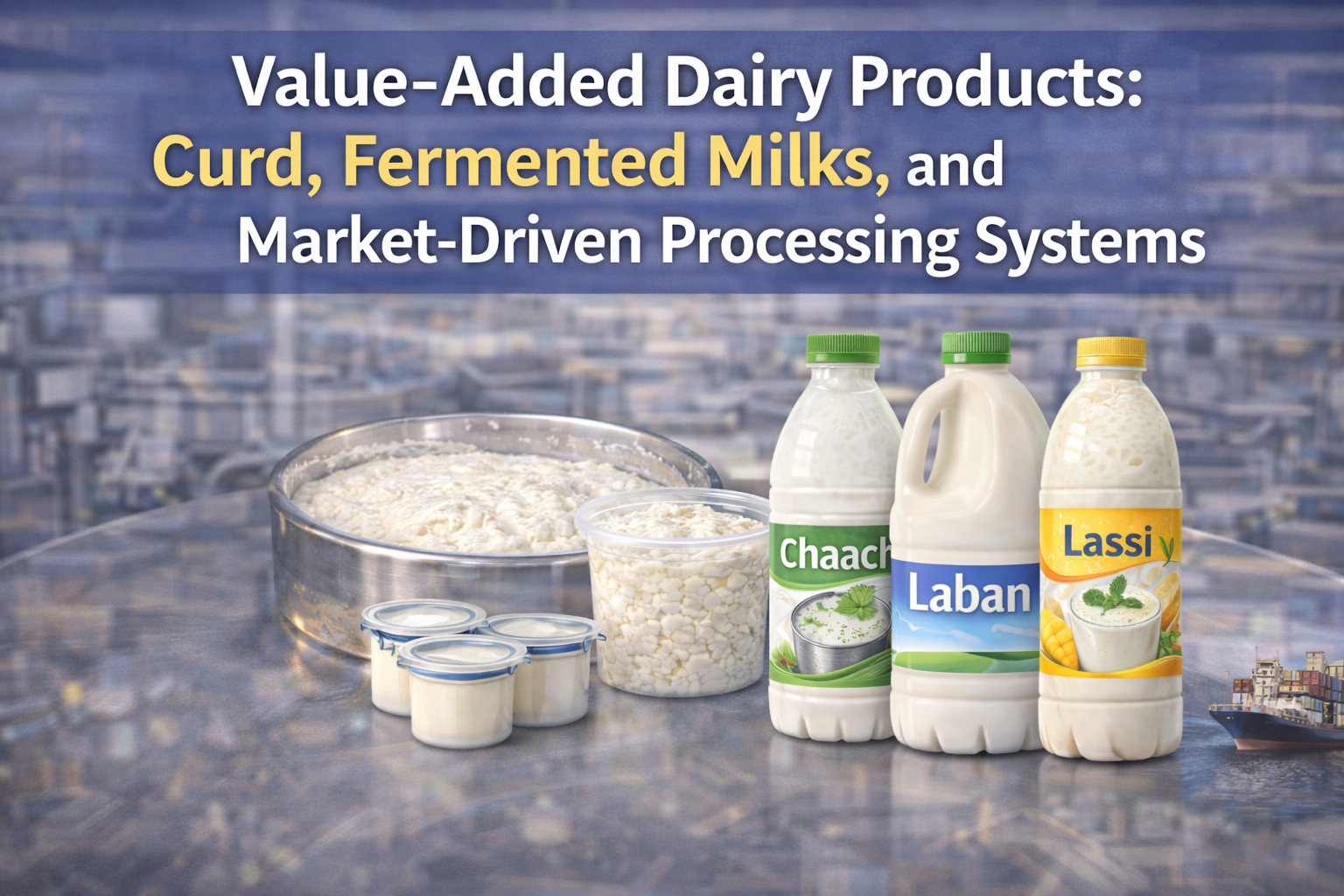
1. Why Value Addition Is Central to Dairy Profitability
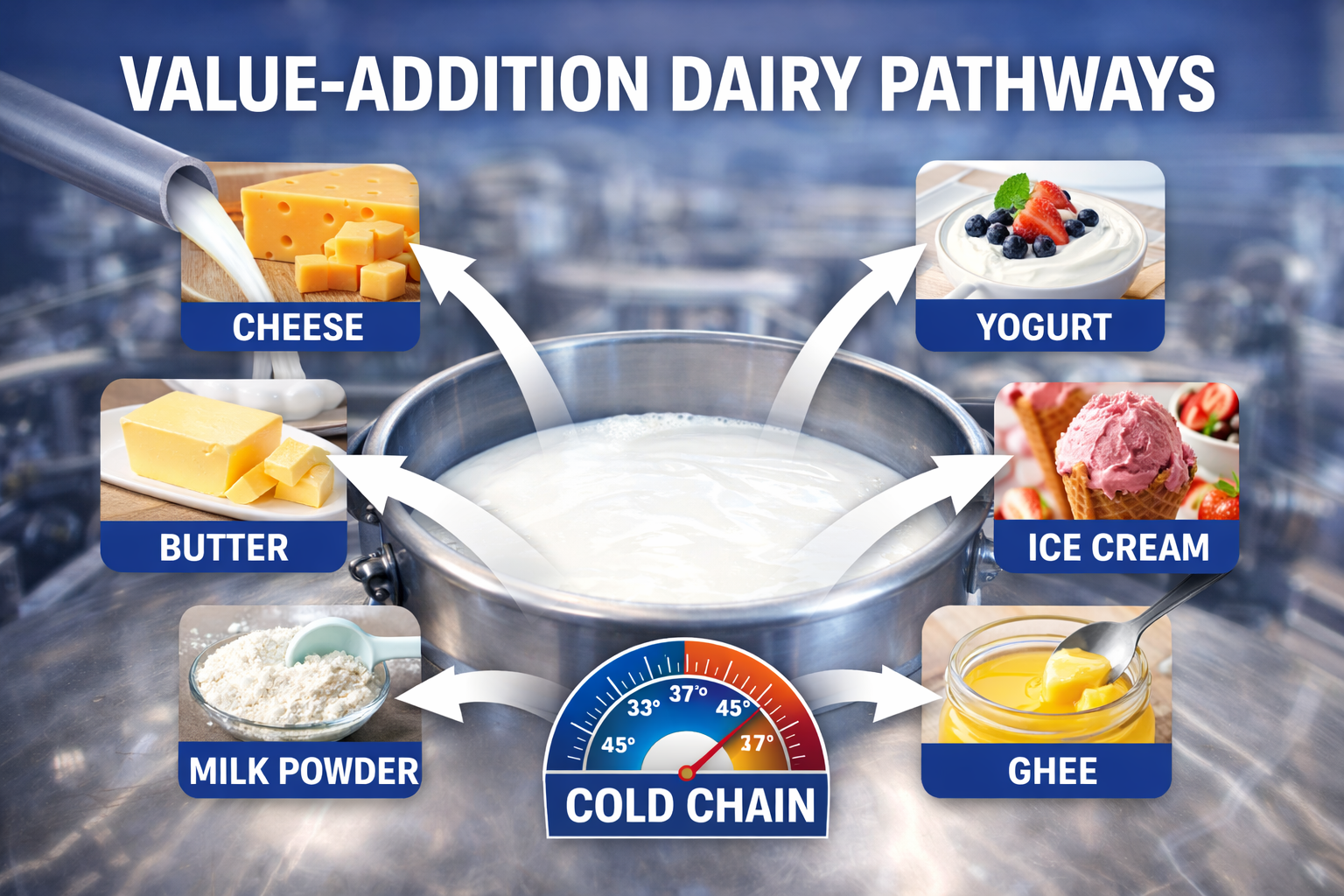
Raw milk is biologically fragile and economically volatile. Its price is dictated by daily supply–demand dynamics, while its shelf life is extremely short. Value-added dairy products convert this instability into controlled biology and predictable markets.
Fermentation, in particular, is one of the most efficient forms of value addition because it simultaneously:
● Improves shelf life
● Enhances safety
● Adds functional and sensory value
Strategic advantages of value addition
● Higher price realization per litre of milk
● Reduced spoilage risk
● Market differentiation
● Better utilization of milk solids
2. Fermentation as a Biological Preservation Tool
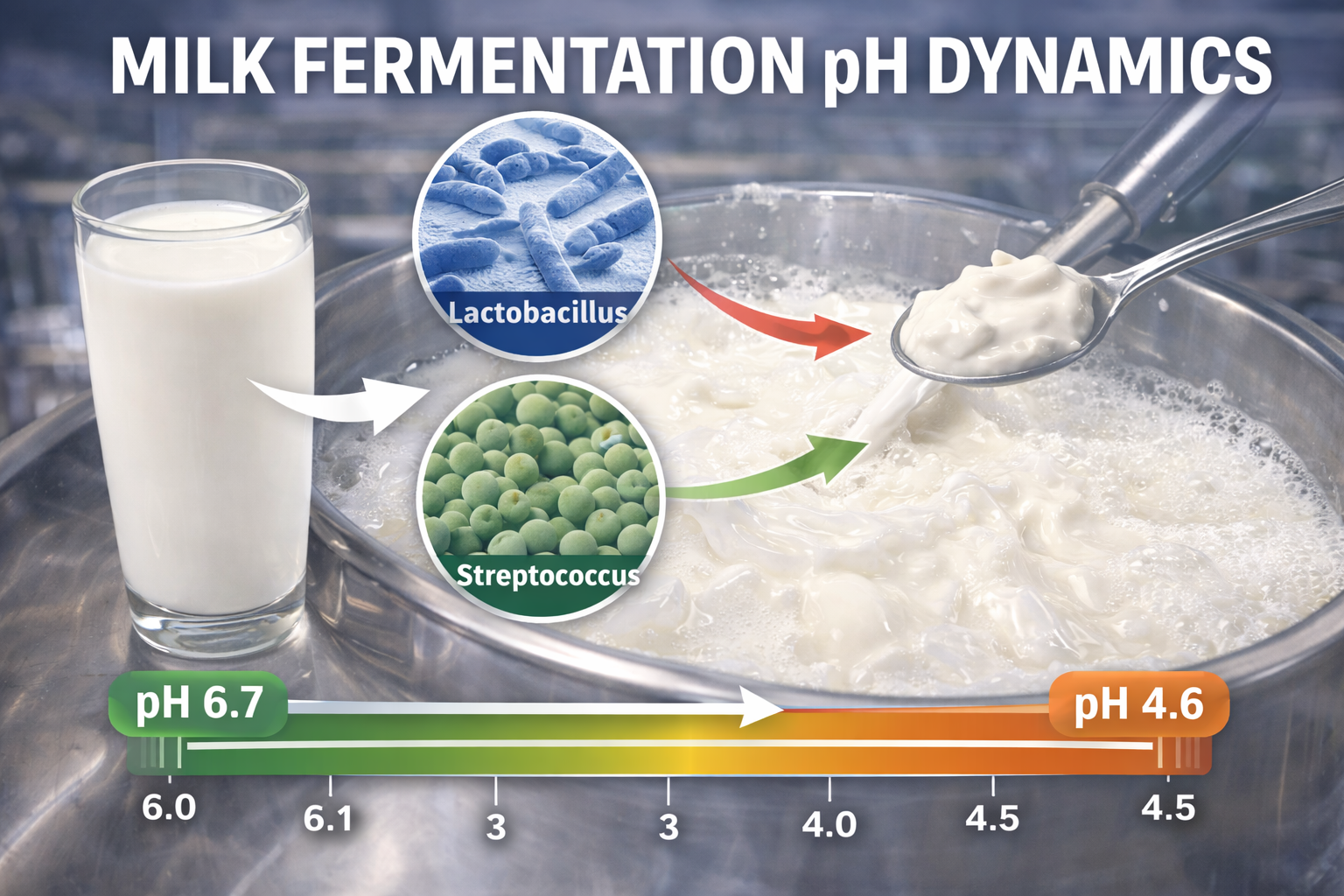
Fermentation is not merely a culinary process; it is controlled microbial ecology. Lactic acid bacteria convert lactose into lactic acid, reducing pH and creating an environment hostile to pathogens and spoilage organisms.
This biological acidification stabilizes milk while developing characteristic texture and flavor.
Core fermentation principles
● Lactose → lactic acid conversion
● pH reduction to ~4.5
● Protein gel formation (casein coagulation)
● Competitive exclusion of pathogens
3. Curd (Dahi): India’s Primary Value-Added Dairy Product
Curd, or dahi, is the most widely consumed fermented dairy product in India. Its cultural acceptance, simple processing, and versatility make it the backbone of small and medium dairy value-addition enterprises.
Despite its apparent simplicity, consistent curd production requires strict control over milk quality, starter cultures, incubation conditions, and hygiene.
Why curd dominates
● Familiar taste and daily consumption
● Low capital requirement
● Flexible scale (home → industrial)
● Strong local market demand
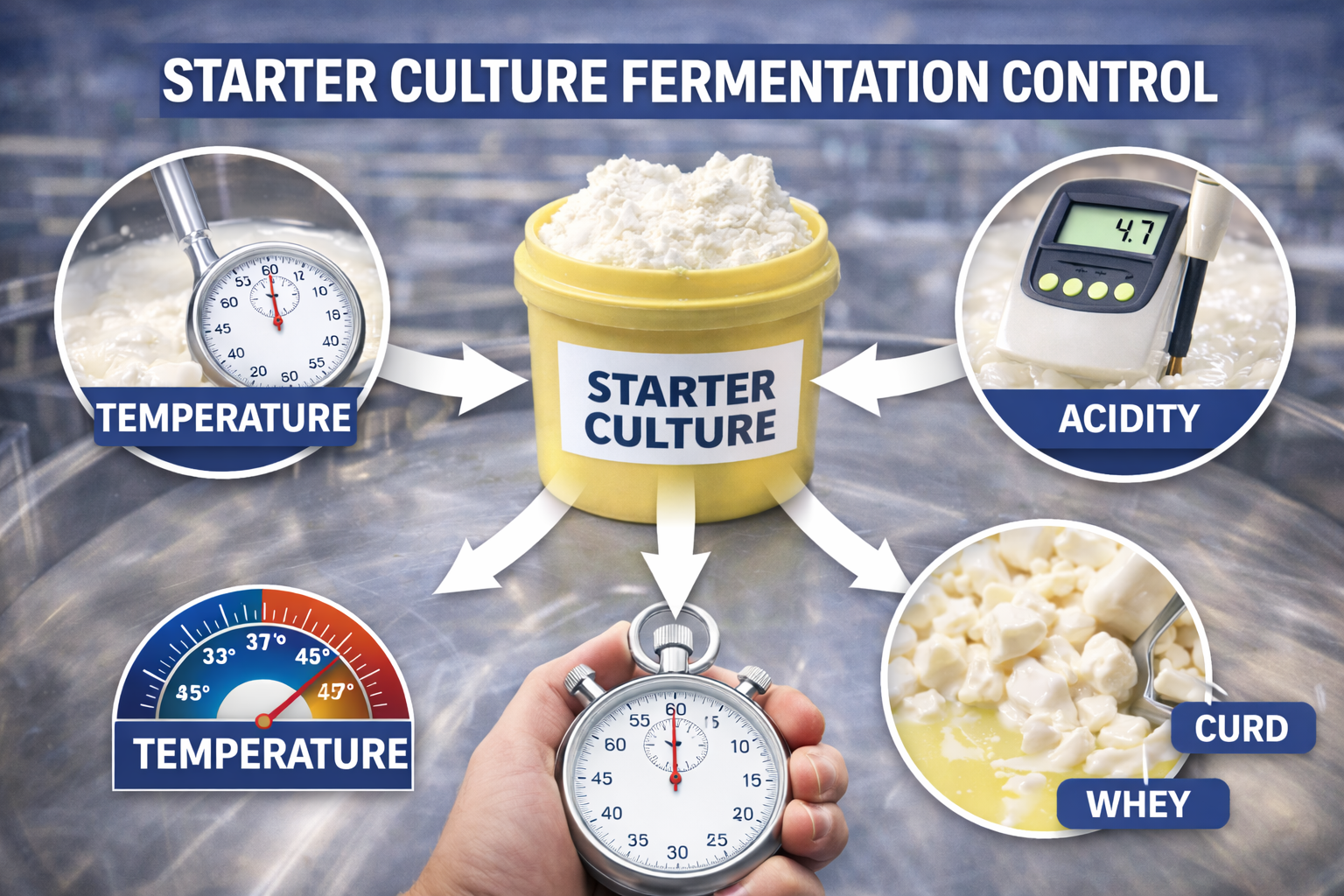
4. Starter Cultures and Microbial Control
Starter cultures define the texture, acidity, flavor, and shelf life of fermented dairy products. Traditional back-slopping methods are gradually giving way to standardized commercial cultures for consistency and safety.
Common lactic cultures
● Lactobacillus delbrueckii
● Streptococcus thermophilus
● Mesophilic vs thermophilic cultures
Culture management principles
● Correct inoculation rate
● Temperature-specific incubation
● Avoiding contamination and phage attack
5. Processing Steps for Curd Production
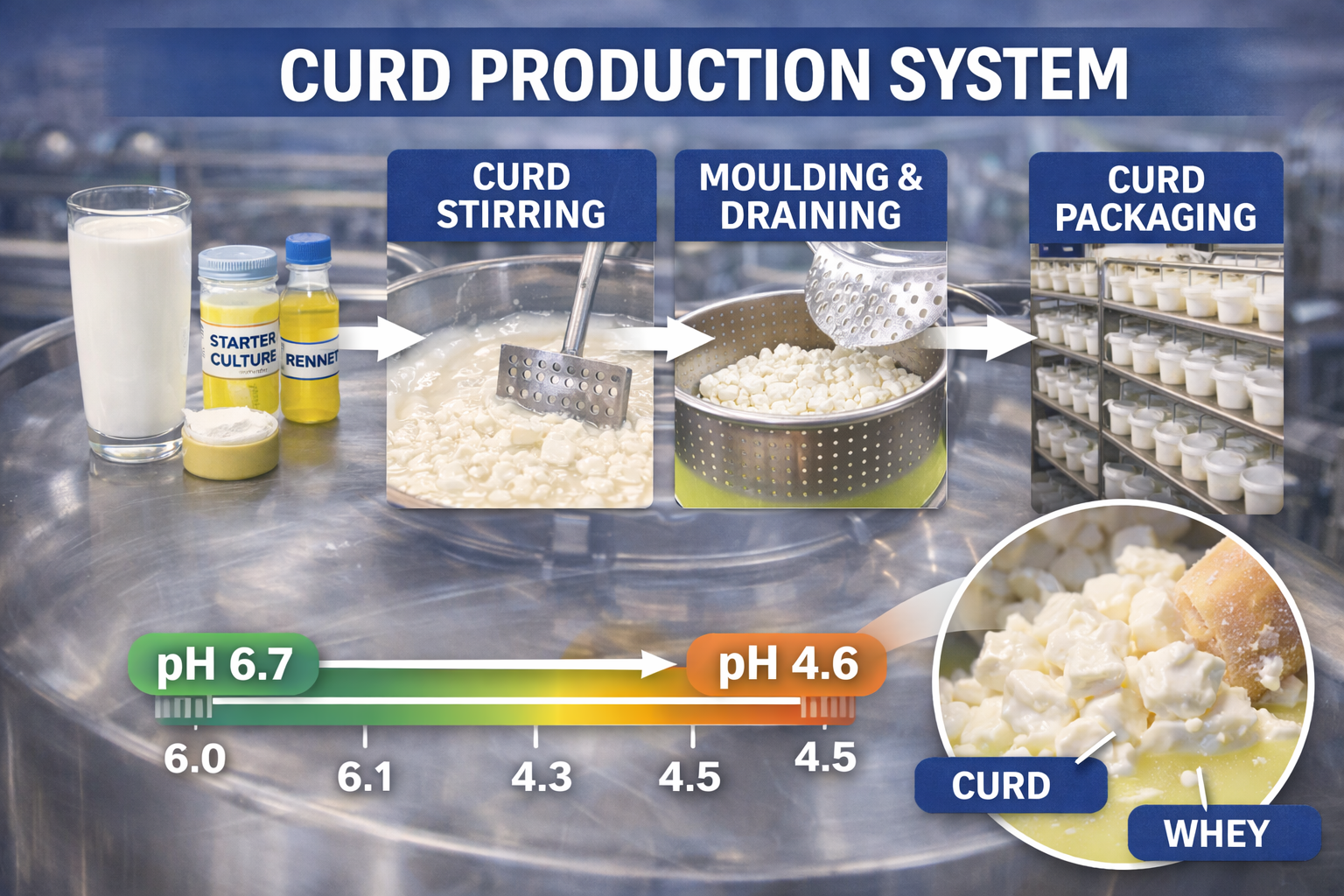
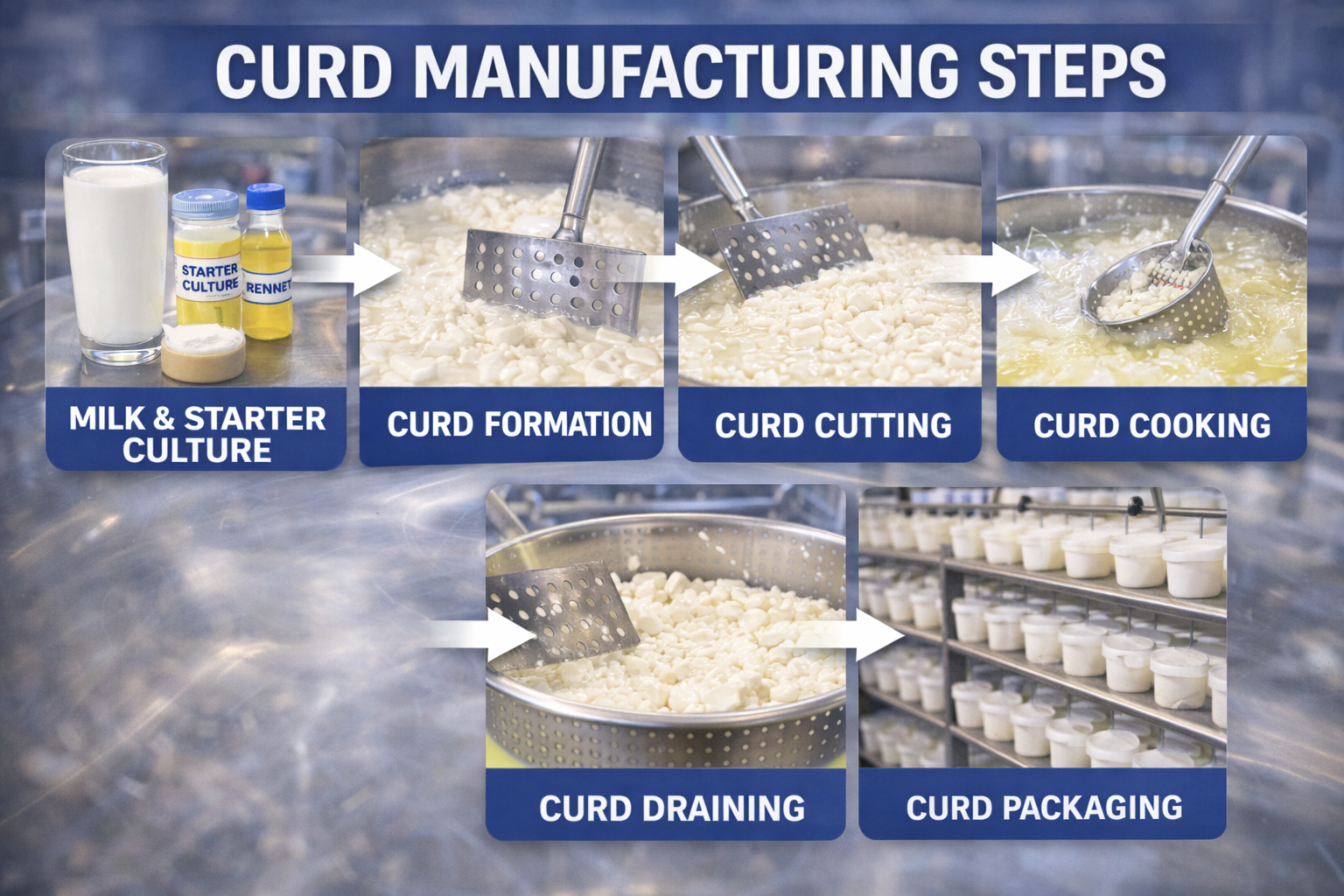
Curd production follows a precise sequence of operations, regardless of scale. Deviations at any stage affect consistency and shelf life.
Standard processing steps
● Milk standardization and pasteurization
● Cooling to inoculation temperature
● Starter culture addition
● Incubation and coagulation
● Rapid cooling and storage
Critical control points
● Pasteurization adequacy
● Incubation temperature stability
● Hygiene during post-fermentation handling
6. Shelf Life, Packaging, and Cold Chain
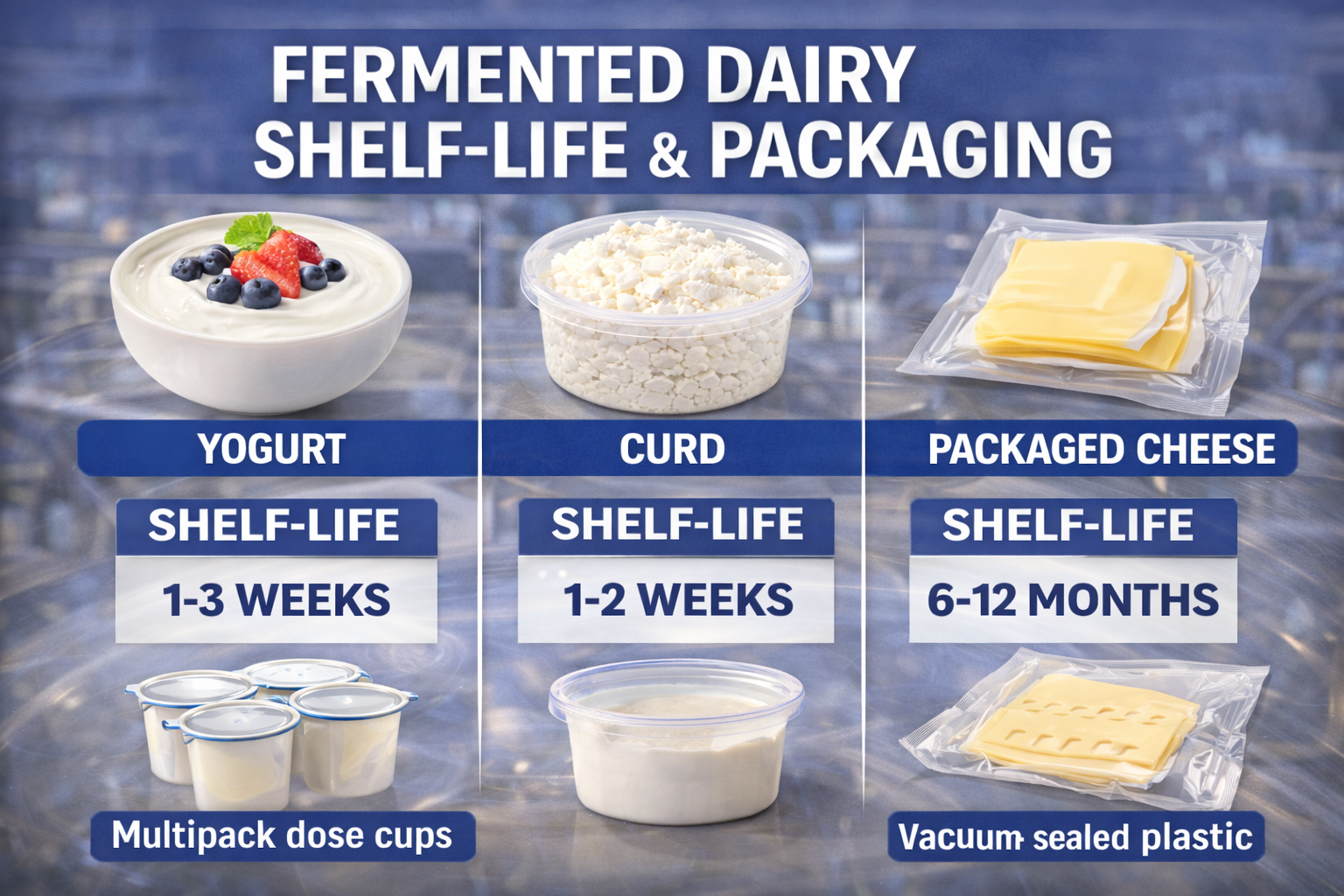
Fermented products are more stable than raw milk but remain sensitive to temperature abuse. Shelf life depends on acidity development, microbial balance, and packaging integrity.
Shelf-life determinants
● Final product pH
● Storage temperature
● Oxygen exposure
● Post-acidification rate
Common packaging formats
● Cups and tubs (retail)
● Pouches and bulk packs (wholesale)
7. Wholesale vs Retail Curd Production Models
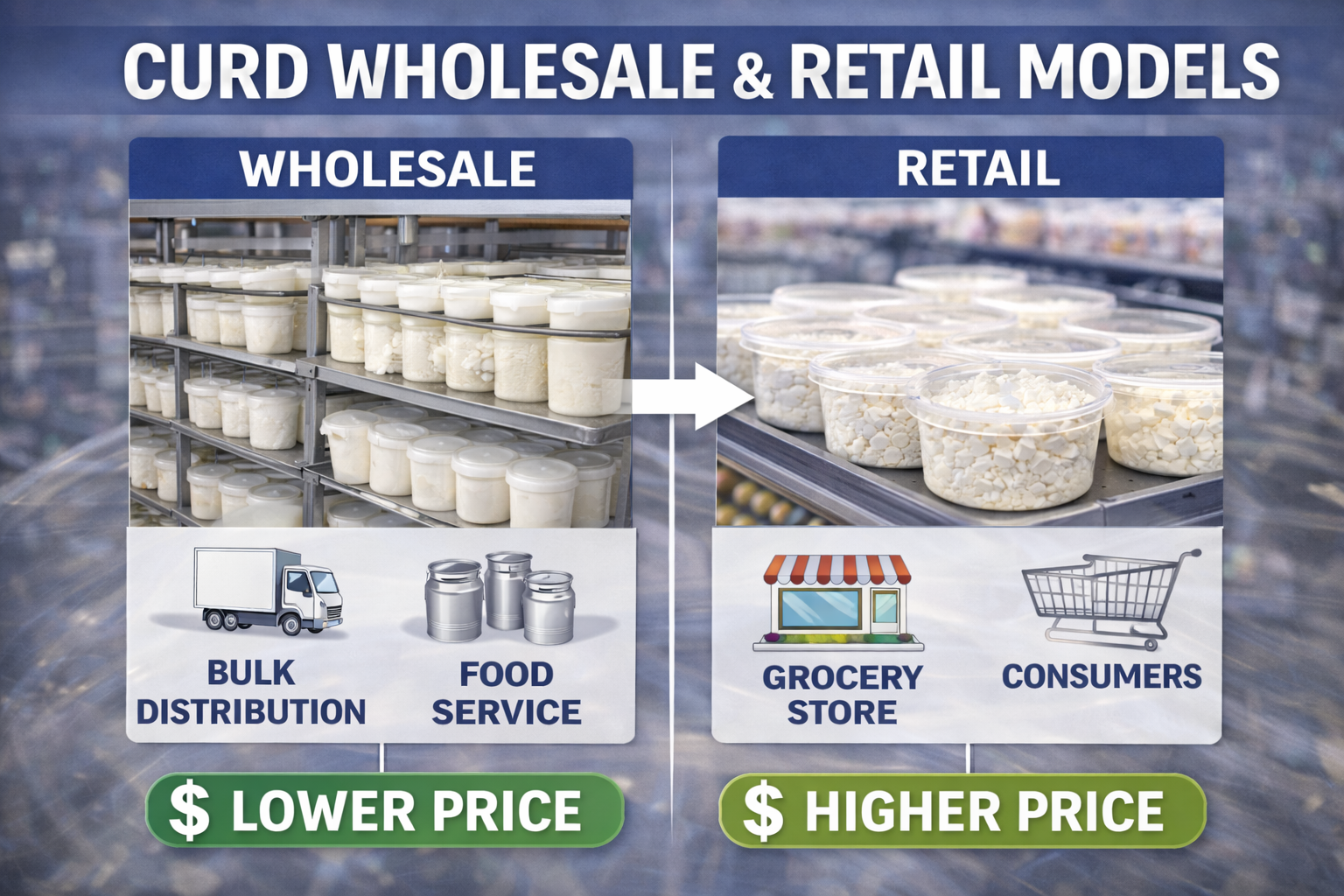
Production strategy differs markedly depending on market orientation. Wholesale curd emphasizes volume, consistency, and logistics, while retail curd focuses on branding, texture, and consumer experience.
Wholesale focus
● Bulk packaging
● Price sensitivity
● Consistent acidity
Retail focus
● Texture and mouthfeel
● Branding and shelf appeal
● Extended shelf life
8. Fermented Milk Beverages: Beyond Traditional Dahi
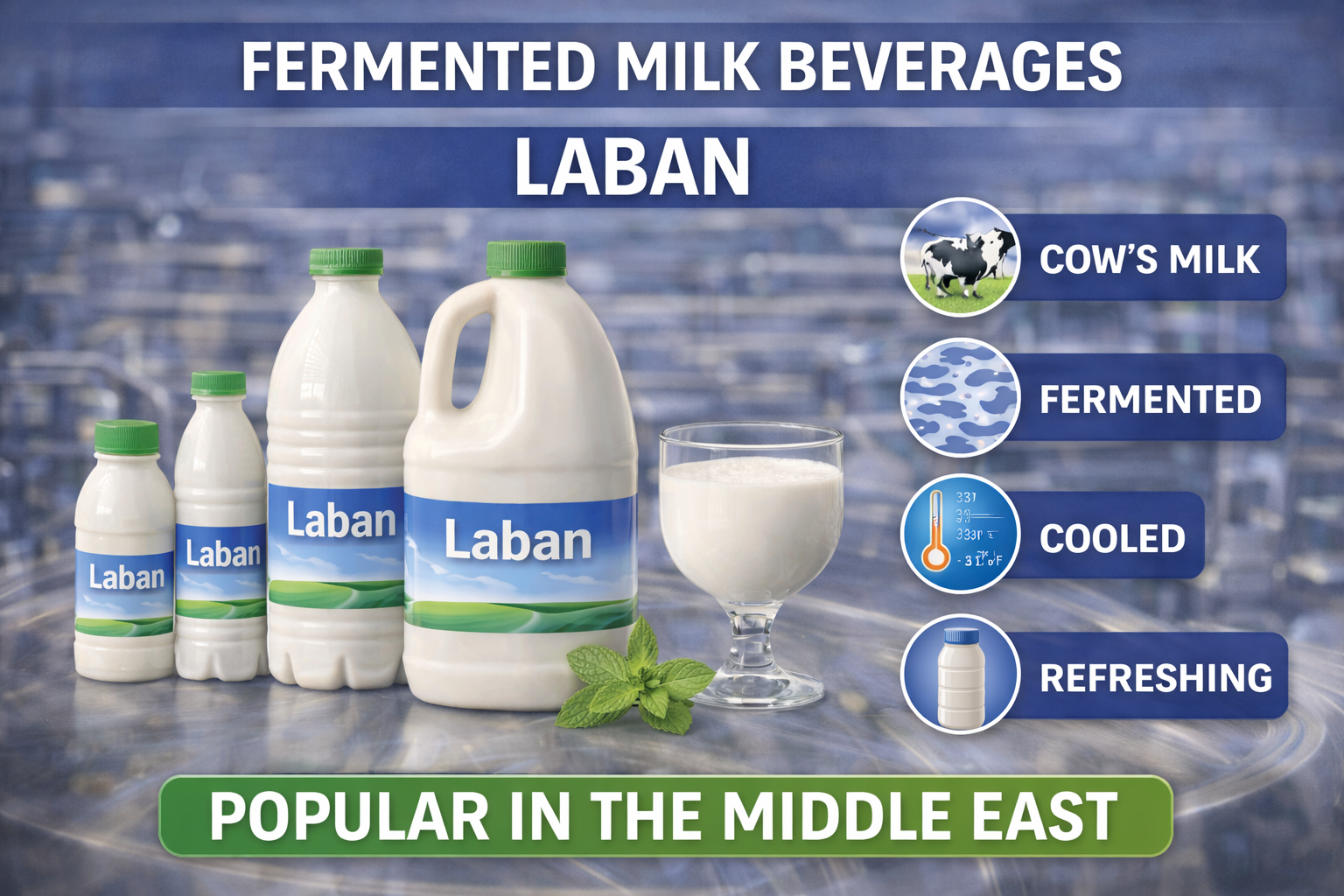
Global dairy markets increasingly favor drinkable fermented products. In addition to Indian buttermilk, products like laban (Middle Eastern fermented milk drink) and drinking yogurt offer new opportunities.
Laban is typically thinner than curd, mildly acidic, and often lightly salted—making it refreshing and digestible.
Characteristics of laban
● Fermented milk base
● Lower viscosity than curd
● Mild acidity
● High rehydration value
9. Adapting Laban-Style Products for Indian Markets
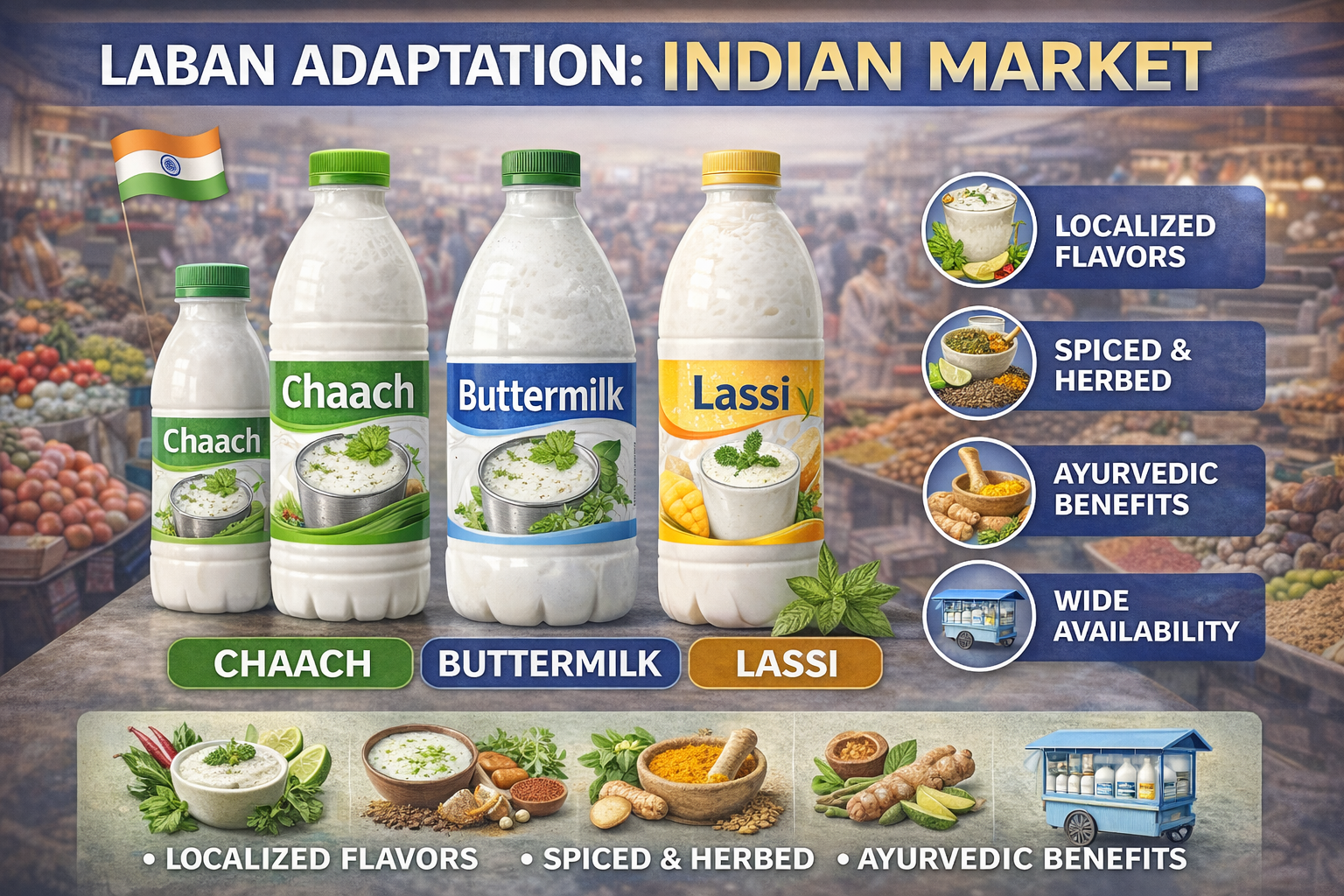
While laban is not traditionally consumed in India, its sensory profile aligns well with hot climates and evolving urban preferences. Adaptation requires cultural positioning and flavor alignment.
Adaptation strategies
● Position as functional hydration drink
● Adjust salt and acidity
● Integrate local flavors (cumin, mint)
● Target horeca and institutional markets
10. Economics and Scaling of Fermented Dairy Enterprises
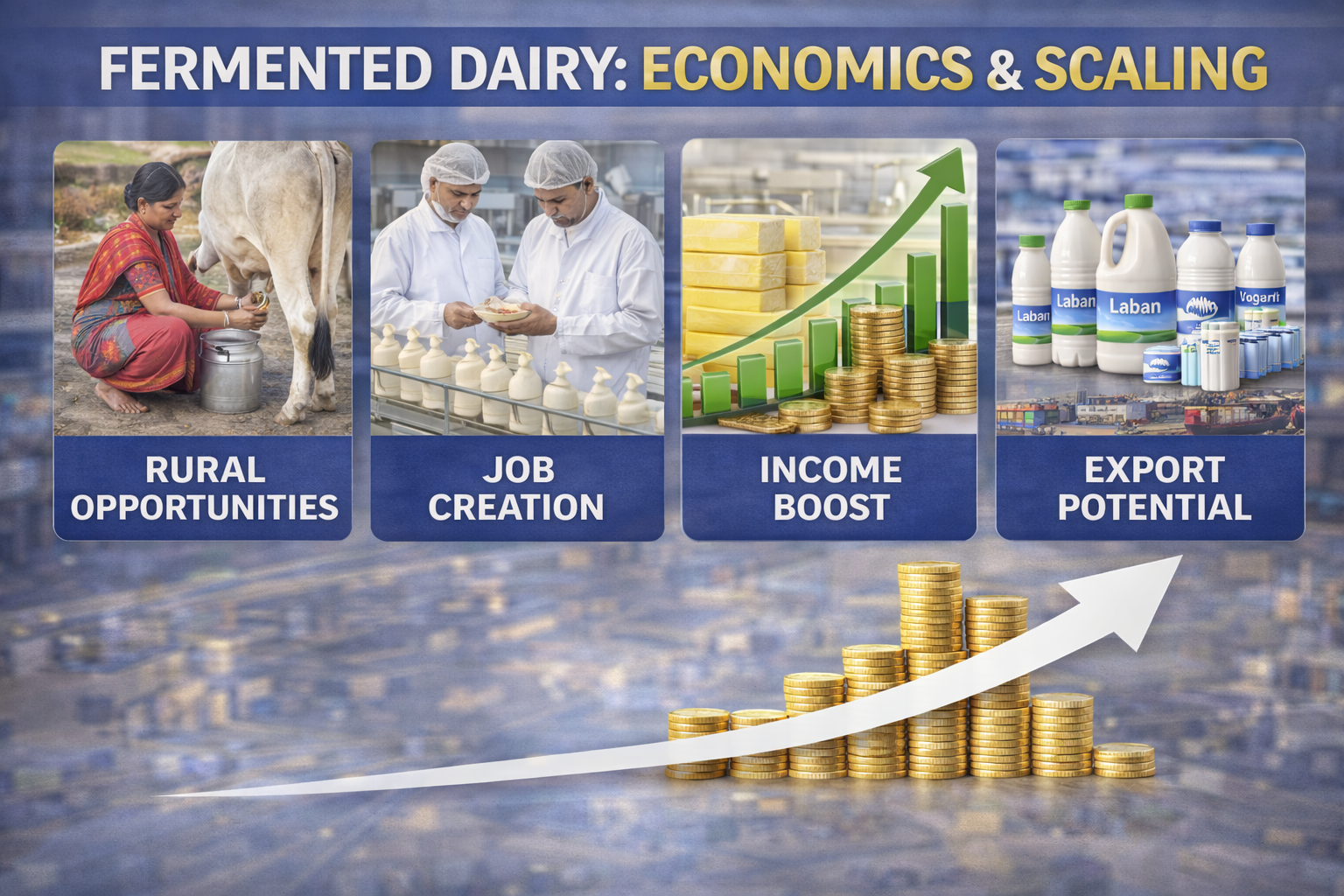
Fermented dairy products offer favorable economics due to improved yield of milk solids, reduced wastage, and higher value realization.
Economic drivers
● Milk conversion efficiency
● Starter culture cost
● Packaging and cold chain
● Market positioning
Scaling requires balancing automation with quality control.
Conclusion: Fermentation as Strategic Value Creation
Fermented dairy products represent one of the most resilient and biologically sound value-addition pathways in dairying. By combining microbial science, processing discipline, and market awareness, dairies can transform milk into stable, differentiated products that align with consumer health trends and climatic realities. In value-added dairy, fermentation is not tradition—it is strategy.