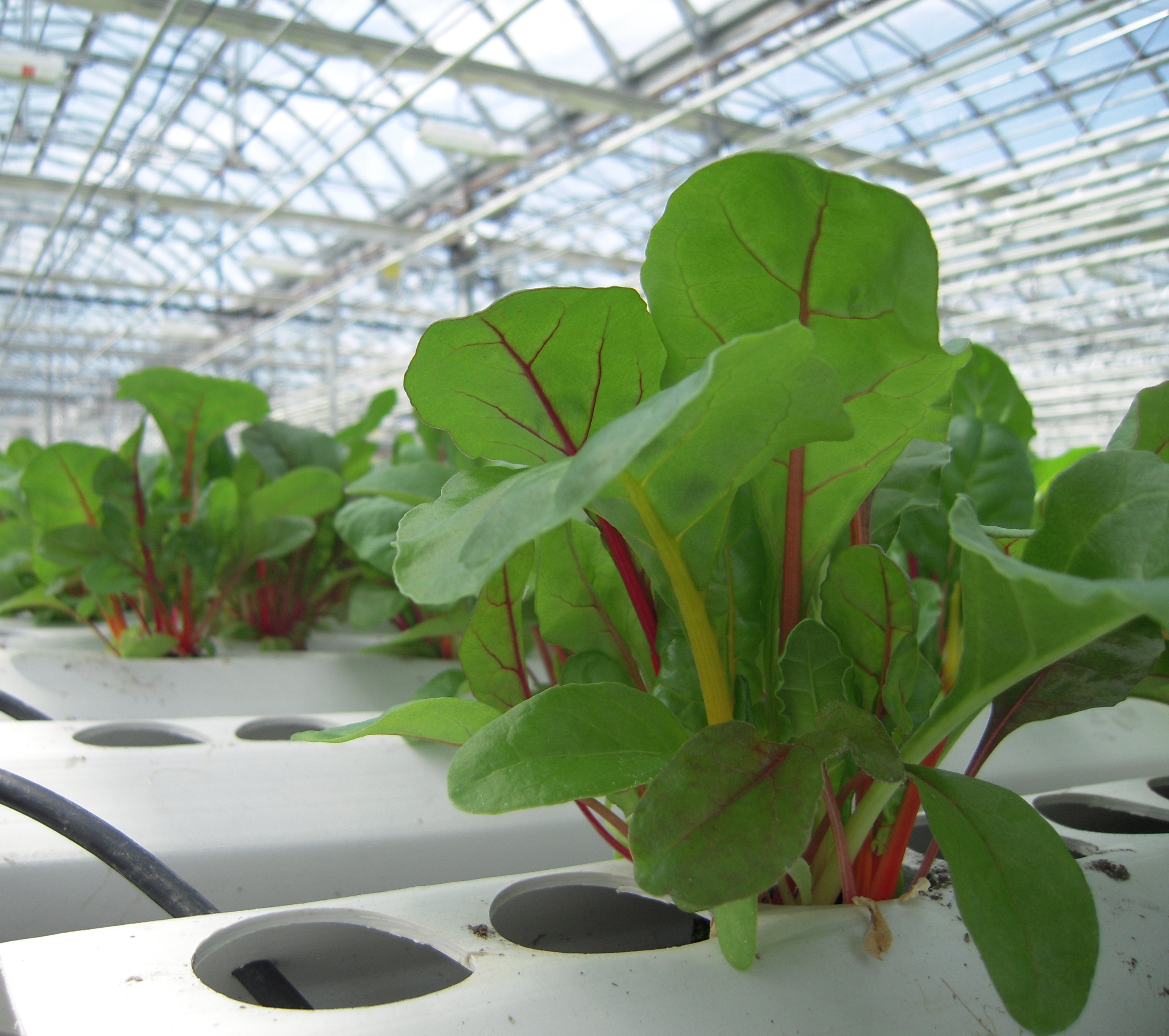
Swiss chard (Beta vulgaris var. cicla) is a robust leafy vegetable valued for its thick petioles, colourful midribs, and high biomass production. Unlike head-forming greens such as lettuce, Swiss chard produces successive harvestable leaves over an extended period. This regrowth ability makes it particularly suitable for NFT hydroponic systems where continuous nutrient availability supports sustained vegetative output.
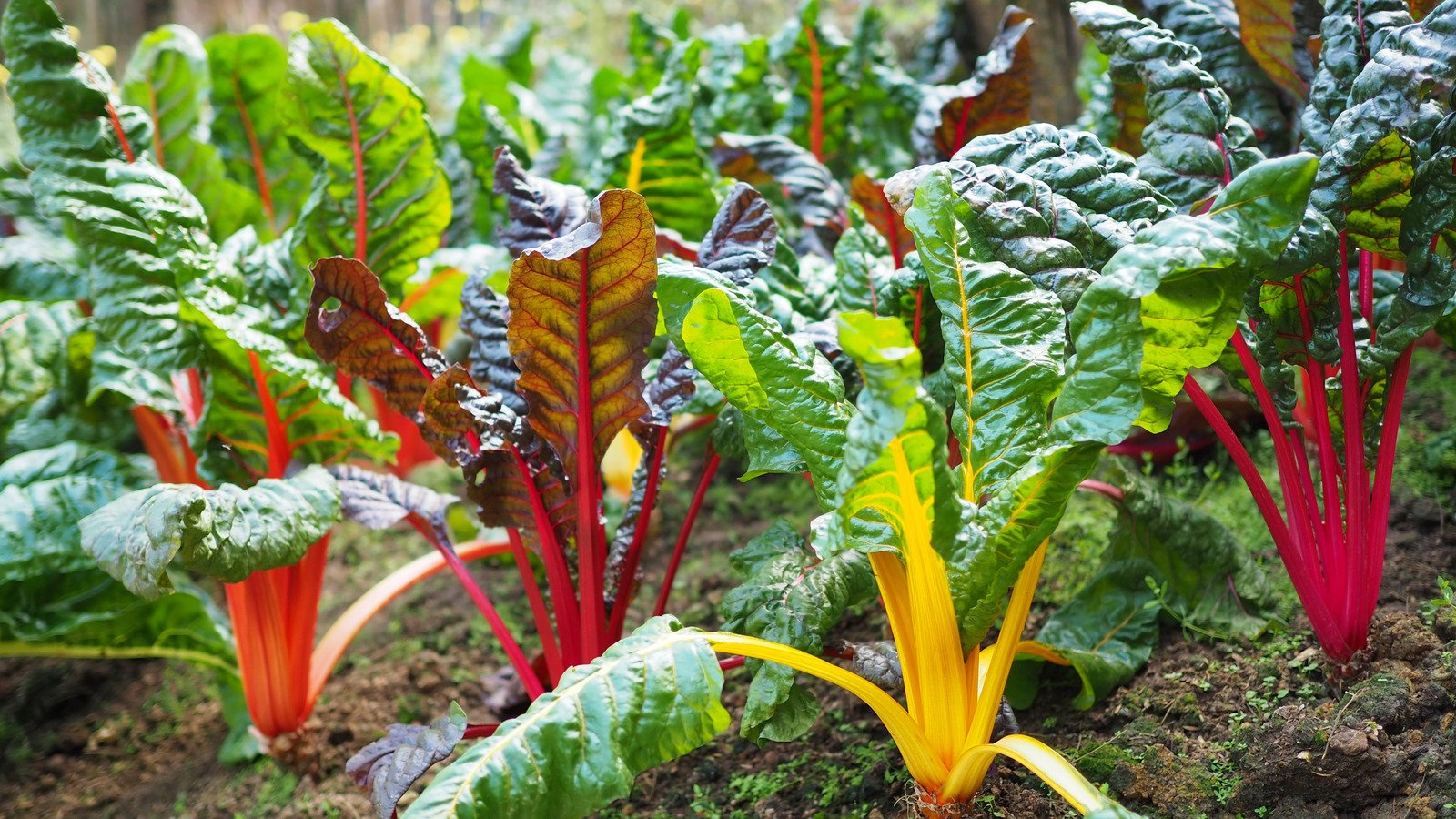
Its strong root system, upright growth habit, and tolerance to moderate environmental variation allow Swiss chard to perform reliably under protected environments. These characteristics make it a preferred crop for growers targeting consistent yields rather than single-harvest cycles.
NFT hydroponics supplies a continuous, oxygen-rich nutrient film directly to the root zone, supporting vigorous vegetative growth and uniform leaf expansion. Compared to soil cultivation, NFT systems enable precise nutrient control, faster growth cycles, cleaner produce, and significantly reduced soil-borne disease pressure.
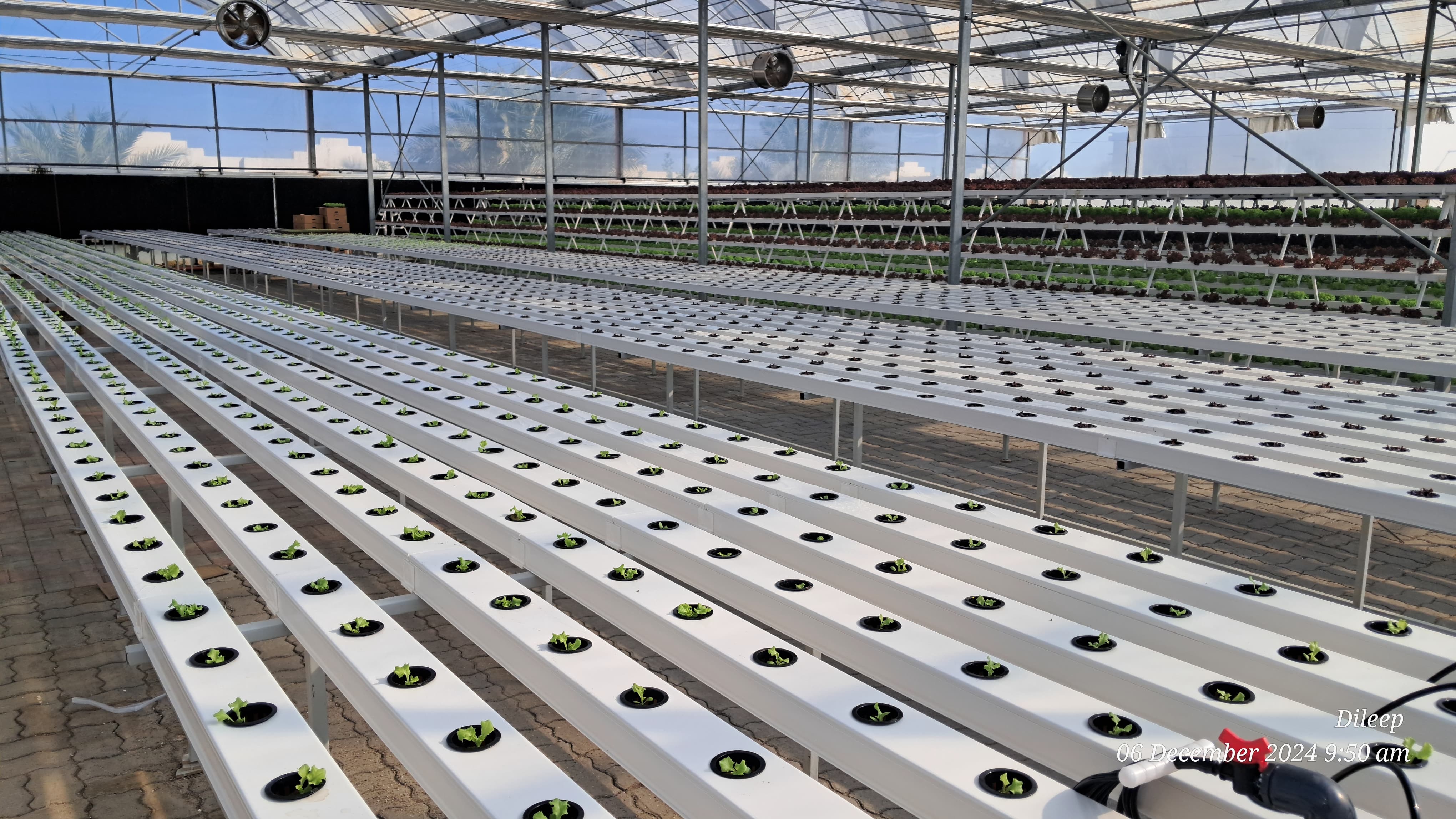
Swiss chard’s sturdy leaves, upright canopy, and tolerance to higher root mass make it especially suitable for NFT channels compared to more delicate leafy greens. Properly designed NFT systems allow high-density planting while maintaining airflow and minimizing leaf overlap.
Variety selection and nursery management
Common NFT-suitable Swiss chard varieties include Bright Lights, Fordhook Giant, Ruby Red, and White Ribbed types. These varieties are selected for colour intensity, uniform growth, thick petioles, and sustained regrowth after harvesting.
Seeds are germinated in inert media such as rockwool cubes or coco plugs. Nursery duration typically ranges from 12–16 days. Seedlings are ready for transplanting when they reach the 3–4 true leaf stage with healthy root development. Uniform seedlings ensure synchronized growth and simplify nutrient and harvest management later in the crop cycle.
Botanical characteristics and growth habit
• Botanical name: Beta vulgaris var. cicla
• Family: Amaranthaceae
• Growth habit: Upright rosette with thick petioles
• Root system: Fibrous, moderately shallow
• Life cycle: Biennial (cultivated as annual)
• Harvested part: Leaves and petioles
• Pollination: Wind-pollinated
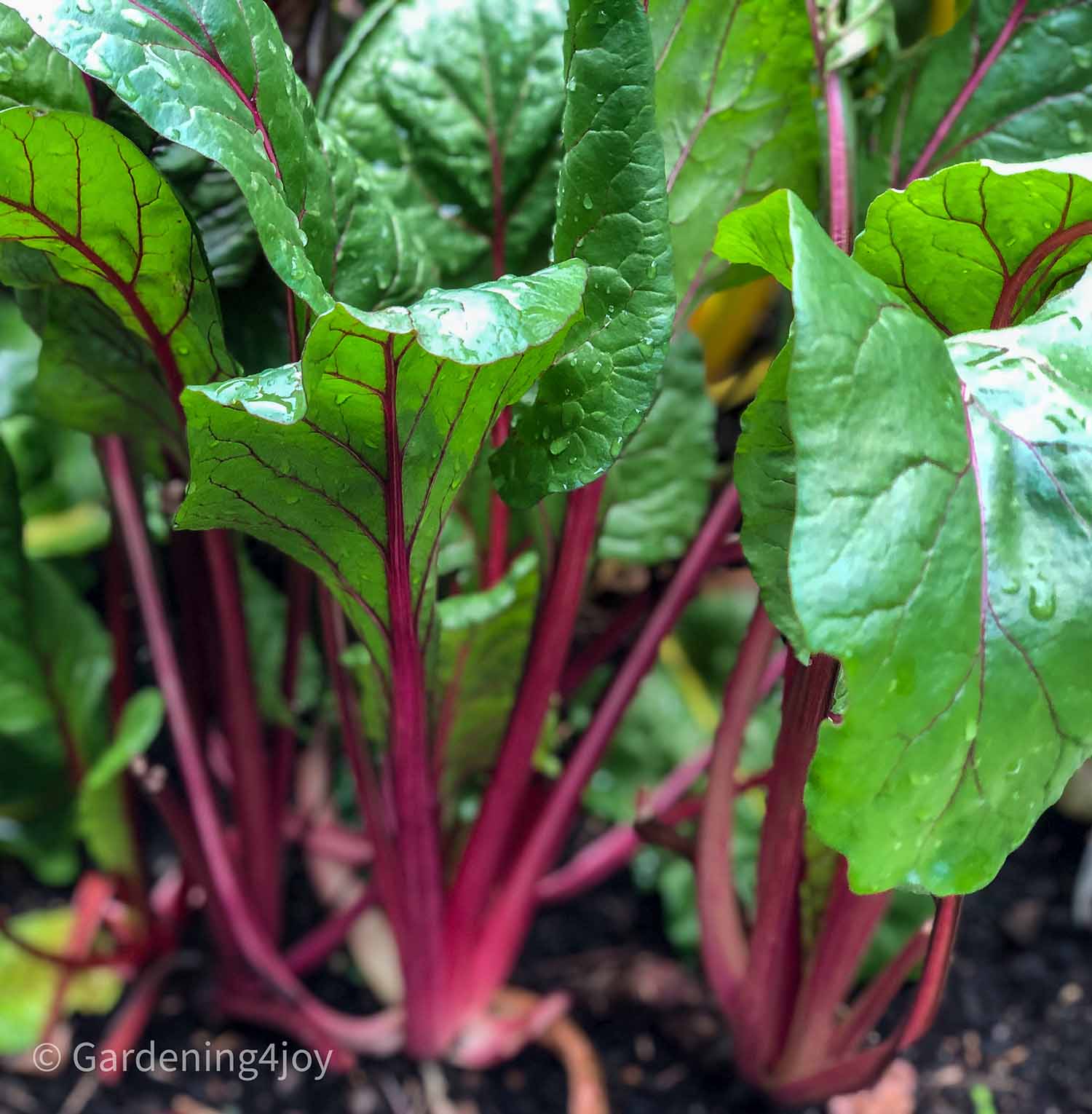
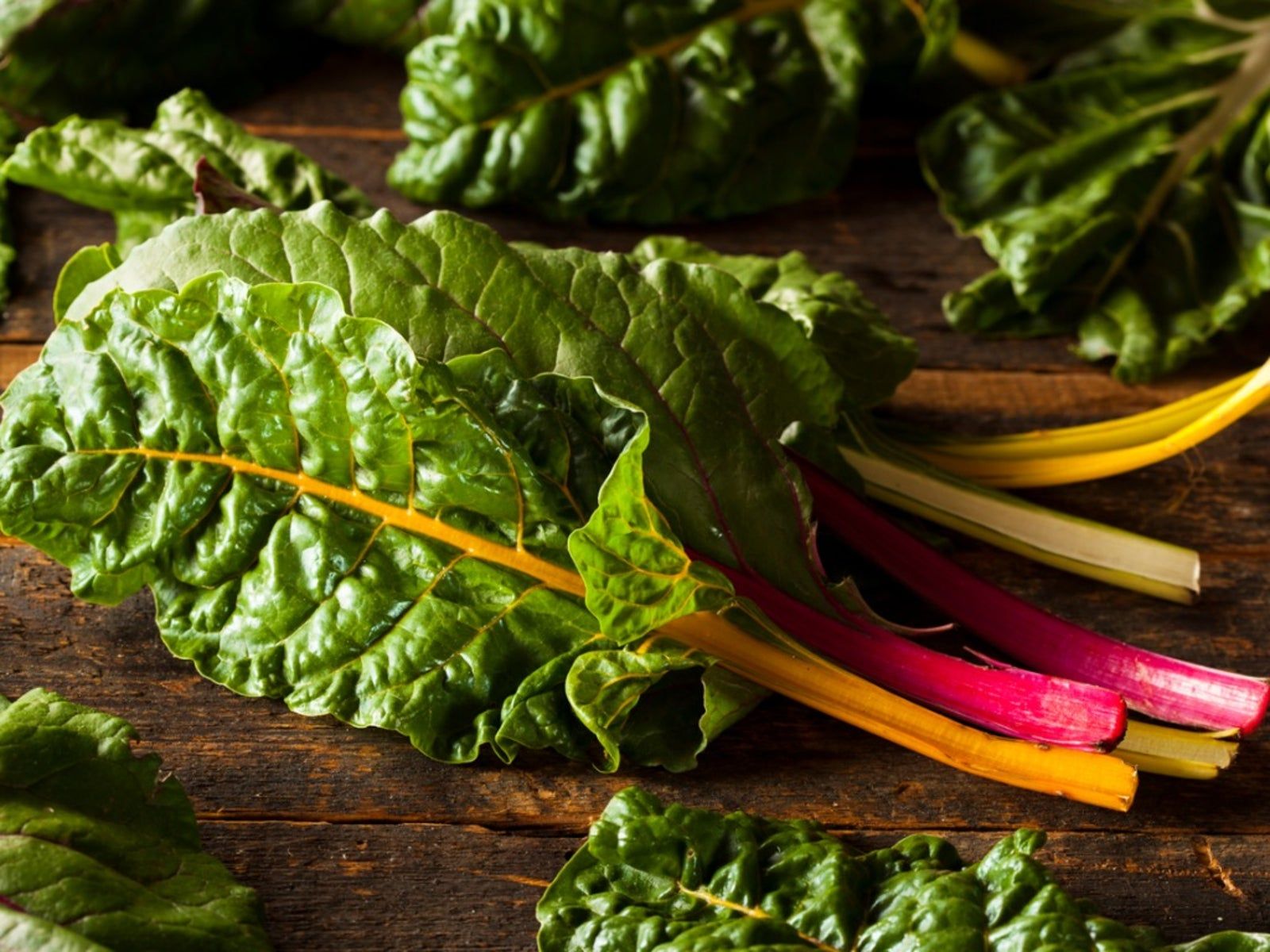
Swiss chard produces large, glossy leaves with prominent coloured midribs. Under optimal NFT conditions, continuous leaf initiation allows repeated harvesting from the same plant over several weeks. Maintaining vegetative balance through nutrition and climate control is essential for sustaining regrowth.
NFT system design
NFT channels with widths of 120–150 mm are recommended to support Swiss chard’s higher biomass and expanding root system. A slope of 1–2% ensures smooth nutrient flow without pooling. Plant spacing of 25–30 cm allows adequate petiole expansion, airflow, and ease of harvesting.
Continuous flow systems are preferred over intermittent flow, as Swiss chard benefits from uninterrupted nutrient and oxygen availability. Channel cleanliness and proper filtration are critical to prevent root matting and blockages during long crop cycles.
Climate and environmental requirements
• Temperature: 16–24 °C (optimal)
• Relative Humidity: 55–70%
• Light: Moderate to high; 12–14 hours photoperiod
• Ventilation: Essential to prevent excess humidity
Swiss chard tolerates a wider temperature range than most leafy greens, but prolonged heat stress can reduce leaf thickness and colour intensity. Proper ventilation and shading during high-temperature periods help maintain leaf quality and marketability.
Nutrient and irrigation management
• EC: 1.8–2.4 mS/cm
• pH: 5.8–6.5
• Key nutrients: Nitrogen, calcium, potassium, magnesium
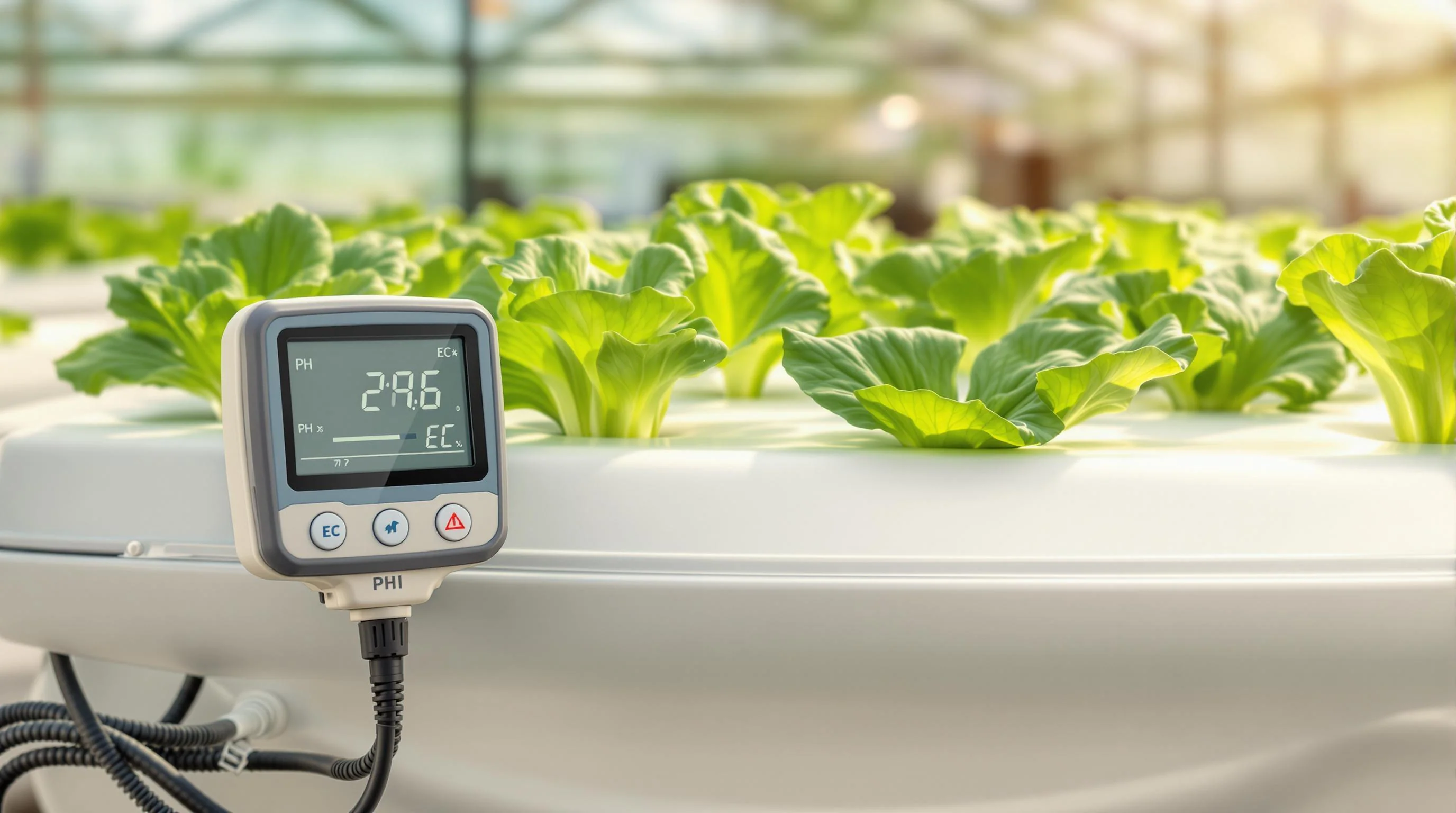
Nitrogen drives continuous leaf production, while potassium supports overall plant vigour. Calcium is critical for strong petioles and structural integrity, and magnesium supports chlorophyll formation and leaf colour. Regular EC and pH monitoring ensures nutrient balance and prevents growth fluctuations.
Pest and disease management
NFT-grown Swiss chard generally experiences lower disease pressure due to the absence of soil contact. However, aphids, leaf miners, and caterpillars may appear under protected conditions.
Preventive management includes insect-proof netting, routine scouting, biological control agents, and strict sanitation practices. Early detection and climate management are more effective than reactive chemical control in NFT systems.
Expected yield and harvest
Swiss chard can be harvested 35–45 days after sowing. Harvesting is typically done by removing mature outer leaves while allowing inner leaves to continue developing.
Under NFT systems, yields of 4.0–6.0 kg per square metre per cycle are achievable due to high biomass accumulation and repeated harvesting. Proper nutrient management can extend productive harvests for several weeks.
Post-harvest handling
Harvested Swiss chard should be immediately cooled and washed with clean water. Storage at 0–4 °C with high relative humidity preserves leaf turgidity, colour, and shelf life. Gentle handling is essential to prevent petiole damage and dehydration
Checklist before starting
• Clean, low-salinity water source
• NFT-suitable Swiss chard varieties
• Calibrated EC and pH meters
• Clean NFT channels and reservoir
• Adequate temperature and ventilation control
References and further reading
• FAO – Protected cultivation and hydroponics manuals
• University extension publications on Beta vulgaris crops
• Peer-reviewed research on NFT leafy vegetable production