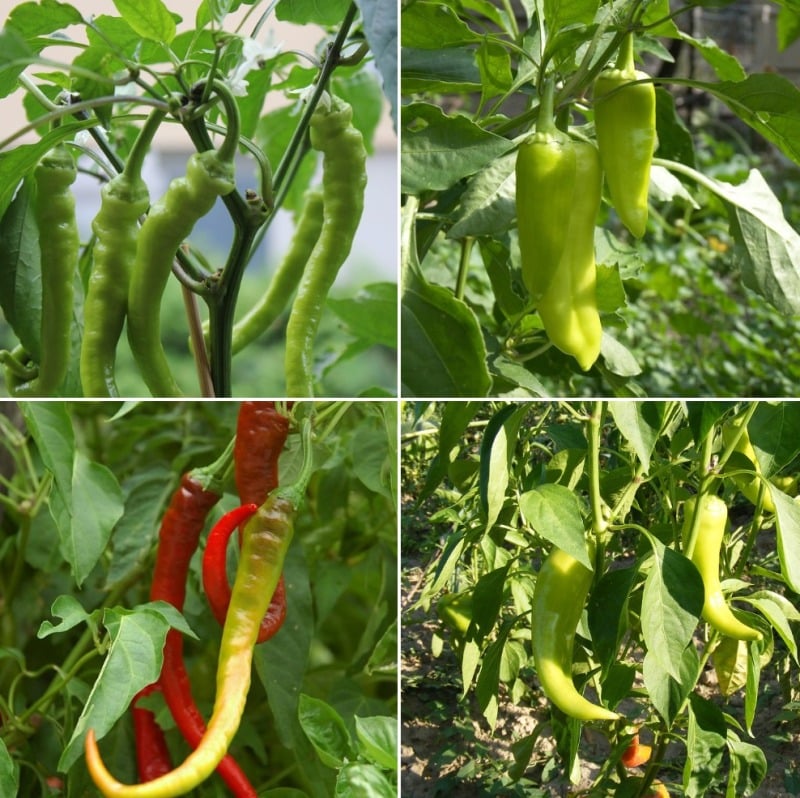
Sweet chilli is a mild-pungency form of Capsicum annuum cultivated primarily for its flavour, colour, and fresh market appeal rather than heat. Unlike jalapeño or hot chillies, sweet chilli contains very low capsaicin levels and is valued for its crisp texture, thick pericarp, and mild taste. Demand for sweet chilli is driven by fresh vegetable markets, hotels, quick-service restaurants, and salad consumption.
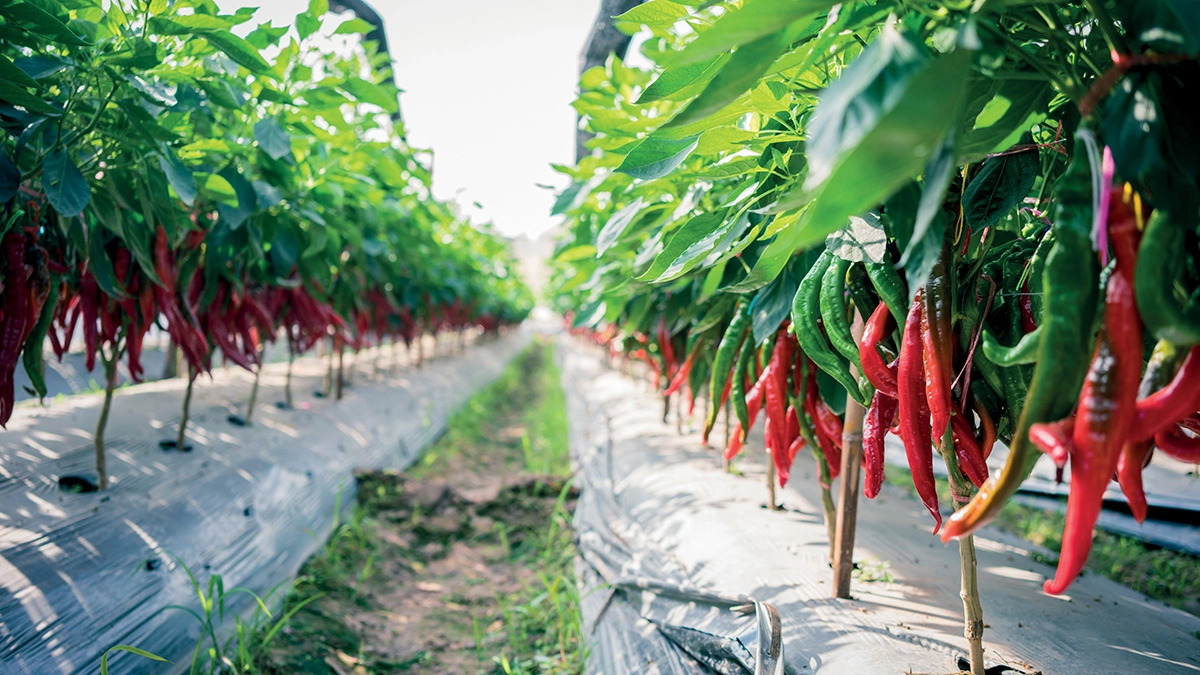
Under polyhouse conditions, sweet chilli responds exceptionally well to grow bag cultivation due to precise control of the root zone environment, nutrient availability, and microclimate. Protected cultivation enables uniform growth, higher fruit set, extended harvesting windows, and consistent quality, making sweet chilli a commercially attractive crop for professional growers.
Botanical and scientific background
• Botanical name: Capsicum annuum L.
• Family: Solanaceae
• Growth habit: Perennial (grown as an annual in commercial systems)
• Pollination: Primarily self-pollinated; gentle air movement or vibration improves fruit set
Sweet chilli plants exhibit indeterminate growth under protected conditions. This means the plant continues vegetative growth while flowering and fruiting simultaneously. When managed correctly through pruning, training, and balanced nutrition, plants can sustain continuous production over extended harvest cycles of 7–9 months.
Physiologically, sweet chilli prioritizes fruit development over pungency compound synthesis, resulting in thicker fruit walls and higher water content. This makes consistent water and calcium management critical to prevent physiological disorders.
Why grow sweet chilli in grow bags under polyhouse
Grow bag cultivation isolates the crop from soil-borne pathogens and eliminates variability associated with native soils. Combined with a polyhouse structure, this system allows precise control over temperature, humidity, root aeration, and nutrient delivery.
Commercial advantages of sweet chilli under polyhouse include:
• Stable market demand compared to hot chillies
• Premium pricing for uniform, mild fruits
• Reduced crop losses due to rain, wind, and pests
• Extended harvest period increasing per-plant productivity
• Better predictability of yield and cash flow
Grow bags also allow easy replacement of media between crops, reducing disease carryover and improving biosecurity.
Climate and environmental requirements
Sweet chilli is sensitive to temperature extremes and performs best under controlled environments.
• Temperature:
o Optimal day temperature: 22–28 °C
o Optimal night temperature: 16–20 °C
o Prolonged exposure above 32 °C reduces pollen viability and fruit set
• Relative humidity:
o Ideal range: 60–75%
o Relative humidity above 85% increases fungal disease pressure
Light:
o Requires high light intensity for proper flowering, fruit development, and colour formation
o Light deficiency results in elongated plants and poor fruit quality
Ventilation:
o Proper ventilation is essential to regulate temperature, reduce humidity, and minimize disease incidence
Variety selection and nursery management
Select sweet chilli hybrids bred specifically for protected cultivation. Ideal hybrids should possess:
• Uniform fruit shape and size
• Thick pericarp for better shelf life
• Mild pungency and consistent flavour
• Resistance or tolerance to common viral and fungal diseases
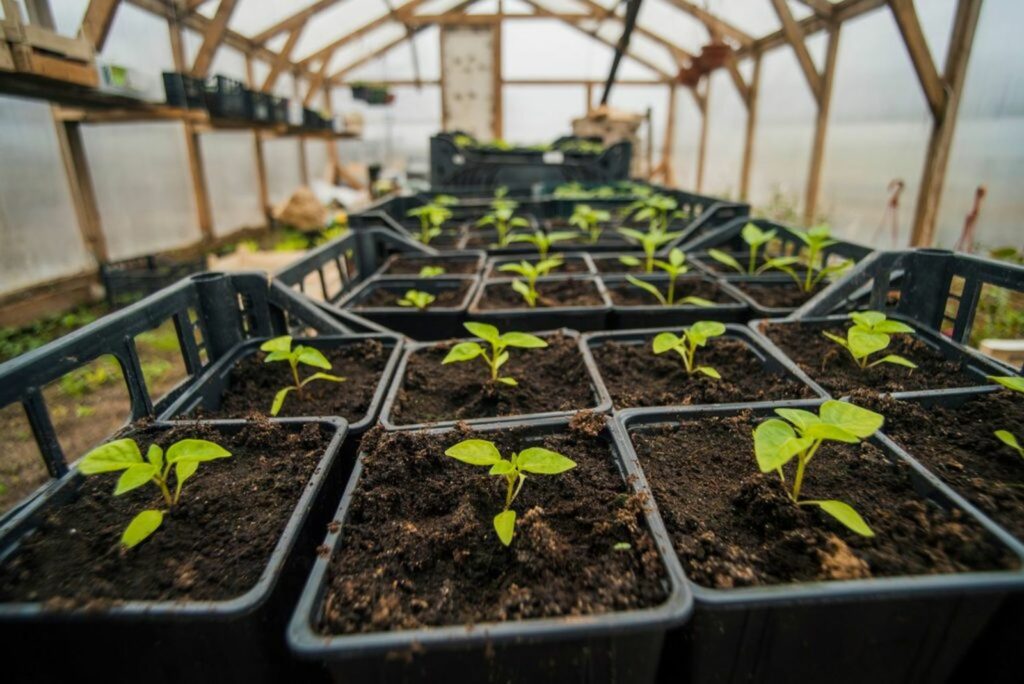
Seedlings should be raised in plug trays using sterilized coco peat or soilless nursery media. Maintain optimal moisture and temperature during nursery stage. Transplant seedlings at the 4–5 true leaf stage, approximately 30–35 days after sowing, ensuring healthy root systems and uniform plant vigour.
Grow bag media composition and layout
An ideal grow bag medium consists of:
• Coco peat: 70%
• Perlite: 20%
• Vermiculite: 10%
This composition provides adequate water retention, drainage, and root aeration. Each grow bag typically supports one plant to avoid root competition. Arrange grow bags in double-row beds with sufficient spacing for airflow, ease of intercultural operations, and efficient harvesting.
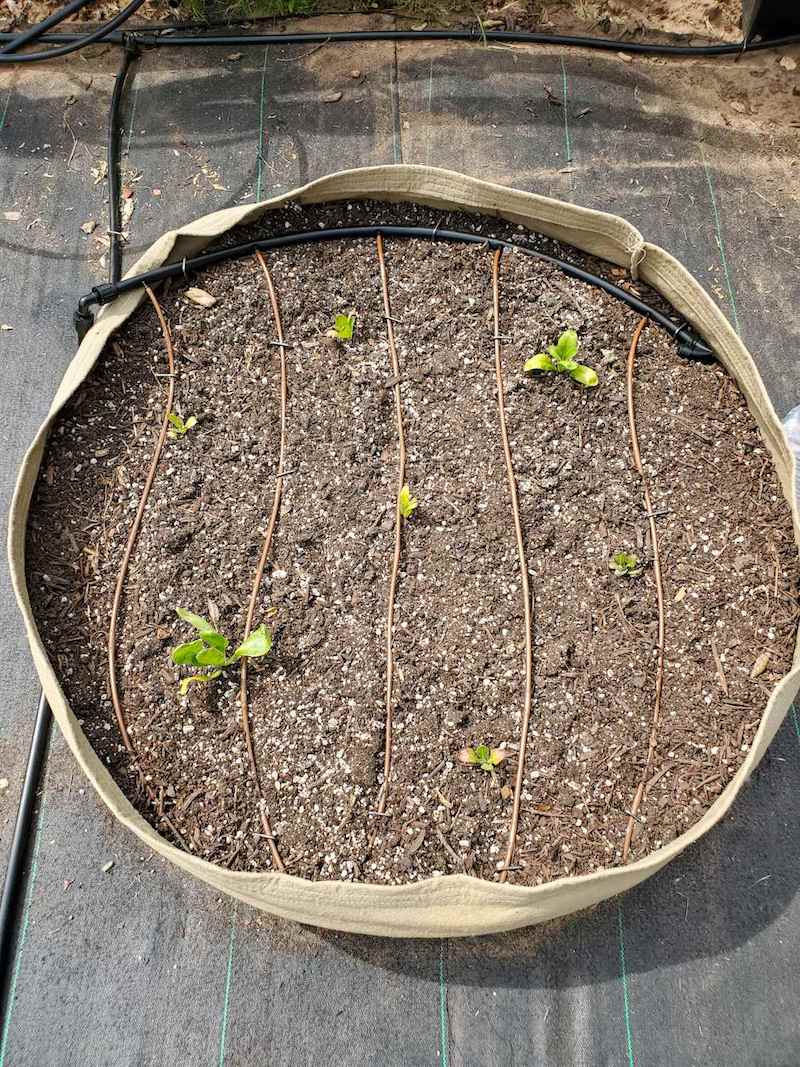
Proper drainage holes must be ensured to prevent salt accumulation and root zone hypoxia.
Plant spacing, training, and pruning
Maintain spacing of:
• 40–45 cm between plants
• 90–100 cm between rows
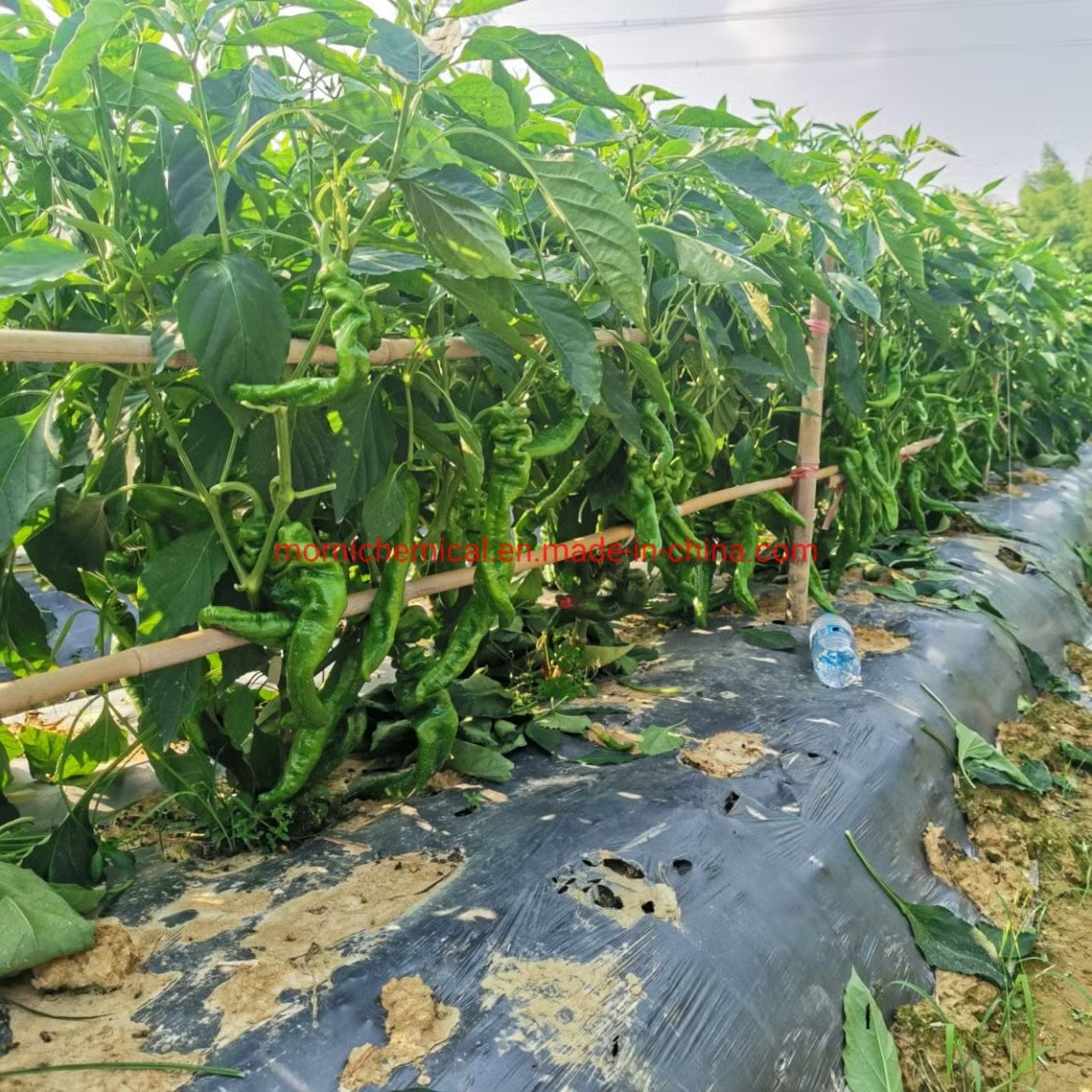
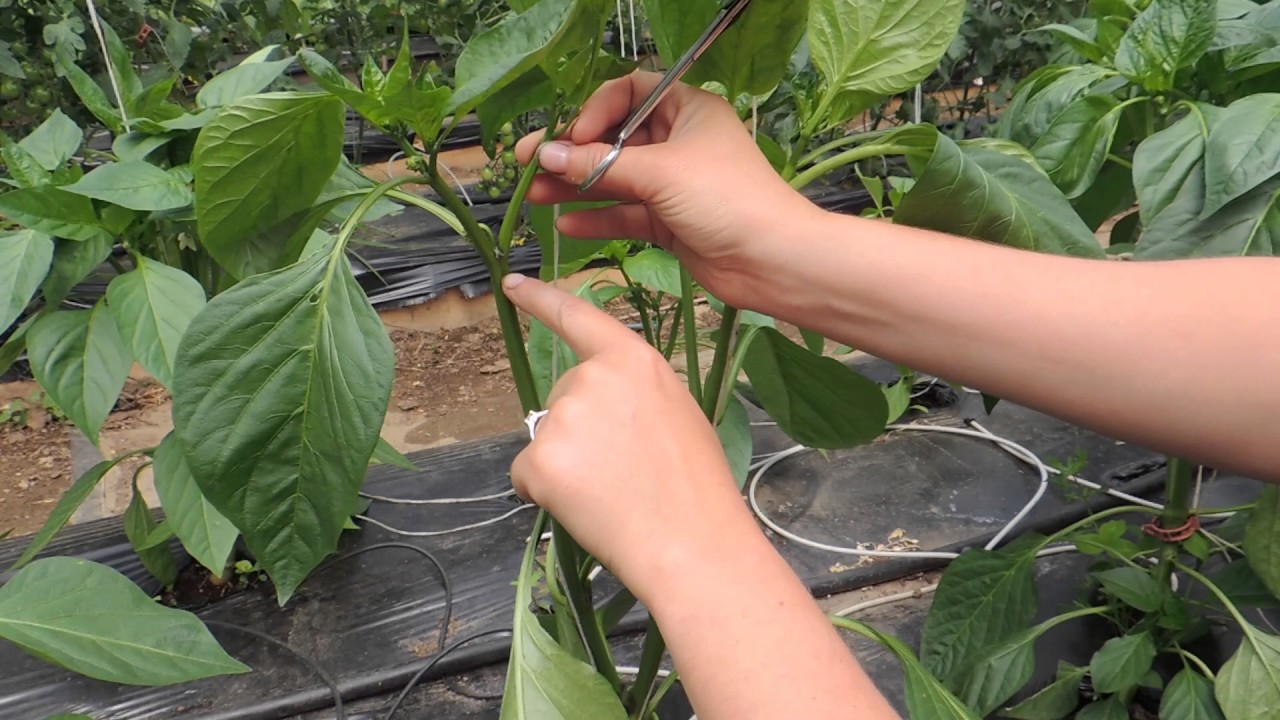
Sweet chilli plants are commonly trained to two or four main stems, depending on plant vigour and hybrid characteristics. Remove side shoots below the first fork to promote strong basal structure. Periodic pruning of excess vegetative growth ensures better light penetration, improved airflow, and balanced fruit load.
Training and pruning directly influence fruit size, uniformity, and total yield over the cropping cycle.
Nutrient and fertigation management
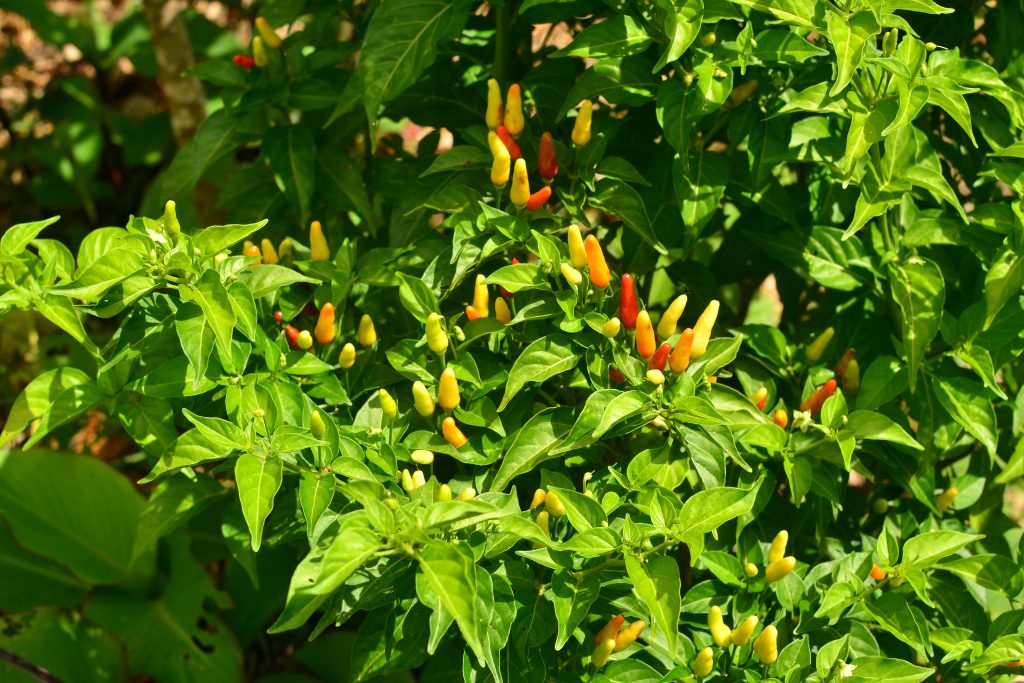
Sweet chilli is a moderate feeder with increased potassium demand during flowering and fruiting stages.
Recommended nutrient ranges:
• Vegetative stage:
o EC: 1.8–2.2 mS/cm
o pH: 5.8–6.5
• Flowering and fruiting stage:
o EC: 2.5–3.2 mS/cm
o pH: 5.8–6.5
Key nutrient roles:
• Nitrogen: vegetative growth and canopy development
• Potassium: fruit size, colour, and firmness
• Calcium: prevention of blossom end rot
• Magnesium: chlorophyll synthesis and photosynthesis
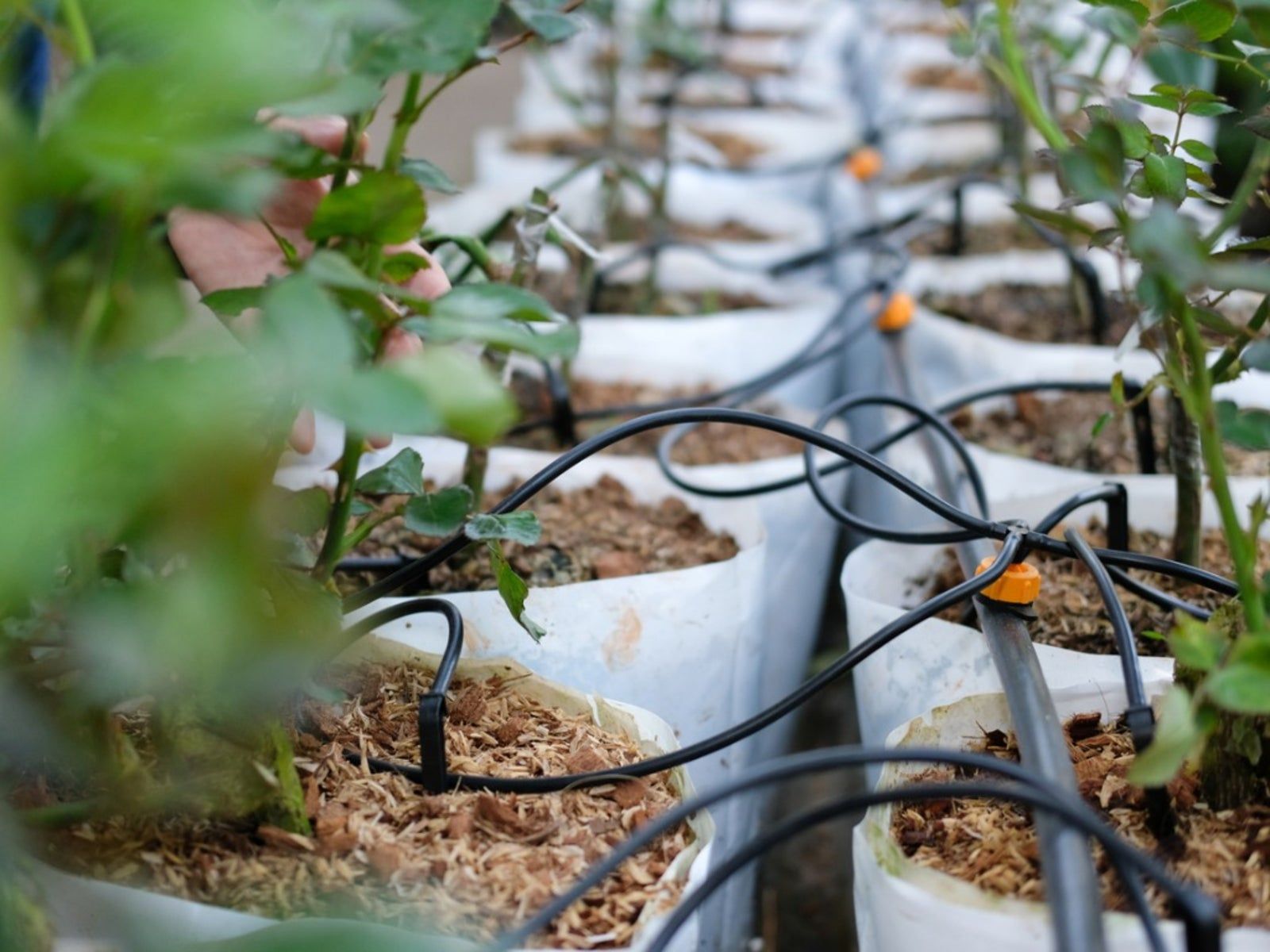
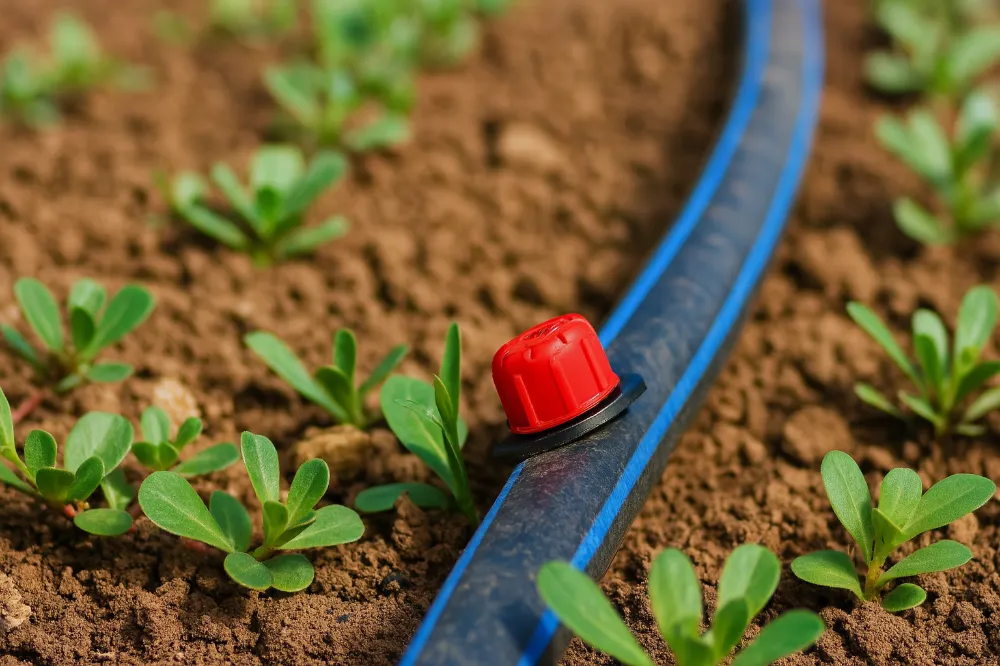
Fertigation should be applied daily through drip irrigation in split doses. Nutrient formulation must be adjusted according to plant stage, climatic conditions, and drain EC monitoring.
Irrigation scheduling
Young plants require frequent, low-volume irrigation to establish roots. As plants mature and canopy increases, irrigation volume should be gradually increased while maintaining adequate drainage. Over-irrigation and waterlogging must be avoided, as they predispose plants to root diseases and nutrient imbalances.
Irrigation scheduling should be adjusted based on season, temperature, humidity, and crop stage.
Pest and disease management
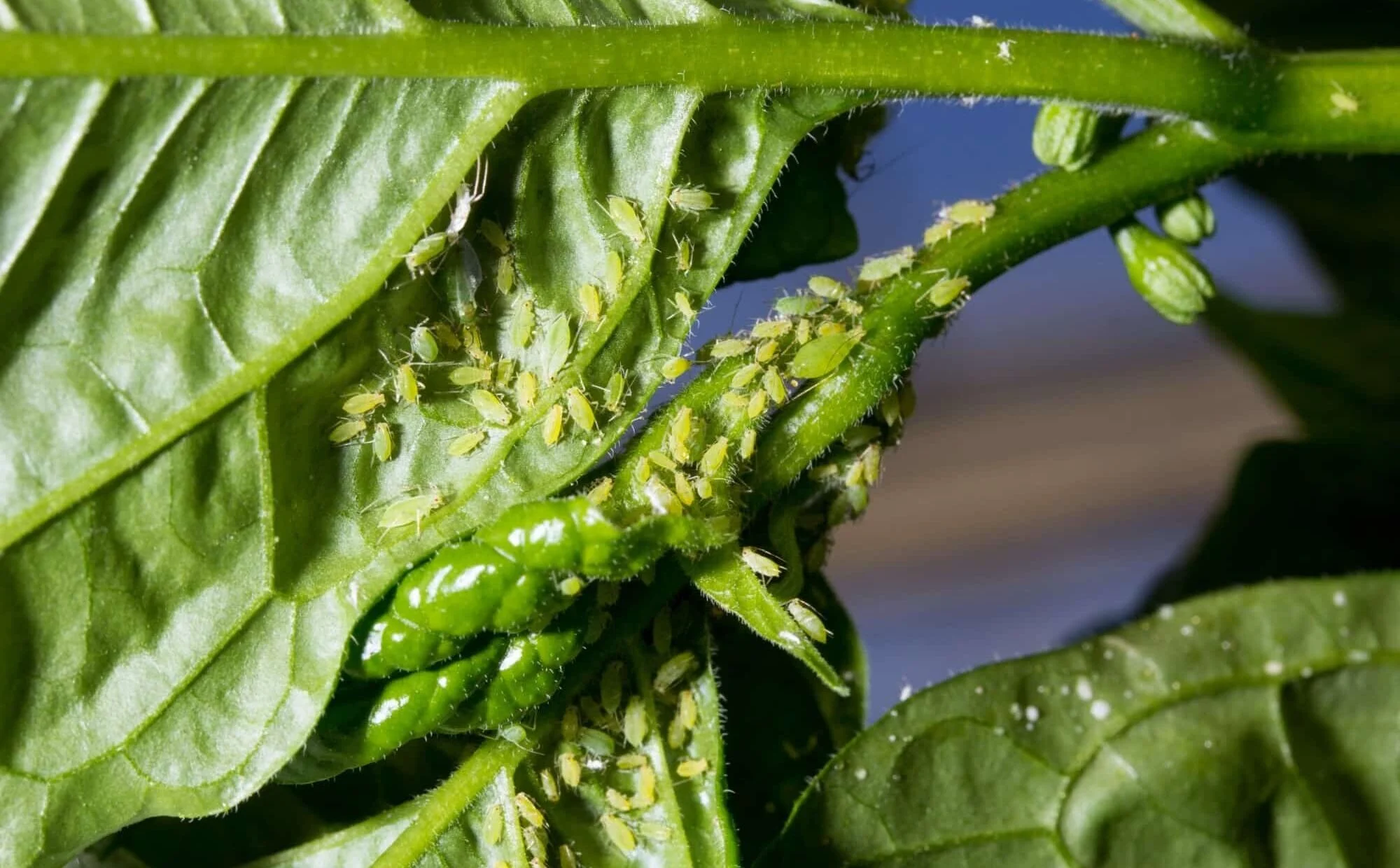
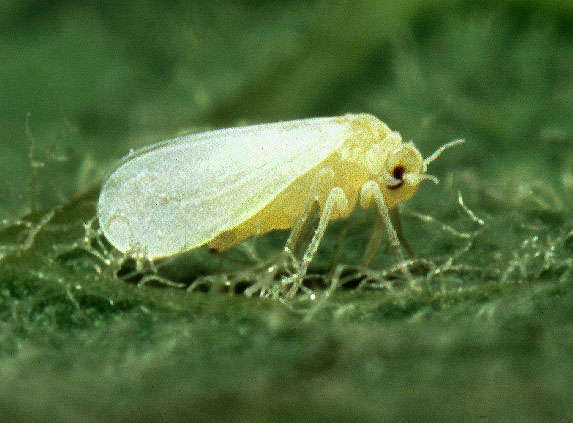
Common pests affecting sweet chilli under polyhouse conditions include thrips, aphids, mites, and whiteflies. These pests cause direct feeding damage and may transmit viral diseases.
Diseases such as powdery mildew and bacterial leaf spot may occur under high humidity and poor ventilation.
Integrated pest management strategies include:
• Insect-proof nets on vents and doors
• Sticky traps for monitoring pest populations
• Use of biological control agents
• Need-based, rotation-based chemical interventions
Preventive management through climate control and sanitation is more effective than curative measures.
Harvesting and yield expectations
Harvesting begins approximately 65–75 days after transplanting. Fruits are harvested at glossy green or partially coloured stages depending on market preference. Regular harvesting encourages continuous flowering and fruit set.
With proper crop management, sweet chilli plants can remain productive for 7–9 months, delivering consistent yields and quality over an extended period.
Post-harvest handling
Harvest fruits using sharp tools to avoid plant injury. Handle fruits gently to prevent bruising. Sweet chilli can be stored at 7–10 °C with high relative humidity to maintain freshness and shelf life. Proper grading and packaging enhance market value.
Economics and profitability note
Indicative economics for sweet chilli under polyhouse conditions (excluding structure cost):
• Plant population: ~8,000–9,000 plants per acre
• Crop duration: 8 months
• Average yield: 2.5–3.0 kg per plant
• Total yield: 20–25 tonnes per acre
• Net returns depend on market price, input efficiency, and labour management
Detailed economics are best maintained through a separate spreadsheet accounting for structure cost, inputs, labour, and seasonal price variation. This approach allows periodic updates without altering core article content.
Checklist before starting
• Select suitable polyhouse structure
• Choose appropriate sweet chilli hybrids
• Prepare uniform grow bag media
• Install a reliable drip fertigation system
• Monitor climate, irrigation, and nutrients daily
References and further reading
• Protected cultivation manuals from agricultural universities
• FAO greenhouse vegetable production guidelines
• Scientific literature on Capsicum annuum under controlled environments