Introduction
Successful strawberry cultivation under polyhouse conditions depends on aligning plant biology with controlled environmental management. Strawberries have shallow roots, moisture-sensitive fruits, and delicate flowers, making them highly responsive to protected cultivation. When suitable varieties are combined with precise planting systems, climate control, fertigation, and pest management, polyhouse strawberry production becomes a stable, quality-driven commercial system.
This article explains how varietal traits, planting systems, climate discipline, nutrition, pest control, harvesting, and post-harvest handling collectively determine yield stability and commercial performance under polyhouse conditions.
Irrigation and fertigation integration
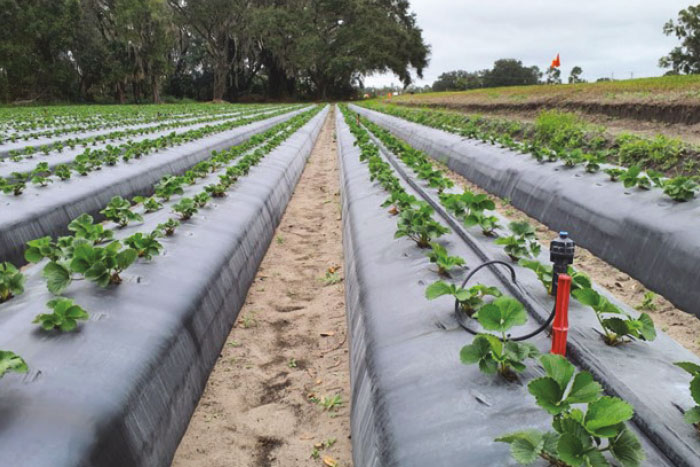
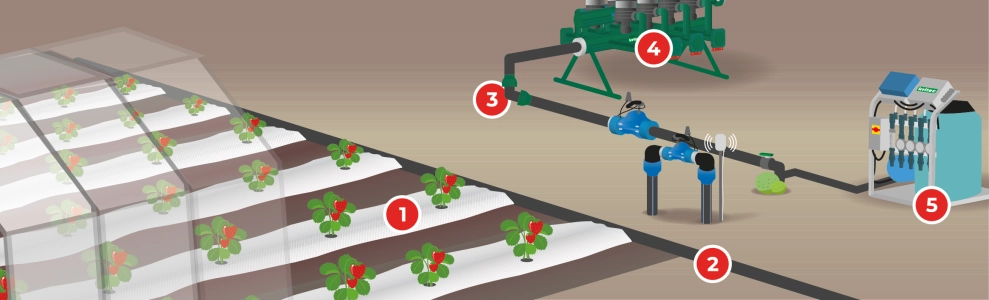
All planting systems are integrated with drip irrigation, delivering water and nutrients directly to the root zone.
Key principles:
• Frequent, low-volume irrigation
• Avoidance of waterlogging
• Stage-specific fertigation
• Uniform distribution
Because strawberry roots are shallow, irrigation precision is especially critical during flowering and fruit enlargement.
Labour efficiency and harvest management
Planting system design directly affects harvesting efficiency and fruit quality.
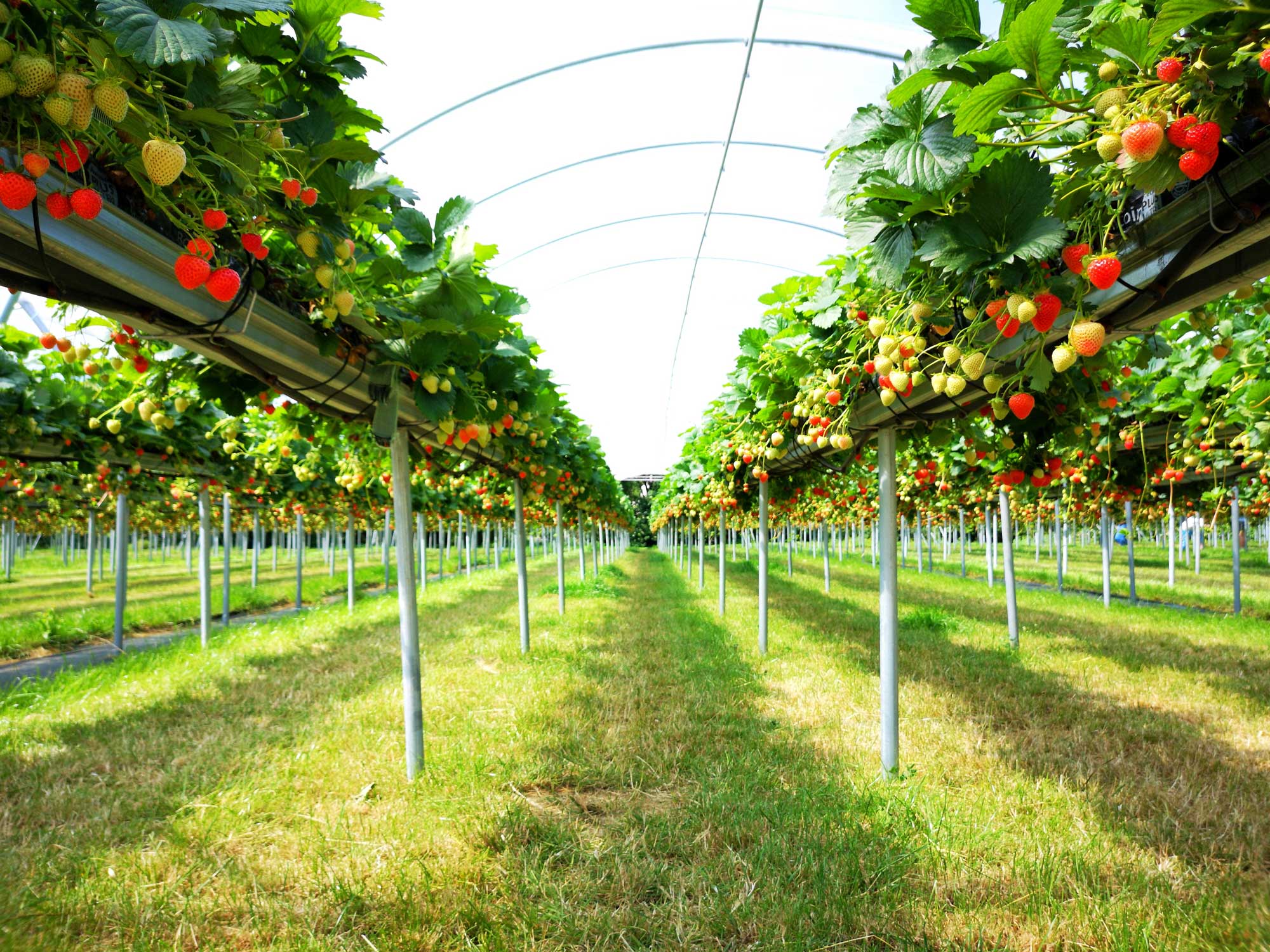
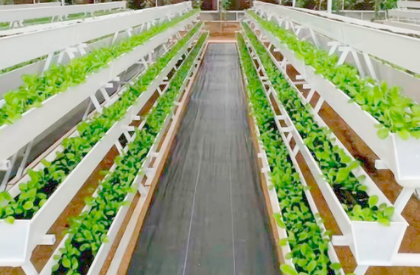
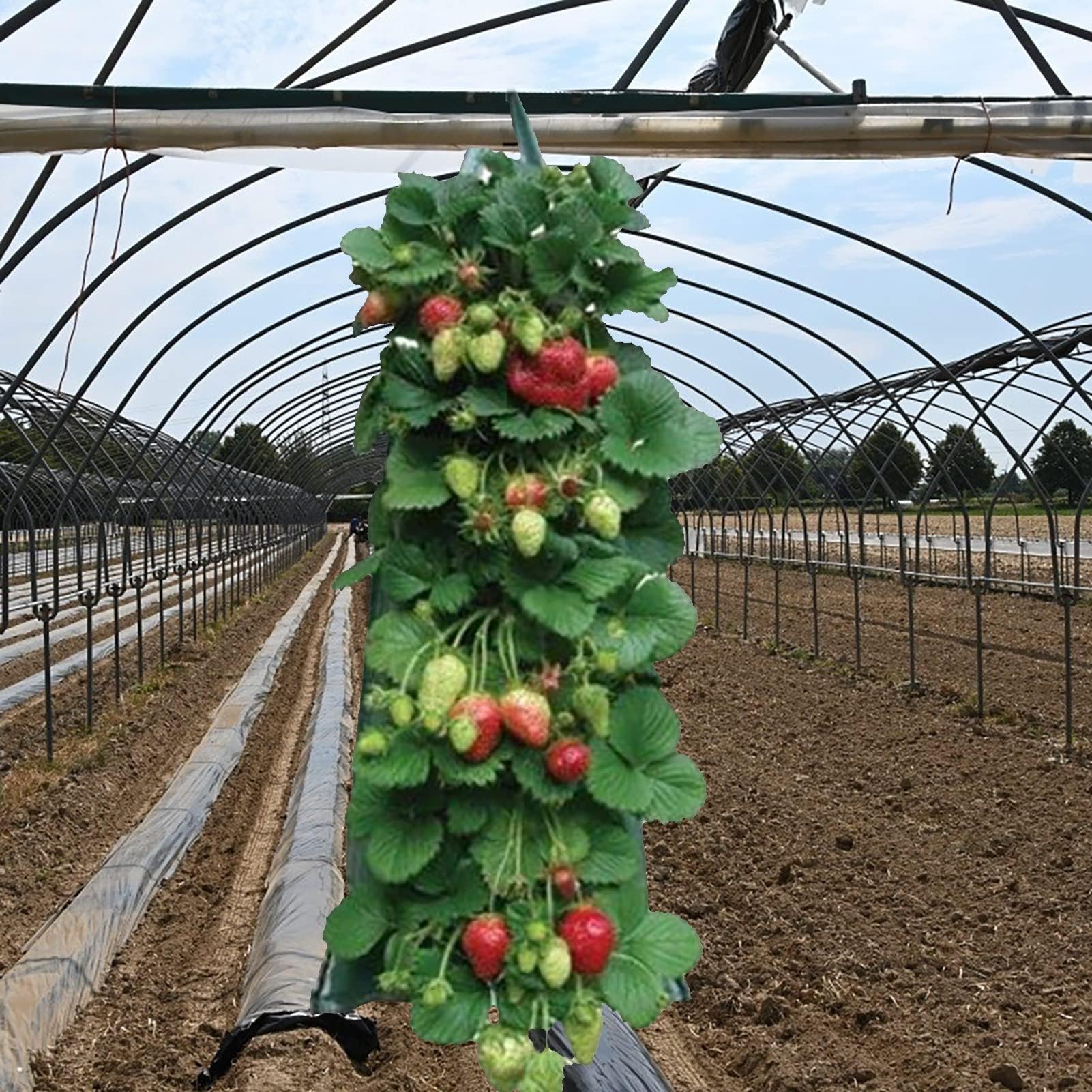
Grow bag and raised bed systems:
• Keep fruits clean and visible
• Reduce bending and fruit damage
• Improve harvesting speed and consistency
This is commercially important during peak harvest periods when labour availability is limited.
Linking design to productivity and quality
Polyhouse design and planting systems influence:
• Root-zone health
• Disease pressure
• Fruit cleanliness
• Labour efficiency
• Marketable yield
When raised beds or grow bags are combined with proper media, spacing, and irrigation, strawberry cultivation becomes predictable and quality-driven.
Climate and environmental requirements
Strawberry is highly climate-sensitive, and its performance depends on maintaining conditions close to its physiological comfort range. Temperature and humidity imbalances directly affect flowering, fruit set, quality, and disease incidence. Polyhouses allow control, but productivity depends on disciplined climate management.
Temperature requirements and physiological response
Optimal ranges:
• Day: 18–25 °C
• Night: 8–15 °C
Cool nights promote flowering and carbohydrate retention, while moderate day temperatures support steady photosynthesis. Excess heat reduces sugar accumulation and fruit quality, leading to smaller, softer fruits with poor shelf life.
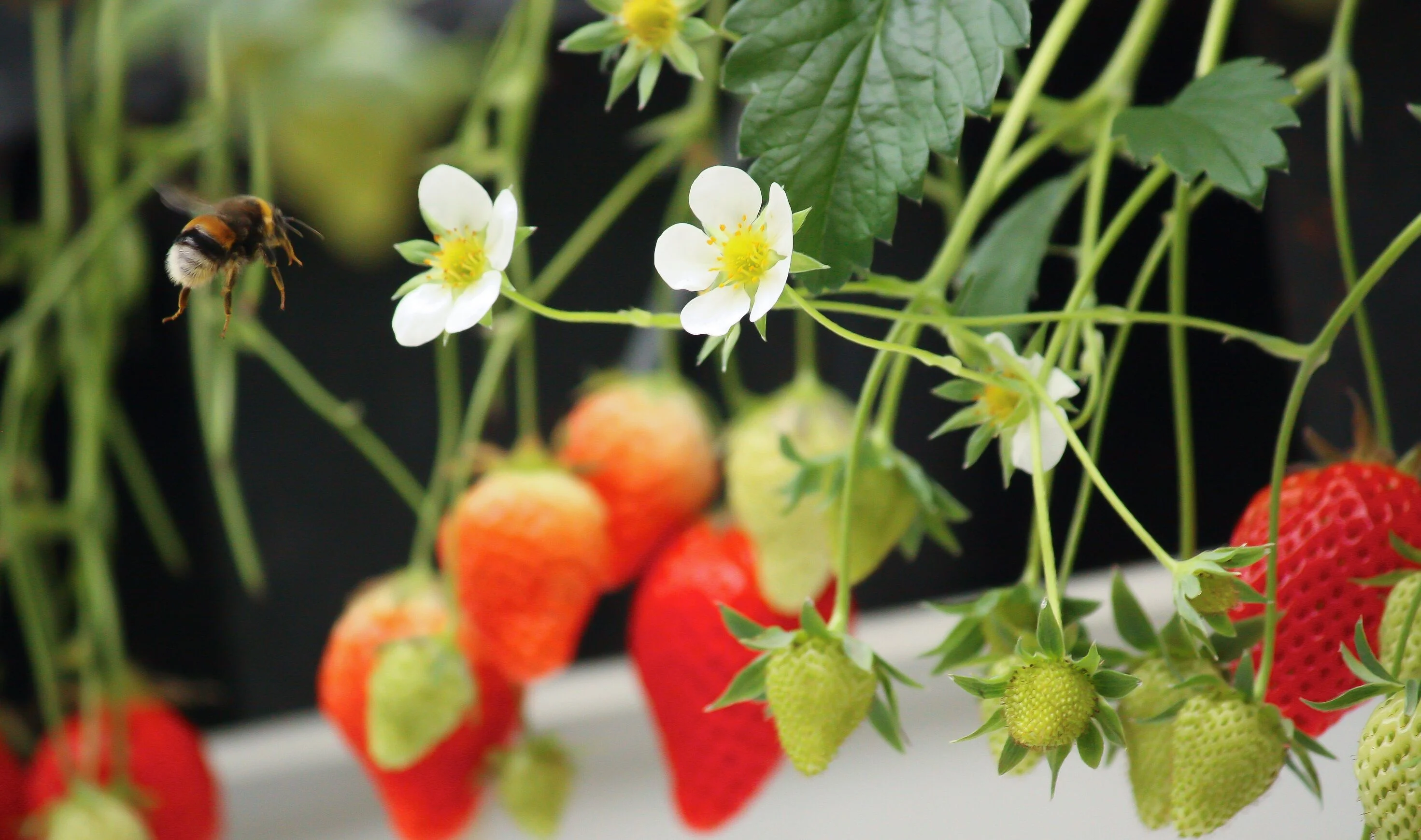
Polyhouses buffer external temperature fluctuations, especially during:
• Late winter and early spring
• Sudden heat waves
• Cold night episodes
However, polyhouses can also trap heat, making ventilation and shading essential during warm periods.
Relative humidity management
Optimal relative humidity: 60–75%
Humidity affects both plant stress and disease risk. Excess humidity promotes fungal diseases such as botrytis and powdery mildew, while low humidity increases transpiration stress and poor pollination.
Polyhouse advantages:
• Rain exclusion
• Controlled ventilation
• Drip irrigation without canopy wetting
Humidity control is most critical during flowering and fruit ripening stages.
Light requirements and quality
Strawberries require bright, diffused light for optimal growth.
Light influences:
• Photosynthesis
• Flower initiation
• Fruit colour and sweetness
Polyhouse cladding provides uniform light distribution and reduces scorching. In warm regions, temporary shading during peak radiation helps maintain canopy temperature without reducing productivity.
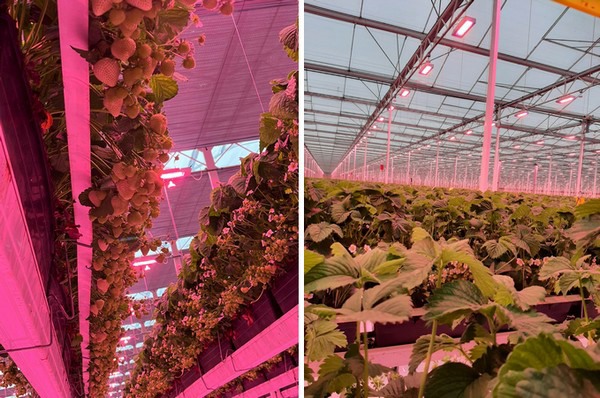
Ventilation and airflow dynamics
Ventilation is one of the most critical climate tools in strawberry polyhouses.
Proper ventilation:
• Removes excess heat
• Regulates humidity
• Reduces disease pressure
• Improves pollination
Poor airflow creates localized humidity pockets near fruits, increasing fungal risk.
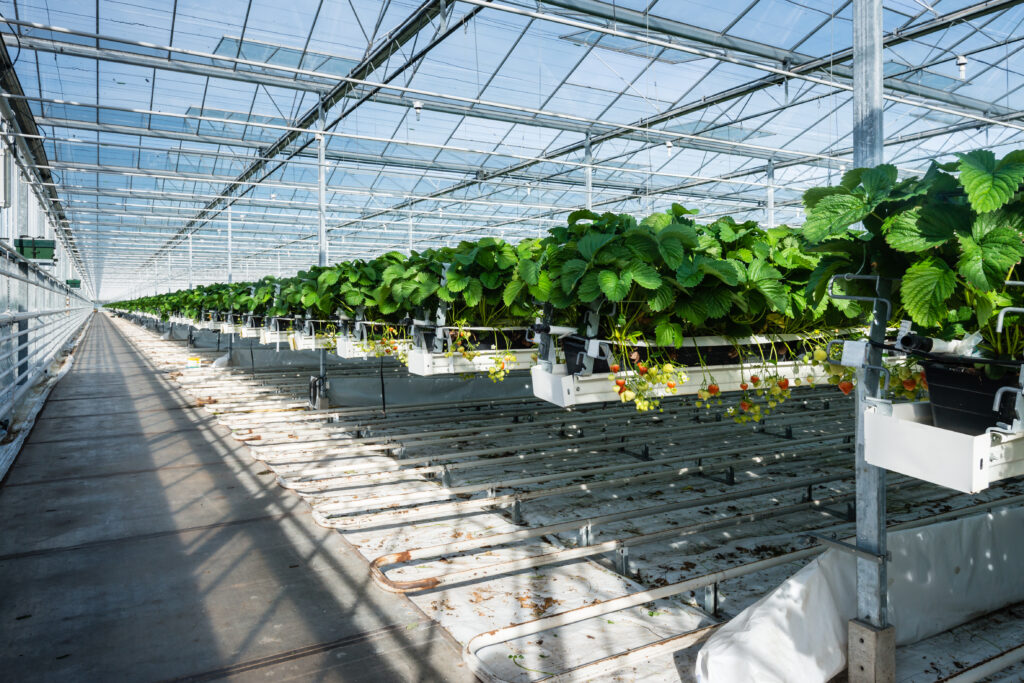
Role of shading and microclimate moderation
Shading is applied strategically during high radiation or heat spells.
Correct shading:
• Lowers canopy temperature
• Protects flowers and fruits
• Extends harvest duration
Over-shading must be avoided as it reduces sugar accumulation and delays ripening.
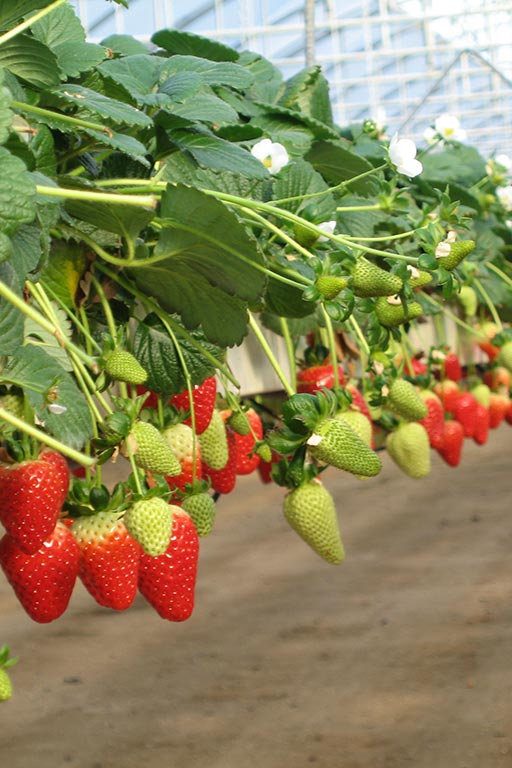
Strawberry has a high nutrient demand relative to its shallow root system, making fertigation precision a cornerstone of successful polyhouse cultivation. Because roots are confined to a limited volume of growing media, even small nutrient imbalances can rapidly affect plant health and fruit quality.
Nutrient and irrigation (fertigation) management
Strawberry has high nutrient demand relative to its shallow root system. Small nutrient imbalances quickly affect plant health and fruit quality.
Nutrient solution parameters
• EC: 1.2–1.8 mS/cm
• pH: 5.5–6.5
Stable EC and pH ensure balanced growth and prevent physiological disorders.
Key nutrients
• Nitrogen: canopy growth (excess reduces fruit firmness)
• Potassium: fruit size, sweetness, colour
• Calcium: fruit firmness and shelf life
• Magnesium: photosynthesis
• Boron: pollen viability and fruit set
Balanced nutrition is more important than high nutrient concentration.
Irrigation strategy under polyhouse conditions
Best practices:
• Multiple short irrigation cycles
• Avoidance of waterlogging
• Adjustment to weather and crop stage
Drip fertigation ensures stable moisture, precise nutrient placement, and reduced disease pressure. Water stress reduces fruit size, while excess water lowers sweetness.

Integration of climate and fertigation management
Climate and fertigation are interlinked:
• High temperature increases water demand
• Low humidity increases transpiration
• Poor ventilation affects nutrient uptake
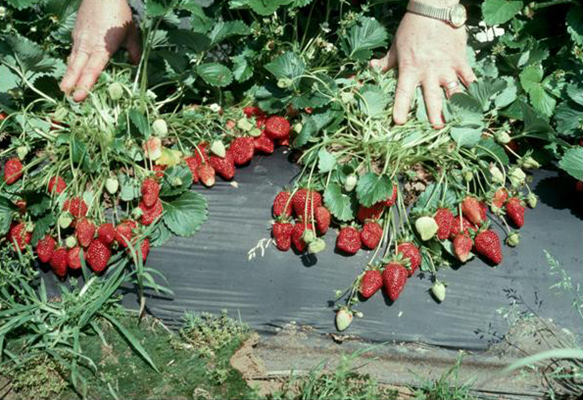
Pest and disease management
Pest and disease management is a critical component of polyhouse strawberry cultivation. While protected structures reduce rain-related and soil-borne problems, poorly managed microclimates can encourage rapid pest buildup and fungal diseases. Successful production therefore relies on preventive, integrated, and climate-linked management rather than reactive chemical control alone.
Major insect pests in polyhouse strawberries
Polyhouse environments favor soft-bodied sucking pests, which reproduce quickly under warm, protected conditions.
Aphids
• Colonize young leaves, flower stalks, and crowns
• Suck sap, weakening plants and reducing vigour
• Act as vectors for viral diseases
• Excrete honeydew, leading to sooty mold development
Aphid infestations are particularly damaging during early vegetative and flowering stages, where plant stress translates directly into reduced fruit set.
Thrips
• Attack flowers and developing fruits
• Cause bronzing, scarring, and deformation of fruits
• Reduce pollination efficiency by damaging floral tissues
Thrips damage often goes unnoticed until fruit quality is compromised, making early detection essential.
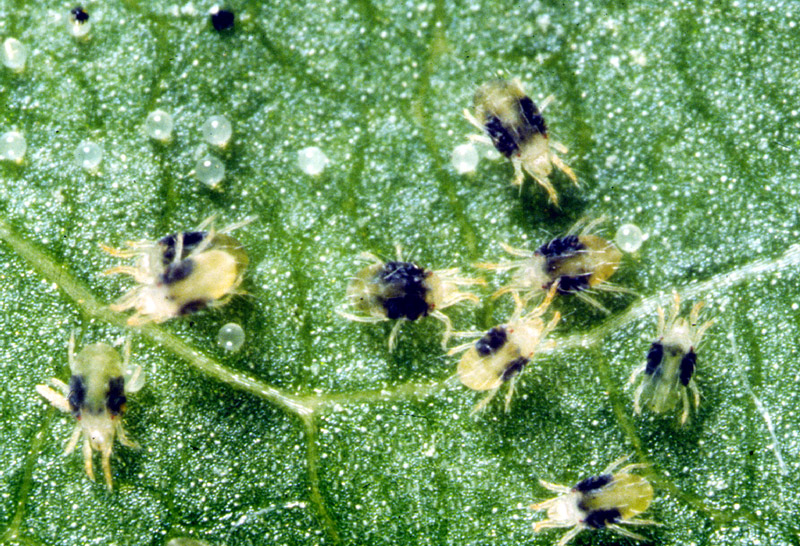
Spider mites
• Thrive under warm, dry polyhouse conditions
• Feed on the underside of leaves
• Cause stippling, leaf bronzing, and premature leaf drop
Whiteflies
• Feed on leaf sap and weaken plants
• Produce honeydew, encouraging fungal growth
• Serve as vectors for plant viruses
Whiteflies multiply rapidly when ventilation is poor and temperatures are elevated.
Disease challenges in polyhouse strawberry cultivation
Although rain exclusion reduces disease pressure, strawberries remain highly susceptible to fungal pathogens, especially under high humidity and poor airflow.
Powdery mildew • Appears as white powdery growth on leaves and flowers • Thrives under moderate temperatures and high humidity • Reduces photosynthesis and fruit quality Powdery mildew spreads rapidly in stagnant air conditions, making ventilation management crucial.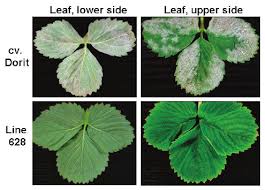
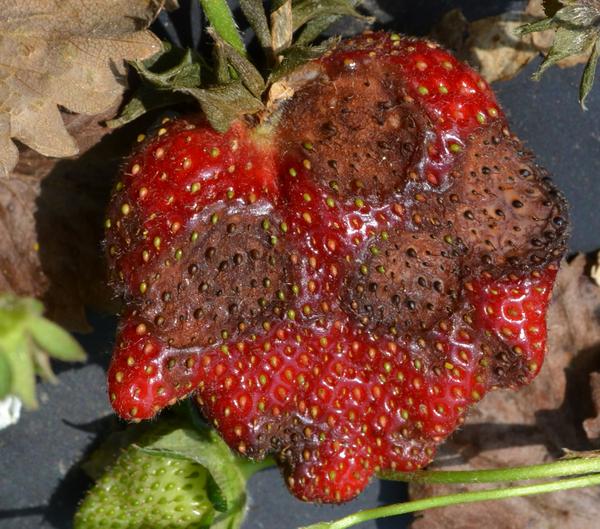
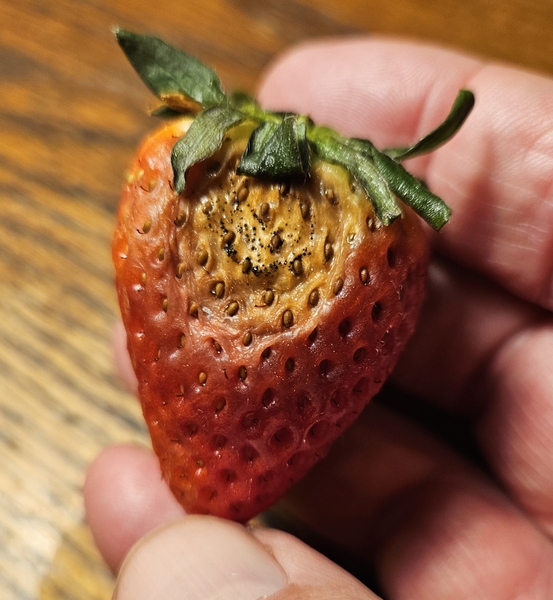
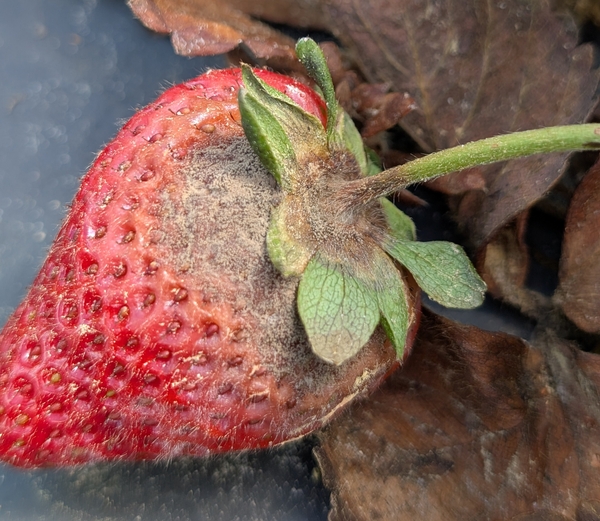
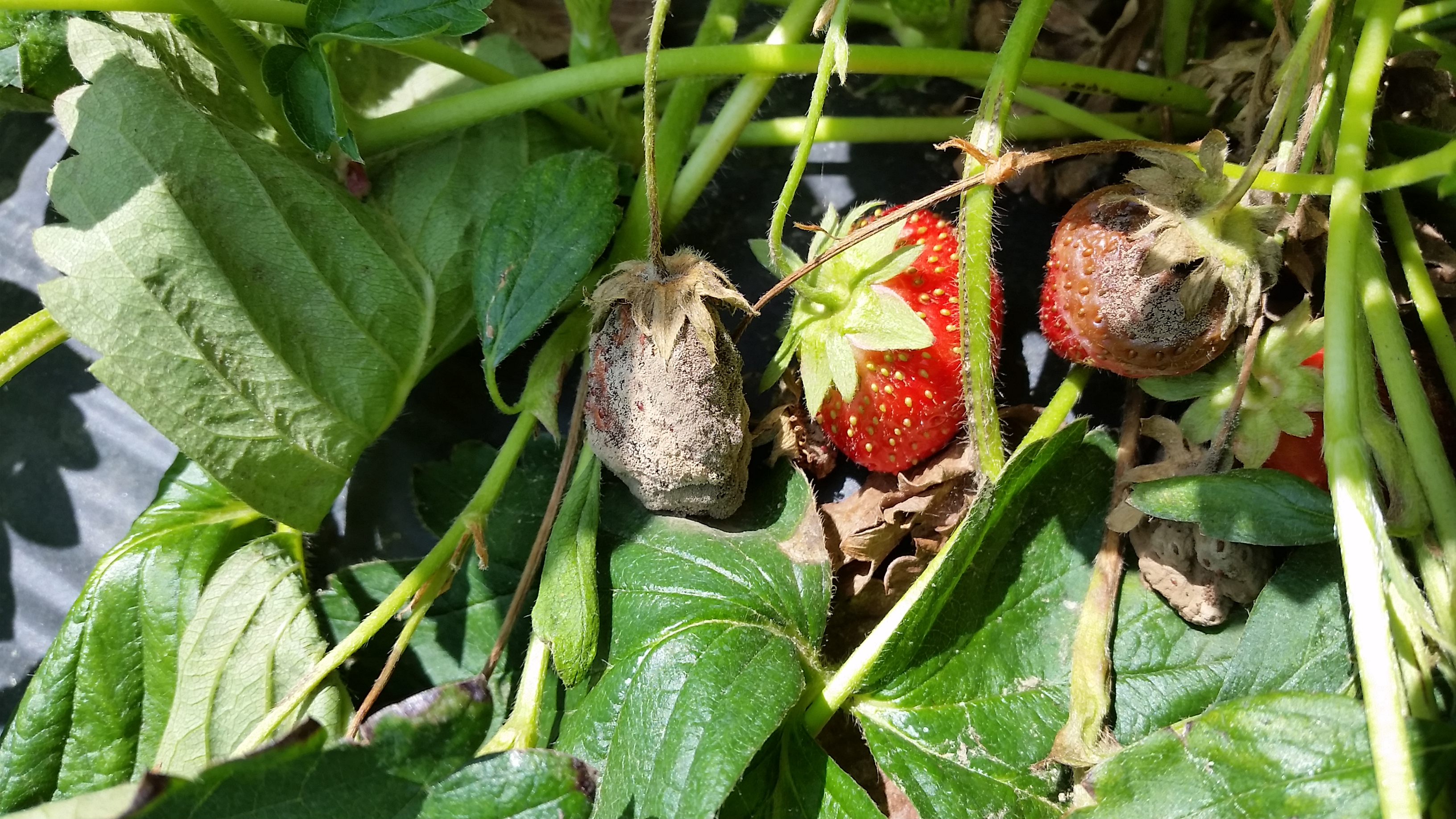
Botrytis fruit rot (grey mold)
• One of the most destructive strawberry diseases
• Infects flowers and fruits, especially under high humidity
• Causes soft, grey fungal growth on fruits
Botrytis infections often begin at flowering and become visible during fruit ripening, leading to significant post-harvest losses if unmanaged.
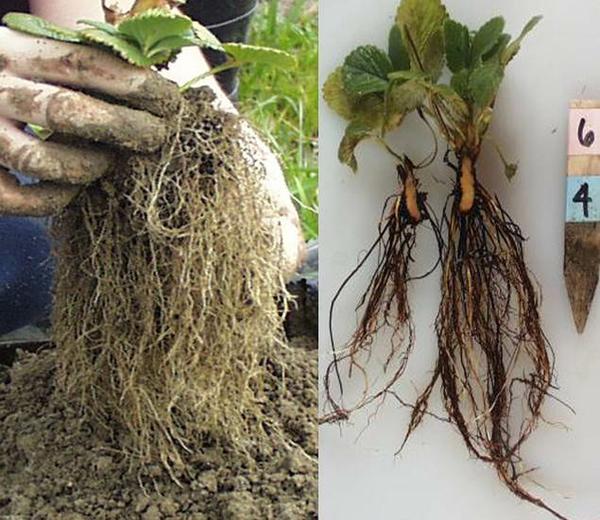
Root and crown rot
• Caused by poor drainage and waterlogged root zones
• Symptoms include wilting, stunted growth, and plant collapse
• Often associated with heavy irrigation or poorly drained media
Root diseases highlight the importance of well-drained substrates and precise irrigation scheduling.
Integrated Pest Management (IPM) approach
Effective pest and disease control in polyhouse strawberries relies on integrated pest management, which combines cultural, physical, biological, and chemical measures.
Core IPM principles include:
• Prevention over cure
• Regular monitoring and early detection
• Minimal reliance on broad-spectrum chemicals
• Preservation of beneficial organisms
Preventive cultural practices
Preventive management reduces pest and disease pressure before it begins:
• Use of healthy, disease-free planting material
• Strict sanitation of tools, trays, and containers
• Removal of old leaves, runners, and infected plant parts
• Weed control inside and around the polyhouse
• Proper plant spacing to improve airflow
Sanitation is especially important because polyhouse systems allow pests and pathogens to persist and multiply across crop cycles if residues are left unmanaged.
Role of climate control in disease suppression
Climate management is one of the most powerful disease control tools in polyhouse strawberries.
Key practices include:
• Maintaining relative humidity within 60–75%
• Ensuring continuous airflow at canopy and fruit level
• Avoiding prolonged leaf wetness
• Using ventilation to release excess humidity after irrigation
Many fungal diseases can be suppressed simply by reducing humidity duration, without chemical intervention.
Biological and mechanical control options
Where feasible, growers increasingly adopt:
• Sticky traps for monitoring flying insects
• Insect-proof screens on vents
• Biological control agents for aphids, thrips, and mites
• Pollinator-friendly practices that avoid disruptive sprays
These approaches help maintain ecosystem balance inside the polyhouse, reducing pest resurgence.
Chemical control: targeted and minimal
When chemical intervention is necessary:
• Use crop- and pest-specific products
• Rotate active ingredients to prevent resistance
• Apply during low pollinator activity periods
• Avoid routine prophylactic spraying
Overuse of chemicals in polyhouse strawberries often leads to:
• Resistance development
• Residue issues
• Disruption of beneficial organisms
Linking pest management to fruit quality and profitability
In strawberries, cosmetic quality determines market value. Even minor pest damage or fungal spotting can downgrade fruits from premium to reject grade.
Effective pest and disease management:
• Protects fruit appearance and firmness
• Extends harvest duration
• Reduces post-harvest losses
• Improves overall profitability
Polyhouse strawberry cultivation succeeds when plant health, climate control, and IPM strategies operate together as a single system, rather than as isolated interventions.
.
Harvesting standards and yield potential
Harvesting is a quality-critical operation in strawberry cultivation because fruit value is determined largely by appearance, firmness, and freshness rather than sheer volume. Under polyhouse conditions, strawberries are harvested when fruits attain full varietal colour, uniform shape, and optimal firmness, ensuring maximum sweetness and market acceptance.
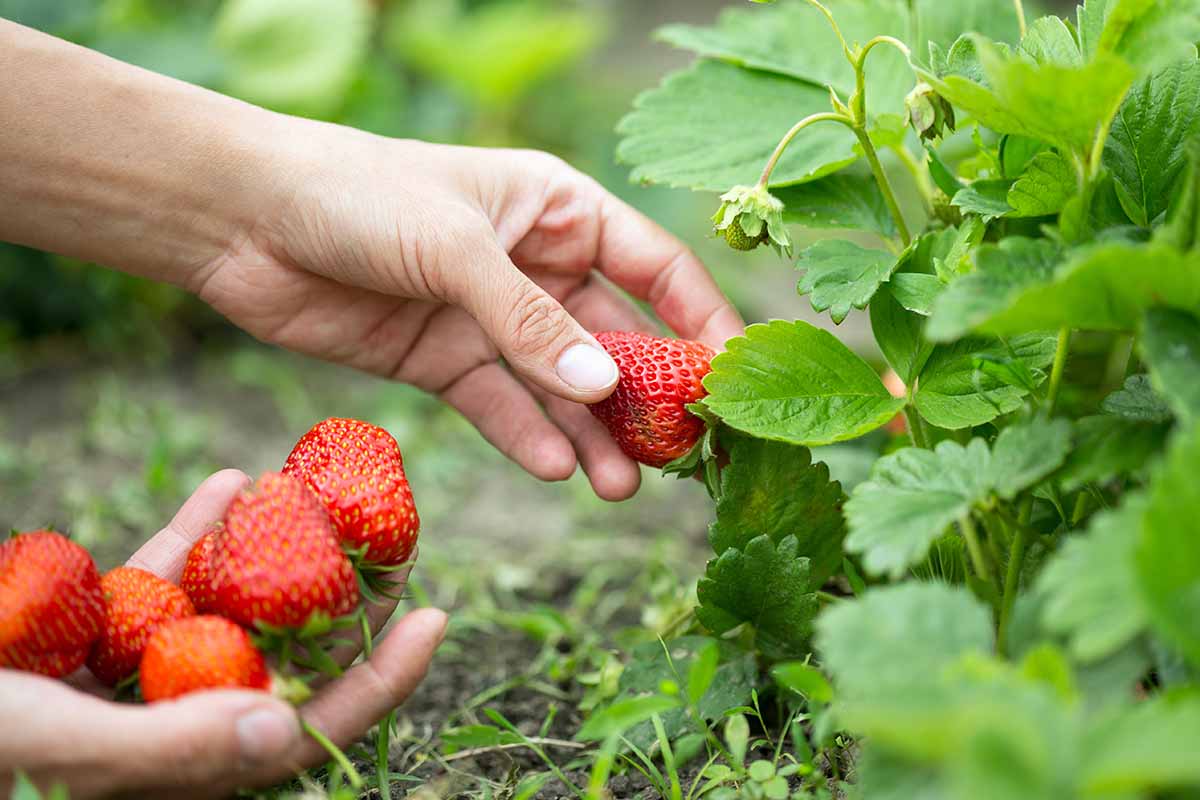
Key harvesting principles:
• Fruits are harvested fully ripe, as strawberries do not ripen after harvest
• Harvesting is carried out every 2–3 days during peak production to avoid over-ripening
• Fruits are picked along with a short stalk to reduce handling injury
• Harvesting is ideally done during cool morning hours to preserve firmness
Under well-managed polyhouse conditions, where climate, nutrition, and pest pressure are properly controlled:
• Per-plant yield: 600–900 grams per plant
• Area-based yield: 20–30 tonnes per hectare
Yield variation depends on:
• Variety selection
• Duration of harvest window
• Plant density
• Climate discipline and fertigation accuracy
More importantly, polyhouse cultivation significantly increases the percentage of Grade-A fruits, which has a stronger impact on profitability than total yield alone.
Post-harvest handling
Strawberries are among the most perishable horticultural fruits, with delicate skin and high respiration rates. Post-harvest handling therefore plays a decisive role in preserving fruit quality and reducing losses.
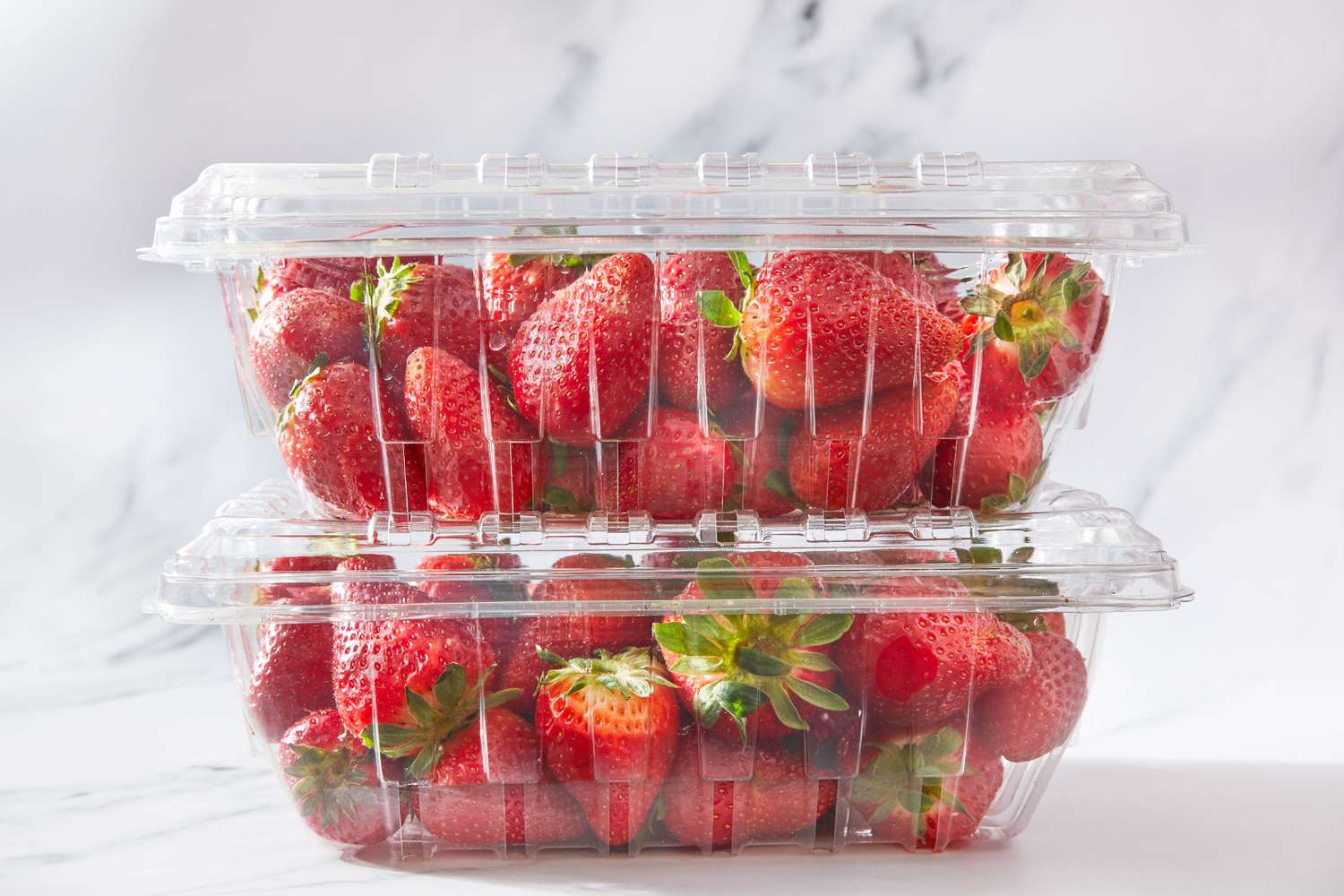
Essential post-harvest practices include:
• Gentle handling during harvest to avoid bruising and surface damage
• Avoiding fruit stacking or compression
• Immediate removal of damaged or overripe fruits
Temperature management is critical:
• Pre-cooling immediately after harvest slows respiration
• Storage temperature: 0–2 °C
• Relative humidity: High (90–95%) to prevent dehydration
Even under optimal storage conditions, strawberries have a limited shelf life. Therefore:
• Rapid marketing and distribution are strongly recommended
• Polyhouse strawberry systems perform best when linked to nearby urban or premium markets
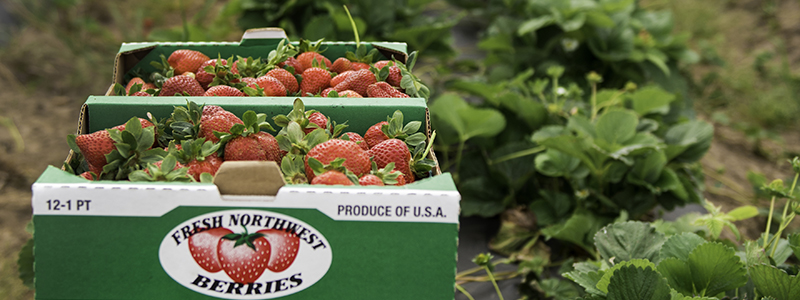
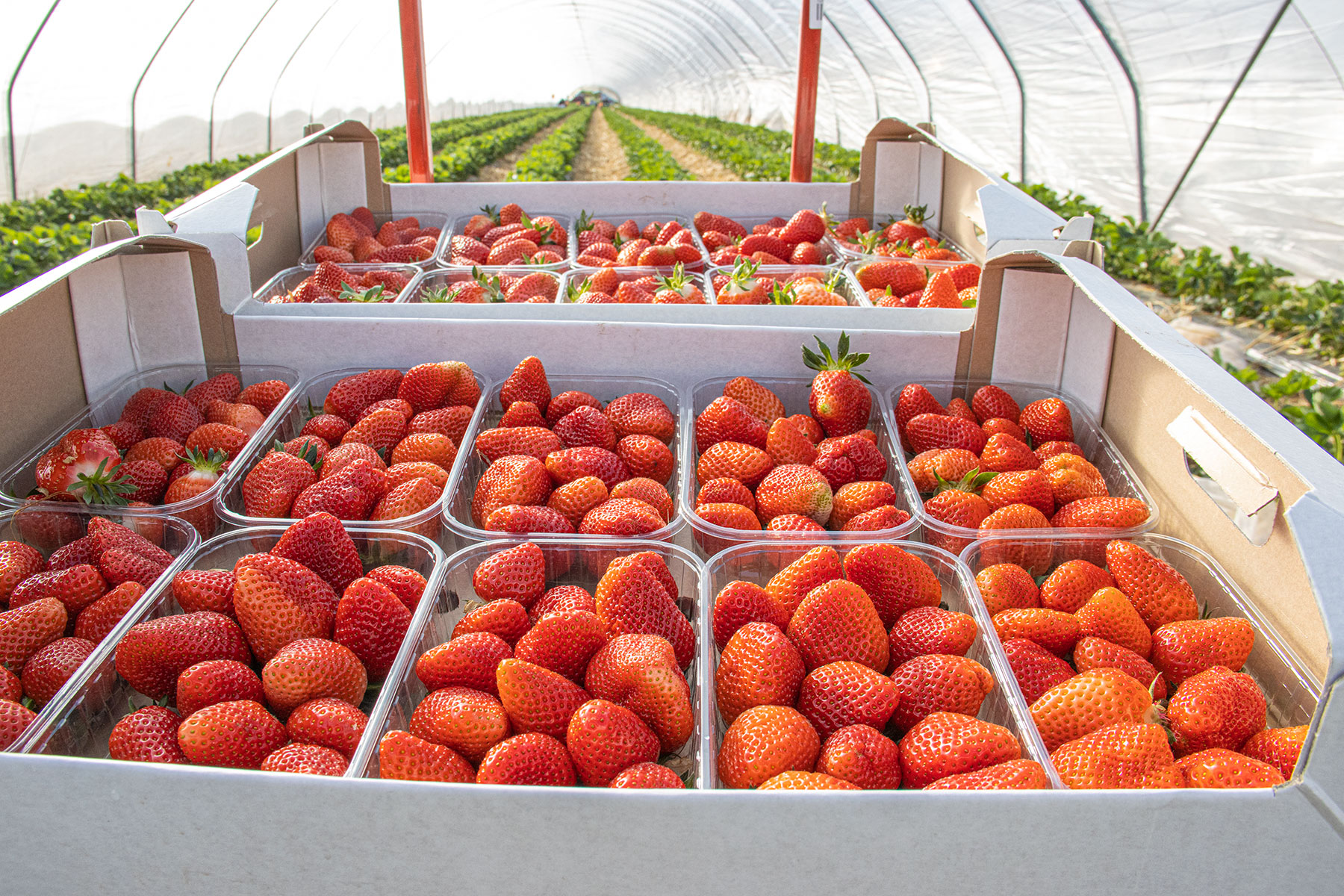
Clean fruits, uniform grading, and proper packaging significantly improve acceptance by organized retail and institutional buyers.
Checklist before starting strawberry polyhouse cultivation
Before investing in strawberry polyhouse cultivation, growers should ensure that biological, structural, and market requirements are aligned. This checklist helps minimize risk and improves long-term success.
• Selection of strawberry varieties suited for protected cultivation and target markets
• A well-designed polyhouse with adequate ventilation and provision for shading
• Raised beds or grow bags with excellent drainage and clean growing media
• Drip fertigation system with reliable EC and pH monitoring capability
• Access to premium fresh fruit markets that reward quality, uniformity, and freshness
Strawberry cultivation under polyhouse conditions is highly rewarding when planned systematically. Attention to detail at the planning stage determines whether the crop becomes a high-margin success or a high-maintenance challenge.
Conclusion
Strawberry cultivation under polyhouse conditions effectively combines plant biology with climate moderation and precision management. As a shallow-rooted, moisture-sensitive crop, strawberry responds strongly to protected environments where rainfall is excluded and temperature and humidity are regulated. Polyhouse systems support uniform growth, synchronized flowering, improved fruit set, and superior fruit quality.
The use of raised beds or grow bags with drip fertigation ensures healthy root zones, efficient nutrient use, and reduced disease pressure. From a commercial standpoint, polyhouse strawberries deliver higher marketable yields, longer harvest periods, and better price realization. With disciplined management and market alignment, polyhouse strawberry cultivation becomes a reliable and profitable production system.
References and further reading
• FAO – Protected fruit cultivation manuals
• National Horticulture Board (India) guidelines
• Peer-reviewed research on strawberry protected cultivation