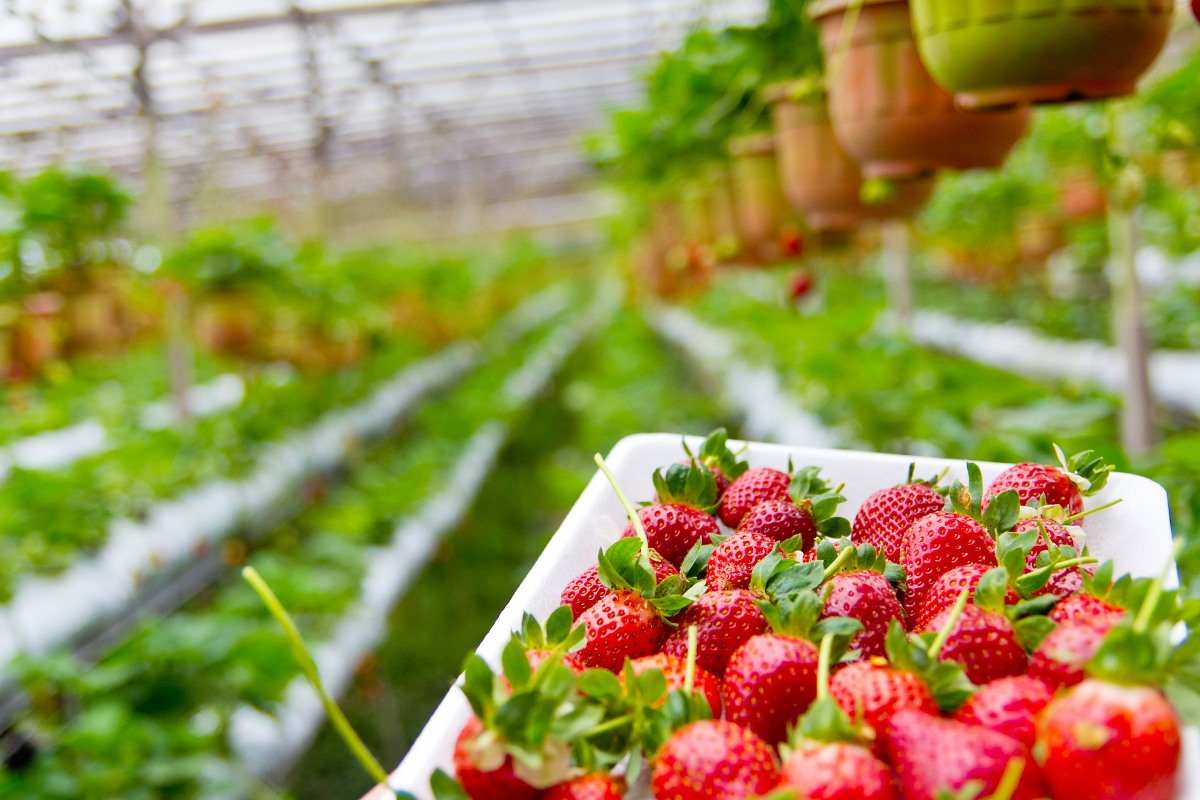
Introduction to strawberry polyhouse cultivation
Strawberry (Fragaria × ananassa) is a high-value, climate-sensitive fruit crop whose productivity and fruit quality are strongly influenced by temperature, humidity, rainfall, and day–night stability. Traditionally cultivated in open fields under limited seasonal windows, strawberry production has increasingly shifted toward polyhouse-based protected cultivation, especially in regions where climatic variability restricts yield consistency and market timing.
Polyhouse cultivation creates a semi-controlled microclimate that aligns closely with the physiological requirements of strawberry plants. By shielding the crop from excessive rainfall, heat stress, cold injury, and mechanical damage, polyhouses enable extended production periods, improved flower-to-fruit conversion, and higher proportions of marketable-grade fruits.
Why strawberry responds strongly to protected cultivation
Strawberry is biologically characterized by:
• A shallow root system
• A compact canopy
• High sensitivity to temperature and humidity fluctuations
• Delicate flowers and fruits prone to rain damage and fungal infections
In open-field conditions:
• Rain during flowering reduces pollination efficiency
• Excess soil moisture increases root and crown diseases
• Temperature spikes reduce fruit size and sweetness
• Fruit contact with soil leads to rot and contamination
Polyhouse environments mitigate these limitations by:
• Excluding direct rainfall from the crop zone
• Stabilizing temperature during critical flowering and fruiting stages
• Allowing controlled irrigation and fertigation
• Reducing pathogen pressure associated with leaf wetness
As a result, strawberry plants grown under polyhouses exhibit more uniform vegetative growth, synchronized flowering, and improved fruit development.
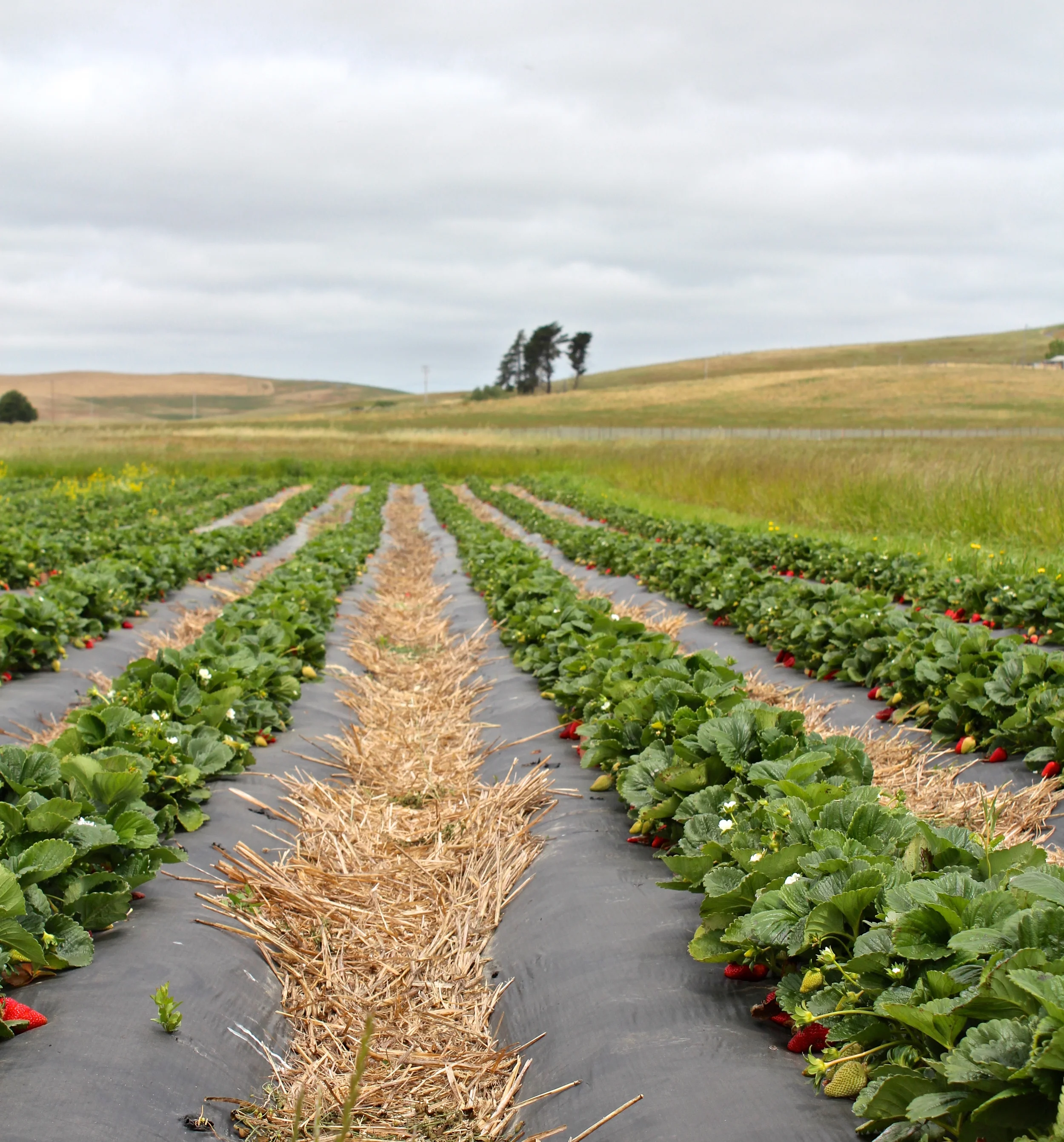
Polyhouse cultivation versus open-field strawberry production
Compared to open-field cultivation, polyhouse-grown strawberries show clear agronomic and commercial advantages:
• Extended harvest season
Polyhouses allow growers to start earlier and harvest later by buffering temperature extremes, effectively extending the productive window.
• Improved fruit quality
Fruits are cleaner, firmer, more uniform in shape, and have better color development due to stable microclimate conditions.
• Reduced losses
Protection from rain and soil contact significantly lowers fruit rot, cracking, and microbial contamination.
• Higher yield efficiency
More flowers successfully convert into harvestable fruits, increasing yield per unit area.
These advantages are especially important for strawberries, where market price is highly dependent on appearance, firmness, and shelf life, not just total yield.
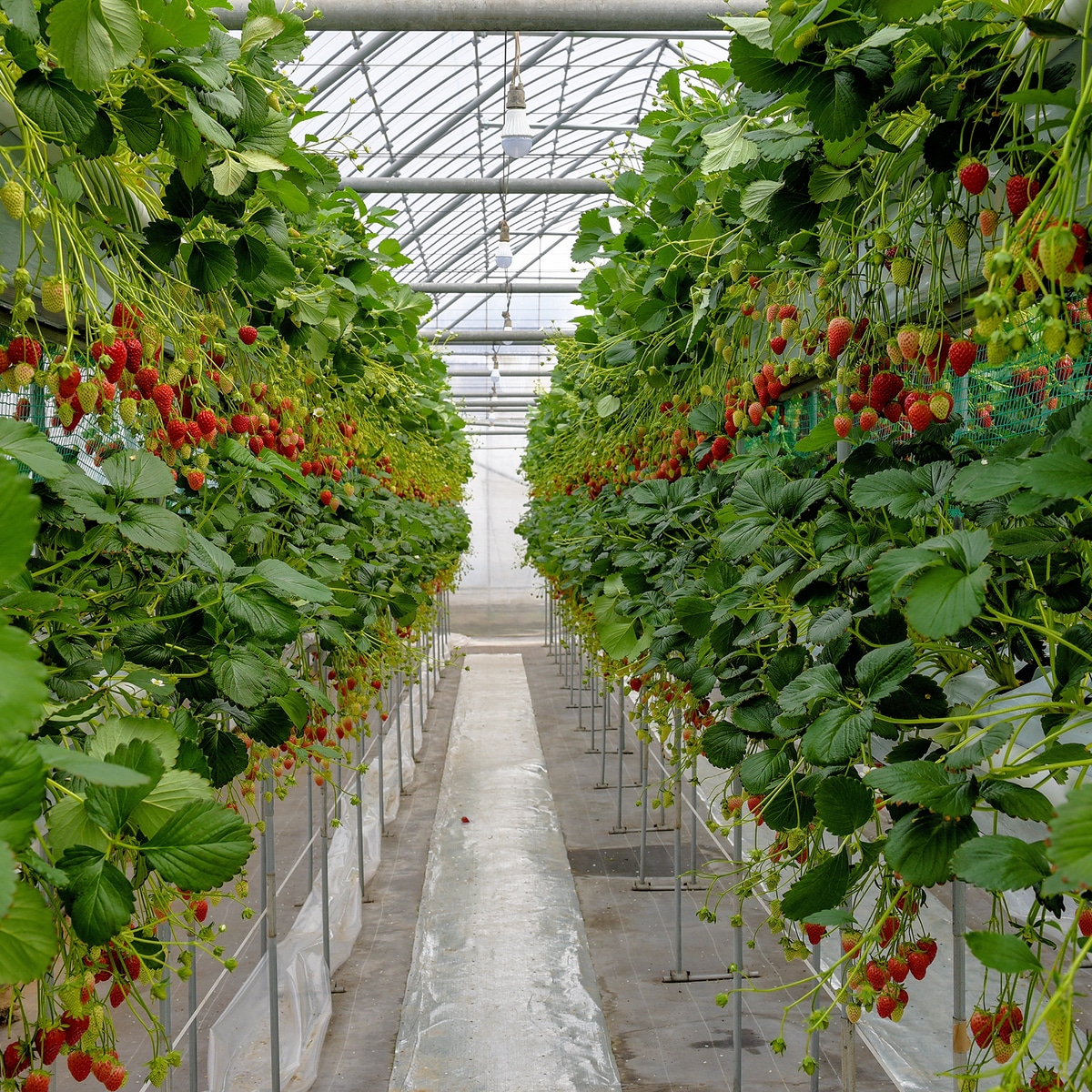
Role of polyhouse microclimate in strawberry physiology
Strawberry growth and fruiting are regulated by a delicate interaction of:
• Air temperature
• Root-zone moisture
• Relative humidity
• Light intensity and photoperiod
Polyhouses provide:
• Moderate daytime temperature buffering, preventing heat stress
• Protection from cold nights, reducing flower abortion
• Controlled humidity, lowering fungal disease incidence
• Diffuse light, improving photosynthetic efficiency without leaf scorch
This controlled environment promotes:
• Balanced vegetative growth
• Uniform crown development
• Consistent flower initiation
• Improved fruit size and sweetness
Commercial importance of polyhouse strawberries
Strawberry is increasingly favored as a commercial polyhouse crop due to:
• High consumer demand in fresh fruit markets
• Strong linkage with hotels, bakeries, and food processing
• Premium pricing for clean, uniform fruits
• Suitability for intensive cultivation in limited space
In India and similar agro-climatic regions, polyhouse strawberry cultivation has emerged as:
• A profitable diversification crop for protected farmers
• A gateway fruit crop for growers transitioning from vegetables to fruits
• A strategic option for peri-urban and market-linked farming systems
Because strawberry combines short production cycles with high per-unit value, it fits well within the economic logic of polyhouse investment.
Position of strawberry in protected cultivation systems
Among protected cultivation options:
• Shade net houses provide insufficient protection for consistent strawberry fruiting
• Glass greenhouses are often economically excessive for most strawberry markets
• Polyhouses offer the optimal balance between cost, control, and crop response
This makes strawberry one of the most responsive and economically justifiable fruit crops for polyhouse cultivation.
Scope of this article
This article will examine strawberry polyhouse cultivation in depth, covering:
• Botanical and physiological characteristics
• Climate and environmental requirements
• Variety selection and planting systems
• Nutrient and irrigation management
• Pest and disease dynamics under protection
• Harvesting, yield expectations, and commercial viability
By aligning plant biology with polyhouse microclimate management, growers can achieve stable yields, superior fruit quality, and reliable profitability in strawberry cultivation.
Why grow strawberry under polyhouse
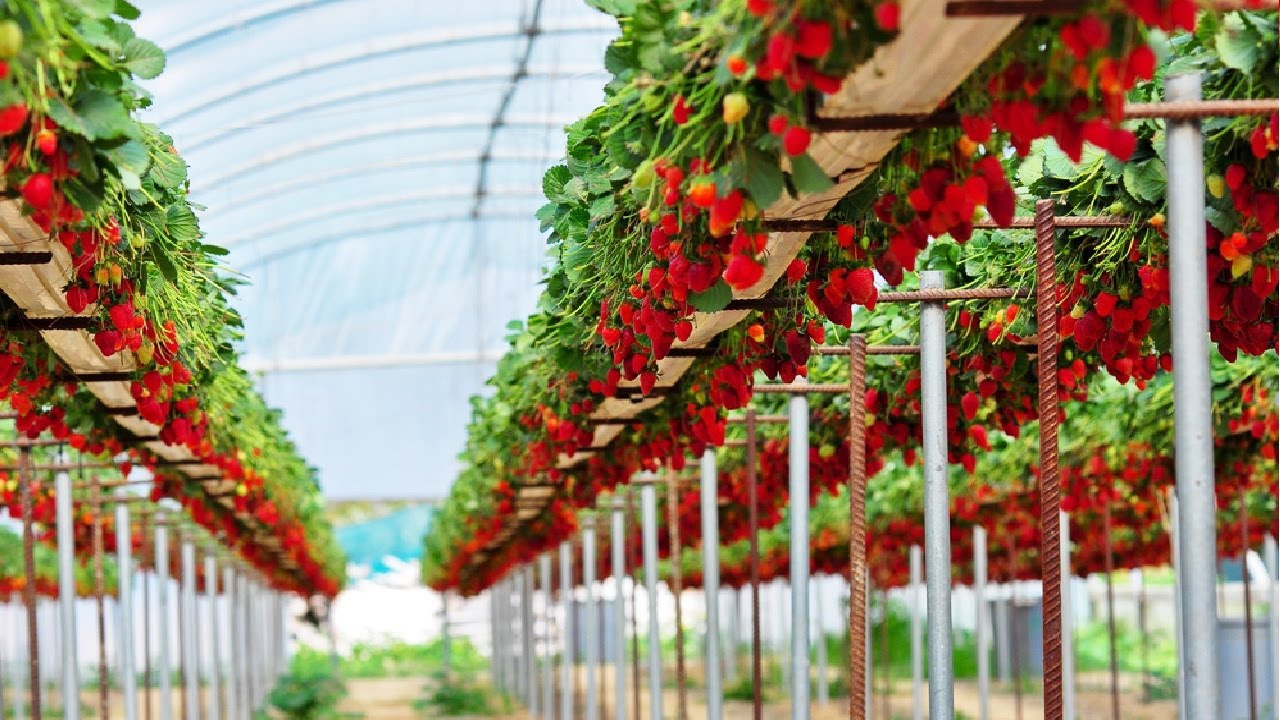
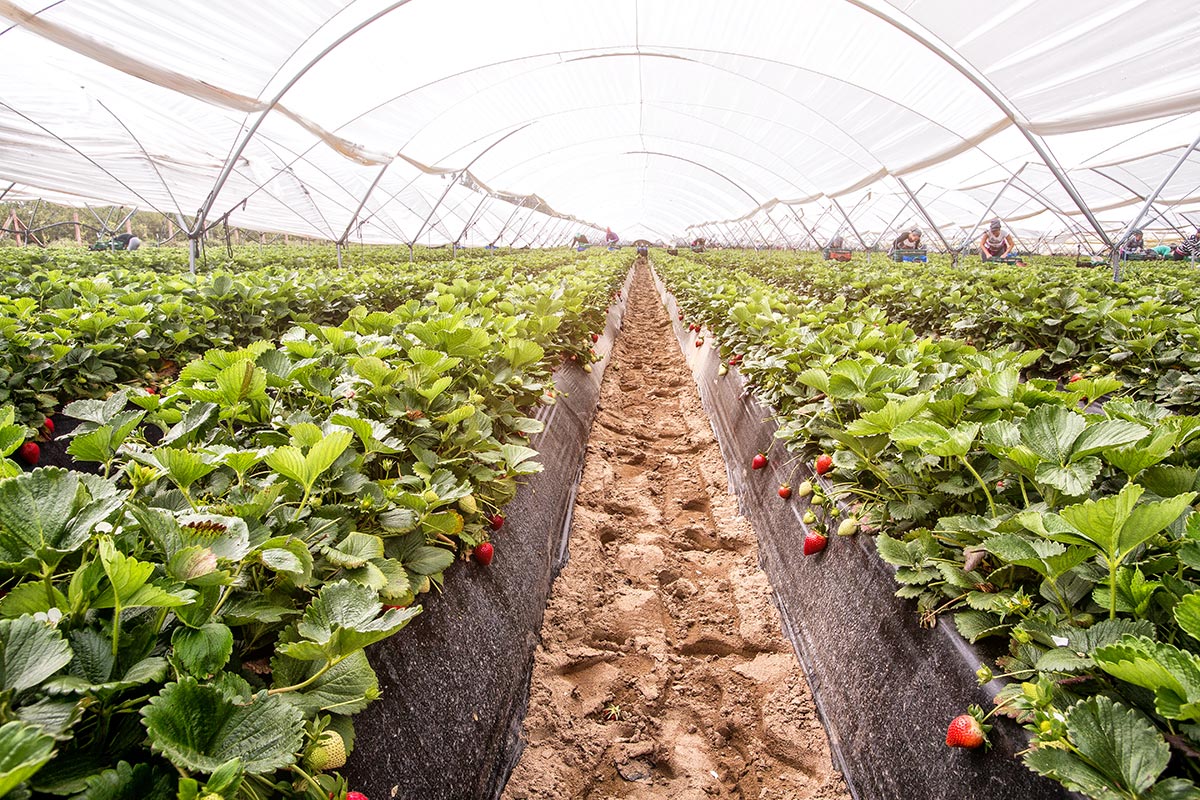
Strawberry is one of the most polyhouse-responsive fruit crops because its growth, flowering, and fruit quality are extremely sensitive to rainfall, humidity fluctuations, and temperature instability. Polyhouse cultivation does not merely increase yield; it fundamentally improves fruit reliability, quality grading, and market timing, which are critical for commercial success in strawberries.
Microclimate control and strawberry physiology
Strawberry plants have:
• Soft, succulent tissues
• Shallow roots with limited tolerance to waterlogging
• Delicate flowers and exposed fruits
In open-field conditions, even short periods of adverse weather can cause:
• Flower drop due to temperature shock
• Poor pollination under rain or high humidity
• Fruit rot caused by prolonged surface wetness
• Reduced sugar accumulation due to stress
Polyhouses create a buffered microclimate where:
• Temperature fluctuations are moderated
• Relative humidity remains within manageable limits
• Airflow can be directed and controlled
• Leaf and fruit wetness duration is drastically reduced
This stable environment allows strawberry plants to allocate more energy toward fruit development rather than stress survival.
Importance of rain protection in strawberry cultivation
Rain protection is arguably the single most important reason for growing strawberries under polyhouse conditions.
Rainfall causes multiple direct and indirect problems:
• Water accumulation on fruit surfaces promotes Botrytis (grey mold) and other fungal pathogens
• Splashing soil spreads spores and bacteria
• Fruits in contact with wet soil develop rot and off-flavours
• Harvest schedules are disrupted, reducing market consistency
Polyhouses completely exclude rainfall, ensuring:
• Dry fruit surfaces during flowering and ripening
• Lower fungal infection pressure
• Cleaner fruits with better shelf life
• More predictable harvest cycles
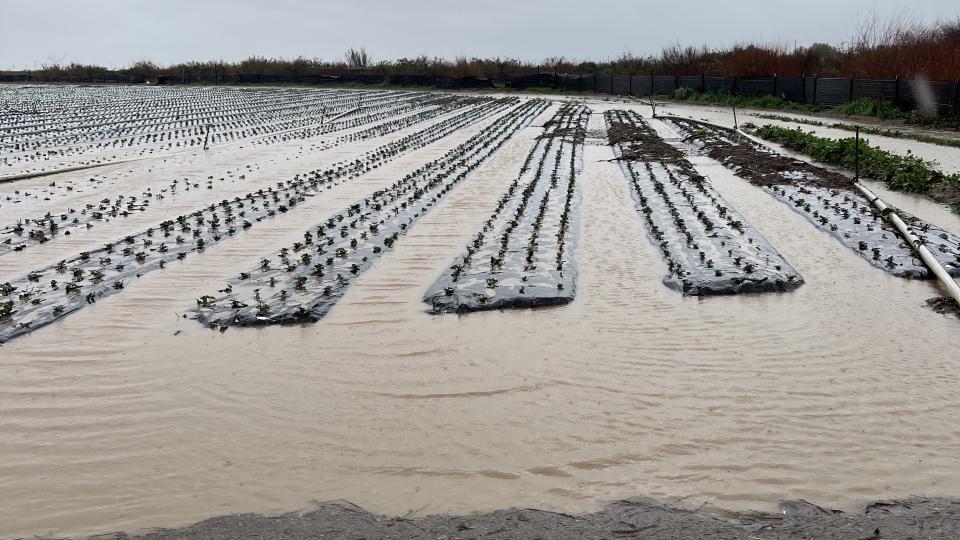
This alone can increase the proportion of marketable-grade fruits by a substantial margin.
Extended fruiting season and market advantage
One of the most commercially significant benefits of polyhouse strawberry cultivation is season extension.
Polyhouses allow:
• Earlier planting in cooler months
• Delayed crop termination as external temperatures rise
• Protection from early or late-season weather extremes
As a result:
• Harvest windows are longer
• Peak-season price crashes can be partially avoided
• Growers can target premium early or late markets
For strawberries, where price fluctuates sharply with supply, seasonal timing is as important as yield.
Improved fruit size, colour, and sweetness
Fruit quality in strawberry is highly dependent on stable photosynthesis and uninterrupted nutrient uptake.
Polyhouse conditions support:
• Uniform light diffusion, reducing uneven ripening
• Stable root-zone moisture through drip irrigation
• Reduced stress during fruit enlargement
This leads to:
• Larger and more uniform fruit size
• Better red colour development
• Higher soluble solids (sweetness)
• Improved firmness and shelf life
From a market perspective, visual appeal and sweetness directly influence price realization, making polyhouse-grown strawberries far more profitable than open-field produce.
Reduced fungal disease incidence
Strawberries are particularly susceptible to fungal diseases such as:
• Grey mold (Botrytis cinerea)
• Powdery mildew
• Anthracnose
These diseases thrive under:
• High humidity
• Prolonged leaf wetness
• Poor airflow
Polyhouses help by:
• Allowing controlled ventilation
• Preventing rain-induced leaf wetness
• Enabling targeted irrigation at the root zone
• Supporting integrated pest and disease management
While diseases are not eliminated entirely, their incidence and severity are significantly reduced, lowering chemical usage and crop losses.
Higher percentage of marketable fruits
In strawberry cultivation, profitability depends less on total yield and more on the percentage of fruits that meet market standards.
Polyhouse cultivation improves:
• Fruit cleanliness
• Shape uniformity
• Reduced blemishes and rot
• Consistent size grading
This results in:
• Higher proportion of Grade A fruits
• Lower rejection rates
• Better acceptance by organized retail, hotels, and processors
Many growers report that polyhouses do not just increase yield, but dramatically improve sellable yield, which is the true driver of income.
Strategic relevance for commercial growers
From a business perspective, strawberries fit polyhouse economics extremely well:
• High value per kilogram
• Strong urban and institutional demand
• Short payback cycle compared to perennial fruit crops
• Compatibility with intensive cultivation systems
For these reasons, strawberry has become one of the flagship fruit crops for polyhouse diversification, especially for growers transitioning from protected vegetable production.
Summary: why polyhouse is the right choice for strawberry
Polyhouses provide:
• Rain exclusion critical for fruit health
• Microclimate stability aligned with strawberry physiology
• Improved fruit quality and grading
• Extended harvest windows
• Reduced disease pressure
• Higher commercial reliability
Together, these factors make strawberry one of the most logical and economically sound crops for polyhouse cultivation, especially in regions with variable climate and strong fresh fruit markets.
Botanical characteristics and variety selection
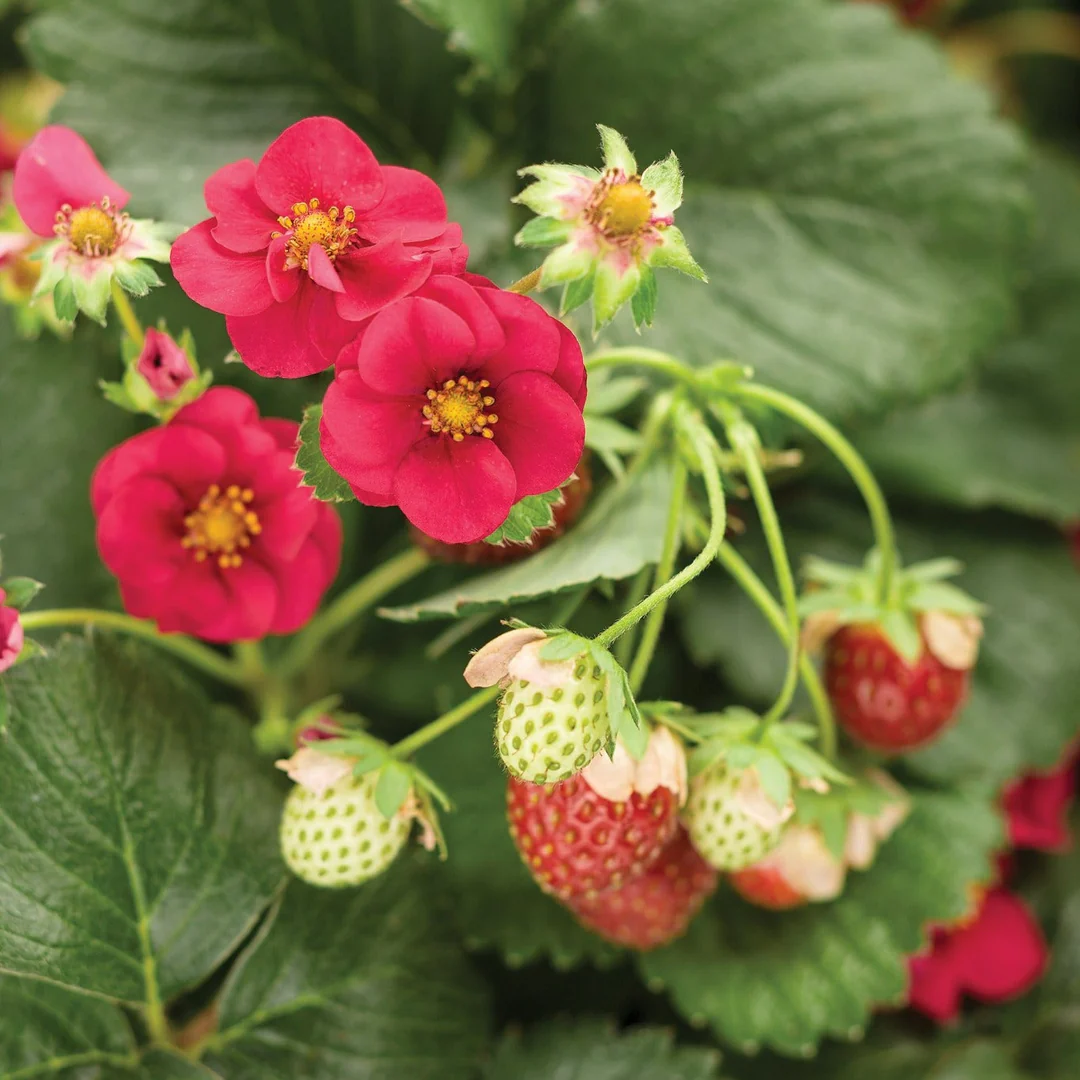
Understanding the botanical characteristics of strawberry is essential for successful polyhouse cultivation because the crop’s growth habit, rooting pattern, and reproductive biology directly determine spacing, irrigation strategy, pollination management, and climate control. Strawberry responds very precisely to protected environments when its biological needs are correctly aligned with polyhouse conditions.
Botanical profile and growth habit
Strawberry (Fragaria × ananassa) belongs to the Rosaceae family and is botanically classified as a low-growing perennial herb, although it is cultivated as a seasonal annual crop in most commercial polyhouse systems.
Key botanical traits include:
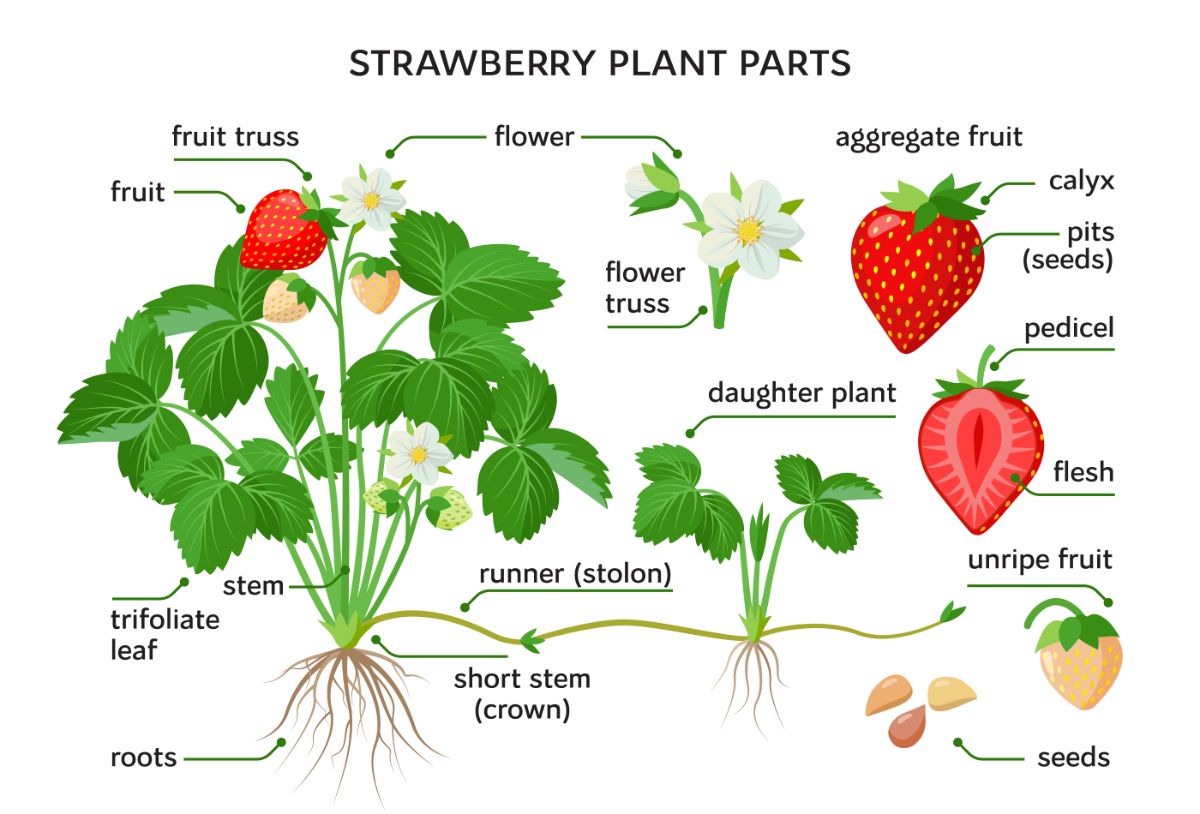
• Compact canopy with leaves emerging from a central crown
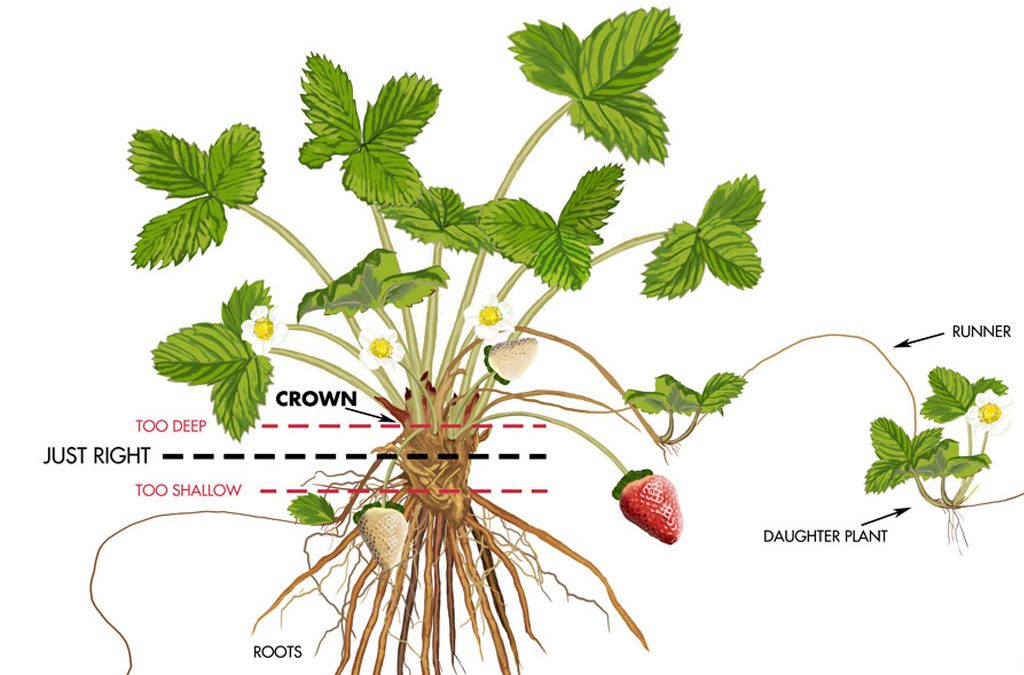
• Crown-based growth, where all vegetative and reproductive structures originate
• Short internodes, resulting in dense foliage close to the ground
• Runner (stolon) production, which is suppressed in commercial fruiting systems
In polyhouse cultivation, management practices are designed to prioritize crown development and flowering, while runner formation is minimized to direct plant energy toward fruit production.
Root system characteristics and implications
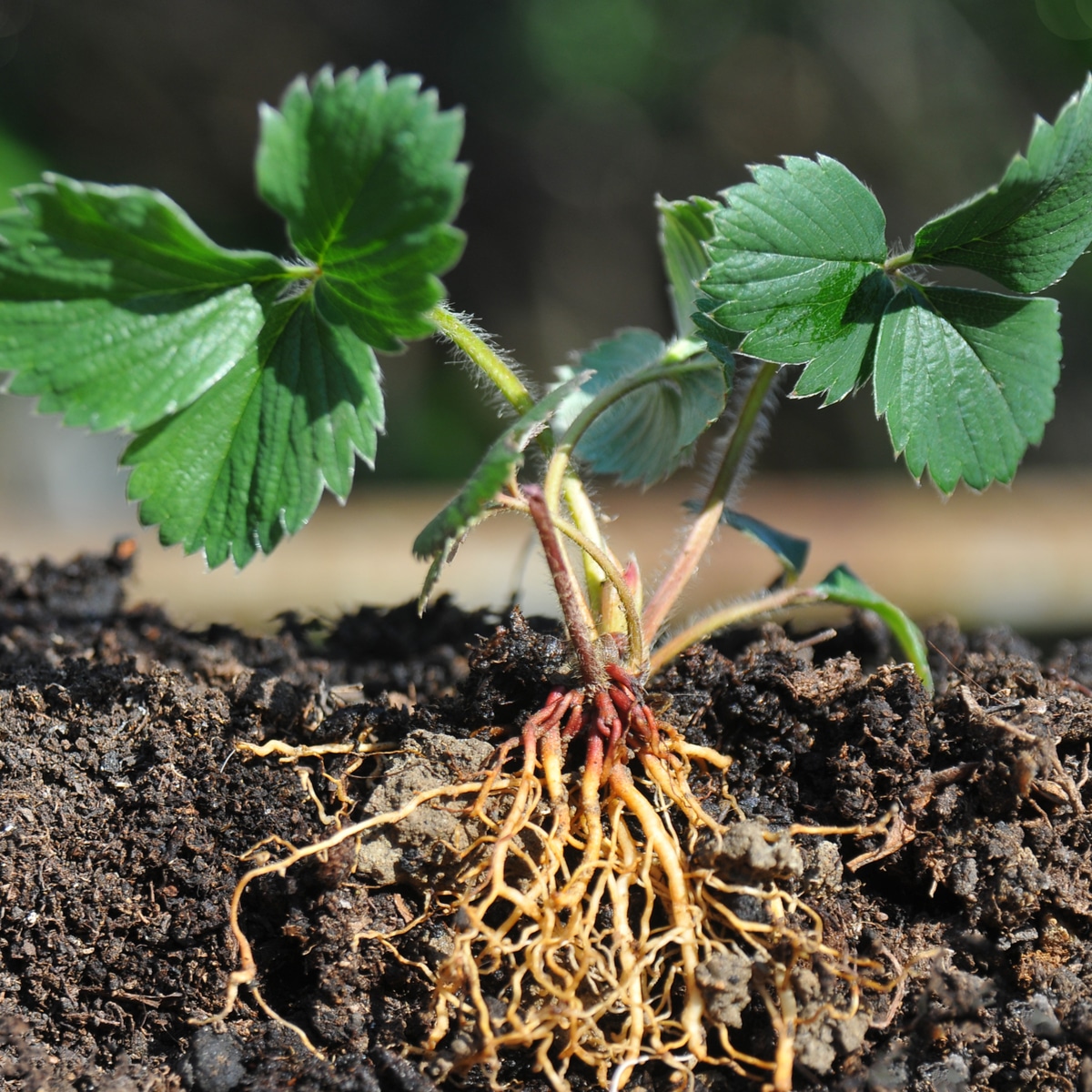
Strawberry has a shallow, fibrous root system, typically concentrated in the top 15–25 cm of the growing medium.
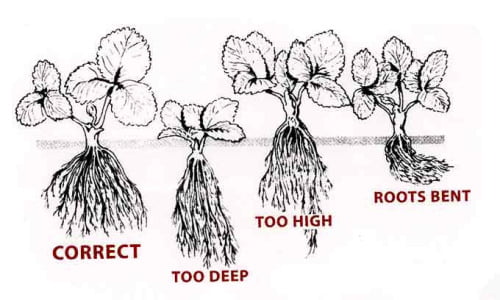
Implications for polyhouse cultivation:
• Highly sensitive to waterlogging and oxygen deficiency
• Requires frequent but controlled irrigation
• Performs best in well-aerated substrates such as cocopeat or raised beds
• Benefits strongly from drip irrigation and precise fertigation
This shallow rooting habit is one of the reasons strawberries perform better under protected systems, where root-zone moisture and oxygen availability can be tightly regulated.
Life cycle and seasonal cultivation logic
Although strawberry is botanically perennial, it is cultivated as a seasonal crop in polyhouse systems due to:
• Declining productivity after peak fruiting
• Increased disease accumulation in older plants
• Economic preference for uniform, high-quality harvests
Typical polyhouse production cycle:
• Transplanting: Early season under protected conditions
• Vegetative establishment: Crown and leaf development
• Flower initiation and fruiting: Controlled temperature and humidity
• Crop termination: After peak yield phase
This seasonal approach ensures maximum fruit quality and predictable commercial output.
Flowering biology and pollination
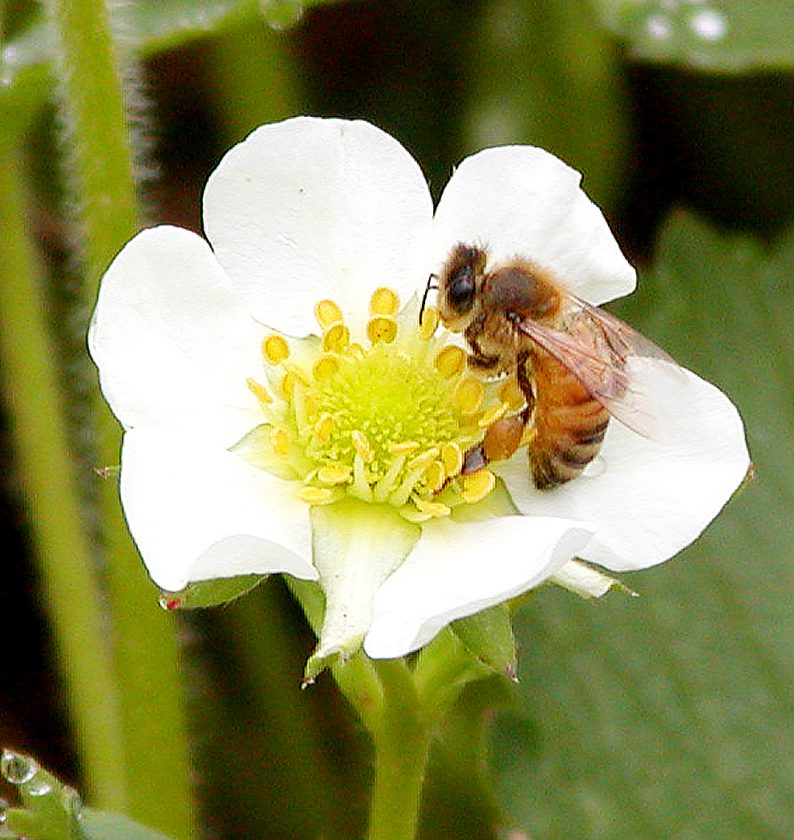
Strawberry flowers are perfect flowers (containing both male and female organs), but effective pollination is critical for:
• Complete fertilization of achenes (true seeds)
• Uniform fruit shape
• Maximum fruit size
Inadequate pollination results in:
• Misshapen or deformed fruits
• Reduced market grade
• Lower yield efficiency
Under polyhouse conditions:
• Insect-assisted pollination, especially by bees, significantly improves fruit set
• Natural pollinators may be limited due to enclosure
• Managed pollination strategies (bee introduction or manual airflow support) are often adopted
Proper pollination management is a key quality determinant in protected strawberry cultivation.
Fruit development characteristics
Botanically, the strawberry “fruit” is an aggregate accessory fruit, where:
• The fleshy red portion is an enlarged receptacle
• The true fruits are the small achenes on the surface
This structure makes strawberry fruits:
• Highly sensitive to moisture on the surface
• Prone to fungal infection under wet conditions
• Dependent on uniform fertilization for symmetrical growth
Polyhouse environments reduce external stress on fruit development, leading to better shape, firmness, and shelf life.
Variety selection: a critical success factor
Variety selection is one of the most decisive factors in polyhouse strawberry success. Varieties must be chosen not only for yield, but also for adaptability to protected conditions, fruit firmness, flavour profile, and market preference.
Key traits required in polyhouse varieties:
• Tolerance to moderate temperature fluctuations
• Resistance to common fungal diseases
• Uniform flowering and fruiting
• Good fruit firmness and shelf life
• Reduced tendency to excessive runner formation
Popular polyhouse strawberry varieties and their strengths
• Winter Dawn
o Early flowering and fruiting
o High yield potential
o Good adaptability to protected conditions

• Sweet Charlie
o Excellent flavour and sweetness
o Softer fruits, preferred for local fresh markets
o Performs well under controlled environments
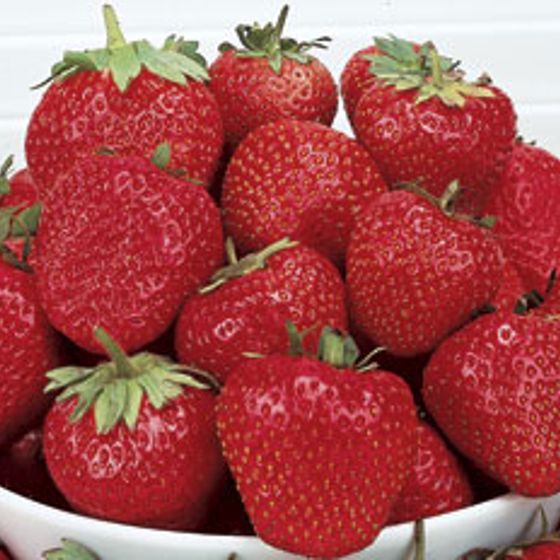
• Chandler
o Large fruit size
o Strong consumer recognition
o Suitable for both fresh and processing markets
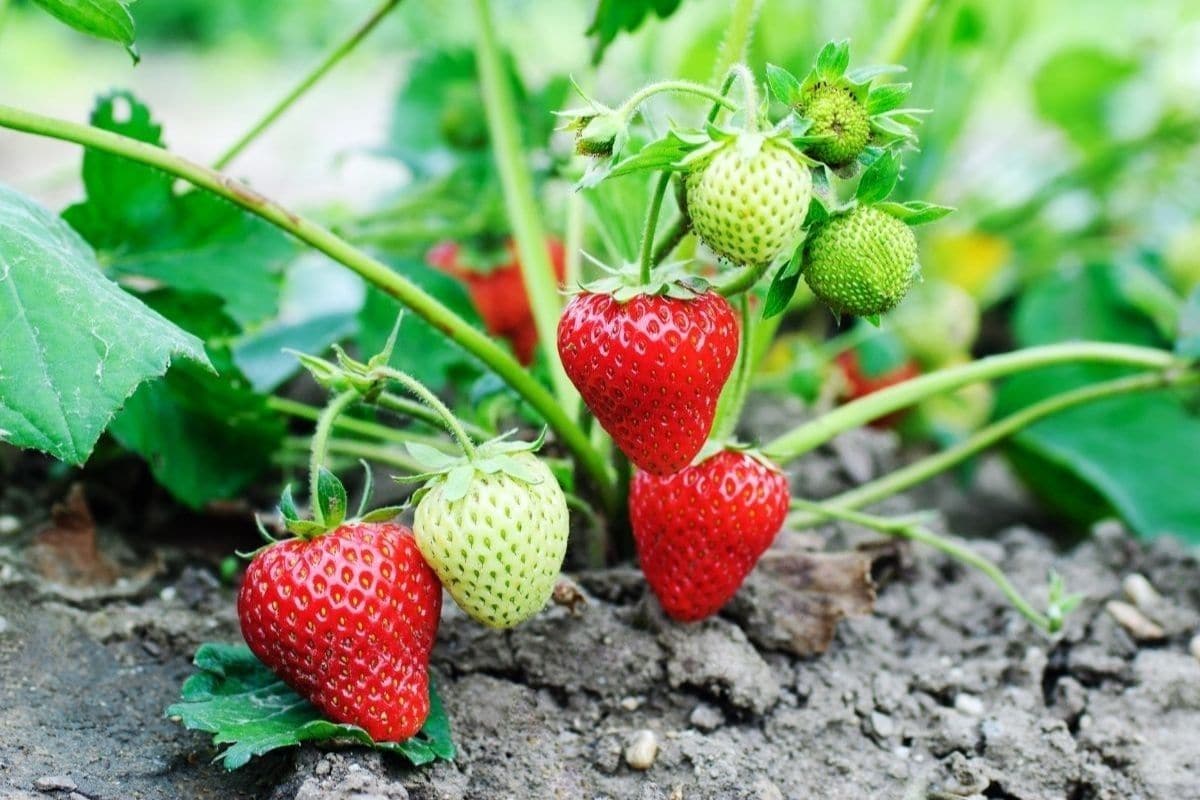
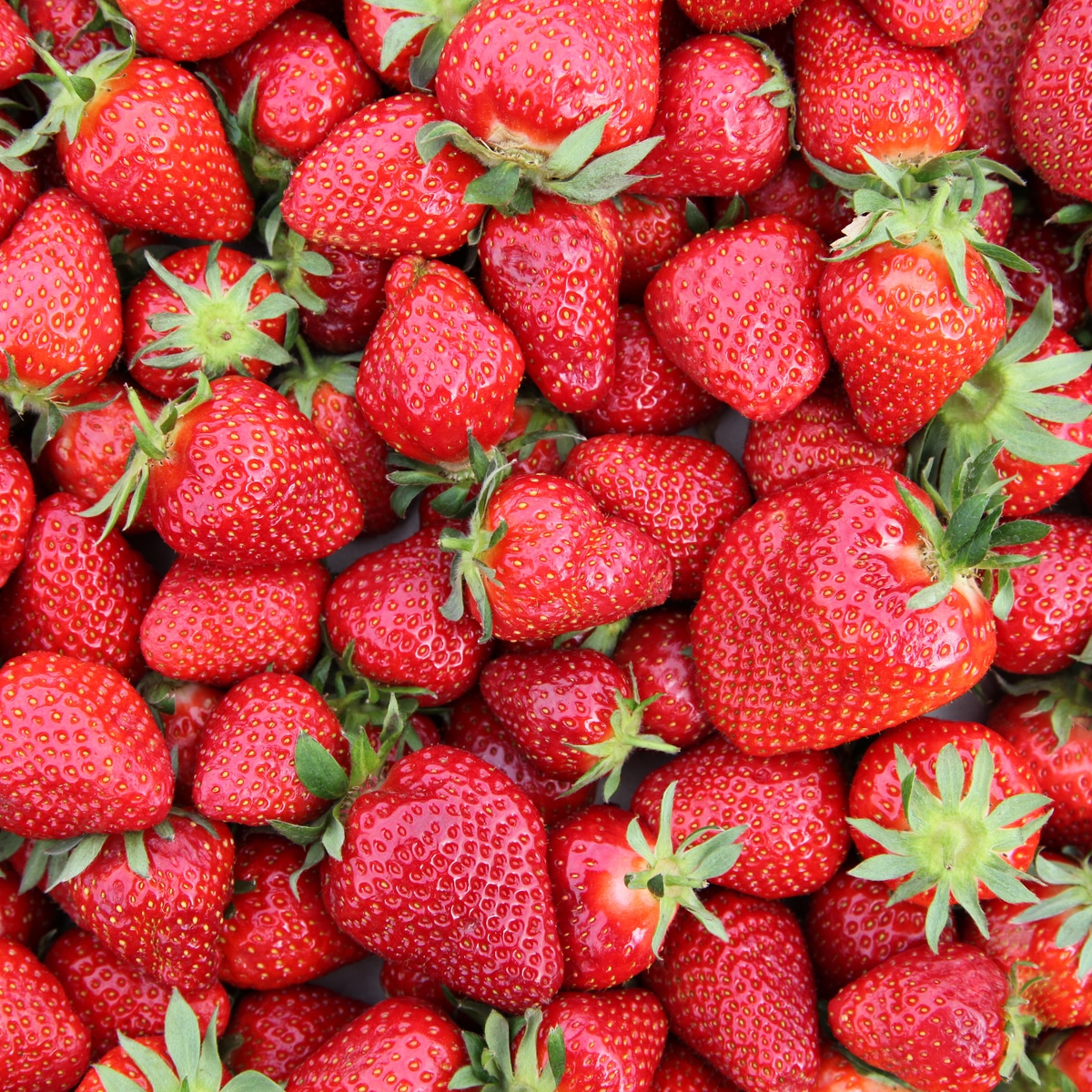
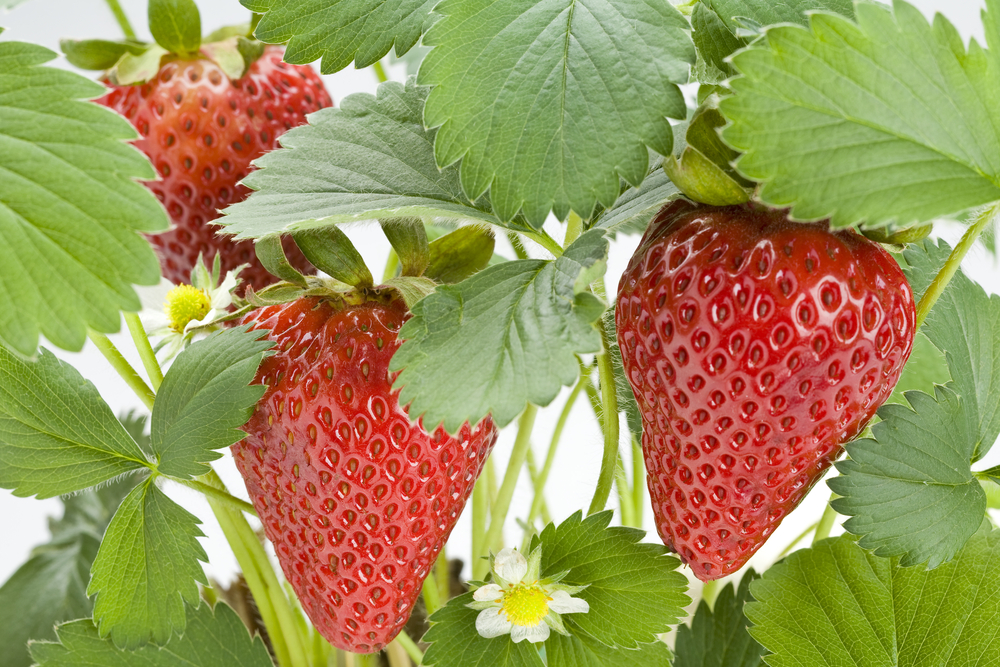
• Festival
o Balanced yield and firmness
o Better tolerance to variable conditions
o Widely adopted in protected cultivation
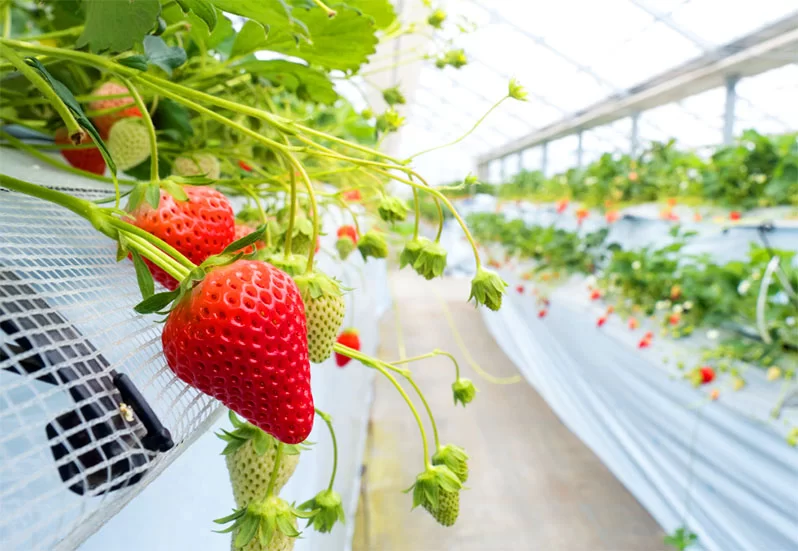
• Camarosa
o Firm fruits with good shelf life
o Suitable for long-distance transport
o Favoured for commercial-scale polyhouse farming
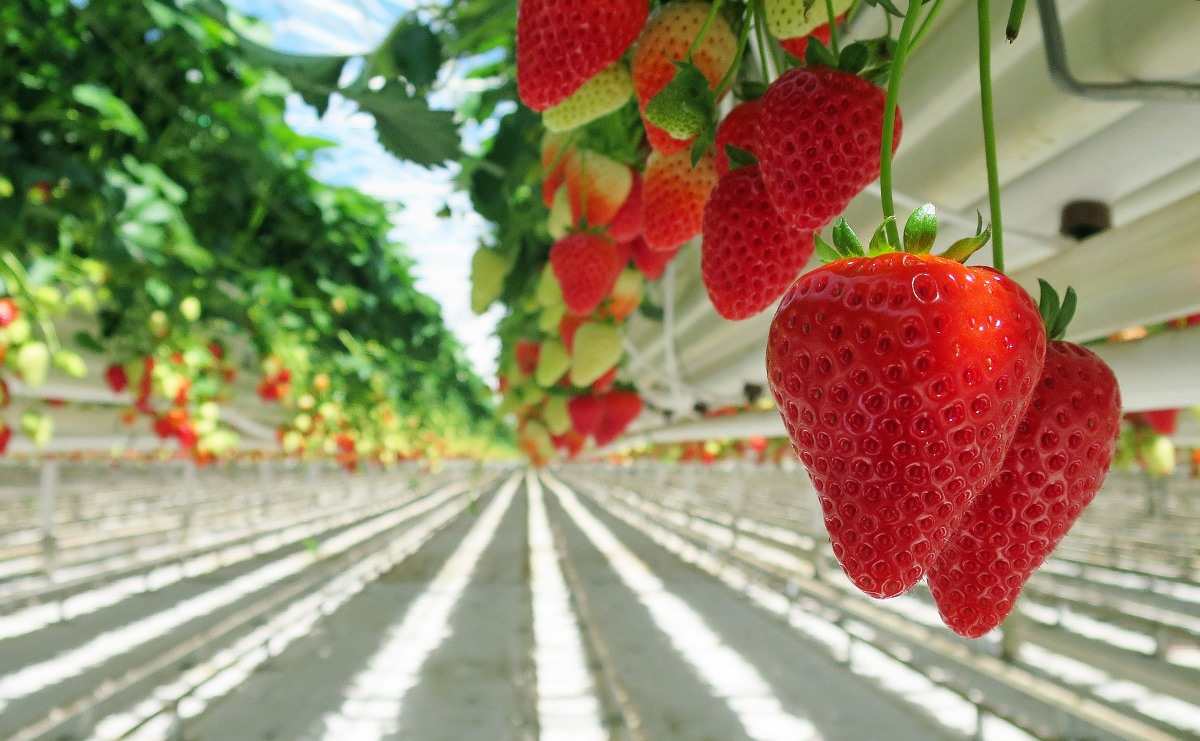
Selection should always be aligned with:
• Target market (local fresh vs institutional)
• Harvest window
• Post-harvest handling capability
• Climate management level within the polyhouse
Linking botany to polyhouse management
Strawberry’s:
• Shallow roots
• Compact canopy
• Sensitive flowers
• Moisture-sensitive fruits
Make it uniquely suited to polyhouse cultivation, where growers can precisely manage:
• Root-zone moisture
• Air humidity
• Temperature stability
• Pollination environment
When botanical understanding guides variety selection and management, polyhouse strawberry cultivation shifts from a risky venture to a highly predictable, quality-driven production system.
.
Polyhouse design and planting system
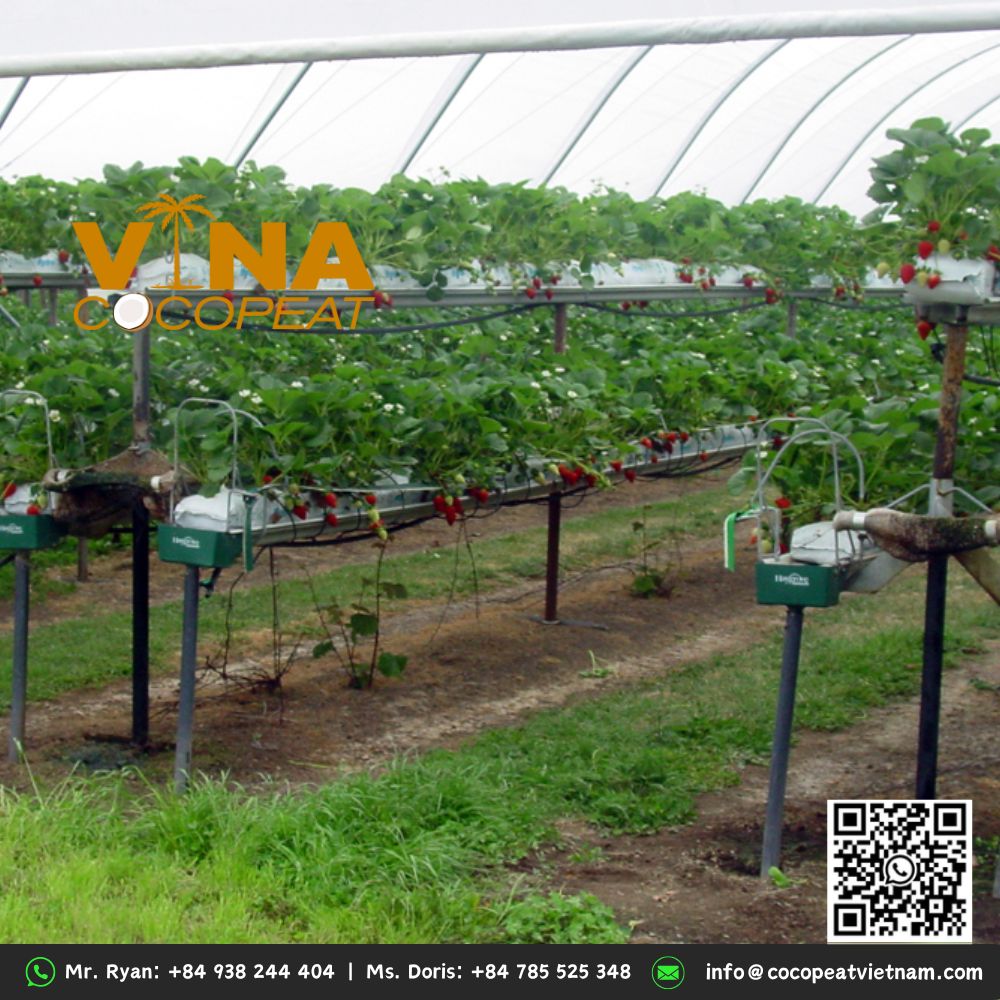
The success of strawberry cultivation under polyhouse conditions depends heavily on structural design and planting system selection, because strawberry plants have a shallow root system, high sensitivity to excess moisture, and fruits that must be kept clean and dry. Polyhouse design and planting configuration together determine root-zone aeration, drainage efficiency, plant health, labour efficiency, and fruit quality.
Polyhouse structural considerations for strawberry
Strawberry polyhouses are typically naturally ventilated structures, designed to maintain moderate temperatures and prevent excessive humidity buildup.
Key structural requirements include:
• Adequate roof height to allow hot air accumulation above the crop canopy
• Side and top ventilation to regulate humidity during flowering and fruiting
• Rain-proof enclosure to eliminate direct wetting of plants and fruits
• Provision for shade nets or foggers in warmer regions
Strawberry plants are low-growing, but fruit quality is strongly affected by air movement near the canopy. Poor ventilation leads to high humidity at fruit level, increasing fungal disease pressure. Therefore, polyhouse design must prioritize uniform airflow at bed height, not just overall enclosure.
Planting systems used in polyhouse strawberry cultivation
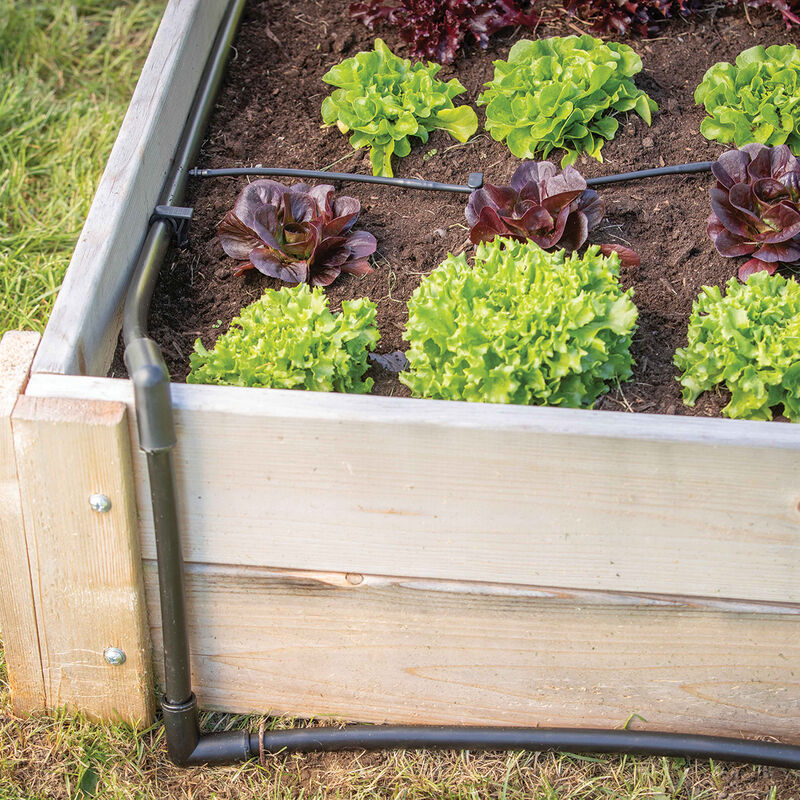
Strawberries under polyhouse conditions are grown using raised beds or grow bags, rather than directly on flat soil surfaces. This approach is fundamental to disease prevention and fruit quality.
Common planting systems include:
• Raised soil or soilless beds
• Grow bags placed on the ground or benches
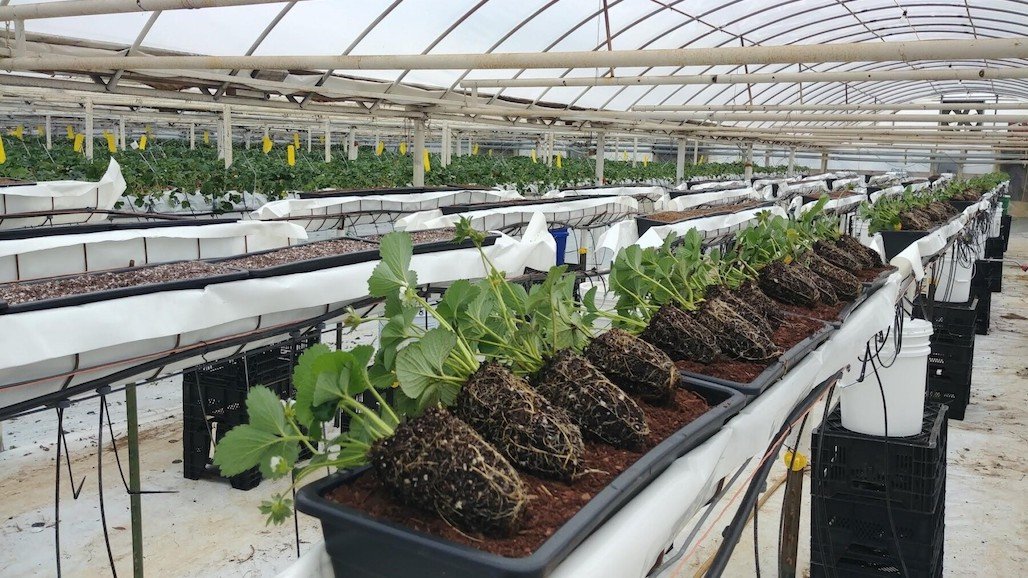
• Table-top or elevated systems (in advanced operations)
Each system is selected based on investment level, disease history, labour availability, and target market quality.
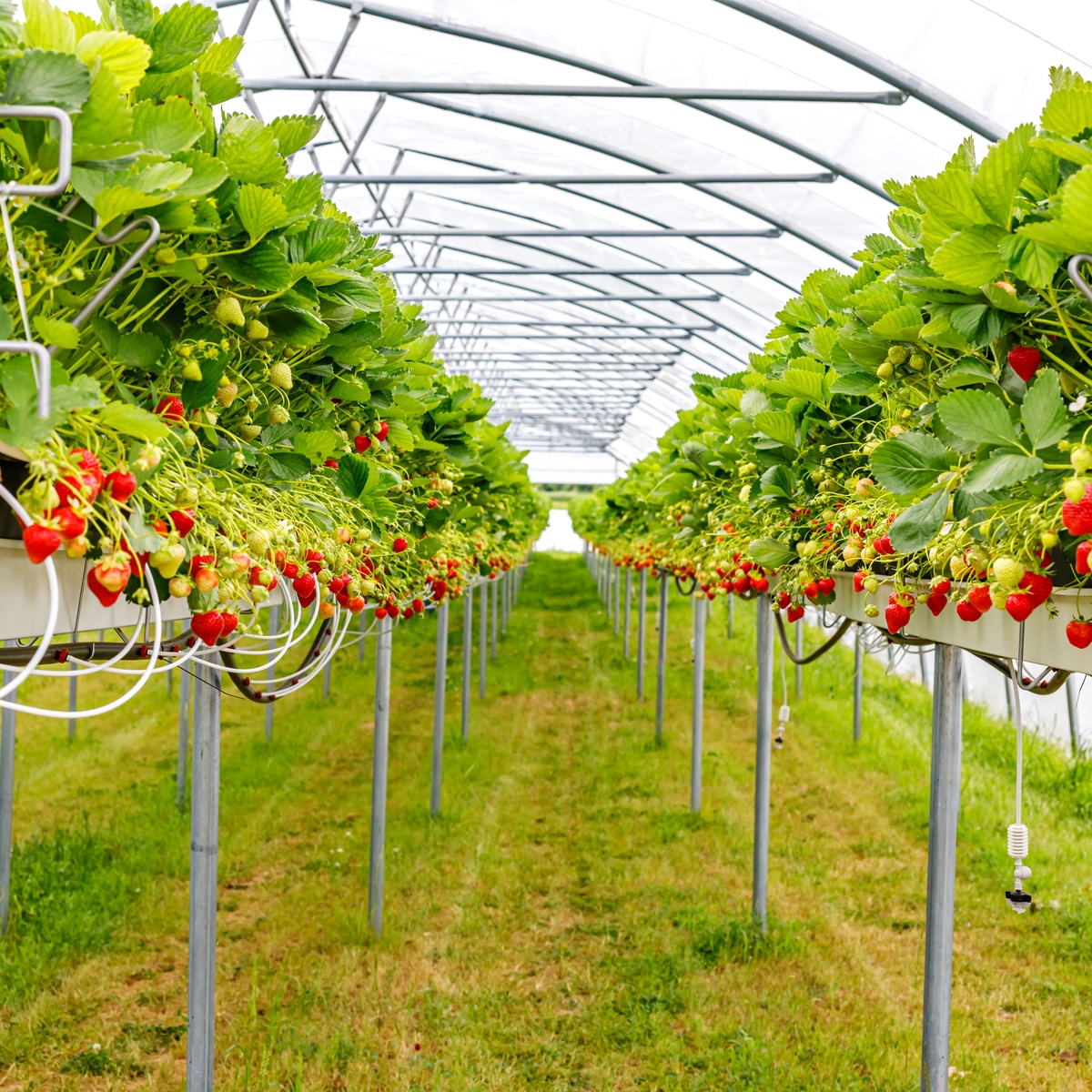
Raised bed system: structure and advantages
Raised beds are the most widely used system in polyhouse strawberry cultivation.
Typical raised bed characteristics:
• Bed height: 20–30 cm above ground level
• Bed width: 80–100 cm for double-row planting
• Covered with plastic mulch to reduce weed growth and fruit contact
• Integrated drip irrigation lines for fertigation
Advantages of raised beds:
• Improved drainage and root aeration
• Reduced risk of crown and root rot
• Cleaner fruits due to separation from soil
• Lower initial cost compared to grow bag systems
Raised beds are particularly suitable where:
• Soil quality can be corrected
• Drainage is well managed
• Growers prefer a semi-soilless approach
Grow bag system: precision and hygiene
Grow bags offer a higher level of root-zone control compared to raised beds and are increasingly adopted in commercial polyhouse strawberry farming.
Typical grow bag features:
• Filled with inert or semi-inert media
• Placed directly on ground sheets or benches
• Each bag supports one or two plants
• Dedicated drip emitters per plant
Advantages of grow bags:
• Excellent drainage and oxygen availability
• Minimal soil-borne disease risk
• Uniform plant growth
• Easier nutrient management and correction
Grow bags are preferred in:
• High-value commercial production
• Farms with recurring soil disease issues
• Operations targeting premium fruit markets
Growing media selection and properties
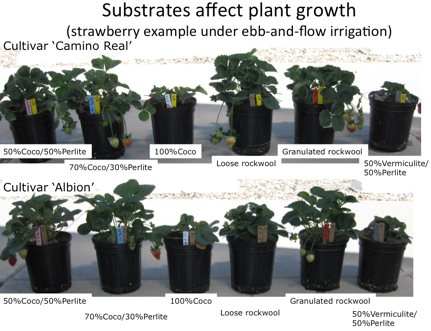
The choice of growing media directly influences root health, nutrient uptake, and overall plant vigour.
Commonly used media include:
• Cocopeat: Excellent water-holding capacity and aeration
• Cocopeat–perlite mixtures: Improved drainage and oxygen diffusion
• Soil–cocopeat blends: Cost-effective compromise in raised beds
Ideal growing media characteristics:
• High porosity and drainage
• Stable structure over the crop cycle
• Low salinity
• Neutral to slightly acidic pH
For strawberries, excessive water retention is more damaging than mild dryness, making well-drained media essential.
Plant spacing and layout considerations
Plant density must balance:
• Maximum yield per unit area
• Adequate airflow around leaves and fruits
• Ease of harvesting and plant maintenance
Typical spacing:
• 25–30 cm between plants
• Double-row arrangement on raised beds
• Staggered planting to reduce canopy overlap
Overcrowding leads to:
• High humidity around fruits
• Increased disease incidence
• Smaller fruit size
Polyhouse strawberry systems prioritize airflow and fruit exposure over maximum plant count.
Conclusion & Continuation
Strawberry cultivation under polyhouse conditions demonstrates how aligning crop biology with a semi-controlled environment can significantly improve fruit quality, yield stability, and commercial reliability. By excluding rainfall, moderating temperature extremes, managing humidity, and enabling precise irrigation and fertigation, polyhouses create conditions that closely match the physiological requirements of strawberry plants. This results in cleaner fruits, extended harvest windows, higher proportions of marketable-grade produce, and improved economic outcomes for growers.
While polyhouse systems provide the structural and climatic foundation for successful strawberry production, long-term performance ultimately depends on deeper understanding of plant biology, variety behaviour, and system-specific management decisions. Part 2 continues this discussion by examining botanical characteristics, varietal selection, planting systems, climate discipline, nutrient management, pest dynamics, harvesting standards, and yield potential, linking scientific principles directly with practical polyhouse cultivation outcomes.