Introduction
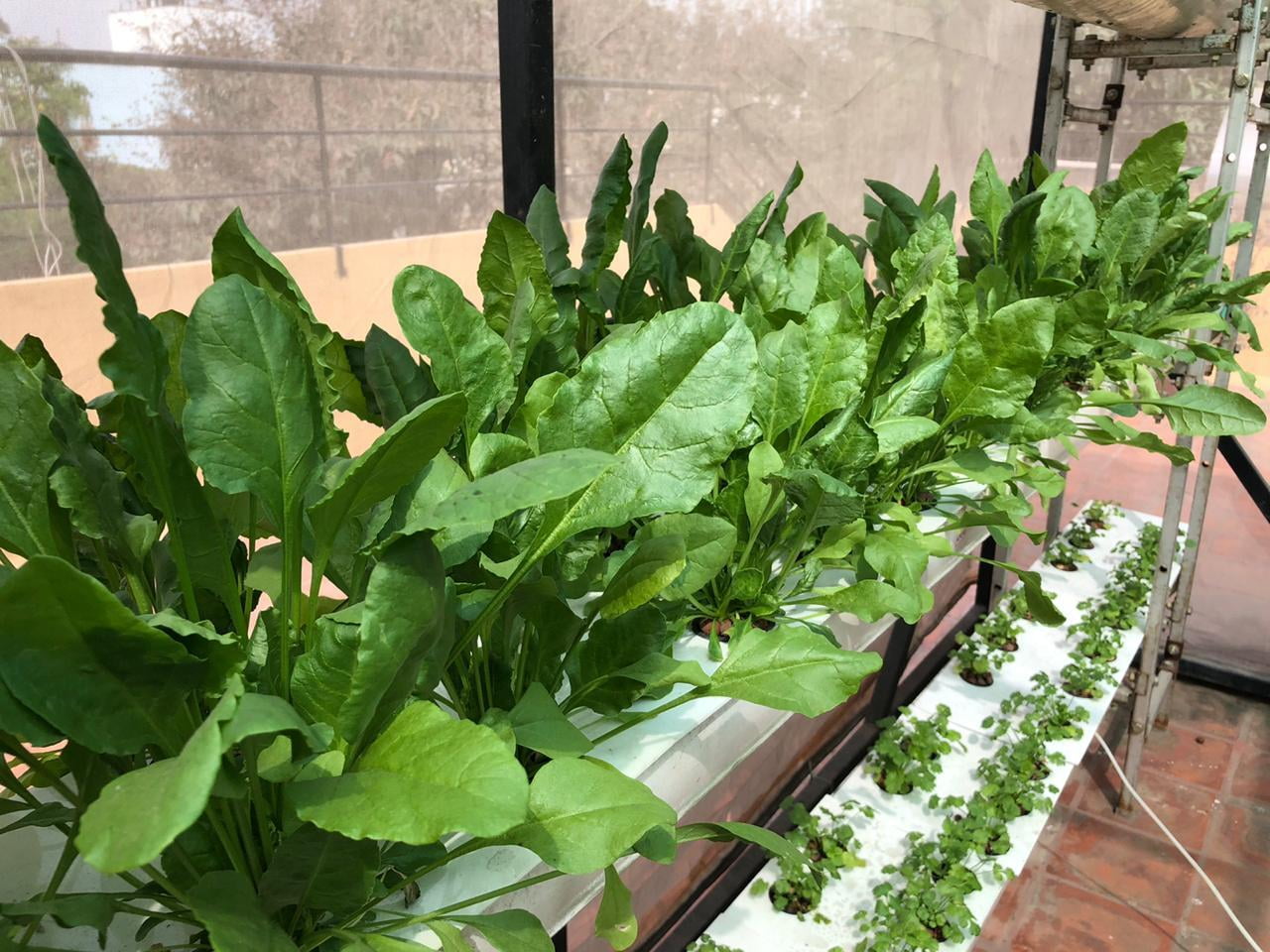
Spinach (Spinacia oleracea L.) is a cool-season leafy vegetable valued for its high nutritional content, rapid growth, and market demand. NFT (Nutrient Film Technique) hydroponics is particularly suitable for spinach cultivation because it provides continuous nutrient supply, excellent root oxygenation, and efficient water use. Under controlled environments, NFT-grown spinach delivers uniform quality and fast turnover.
Botanical and scientific background
Botanical name: Spinacia oleracea L.
Family: Amaranthaceae
Growth habit: Annual leafy vegetable
Root system: Shallow and fibrous
Spinach has a compact root system, making it ideal for NFT channels where a thin film of nutrient solution flows continuously across the root zone.
Climate and environmental requirements
Temperature: Optimal range is 15–22 °C. Temperatures above 25 °C can induce bolting and reduce leaf quality.
Relative humidity: 50–70% is ideal to prevent fungal diseases.
Light: Moderate to high light intensity supports rapid leaf expansion; excessive heat stress should be avoided.
Air circulation: Proper airflow reduces leaf wetness and disease incidence.
Why NFT system is ideal for spinach
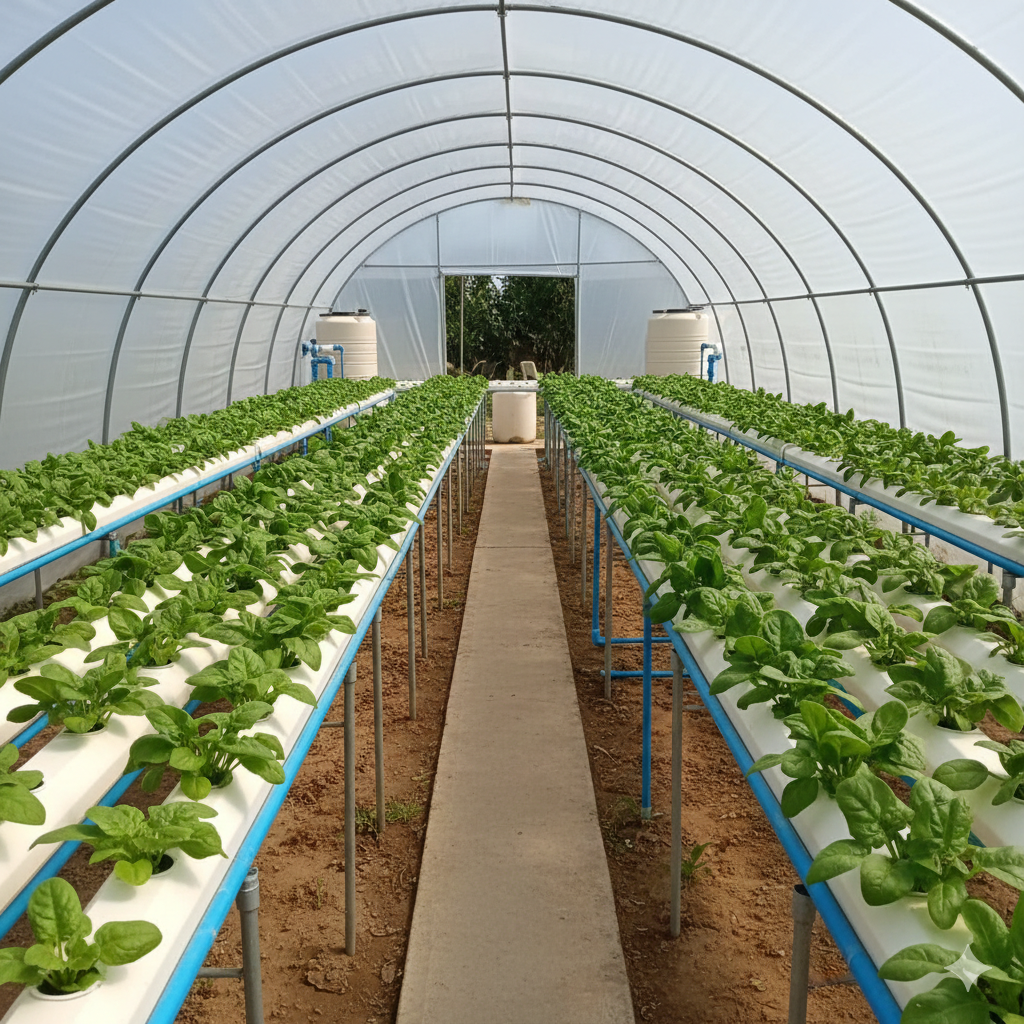
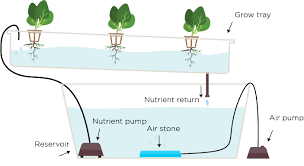
NFT systems provide a continuous, shallow nutrient stream that meets spinach’s high water and nutrient demand without waterlogging. The constant oxygen supply to roots promotes rapid growth and clean root systems.
Variety selection and nursery management
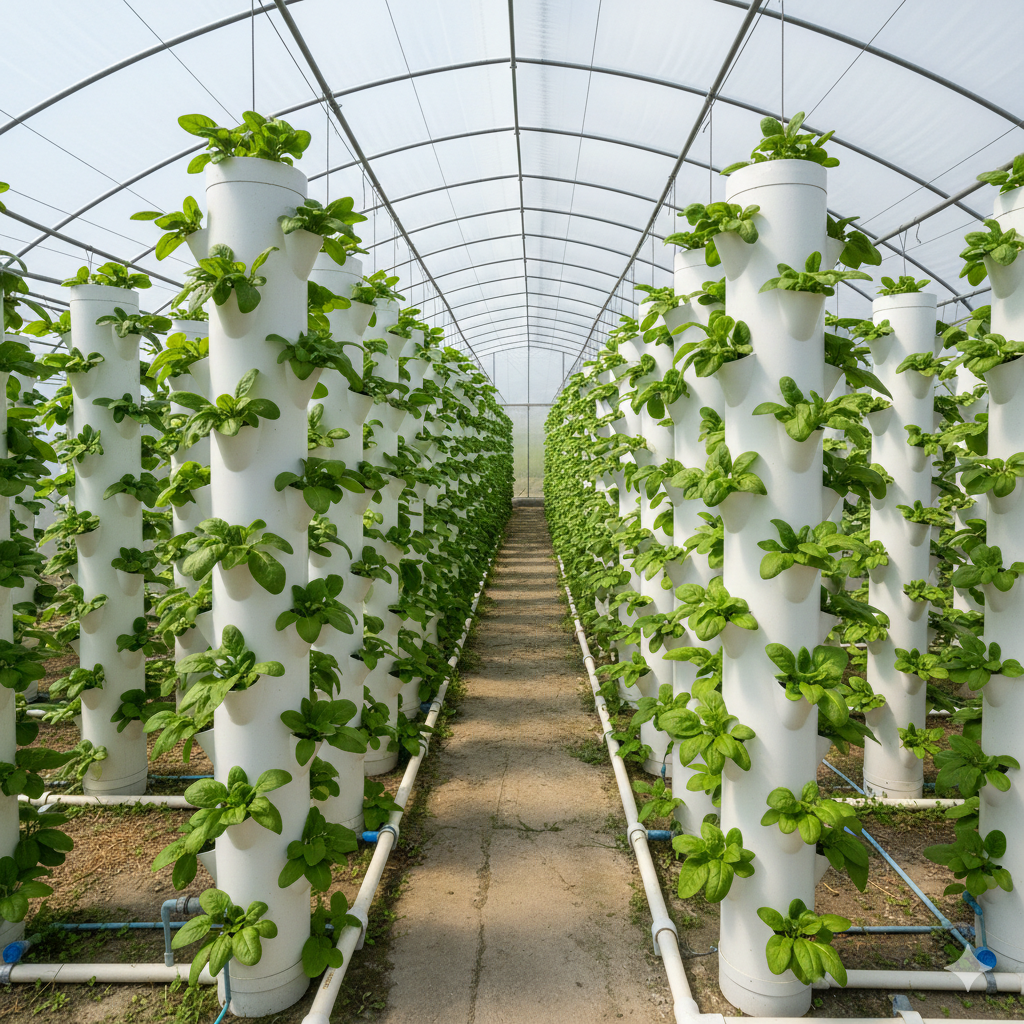
Select spinach varieties bred for hydroponic or baby-leaf production with resistance to bolting. Seeds are sown directly into rockwool cubes, coco plugs, or phenolic foam. Germination occurs within 5–7 days under optimal conditions.
Planting density and NFT layout
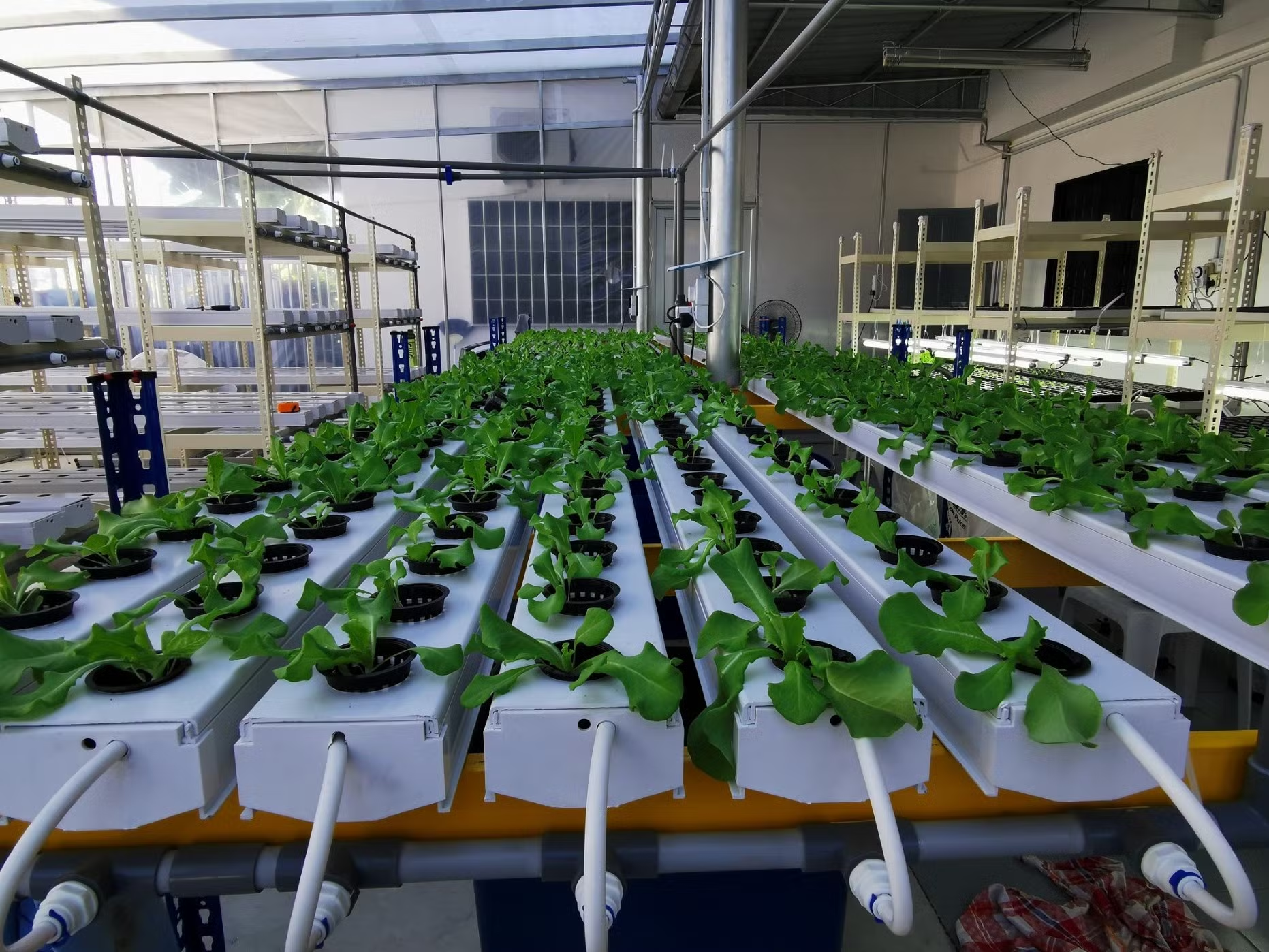
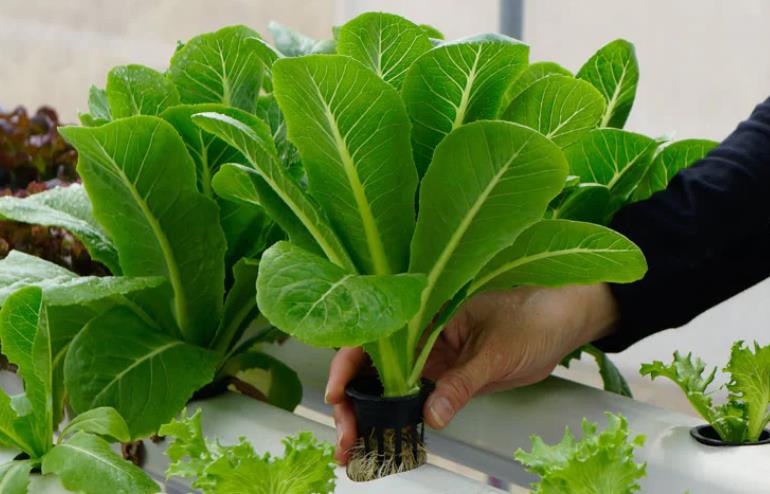
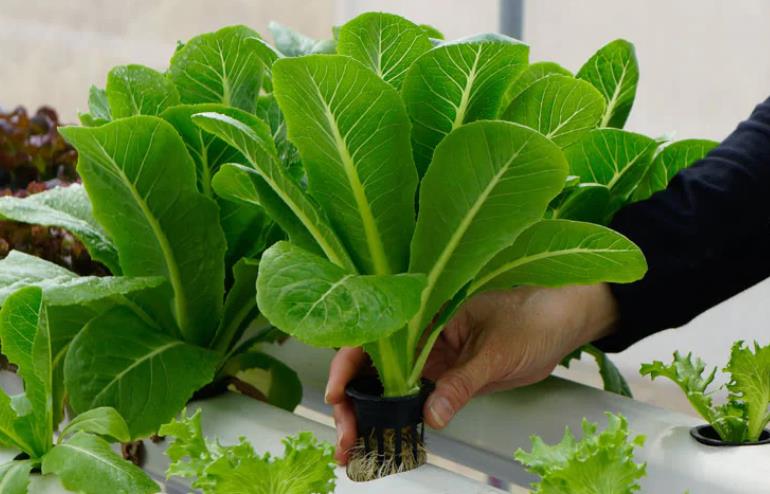
Place seedlings in NFT channels at 10–15 cm spacing depending on target leaf size. Channel slope should be maintained at 1–2% to ensure smooth nutrient flow. Ensure uninterrupted pump operation with backup systems.
Nutrient and solution management
Spinach requires moderate nutrient strength with careful nitrogen management.
Recommended ranges:
EC: 1.5–2.2 mS/cm
pH: 5.8–6.5
Nitrogen supports leaf growth, while adequate magnesium and iron are essential for chlorophyll formation. Monitor EC and pH daily to maintain consistency.
Irrigation and flow management
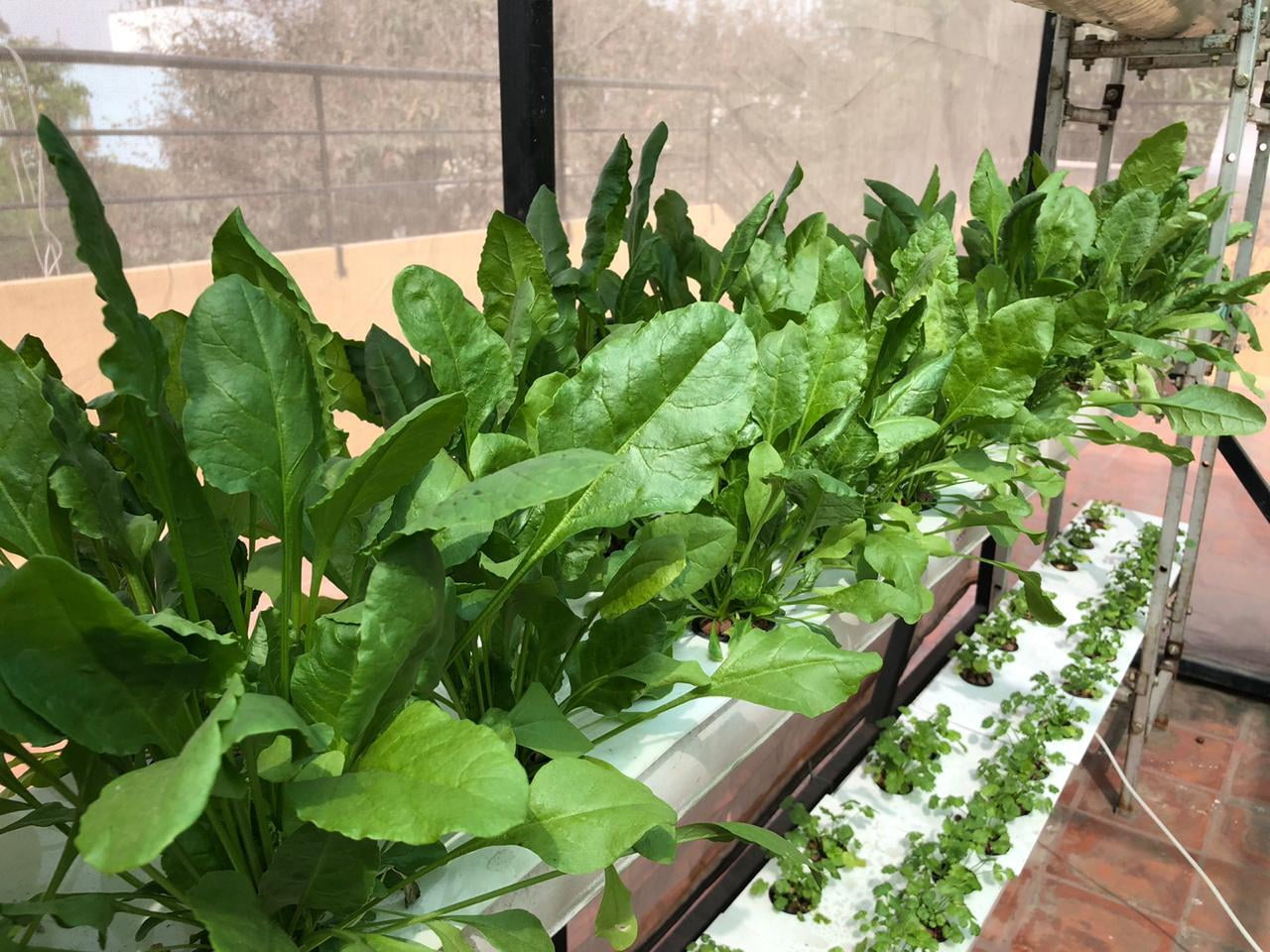
Maintain continuous nutrient flow through NFT channels, ensuring a thin film depth of 1–3 mm. Avoid interruptions in flow, as spinach roots dry quickly under NFT conditions.
Pest and disease management
Common pests include aphids and leaf miners. Diseases such as downy mildew may occur under high humidity.
Integrated management practices include:
Sanitary growing environment
Insect-proof screens
Regular scouting
Biological controls where possible
Harvesting and yield expectations
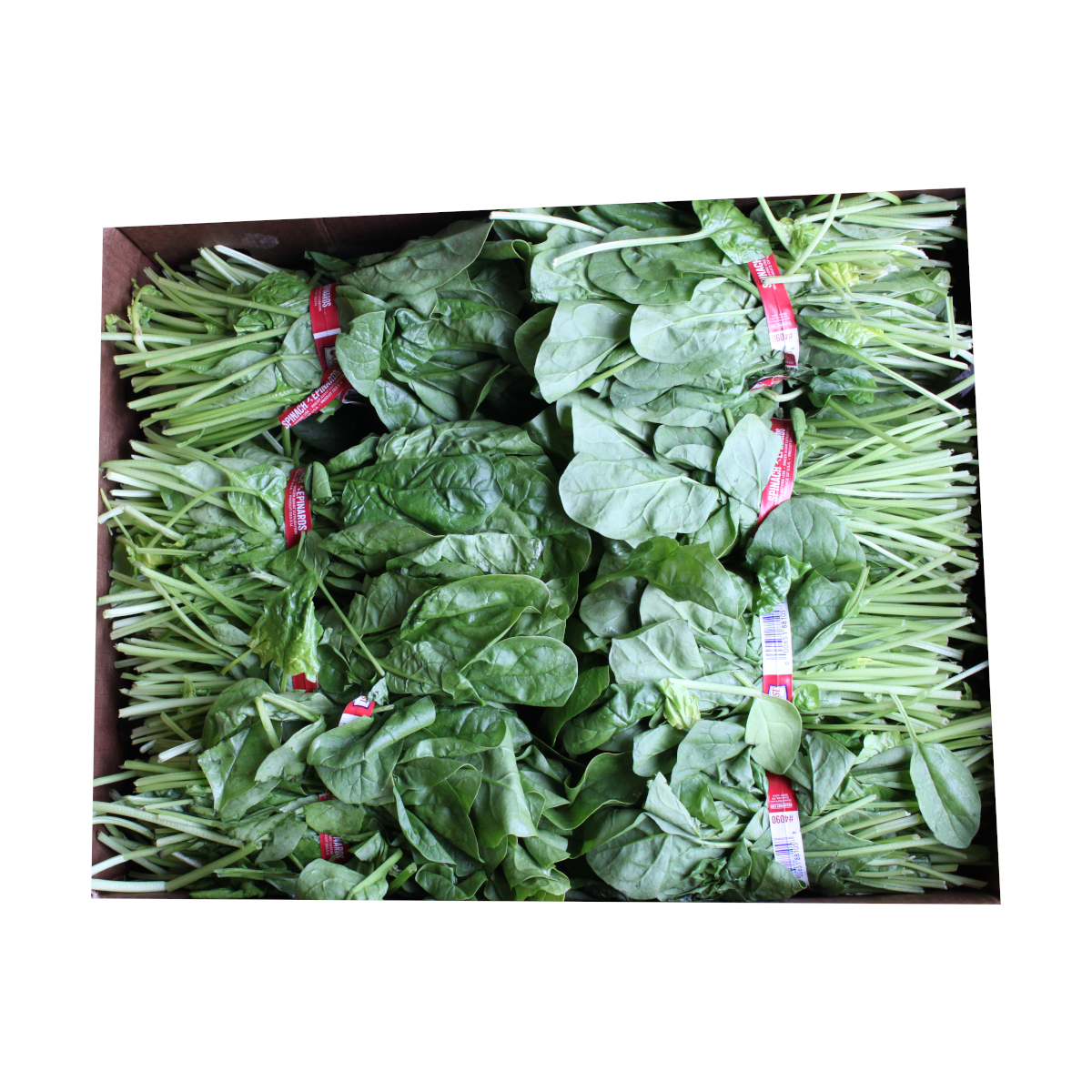
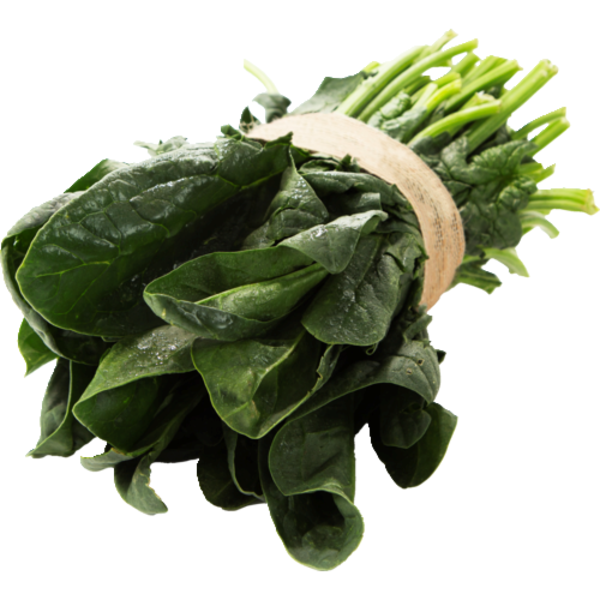
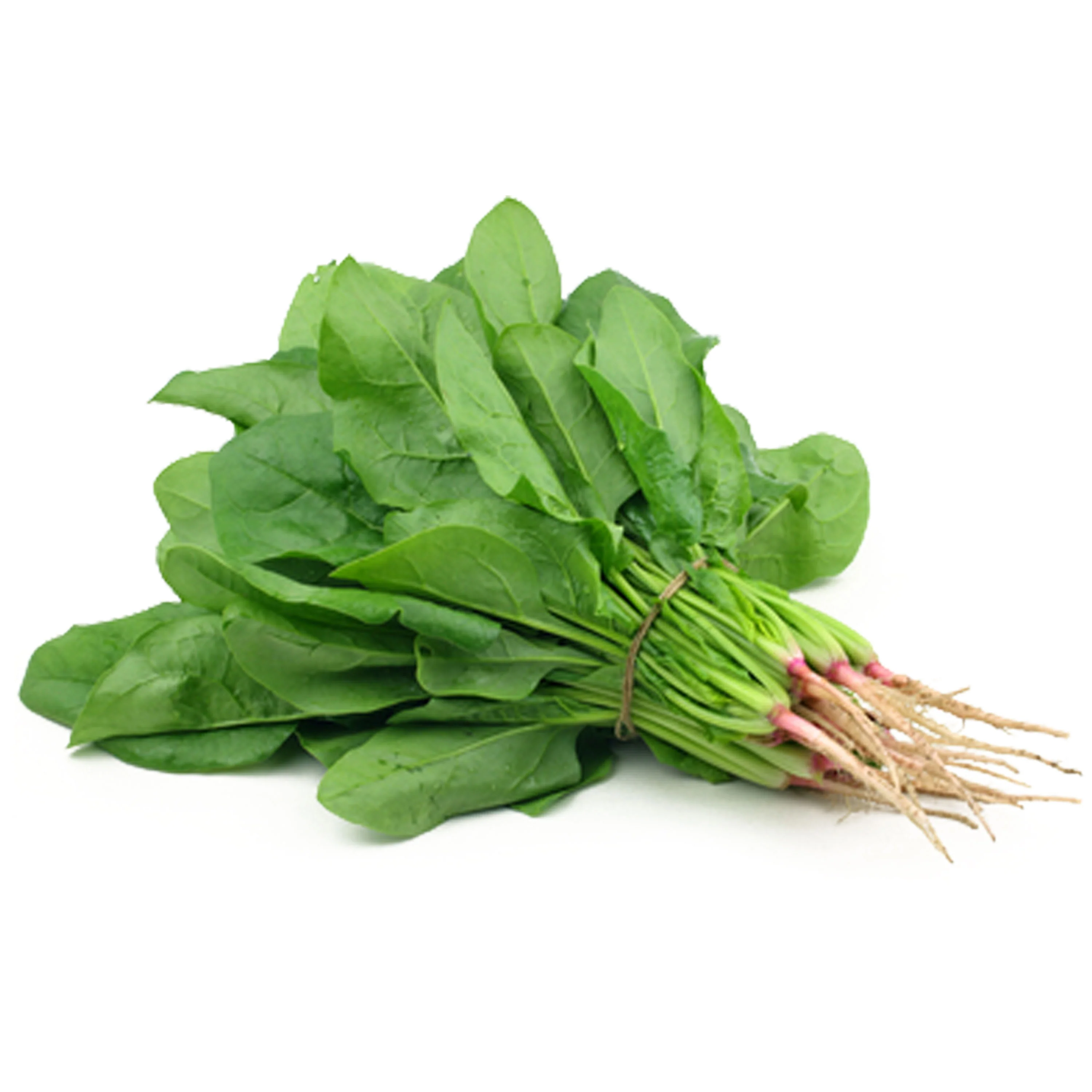
Spinach can be harvested 25–35 days after transplanting depending on variety and temperature. Harvest can be done as baby leaf or mature bunches. Typical yields range from 2.5–4.0 kg per square meter per cycle.
Post-harvest handling
Harvest during cool hours to preserve freshness. Wash gently in clean water, drain well, and store at 0–4 °C with high humidity to extend shelf life.
NFT system maintenance
Regularly clean channels and reservoirs between cycles to prevent algae buildup and pathogen carryover. Use opaque channels to limit light penetration into nutrient solution.
References and further reading
FAO hydroponic vegetable production guidelines
University extension publications on leafy greens hydroponics
Scientific literature on NFT system optimization for leafy vegetables
Checklist before starting
Choose bolting-resistant spinach varieties
Maintain cool growing temperatures
Ensure uninterrupted NFT flow
Monitor EC and pH daily
Practice strict sanitation between cycles