Introduction
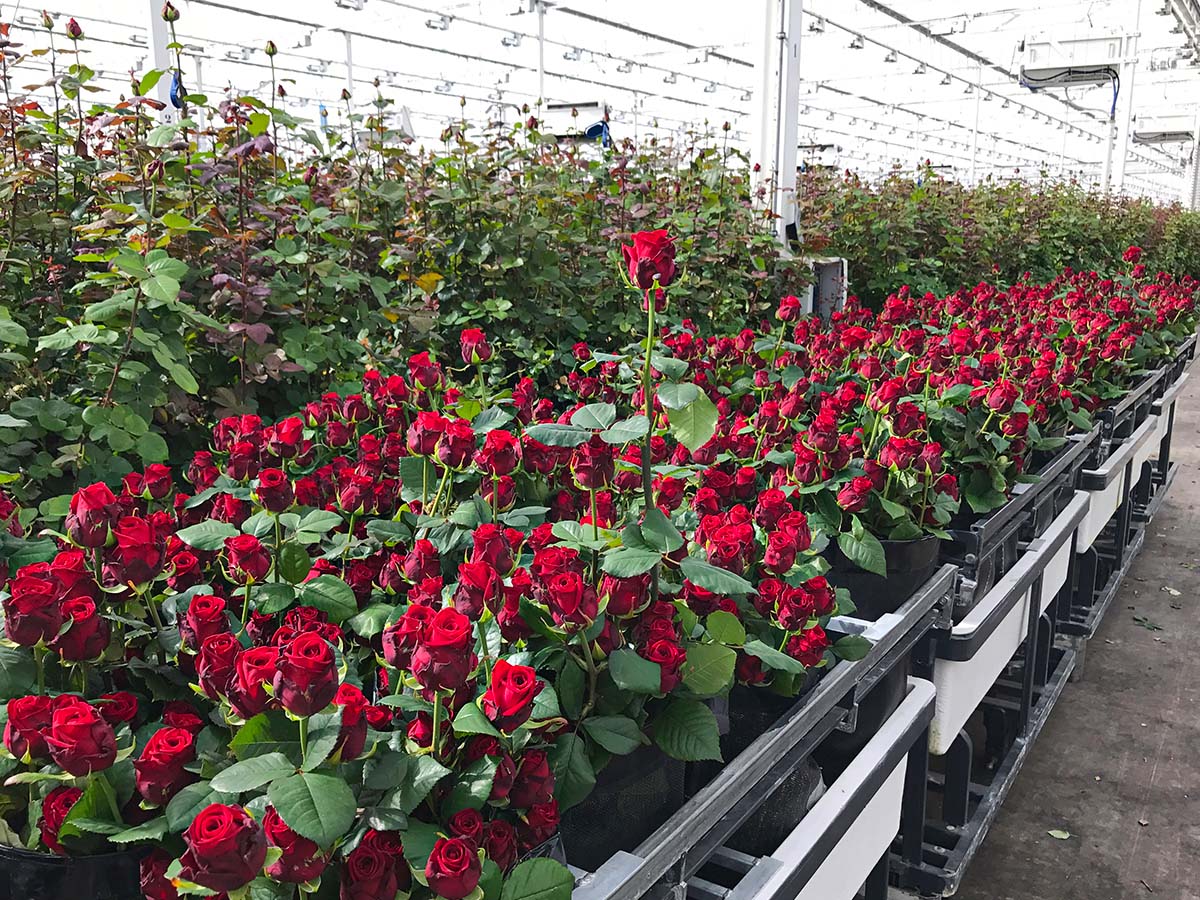
In commercial cut rose production, varietal selection and greenhouse design form the biological and structural foundation for consistent flower quality and market acceptance. Premium cultivars such as Red Naomi respond strongly to controlled environments, but their performance must be evaluated alongside other commercially important red rose varieties grown under protected cultivation. This article examines the varietal and botanical characteristics of Red Naomi and comparable red rose cultivars, followed by an in-depth discussion on glass greenhouse design, planting systems, and climate management practices that support premium cut-flower production. Together, these factors explain why Red Naomi performs optimally under glass greenhouse conditions and how environmental precision translates into uniform, export-grade output.
Varietal and botanical characteristics


In commercial cut rose production, varietal selection plays a decisive role in determining yield stability, flower quality, disease tolerance, and market acceptance. While Red Naomi occupies a premium niche, it exists within a broader group of red hybrid tea rose cultivars, each with distinct agronomic and commercial strengths. Selecting the right variety depends on target market, greenhouse type, and regional climatic conditions, even under controlled environments.
Prevalent red rose varieties in commercial cultivation
Red Naomi
Red Naomi is positioned as a premium, fragrance-rich cultivar primarily grown for high-end domestic and export markets.
Key varietal characteristics:
• Large, high-centered buds with thick, velvety petals
• Deep crimson red colour with excellent colour retention
• Strong natural fragrance, uncommon among modern hybrids
• Thick, sturdy stems suitable for long-distance transport
• Slower but steady growth habit, prioritizing quality over volume
Climatic suitability under greenhouse:
• Best suited for mild to cool climates under glass greenhouses
• Performs optimally where day–night temperature differentials can be precisely controlled
• Sensitive to high humidity and extreme heat, even under polyhouse conditions
________________________________________
Freedom
Freedom is one of the most widely grown red rose varieties globally, known for its productivity and adaptability.
Key varietal characteristics:
• Medium to large buds with classic hybrid tea form
• Bright red colour with high visual appeal
• Faster growth and higher stem yield compared to Red Naomi
• Moderate fragrance
• Strong tolerance to handling and transport
Climatic suitability under greenhouse:
• Well suited for warm and moderate climatic zones
• Performs reliably under both polyhouse and glasshouse systems
• Preferred for regions with higher ambient temperatures
________________________________________
Grand Gala
Grand Gala is valued for its colour intensity and stem quality, particularly in premium wholesale markets.
Key varietal characteristics:
• Long, straight stems with good thickness
• Deep red petals with high sheen
• Uniform bud shape and good opening behaviour
• Moderate vase life and fragrance
Climatic suitability under greenhouse:
• Performs well in moderate climatic zones
• Requires good humidity control to prevent fungal pressure
• Suitable for both polyhouse and glasshouse cultivation
________________________________________
First Red
First Red is an export-oriented cultivar known for consistency and shelf life.
Key varietal characteristics:
• Medium bud size with excellent opening uniformity
• Strong stems and good leaf cover
• Long vase life and high transport tolerance
• Limited fragrance
Climatic suitability under greenhouse:
• Adaptable across a wide range of climatic zones
• Performs well in warm regions under greenhouse conditions
• Favoured for large-scale, volume-driven production
________________________________________
Explorer
Explorer is a high-yielding variety commonly used in commercial farms focused on volume and consistency.
Key varietal characteristics:
• Medium-sized buds with reliable production cycles
• Strong disease tolerance compared to premium varieties
• Good stem strength and uniformity
• Minimal fragrance
Climatic suitability under greenhouse:
• Suitable for warm and semi-arid regions
• Performs well under polyhouse and low-tech greenhouses
• Preferred where disease pressure is relatively high
________________________________________
Varietal selection strategy under greenhouse condition
Even under controlled environments, climatic background influences varietal performance.
Growers should align variety choice with both greenhouse capability and regional climate.
General guidance:
• Cool and moderate climates with glasshouses favour premium varieties like Red Naomi
• Warm climates benefit from heat-tolerant, high-yielding varieties such as Freedom and First Red
• Export-oriented operations prioritize vase life and uniformity over fragrance
• Domestic premium markets justify slower-growing, high-quality cultivars
In summary, while Red Naomi represents the benchmark for premium red roses, commercial success often depends on deploying a portfolio of varieties matched to greenhouse design, climatic conditions, and target market requirements..
Glass greenhouse design and planting system
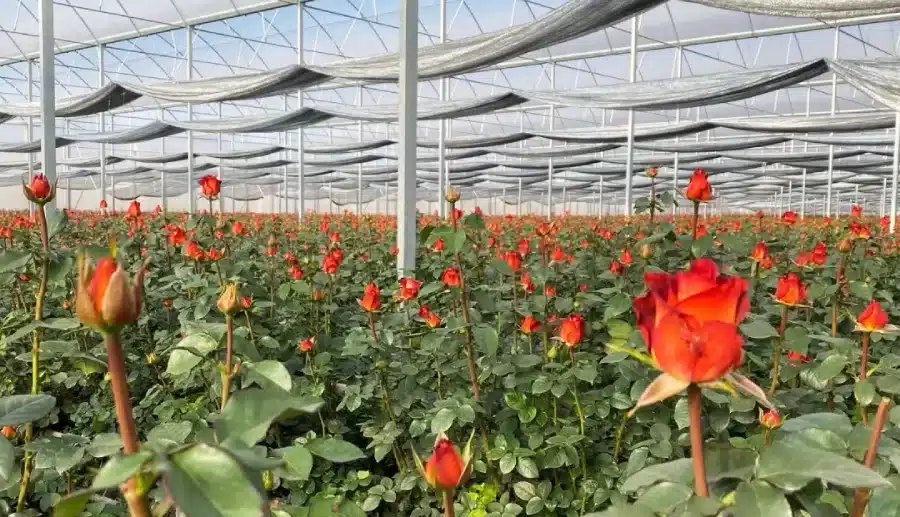
Glass greenhouse cultivation for Red Naomi roses is designed to deliver a highly stable and precisely controlled growing environment that supports premium flower quality, long stems, and consistent year-round production. Given the cultivar’s sensitivity to temperature, humidity, and root-zone conditions, greenhouse design and planting systems must prioritize environmental uniformity, drainage efficiency, and ease of crop management.
Glass greenhouse structural and environmental design
Modern glass greenhouses used for Red Naomi cultivation are typically high-roof, gutter-connected structures engineered for optimal light transmission and air circulation. These greenhouses integrate advanced automation to maintain crop-specific microclimatic parameters throughout the year.
Key design features include:
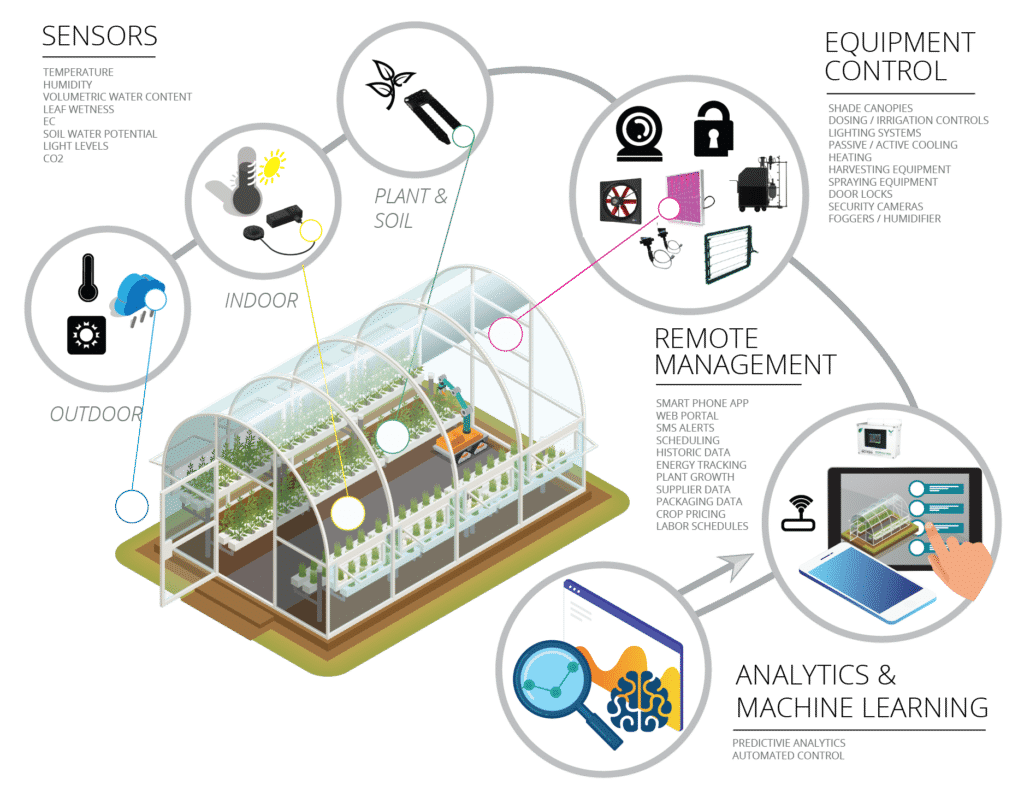
• Automated roof and side ventilation systems to regulate temperature and airflow
• Heating systems to maintain minimum night temperatures and ensure uniform growth during cooler periods
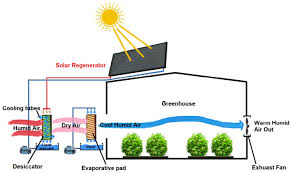
• Cooling systems such as fan-and-pad or evaporative cooling to prevent heat stress during warm seasons
• High-pressure misting or fogging systems for fine humidity control without excessive leaf wetness
• Retractable shading screens to regulate light intensity, prevent leaf burn, and reduce thermal load
• Environmental sensors linked to climate computers for continuous monitoring and adjustment
This level of control minimizes plant stress, reduces physiological disorders, and supports uniform stem elongation and bud development.
Growing medium and planting system
Red Naomi roses are typically cultivated using soilless planting systems that provide excellent drainage, high oxygen availability to roots, and precise nutrient management. These systems also reduce soil-borne disease risks and improve long-term crop hygiene.
Commonly used growing media include:
• Cocopeat slabs or loose cocopeat with balanced air–water holding capacity
• Peat-based substrates where available, often blended for structure stability
• Cocopeat–perlite mixtures to enhance drainage and root aeration
Plants are established in raised beds or trough systems that allow uniform root-zone conditions, ease of fertigation management, and efficient drainage.
Planting density and layout
Planting density is optimized to balance stem quality, light penetration, and disease management.
Recommended planting practices:
• Planting density of 6 to 8 plants per square metre, depending on greenhouse light levels and management intensity
• Raised bed or trough systems aligned for optimal airflow and light distribution
• Use of drip fertigation lines for precise delivery of water and nutrients to each plant
• Adequate spacing between beds to facilitate labour movement, pruning, and harvesting
Higher densities may increase total stem count but often compromise stem thickness and bud size, while lower densities favour premium flower quality. For Red Naomi, maintaining moderate density is essential to achieve export-grade standards.
In summary, a well-designed glass greenhouse combined with an optimized soilless planting system forms the foundation for successful Red Naomi rose production. Precision in structure design, environmental control, and planting layout directly translates into superior flower quality, reduced crop stress, and predictable commercial performance.
Climate and environmental requirements
Red Naomi roses require a narrowly defined and stable microclimate to consistently express their premium genetic traits. Even under glass greenhouse conditions, small deviations in temperature, humidity, or light can directly impact stem quality, bud development, and post-harvest performance. For this cultivar, environmental precision is not optional but essential for commercial success.
Temperature management
Temperature has a direct influence on vegetative growth rate, flower initiation, and bud size.
Recommended temperature ranges:
• Day temperature maintained between 20 and 26 degrees Celsius to support balanced photosynthesis and stem elongation
• Night temperature maintained between 16 and 18 degrees Celsius to promote carbohydrate accumulation and bud development
Excessively high day temperatures accelerate growth but result in thinner stems and lighter colour, while low night temperatures slow metabolism and delay flowering cycles.
Relative humidity control
Humidity management is critical for disease prevention and physiological stability.
Recommended relative humidity:
• Maintained between 60 and 75 percent
Humidity levels above this range increase the risk of fungal diseases such as botrytis and powdery mildew, while very low humidity leads to excessive transpiration, weak stems, and poor bud opening.
Light requirements and photoperiod
Light intensity and duration directly influence stem length, flower initiation, and leaf-to-flower balance.
Light management considerations:
• High but diffused light is ideal to maximize photosynthesis without causing leaf or bud burn
• A photoperiod of 12 to 14 hours supports continuous flowering cycles
• Supplemental lighting may be used during low-radiation periods to maintain production consistency
Carbon dioxide enrichment
CO₂ enrichment significantly enhances photosynthetic efficiency under controlled environments.
Recommended CO₂ levels:
• Maintained between 800 and 1,000 parts per million during daylight hours
Proper CO₂ enrichment results in thicker stems, larger buds, improved leaf health, and higher overall flower yield.
Physiological disorder prevention
Maintaining stable environmental conditions helps prevent common disorders such as:
• Bent neck caused by weak stem tissue and water stress
• Poor bud opening due to temperature or humidity imbalance
• Increased disease incidence under fluctuating microclimate conditions
________________________________________
Conclusion & Continuation
Glass greenhouse cultivation of Red Naomi roses establishes the biological foundation for premium cut-flower production, but long-term performance depends on sustained physiological balance. Beyond structural design and climate control, nutrient strategy becomes the key determinant of stem quality, bud size, colour intensity, and vase life consistency.
The next article continues this discussion by focusing on advanced nutrient management, fertigation strategies, micronutrient balance, and crop steering techniques specific to Red Naomi roses grown under glass greenhouse conditions, linking plant nutrition directly with yield stability and market-grade outcomes.