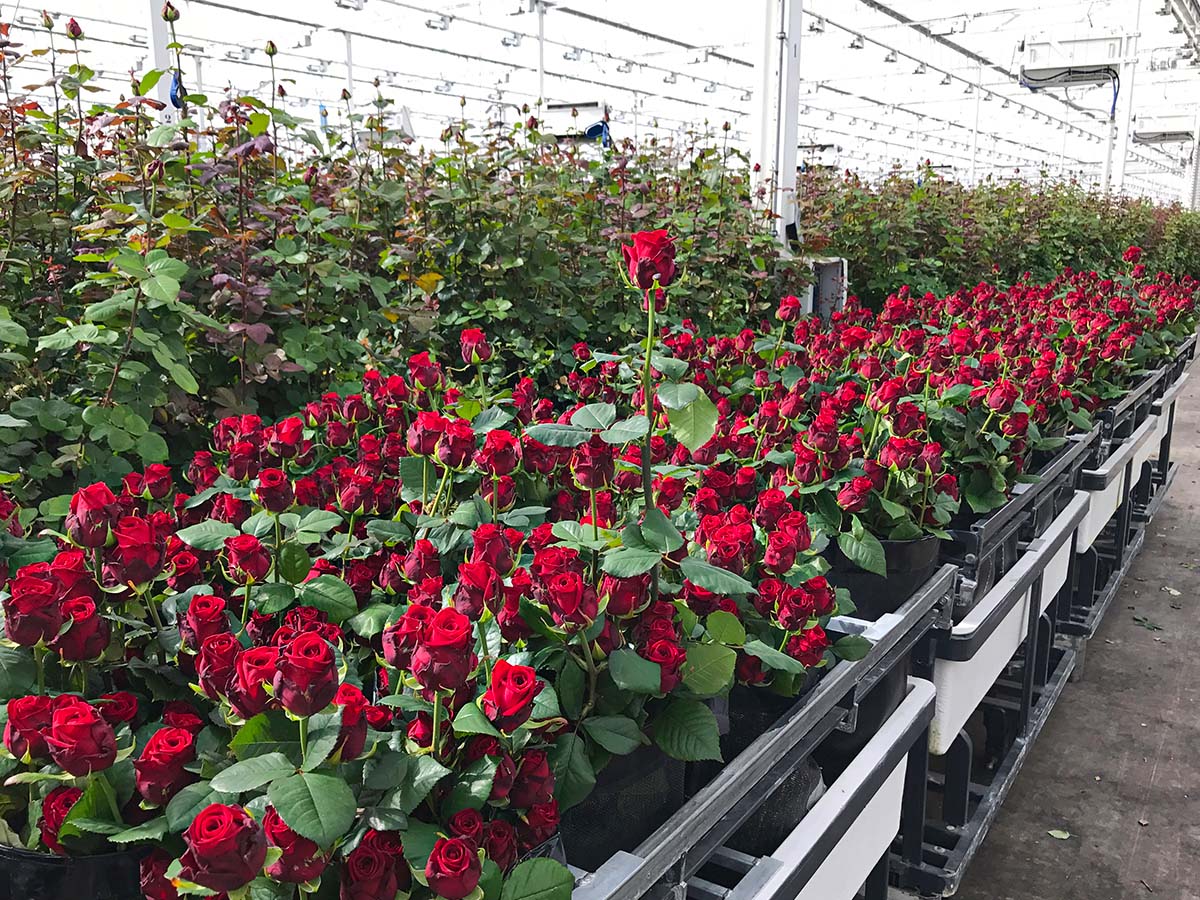
Introduction to Red Naomi rose glasshouse cultivation
Red Naomi is one of the most renowned hybrid tea rose varieties in the global cut flower industry, widely recognized for its exceptional aesthetic, sensory, and post-harvest characteristics. It is considered a premium commercial cultivar and is extensively grown for high-end domestic markets and international export chains.
Biological and botanical classification
Red Naomi belongs to the genus Rosa, which comprises more than 300 species and thousands of cultivated varieties developed through intensive hybridization. It is classified under hybrid tea roses, a group specifically bred for long stems, large buds, and suitability for cut flower production.
Botanical identity:
• Botanical name: Rosa hybrida
• Cultivar name: Red Naomi
• Family: Rosaceae
• Plant type: Perennial woody shrub
• Growth habit: Upright, vigorous, single-stem dominant
• Economic use: Cut flower (premium grade)
Morphological characteristics
Red Naomi is distinguished by its robust vegetative growth and superior floral traits, which set it apart from standard red rose cultivars.
Key plant characteristics include:
• Strong basal shoot development capable of producing long, straight flowering stems
• Thick, sturdy stems that support large buds without bending
• Dark green, glossy foliage with high chlorophyll content, contributing to strong photosynthetic efficiency
• Well-developed root system with high nutrient uptake capacity under controlled fertigation
Floral characteristics
The defining feature of Red Naomi lies in its flower structure and quality attributes.
Flower-specific traits:
• Bud size is significantly larger than average hybrid tea roses
• Bud shape is well-rounded and symmetrical, opening gradually
• Petals are thick, velvety, and densely arranged, contributing to visual depth
• Flower colour is a deep, intense red with minimal colour fading post-harvest
• Strong natural fragrance, a rare trait among modern commercial cut roses
• Excellent vase life, often exceeding 10–12 days under proper post-harvest handling
Physiological sensitivity and environmental response
Despite its superior market appeal, Red Naomi is a physiologically sensitive cultivar. Its performance is strongly influenced by microclimatic conditions.
Critical sensitivities include:
• Temperature fluctuations that can affect bud size, petal thickness, and colour intensity
• High humidity levels that increase susceptibility to fungal diseases
• Light intensity and photoperiod variations that influence stem length and flower initiation
• Stress sensitivity during vegetative-to-reproductive transition stages
Due to these sensitivities, Red Naomi does not perform optimally under open-field or low-control polyhouse conditions, especially in regions with high climatic variability.
Suitability for glass greenhouse cultivation
Red Naomi performs best under glass greenhouse environments that allow precise control over temperature, humidity, light, and ventilation. Glasshouse cultivation provides the stable microclimate required to fully express the genetic potential of this cultivars.
Advantages of glasshouse cultivation for Red Naomi include:
• Consistent stem length and thickness suitable for premium grading
• Uniform bud development with reduced physiological disorders
• Improved colour expression and petal quality
• Reliable year-round production independent of external climate
• Lower rejection rates and higher export acceptance
For commercial growers targeting premium domestic or export markets, Red Naomi is best positioned as a glasshouse-exclusive cultivar, where environmental precision translates directly into higher market value and predictable economic returns.
Why grow Red Naomi roses under glass greenhouse
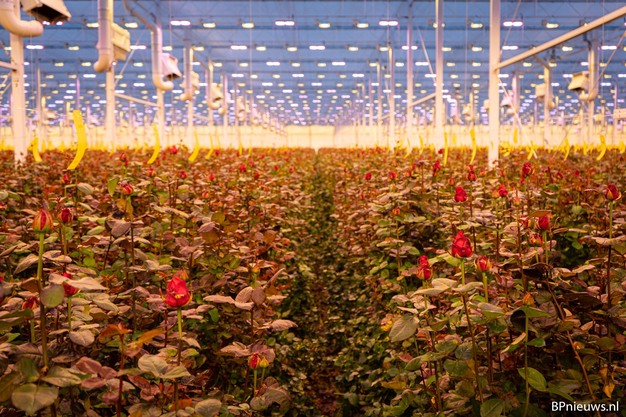
Red Naomi is a premium hybrid tea rose cultivar with high genetic potential but equally high sensitivity to environmental fluctuations. To fully express its defining traits such as large bud size, deep velvety red colour, strong fragrance, and long vase life, a highly stable and precisely controlled growing environment is essential. Glass greenhouses provide this level of control and are therefore considered the most suitable production system for Red Naomi roses.
Glass greenhouse structures create a buffered microclimate that minimizes external climatic shocks and allows growers to fine-tune growing conditions according to the physiological needs of the crop. Unlike polyhouses or open-field systems, glasshouses offer superior light transmission, tighter environmental regulation, and advanced automation capabilities, all of which are critical for premium rose cultivation.
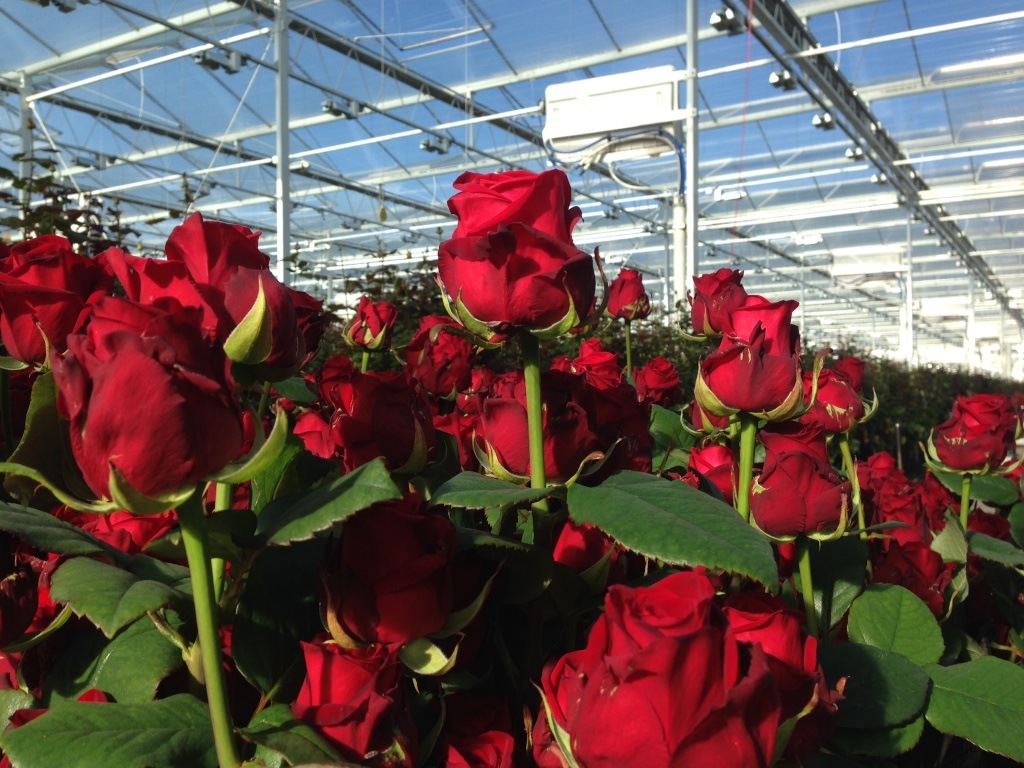
Precise regulation of key environmental parameters under glass greenhouse conditions directly influences crop performance:
• Temperature control ensures steady vegetative growth and uniform flower initiation, preventing issues such as short stems, malformed buds, or colour inconsistency
• Humidity management reduces physiological stress and significantly lowers the incidence of fungal diseases such as botrytis and powdery mildew
• Optimized light intensity and photoperiod promote strong stem elongation, balanced leaf-to-flower ratio, and consistent flowering cycles
• Controlled CO₂ enrichment enhances photosynthetic efficiency, resulting in thicker stems, larger buds, and improved overall flower quality
Key advantages of growing Red Naomi roses under glasshouse conditions include:
• Uniform stem length and bud size that meet premium domestic and export grading standards
• Superior flower colour intensity and enhanced fragrance expression compared to lower-control systems
• Year-round production capability with predictable yield patterns, independent of seasonal climate variability
• Reduced climatic stress, leading to lower rejection rates and improved crop longevity
• Better disease management through controlled humidity, airflow, and sanitation protocols
From a commercial perspective, glass greenhouse cultivation transforms Red Naomi from a high-risk specialty crop into a predictable, high-value production system. The improved consistency in quality and yield enables growers to secure premium buyers, maintain long-term supply contracts, and achieve more stable economic returns. For growers targeting export markets or top-tier domestic florists, glasshouse production is not an option but a necessity for Red Naomi roses.
Conclusion and Continuation
Red Naomi rose cultivation under glass greenhouse conditions is fundamentally driven by the interaction between genetic potential and environmental precision. While glasshouse systems provide the stable microclimate required for consistent stem length, bud formation, colour expression, and disease control, the performance of Red Naomi ultimately originates from its varietal and botanical constitution. The cultivar’s growth habit, physiological sensitivity, floral morphology, and root–shoot dynamics determine how effectively it responds to controlled temperature, light, humidity, and carbon dioxide levels.
Understanding why Red Naomi performs exceptionally under glass greenhouse conditions requires deeper insight into its botanical structure, varietal traits, and physiological behaviour. These inherent characteristics explain its superior flower quality, fragrance, vase life, and market preference, as well as its sensitivity to environmental stress when grown under lower-control systems.
Part 2 continues with a focused examination of the varietal, botanical, and physiological characteristics of Red Naomi roses, providing the biological foundation necessary to understand subsequent management practices and commercial performance under protected cultivation systems.