Introduction
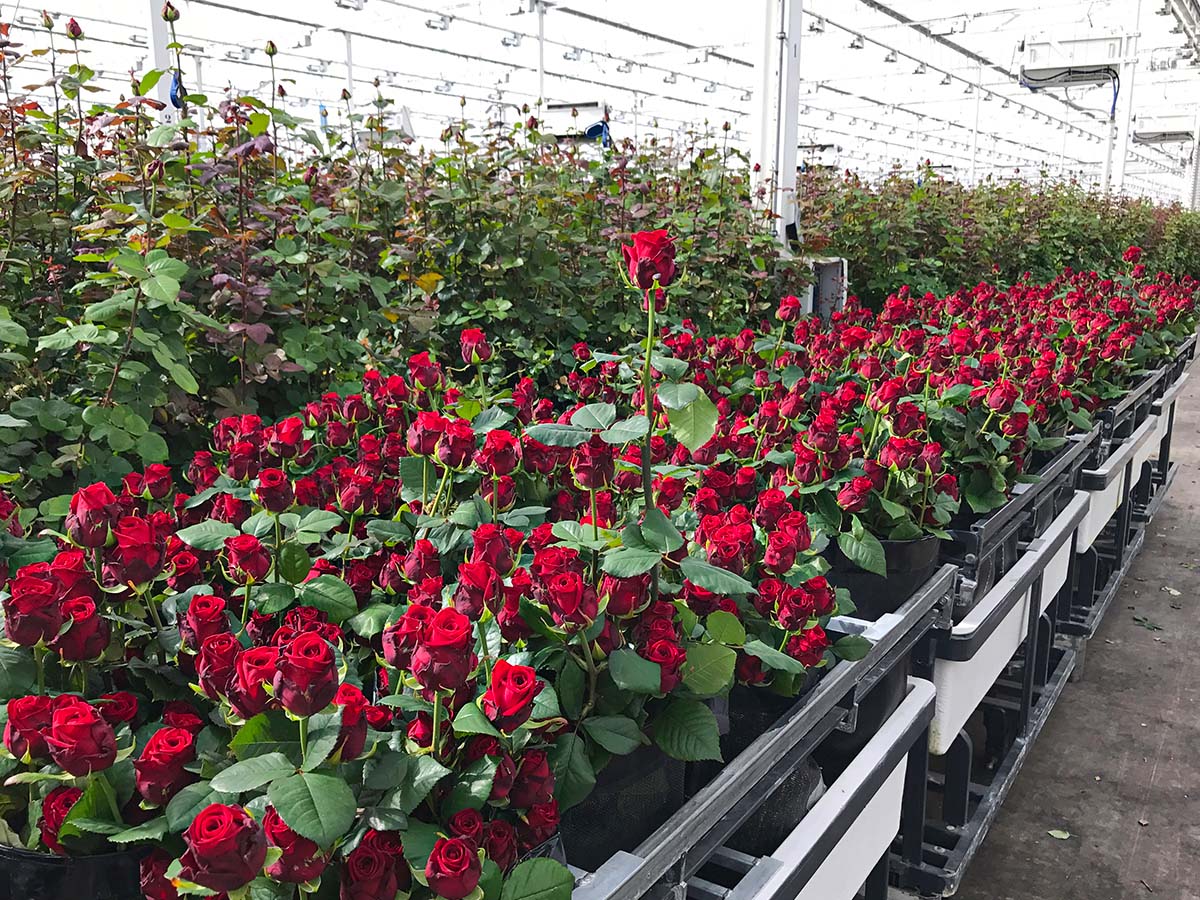
In high-value cut-flower roses such as Red Naomi, nutrient management is not a supporting practice but a core production system. Under glass greenhouse conditions, even minor imbalances in nitrogen, calcium, potassium, or micronutrients can directly affect stem length, bud uniformity, colour depth, and post-harvest longevity.
Building upon the cultivation environment discussed earlier, this article examines stage-wise nutrient management, fertigation design, electrical conductivity control, and nutrient steering strategies that enable Red Naomi roses to consistently meet export-grade standards.
Nutrient and irrigation (fertigation) management
Balanced and precise fertigation is essential for sustaining continuous flowering and premium quality in Red Naomi roses. As a high-input cultivar, Red Naomi responds strongly to nutrient availability, root-zone stability, and irrigation frequency.
Electrical conductivity and pH management
Maintaining optimal EC and pH ensures efficient nutrient uptake.
Recommended root-zone parameters:
• EC maintained between 1.8 and 2.5 millisiemens per centimeter
• pH maintained between 5.5 and 6.2
Values outside this range can lead to nutrient lockout, salt stress, and reduced flower quality.
Key nutrient requirements
Red Naomi roses have high nutritional demand due to continuous harvesting cycles.
Critical nutrients include:
• Nitrogen for vegetative growth and leaf development
• Potassium for bud size, colour intensity, and flower longevity
• Calcium for stem strength and prevention of post-harvest disorders
• Magnesium for chlorophyll synthesis and photosynthetic efficiency
• Iron and boron for enzyme activity and proper flower formation
Irrigation strategy
Water management must maintain a stable root-zone environment without waterlogging.
Recommended irrigation practices:
• Frequent, low-volume drip irrigation to maintain consistent moisture levels
• Avoidance of prolonged dry or saturated conditions
• Proper drainage through well-aerated substrates to prevent root diseases
Consistent fertigation scheduling ensures uninterrupted nutrient supply, reduces plant stress, and supports uniform stem production throughout the year.
In summary, precise control of climate and fertigation parameters under glass greenhouse conditions allows Red Naomi roses to achieve optimal stem quality, superior bud development, and extended vase life, translating directly into higher commercial value and reliable production
Pest and disease management
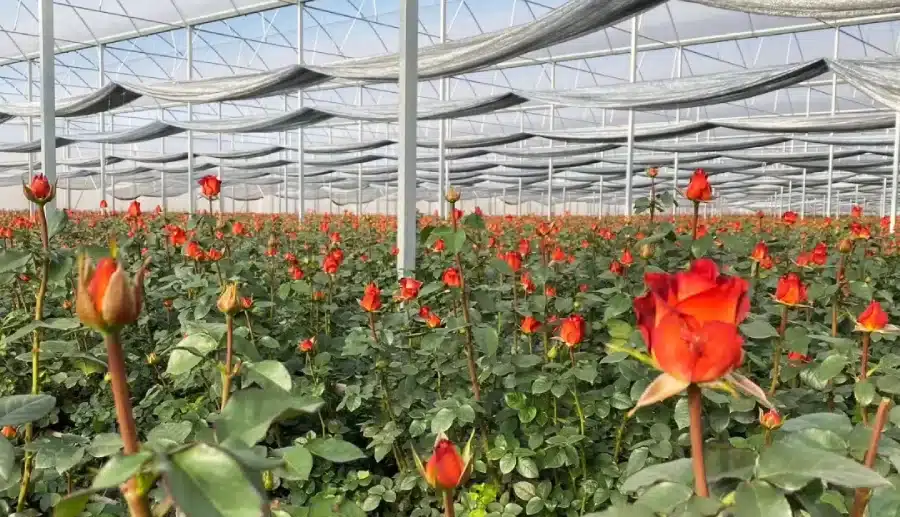
Effective pest and disease management is critical in glass greenhouse cultivation of Red Naomi roses, as the crop’s dense canopy, continuous growth, and high humidity requirements can create favorable conditions for pest proliferation and disease development. Because Red Naomi is a premium-quality cultivar, even minor infestations or infections can lead to significant quality downgrades and economic losses. Therefore, prevention-focused management is essential.
Common insect pests in glasshouse roses
Several insect pests commonly affect Red Naomi roses under protected cultivation, particularly in warm and humid environments.
Key pests include:
• Thrips, which damage petals and buds, causing discoloration, scarring, and reduced market value
• Aphids, which feed on young shoots and buds, leading to distorted growth and honeydew-related fungal growth
• Spider mites, especially under dry or fluctuating humidity conditions, causing leaf bronzing and reduced photosynthesis
• Whiteflies, which weaken plants through sap sucking and act as vectors for secondary infections
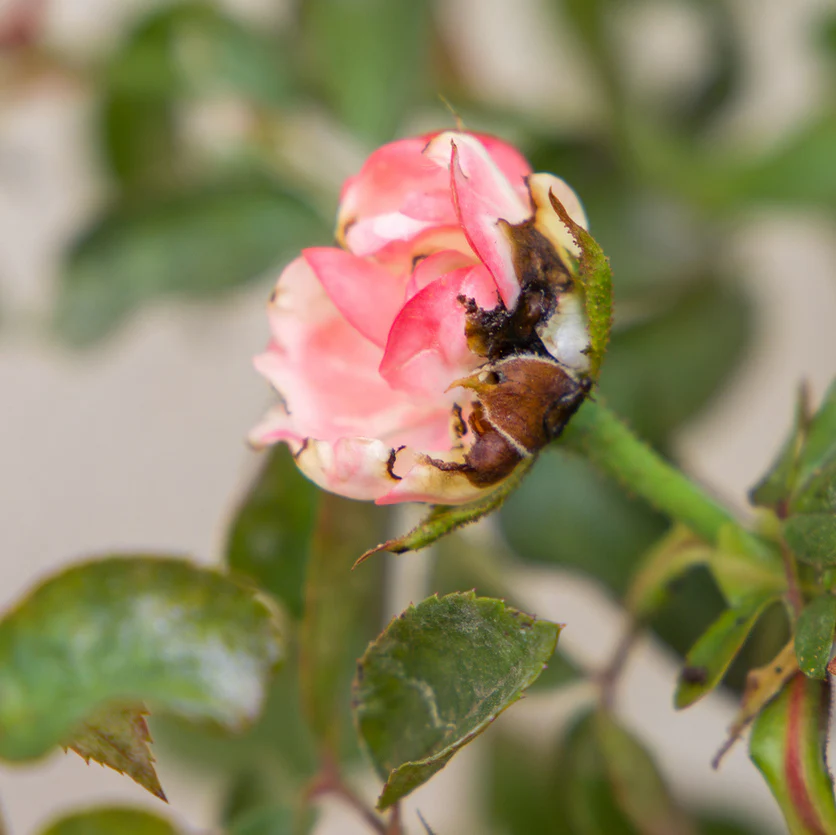

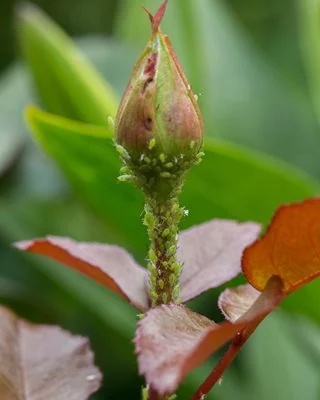
Unchecked pest pressure can rapidly escalate due to continuous cropping and the absence of natural predators in enclosed environments.
Major diseases under glasshouse conditions
Disease incidence in Red Naomi roses is closely linked to humidity management, air circulation, and sanitation practices.
Common diseases include
• Powdery mildew, favored by moderate temperatures and fluctuating humidity, affecting leaves, stems, and buds
• Downy mildew, which develops under prolonged high humidity and poor air circulation
• Botrytis (grey mould), a major concern under high humidity and low ventilation, particularly affecting buds and harvested flowers
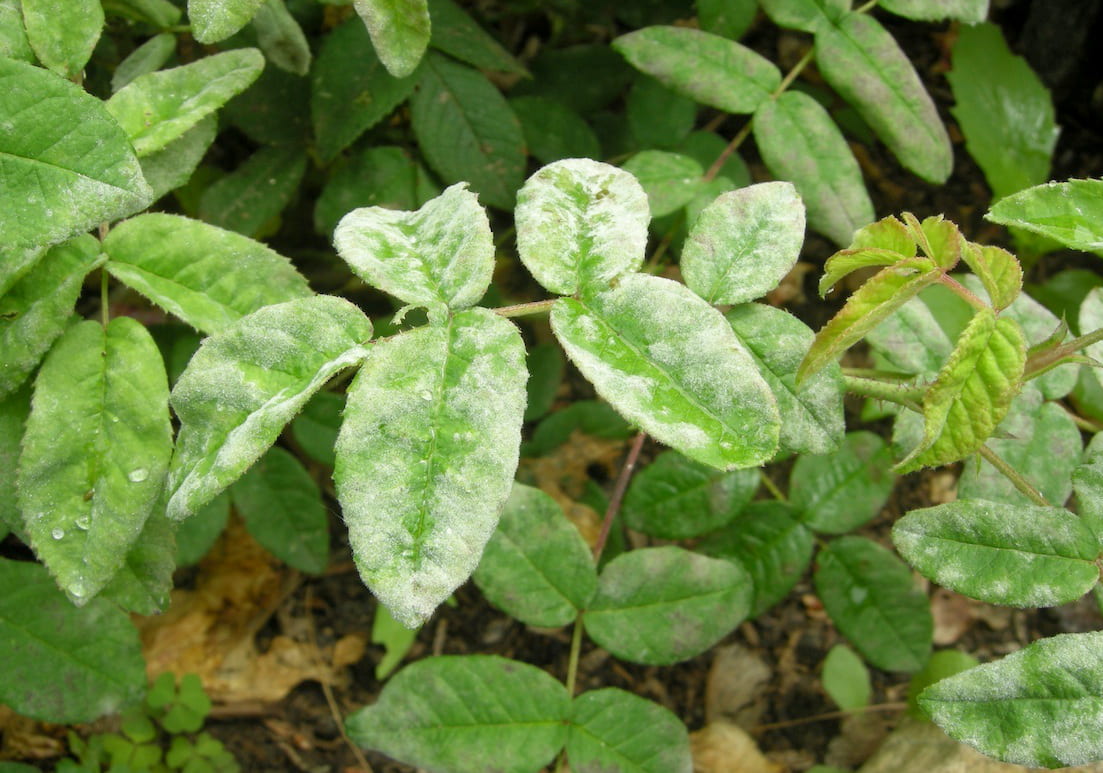
These diseases not only reduce yield but also significantly shorten vase life and increase post-harvest losses.
Integrated pest management strategy
Glasshouse rose production relies on Integrated Pest Management (IPM) to minimize chemical dependence while maintaining crop health.
Core IPM components include:
• Regular scouting and monitoring using sticky traps and visual inspections
• Early detection and threshold-based intervention to prevent outbreaks
• Use of biological control agents where feasible to manage pest populations
• Rotation of chemical molecules to prevent resistance development
•
Sanitation and cultural practices
Strict sanitation is foundational to disease prevention in glasshouse systems.
Key sanitation measures:
• Removal of diseased plant material and crop residues from the greenhouse
• Disinfection of tools, pathways, and working areas
• Control of weeds and alternate host plants within and around the structure
• Proper disposal of rejected flowers and plant waste
Climate regulation and preventive programs
Environmental control is a powerful disease-management tool in glasshouses.
Critical practices include:
• Maintaining relative humidity within recommended limits to suppress fungal growth
• Ensuring adequate ventilation and air circulation at canopy level
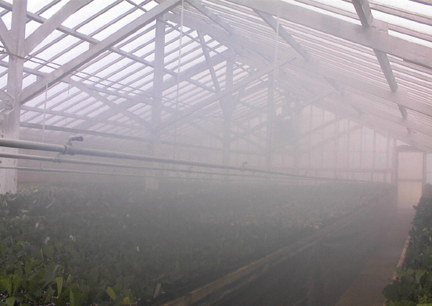
• Avoiding prolonged leaf wetness from misting or irrigation
Preventive fungicide programs are often implemented based on disease risk periods rather than visible symptoms. These programs, when combined with climate regulation and sanitation, significantly reduce the likelihood of severe outbreaks.
In summary, successful pest and disease management in Red Naomi rose cultivation depends on an integrated approach that combines environmental control, sanitation, regular monitoring, and preventive interventions. This proactive strategy protects flower quality, extends vase life, and ensures consistent production of premium-grade roses under glass greenhouse conditions.
________________________________________
Harvesting standards and yield potential
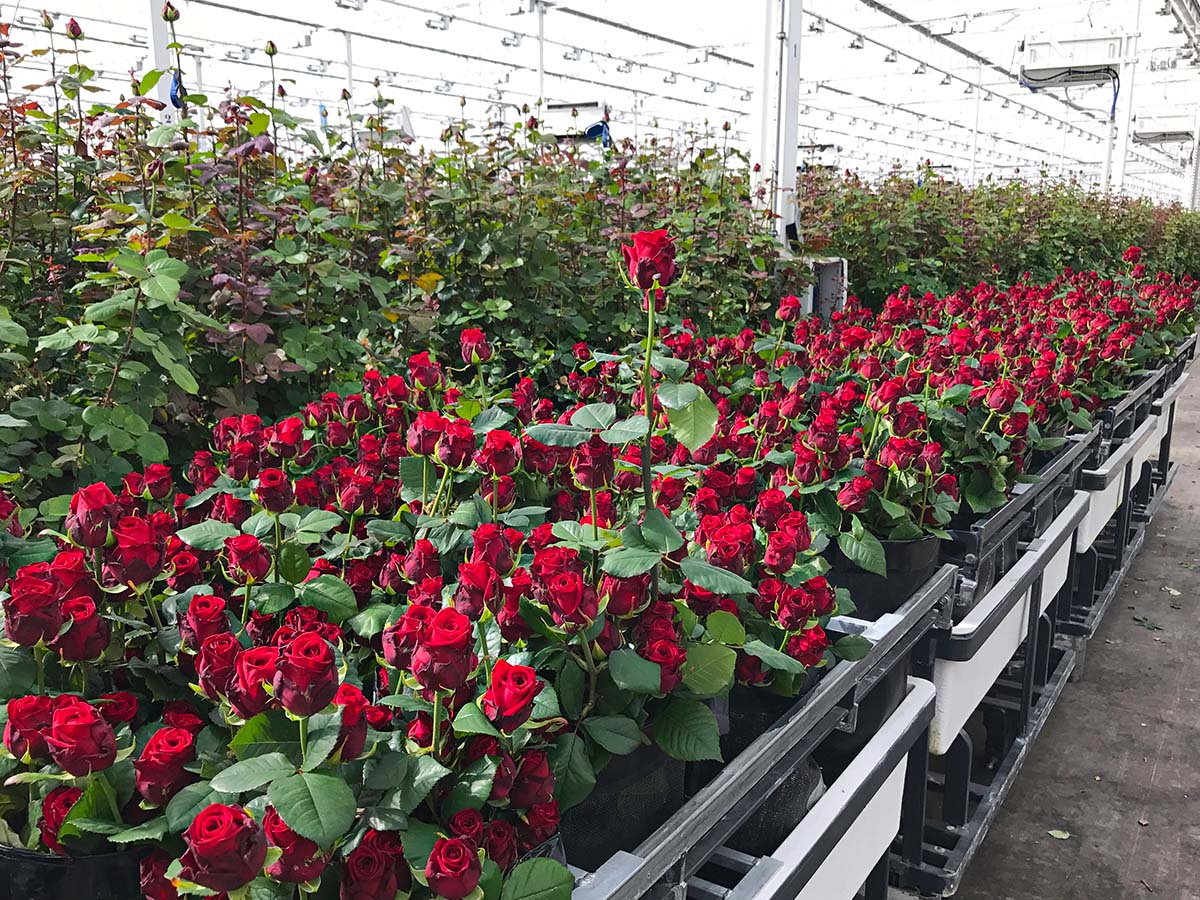
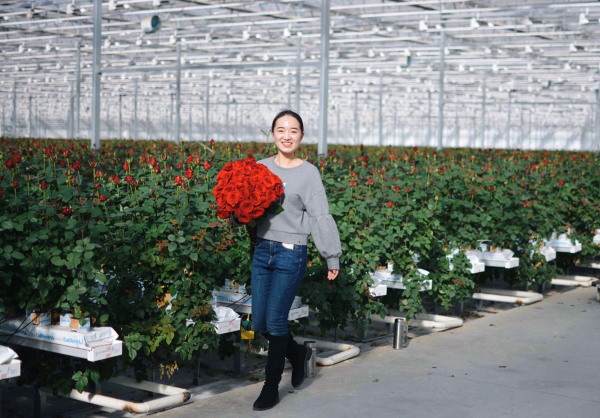
Harvesting practices play a decisive role in determining the final quality, vase life, and market acceptance of Red Naomi roses. As a premium cut flower cultivar, Red Naomi requires precise harvest timing and careful handling to preserve its defining traits such as large bud size, deep red colour, strong fragrance, and long post-harvest life.
Harvesting stage and standards
Red Naomi roses are typically harvested at the tight bud to half-open stage, with the exact stage determined by target market requirements.
Key harvesting considerations include:
• Tight bud stage harvesting for long-distance transport and export markets, ensuring maximum vase life and controlled opening at the destination
• Half-open stage harvesting for nearby domestic markets and premium florists, where immediate visual appeal is prioritized
• Uniform harvest stage across batches to maintain grading consistency and buyer confidence
• Harvesting during cooler hours of the day to reduce respiration rate and moisture loss
Improper harvest timing can result in poor bud opening, reduced fragrance expression, petal damage, and shortened vase life.
Harvest technique and handling
Correct harvesting technique is essential to protect stem quality and post-harvest performance.
Best practices include:
• Cutting stems at appropriate length based on market grade requirements
• Using clean, disinfected tools to prevent disease transmission
• Immediate placement of harvested stems in clean water or hydration solutions
• Rapid movement of flowers to shaded or cooled areas after harvest
Careful handling minimizes mechanical damage and preserves stem strength and bud integrity.
Yield potential under glass greenhouse conditions
Under well-managed glass greenhouse environments, Red Naomi demonstrates strong and predictable productivity.
Indicative yield performance:
• Annual yields typically range from 180 to 220 stems per square metre
• On a commercial scale, yield consistency is more important than peak output
• Uniform stem thickness and bud size contribute to higher percentage of export-grade flowers
Yield levels are influenced by planting density, pruning strategy, fertigation precision, climate stability, and pest and disease management.
Quality and economic implications
Proper harvesting standards directly impact commercial returns.
Benefits of correct harvesting include:
• Extended vase life, often exceeding 10 to 12 days under proper post-harvest conditions
• Higher acceptance in export and premium domestic markets
• Reduced rejection rates and post-harvest losses
• Improved brand reputation with buyers and wholesalers
In summary, harvesting Red Naomi roses at the correct developmental stage, combined with disciplined handling and climate-controlled production, ensures optimal flower quality and allows growers to consistently achieve high yields and premium market prices under glass greenhouse cultivation..
________________________________________
Post-harvest handling
Post-harvest handling is a critical determinant of vase life, flower quality, and export acceptance for Red Naomi roses. As a premium cultivar with high market value, any lapse in post-harvest discipline can result in rapid quality deterioration, rejection at destination markets, and significant economic loss. Therefore, post-harvest operations must be tightly integrated with harvesting and cold-chain logistics.
Immediate hydration and pre-cooling
Immediately after harvest, Red Naomi stems must be stabilized to reduce respiration and moisture loss.
Key post-harvest practices include:
• Immediate placement of freshly cut stems into clean hydration or pulsing solutions to restore water balance
• Use of sanitized containers and treated water to prevent microbial contamination
• Rapid pre-cooling of stems to a temperature range of 2 to 4 degrees Celsius to slow metabolic activity
• Minimization of time between harvest and pre-cooling to preserve freshness and fragrance
Delays at this stage can lead to bent neck, reduced vase life, and premature bud opening.

Grading and quality classification
Grading ensures uniformity and consistency, which are essential for premium and export markets.
Primary grading parameters include:
• Stem length, categorized according to market specifications
• Bud size and shape, ensuring symmetry and uniform opening potential
• Stem thickness and straightness
• Foliage quality, free from mechanical damage, pests, or disease symptoms

Uniform grading improves buyer confidence and enables premium price realization.
Cold-chain management and storage
Maintaining an uninterrupted cold chain is essential for preserving Red Naomi’s post-harvest quality.
Critical cold-chain requirements:
• Storage temperature maintained consistently between 2 and 4 degrees Celsius
• High relative humidity during storage to prevent dehydration
• Avoidance of temperature fluctuations during storage and transport
• Use of insulated packaging and refrigerated transport for domestic and export logistics
Breaks in the cold chain accelerate respiration, increase disease risk, and significantly shorten vase life.
Export readiness and market implications
For export markets, post-harvest handling directly influences acceptance and shelf performance.
Benefits of proper post-harvest management include:
• Vase life extending beyond 10 to 12 days under consumer conditions
• Preservation of deep red colour and fragrance during transit
• Reduced rejection rates at destination markets
• Ability to access high-value international buyers and long-term contracts
In summary, disciplined post-harvest handling, from immediate hydration to strict cold-chain maintenance, is essential for unlocking the full commercial potential of Red Naomi roses. Effective post-harvest systems transform high-quality greenhouse production into reliable, premium market returns.
________________________________________ Red Naomi rose economics under glass greenhouse (1 acre basis)
The following estimates assume:
• 1 acre ≈ 4,000 m² glass greenhouse
• Fully climate-controlled glasshouse with automation
• Premium export / high-end domestic market targeting
• Professional management and uninterrupted cold chain
________________________________________
Capital expenditure (CAPEX) – 1 acre glass greenhouse
Major capital cost components:
• Glasshouse structural framework, foundations, and glazing
• Climate control systems including heating, cooling, ventilation, shading
• Automated fertigation and irrigation systems
• Environmental sensors, controllers, and software
• Raised beds or trough systems with soilless substrates
• Electrical systems, backup power, and utilities
• Installation, commissioning, and project management
Indicative capital investment:
• Lower range: ₹2.8 crore per acre
• Upper range: ₹4.0 crore per acre
Subsidy considerations:
• Subsidy support is limited and scheme-dependent
• Effective capital exposure remains high compared to polyhouse systems
________________________________________
Operating and recurring expenses (OPEX / WORKEX) – 1 acre
Annual operating cost heads:
• Labour: ₹22–28 lakh
Skilled labour for pruning, harvesting, grading, climate monitoring
• Fertilizers & chemicals: ₹12–16 lakh
Precision fertigation, micronutrients, calcium, growth regulators
• Electricity & fuel: ₹14–18 lakh
Heating, cooling, climate automation, CO₂ enrichment
• Plant protection & sanitation: ₹8–10 lakh
IPM, preventive fungicide programs, hygiene protocols
• Repairs, maintenance & consumables: ₹6–8 lakh
Equipment servicing, spares, substrate renewal
Total annual operating cost:
• Approximately ₹65–80 lakh per year
________________________________________
Yield potential – 1 acre glasshouse Red Naomi
Production assumptions:
• Yield range: 180–220 stems per square metre per year
• Total annual production:
o Approximately 72–88 lakh stems per acre
Quality profile:
• High percentage of long stems suitable for export grades
• Uniform bud size, colour, and fragrance
• Low rejection under disciplined management
________________________________________
Revenue realization – 1 acre
Price realization assumptions:
• Average wholesale/export price: ₹12–20 per stem
(depends on season, grade, and market access)
Indicative annual gross revenue:
• Lower range: ₹8.6 crore per year
• Upper range: ₹17.6 crore per year
Conservative blended realization:
• ₹10–14 crore per year under stable market linkage
________________________________________
Net profit and returns – 1 acre
Profitability outlook:
• Gross revenue: ₹10–14 crore per year
• Operating cost: ₹0.65–0.80 crore per year
Indicative net operating profit:
• ₹9.2–13.2 crore per year (before depreciation and finance costs)
Return characteristics:
• Very high revenue density per acre
• Strong cash flow once stabilized
• Profitability highly sensitive to quality consistency and market access
Payback perspective:
• Capital payback achievable in 3–5 years under strong export linkage
• Slower payback if market access or cold chain is weak
________________________________________
Economic interpretation
Red Naomi under glasshouse represents:
• A high-capital, high-precision, high-reward floriculture model
• Best suited for export-oriented or premium domestic markets
• Not suitable for price-driven wholesale markets
Commercial success depends less on yield and more on:
• Climate precision
• Post-harvest discipline
• Buyer contracts and cold-chain reliability
Risk disclosure for investors
Investment in glass greenhouse cultivation of Red Naomi roses involves material operational, market, and financial risks that must be carefully evaluated. The model is highly capital-intensive and sensitive to execution quality, requiring uninterrupted climate control, skilled labour, reliable energy supply, and strict post-harvest discipline. Revenue outcomes are strongly dependent on consistent export-grade quality, access to premium buyers, and an unbroken cold chain; any deviation can significantly reduce price realization. Market risks include international price volatility, demand fluctuations, and currency exposure in export-linked sales. Biological risks such as pest and disease outbreaks, although mitigated by controlled environments, can escalate rapidly if climate or sanitation protocols fail.
Investors should view glasshouse Red Naomi cultivation as a long-term, professionally managed agribusiness venture rather than a short-term agricultural activity, with returns contingent on technical expertise, operational discipline, and strong market linkages.
Checklist before starting Red Naomi rose glasshouse cultivation
• Certified, virus-free Red Naomi planting material
• Fully automated glass greenhouse infrastructure
• Reliable power, water, and climate control systems
• Skilled technical and IPM management
• Access to premium domestic or export flower markets
________________________________________
References and further reading
• FAO – Greenhouse floriculture manuals
• Dutch rose production guides
• Peer-reviewed research on glasshouse rose cultivation