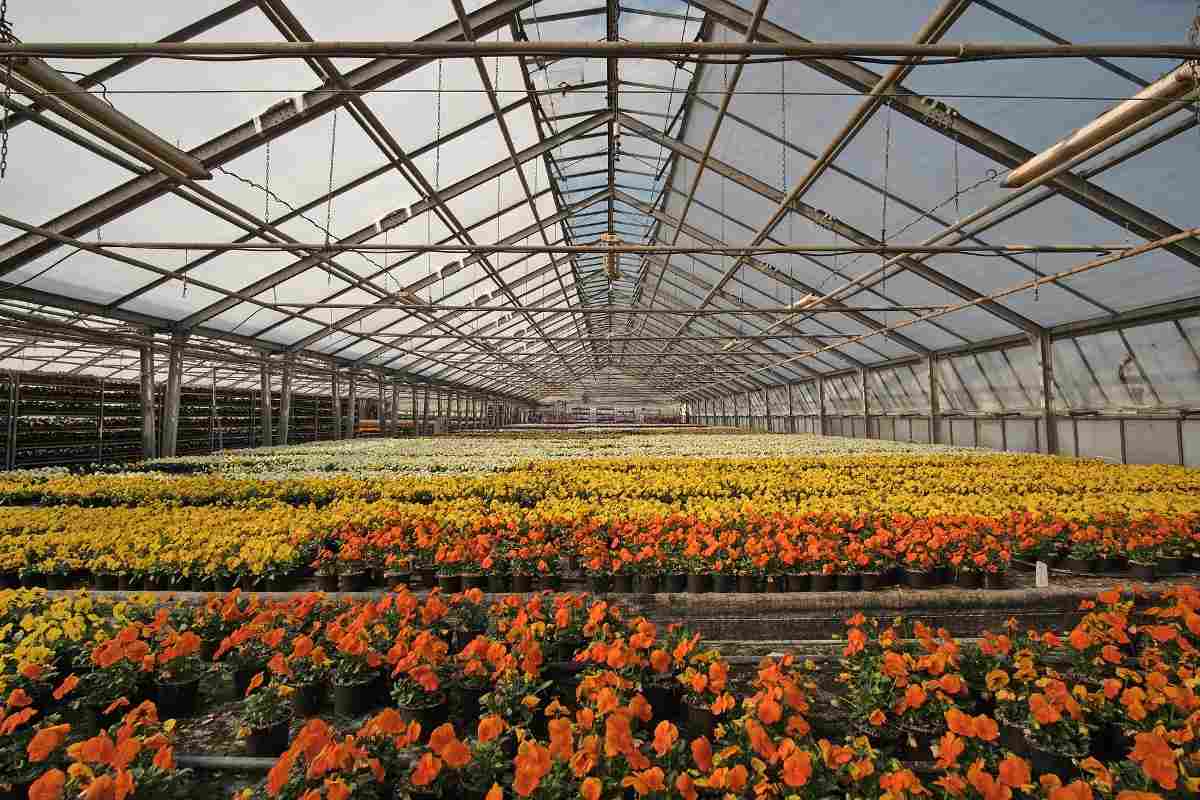
Overview of polyhouse floriculture in India
Polyhouse floriculture has emerged as one of the most commercially viable protected cultivation systems in India due to its ability to partially regulate the crop microclimate while remaining financially accessible to medium and large growers. Unlike open-field cultivation, polyhouse structures buffer flower crops against rainfall variability, temperature extremes, wind damage, and excessive radiation, all of which directly affect flower quality and marketable yield.
The moderated growing environment inside a polyhouse enables:
• Year-round or extended-season flower production independent of monsoon cycles
• Improved uniformity in stem length, bud size, colour intensity, and flower form
• Higher percentage of A-grade marketable flowers with reduced rejection rates
• Better synchronization of harvest timing with peak market demand periods
From an economic perspective, polyhouse cultivation allows growers to achieve higher productivity per unit area compared to open-field systems, thereby improving revenue density even when land availability is limited. Controlled irrigation and fertigation also result in more efficient use of water, fertilizers, and agrochemicals, contributing to input cost optimization over time.
However, commercial success in polyhouse floriculture is not guaranteed by structure alone. Profitability is strongly influenced by:
• Selection of flower crops aligned with regional demand and price stability
• Access to reliable wholesale markets, contract buyers, or export channels
• Technical management of fertigation, pruning, harvesting, and sanitation
• Skilled labour availability and consistency in operational execution
• Strict control over operating costs, especially labour and plant protection
In practice, polyhouse floriculture performs best as a professionally managed production system rather than a seasonal farming activity. Growers who treat polyhouse units as continuous production enterprises with data-driven decision-making and strong market linkage consistently achieve superior economic outcomes compared to traditional flower cultivation methods.
Capital investment for polyhouse floriculture
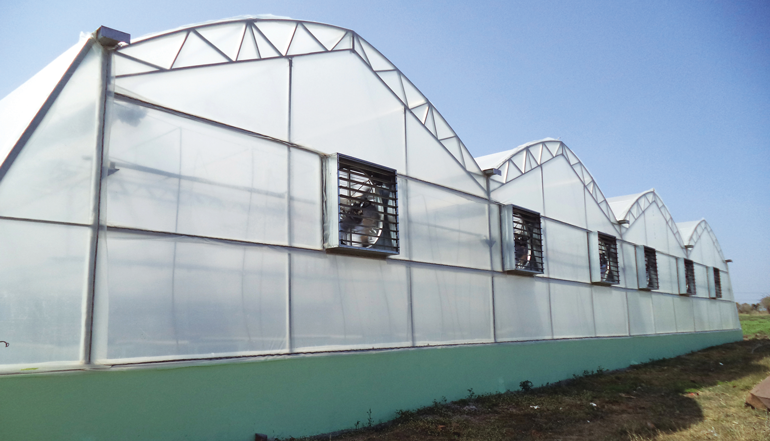
Capital investment is the most critical entry parameter for commercial floriculture under protected cultivation. In India, floriculture projects are broadly implemented using two structural models: naturally ventilated polyhouses and high-specification glasshouses. While both aim to stabilize the growing environment and improve flower quality, their capital intensity, operational sophistication, and financial risk profiles differ substantially.
For realistic commercial assessment, capital costs must be evaluated on a 1-acre basis, as floriculture projects below this scale often fail to achieve operational efficiency and cost absorption.
Naturally ventilated polyhouse – capital investment (1 acre)
A naturally ventilated polyhouse represents the most widely adopted structure for commercial floriculture in India due to its lower capital requirement and adaptability across agro-climatic regions.
Structure and area assumption:
• 1 acre corresponds to approximately 4,000 square meters of polyhouse area
• Steel or GI pipe structure with UV-stabilized poly film and insect netting
• Manual or semi-automated fertigation systems
Major capital components on a 1-acre basis:
• Polyhouse structure, cladding, and anchoring systems
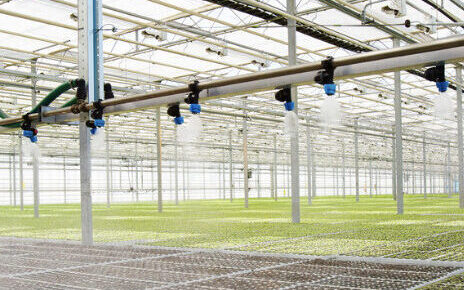
• Drip irrigation and fertigation infrastructure with filtration units
• Raised beds, growing media preparation, and internal pathways
• Initial planting material and nursery-grade saplings
• Electrical fittings, shading nets, foggers, and installation charges
Indicative capital cost for 1 acre (polyhouse):
• Lower range: approximately ₹80 lakh
• Upper range: approximately ₹110 lakh
Subsidy impact:
• Capital subsidy under NHM / MIDH typically covers 40–50 percent of eligible components
• Effective post-subsidy capital investment generally reduces to approximately ₹45–60 lakh per acre
This investment category is suitable for crops such as Gerbera, Carnation, Rose, and select cut foliage, where market volume and operational scalability are more critical than extreme climate precision.
Glasshouse floriculture – capital investment (1 acre)
Glasshouse systems are high-technology structures designed for precision floriculture, typically used for export-grade flowers or high-value domestic markets. These structures offer superior climate control but require significantly higher capital outlay and technical expertise.
Structure and area assumption:
• 1 acre of climate-controlled glasshouse area
• Galvanized steel structure with tempered glass or polycarbonate panels
• Fully automated climate, irrigation, fertigation, and environmental control systems
Major capital components on a 1-acre basis:
• Structural framework, foundations, and glazing materials
• Automated heating, cooling, ventilation, and shading systems
• Advanced fertigation units with dosing control and sensors
• Climate control software, controllers, and backup power systems
• Specialized planting material and precision growing infrastructure
Indicative capital cost for 1 acre (glasshouse):
• Lower range: approximately ₹2.8 crore
• Upper range: approximately ₹4.0 crore
Subsidy impact:
• Subsidy coverage is limited or partially applicable depending on scheme and state
• Effective capital burden remains significantly higher compared to polyhouse systems
Glasshouses are economically justified only for:
• Export-oriented rose, gerbera, and specialty flower production
• Locations with extreme climatic conditions
• Operators with strong technical capability and assured premium markets
Comparative capital intensity and investment implications
From an investment perspective:
• Polyhouses offer a lower-risk entry point with faster payback and broader crop suitability
• Glasshouses demand higher upfront capital, longer stabilization periods, and stronger market assurance
• Selection between the two structures should be driven by target market, price realization potential, and managerial capability rather than yield expectations alone
Capital expenditure breakdown for protected floriculture structures (1 acre basis)
Capital expenditure in protected floriculture is distributed across structural, irrigation, climate, planting, and utility components. The composition and intensity of these costs differ significantly between naturally ventilated polyhouses and high-technology glasshouses due to differences in design life, automation level, and environmental control precision.
The following breakdown reflects a realistic commercial-scale assumption for 1 acre of cultivation area in Indian conditions.
________________________________________
Capital expenditure – naturally ventilated polyhouse (1 acre)
Structure and cladding
This constitutes the largest share of capital investment in a polyhouse system. It includes the structural framework and protective coverings required to create a semi-controlled environment.
• GI or galvanized steel pipe framework including columns, trusses, purlins, and anchoring
• UV-stabilized polyethylene film for roof cladding
• Insect-proof side nets and roll-up ventilation mechanisms
• Foundation work, civil anchoring, and erection labour
Indicative cost contribution:
• Approximately 45–50 percent of total polyhouse CAPEX
________________________________________
Irrigation and fertigation system
Efficient water and nutrient delivery is critical for floriculture crops under protected cultivation.
• Drip irrigation lines with emitters and lateral distribution
• Mainlines, sub-mains, valves, and pressure regulation
• Fertigation units using venturi or basic dosing systems
• Sand and screen filtration units
Indicative cost contribution:
• Approximately 10–12 percent of total CAPEX
________________________________________
Raised beds, growing media, and internal layout
This head determines root-zone health and long-term productivity.
• Raised bed formation and soil preparation
• Cocopeat, soil amendments, or mixed media preparation
• Bed lining, drainage channels, and internal pathways
Indicative cost contribution:
• Approximately 8–10 percent of total CAPEX
________________________________________
Planting material and crop establishment
Initial planting cost is capitalized during the first cycle.
• Tissue culture or nursery-raised planting material
• Crop-specific spacing and layout preparation
• Initial staking, support wires, and trellising
Indicative cost contribution:
• Approximately 6–8 percent of total CAPEX
________________________________________
Electricals, shading, and basic climate aids
These components improve crop stability and labour efficiency.
• Electrical wiring, panels, and pump connections
• Shade nets and manual shading systems
• Foggers or misting systems for temperature moderation
Indicative cost contribution:
• Approximately 6–8 percent of total CAPEX
 ________________________________________
Miscellaneous, installation, and contingencies
________________________________________
Miscellaneous, installation, and contingencies
This head absorbs project-level variability.
• Transportation and logistics of materials
• Installation supervision and testing
• Initial spares and contingency provisions
Indicative cost contribution:
• Approximately 5–7 percent of total CAPEX
________________________________________
Overall capital investment – polyhouse (1 acre)
• Typical total CAPEX range: ₹80–110 lakh per acre
• Effective CAPEX after 40–50 percent subsidy: approximately ₹45–60 lakh per acre
________________________________________
Capital expenditure – climate-controlled glasshouse (1 acre)
Structural framework and glazing
This is the dominant cost component in glasshouse projects.
• Heavy-duty galvanized steel structure with deep foundations
• Tempered glass or polycarbonate glazing panels
• Roof vents, side vents, and structural sealing systems
Indicative cost contribution:
• Approximately 40–45 percent of total glasshouse CAPEX
________________________________________
Climate control and automation systems
These systems differentiate glasshouses from polyhouses.
• Heating systems, cooling pads, exhaust fans
• Automated roof vents, circulation fans, and shading screens
• Climate sensors, controllers, and control software
Indicative cost contribution:
• Approximately 20–25 percent of total CAPEX
________________________________________
Advanced irrigation and fertigation infrastructure
Precision nutrient delivery is mandatory in glasshouse systems.
• Automated fertigation units with dosing pumps
• EC and pH control systems
• High-efficiency filtration and recirculation options
Indicative cost contribution:
• Approximately 10–12 percent of total CAPEX
________________________________________
Internal crop support and growing systems
These components support intensive production.
• Benching systems or precision bed layouts
• Crop support wires, trellising, and suspension systems
• Drainage collection and runoff management
Indicative cost contribution:
• Approximately 6–8 percent of total CAPEX
________________________________________
Planting material and specialized inputs
Glasshouses typically use premium genetics.
• Imported or elite planting material
• Crop-specific liners and precision establishment aids
Indicative cost contribution:
• Approximately 4–6 percent of total CAPEX
________________________________________
Electricals, backup power, and utilities
Operational continuity is critical in glasshouses.
• Power distribution systems and panels
• Backup generators or UPS systems
• Water storage and pumping infrastructure
Indicative cost contribution:
• Approximately 5–7 percent of total CAPEX
________________________________________
Installation, commissioning, and project management
This head reflects technical complexity.
• Skilled installation and calibration
• System integration and testing
• Project supervision and commissioning
Indicative cost contribution:
• Approximately 4–6 percent of total CAPEX
________________________________________
Overall capital investment – glasshouse (1 acre)
• Typical total CAPEX range: ₹2.8–4.0 crore per acre
• Effective subsidy support is limited and scheme-dependent
• Net capital exposure remains significantly higher than polyhouse systems
________________________________________
Investment interpretation
From a capital allocation perspective:
• Polyhouses offer a lower-capital, faster-stabilizing model suitable for domestic wholesale and contract markets
• Glasshouses represent a high-capital, high-precision model justified only for premium or export-oriented floriculture
• Structure selection must align with market price realization, technical capability, and risk tolerance
________________________________________
Operating costs and recurring expenses
Operating costs and recurring expenses – crop-wise, head-wise (1 acre basis)
The following operating cost estimates assume:
• Naturally ventilated polyhouse
• 1 acre ≈ 4,000 m² cultivation area
• Continuous commercial production
• Skilled labour availability and disciplined management
________________________________________
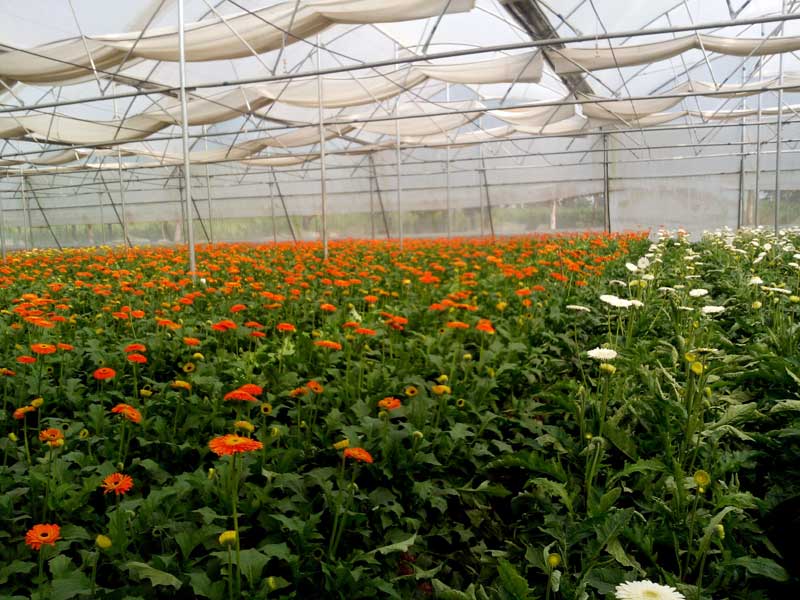
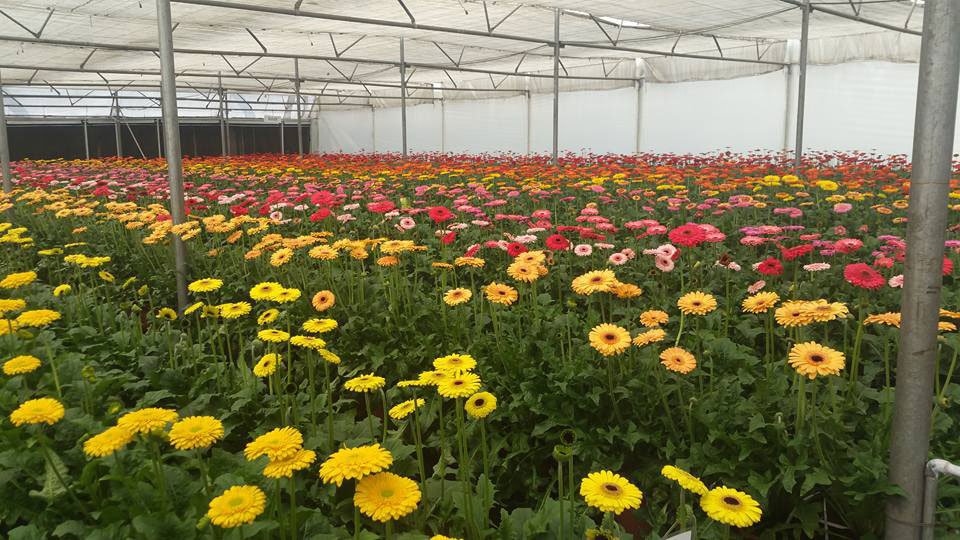
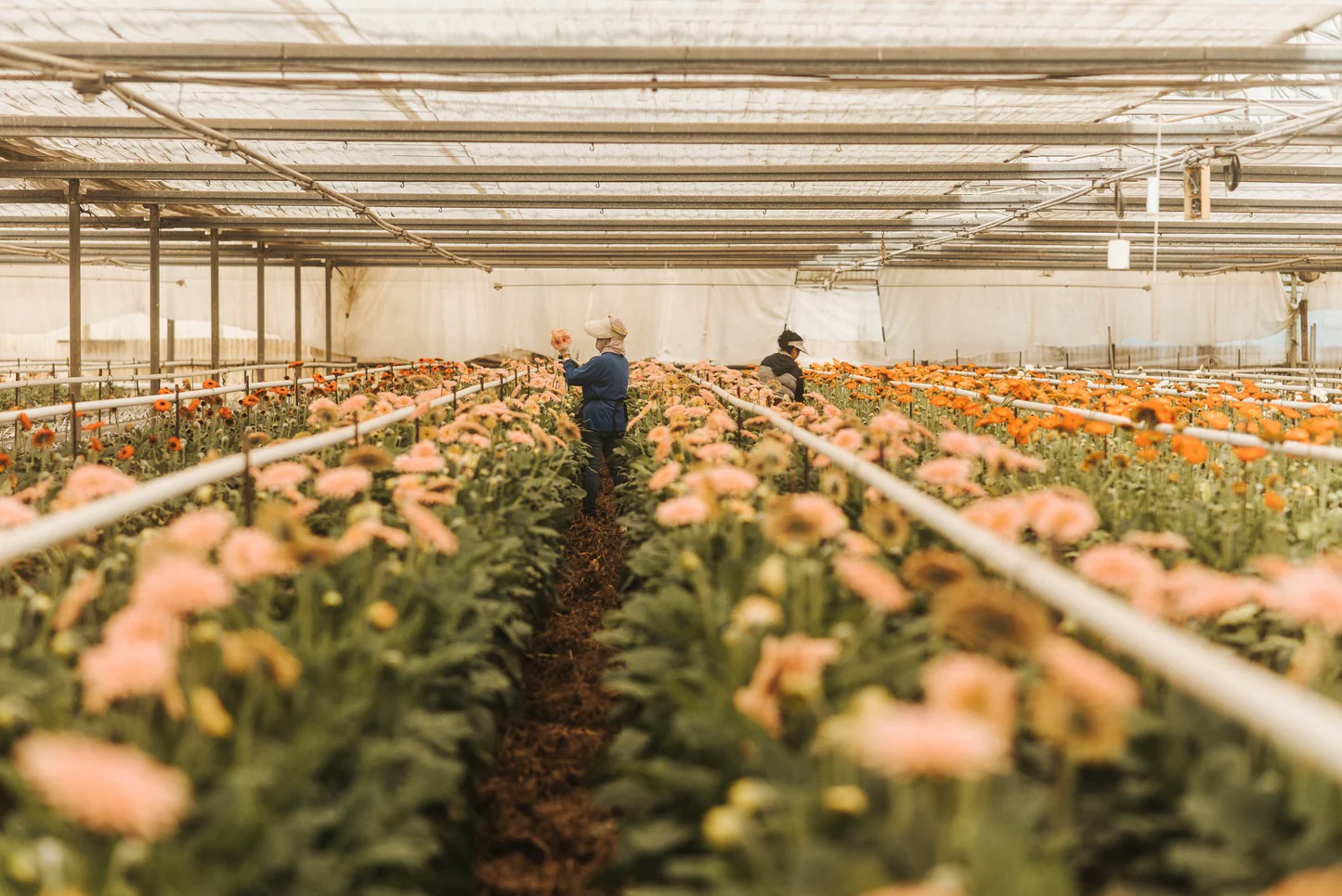
Gerbera – operating costs and recurring expenses (1 acre)
Gerbera is a high-density, daily-harvest crop with continuous nutrient demand and higher labour involvement.
Annual operating cost assumptions:
• Labour: ₹14–18 lakh
Daily harvesting, grading, bundling, packing, and bed maintenance
• Fertilizers & chemicals: ₹8–10 lakh
Continuous fertigation, micronutrients, growth regulators
• Electricity & water: ₹4–5 lakh
Irrigation, fertigation pumps, fogging during hot periods
• Plant protection & sanitation: ₹5–6 lakh
Fungal disease control, sanitation sprays, preventive IPM
• Repairs & maintenance: ₹3–4 lakh
Drip line flushing, bed repairs, shade net and system upkeep
Total annual operating cost (Gerbera – 1 acre):
• Approximately ₹36–44 lakh
 ________________________________________
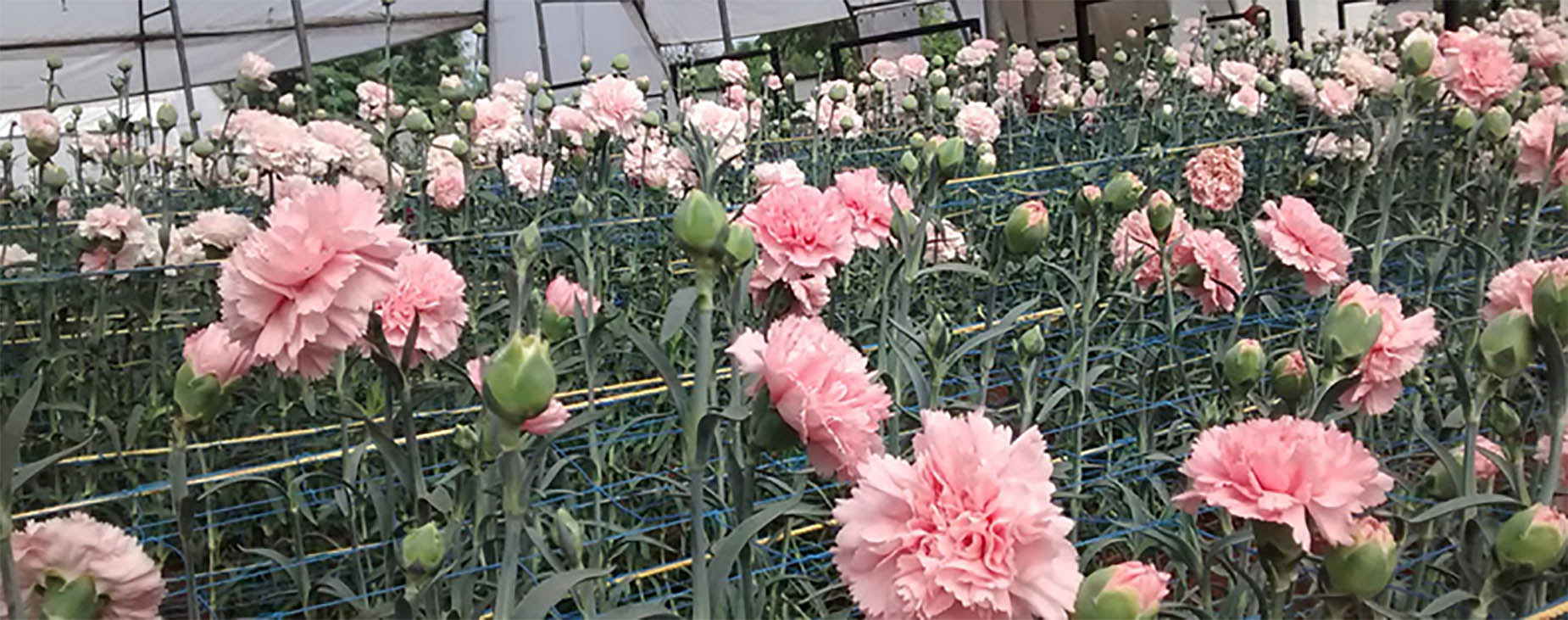
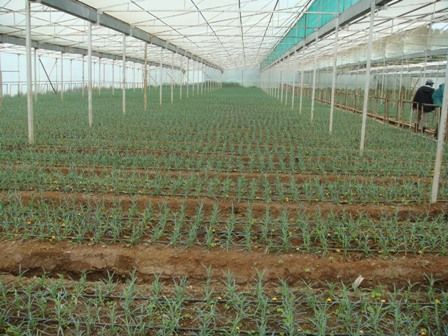
Carnation – operating costs and recurring expenses (1 acre)
________________________________________
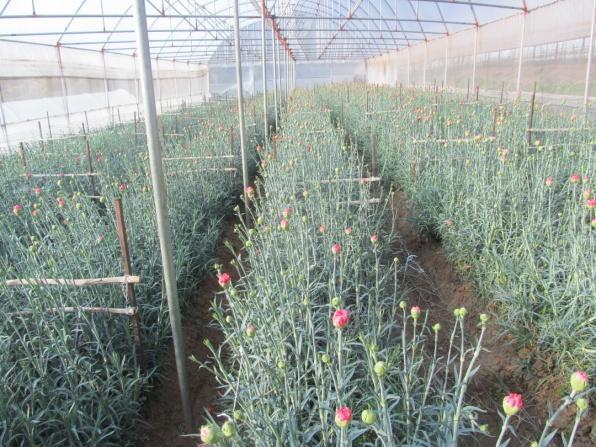
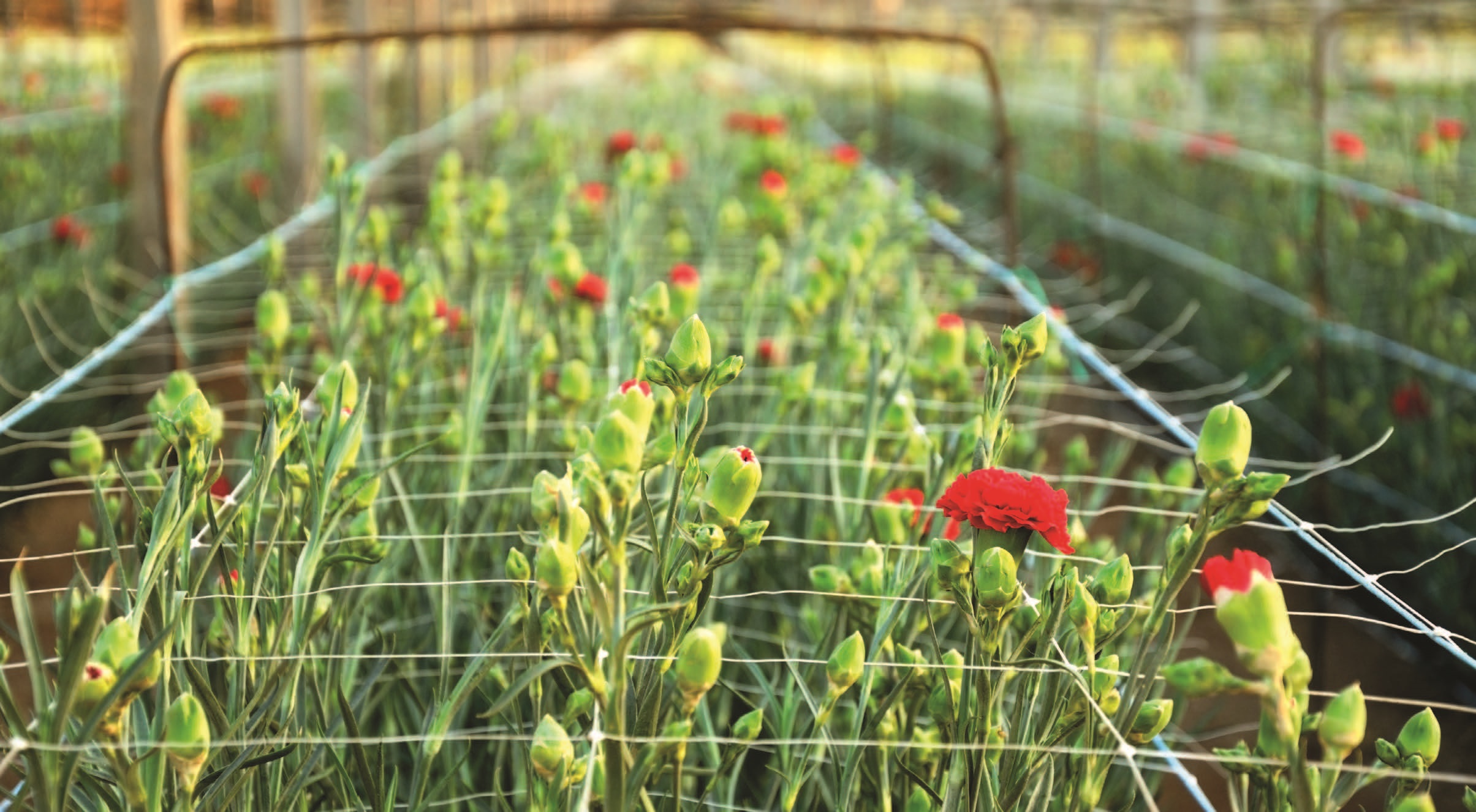
Carnation – operating costs and recurring expenses (1 acre)
Carnation has a longer crop cycle with fewer harvest days but higher skilled labour demand during pruning and peak cutting periods.
Annual operating cost assumptions:
• Labour: ₹12–16 lakh
Pruning, pinching, harvesting, bunch preparation
• Fertilizers & chemicals: ₹7–9 lakh
Sustained nutrition over long crop duration
• Electricity & water: ₹4–5 lakh
Regular irrigation and fertigation operations
• Plant protection & sanitation: ₹4–5 lakh
Control of mites, thrips, and fungal diseases
• Repairs & maintenance: ₹3–4 lakh
Trellising, support wires, bed and line maintenance
Total annual operating cost (Carnation – 1 acre):
• Approximately ₹34–42 lakh
 ________________________________________
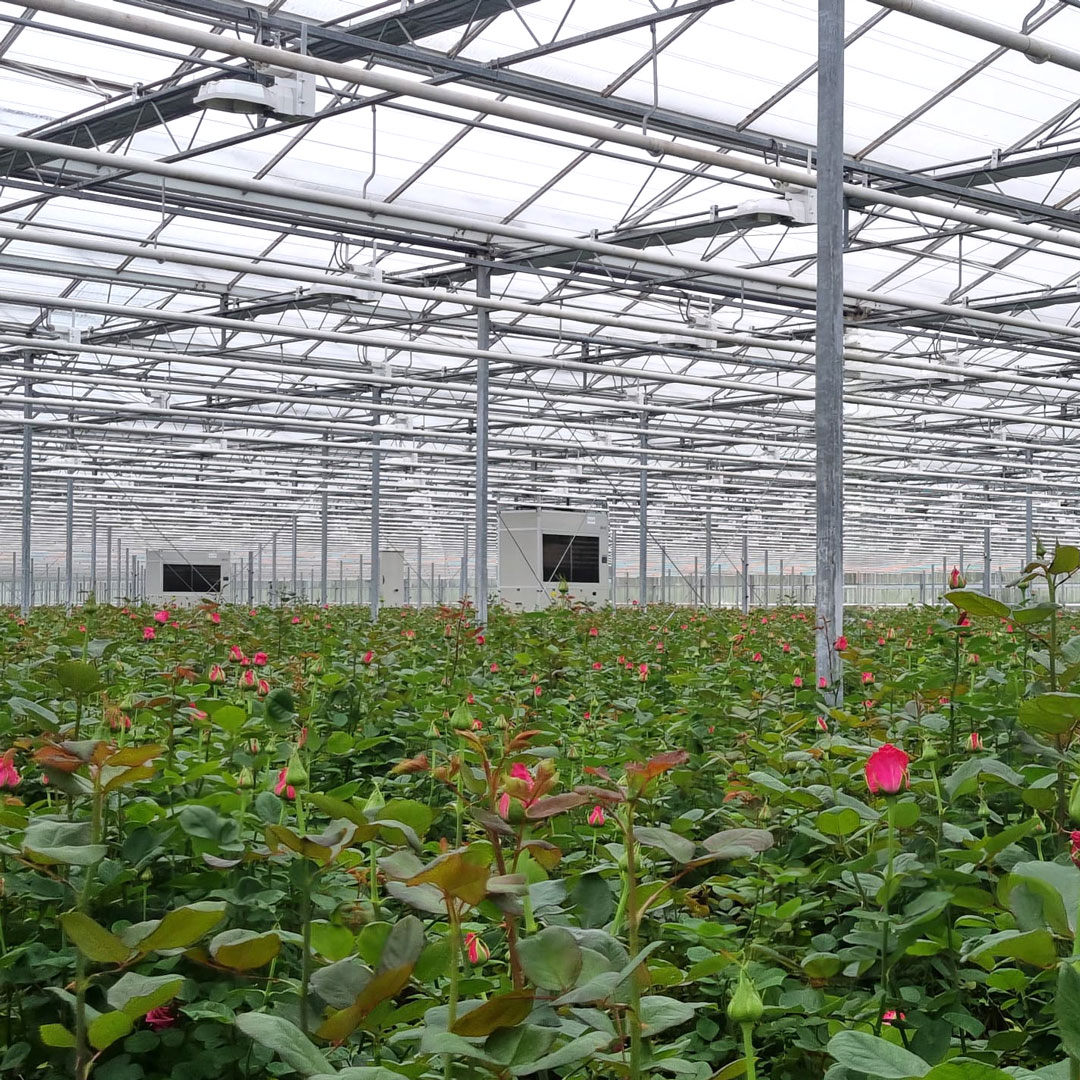
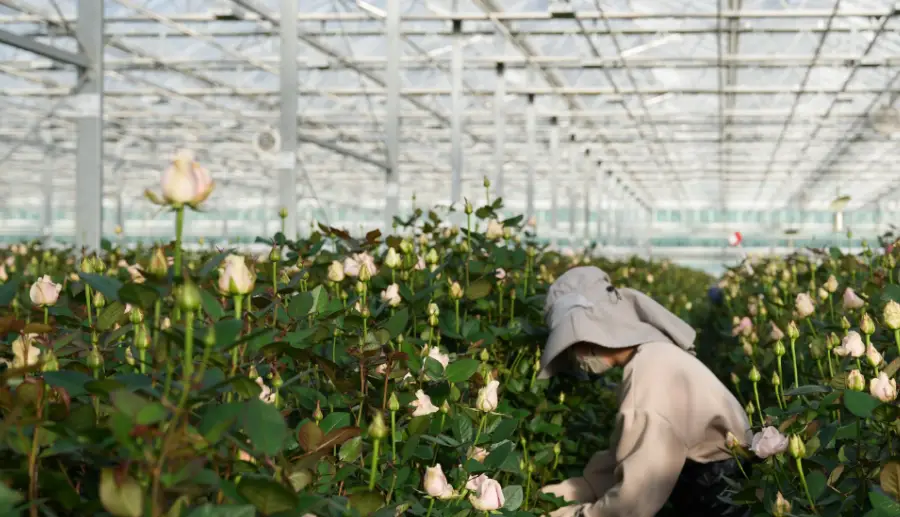
Rose (cut flower) – operating costs and recurring expenses (1 acre)
________________________________________
Rose (cut flower) – operating costs and recurring expenses (1 acre)
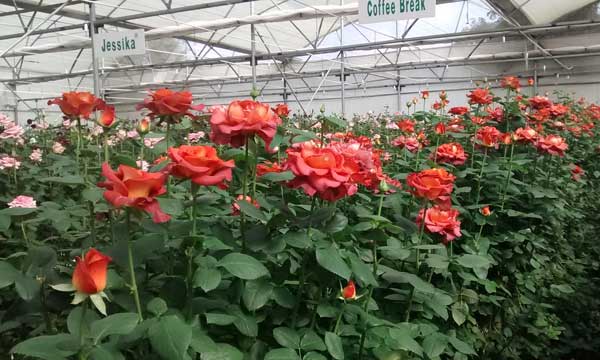
Roses are input-intensive and demand precise management, making them one of the highest operating-cost floriculture crops.
Annual operating cost assumptions:
• Labour: ₹15–20 lakh
Frequent pruning, harvesting, grading, and quality sorting
• Fertilizers & chemicals: ₹9–12 lakh
Higher nutrient demand to sustain continuous flushes
• Electricity & water: ₹5–6 lakh
Irrigation, fertigation, and microclimate moderation
• Plant protection & sanitation: ₹5–6 lakh
Pest, viral, and fungal disease management
• Repairs & maintenance: ₹4–5 lakh
Irrigation systems, trellising, shade and structural upkeep
Total annual operating cost (Rose – 1 acre):
• Approximately ₹38–48 lakh
 ________________________________________
Lilium – operating costs and recurring expenses (1 acre)
________________________________________
Lilium – operating costs and recurring expenses (1 acre)
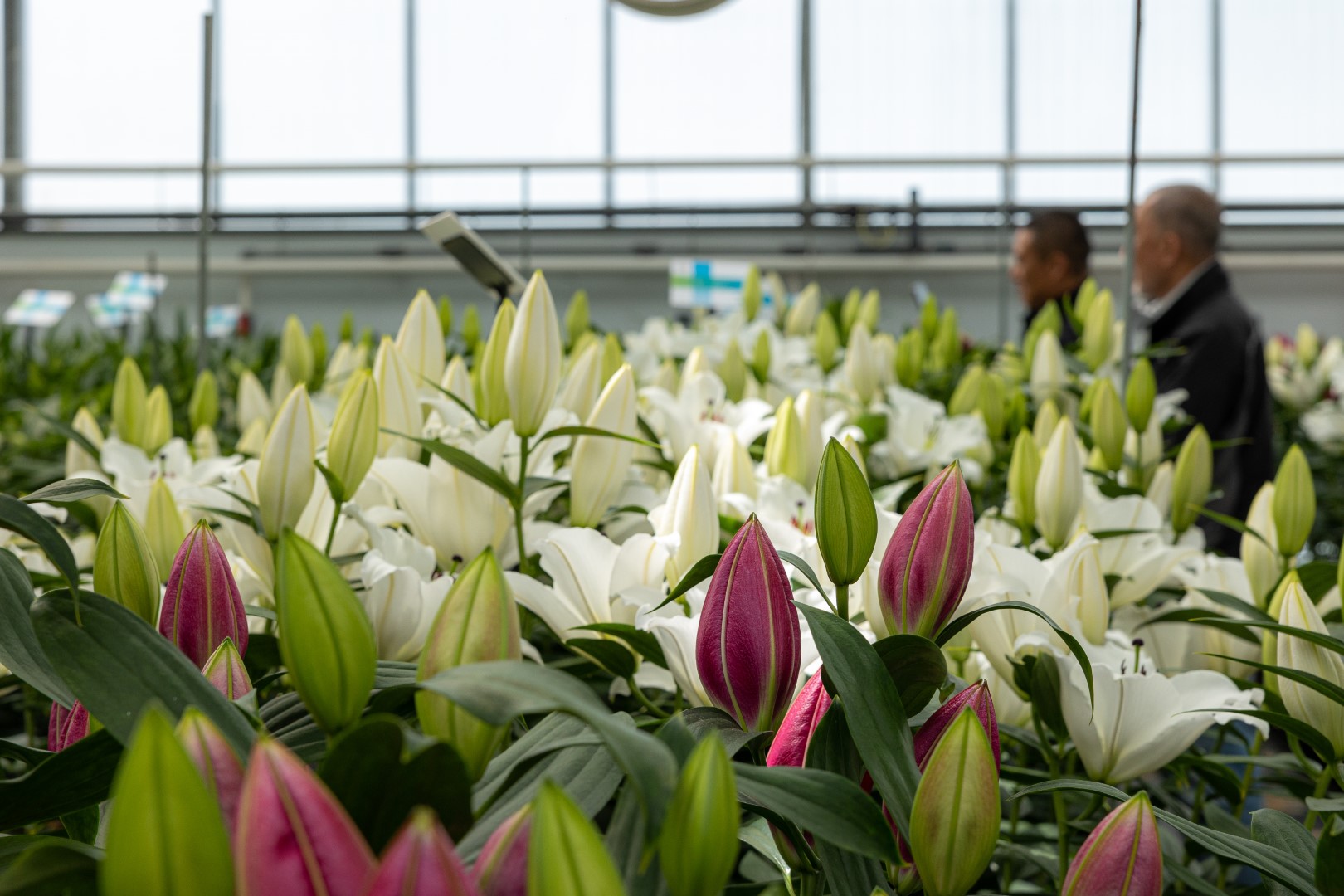
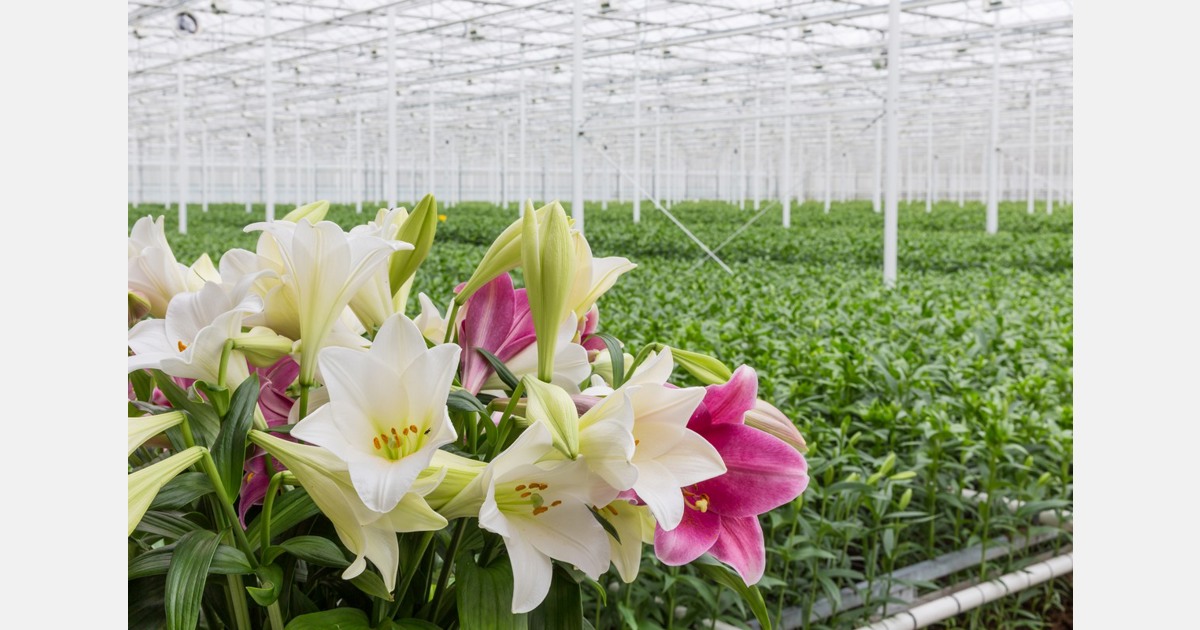
Lilium is a lower-density, high-value crop with moderate labour but high sensitivity to sanitation and post-harvest handling.
Annual operating cost assumptions:
• Labour: ₹10–12 lakh
Harvesting, grading, and careful handling
• Fertilizers & chemicals: ₹6–8 lakh
Precision nutrition for uniform bud development
• Electricity & water: ₹3–4 lakh
Stage-specific irrigation and fertigation
• Plant protection & sanitation: ₹4–5 lakh
Bulb disease prevention and soil sanitation
• Repairs & maintenance: ₹2–3 lakh
Bed preparation, drainage, and handling infrastructure
Total annual operating cost (Lilium – 1 acre):
• Approximately ₹30–38 lakh
 ________________________________________
Interpretation of operating cost structure (all crops)
________________________________________
Interpretation of operating cost structure (all crops)
Across floriculture crops under polyhouse:
• Labour typically contributes 35–45% of total operating cost
• Fertilizers and chemicals contribute 20–30%
• Plant protection and sanitation contribute 12–18%
• Utilities and maintenance form the remaining share
This head-wise clarity allows accurate budgeting, ROI estimation, and crop selection based on labour availability and market access.
Crop-wise revenue realization and net profitability (1 acre basis)
Revenue and net profit in polyhouse floriculture are governed by the interaction between yield density, price realization, and operating cost structure. The following estimates assume stable market access, consistent quality grading, and efficient post-harvest handling.
________________________________________
Gerbera – revenue and net profit (1 acre)
Revenue realization assumptions:
• Total annual flower production ranges between 72–100 lakh flowers per acre
• Average price realization ranges between ₹3 and ₹6 per flower depending on season and grade
Indicative annual gross revenue:
• Lower range: approximately ₹24 lakh per year
• Upper range: approximately ₹48 lakh per year
Net profitability outlook:
• Total annual operating cost: approximately ₹36–44 lakh
• Net profit potential under efficient management:
o Lower range: ₹10–12 lakh per year
o Upper range: ₹18–22 lakh per year
Profitability sensitivity:
• Strongly dependent on price stability and grading discipline
• Daily harvesting efficiency directly impacts labour productivity and margins
________________________________________
Carnation – revenue and net profit (1 acre)
Revenue realization assumptions:
• Total annual stem production ranges between 80–100 lakh stems per acre
• Average price realization ranges between ₹4 and ₹8 per stem based on stem length and uniformity
Indicative annual gross revenue:
• Lower range: approximately ₹32 lakh per year
• Upper range: approximately ₹60 lakh per year
Net profitability outlook:
• Total annual operating cost: approximately ₹34–42 lakh
• Net profit potential:
o Lower range: ₹14–16 lakh per year
o Upper range: ₹22–26 lakh per year
Profitability sensitivity:
• Highly dependent on stem length consistency
• Better suited for organized buyers and export-linked markets
________________________________________
Rose (cut flower) – revenue and net profit (1 acre)
Revenue realization assumptions:
• Total annual stem production ranges between 72–88 lakh stems per acre
• Average price realization ranges between ₹5 and ₹10 per stem depending on grade and season
Indicative annual gross revenue:
• Lower range: approximately ₹36 lakh per year
• Upper range: approximately ₹72 lakh per year
Net profitability outlook:
• Total annual operating cost: approximately ₹38–48 lakh
• Net profit potential:
o Lower range: ₹12–16 lakh per year
o Upper range: ₹22–30 lakh per year
Profitability sensitivity:
• High exposure to market price volatility
• Requires strict pest, disease, and nutrient management
________________________________________
Lilium – revenue and net profit (1 acre)
Revenue realization assumptions:
• Total annual stem production ranges between 16–24 lakh stems per acre
• Average price realization ranges between ₹20 and ₹40 per stem
Indicative annual gross revenue:
• Lower range: approximately ₹32 lakh per year
• Upper range: approximately ₹96 lakh per year
Net profitability outlook:
• Total annual operating cost: approximately ₹30–38 lakh
• Net profit potential:
o Lower range: ₹16–18 lakh per year
o Upper range: ₹30–40 lakh per year
Profitability sensitivity:
• Highly dependent on bulb quality and post-harvest handling
• Price realization improves significantly with cold-chain access
________________________________________
Cross-crop profitability interpretation
Across crops:
• Gerbera offers stable but moderate margins with high labour intensity
• Carnation provides balanced margins with relatively stable pricing
• Roses deliver higher upside with greater volatility and management risk
• Lilium offers the highest margin potential but demands strong post-harvest discipline
This crop-wise, head-wise clarity enables investors and growers to align crop selection with capital availability, labour strength, and market access.
Economic comparison: polyhouse versus open-field floriculture
Polyhouse floriculture represents a structural improvement over open-field flower cultivation by partially controlling the crop growing environment. While both systems aim to produce marketable flowers, their economic performance differs significantly due to variations in yield stability, quality consistency, input efficiency, and risk exposure.
In comparison to open-field cultivation, polyhouse floriculture typically delivers:
• Two to three times higher yield per unit area due to controlled temperature, humidity, and irrigation
• Superior flower quality in terms of stem length, bud size, colour intensity, and uniformity
• Higher percentage of A-grade flowers, leading to improved average price realization
• Significantly reduced crop losses from rainfall, wind damage, heat stress, and unseasonal weather events
• More predictable production cycles, allowing better planning for market demand and logistics
From a cost perspective, polyhouse systems involve a higher initial capital investment compared to open-field cultivation. However, this investment is offset over time by:
• Higher revenue density per acre
• Better input-use efficiency of water, fertilizers, and plant protection chemicals
• Lower rejection rates and post-harvest losses
• Extended production windows beyond traditional growing seasons
For commercial-scale flower production in India, open-field cultivation often remains vulnerable to climatic variability and price volatility, limiting its profitability and scalability. In contrast, polyhouse floriculture provides a more stable, professional, and economically resilient production model.
As a result, for high-value cut flowers such as Gerbera, Carnation, Rose, and Lilium, polyhouse cultivation consistently outperforms open-field systems in terms of yield reliability, quality consistency, and long-term financial returns.
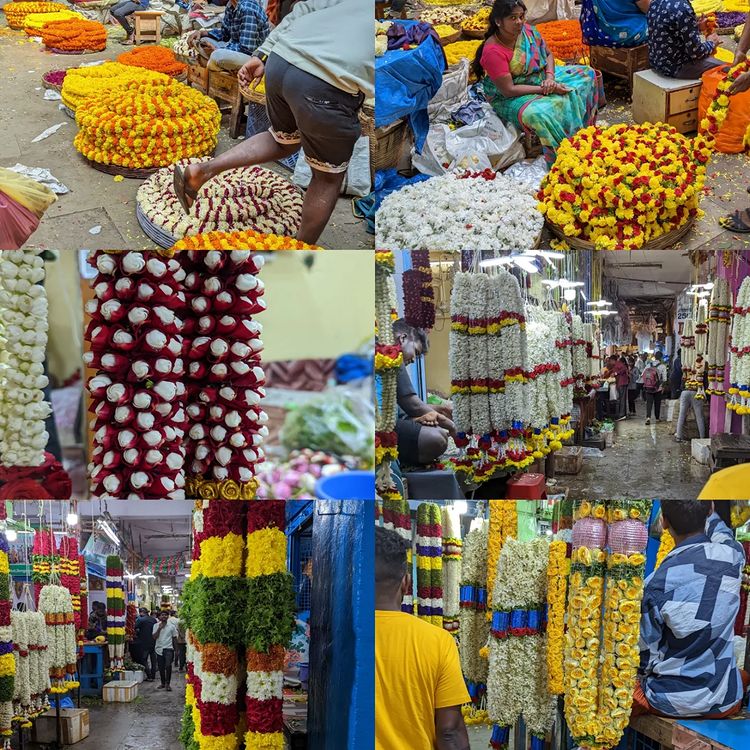
From an investment perspective, polyhouse floriculture in India represents a scalable, asset-backed agribusiness opportunity with predictable production cycles and strong revenue density per acre when professionally managed. Although initial capital requirements are higher than open-field cultivation, the combination of higher yields, superior quality, reduced climatic risk, and improved price realization results in structurally stronger long-term returns. On a 1-acre commercial scale, well-managed polyhouse units cultivating crops such as Gerbera, Carnation, Rose, and Lilium are capable of delivering attractive annual operating margins, 18–30 percent return on investment, and payback periods of 2.5–4 years under subsidy-supported models. For investors and agripreneurs with access to skilled management, reliable market linkages, and disciplined cost control, polyhouse floriculture offers a resilient and commercially viable pathway for sustainable agricultural investment in India.
________________________________________
Checklist before investing in polyhouse floriculture
• Selection of high-demand flower crop
• Access to wholesale or contract markets
• Availability of skilled labour
• Subsidy eligibility and compliance
• Post-harvest and cold-chain support
________________________________________
References and further reading
• National Horticulture Mission (India) manuals
• FAO – Protected floriculture guidelines
• Peer-reviewed studies on polyhouse economics
________________________________________