Overview of protected cultivation systems
Protected cultivation refers to a group of agricultural production systems designed to modify or partially control the growing environment in order to reduce climatic uncertainty, stabilize yields, and improve produce quality. Unlike open-field farming, these systems place a physical structure between the crop and external weather conditions, allowing growers to buffer crops from heat stress, excessive rainfall, wind damage, pest pressure, and seasonal extremes.
At its core, protected cultivation does not mean full climate control in every case. Instead, it represents a spectrum of environmental intervention, ranging from basic shade-based moderation to fully automated, sensor-driven production environments.
• Enabling off-season and year-round production
• Standardizing quality for organized retail and export markets
For commercial growers, this translates into predictable harvest cycles, higher marketable yields, and better price realization.
 ________________________________________
Major categories of protected cultivation systems
________________________________________
Major categories of protected cultivation systems
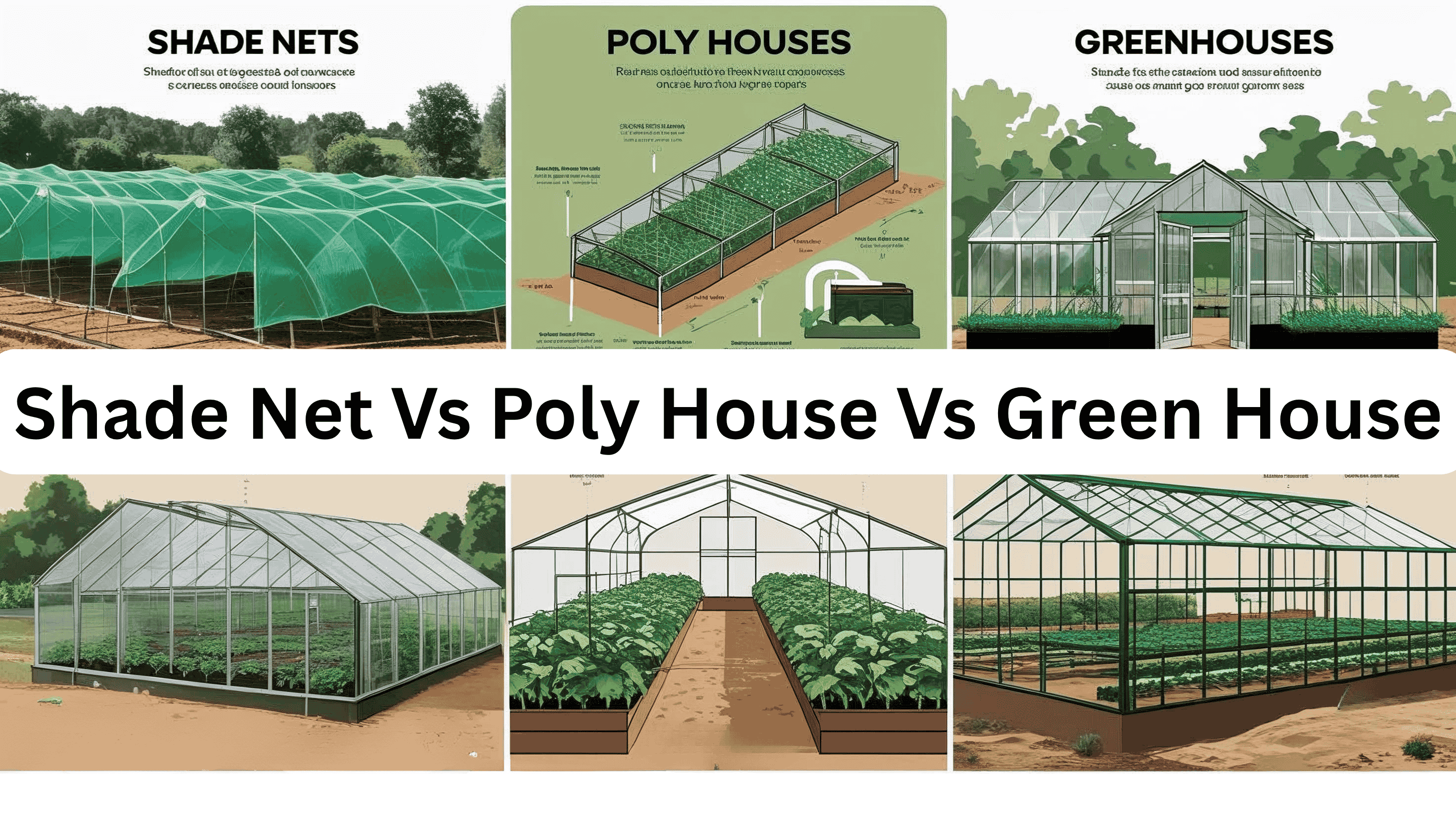
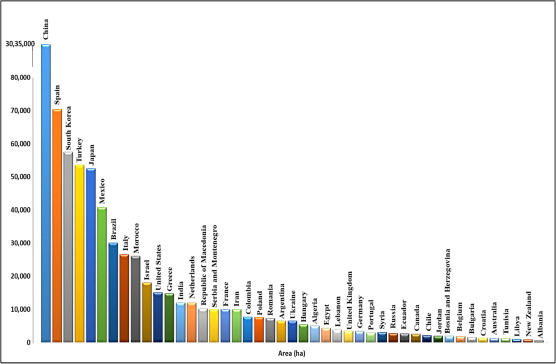
Among the most widely adopted systems globally—and particularly in India—are:
• Shade net houses – entry-level structures focused on light reduction and ventilation
• NFT hydroponic systems – soil-less production systems emphasizing nutrient and water precision
• Polyhouses – polyethylene-covered structures offering moderate to high climate control
• Glass greenhouses – high-technology facilities with near-complete environmental regulation
Each of these systems:
• Operates at a different capital investment level
• Offers a distinct degree of climate modification
• Supports specific crop types based on plant physiology
• Suits different agro-climatic zones and commercial objectives
 ________________________________________
Environmental control: a gradient, not a binary choice
________________________________________
Environmental control: a gradient, not a binary choice
Protected cultivation should be understood as a graduated control model, not an all-or-nothing approach:
• Some structures mainly filter sunlight and airflow
• Others regulate temperature, humidity, and moisture
• Advanced systems actively manage CO₂ concentration, photoperiod, and evapotranspiration
The choice of system depends on:
• Crop sensitivity to temperature and light
• Root-zone requirements (soil vs soil-less)
• Local climate severity
• Target market (local fresh market vs export)
________________________________________
Relationship between structure, crop biology, and economics
A key principle of protected cultivation is matching crop biology with structural capability:
• Leafy greens with shallow roots and short cycles thrive under low to moderate protection
• Fruiting vegetables with long harvest windows require stable temperature and humidity
• High-value crops demand maximum consistency and precision
Over-investing in infrastructure for a low-value crop reduces profitability, while under-protecting a sensitive crop increases risk. Therefore, commercial success lies in selecting the simplest structure that meets the crop’s biological needs and market expectations.
________________________________________
Strategic role in Indian agriculture
In India, protected cultivation plays a critical role in:
• High-temperature and high-radiation zones
• Rain-prone regions with disease pressure
• Urban and peri-urban fresh produce supply
• Contract farming and organized retail chains
Government support schemes, private investment, and rising consumer demand for clean, uniform produce have accelerated adoption across multiple scales—from small farmers to large agri-enterprises.
________________________________________
This overview sets the foundation for understanding how and why different protected cultivation systems exist. The sections that follow will examine each structure individually, detailing how it modifies climate, what materials it uses, which crops it supports best, and where it fits commercially.
Shade net house: low-cost climate moderation system
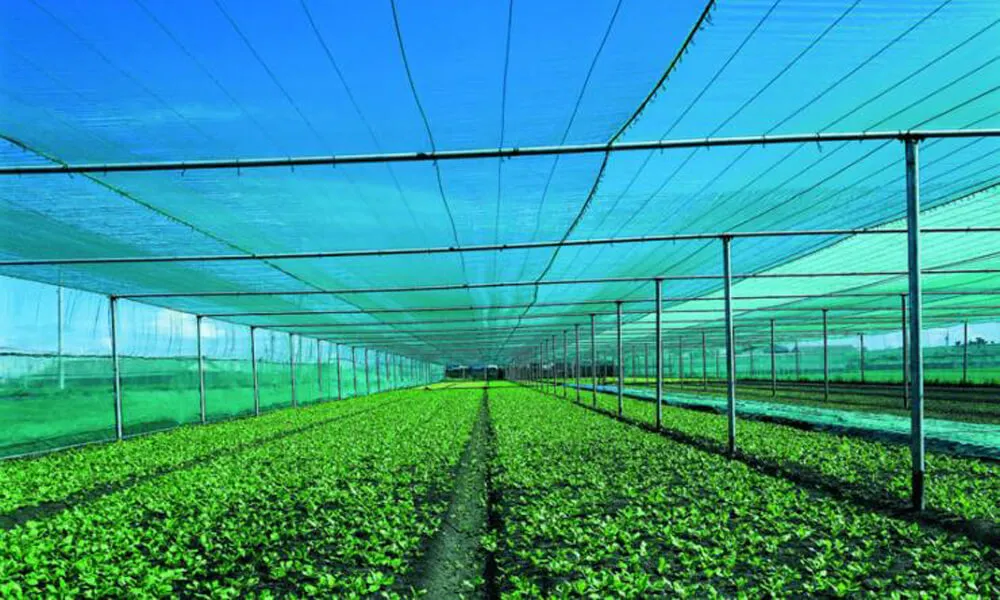
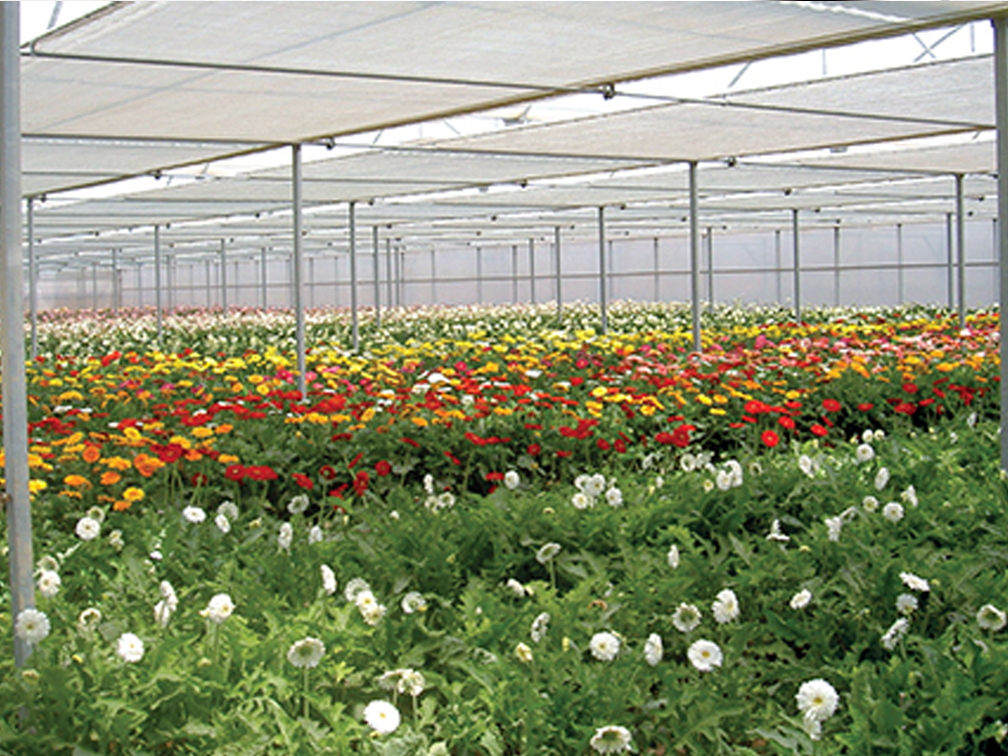
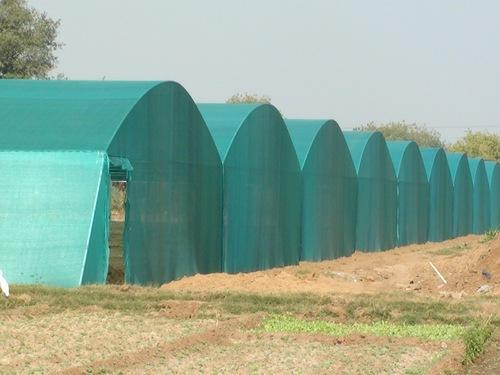
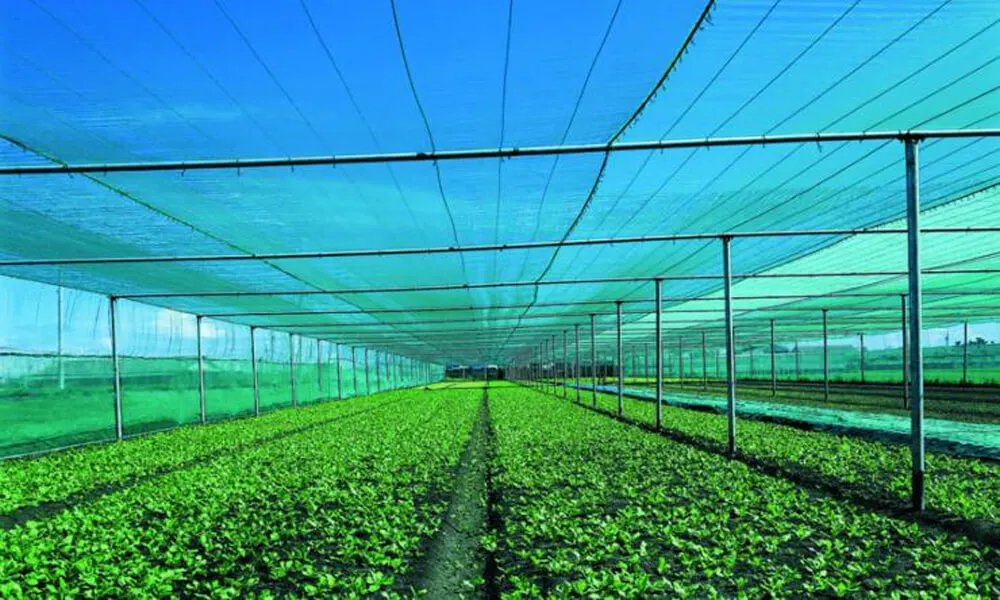
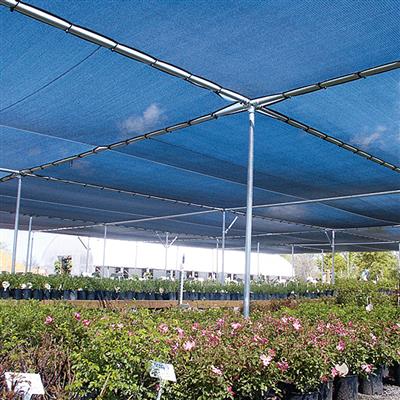
Shade net houses are entry-level protected cultivation structures designed to moderate, not control, the crop microclimate. Their primary function is to filter excessive solar radiation, reduce wind velocity, and lower evapotranspiration stress, while still relying on natural airflow and ambient conditions. Because of this limited but effective intervention, shade net houses sit at the lowest cost and lowest complexity end of the protected cultivation spectrum.
________________________________________
Structural design and engineering logic
________________________________________
Shade net material: density, color, and function
 ________________________________________
Climate modification: what a shade net house actually does
________________________________________
Climate modification: what a shade net house actually does
Shade net houses do not create a controlled climate. Instead, they provide microclimate moderation:
• Light: Reduces solar radiation by 30–75%, preventing leaf scorching
• Temperature: Lowers canopy temperature by 2–5°C compared to open field
• Wind: Reduces wind speed, preventing mechanical crop damage
• Humidity: Slightly higher than open field due to reduced evapotranspiration
• Rain: Partial protection; fine rain passes through, heavy rain impact is reduced
Importantly:
• Night temperature remains same as outside
• Humidity cannot be actively controlled
• Performance depends heavily on local climate
________________________________________
Agronomic suitability: why certain crops work best
Shade net houses favor crops that:
• Have short growth cycles
• Are leaf-dominant, not fruit-load-dominant
• Do not require strict temperature or humidity control
• Can tolerate natural day–night fluctuations
Best-suited crops (with reasoning)
• Leafy vegetables (spinach, coriander, fenugreek):
o Benefit from reduced heat stress
o Improved leaf tenderness and color
• Short-cycle greens (amaranthus, baby leaf mixes):
o Faster turnover improves economics
• Herbs (mint, dill, parsley, basil in mild seasons):
o Reduced leaf burn and moisture stress
• Nursery seedlings:
o Protection during early growth stages
o Uniform hardening before transplanting
Shade net houses are not ideal for:
• Long-duration fruiting crops (tomato, capsicum)
• Crops sensitive to humidity-related diseases
• Year-round production in extreme climates
________________________________________
Geographic and climatic suitability
Shade net houses perform best in:
• High solar radiation zones
• Hot but dry or moderately humid regions
• Areas with stable ambient temperatures
In India, they are widely adopted in:
• Semi-arid and tropical regions
• Plateau and inland zones
• Peri-urban vegetable belts
They are less effective in:
• High rainfall coastal belts
• Cold regions requiring temperature retention
• Very humid zones with persistent disease pressure
________________________________________
Commercial applications and scale
Shade net houses are commonly used for:
• Small and medium farmers entering protected cultivation
• Nursery operators supplying seedlings
• Seasonal vegetable production
• Risk reduction, not yield maximization
Commercial characteristics:
• Lowest capital investment among protected systems
• Low operating costs
• Quick return on investment for fast-growing crops
• Limited scope for premium or export markets
They are often used as:
• A starting point before upgrading to polyhouses
• A support structure alongside open-field farming
• A nursery base feeding larger protected facilities
________________________________________
Advantages and limitations
Key advantages
• Affordable and simple to operate
• Minimal technical skill required
• Low energy dependence
• Flexible crop planning
Key limitations
• No protection from cold stress
• Limited disease control
• No year-round consistency
• Strong dependence on external weather
________________________________________
Role in protected cultivation hierarchy
Shade net houses represent the foundation layer of protected cultivation. They are ideal where:
• Climate risk exists but is not extreme
• Capital availability is limited
• Crops do not justify higher infrastructure costs
They serve as a bridge between open-field farming and fully protected systems, offering growers their first exposure to climate-moderated production.
NFT hydroponic system: precision leafy green production
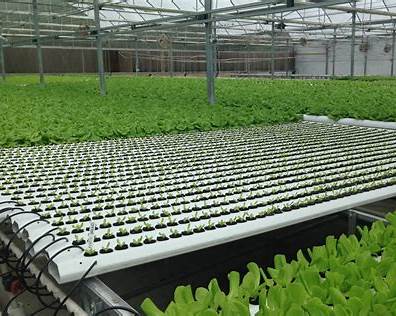
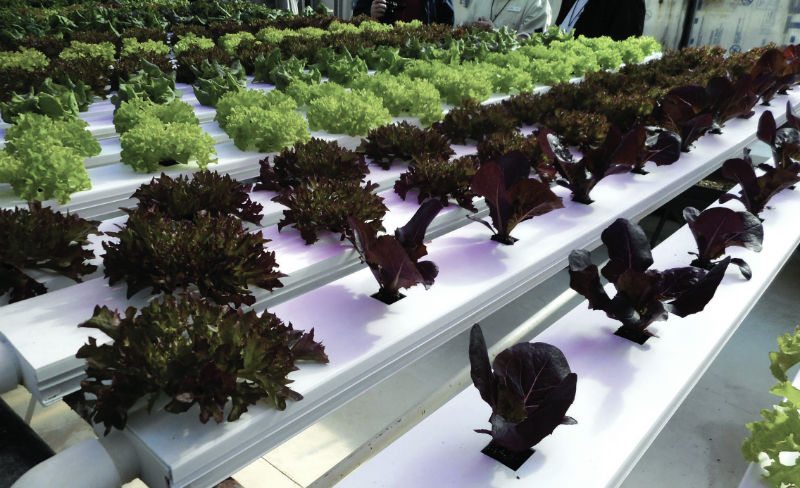
NFT (Nutrient Film Technique) hydroponics is a high-precision, soil-less cultivation system in which plant roots are continuously exposed to a thin, shallow stream of recirculating nutrient solution. Instead of growing in soil, plants are supported in channels, and their roots absorb water, oxygen, and nutrients directly from the flowing solution. This design enables exceptional control over root-zone conditions, making NFT one of the most efficient systems for commercial leafy green production.
 ________________________________________
System design and operating principle
________________________________________
System design and operating principle
The defining feature of NFT is the nutrient film:
• A very shallow layer of nutrient solution (1–3 mm depth)
• Flowing continuously along a slightly sloped channel
• Roots form a mat at the channel base, absorbing nutrients while remaining oxygen-rich
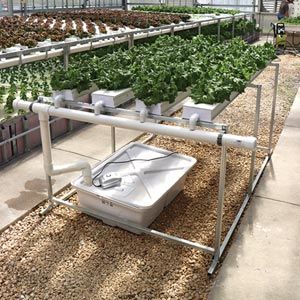
Core components include:
• Grow channels (food-grade PVC or HDPE)
• Plant holders (net pots or collars)
• Nutrient reservoir
• Recirculation pump
• Return lines and filters
Because only a thin film of solution is used:
• Roots receive simultaneous access to nutrients and oxygen
• Water stagnation is avoided
• Nutrient efficiency is maximized
________________________________________
Root-zone control: the real strength of NFT
Unlike soil-based systems, NFT allows direct manipulation of the root environment, which is critical for leafy crops.
Key controllable parameters:
• Electrical conductivity (EC): precise nutrient concentration
• pH: optimal nutrient availability
• Dissolved oxygen: ensured by continuous flow
• Temperature of nutrient solution: affects root respiration
This level of control results in:
• Faster vegetative growth
• Uniform crop development
• Predictable harvest timelines
________________________________________
Climate interaction: why NFT needs protection
Although NFT precisely controls the root zone, it offers no inherent protection to the canopy. Therefore, it is almost always operated inside a protected structure such as:
• Shade net house (basic setups)
• Polyhouse
• Glass greenhouse
Climate factors affecting NFT performance:
• High air temperature raises solution temperature, stressing roots
• Low humidity increases transpiration, leading to nutrient imbalance
• Power failure can rapidly cause crop loss due to root drying
For this reason, NFT systems perform best where:
• Temperature is moderated
• Airflow is controlled
• Backup power is available
________________________________________
Materials used and system configuration
Common materials:
• Channels: UV-stabilized PVC or HDPE, flat-bottom or gull-wing design
• Frame: GI or aluminum racks
• Reservoirs: Food-grade plastic tanks
• Plumbing: PVC pipes, valves, flow regulators
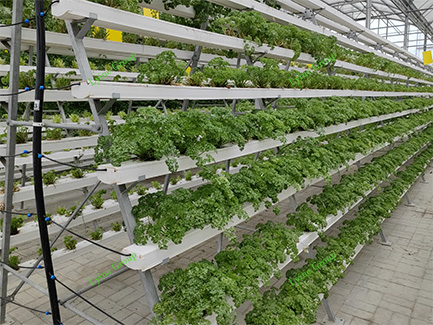
System layouts:
• Horizontal NFT: Common for lettuce and herbs
• A-frame or vertical NFT: Space-efficient, higher plant density
• Multi-tier racks: Used in controlled environments
Typical lifespan:
• Channels: 8–10 years
• Pumps and fittings: 2–4 years (maintenance dependent)
 ________________________________________
Crop suitability: biological reasoning
________________________________________
Crop suitability: biological reasoning
NFT systems are best suited for crops that:
• Have shallow, fibrous root systems
• Are leaf-dominant, not fruit-load-intensive
• Have short growth cycles
• Do not require physical root anchorage
Ideal crops and why they work
• Lettuce (all types):
o Fast growth and uniform head formation
o Excellent response to controlled nutrition
• Pak Choi, kale, Swiss chard:
o High nutrient uptake efficiency
• Spinach, arugula:
o Clean leaves with minimal disease pressure
• Herbs (basil, mint):
o Strong aroma and oil profile under precise nutrition
• Baby leaf greens:
o Very high turnover and premium pricing
NFT is not suitable for:
• Fruiting crops (tomato, cucumber)
• Root crops
• Large perennial plants
________________________________________
Water, nutrient, and resource efficiency
NFT is one of the most resource-efficient cultivation systems available:
• Up to 90% water savings compared to soil cultivation
• Nutrients are recirculated, reducing fertilizer loss
• Minimal runoff and environmental pollution
• Clean production with no soil-borne weeds
This efficiency makes NFT highly attractive in:
• Water-scarce regions
• Urban and peri-urban farming
• Controlled-environment agriculture
________________________________________
Commercial applications and scale
NFT systems are widely used for:
• Commercial leafy green farms
• Urban hydroponic units
• Institutional and retail supply chains
• Premium fresh produce markets
Commercial characteristics:
• High plant density per square meter
• Short crop cycles (20–35 days)
• Predictable weekly harvests
• Requires trained operators
NFT farms are often:
• Integrated with cold-chain logistics
• Operated under contract farming models
• Located close to consumption centers
________________________________________
Limitations and risk factors
Despite its efficiency, NFT has critical dependencies:
• Continuous power supply is essential
• Pump or flow failure can cause crop loss within hours
• Sensitive to temperature extremes
• Requires regular monitoring and data discipline
Mitigation strategies include:
• Backup power systems
• Redundant pumps
• Temperature insulation of reservoirs
• Skilled technical oversight
________________________________________
Position in protected cultivation hierarchy
NFT hydroponics represents a technology-driven leap from soil-based protected systems. It is best suited for growers who:
• Target high-value, fast-moving leafy crops
• Can manage technical systems reliably
• Operate in protected environments
NFT is not merely a structure but a production methodology, and its success depends on integrating engineering, plant physiology, and disciplined management.
Shade net houses and NFT hydroponic systems represent the early and intermediate stages of protected cultivation, where the primary objective is stress reduction, efficiency, and rapid crop turnover rather than full climate domination. These systems are particularly effective for leafy vegetables, nurseries, and short-cycle production where simplicity and resource efficiency drive profitability. However, as crop duration increases and market expectations shift toward consistency and volume, higher levels of environmental control become essential.
In the next article, we move beyond root-zone precision to examine polyhouses and glass greenhouses—structures designed for long-duration, high-value commercial production.