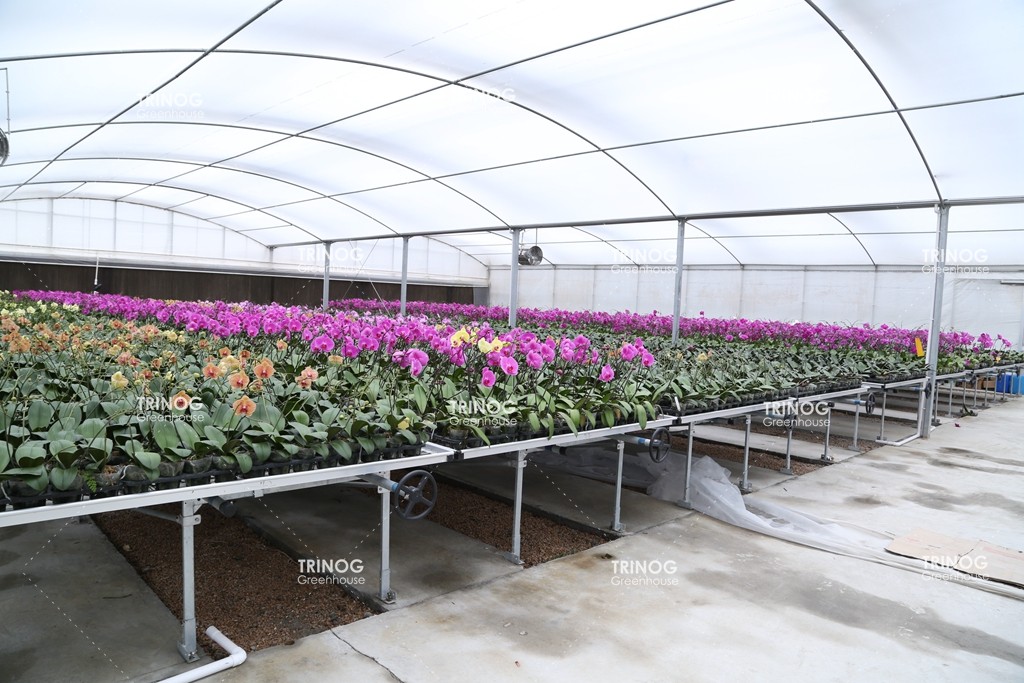
Introduction to Phalaenopsis Orchid Cultivation
Phalaenopsis orchids, commonly referred to as moth orchids, occupy the highest-value segment of the global potted ornamental plant industry. Their dominance is driven by long flower longevity, broad consumer acceptance, transport resilience, and premium pricing. However, these commercial advantages are counterbalanced by extreme sensitivity to environmental fluctuations.
Unlike field-grown floriculture crops, Phalaenopsis evolved as epiphytic species in stable tropical forest ecosystems where temperature, humidity, and light conditions remain relatively constant throughout the year. Even short-term deviations from optimal climate conditions can disrupt vegetative growth, delay spike initiation, reduce flower size, or permanently compromise plant marketability.
Global Context: Why Phalaenopsis Requires High-Control Structures
Worldwide, large-scale Phalaenopsis production is concentrated in countries such as the Netherlands, Taiwan, China, Japan, Germany, and the United States. Despite wide climatic variation, producers converge on one fact: commercial Phalaenopsis is grown almost exclusively in glass greenhouse systems.
Key global learnings include:
• Partial climate control increases biological variability
• Variability reduces flowering uniformity
• Non-uniformity directly reduces commercial value
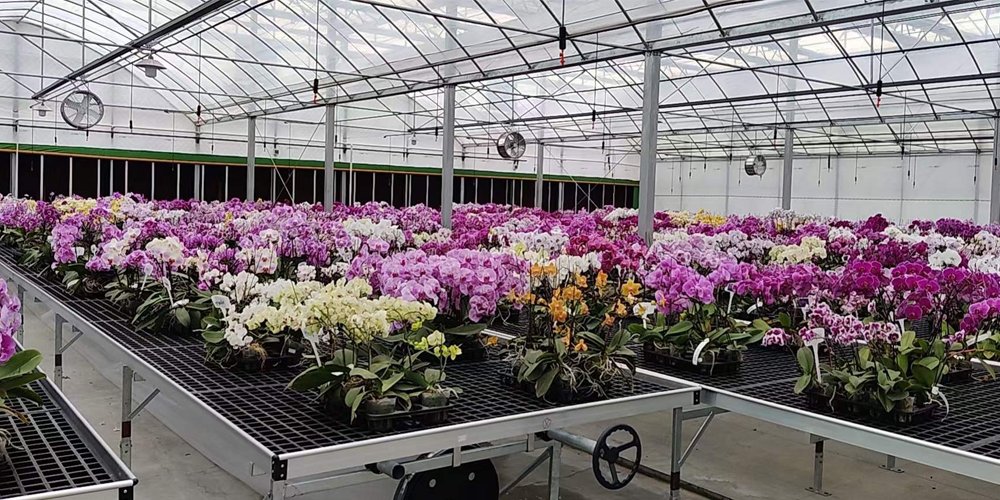
Botanical and Growth Characteristics of Phalaenopsis
Botanical profile
• Genus: Phalaenopsis
• Family: Orchidaceae
• Growth habit: Monopodial epiphyte
• Economic product: Flower spikes / potted flowering plants
• Production lifespan: 5–8 years under optimal management
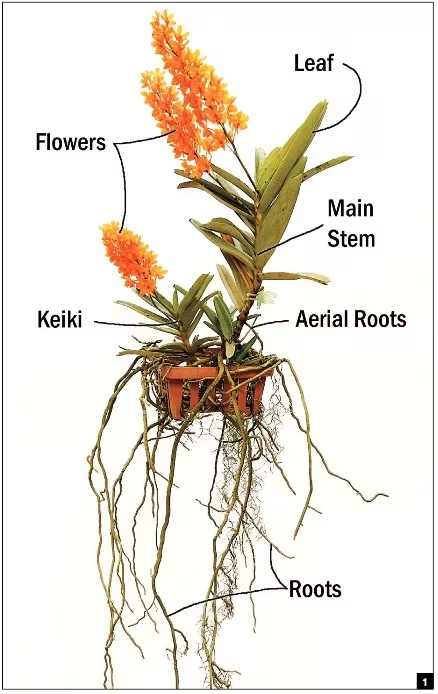
Phalaenopsis grows from a single vertical stem (monopodial axis). Leaves emerge sequentially from the crown, while flower spikes arise from dormant axillary buds. Damage to the crown or prolonged physiological stress has irreversible consequences.
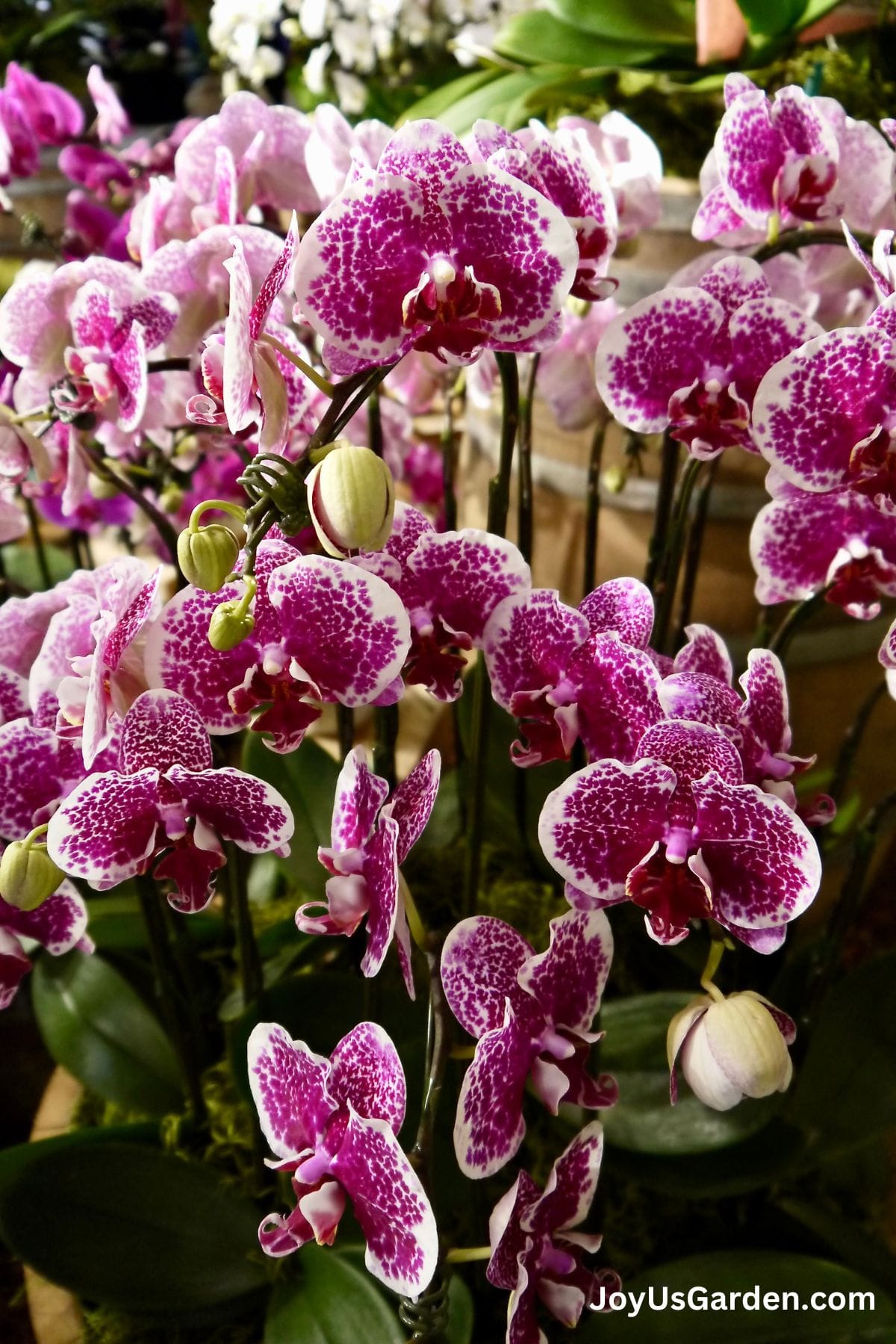
Vegetative Architecture and Growth Habit
The vegetative architecture of Phalaenopsis is characterized by thick, leathery leaves arranged in a basal rosette. These leaves act as the primary photosynthetic and carbohydrate storage organs.
Key physiological implications:
• Limited internal buffering against stress
• High dependence on uninterrupted photosynthesis
• Strong coupling between vegetative health and spike quality
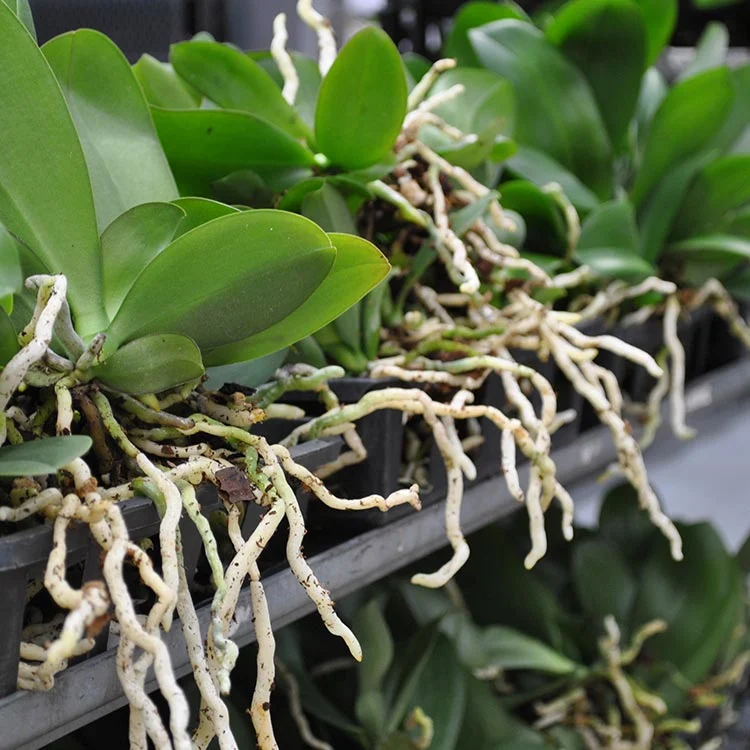
Root System and Epiphytic Adaptation
Phalaenopsis roots are aerial and covered with a multi-layered velamen tissue. This structure enables rapid water absorption while maintaining gas exchange. Roots are highly sensitive to oxygen deprivation and prolonged moisture retention.
Cultivation implications:
• Roots require frequent wet–dry cycles
• Oxygen availability is critical
• Poor drainage or excess humidity rapidly leads to root decay
Polyhouse Cultivation of Phalaenopsis: Structural Capabilities and Biological Limits
Structural Characteristics of Polyhouse Systems
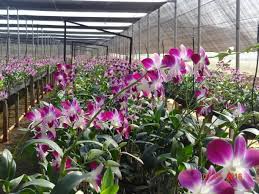
Polyhouses are typically constructed using galvanized iron frames covered with UV-stabilized polyethylene film. Ventilation is achieved through side curtains, roof vents, or limited fan assistance. These structures are widely adopted in Indian floriculture due to lower capital cost and ease of construction.
However, Phalaenopsis orchids impose biological demands that exceed the design intent of conventional polyhouse systems.
Typical polyhouse features:
• Passive or semi-passive ventilation
• Limited thermal insulation
• High dependence on ambient climate
• Manual or semi-automated irrigation
Temperature Instability in Polyhouses
Phalaenopsis requires tight temperature bands for both vegetative growth and flower induction. Polyhouses, by design, respond rapidly to external temperature fluctuations.
Observed limitations:
• Daytime overheating during summer months
• Rapid night-time cooling in winter
• Poor control over diurnal temperature differential
Biological consequences:
• Irregular leaf expansion
• Delayed or aborted spike initiation
• Increased physiological stress during critical growth phases
These issues become more pronounced in tropical and subtropical Indian regions, where ambient temperatures frequently exceed optimal thresholds.
Humidity and Air Movement Constraints
Maintaining relative humidity between 70–85% is critical for Phalaenopsis root and leaf health. Polyhouses struggle to sustain this range consistently.
Common problems:
• Excess humidity during monsoon periods
• Insufficient humidity during dry seasons
• Poor air circulation near plant canopy
Resulting risks:
• Fungal disease proliferation
• Stagnant air layers around leaves
• Increased condensation on foliage and crowns
Light Management Challenges
Polyhouse light control relies primarily on shade nets and film properties. While this approach is sufficient for many ornamentals, it lacks the precision required for Phalaenopsis.
Issues encountered:
• Uneven light distribution
• Excessive light during peak solar hours
• Insufficient diffusion under low sun angles
Impact on plants:
• Leaf scorching
• Reduced photosynthetic efficiency
• Non-uniform plant development across benches
________________________________________
Commercial Outcomes Under Polyhouse Conditions
From a production perspective, polyhouses may allow Phalaenopsis survival but rarely support consistent commercial performance.
Typical outcomes:
• High variability in flowering time
• Non-uniform spike length
• Inconsistent flower size and count
• Reduced shelf-life post-harvest
As a result, polyhouse-grown Phalaenopsis is generally limited to:
• Small-scale trials
• Hobby or learning operations
• Non-premium local markets
Glass Greenhouse Cultivation of Phalaenopsis: Industry Standard System
Structural Design of Glass Greenhouses
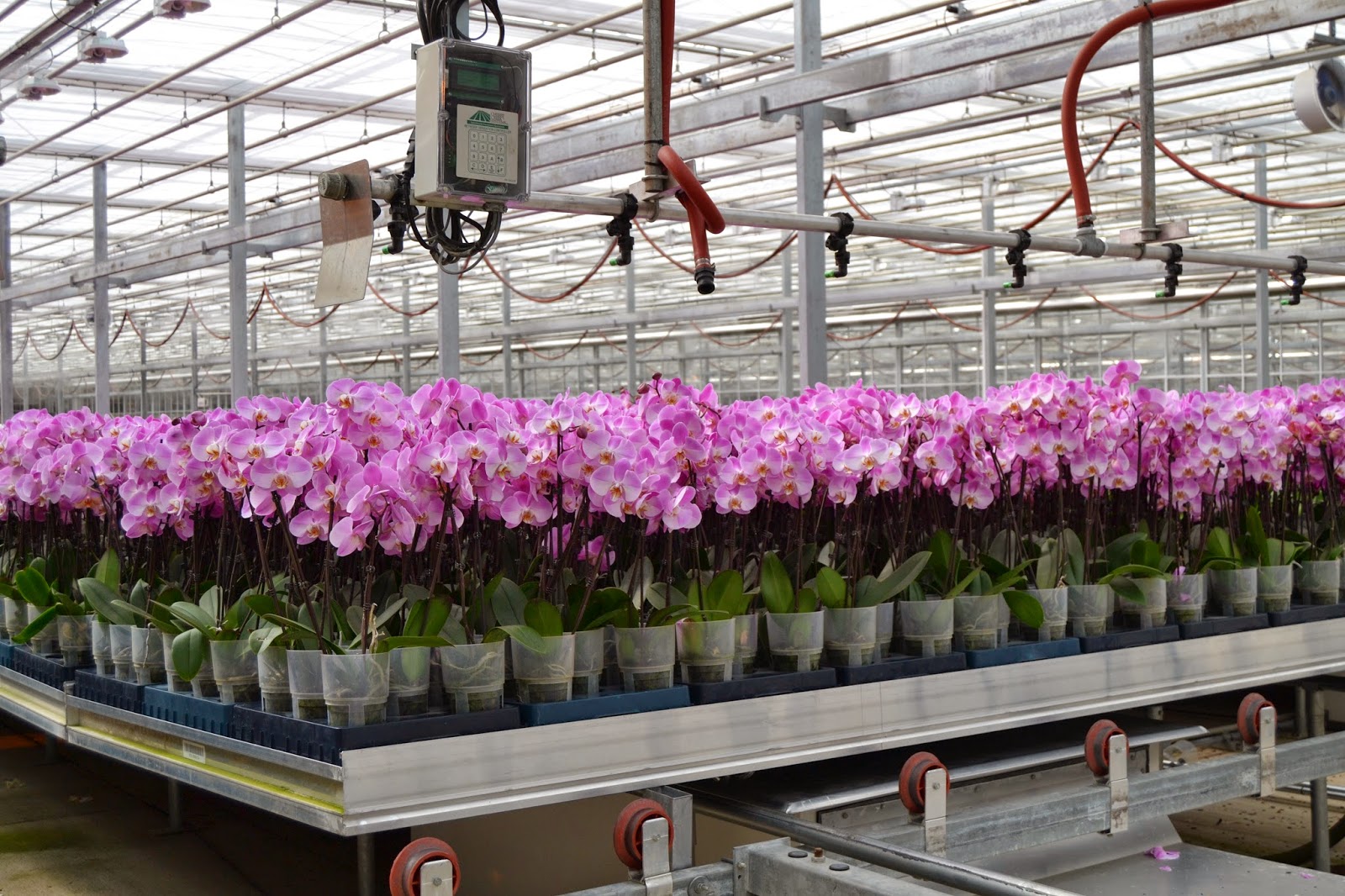
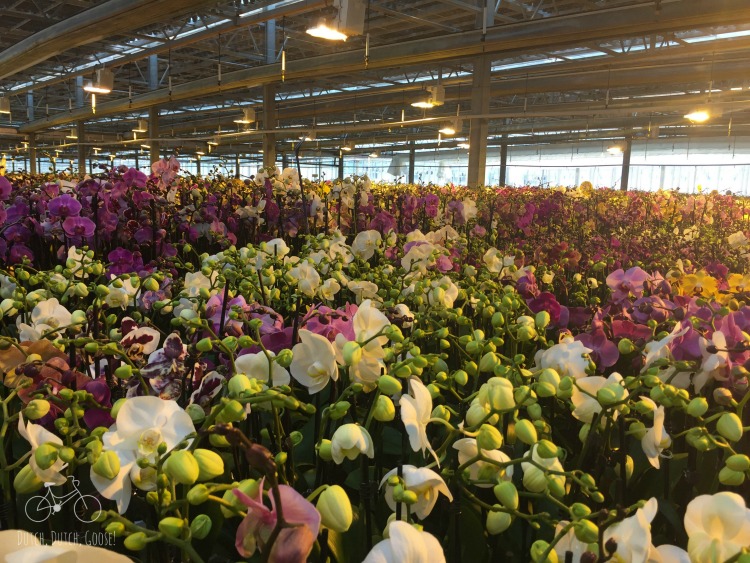
Glass greenhouses are engineered structures designed for maximum environmental control. They incorporate rigid frames, high-transmission glazing, and fully integrated climate systems.
These structures are the global standard for Phalaenopsis production because they decouple crop conditions from external climate variability.
Environmental Control Capabilities
Glass greenhouses enable precise control over:
• Temperature (day, night, and DIF control)
• Relative humidity
• Air velocity and circulation
• Light intensity and diffusion
• CO₂ concentration
Key advantages:
• Stable microclimate year-round
• Programmable climate setpoints
• Rapid response to environmental deviations
This level of control is essential for managing the physiological triggers required for spike initiation and flower development.
Layout, Benching, and Workflow Optimization
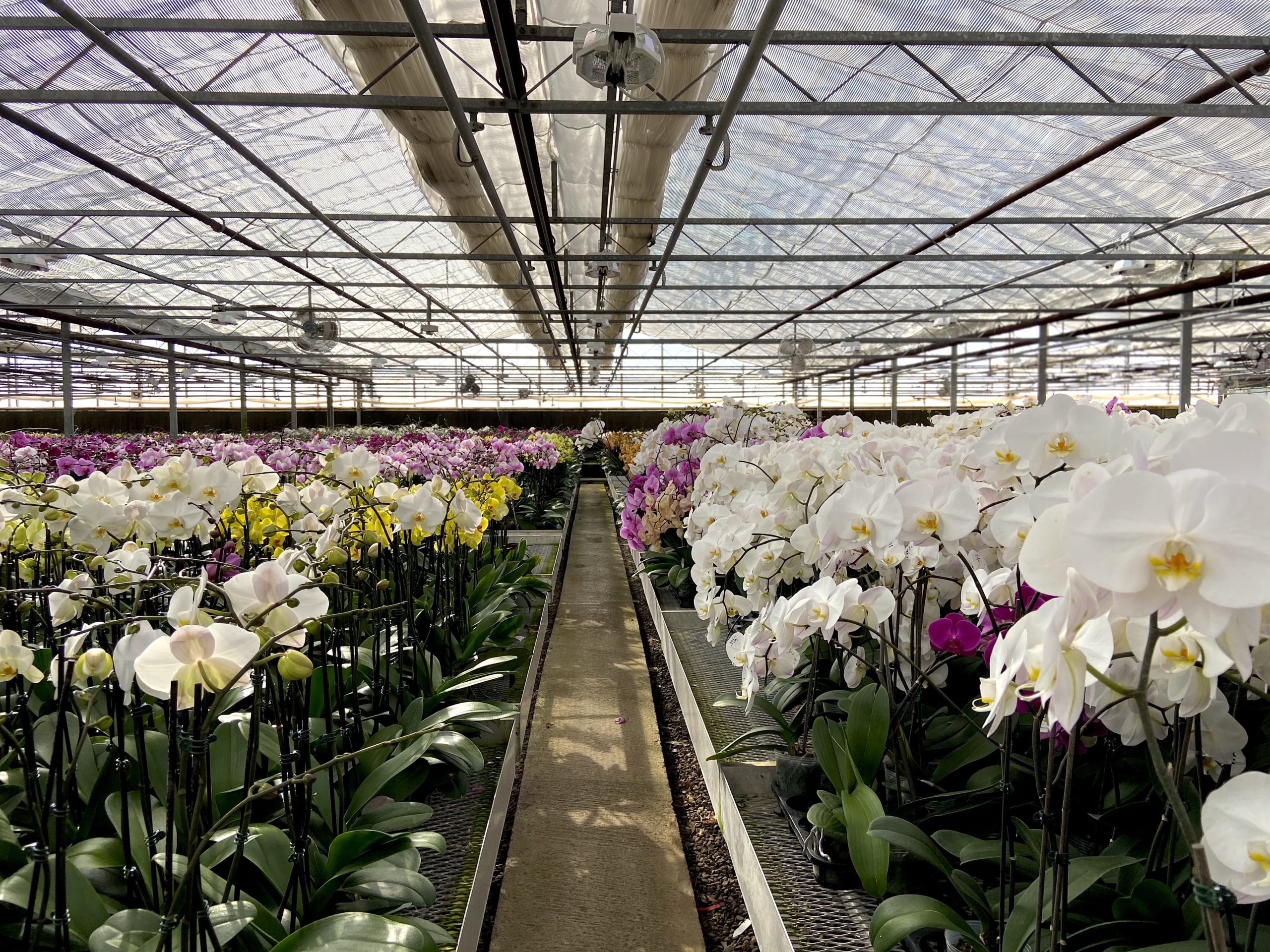
Glass greenhouse systems support optimized internal layouts that improve both plant performance and labor efficiency.
Common design elements:
• Raised ebb-and-flow or mesh benches
• Uniform airflow corridors
• Zoned climate compartments
• Centralized irrigation and fertigation rooms
Operational benefits:
• Improved root aeration
• Reduced disease spread
• Efficient crop monitoring
• Predictable production scheduling
Comparative Summary: Polyhouse vs Glass Greenhouse (Structural Perspective)
Polyhouse
• Lower initial investment
• High dependence on ambient climate
• Limited environmental precision
• Suitable only for non-commercial or experimental Phalaenopsis cultivation
Glass Greenhouse
• Higher capital investment
• Full climate independence
• Precise control over plant physiology
• Industry-standard system for premium Phalaenopsis production
Climate Control, Automation, and Environmental Engineering for Phalaenopsis
Why Climate Precision Determines Commercial Success
Phalaenopsis orchids respond to narrow environmental thresholds. Unlike many ornamentals that tolerate broad fluctuations, Phalaenopsis requires tightly controlled temperature, humidity, light, and air movement to synchronize vegetative growth with flowering induction.
Even short-term deviations—especially during spike initiation—can permanently alter flowering outcomes, making climate control the single most critical technical component of commercial Phalaenopsis production.
Temperature Management and Flower Induction Physiology
Temperature directly regulates both vegetative growth and floral induction in Phalaenopsis.
Optimal temperature targets:
• Vegetative growth: 24–28 °C
• Flower induction phase: 18–22 °C
• Night temperature consistency: critical for spike uniformity
Physiological implications:
• Sustained high temperatures suppress spike initiation
• Abrupt temperature drops cause stress-induced abortion
• Controlled day–night temperature differential (DIF) enables predictable flowering cycles
Glass greenhouses allow programmable temperature transitions, which are nearly impossible to achieve consistently in polyhouse systems.
Relative Humidity and Vapor Pressure Deficit (VPD)
Relative humidity directly affects transpiration, nutrient uptake, and root-zone oxygen balance.
Target humidity range:
• 70–85% RH
Below optimal RH:
• Excessive transpiration
• Leaf dehydration
• Reduced nutrient transport
Above optimal RH:
• Condensation on leaves and crowns
• Increased fungal and bacterial disease risk
• Reduced gas exchange at the root surface
Modern orchid greenhouses manage VPD rather than RH alone, balancing temperature and moisture to stabilize plant water relations.
Light Intensity, Diffusion, and Photoperiod Control
Phalaenopsis requires low to moderate light compared to most floriculture crops, but light quality and uniformity are more important than total intensity.
Recommended light parameters:
• Intensity: 8,000–12,000 lux
• Light type: Diffused, non-directional
• Photoperiod: 12–14 hours (depending on growth stage)
Common glass greenhouse solutions:
• High-diffusion glazing
• Retractable shading screens
• Supplemental LED lighting during low-light seasons
Polyhouses often suffer from uneven light gradients, leading to variable plant size and asynchronous flowering.
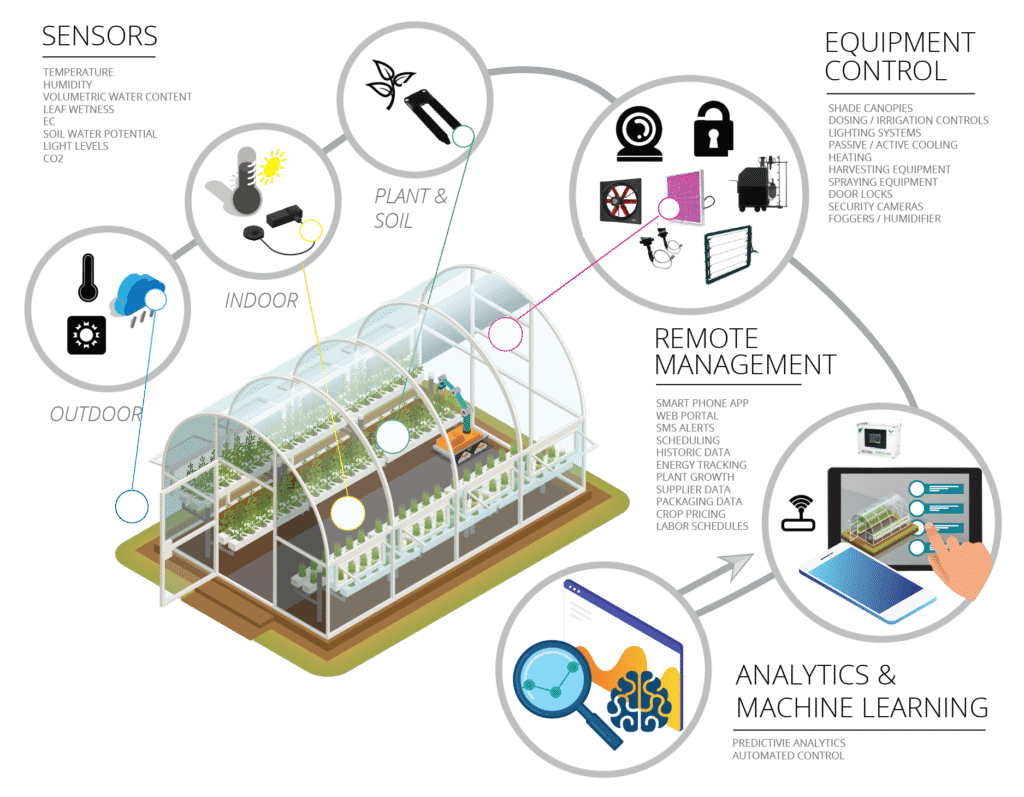
Automation and Centralized Greenhouse Control
Automation converts greenhouse management from a reactive process into a predictive one. In Phalaenopsis cultivation, automation is not a luxury—it is a biological necessity.
Key automated systems include:
• Climate computers
• Sensor-driven heating and cooling
• Automated shading
• CO₂ enrichment control
• Alarm systems for climate deviations
Operational advantages:
• Uniform crop development
• Reduced labor dependency
• Lower human error
• Consistent quality across batches
Fogging, Misting, and Microclimate Stabilization
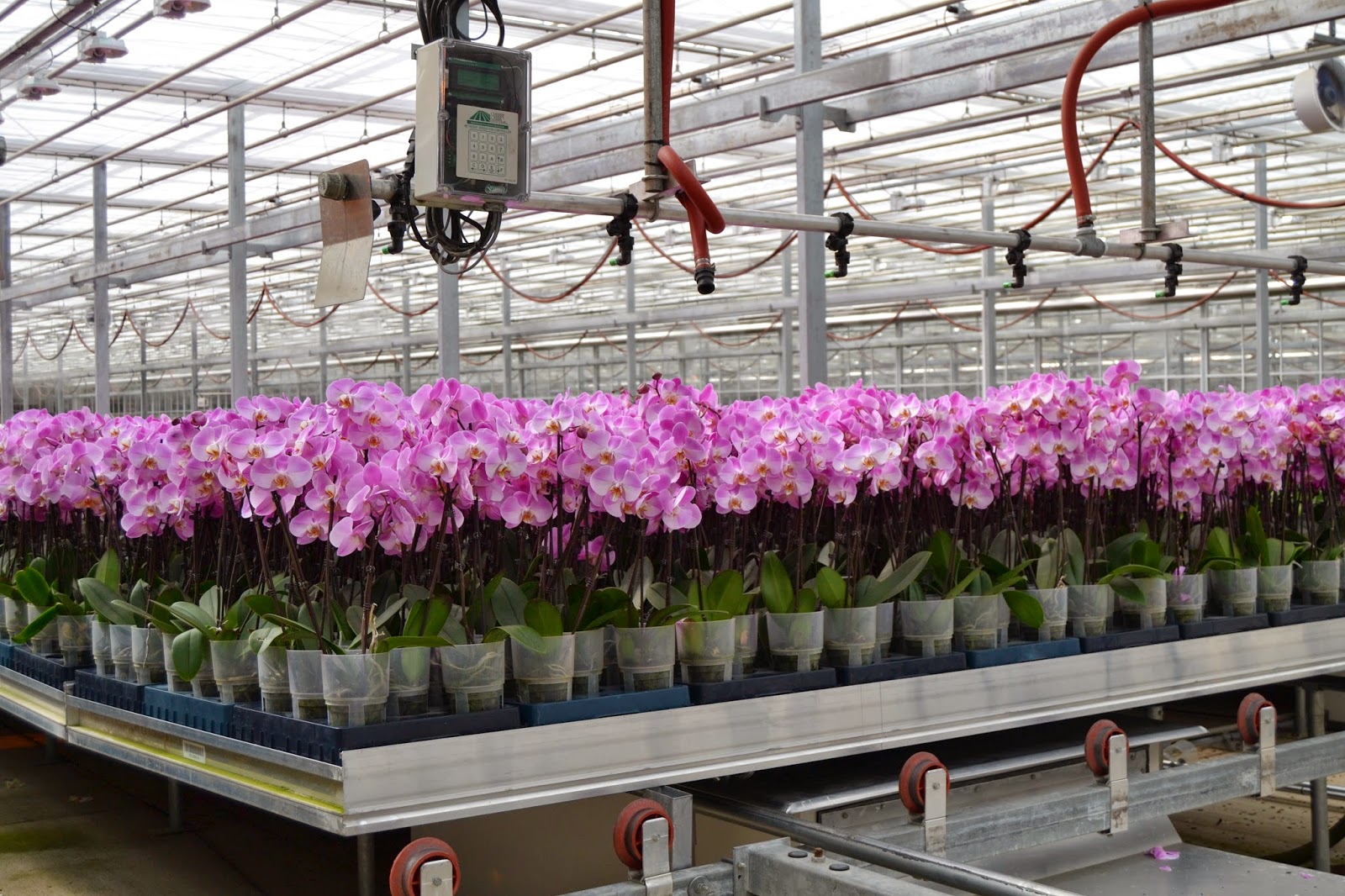
High-Pressure Fogging Systems
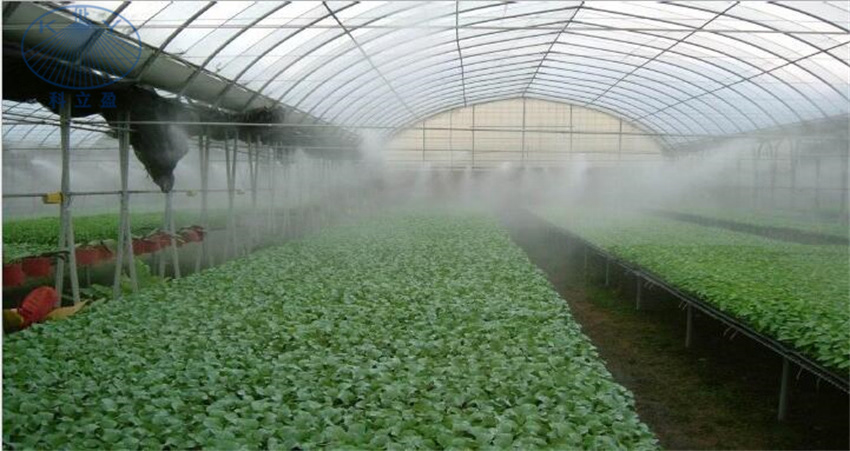
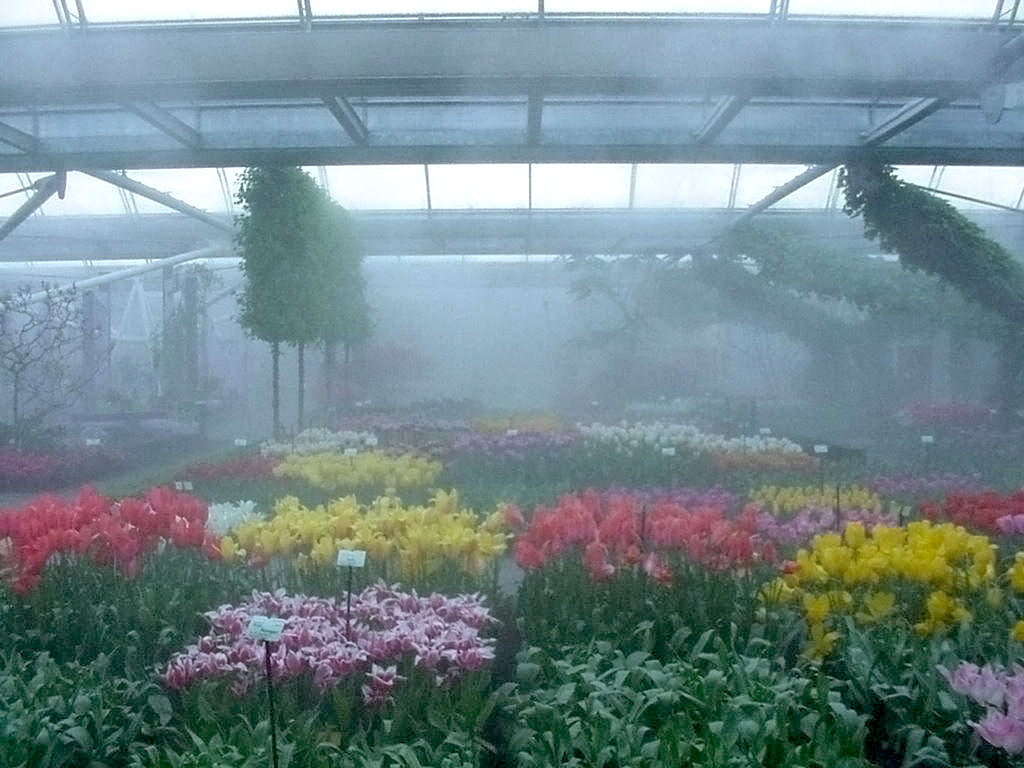
Fogging systems atomize water into ultra-fine droplets that evaporate before settling, reducing temperature while increasing humidity without wetting foliage.
Benefits:
• Rapid humidity correction
• Canopy-level cooling
• Reduced leaf wetness compared to misting
Overhead Misting Systems
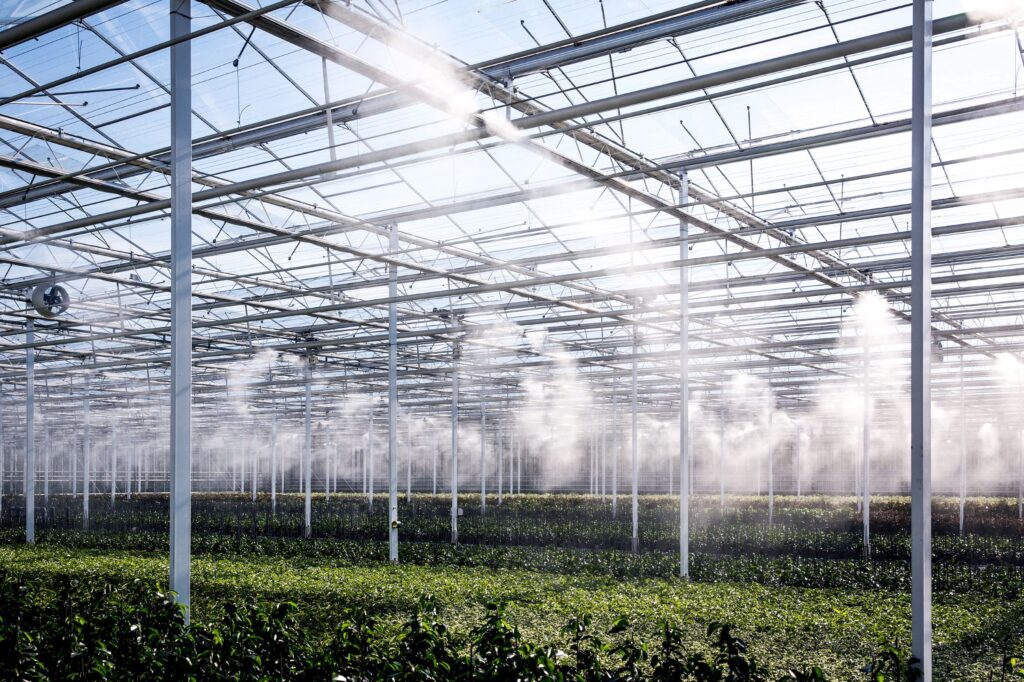
Misting systems release larger droplets and are often used during early growth stages or in combination with fogging.
Limitations:
• Risk of leaf wetting
• Potential disease spread if mismanaged
• Requires precise timing and airflow coordination
Dedicated Mist Chambers
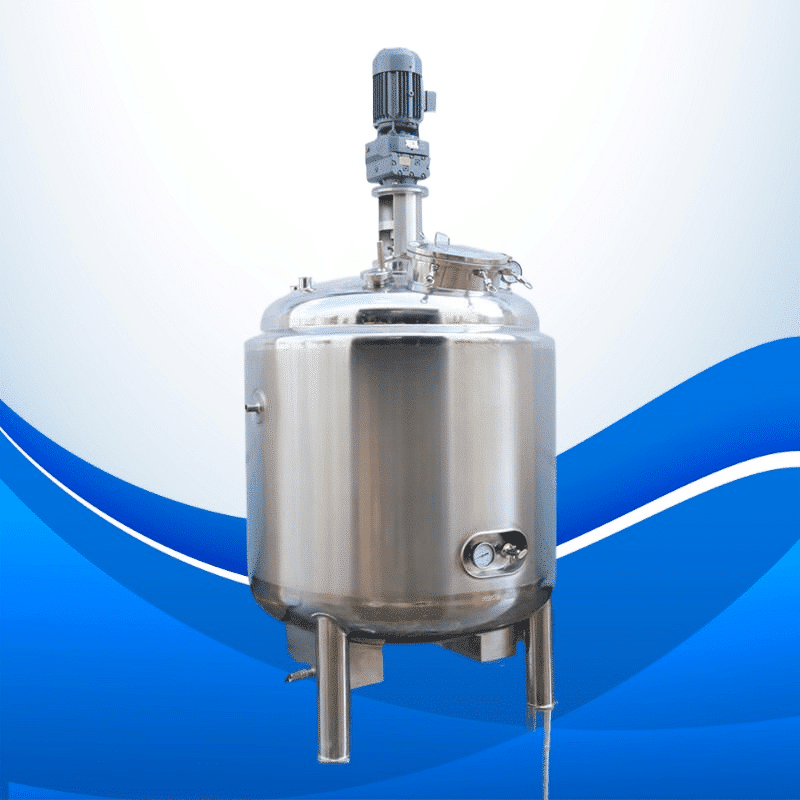
Mist chambers are typically used for:
• Young plant acclimatization
• Tissue-cultured plant hardening
• Root recovery after transplanting
•
They provide extremely stable microclimates but are unsuitable for full production cycles.
Air Circulation and Boundary Layer Management
Uniform air movement prevents the formation of stagnant boundary layers around leaves and roots.
Design objectives:
• Gentle, continuous airflow
• No direct drafts on plants
• Uniform air exchange across benches
Proper airflow:
• Reduces fungal infection pressure
• Improves transpiration balance
• Enhances nutrient uptake efficiency
What Comes Next?
This article explained why Phalaenopsis orchids demand glass greenhouse systems from a biological and engineering perspective. For growers and investors looking to understand how to grow, manage diseases, select suitable varieties, schedule production, and evaluate commercial viability in India, the operational and business aspects are covered in the next article.
👉 Continue reading:
Commercial Phalaenopsis Orchid Production in India: Varieties, Diseases, and Market Economics