Introduction
Oyster mushroom cultivation has gained increasing relevance in protected agriculture systems due to its low substrate cost, short crop cycle, and adaptability to controlled environments. Unlike many horticultural crops, oyster mushrooms do not depend on soil fertility or seasonal rainfall patterns, making them especially suitable for polyhouse-based production models.
Under a polyhouse system, environmental parameters such as humidity, ventilation, and light diffusion can be moderated to support continuous cropping. This enables growers to achieve stable production across seasons, particularly in regions where open cultivation faces climatic limitations.
This article presents a structured understanding of oyster mushroom cultivation in polyhouse conditions, focusing on biological characteristics, cultivation process, planting material, crop cycle, yield behavior, economics in narrative form, and common pests and diseases.
____________________________________________________________________________________
Botanical Characteristics of Oyster Mushroom
Oyster mushrooms belong to the genus Pleurotus within the family Pleurotaceae. These fungi are saprophytic in nature, deriving nutrients by decomposing lignin and cellulose present in plant residues. This biological trait allows oyster mushrooms to be cultivated efficiently on agricultural waste materials.
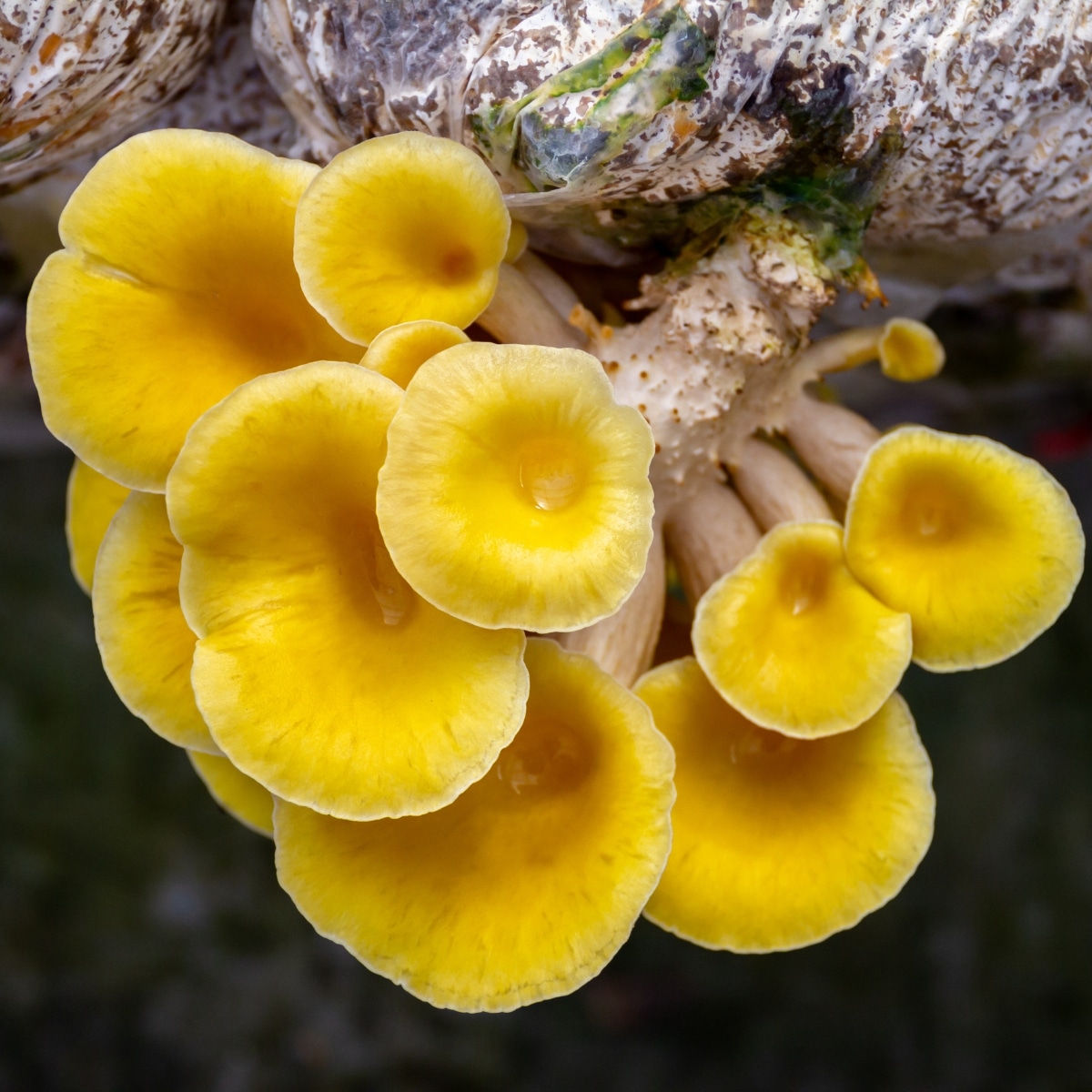
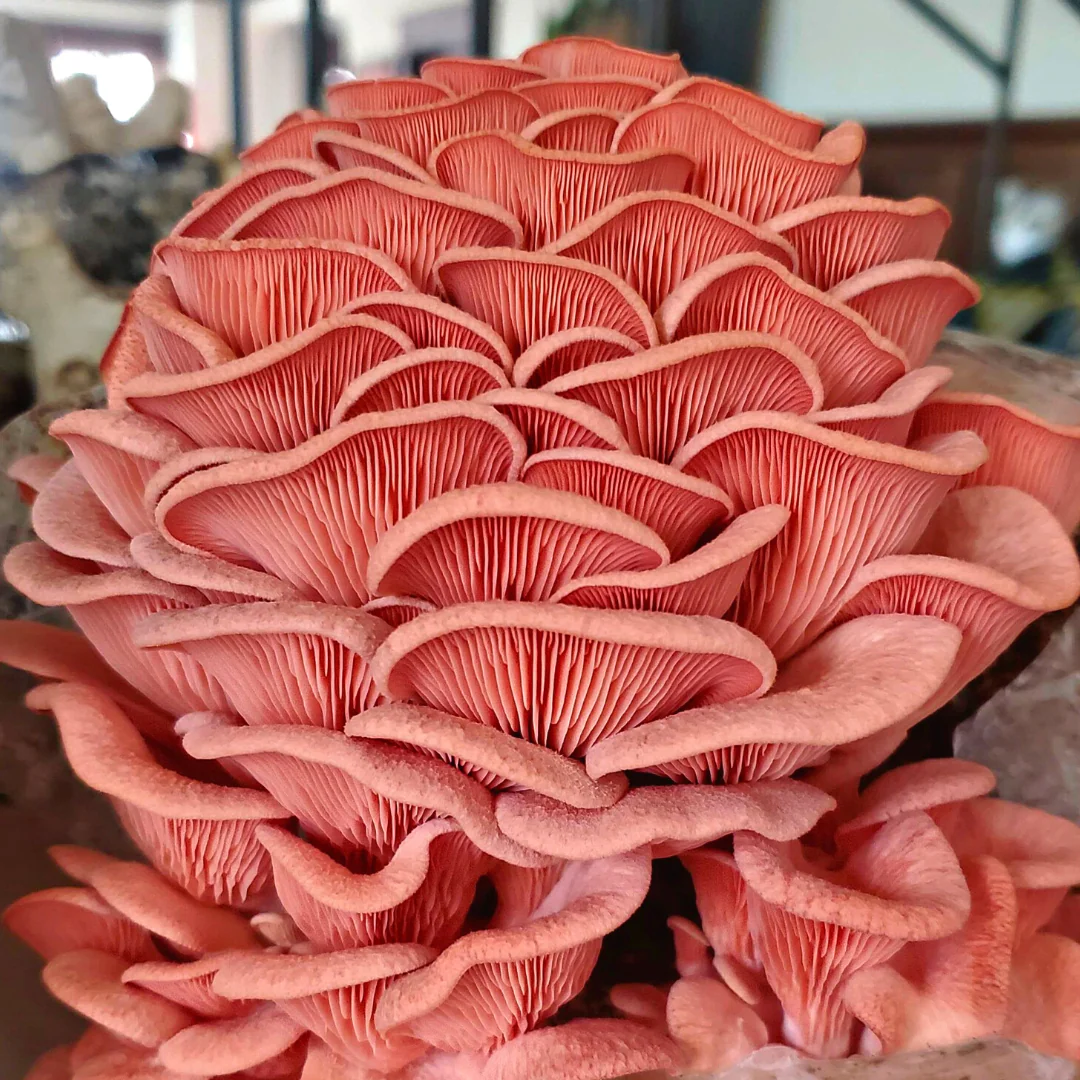
The fruiting body consists of a soft, fan-shaped cap with closely spaced gills that run down a short lateral stem. Cap colour and size vary with species and environmental conditions, commonly appearing in white, grey, cream, or pink shades.
Species widely cultivated under Indian conditions include Pleurotus florida and Pleurotus pulmonarius for warm climates, Pleurotus ostreatus for cooler environments, and Pleurotus djamor (pink oyster) for rapid warm-season production.
Suitability of Polyhouse Environment
While oyster mushrooms can be grown in low-cost sheds, polyhouse cultivation offers greater environmental stability and biosecurity. The enclosed structure helps retain humidity, buffers temperature fluctuations, and reduces exposure to rain, dust, and windborne contaminants.
For large-scale operations, the polyhouse space is usually segmented into functional zones such as substrate preparation, spawn incubation, and fruiting areas. This separation improves hygiene management and supports batch-wise production planning.
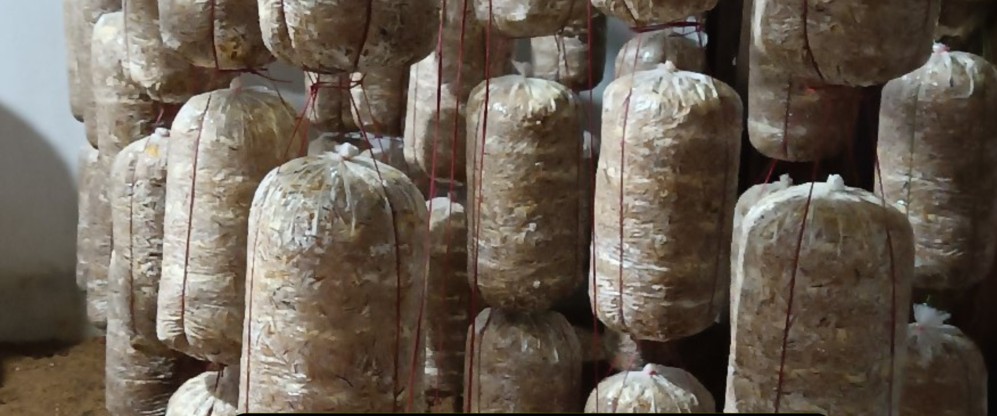
The Vertical Hanging Support System
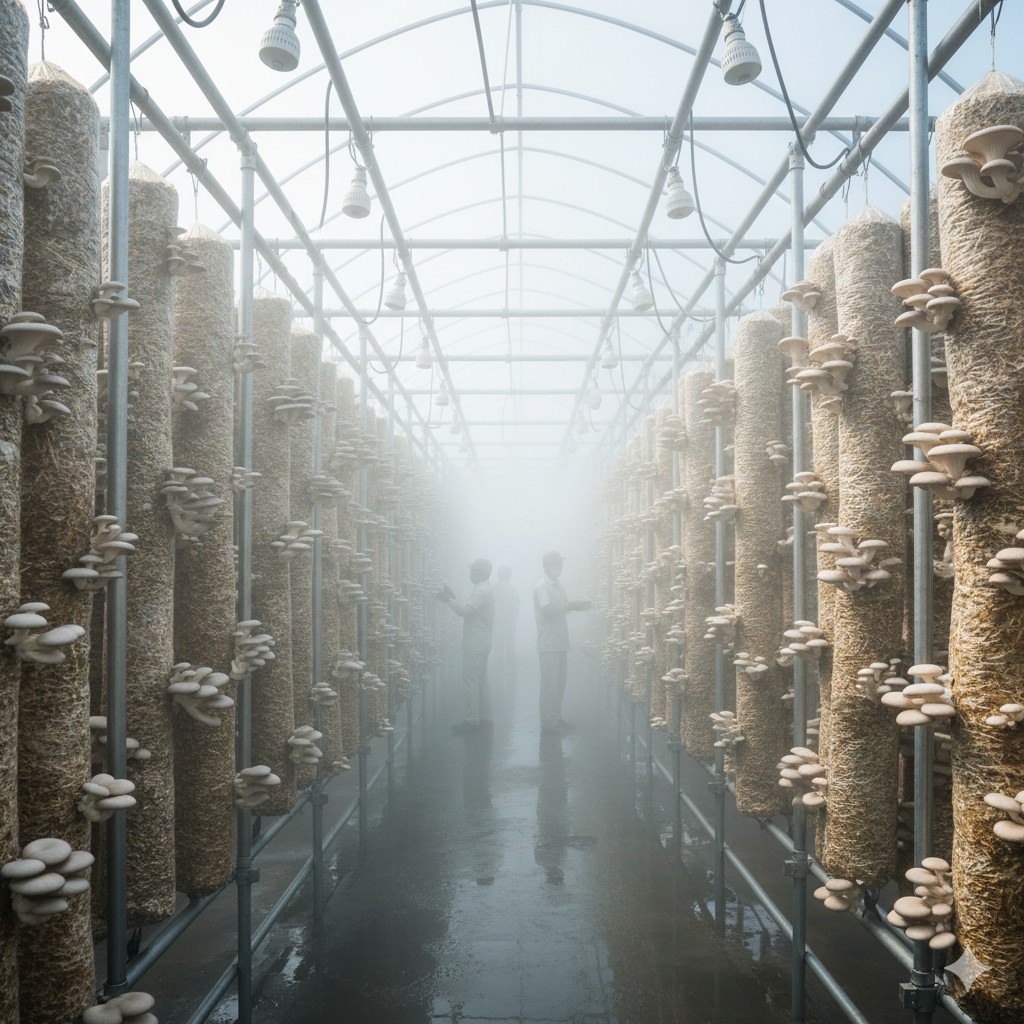
To achieve the economics of a 1-acre farm, you must use the Vertical Volume of the polyhouse (usually 12 feet high).
Practical Engineering
● The G.I. Grid: A network of 1-inch Galvanized Iron pipes is fixed 8-10 feet high.
● Drop-Lines: 6mm UV-treated nylon ropes hang from the grid, spaced 1.5 feet apart.
● Bag Attachment: Bags are tied to the rope using a "constrictor knot" or S-hooks. One rope holds 4 to 5 bags, creating a vertical column of growth.
● Circulation: This layout allows automated foggers to move humid air 360 degrees around every bag.
_________________________________________________________________________________
Environmental Requirements
Oyster mushrooms respond strongly to microclimatic conditions. During the spawn-run phase, moderate warmth and minimal light support rapid mycelial colonization of the substrate. Once colonization is complete, a shift in environmental cues—particularly increased humidity, fresh air exchange, and diffused light—induces fruiting.
Polyhouse systems allow these changes to be implemented gradually and uniformly, resulting in better pin formation and reduced physiological stress on the crop.
Precision Environmental Care
The success of a 1-acre polyhouse operation depends on the metabolic transition of the fungi through two distinct physiological phases. In the Indian climate, automation of these parameters ensures a Biological Efficiency ($BE$) of over 80%.
Phase 1: The Spawn Run (Vegetative Colonization)
During this 20-day period, the mycelium digests the lignin in the straw. The environment must mimic the conditions deep within a fallen log.
● Temperature: $24 \pm 2$°C. Higher temperatures can lead to thermogenesis, killing the spawn.
● Relative Humidity: 65% to 70%. Excessive moisture at this stage encourages bacterial rot.
● $CO_{2}$ Concentration: > 5,000 ppm. High carbon dioxide levels actually stimulate faster mycelial growth.
● Lighting: Total Darkness. Light at this stage can trigger premature fruiting, leading to weak yields.
Phase 2: Primordia Induction and Cropping (Fruiting)
Once the bag turns completely white, a "climatic shock" is required to trigger the fungus to produce mushrooms.
● Temperature: A drop to $18 - 20$°C is ideal for most grey oyster strains.
● Relative Humidity: Increased to 85% - 90% via automated fogging systems.
● $CO_{2}$ Concentration: Slashed to < 800 ppm through active ventilation. High $CO_{2}$ during fruiting results in long, rubbery stems and tiny caps.
● Lighting: Diffused light (200 - 500 Lux) for 4-6 hours daily. This acts as the directional trigger for cap expansion.
Water Quality and Sanitation Management
Water quality plays a critical but often underestimated role in oyster mushroom cultivation under polyhouse conditions. Although mushrooms are not irrigated directly like plants, water is extensively used for substrate soaking, pasteurization, humidification, fogging, and surface sanitation. Poor water quality can therefore introduce contaminants and negatively affect crop hygiene.
Water used for substrate preparation should be clean, low in suspended solids, and free from chemical residues. High microbial load in water increases the risk of bacterial contamination during soaking and pasteurization stages. Wherever possible, filtered or treated water should be used, especially in large-scale operations.
Sanitation within the polyhouse is equally important. Floors, hanging systems, tools, and walkways should be cleaned regularly to prevent the buildup of organic debris that can harbor competing fungi and bacteria. Fogging systems must be flushed periodically to prevent biofilm formation inside nozzles and pipelines, which can otherwise spread contamination uniformly across the growing area.
Drainage management is critical. Stagnant water inside or around the polyhouse increases humidity beyond optimal levels and creates breeding grounds for flies and other insects. Proper slope, drainage channels, and regular cleaning reduce this risk significantly.
In commercial oyster mushroom units, sanitation discipline often determines success more than yield optimization. Consistent water quality monitoring, routine cleaning schedules, and controlled access to production zones help maintain biosecurity and reduce crop losses due to contamination.
Planting Material and Substrate Selection
The planting material used in oyster mushroom cultivation is known as spawn, which consists of live fungal mycelium grown on sterilized cereal grains. Spawn quality directly influences colonization speed, yield potential, and disease resistance.
Substrates commonly used include wheat straw, paddy straw, sugarcane bagasse, maize stalks, and other lignocellulosic residues. These materials must be chopped, soaked, pasteurized, and drained adequately before spawning to ensure favorable conditions for mycelial growth.
_________________________________________________________________________________
Bag Preparation and Spawning Process
Bag preparation is a critical stage in oyster mushroom cultivation and requires attention to cleanliness and moisture control. After pasteurization, the substrate is cooled and excess water is removed to prevent anaerobic conditions.
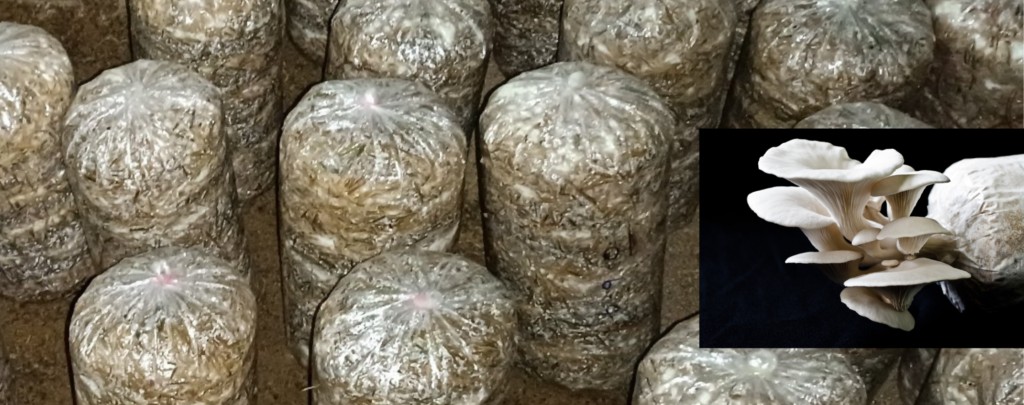
Clean polypropylene bags are filled using a layering method. Moist substrate is placed in layers, with spawn evenly distributed between layers. The filled bags are lightly compressed, securely tied, and perforated with small holes to facilitate gas exchange.
These bags are then transferred to the incubation area, where they remain undisturbed until complete mycelial colonization is observed.
The Anatomy of a Perfect Mushroom Bag
Filling the bag is where most commercial operations fail or succeed. The substrate must be compact enough for the mycelium to "bridge" the gaps but porous enough for gas exchange.
The Layer-Spawning Protocol (Step-by-Step)
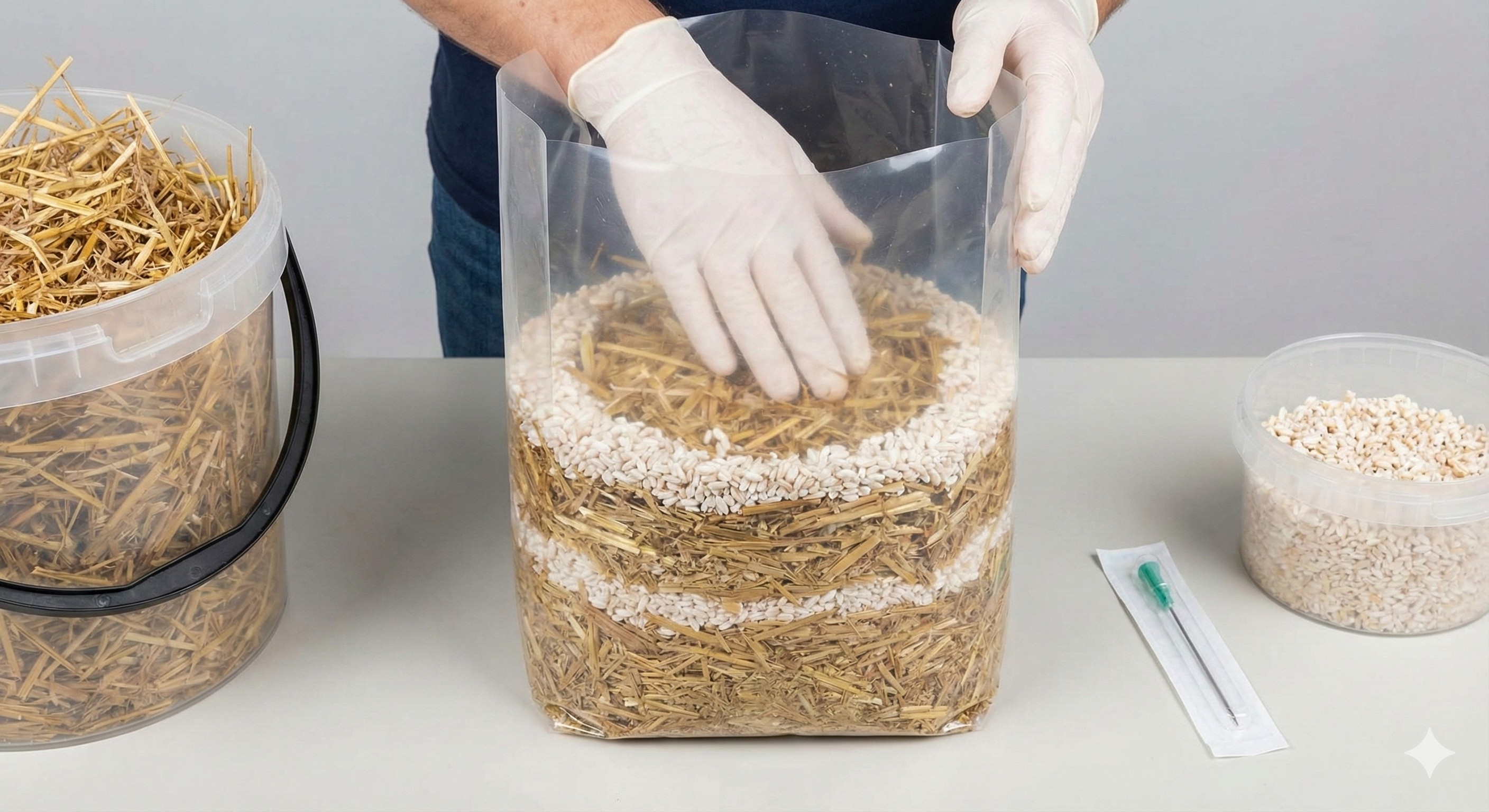
1. Substrate Prep: Chop paddy/wheat straw to 2-3 inches. Pasteurize (Steam at 65°C for 6 hours). Drain to 65% moisture.
2. The First Layer: Use a 12x24 inch PP bag (80 gauge). Tie the bottom. Fill with 3 inches of straw. Pack firmly with your fist to remove air pockets at the base corners.
3. Peripheral Spawning: Sprinkle 20g of spawn only along the edges where the straw touches the plastic. This "ring" ensures the mycelium has access to oxygen at the plastic interface.
4. The Stack: Repeat for 5 layers. The final bag should look like a "layered cake" through the plastic.
5. Seal & Aeration: Tie the top tightly. Use a 2mm sterile needle to punch 15-20 micro-holes for $CO_{2}$ venting.
________________________________________________________________________________
Crop Cycle and Continuous Production
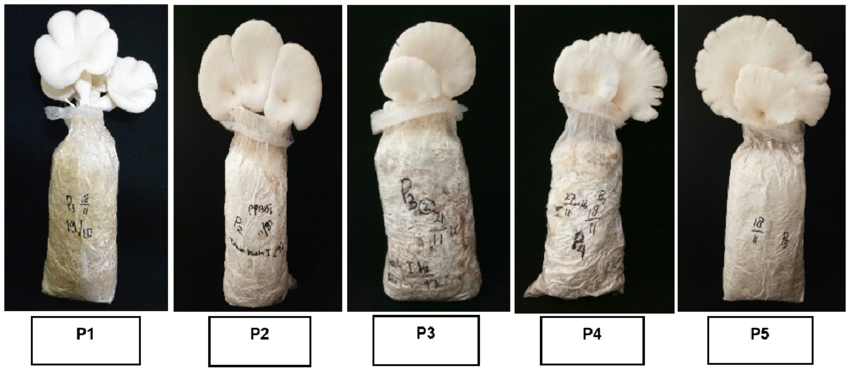
Oyster mushrooms are characterized by a short and efficient crop cycle. Mycelial colonization typically completes within a few weeks, after which fruiting is initiated by adjusting environmental conditions.
Pinheads develop rapidly into harvestable clusters, and each bag produces multiple flushes over its productive life. By introducing new batches at regular intervals and selecting species suited to prevailing temperatures, polyhouse growers can maintain year-round production without seasonal gaps.
___________________________________________________________________________________
Yield Behavior
Yield performance in oyster mushroom cultivation depends on substrate quality, spawn vigor, hygiene standards, and environmental consistency. Most production is concentrated in the initial flushes, with subsequent harvests gradually declining.
At a one-acre polyhouse scale, production is distributed across multiple staggered batches, ensuring steady output rather than peak-based seasonal harvesting.
____________________________________________________________________________________
Economics in Narrative Perspective
The primary operating costs in oyster mushroom cultivation include substrate procurement, spawn purchase, polypropylene bags, labor for substrate handling and harvesting, electricity for fogging and ventilation, and basic packing materials.
Capital investment is mainly directed toward the polyhouse structure, internal partitions, hanging or rack systems, misting infrastructure, ventilation units, and a pasteurization facility. Once the system is established, the enterprise benefits from rapid crop turnover and regular income cycles.
Market returns depend on produce quality, continuity of supply, and proximity to wholesale, retail, or institutional buyers. Oyster mushrooms generally enjoy stable demand due to their culinary versatility and nutritional profile.
1-Acre Commercial Economics (INR)
Capital Expenditure (CAPEX)
● Polyhouse Structure (1 Acre, G.I.): ₹32,00,000
● Vertical Hanging Infrastructure: ₹6,00,000
● Climate Automation (IoT Foggers): ₹5,00,000
● Total CAPEX: ₹43,00,000
Operating Expenditure (OPEX - Per Annum)
● Raw Materials (Straw/Spawn): ₹15,00,000
● Labor (12 persons): ₹22,00,000
● Power/Logistics: ₹5,00,000
● Total OPEX: ₹42,00,000
Revenue
● Annual Yield: ~140,000 kg.
● Wholesale Revenue (at ₹130/kg): ₹1,82,00,000.
● Net Profit: ₹1,40,00,000 per year.
______________________________________________________________________________________
Pests and Diseases
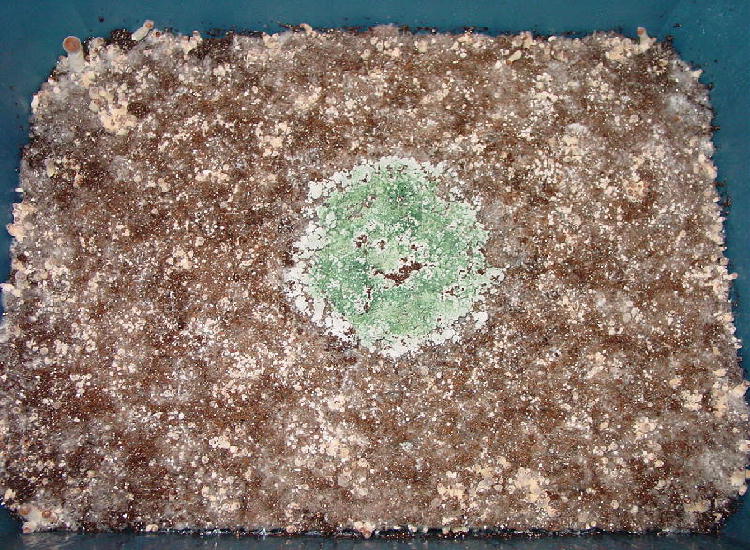
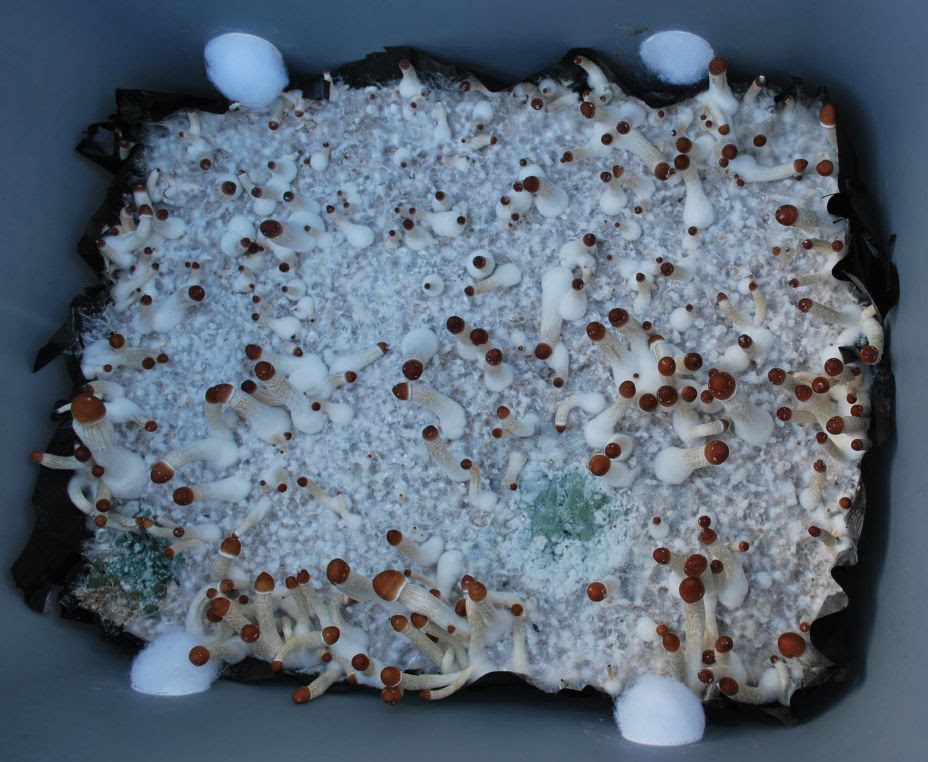
Biotic stress in oyster mushroom cultivation is primarily caused by microbial contamination rather than field pests. Green mold contamination is the most common issue, often linked to inadequate pasteurization, excess moisture, or poor sanitation.
Bacterial infections may develop under prolonged high humidity without adequate ventilation, resulting in slimy or discolored fruiting bodies. Insects such as flies and mites can also cause damage if entry points are not properly screened.
Preventive management through hygiene, airflow regulation, moisture control, and prompt removal of infected bags is more effective than corrective measures.
_____________________________________________________________________________________
Harvesting and Post-Harvest Handling
Harvesting is carried out when the caps are partially expanded and still firm. Clusters are gently twisted from the substrate, trimmed, and packed in perforated containers to allow respiration.
Given their high perishability, oyster mushrooms should be marketed promptly or stored briefly under cool conditions to maintain quality and shelf life.
___________________________________________________________________________________
Conclusion
Oyster mushroom cultivation under polyhouse conditions represents a technically simple yet biologically efficient production system. Its ability to convert agricultural residues into high-value food within a short time frame makes it an attractive option for protected agriculture enterprises.
When supported by disciplined hygiene, quality planting material, and staggered production planning, oyster mushroom farming can function as a reliable, year-round income-generating activity within modern agri-infrastructure systems.