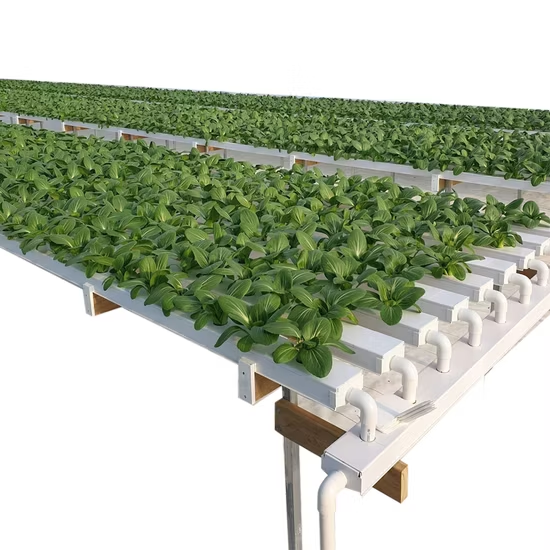
Pak Choi (Brassica Rapa subsp. chinensis), also known as Bok Choy, is a non-heading Asian leafy vegetable valued for its tender petioles and mild flavor. Its short production cycle, low biomass load, and fibrous yet shallow root system make it highly compatible with NFT hydroponic systems. Under controlled environments, NFT-grown Pak Choi delivers consistent quality, high turnover, and efficient space utilization
Why grow Pak Choi under NFT
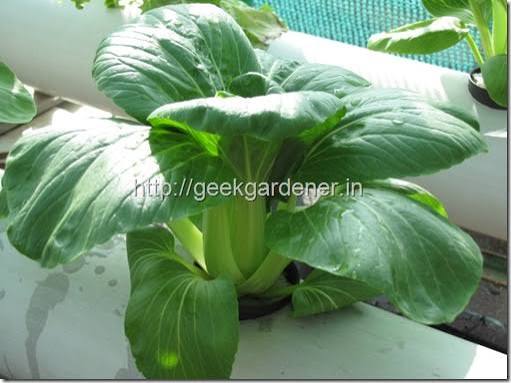
NFT hydroponics provides a continuous, thin film of nutrient solution to Pak Choi roots, ensuring optimal oxygenation and nutrient uptake. Compared to soil or substrate systems, NFT enables faster growth, uniform leaf expansion, and reduced disease pressure. Pak Choi’s upright growth habit and moderate leaf mass prevent channel overcrowding, making it ideal for high-density NFT layouts.
Variety selection and nursery management
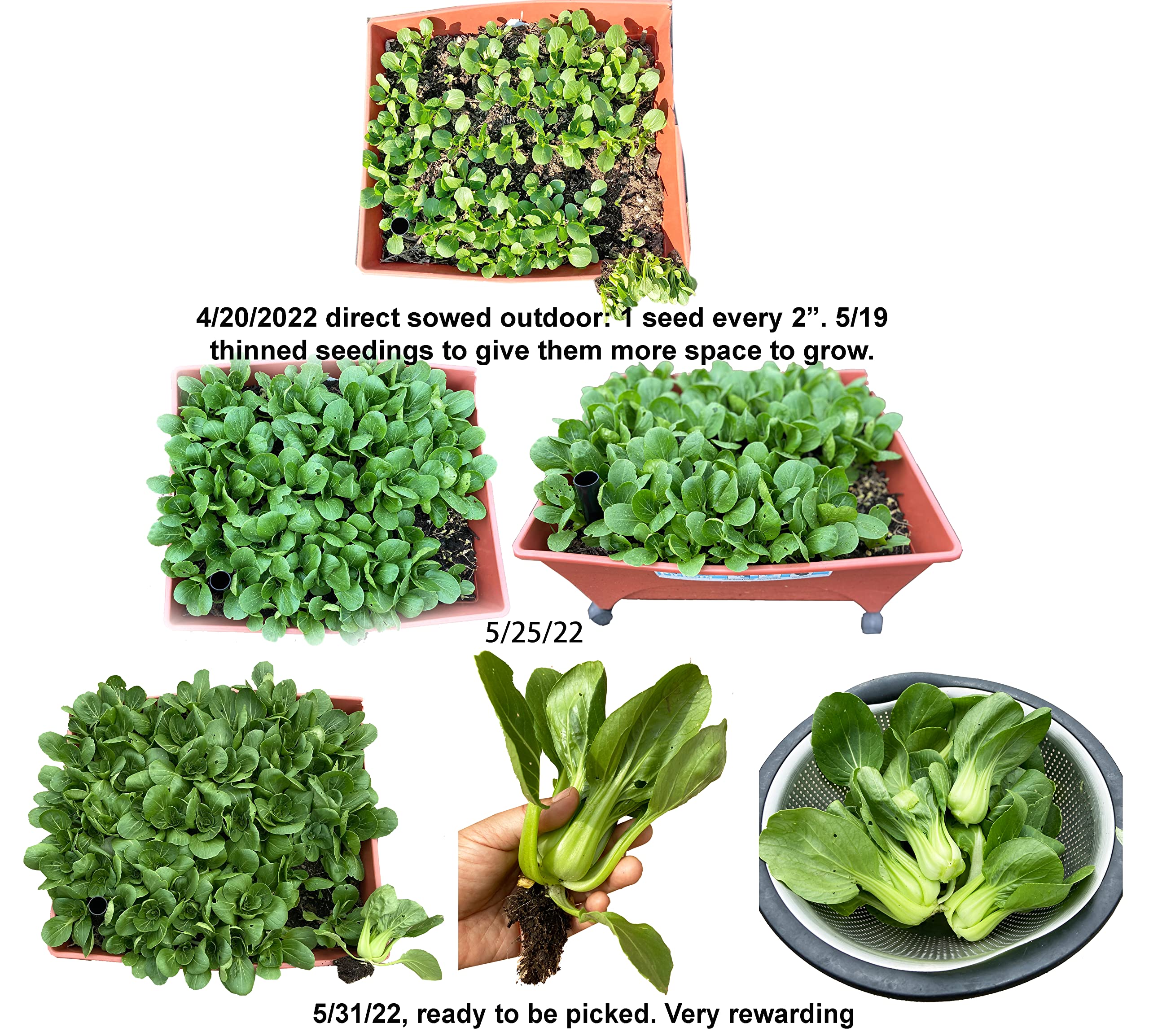
Common NFT-suitable Pak Choi varieties include Green Stem, White Stem, and Baby Pak Choi types selected for uniformity and bolt resistance. Seeds are germinated in inert media such as rockwool or coco plugs. Nursery duration typically ranges from 10–14 days, after which seedlings with 3–4 true leaves are transplanted into NFT channels.
Botanical characteristics and growth habit
Botanical name: Brassica Rapa subsp. chinensis
Family: Brassicaceae
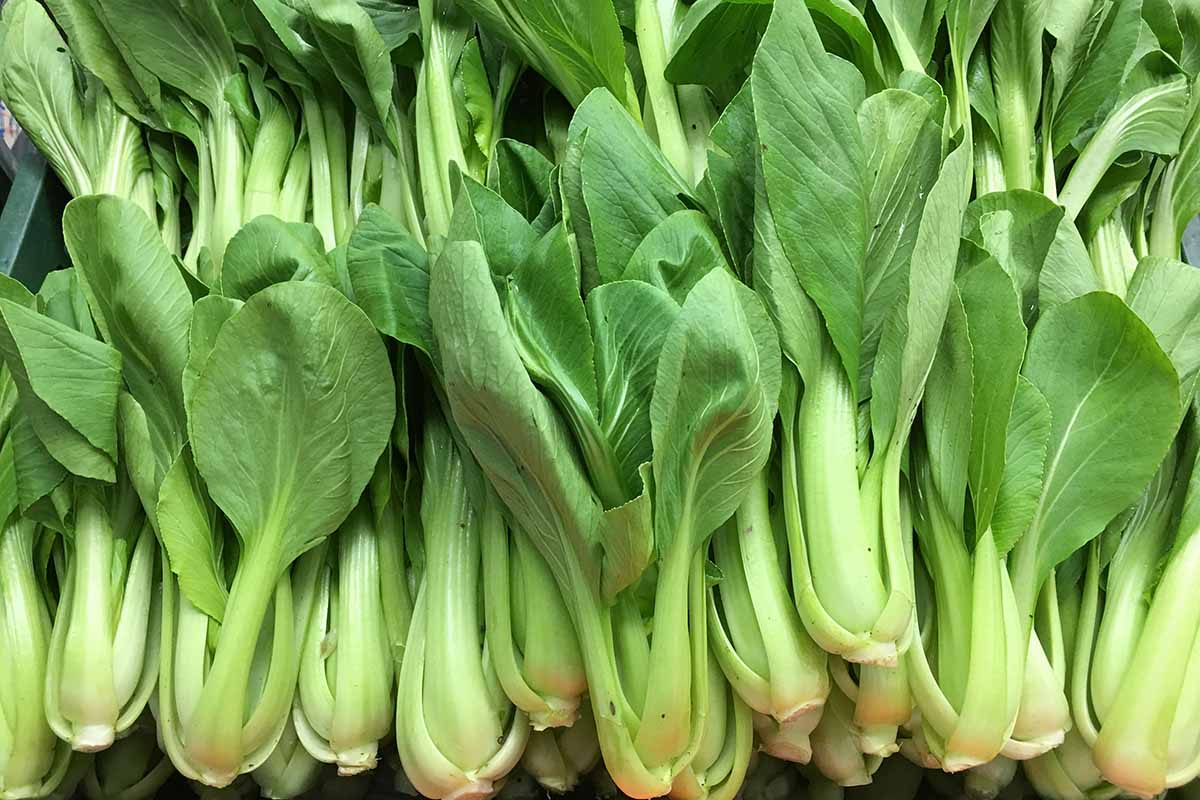
Growth habit: Upright rosette, non-heading
Root system: Fibrous, shallow
Life cycle: Annual
Harvested part: Leaves and petioles
Pollination: Predominantly cross-pollinated
Pak Choi forms a compact rosette with thick, succulent petioles and smooth green leaves. The crop exhibits rapid vegetative growth under optimal nutrient and temperature conditions.
NFT system design
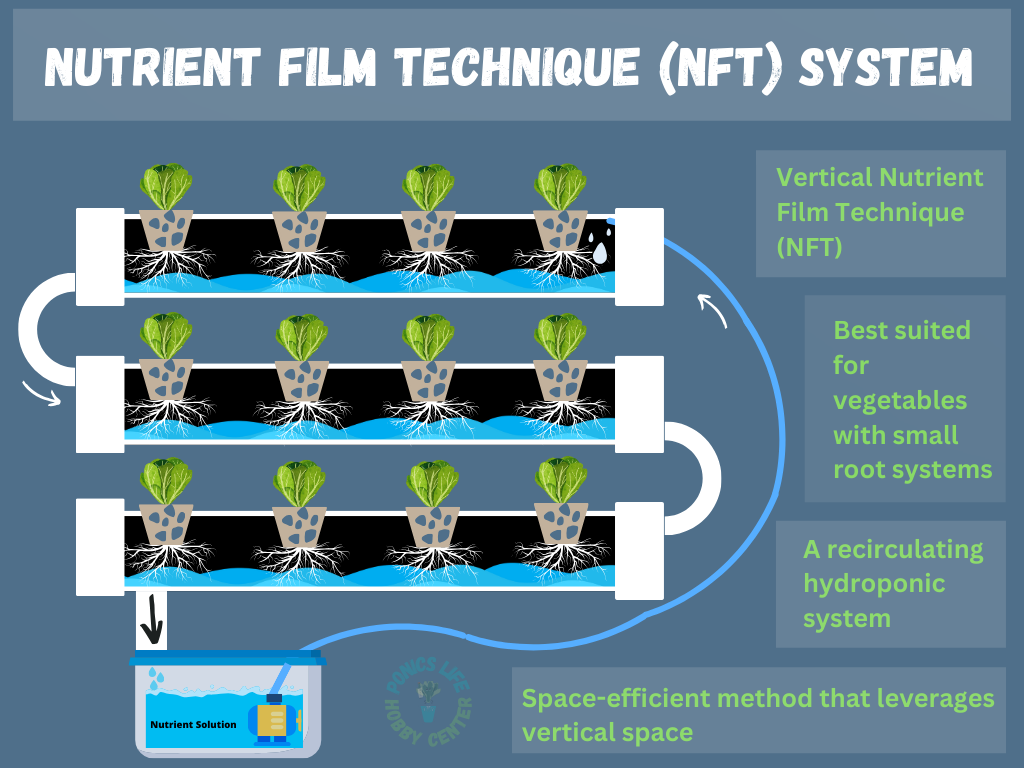
NFT channels with a width of 100–150 mm and a gentle slope of 1–2% are suitable for Pak Choi. Plant spacing of 15–20 cm ensures adequate airflow and leaf expansion. Continuous flow systems are preferred, with uniform distribution across channels to avoid dry root zones.
Climate and environmental requirements
Temperature: 18–25 °C (optimal)
Relative Humidity: 55–70%
Light: Moderate to high; 12–14 hours photoperiod
Ventilation: Good airflow to prevent leaf wetness
Pak Choi performs best under cool to moderate temperatures. Excessive heat may induce premature bolting and reduce leaf quality.
Nutrient and irrigation management
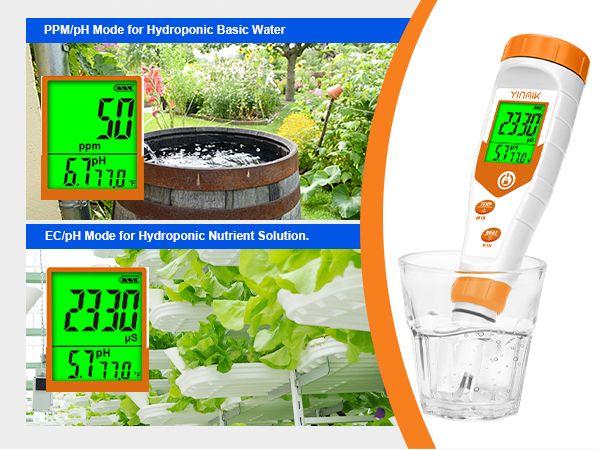
EC: 1.6–2.2 mS/cm
pH: 5.8–6.5
Key nutrients: Nitrogen, calcium, potassium, magnesium
Balanced nitrogen levels promote leaf expansion, while adequate calcium prevents tip burn. Continuous monitoring of EC and pH is essential for uniform growth.
Pest and disease management
NFT-grown Pak Choi generally faces lower disease incidence. However, aphids, flea beetles, and leaf miners may occur under protected cultivation. Preventive measures include insect netting, regular scouting, and biological control agents. Proper sanitation and nutrient balance reduce physiological disorders.
Expected yield and harvest
Pak Choi reaches harvest maturity within 30–40 days from sowing. Under optimal NFT conditions, yields of 2.5–3.5 kg per square meter per cycle are achievable. Harvesting is done by cutting at the base, allowing for clean and uniform bunches.
Post-harvest handling
Harvested Pak Choi should be immediately cooled and washed with clean water to remove surface residues. Storage at 2–4 °C with high humidity preserves freshness and shelf life. Gentle handling prevents petiole damage.
Checklist before starting
• Reliable water source with low salinity
• Quality Pak Choi seeds suited for hydroponics
• Calibrated EC and pH meters
• Clean NFT channels and reservoir
• Adequate ventilation and light control
References and further reading
• FAO – Protected cultivation and hydroponics manuals
• University extension publications on Asian greens
• Peer-reviewed research on NFT leafy vegetable production