Introduction
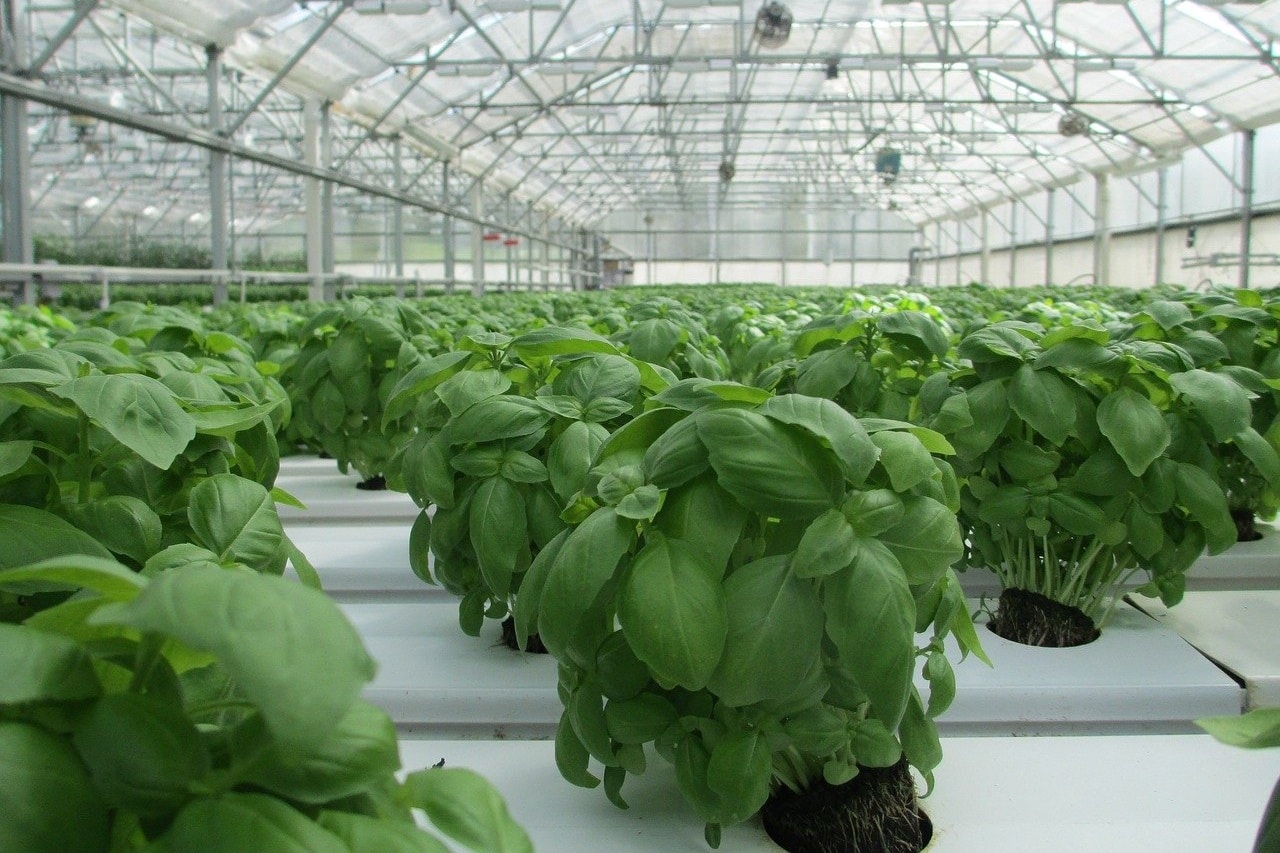
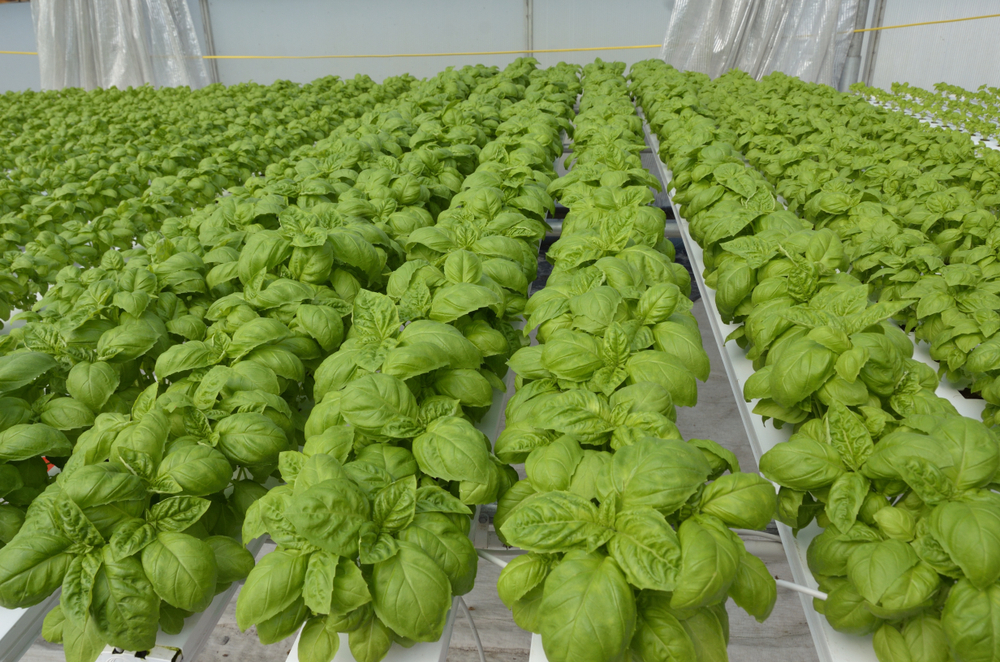
Basil (Ocimum basilicum L.) is one of the most important aromatic herbs used in culinary, pharmaceutical, and food-processing industries. NFT (Nutrient Film Technique) hydroponics is particularly suitable for basil cultivation due to its shallow root system, high oxygen demand, and ability to regenerate rapidly after harvest. Controlled-environment NFT production enables consistent quality, high essential oil content, and multiple harvests per crop cycle.
Botanical and scientific background
Botanical name: Ocimum basilicum L.
Family: Lamiaceae
Growth habit: Herbaceous annual
Root system: Fibrous and shallow
Basil exhibits rapid vegetative growth and responds strongly to precise nutrient and environmental management. The plant’s aromatic compounds are influenced by light intensity, temperature, and nutrient balance.
Climate and environmental requirements
Temperature: Optimal growth occurs between 20–28 °C. Temperatures below 12 °C can cause chilling injury, while prolonged exposure above 35 °C reduces leaf quality and aroma.
Relative humidity: Ideal range is 50–70%. Excess humidity increases risk of fungal diseases.
Light: Basil requires moderate to high light intensity for compact growth and high essential oil production.
Air circulation: Adequate airflow prevents leaf wetness and disease development.
Why NFT system is ideal for basil
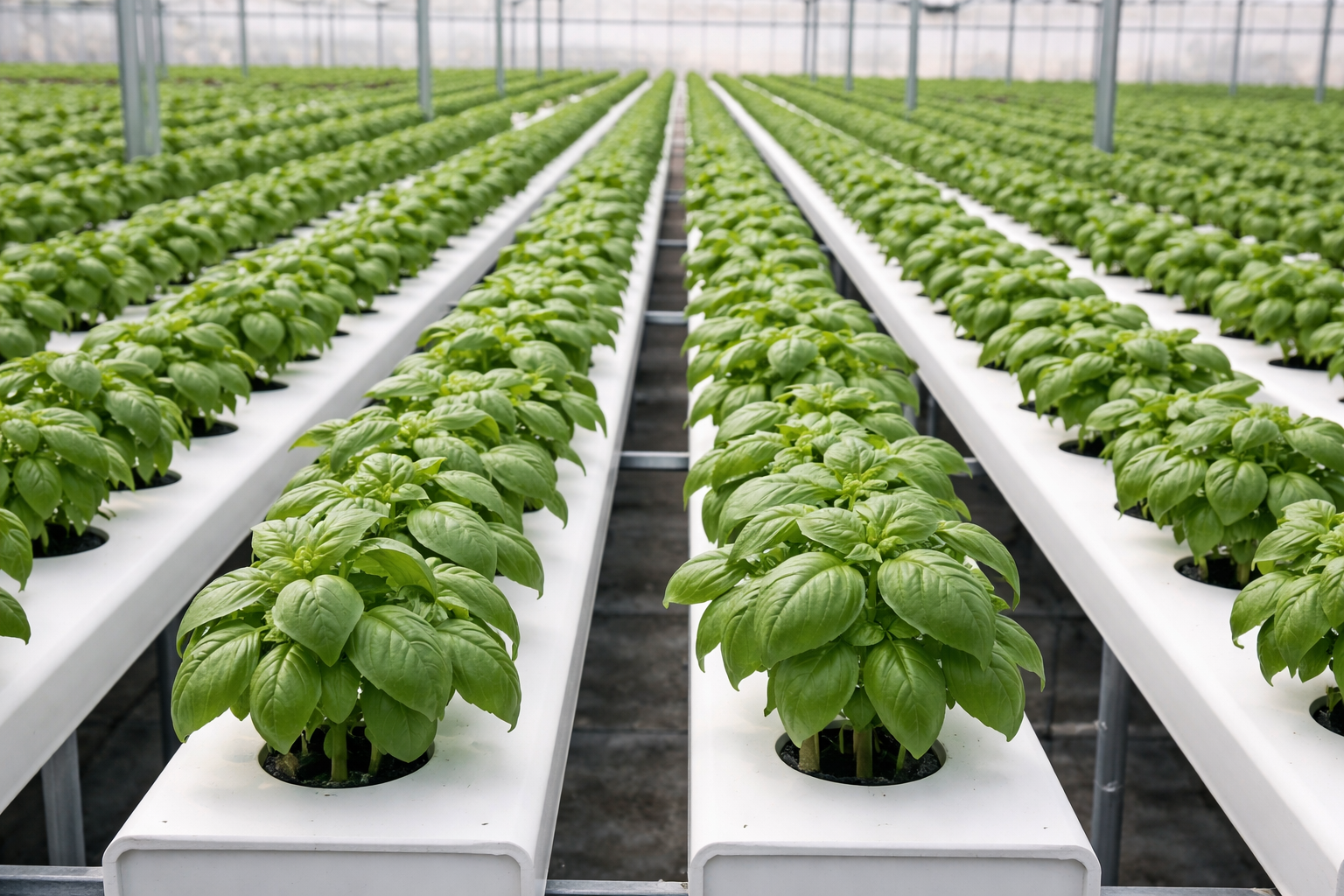
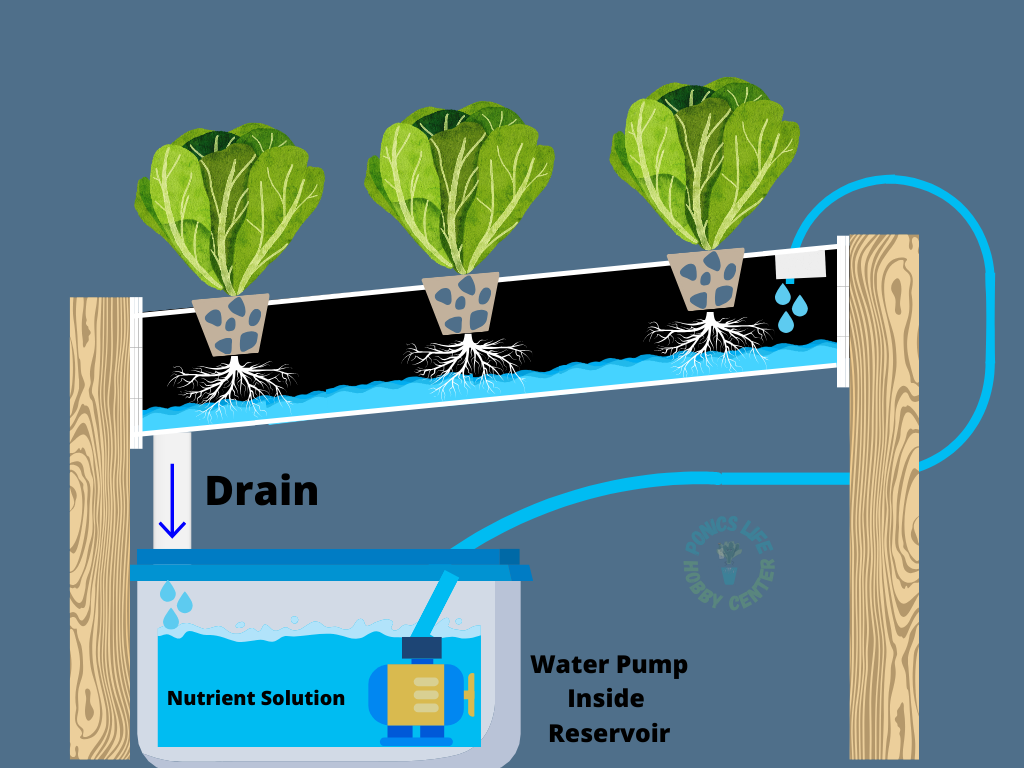
NFT systems deliver a continuous, oxygen-rich nutrient film to basil roots, supporting rapid growth and uniform nutrient uptake. The absence of substrate reduces disease pressure and allows easy sanitation between crop cycles.
Variety selection and nursery management
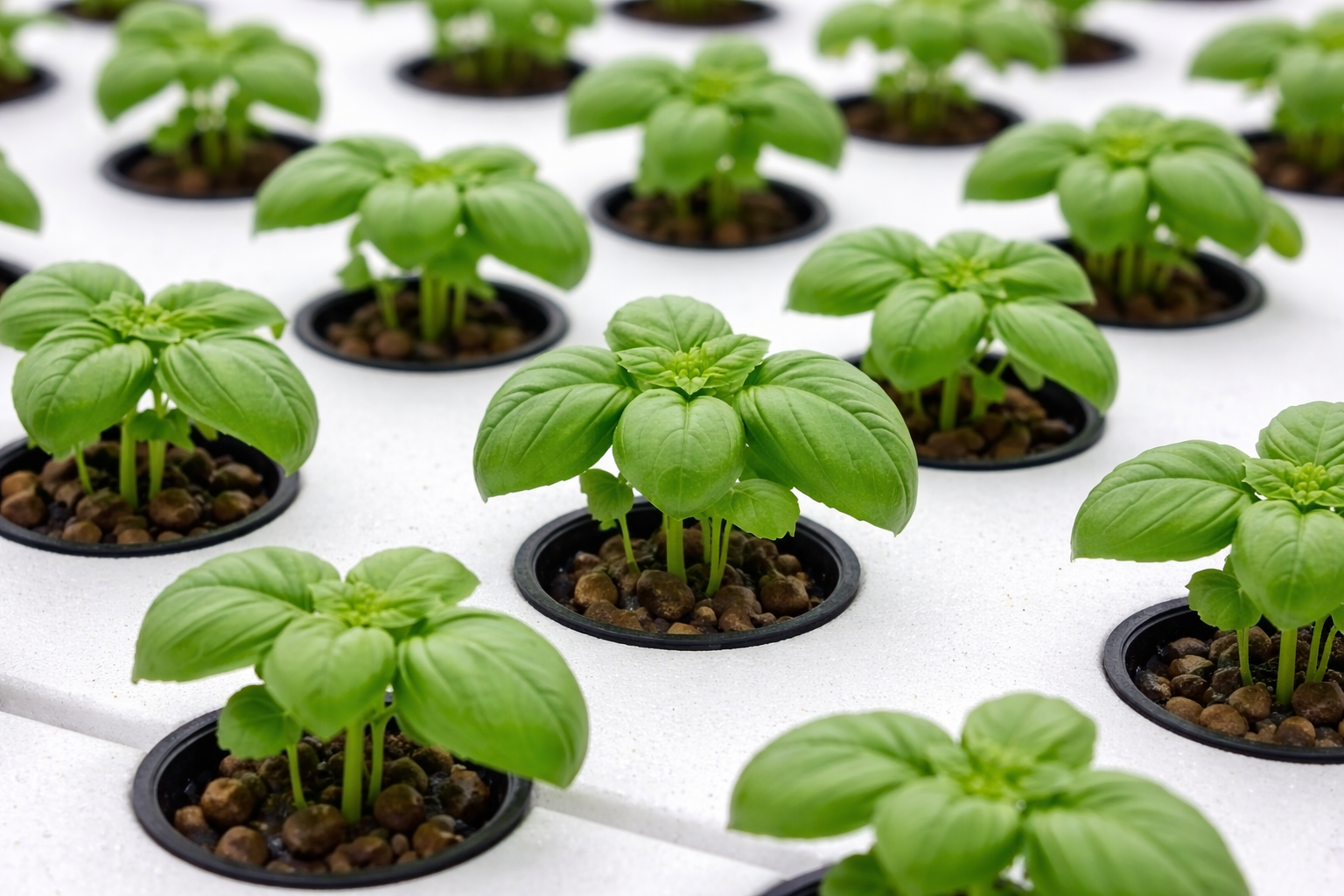
Select basil varieties suited for hydroponic cultivation, such as Genovese, Sweet Basil, or specialty aromatic types. Seeds are sown in rockwool cubes, coco plugs, or foam media. Germination occurs within 4–6 days under optimal conditions.
Planting density and NFT layout
Transplant seedlings into NFT channels at 15–20 cm spacing depending on target leaf size and harvest strategy. Maintain channel slope at 1–2% to ensure uniform nutrient flow. Use opaque channels to prevent algae growth.
Nutrient and solution management
Basil requires moderate nutrient strength with balanced nitrogen and potassium.
Recommended ranges:
EC: 1.5–2.5 mS/cm
pH: 5.8–6.5
Adequate calcium and magnesium are essential to prevent leaf deformation and chlorosis. Monitor EC and pH daily and adjust as needed.
Irrigation and flow management
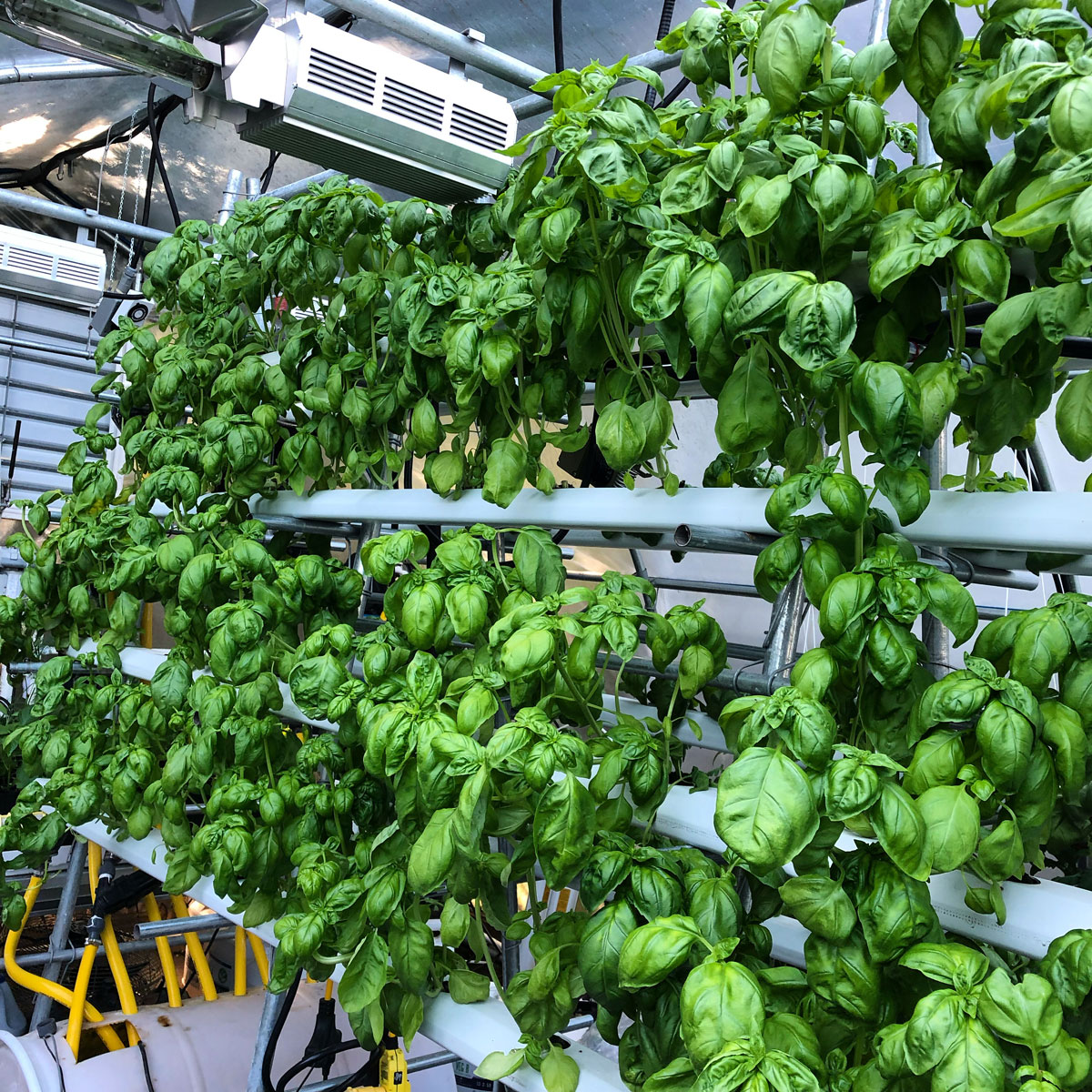
Maintain continuous nutrient flow with a thin film depth of approximately 1–3 mm. Avoid interruptions in flow, as basil roots are sensitive to drying. Ensure pump redundancy in commercial systems.
Harvesting, pruning, and regrowth
Basil is harvested by cutting above the second or third node to encourage lateral branching. Multiple harvests can be taken from the same plant at 10–15 day intervals depending on growth rate and climate.
Pest and disease management
Common pests include aphids, thrips, and whiteflies. Diseases such as downy mildew may occur under high humidity conditions.
Integrated management practices include:
Strict sanitation
Insect-proof screens
Regular scouting
Biological control agents
Yield expectations
Under well-managed NFT systems, basil yields range from 2.5–4.5 kg per square meter per crop cycle, with multiple harvests increasing cumulative output.
Post-harvest handling
Harvest during cooler parts of the day to preserve aroma. Wash gently, remove excess moisture, and store at 10–12 °C. Avoid chilling below 8 °C to prevent blackening of leaves.
NFT system maintenance
Clean NFT channels and reservoirs thoroughly between cycles to prevent pathogen buildup. Maintain opaque reservoirs to reduce algae growth.
References and further reading
FAO hydroponic herb production guidelines
University extension publications on hydroponic basil
Scientific studies on essential oil production in basil under controlled environments
Checklist before starting
Select hydroponic-suitable basil varieties
Maintain stable temperatures
Ensure uninterrupted NFT flow
Monitor EC and pH daily
Harvest regularly to promote branching