Introduction
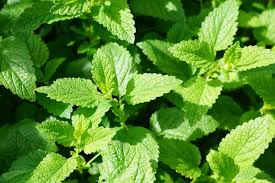
Mint (Mentha spp.) is a widely used aromatic herb valued for its culinary, medicinal, and industrial applications. Due to its rapid vegetative growth, shallow root system, and high water demand, mint performs exceptionally well under hydroponic cultivation. Among hydroponic systems, NFT (Nutrient Film Technique) and DWC (Deep Water Culture) are the most commonly adopted methods. Understanding how mint responds to each system is critical for selecting the most efficient production strategy.
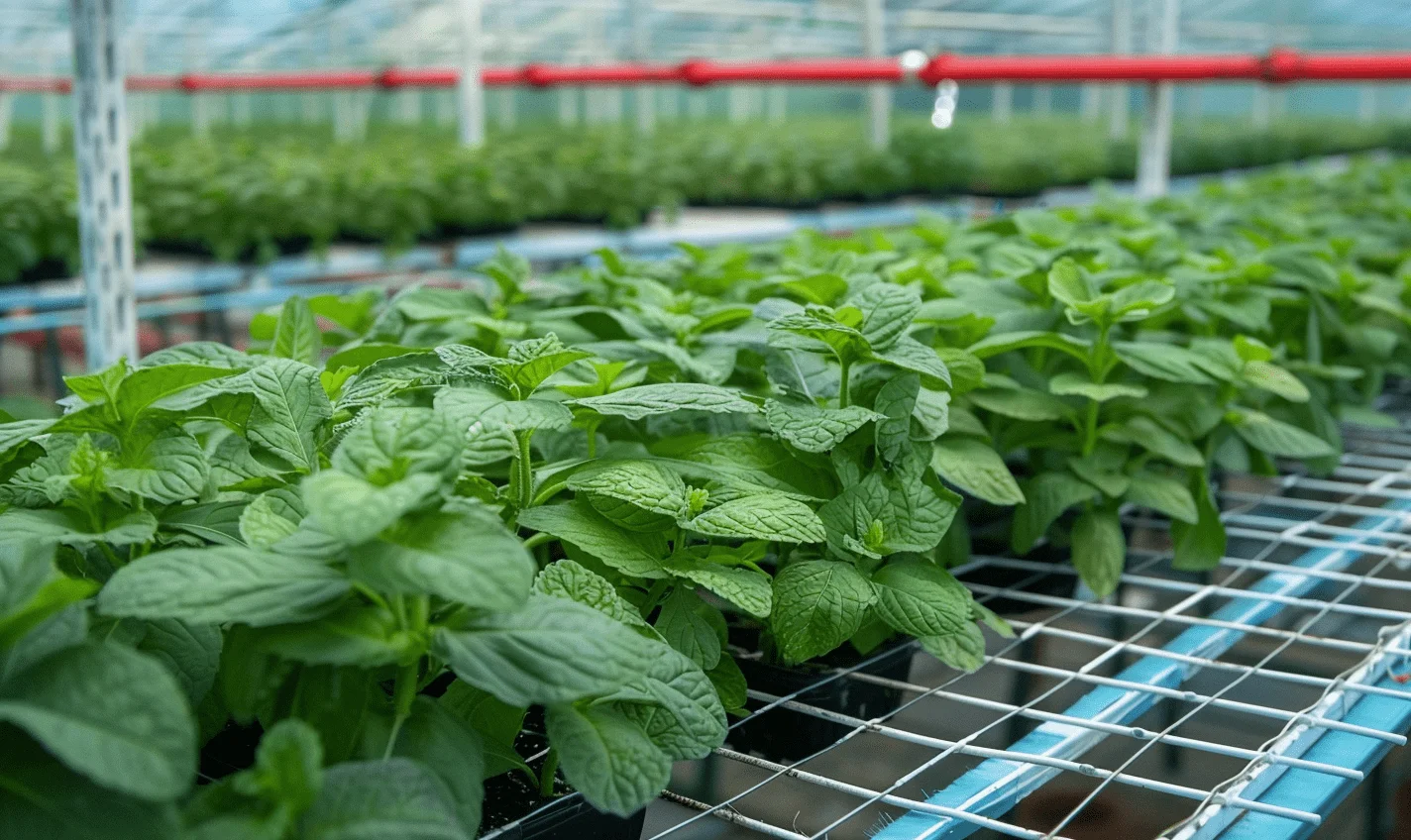
Botanical and scientific background
Botanical name: Mentha spp.
Family: Lamiaceae
Growth habit: Perennial herb (grown as annual in commercial systems)
Propagation: Primarily vegetative (cuttings or runners)
Root system: Fibrous, shallow, and fast-spreading
Mint exhibits aggressive vegetative growth and rapid lateral spread, which influences system design, plant spacing, and maintenance requirements in hydroponic systems.
Climate and environmental requirements
Temperature: Optimal growth range is 18–28 °C. Growth slows below 12 °C and leaf quality declines above 35 °C.
Relative humidity: Ideal range is 50–75%. Excess humidity promotes foliar diseases.
Light: Moderate to high light intensity supports compact growth and high essential oil content.
Air circulation: Adequate airflow is essential to reduce leaf wetness and disease pressure.
NFT system for mint cultivation
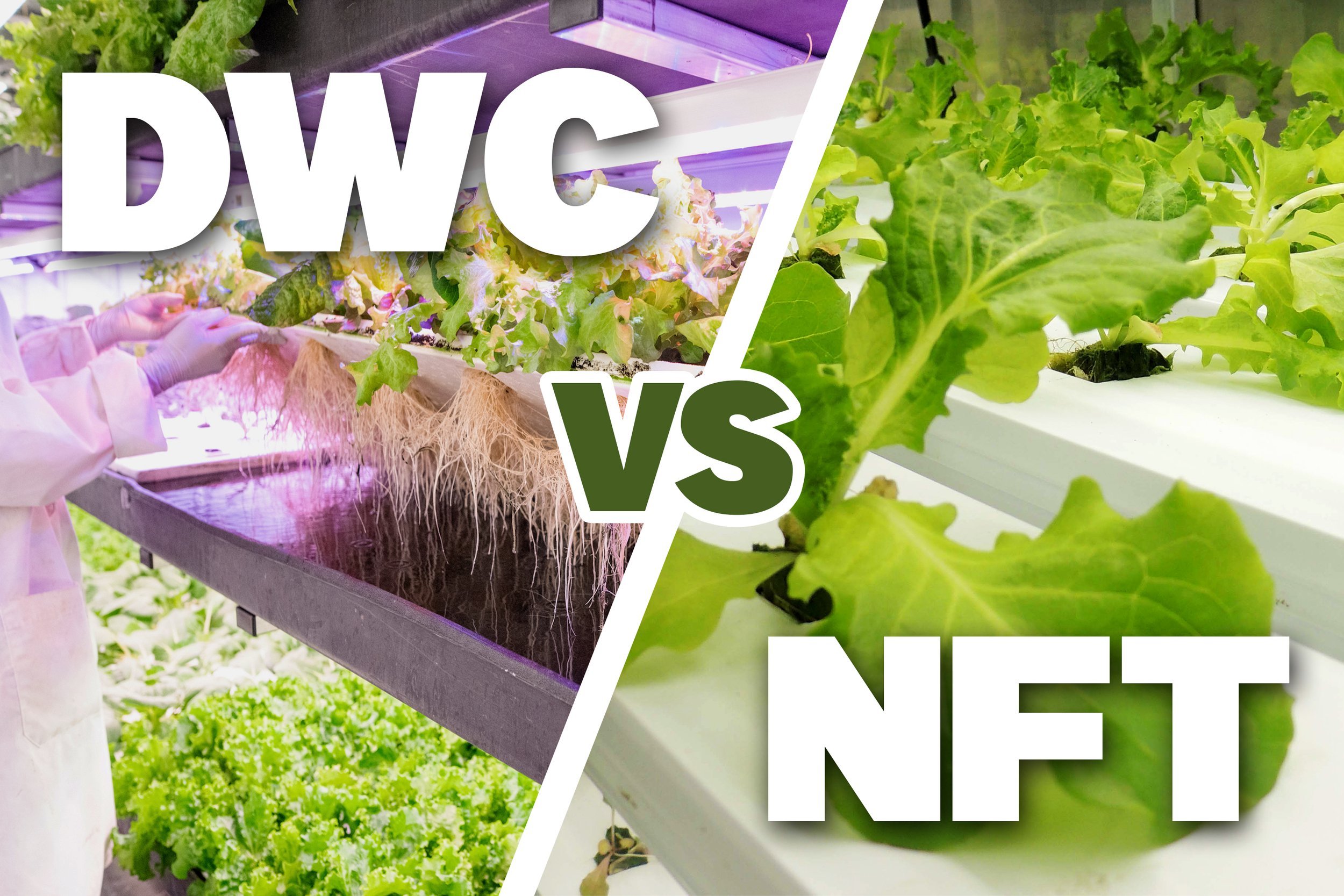
In NFT systems, a thin film of nutrient solution flows continuously through channels, supplying roots with water, nutrients, and oxygen. Mint’s shallow root system adapts well initially to NFT, producing clean foliage and uniform growth when channels are properly managed.
Advantages of NFT for mint:
Efficient nutrient and water use
Excellent root oxygenation
Clean root zone and easy sanitation
Limitations:
Roots can clog channels if not pruned
Sensitive to pump failure
Frequent maintenance required due to rapid root growth
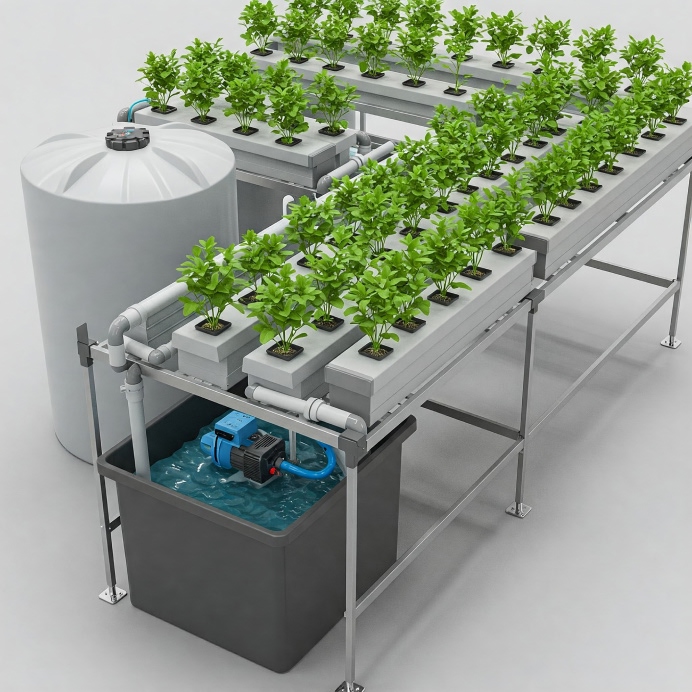
DWC system for mint cultivation
In DWC systems, mint roots are suspended in a continuously aerated nutrient solution. This system supports vigorous vegetative growth and is highly forgiving of short interruptions.
Advantages of DWC for mint:
Excellent tolerance to rapid growth
Reduced risk from pump failure
High biomass production
Limitations:
Lower root oxygen gradients if aeration is poor
Higher water volume and temperature management needed
Greater risk of root diseases if hygiene is poor
Root behaviour and system suitability
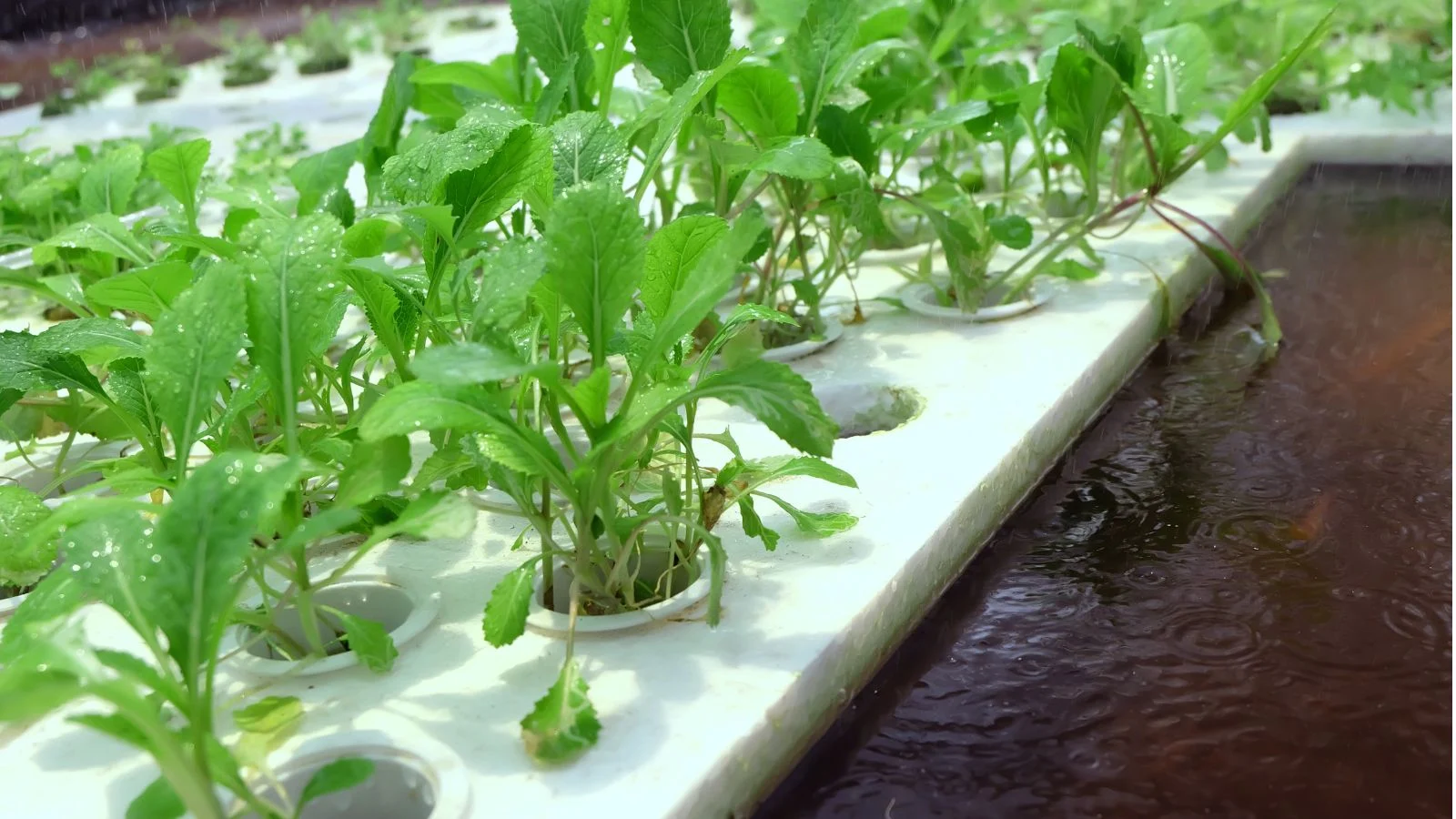
Mint roots spread aggressively and form dense mats over time. In NFT systems, unmanaged roots may restrict nutrient flow, whereas DWC systems allow unrestricted root expansion.
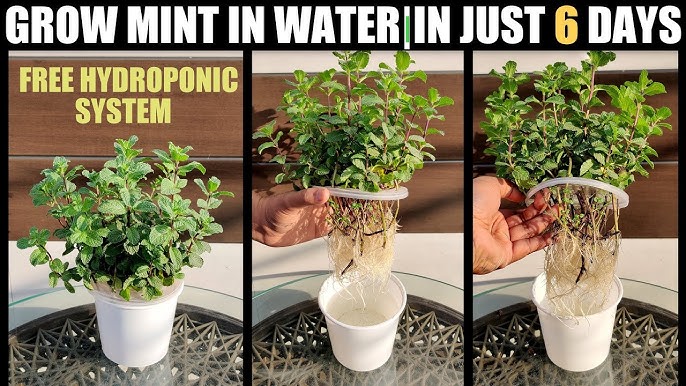
For short-cycle or baby-leaf mint production, NFT systems perform well. For long-duration harvests and repeated cutting, DWC systems offer better stability and lower operational risk.
Nutrient and solution management
Mint requires moderate nutrient strength with balanced nitrogen and potassium.
Recommended ranges:
EC: 1.5–2.5 mS/cm
pH: 5.8–6.5
Adequate calcium and magnesium support leaf structure and prevent chlorosis. Monitor nutrient solution daily and refresh periodically.
Harvesting and regrowth
Mint is harvested by cutting stems 5–8 cm above the crown to encourage lateral branching. Multiple harvests can be taken at 12–20 day intervals depending on temperature and light conditions.
Yield expectations
Under well-managed hydroponic systems:
NFT: Suitable for short-term cycles with yields of 2.0–3.5 kg/m² per cycle
DWC: Better for continuous harvest with cumulative yields of 3.5–6.0 kg/m²
Post-harvest handling
Harvest during cooler periods to preserve aroma. Wash gently, remove surface moisture, and store at 10–12 °C. Avoid chilling below 8 °C to prevent blackening of leaves.
System selection summary
NFT is best suited for controlled, short-cycle mint production with frequent monitoring. DWC is better suited for long-duration, high-biomass production where system stability and tolerance to root growth are priorities.
References and further reading
FAO hydroponic herb production guidelines
University extension publications on hydroponic mint cultivation
Scientific literature on root oxygenation and growth in Mentha species
Checklist before starting
Select clean planting material
Decide system based on crop duration
Maintain EC and pH consistency
Ensure adequate aeration
Harvest regularly to control vegetative spread