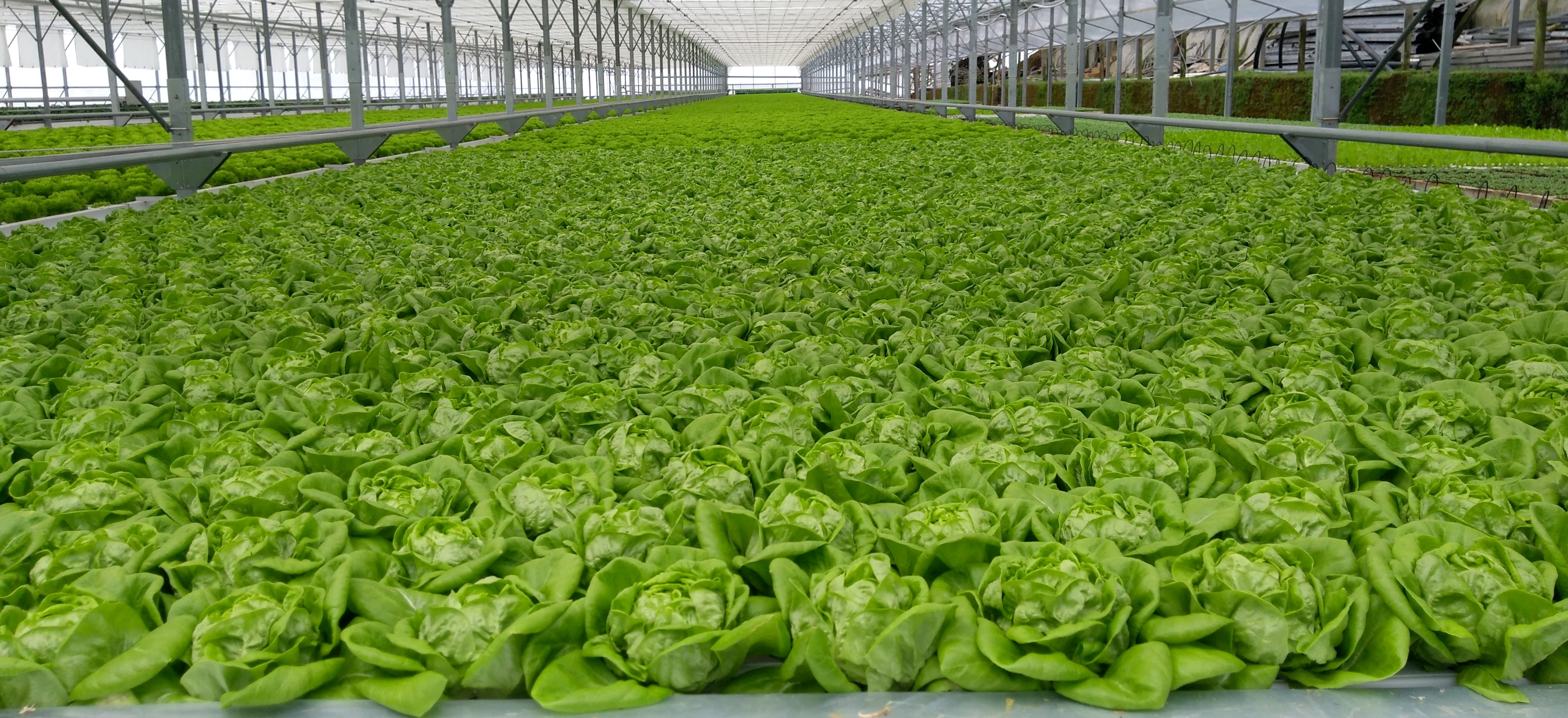
Lettuce (Lactuca sativa) is one of the most widely grown leafy vegetables in hydroponic systems due to its short crop cycle, shallow root system, and high market demand. Hydroponic lettuce cultivation allows precise control over nutrients, water, and climate, resulting in uniform growth, superior leaf quality, and reduced pest and disease pressure compared to soil-based cultivation. This article outlines practical and research-backed protocols for successful lettuce production under hydroponic systems.
System selection for hydroponic lettuce
Lettuce adapts well to multiple hydroponic systems. The choice depends on scale, climate control, and management capability.
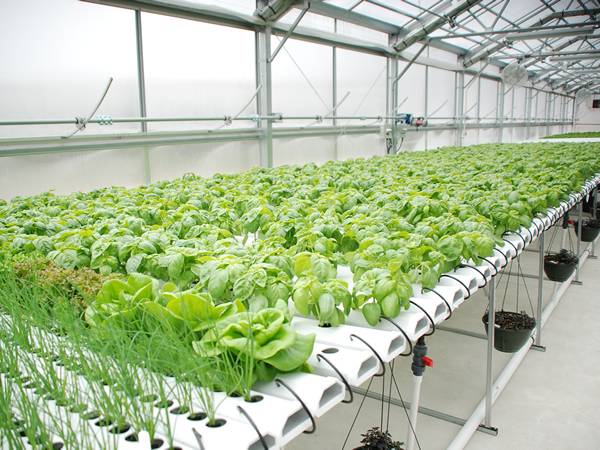
1. Nutrient Film Technique (NFT)
NFT is one of the most popular systems for lettuce. A thin film of nutrient solution flows continuously through channels, providing roots with water, nutrients, and oxygen. NFT is ideal for commercial leafy green production due to low water use, fast growth, and ease of harvesting.
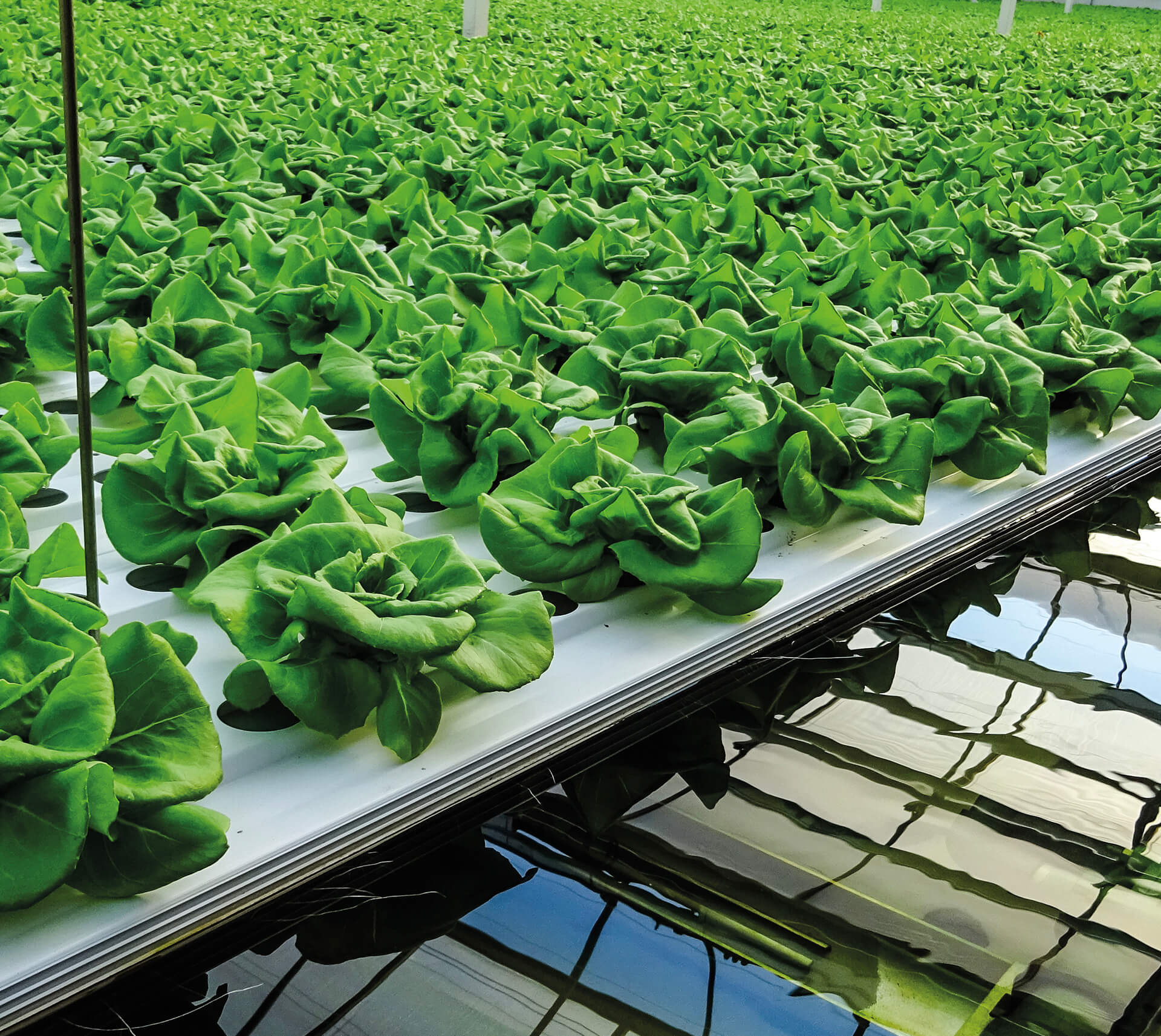
2. Deep Water Culture (DWC)
In DWC systems, lettuce plants float on rafts with roots submerged in aerated nutrient solution. This system provides stable moisture and nutrient availability and is especially suitable for hot climates when adequate aeration and temperature control are maintained.
3. Substrate-based systems
Coco peat or perlite substrates can also be used for lettuce, particularly in mixed-crop greenhouses. While more forgiving, substrate systems require careful irrigation scheduling to avoid excess moisture.
Varieties and planting material
Loose-leaf, butterhead, romaine, and oakleaf lettuce varieties perform well in hydroponic systems. Select fast-growing, bolt-resistant cultivars suitable for protected environments. Use certified, disease-free seeds and raise seedlings in inert media such as rockwool or coco plugs. Transplant seedlings at the 3–4 true leaf stage, typically 12–15 days after germination.
Environmental requirements
Temperature: Optimal growth occurs between 15–22 °C. Temperatures above 26 °C increase bolting risk and bitterness.
Relative humidity: Maintain 50–70% to prevent tip burn and fungal diseases.
Light: Lettuce requires moderate light intensity. A photoperiod of 12–16 hours with 120–200 µmol·m⁻²·s⁻¹ PPFD is sufficient.
Air circulation: Continuous airflow prevents excess humidity and promotes uniform growth.
Nutrient management
Lettuce has relatively low nutrient requirements compared to fruiting crops.
Recommended ranges:
Seedling stage: EC 0.6–0.8 mS/cm; pH 5.8–6.2
Vegetative growth: EC 1.0–1.8 mS/cm; pH 5.8–6.2
Key nutrient considerations:
Nitrogen supports leaf expansion but excess leads to soft growth.
Calcium is critical to prevent tip burn.
Potassium supports turgor and leaf quality.
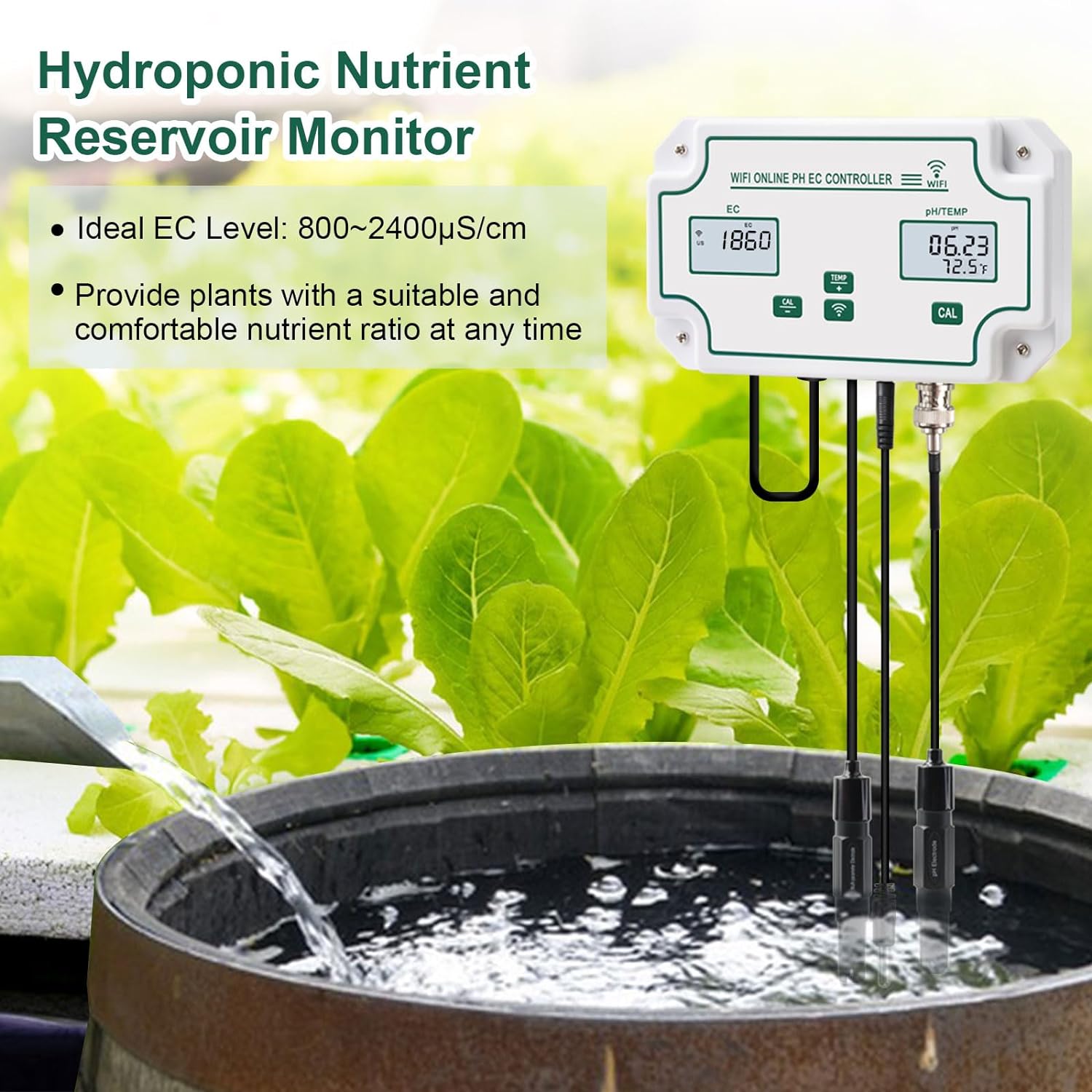
Monitor EC and pH daily. Replace nutrient solution every 10–14 days or as required based on water quality and plant uptake.
Planting density and crop spacing
In NFT systems, maintain 15–20 cm spacing between plants. In DWC, spacing of 20–25 cm ensures adequate airflow and leaf expansion. Overcrowding increases disease risk and reduces head size.
Irrigation and oxygenation
NFT systems should operate continuously with backup pumps to prevent root drying. DWC systems require strong aeration to maintain dissolved oxygen above 5 mg/L. Oxygen stress leads to root browning and stunted growth.
Pest and disease management
Common pests include aphids, thrips, and leaf miners. Diseases such as downy mildew and root rot occur under high humidity and poor sanitation.
Integrated pest management includes:
Physical exclusion using insect nets
Regular scouting and sticky traps
Biological controls where feasible
Strict hygiene and removal of infected plants
Expected yield and harvest
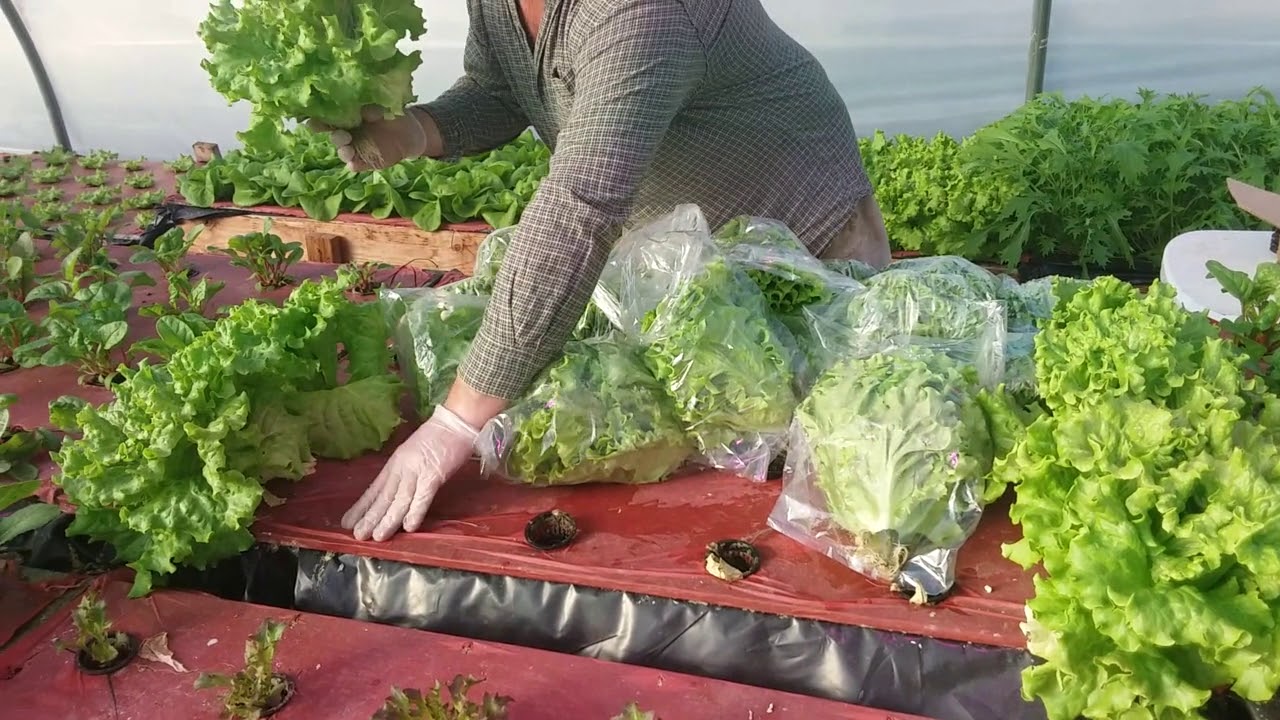
Hydroponic lettuce is typically ready for harvest within 30–45 days after transplanting. Average yields range from 2.5–4 kg/m² per cycle depending on variety, system, and climate control.
Harvest and post-harvest handling
Harvest lettuce early in the morning to retain freshness. Remove excess moisture and cool rapidly to 4–6 °C. Avoid rough handling to prevent bruising and leaf damage. Proper cold-chain management extends shelf life to 7–10 days.
Monitoring and quality control
Track EC, pH, temperature, and humidity daily. Visual inspection of roots and leaf edges helps detect early nutrient imbalances such as calcium deficiency or nitrogen excess.
Checklist before starting
Ensure reliable water source and filtration
Choose appropriate hydroponic system
Use high-quality seeds and clean nursery media
Maintain stable temperature and humidity
Monitor nutrients and oxygen levels daily
References and further reading
FAO protected cultivation manuals
University extension publications on hydroponic leafy greens
Peer-reviewed research on controlled environment agriculture