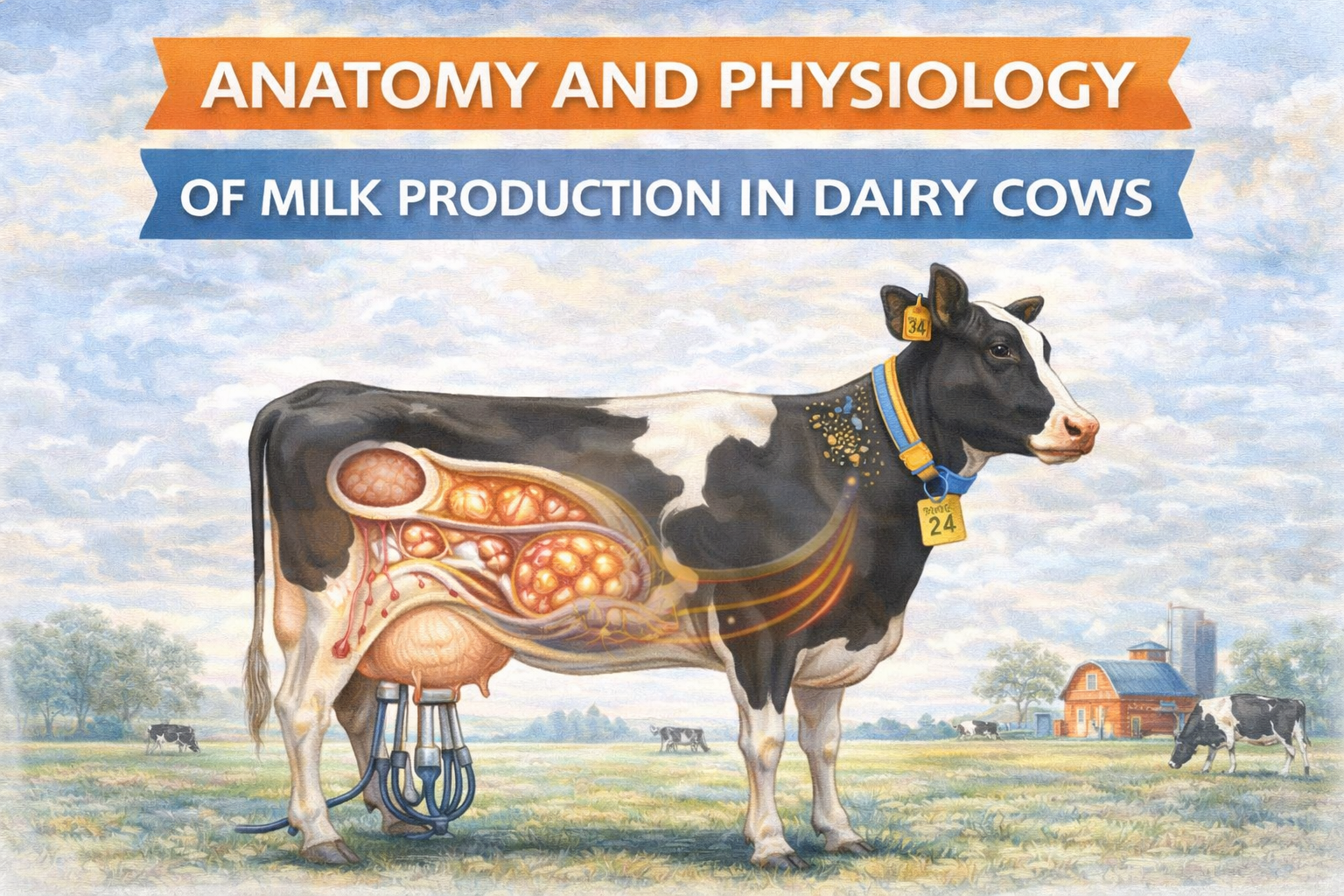
1. Milk Production as a Biological System, Not a Mechanical Output
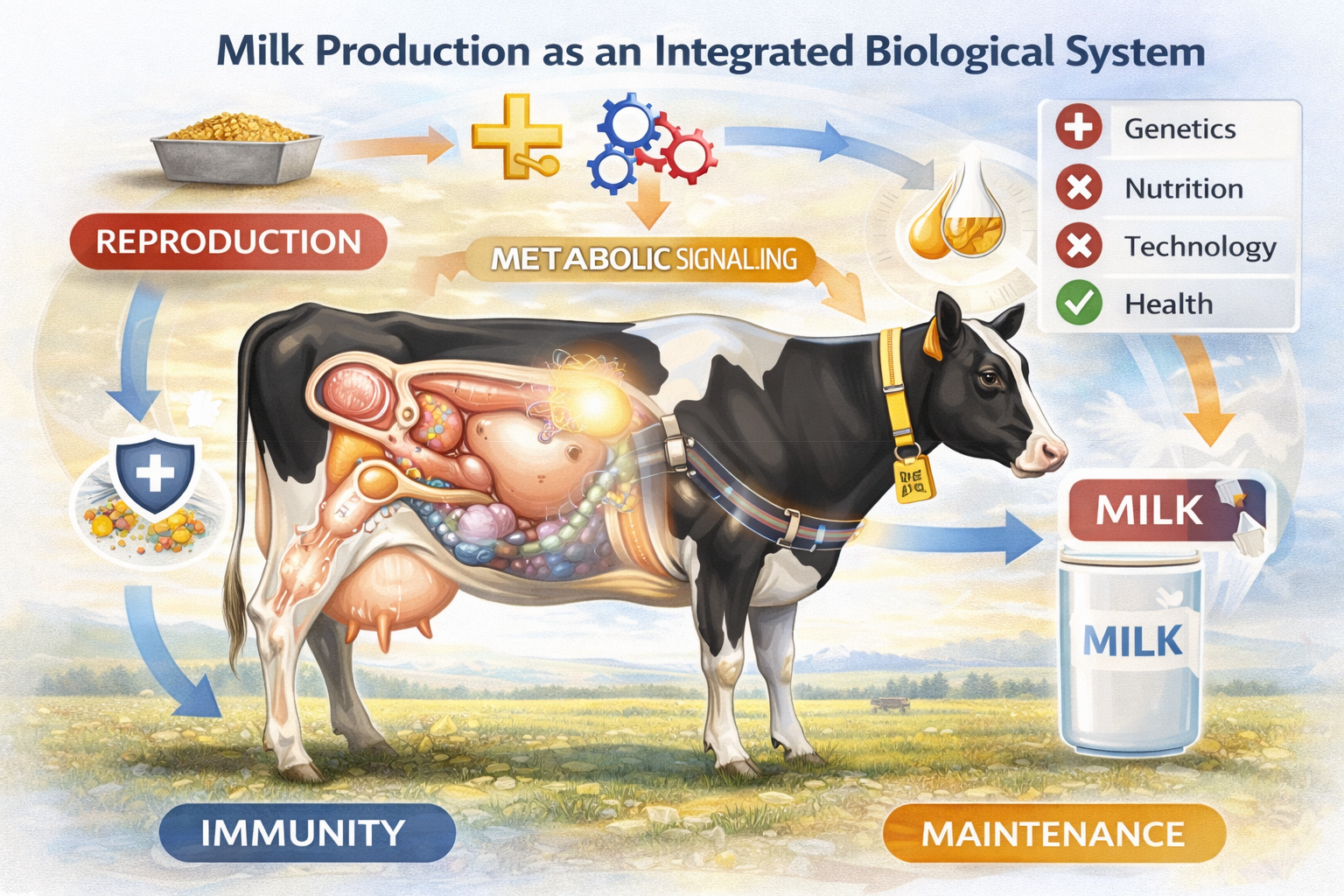
Milk production in dairy cattle is not a linear response to feed intake or milking frequency. It is a biologically regulated process controlled by endocrine signaling, mammary cellular dynamics, nutrient partitioning, and metabolic prioritization. The cow continuously allocates limited nutrients among maintenance, immunity, reproduction, and milk synthesis, with lactation often dominating this hierarchy in early production.
Failures in milk production are therefore rarely isolated problems; they are systemic mismatches between biological demand and management support. High yield emerges only when metabolic supply, hormonal signaling, and mammary capacity are synchronized.
Key implications
● Milk yield reflects whole-animal physiology, not udder function alone
● Production losses often originate weeks before they become visible
● Sustainable yield requires biological stability, not maximum short-term output
2. Mammary Gland Anatomy and Functional Organization
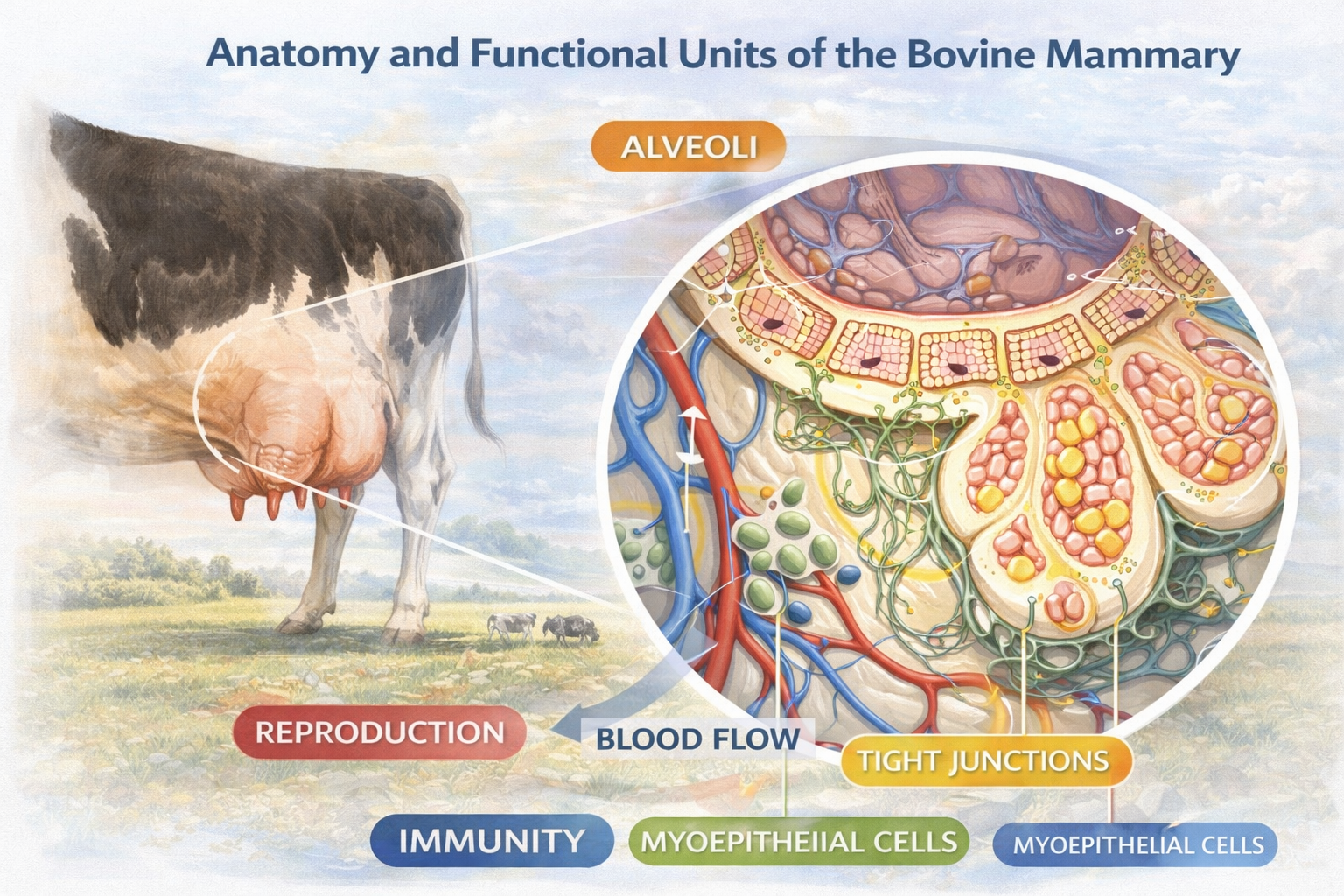
The mammary gland is a highly specialized exocrine organ composed of secretory epithelial cells organized into alveoli, supported by connective tissue, vasculature, and an extensive lymphatic network. Milk is synthesized at the cellular level, not stored or concentrated from blood.
The number, activity, and lifespan of mammary epithelial cells determine milk yield potential. Once these cells undergo apoptosis, lost secretory capacity cannot be fully restored within the same lactation.
Structural determinants of yield
● Alveolar number and surface area
● Blood flow to mammary tissue
● Integrity of tight junctions
● Rate of epithelial cell turnover
3. Milk Synthesis Pathways: From Blood to Milk
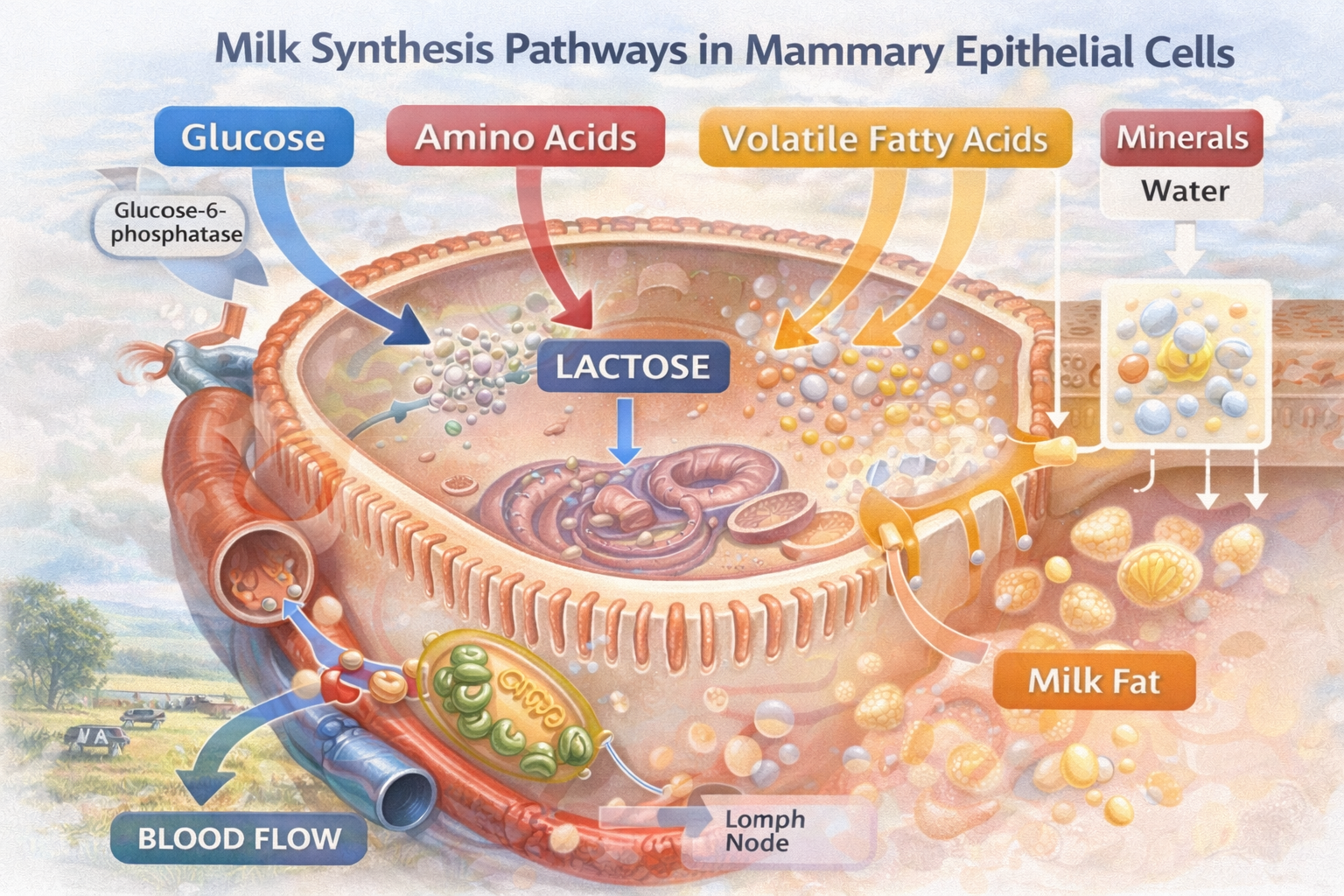
Milk synthesis is an energy-intensive biochemical process requiring coordinated uptake of glucose, amino acids, fatty acids, minerals, and water from blood. These substrates are transformed within mammary epithelial cells into lactose, milk protein, and milk fat.
Lactose synthesis drives milk volume through osmotic regulation, while fat and protein synthesis determine milk energy density. Any limitation in glucose supply, rumen function, or liver metabolism directly constrains milk output.
Core biochemical pathways
● Glucose → lactose (controls milk volume)
● Amino acids → casein & whey proteins
● Volatile fatty acids → milk fat synthesis
● Minerals & water → milk osmolarity
4. Endocrine Control of Lactation
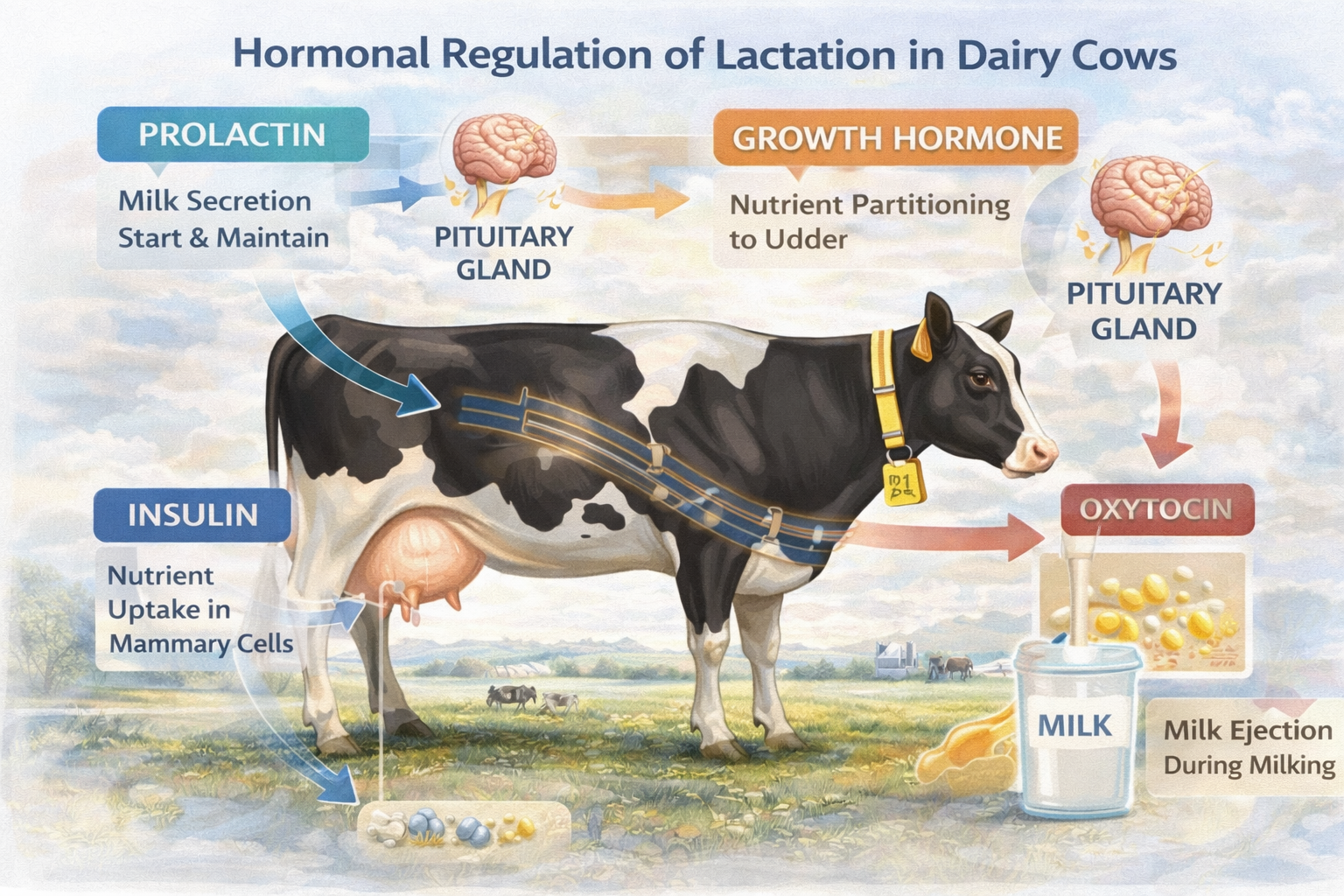
Lactation is hormonally governed. Prolactin initiates milk synthesis, growth hormone drives nutrient partitioning toward the mammary gland, insulin regulates nutrient uptake, and oxytocin controls milk let-down.
Disruption of hormonal signaling—through stress, disease, or negative energy balance—reduces milk yield even when feed intake appears adequate.
Hormonal roles
● Prolactin: initiation and maintenance of milk secretion
● Growth hormone: prioritization of nutrients to udder
● Insulin: regulation of glucose and amino acid uptake
● Oxytocin: milk ejection during milking
5. Lactation Curve Dynamics and Persistency
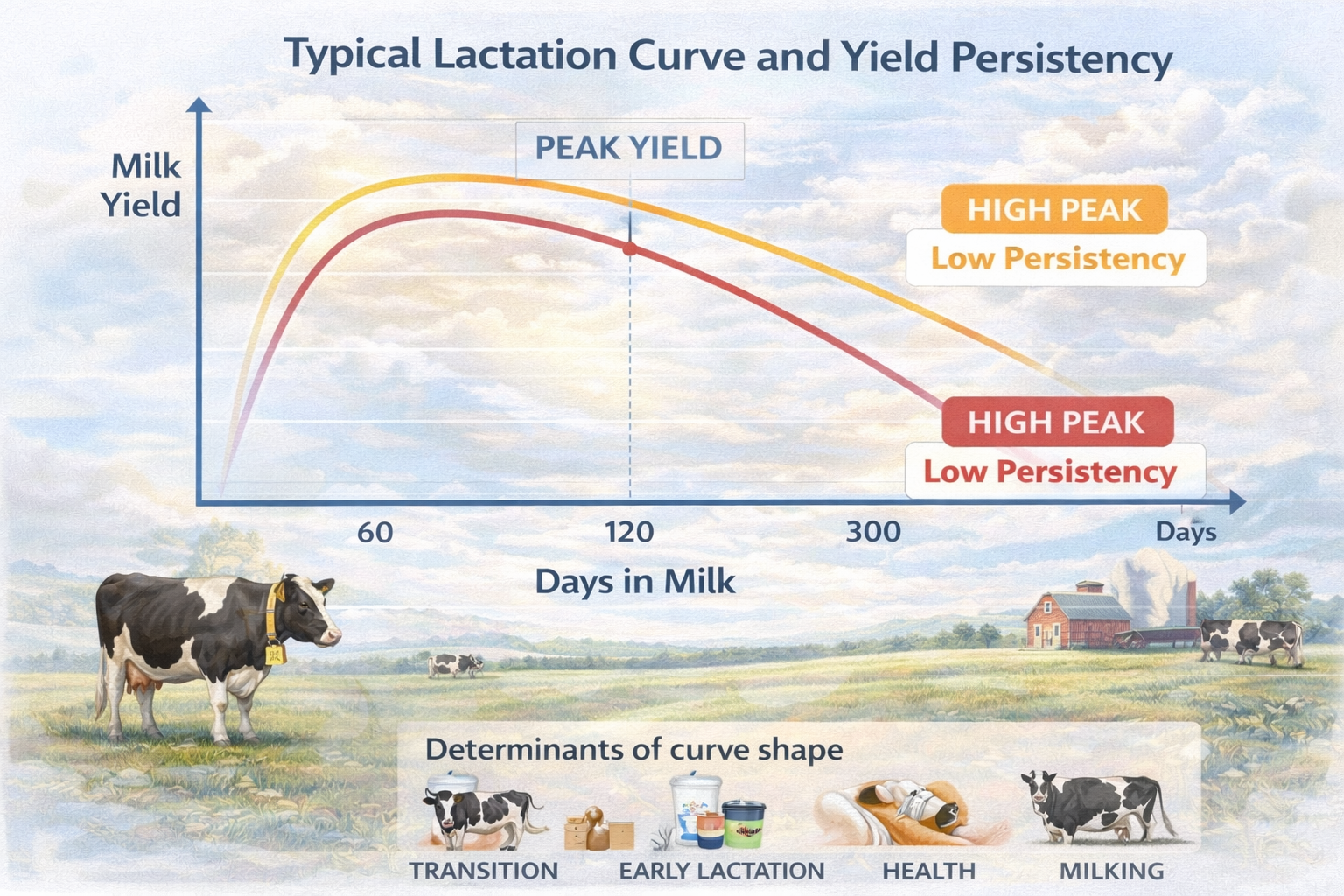
Milk yield follows a predictable lactation curve: rapid rise after calving, peak yield, followed by gradual decline. The shape of this curve, especially peak height and persistency, determines total lactation yield.
High peaks with poor persistency increase metabolic stress and health risk, while moderate peaks with strong persistency produce more sustainable lifetime output.
Determinants of curve shape
● Transition cow management
● Early lactation nutrition
● Health status in first 60 days
● Milking frequency and consistency
6. Nutrition–Milk Yield Interactions
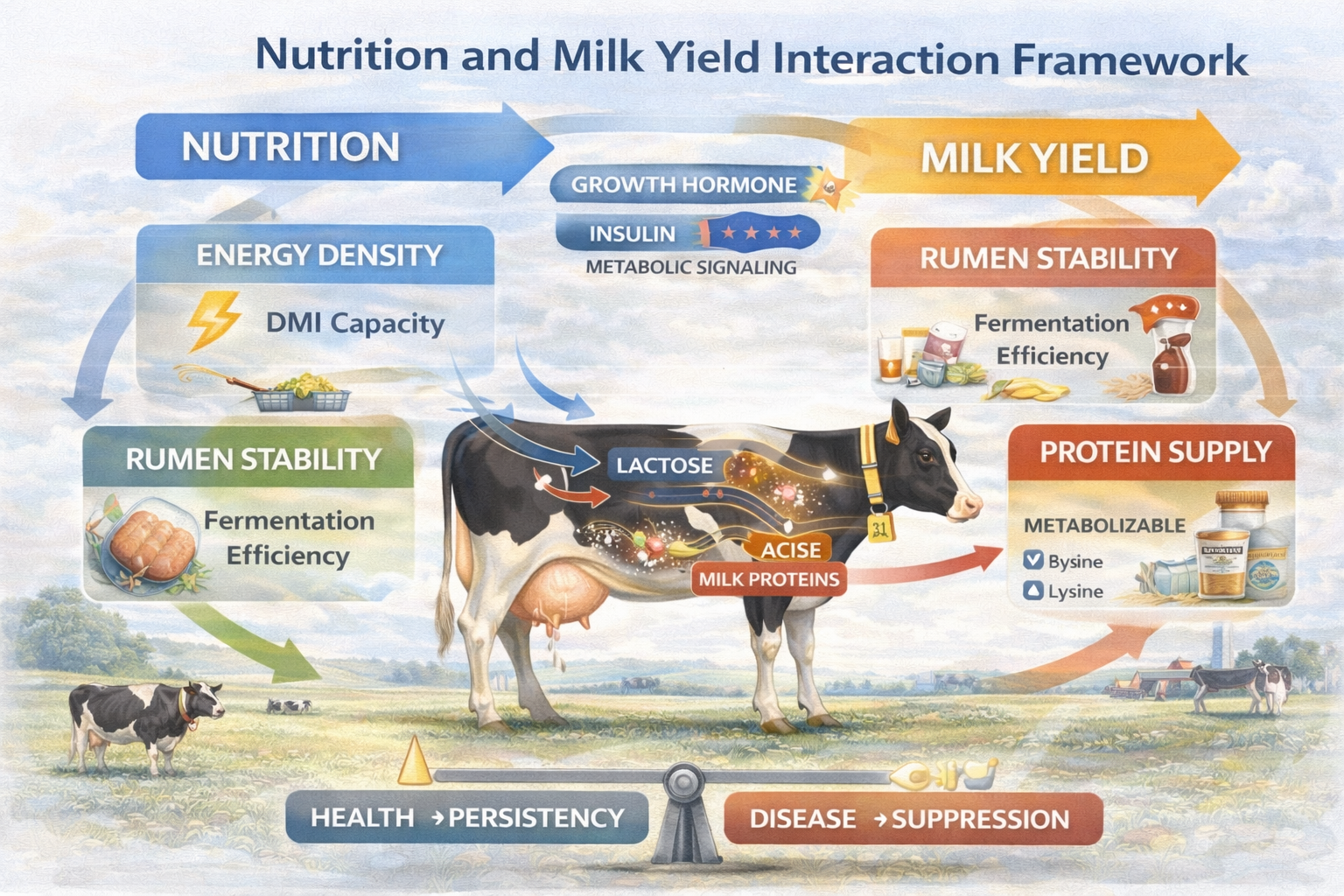
Nutrition does not directly “create” milk; it enables biological processes that allow milk synthesis. Energy density, rumen stability, protein quality, and micronutrient balance collectively regulate production.
Overfeeding energy increases metabolic disease risk, while underfeeding suppresses yield and persistency. Precision feeding aligns nutrient supply with lactation stage.
Nutritional drivers
● Dry matter intake capacity
● Rumen fermentation efficiency
● Metabolizable protein supply
● Mineral balance (Ca, P, Mg, trace elements)
7. Milking Systems and Milk Removal Biology
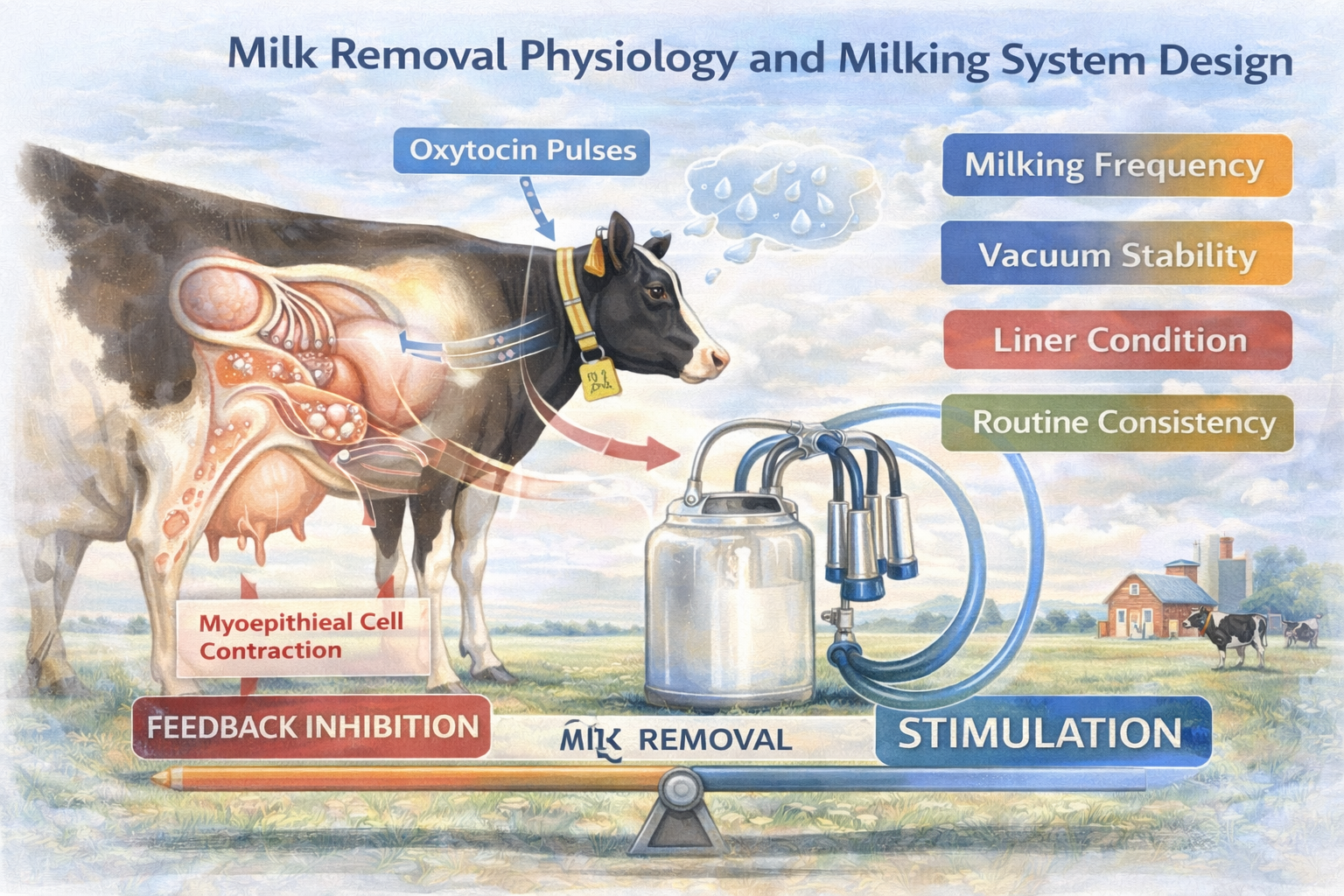
Milk removal frequency and completeness influence ongoing milk synthesis through feedback mechanisms. Incomplete or inconsistent milking increases intramammary pressure and down-regulates secretion.
Modern milking systems aim to optimize both cow comfort and milk flow dynamics.
Milking system factors
● Milking frequency
● Vacuum stability and liner condition
● Milking routine consistency
● Cow stress during milking
8. Environmental and Heat Stress Effects on Milk Production
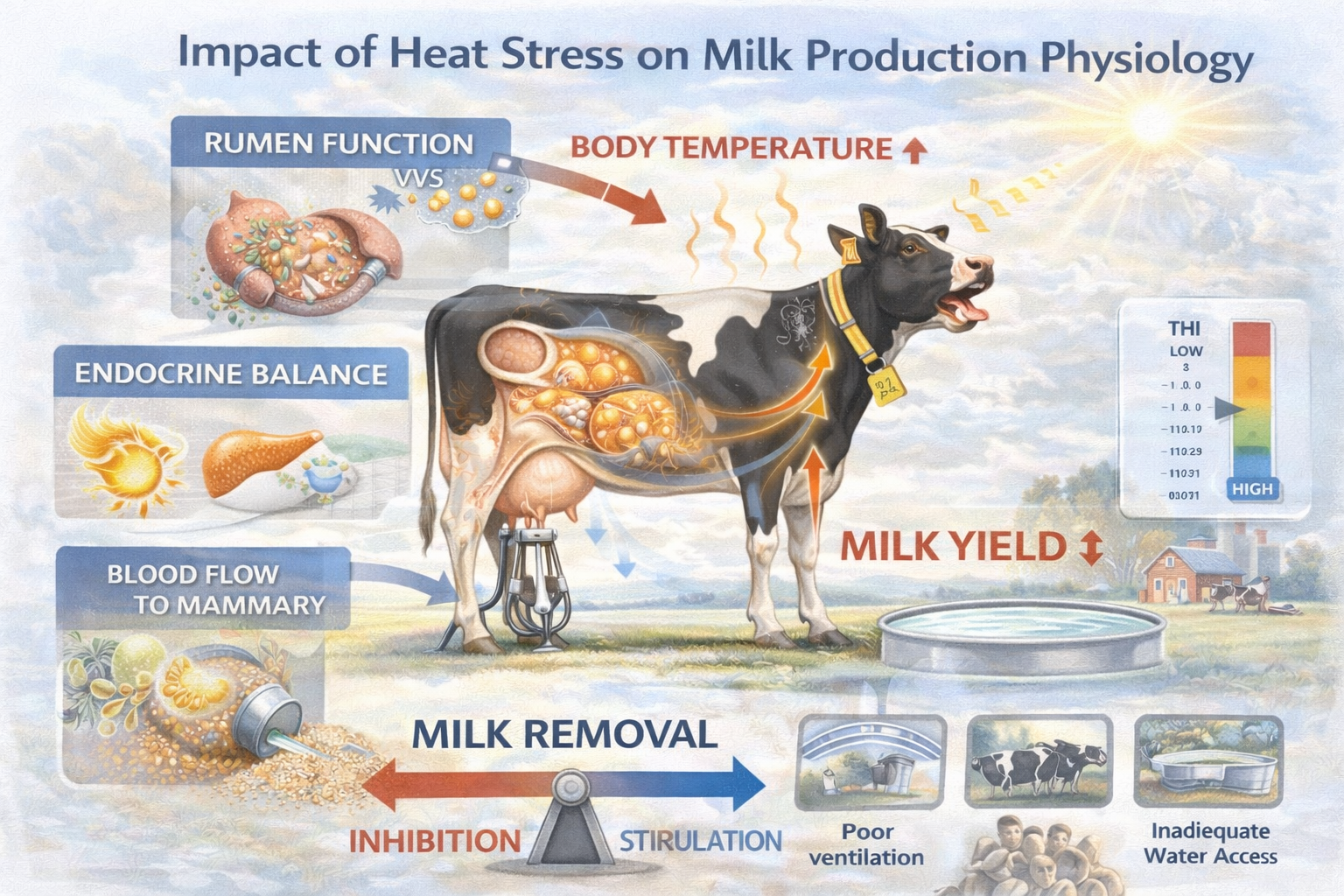
Heat stress disrupts feed intake, endocrine balance, rumen function, and mammary blood flow. Milk yield declines before visible signs of stress appear, making environment a silent production limiter.
Effective cooling preserves both yield and milk components.
Environmental stressors
● High temperature–humidity index
● Poor ventilation
● Overcrowding
● Inadequate water access
9. Milk Quality as a Production Outcome
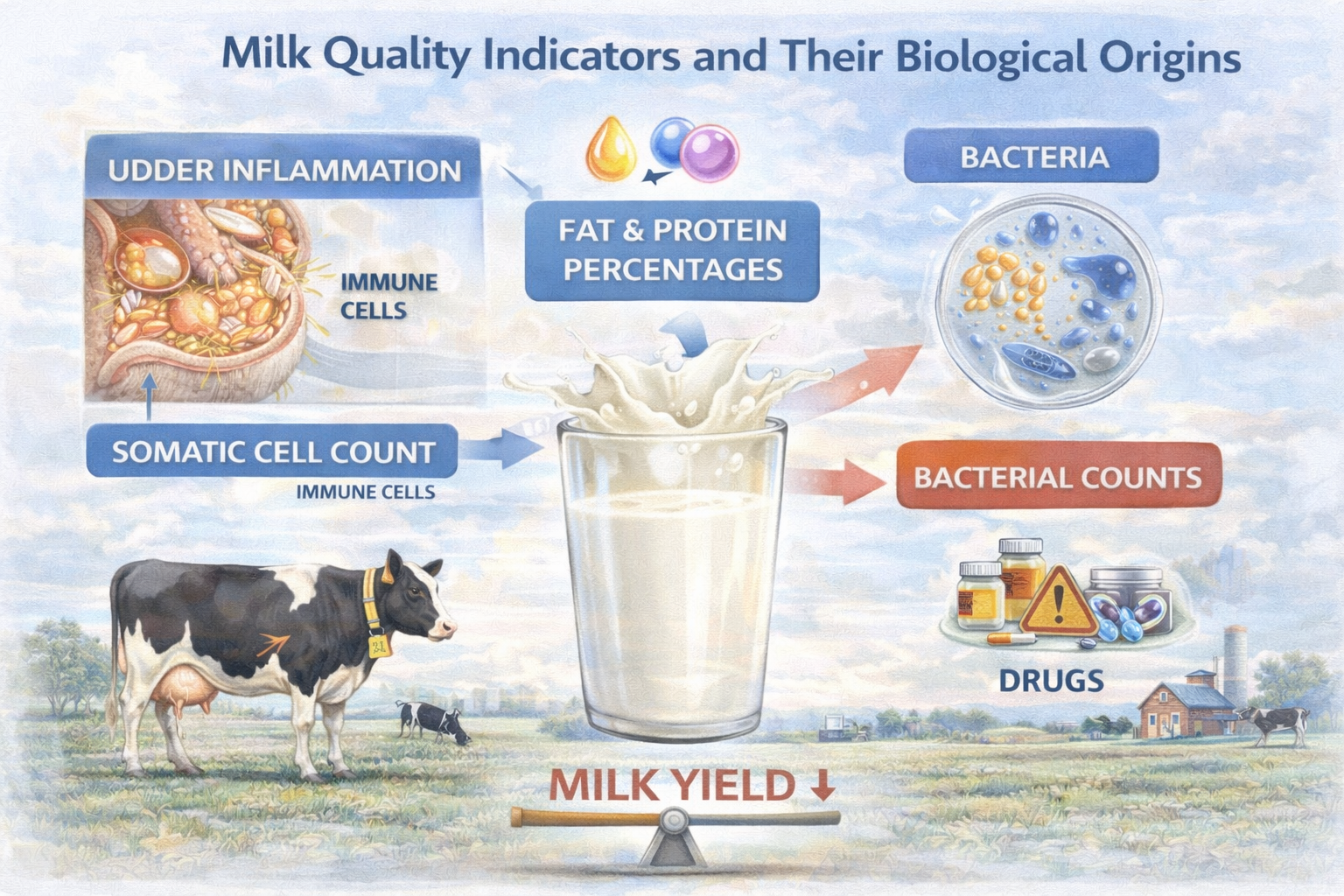
Milk yield without quality has limited economic value. Somatic cell count, fat-protein ratio, bacterial load, and residue status reflect underlying udder health and management discipline.
High-yield systems must simultaneously protect milk integrity.
Quality indicators
● Somatic cell count
● Fat and protein percentages
● Bacterial counts
● Absence of drug residues
10. Precision Dairy Production and Future Systems
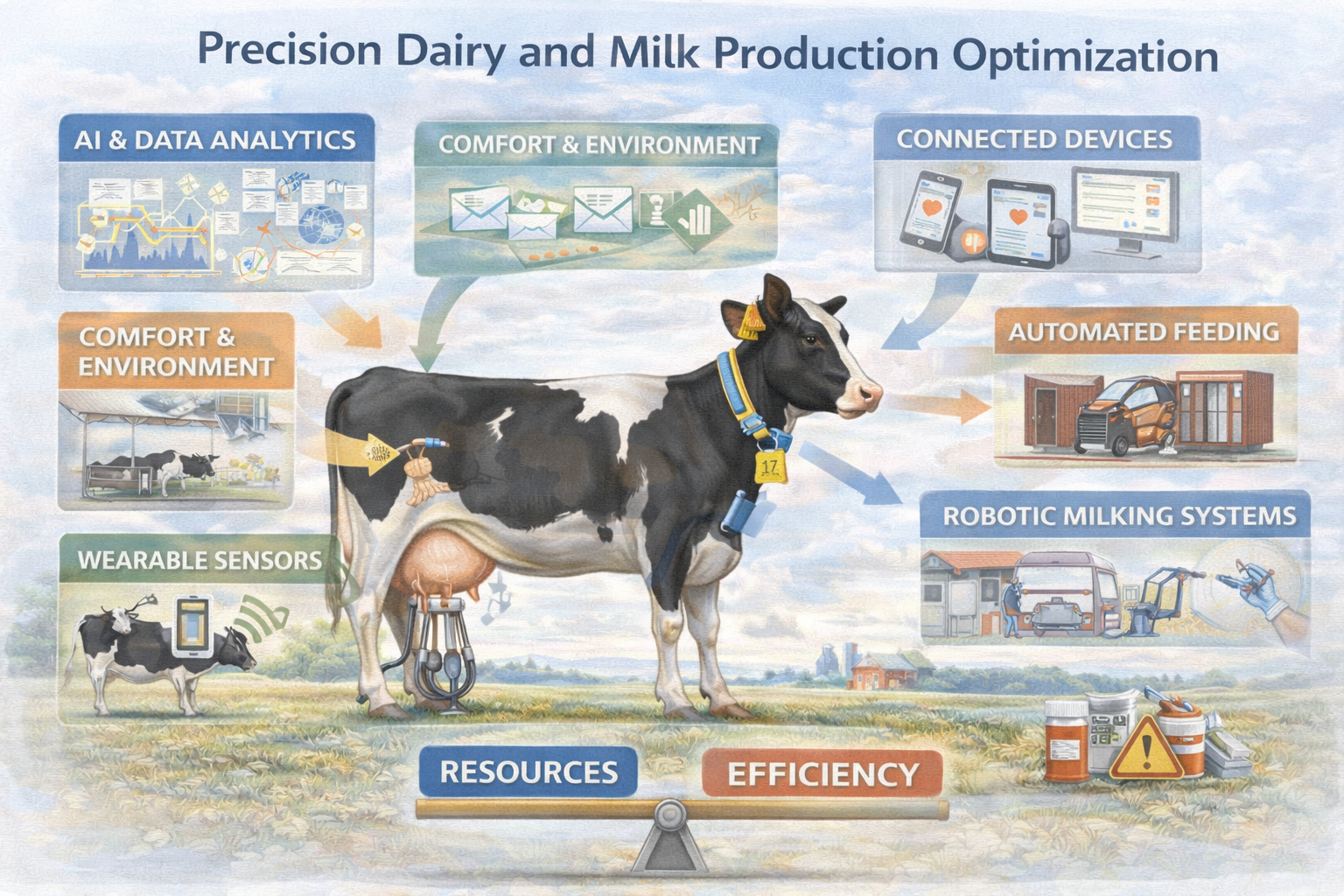
The future of milk production lies in precision monitoring of intake, rumination, milk components, activity, and health indicators. Data integration allows early correction before yield losses occur.
Milk production systems are evolving from experience-based to algorithm-guided biological management.
Precision tools
● Milk yield and component sensors
● Rumination and activity monitors
● Automated feeding systems
● Integrated decision dashboards
Conclusion: Designing Milk, Not Chasing Yield
Milk production is not forced from cows; it is designed through biology-aligned systems. Sustainable yield emerges when mammary capacity, metabolic supply, endocrine regulation, environment, and management act in harmony. Farms that respect lactation biology outperform those that pursue yield without understanding mechanism.