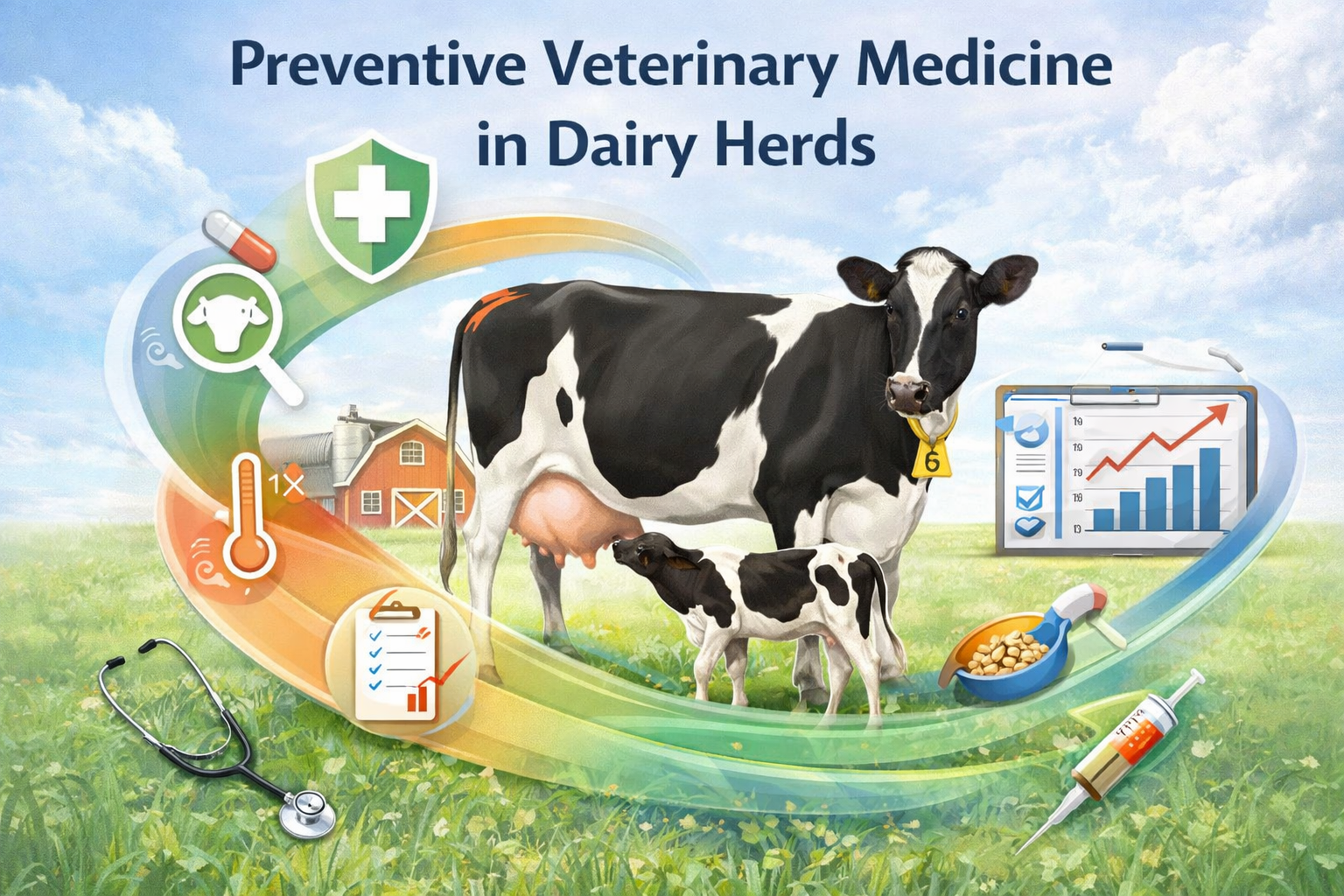
1. Health as the Biological and Economic Axis of Dairy Systems
In dairy production systems, health is not an independent variable but a biological axis that governs milk yield, fertility, longevity, feed efficiency, and genetic realization. Disease processes impose both direct losses—through reduced milk output, mortality, and discarded milk—and indirect losses through impaired reproduction, increased culling pressure, antimicrobial usage, and shortened productive lifespan.
Unlike crop systems, where yield loss is often seasonal, health failures in dairy cattle generate compounding, multi-lactational losses. Subclinical disease states, particularly metabolic and inflammatory conditions, erode productivity silently while escaping routine visual detection.
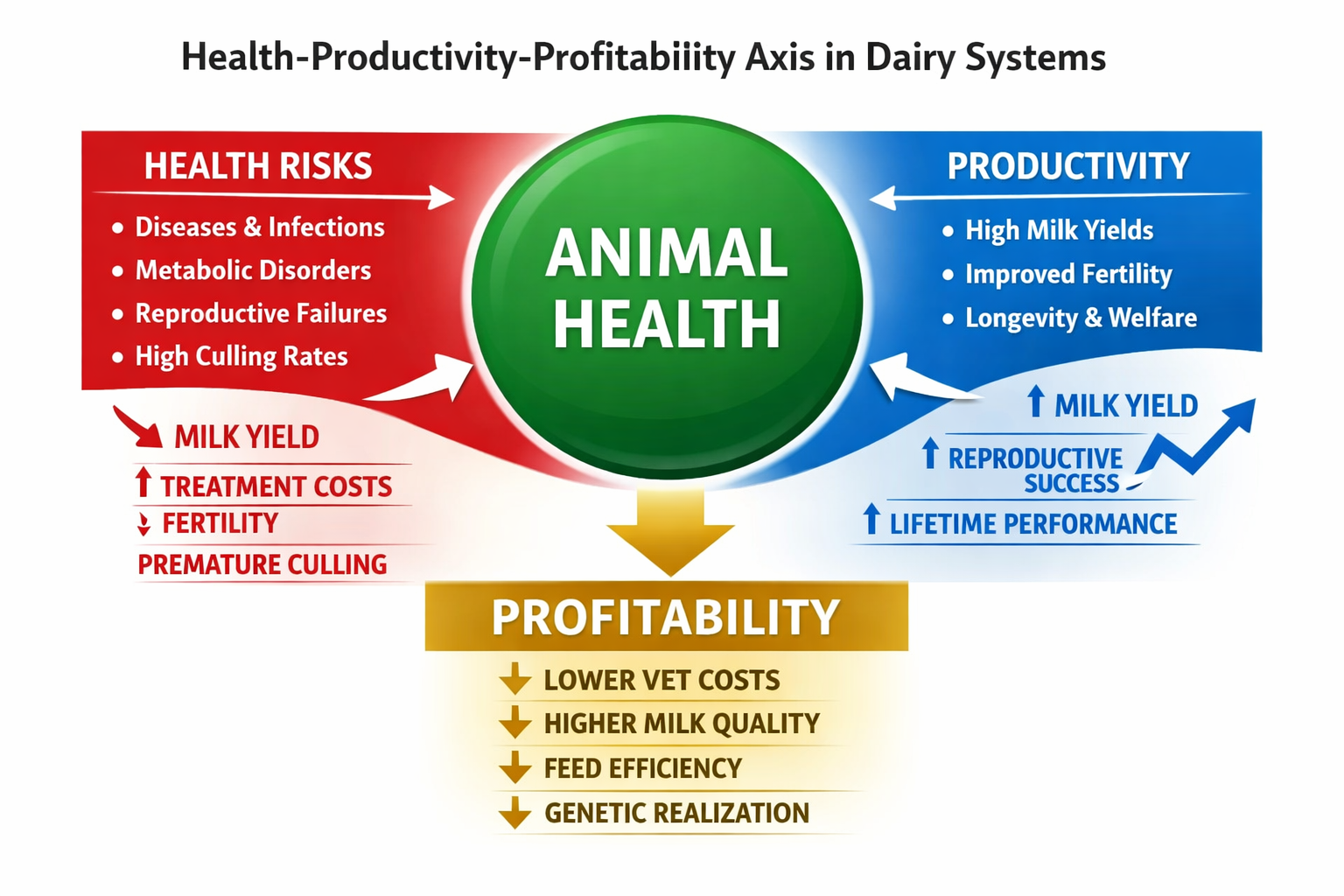
Consequently, advanced dairy enterprises conceptualize veterinary management not as episodic treatment but as a continuous biological control system designed to stabilize physiological function across the animal’s lifetime.
2. Preventive Veterinary Medicine: Systems Thinking Over Symptom Response
Preventive veterinary medicine represents a paradigm shift from reactive disease treatment toward anticipatory biological risk management. Rather than responding to overt pathology, preventive systems focus on identifying deviations from physiological homeostasis before clinical thresholds are crossed.
At the herd level, disease emerges not randomly but as the predictable outcome of interacting stressors: nutritional imbalance, metabolic overload, immune suppression, environmental stress, and management errors. Preventive medicine therefore integrates continuous monitoring with planned interventions.
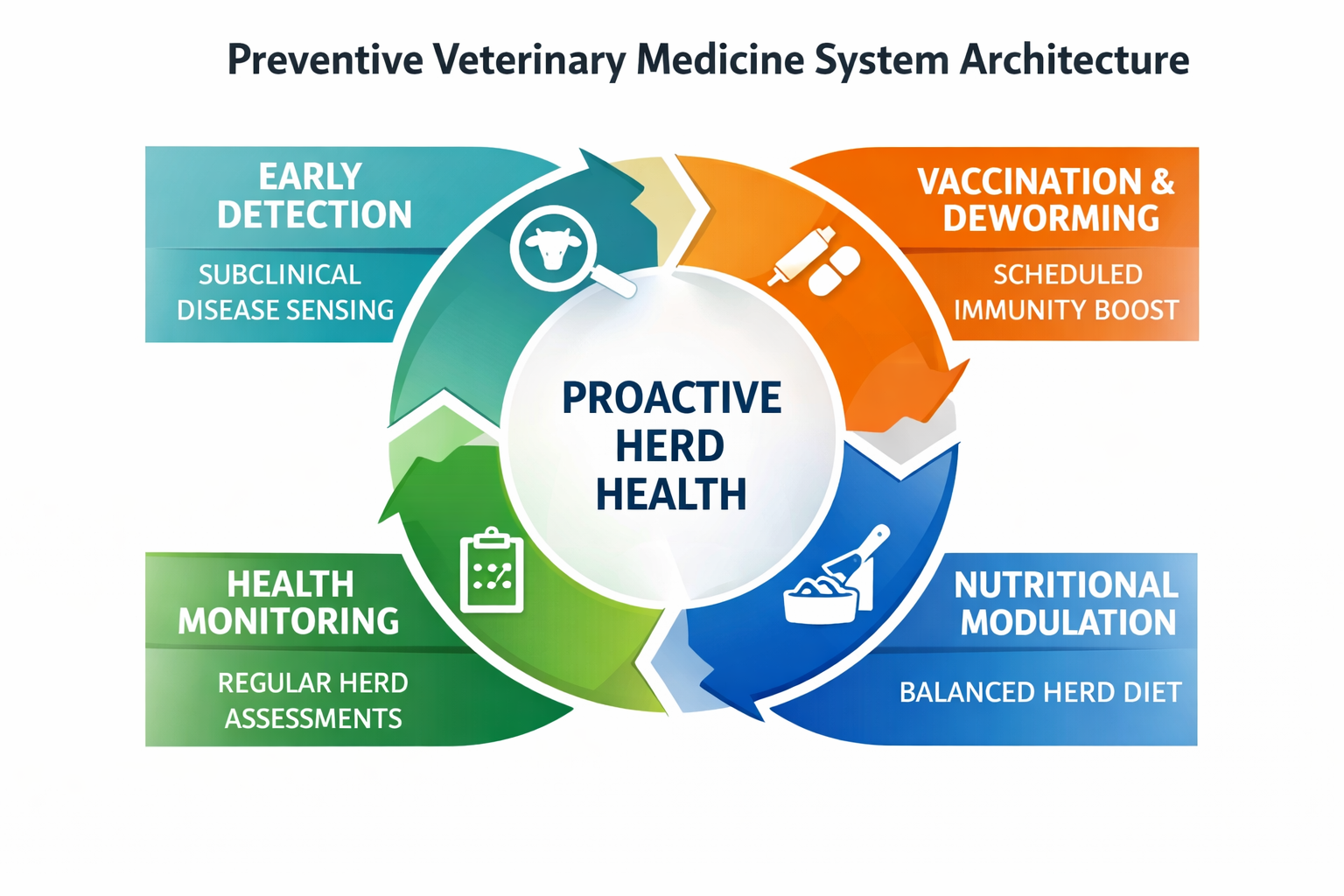
Core components of preventive veterinary systems include:
● Scheduled physiological and metabolic monitoring
● Early detection of subclinical inflammatory and metabolic states
● Stage-specific vaccination and parasite control
● Nutritional modulation aligned with production phase
This approach reduces antimicrobial reliance, improves milk quality compliance, and enhances system-level resilience.
3. Biosecurity as the First Epidemiological Barrier
Biosecurity functions as the primary epidemiological firewall protecting dairy populations from pathogen introduction and internal amplification. Infectious agents enter farms through animal movement, personnel, equipment, feed vectors, and transport vehicles, often without immediate clinical manifestation.
Once introduced, pathogens exploit management discontinuities—shared housing, equipment crossover, and inadequate segregation—to propagate across age and production groups.
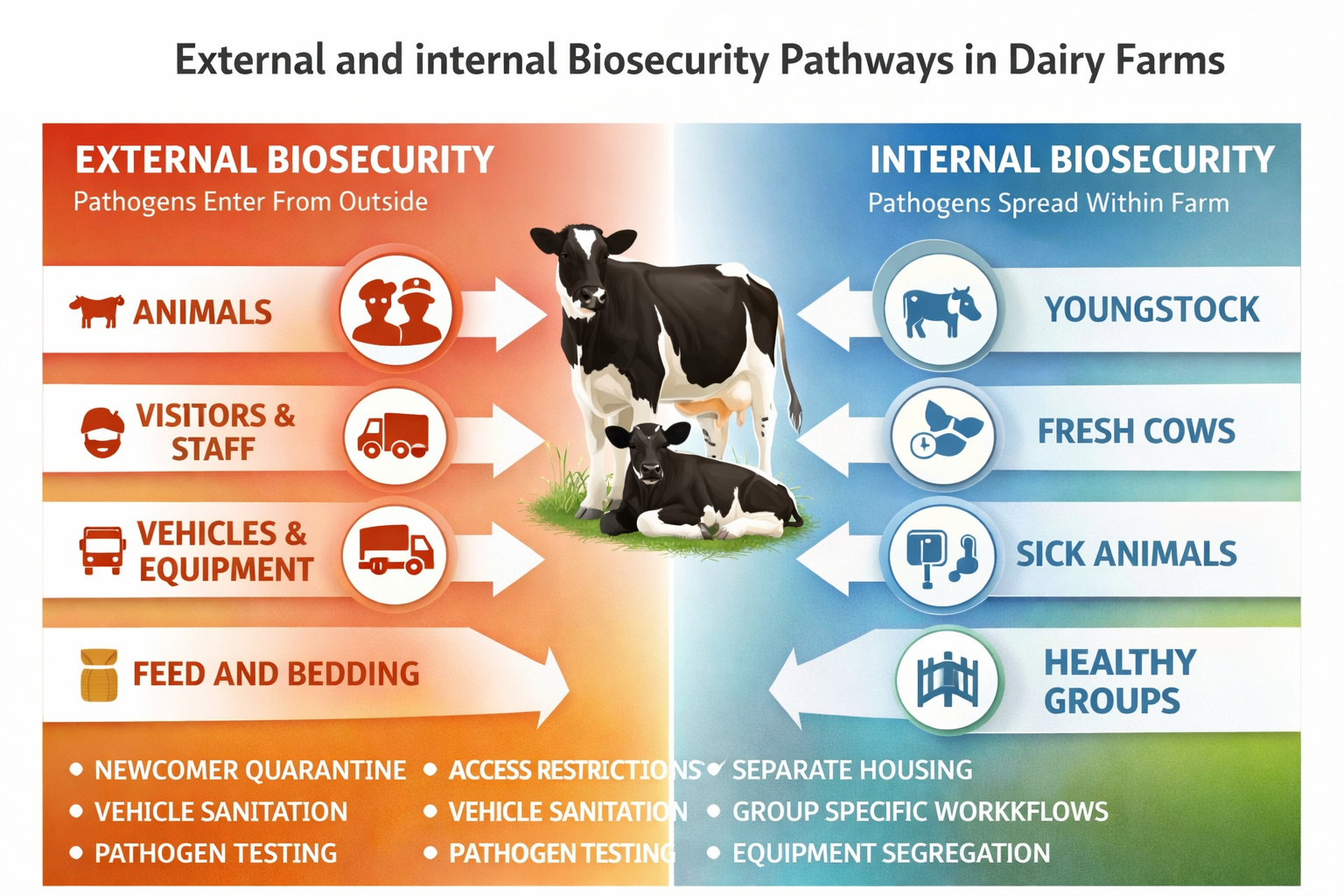
Effective biosecurity operates on two interdependent planes:
● External biosecurity, preventing pathogen entry through quarantine, controlled access, and sanitation
● Internal biosecurity, limiting within-farm transmission via group segregation, workflow control, and hygiene zoning
Biosecurity failures disproportionately affect youngstock and transition cows, amplifying long-term herd damage.
4. Vaccination Strategy: Engineering Herd Immunity
Vaccination is a population-level biological intervention aimed at establishing functional herd immunity, not individual disease treatment. The success of vaccination programs depends on immunological timing, antigen relevance, cold-chain integrity, and correct administration.
Vaccines are most effective when integrated into a broader immune-supportive framework that includes nutritional adequacy, stress control, and disease surveillance.
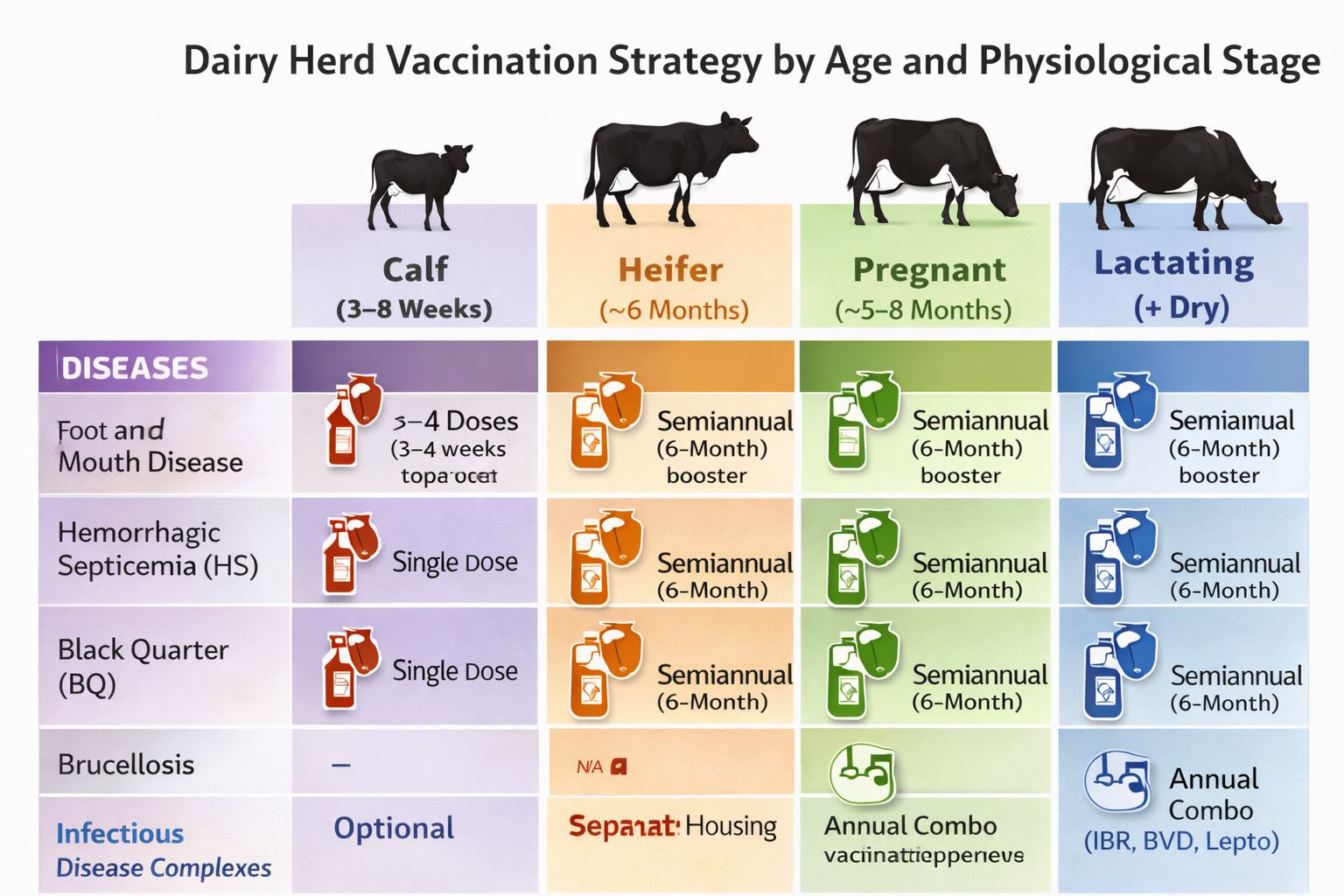
Strategic vaccination reduces outbreak frequency, disease severity, and pathogen shedding, thereby protecting both production performance and public health compliance.
5. Mastitis: Epidemiology, Inflammation, and Economic Loss
Mastitis is the most economically significant disease in dairy production, responsible for sustained milk losses, quality penalties, antimicrobial use, and premature culling. From a biological perspective, mastitis represents a localized inflammatory response that disrupts mammary epithelial integrity and milk synthesis pathways.
Subclinical mastitis, characterized by elevated somatic cell counts without visible symptoms, accounts for the majority of cumulative losses due to its chronic, undetected nature.
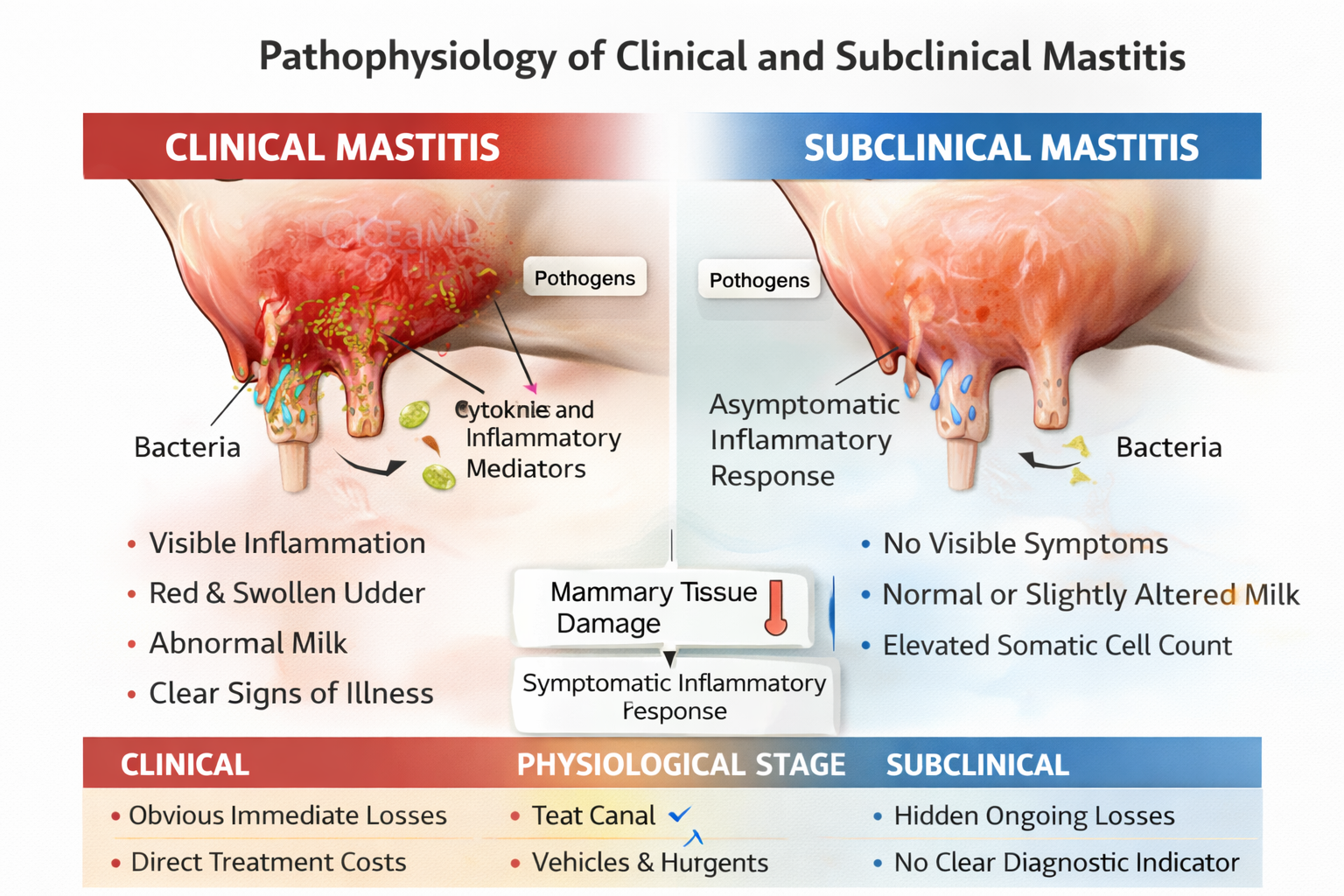
Effective mastitis control requires:
● Hygienic milking routines
● Equipment function optimization
● Dry period udder management
● Continuous inflammatory surveillance
Drug-centered strategies alone fail without systemic management correction.
6. Metabolic Disorders and Energetic Dysregulation
High-producing dairy cows operate near the limits of metabolic capacity. During early lactation, nutrient demand for milk synthesis exceeds voluntary intake, creating negative energy balance and systemic metabolic strain.
Metabolic disorders emerge when adaptive capacity is exceeded, leading to cascading physiological dysfunction.
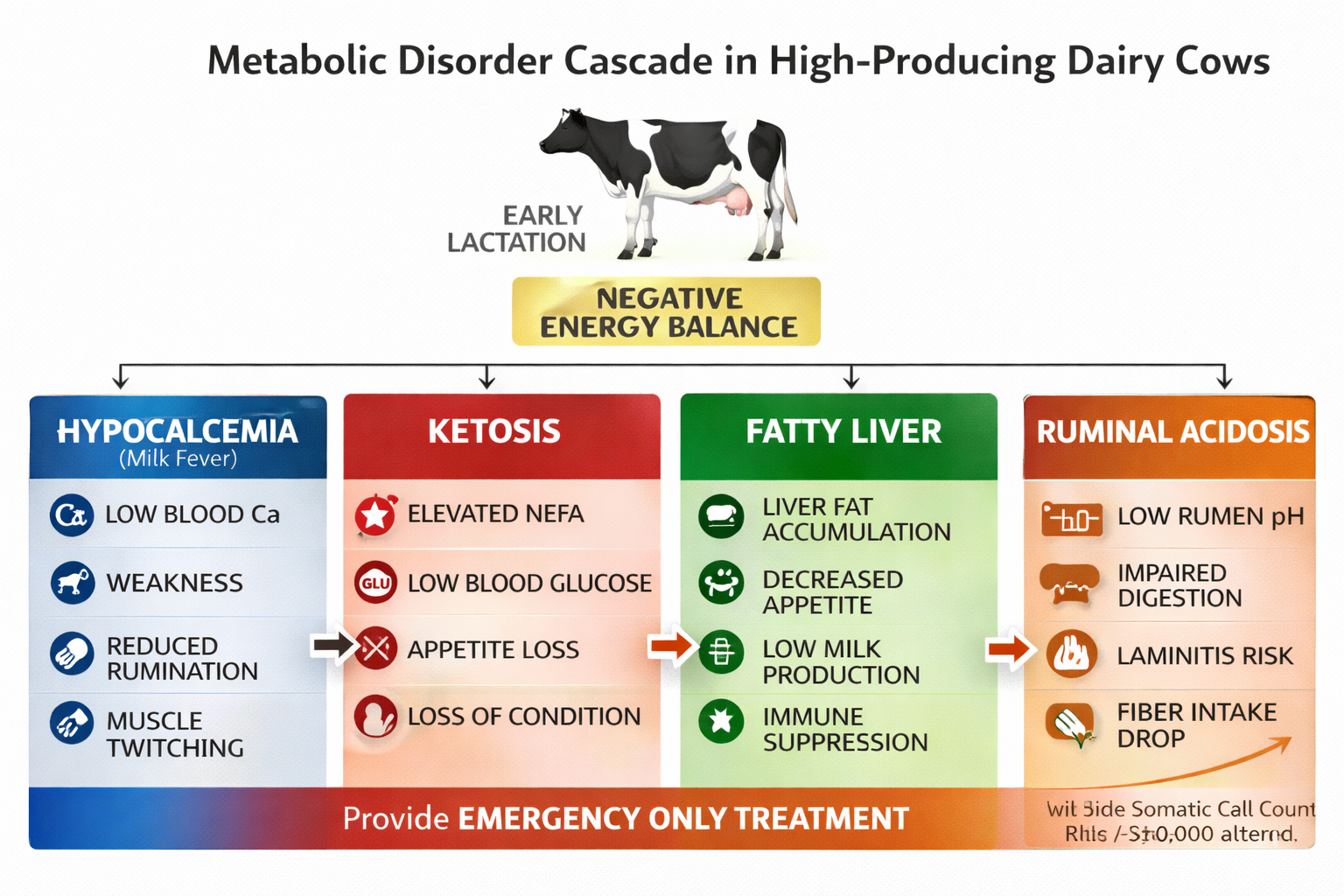
Key disorders—ketosis, hypocalcemia, fatty liver, and ruminal acidosis—are not isolated diseases but interconnected manifestations of energetic and mineral imbalance.
7. Transition Cow Biology: The Metabolic Bottleneck
The transition period represents the most biologically vulnerable phase of the dairy cow lifecycle. Endocrine shifts, immune suppression, and metabolic overload converge during this window, determining lactation success and reproductive recovery.
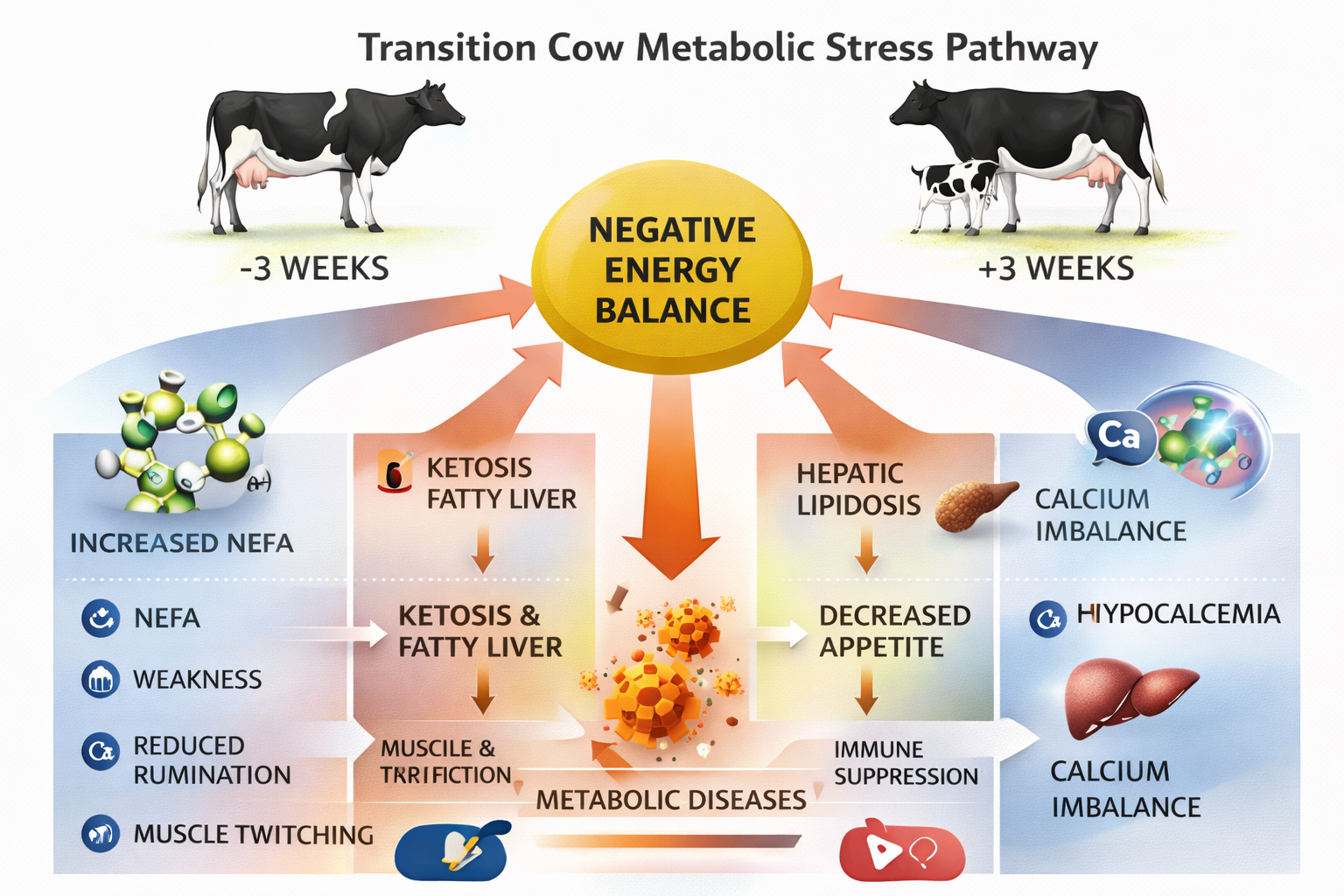
Failure to manage transition biology results in persistent inflammation, delayed ovarian cyclicity, and increased disease susceptibility, linking transition management directly to fertility and lifetime productivity.
8. Calf Health and Passive Immune Programming
Calf survival and future productivity are determined during the first hours after birth. Because bovine placentation prevents in-utero antibody transfer, calves are immunologically naïve at birth and rely entirely on colostral immunoglobulin absorption.
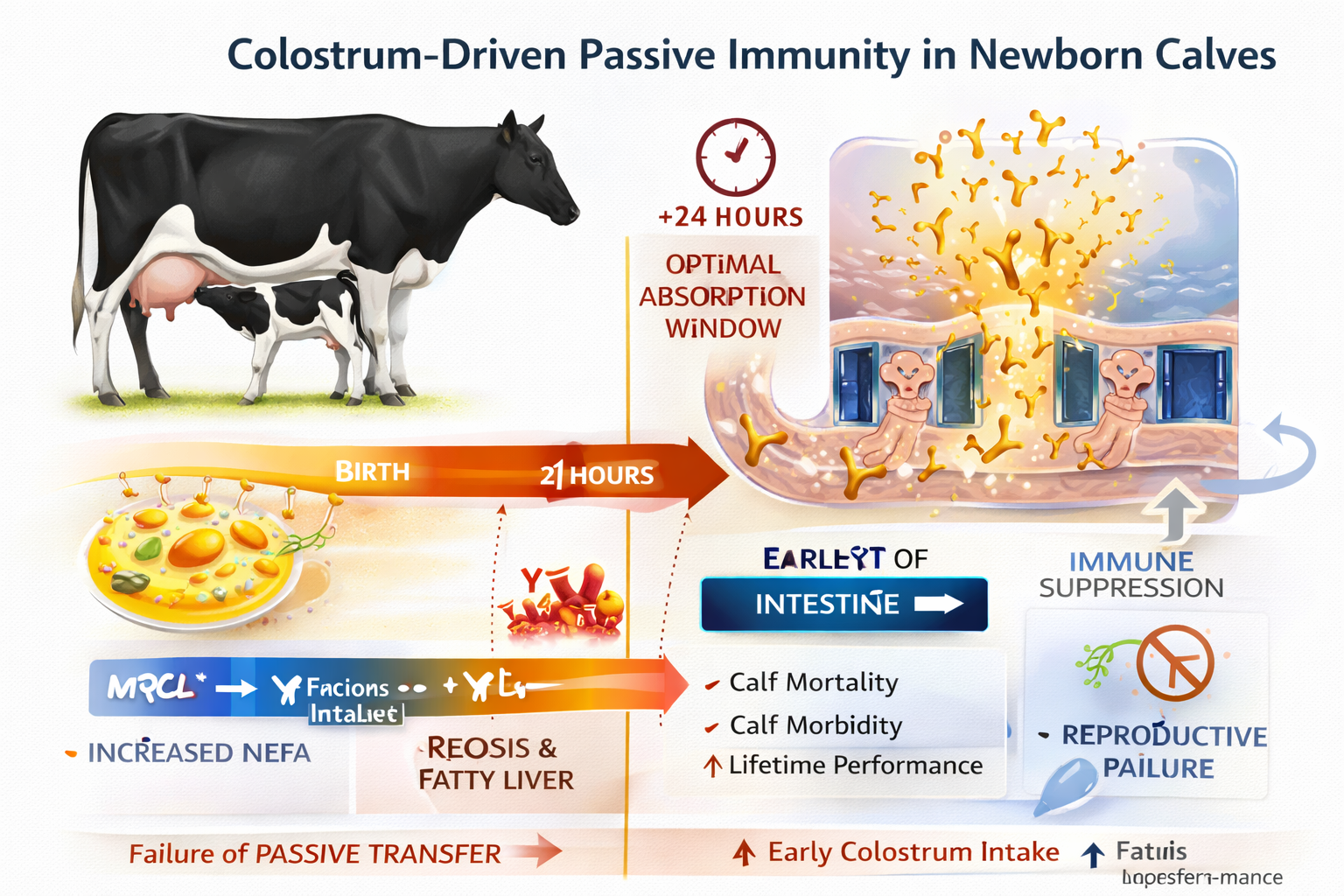
Failure of passive transfer increases morbidity, mortality, and long-term performance deficits, making calf health a strategic investment rather than a routine task.
9. Lameness: Chronic Pain, Chronic Loss
Lameness is a chronic inflammatory condition that compromises locomotion, feed intake, fertility, and welfare. Unlike acute diseases, lameness generates prolonged subclinical loss before overt detection.
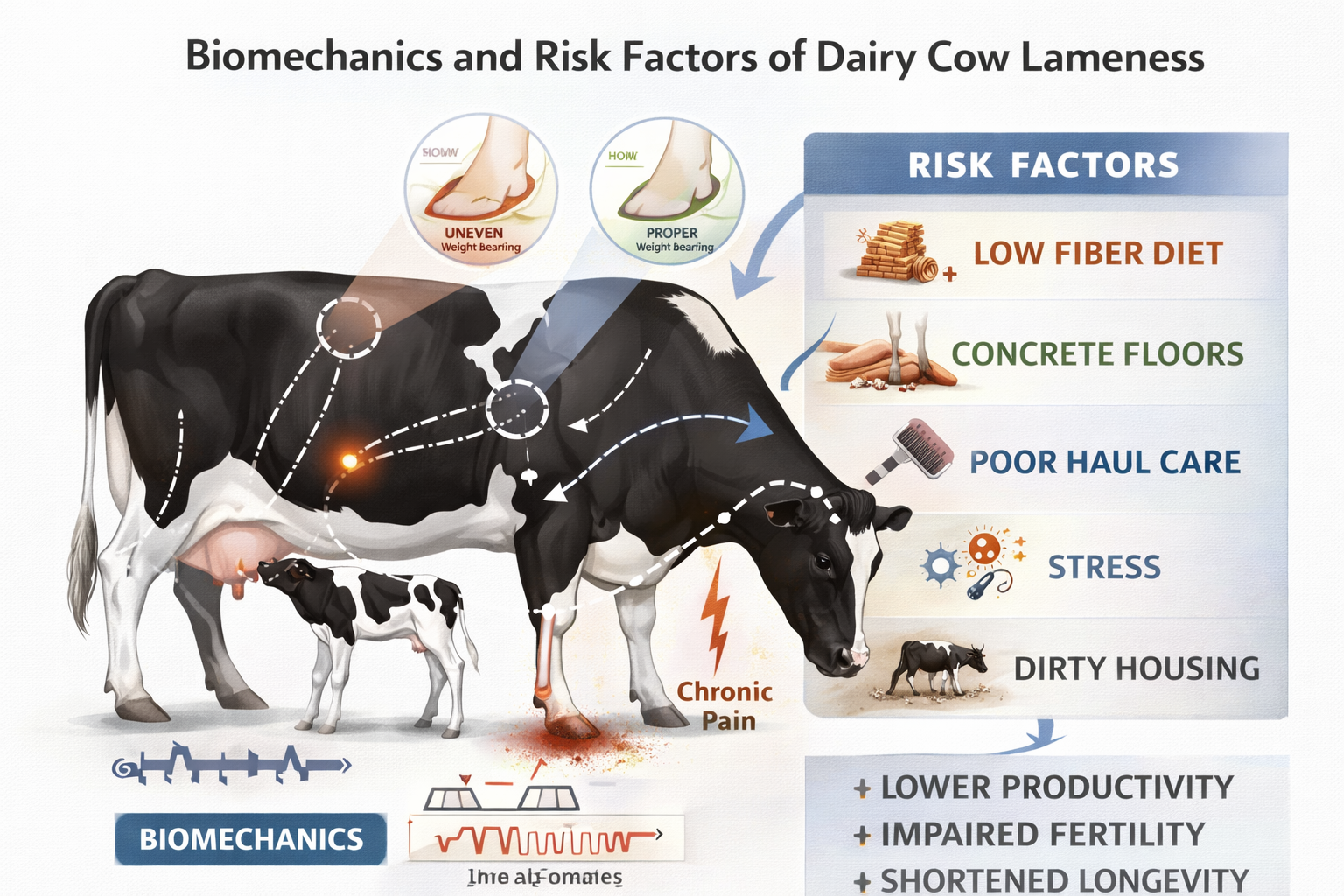
Preventive control requires integration of nutrition, flooring design, hoof care, and early locomotion scoring.
10. Data-Driven Veterinary Governance
Modern dairy health management increasingly relies on quantitative decision systems rather than intuition. Health records enable early detection of trends, evaluation of intervention efficacy, and continuous system optimization.
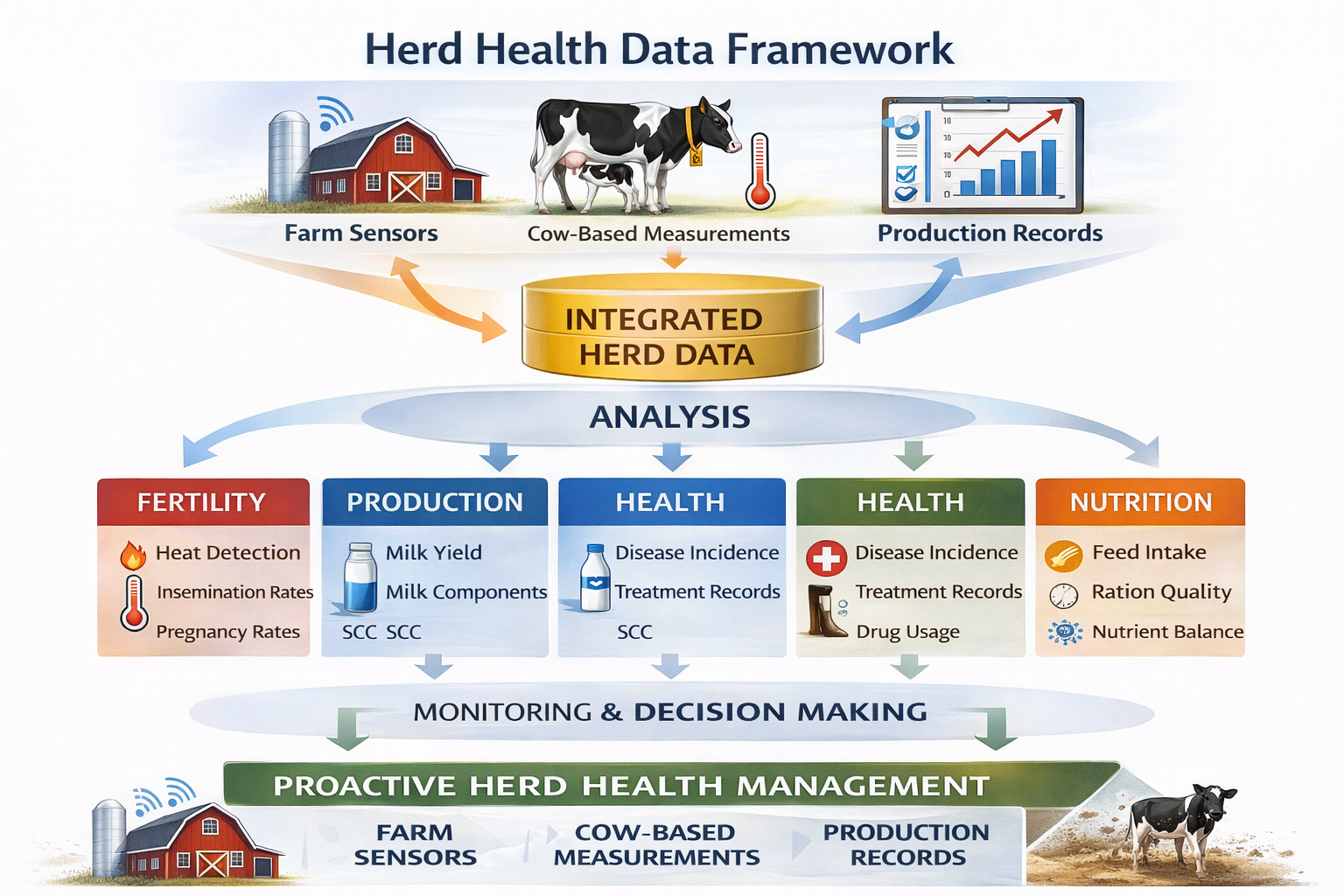
Data transforms veterinary care from reactive treatment into predictive biological governance.
Conclusion: Health as the Enabler of Genetic and Economic Sustainability
Veterinary health management is the biological infrastructure upon which reproduction, genetics, and profitability depend. Farms that institutionalize preventive medicine, metabolic control, biosecurity, and data analytics consistently outperform reactive systems. A healthy herd is not an outcome—it is a managed process and the prerequisite for sustainable dairy success.