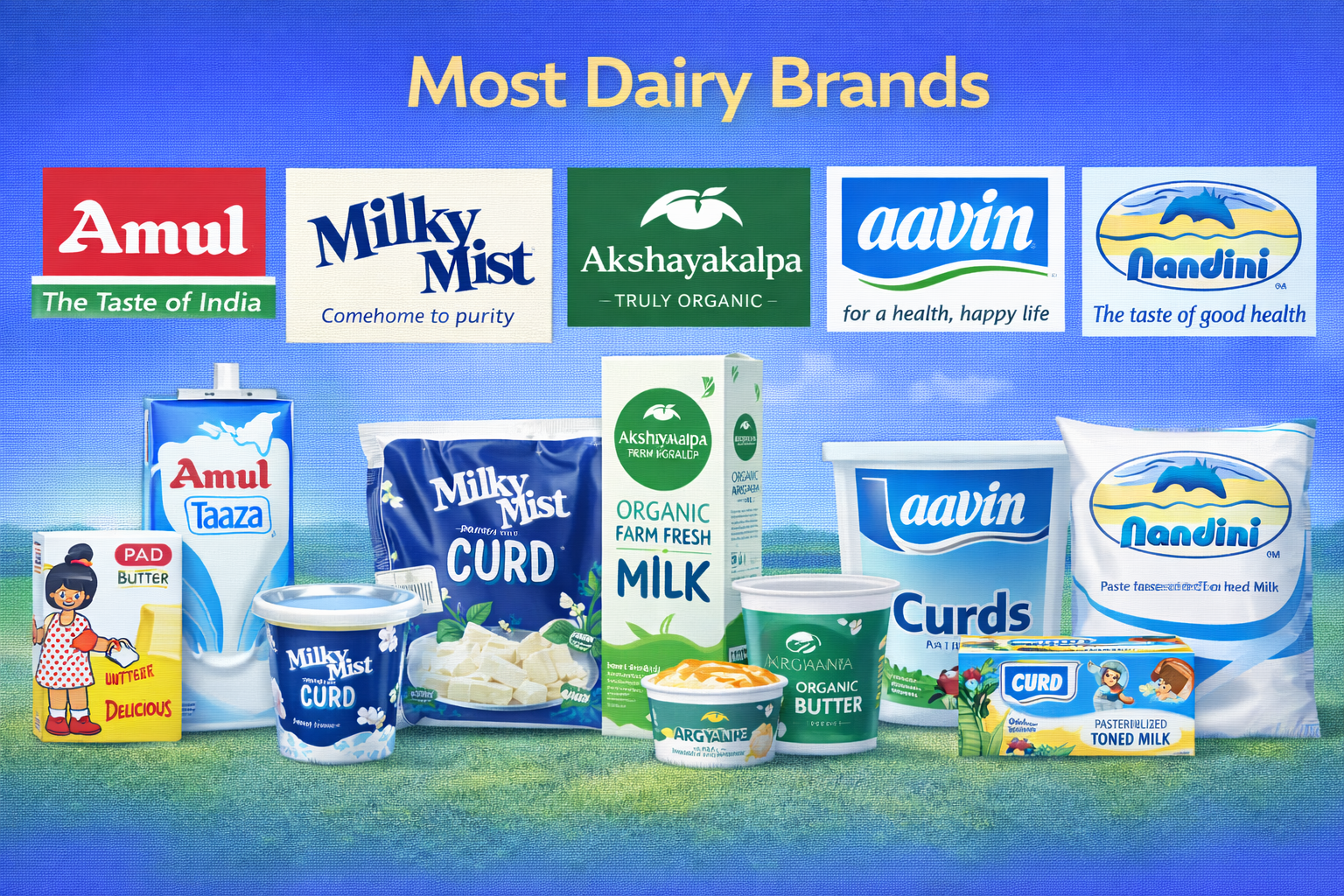
1. Amul
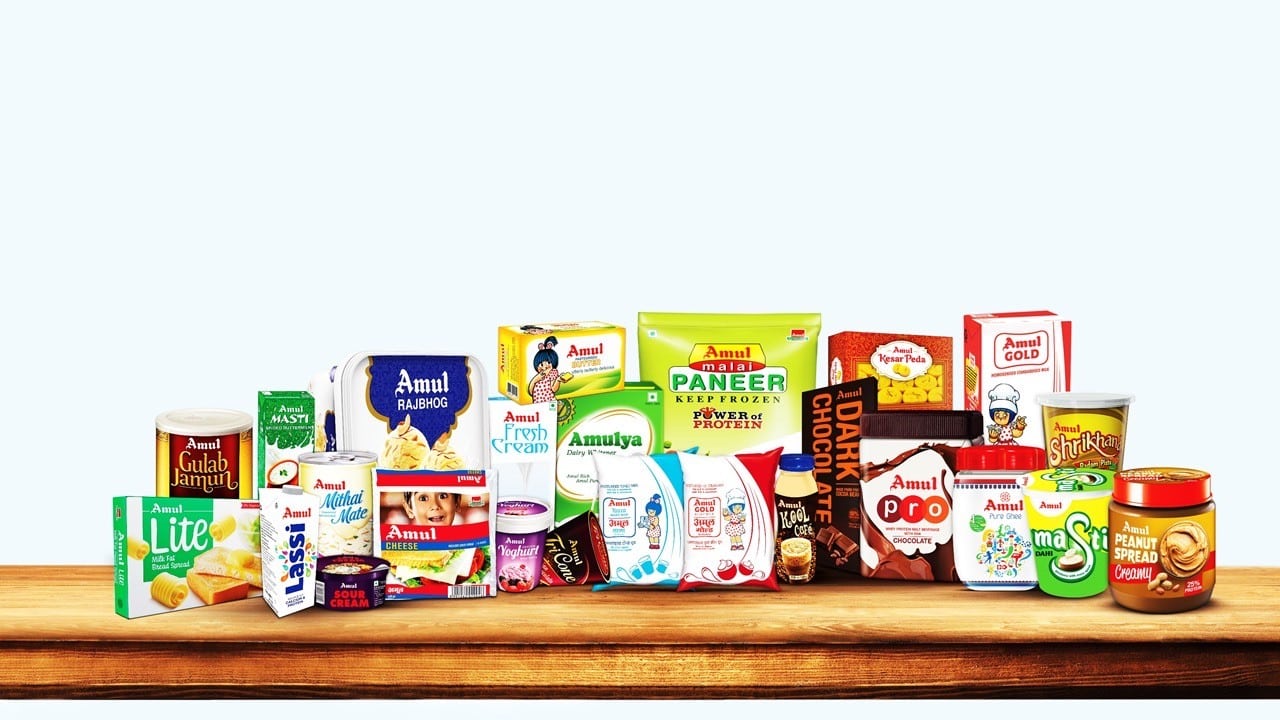
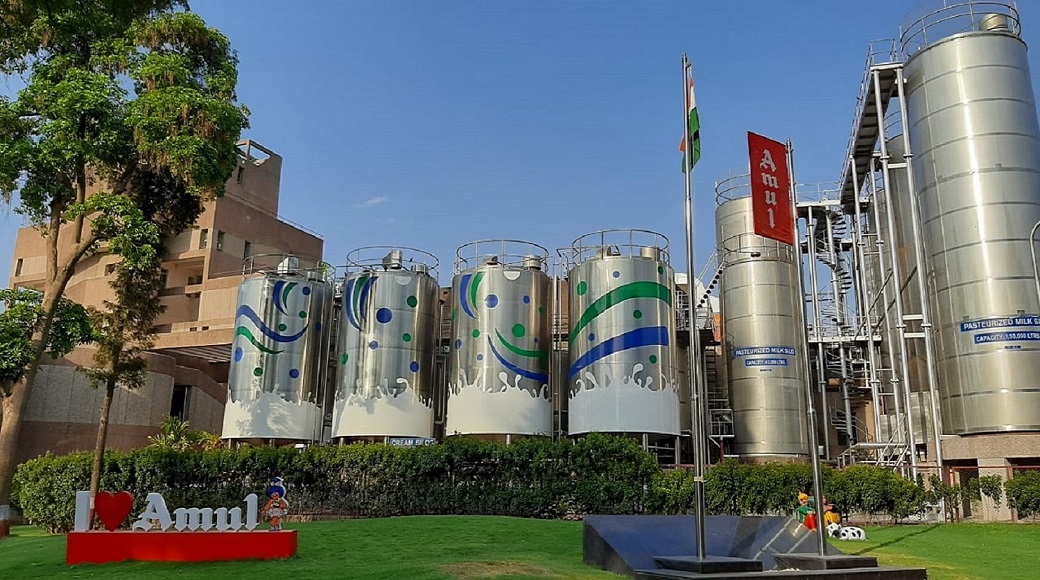
Amul is India’s most influential dairy brand and the global symbol of cooperative-led dairying. Built on a farmer-owned structure, Amul integrates millions of producers into a unified national market.

Key characteristics
● Farmer-owned cooperative structure
● National milk procurement network
● Strong brand trust and scale
● Wide product portfolio
Strategic lesson
Scale combined with farmer ownership can dominate markets sustainably.
2. Nandini
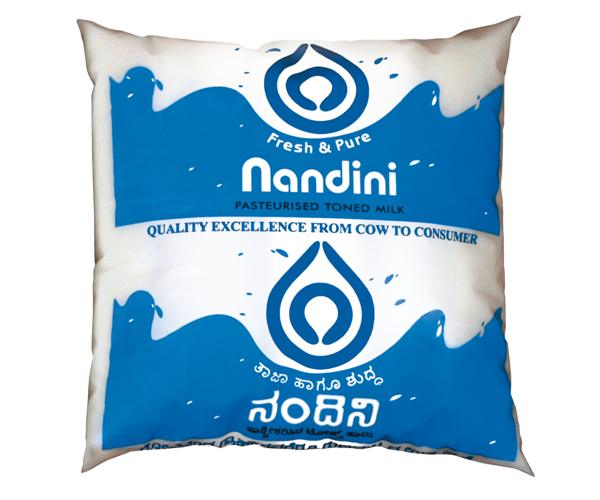
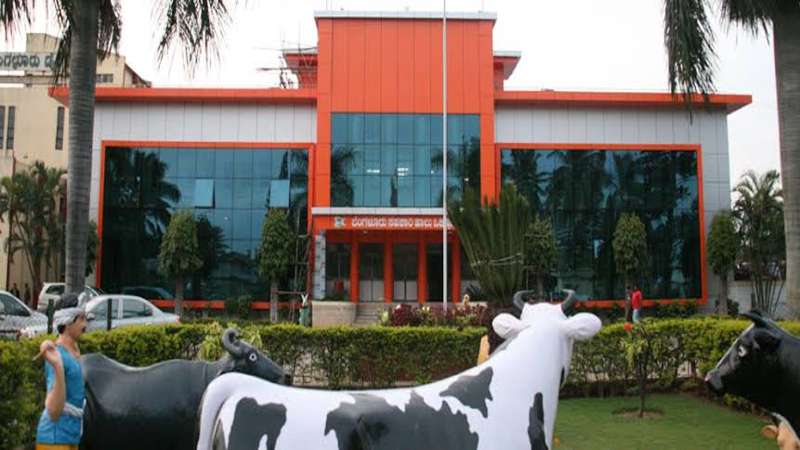
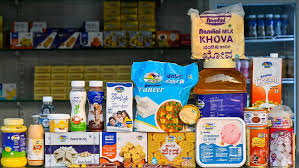
Nandini is the flagship dairy brand of Karnataka, operated through a state-level cooperative federation. It focuses on regional loyalty and affordable dairy nutrition.
Key characteristics
● Strong state-level cooperative base
● High penetration in Karnataka
● Affordable pricing strategy
Strategic lesson
Regional dominance can be as powerful as national scale.
3. Milky Mist
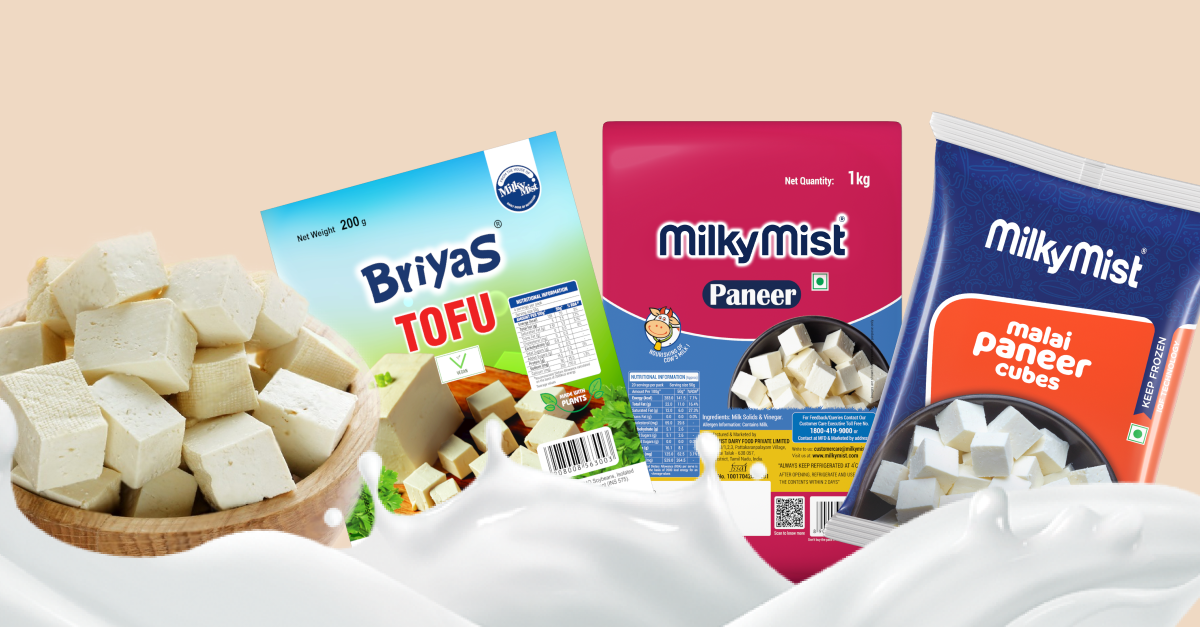
Milky Mist represents a successful private-sector dairy brand built on value-added products rather than fluid milk dominance.

Key characteristics
● Strong focus on paneer and cheese analogues
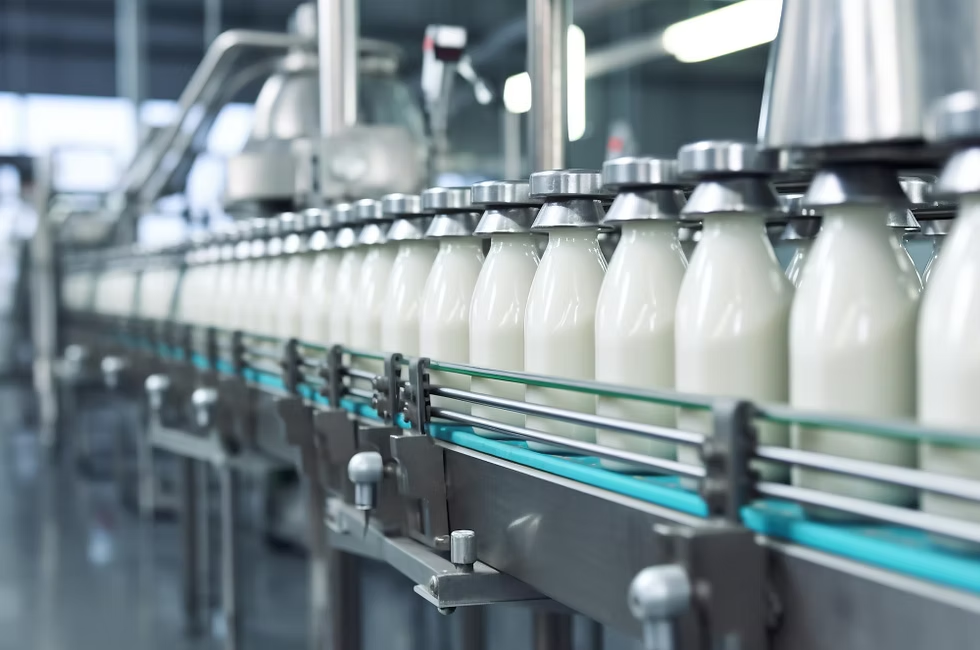
● Integrated procurement and processing
● Premium positioning
Strategic lesson
Value-added focus can outperform volume-based competition.
4. Akshayakalpa
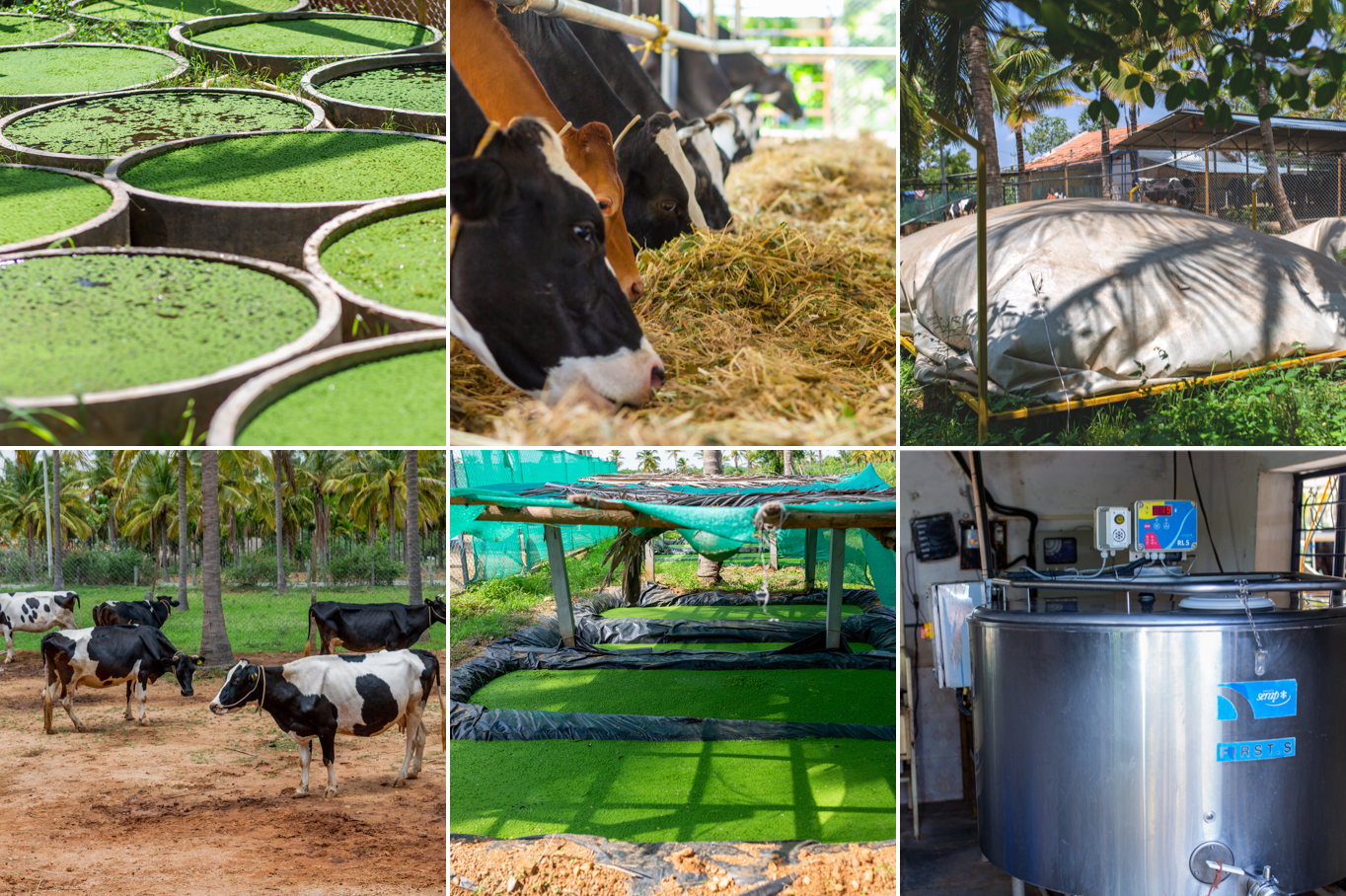
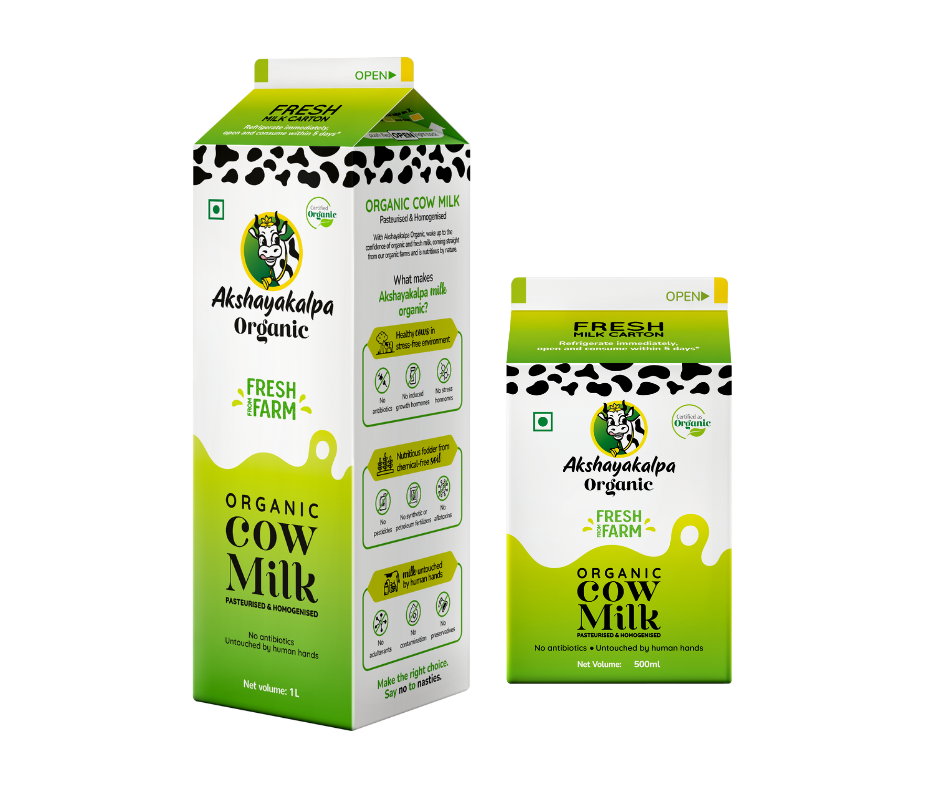
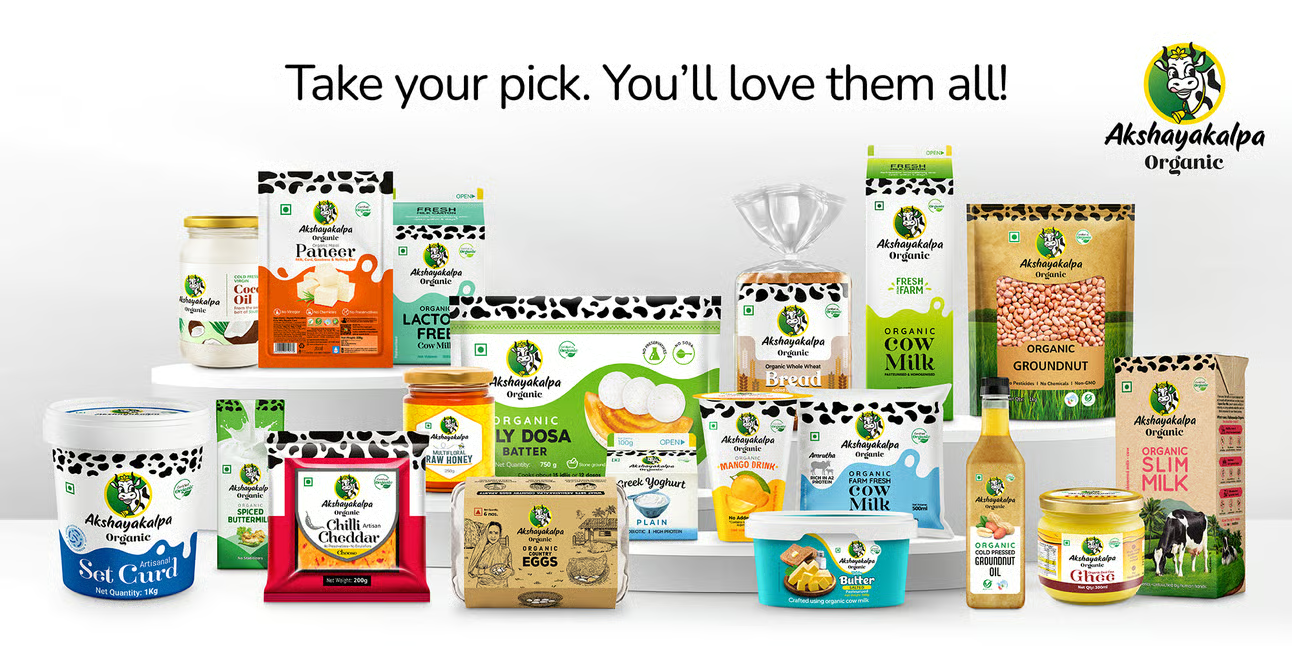
Akshayakalpa is a modern dairy brand emphasizing organic practices, traceability, and direct farmer integration.
Key characteristics
● Certified organic dairy focus
● Direct farmer partnerships
● Premium urban market orientation
Strategic lesson
Differentiation and transparency can justify premium pricing.
5. Aavin
Aavin is the state-owned cooperative dairy brand of Tamil Nadu, operating under the Tamil Nadu Cooperative Milk Producers’ Federation. It plays a central role in milk procurement, processing, and distribution across urban and rural Tamil Nadu.

Key characteristics
● State-level cooperative dairy brand
● Strong milk procurement network across Tamil Nadu
● Focus on affordable liquid milk and essential dairy products
● Extensive distribution through Aavin parlours
Procurement & operating model
● Milk sourced from cooperative societies
● Government-supported price stabilization
● Emphasis on volume, accessibility, and nutrition
Strategic lesson
Aavin demonstrates how state-backed cooperatives can ensure milk affordability, farmer inclusion, and large-scale distribution in densely populated regions.
5. Cooperative vs Private Dairy Brands: A Structural Comparison
Indian dairy brands broadly follow two models:
● Cooperative-led (Amul, Nandini)
● Private enterprise-led (Milky Mist, Akshayakalpa)
Key contrasts
● Ownership: farmers vs shareholders
● Pricing: stability vs margin-driven
● Product strategy: volume vs specialization
Neither model is universally superior; success depends on alignment between procurement, processing, and market positioning.
________________________________________
Conclusion: Brands as Market Interfaces
Dairy brands are not merely marketing entities; they are interfaces between farmers, processors, and consumers. The most successful Indian dairy brands balance procurement discipline, processing efficiency, and consumer trust. Whether cooperative or private, brands that align farmer incentives with market realities sustain long-term relevance in India’s complex dairy ecosystem.