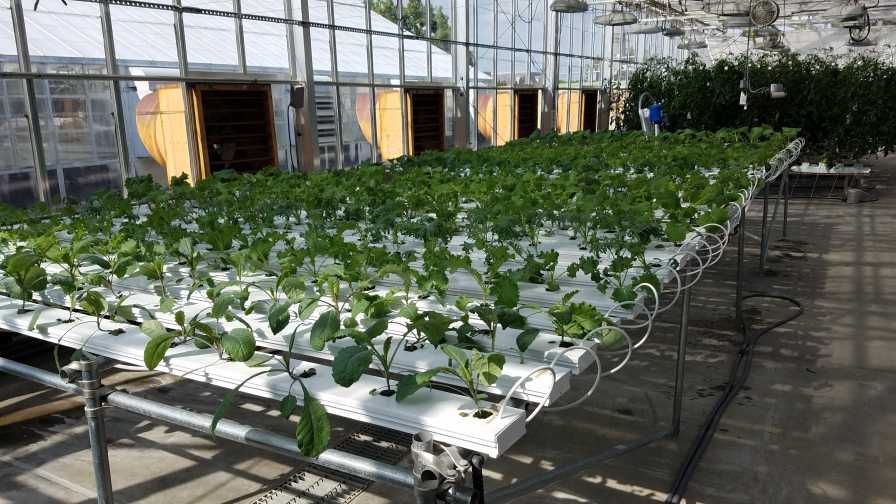
Kale (Brassica oleracea var. acephala) is a hardy leafy Brassica valued for its high nutritional density, robust leaf structure, and extended harvest potential. Compared to softer leafy greens, kale exhibits greater tolerance to environmental fluctuations and nutrient variations. These traits, combined with a fibrous yet manageable root system, make kale suitable for NFT hydroponic cultivation under controlled environments, particularly for staggered or cut-and-come-again harvest systems.
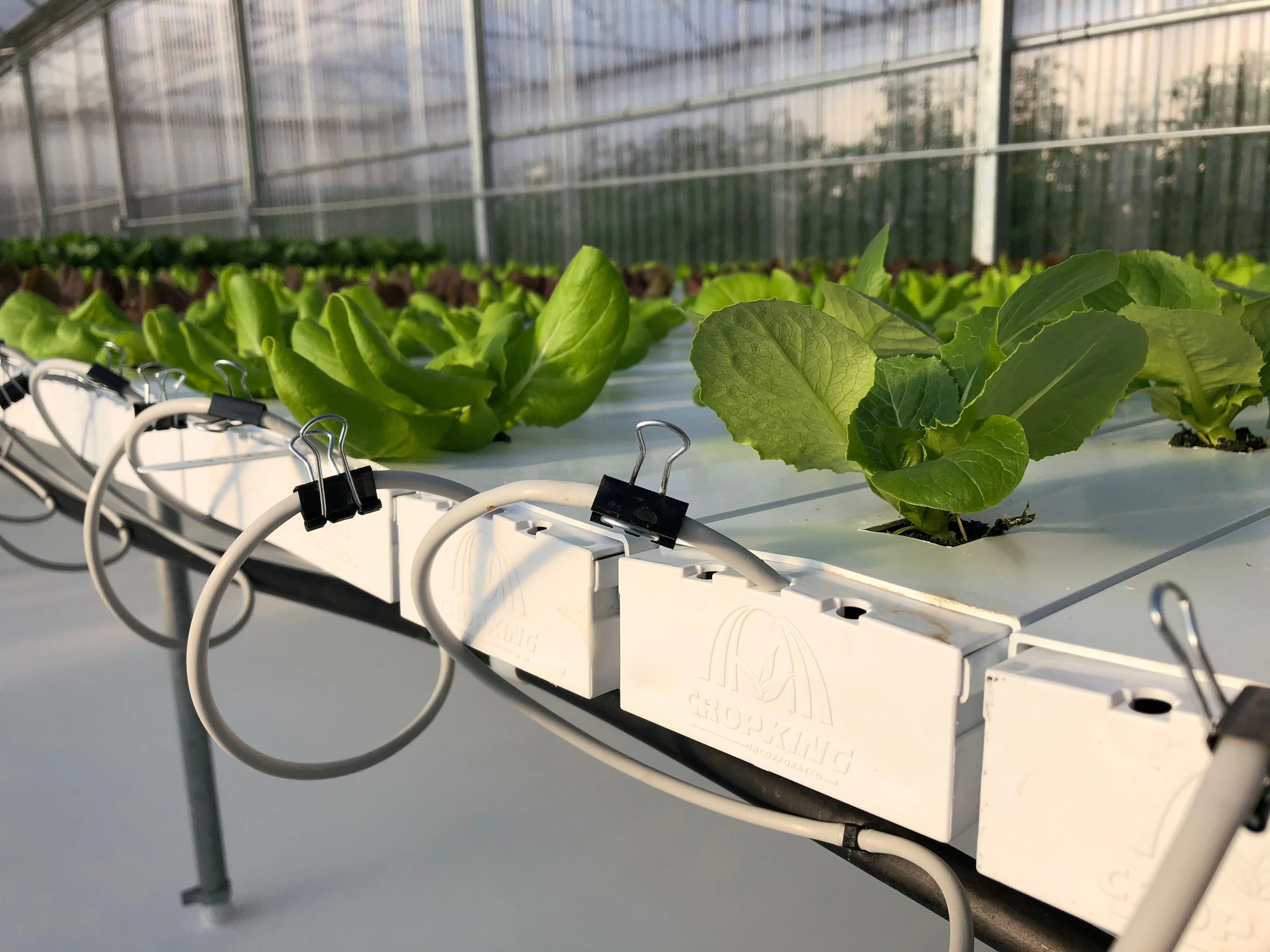
NFT hydroponics provides a continuously oxygenated nutrient film to kale roots, supporting steady vegetative growth and strong leaf development. Compared to soil cultivation, NFT allows precise nutrient regulation, cleaner produce, and reduced soil-borne disease risks. Kale’s upright growth habit and moderate canopy spread enable efficient spacing within NFT channels, making it suitable for commercial-scale hydroponic production.
Variety selection and nursery management
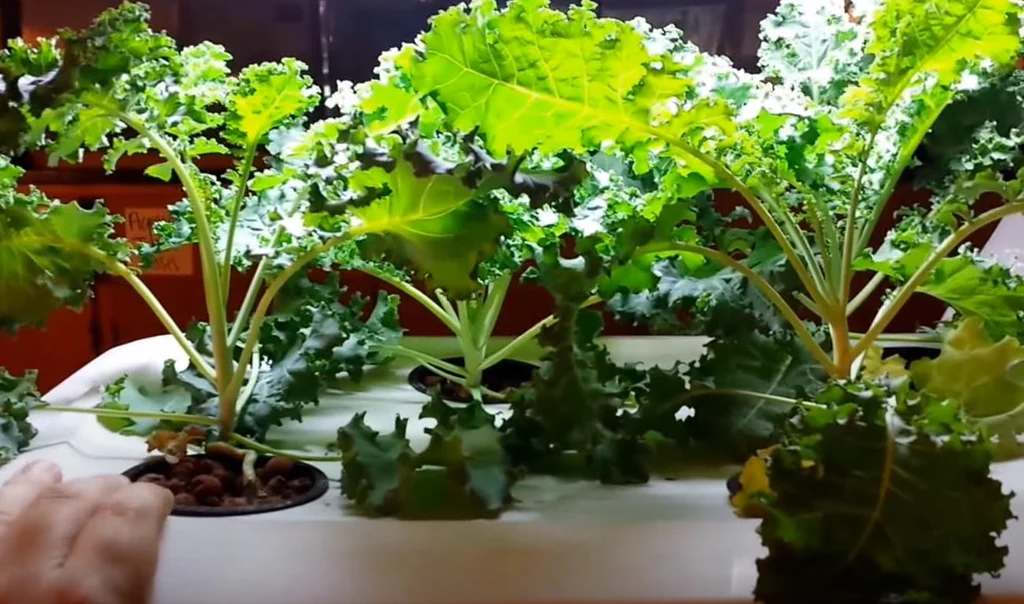
NFT-suitable kale varieties include Curly Kale, Lacinato (Dinosaur) Kale, and Red Russian Kale, selected for uniform growth and leaf quality. Seeds are germinated in inert media such as rockwool or coco plugs. Nursery duration ranges from 12–16 days, and seedlings are transplanted into NFT channels once they develop 3–4 true leaves and a well-established root system.
Botanical characteristics and growth habit
Botanical name: Brassica oleracea var. acephala
Family: Brassicaceae
Growth habit: Upright, non-heading leafy plant
Root system: Fibrous, moderately shallow
Life cycle: Biennial (cultivated as annual)
Harvested part: Leaves
Pollination: Cross-pollinated
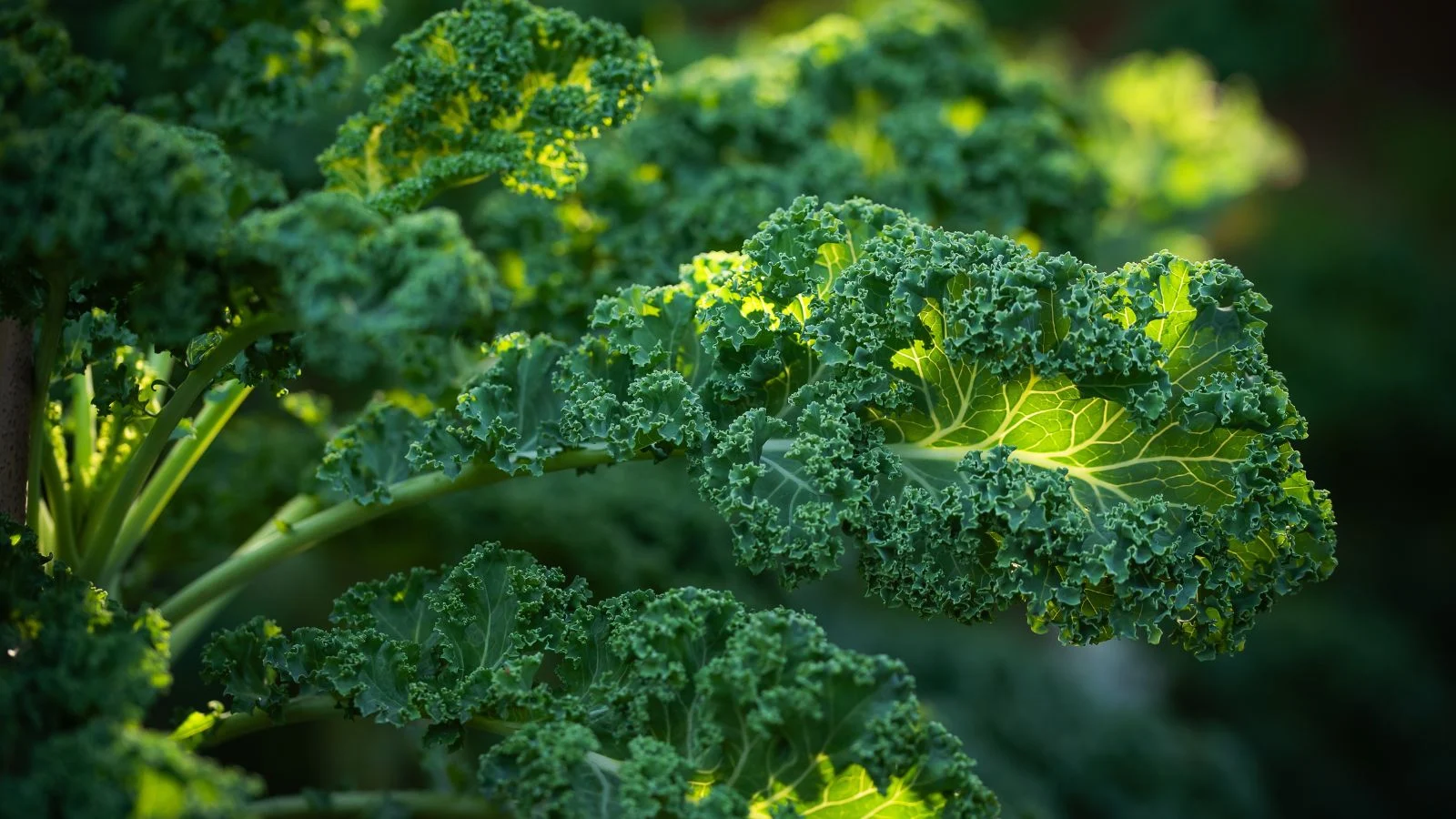
Kale forms a central stem with successive leaf production over an extended period. Leaf texture and colour vary by cultivar, with growth rate strongly influenced by temperature and nutrient availability.
NFT system design
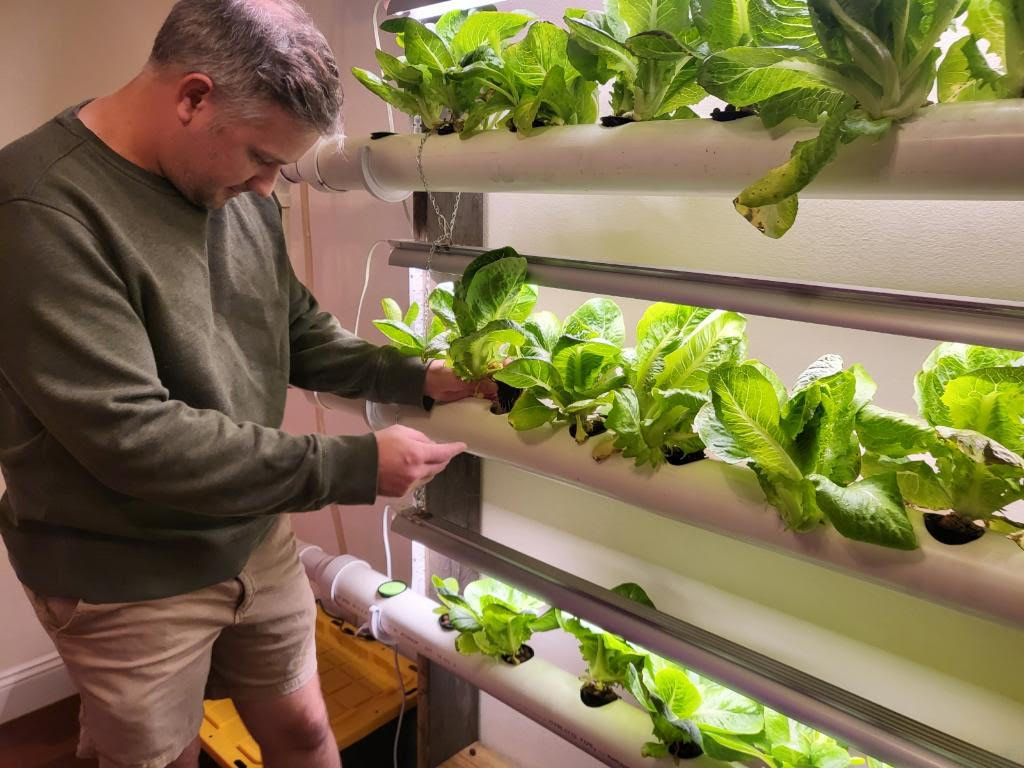
NFT channels with widths of 120–150 mm and a slope of 1–2% are recommended for kale to accommodate its stronger root mass. Plant spacing of 25–30 cm ensures sufficient airflow and leaf expansion. Continuous nutrient flow systems are preferred to maintain uniform root-zone moisture and oxygenation throughout the crop cycle.
Climate and environmental requirements
Temperature: 15–22 °C (optimal)
Relative Humidity: 55–70%
Light: Moderate to high; 12–14 hours photoperiod
Ventilation: Essential to reduce humidity buildup
Kale performs best under cool to moderate temperatures and is more tolerant of lower temperatures than most leafy greens. Excessive heat can reduce leaf quality and accelerate ageing.
Nutrient and irrigation management
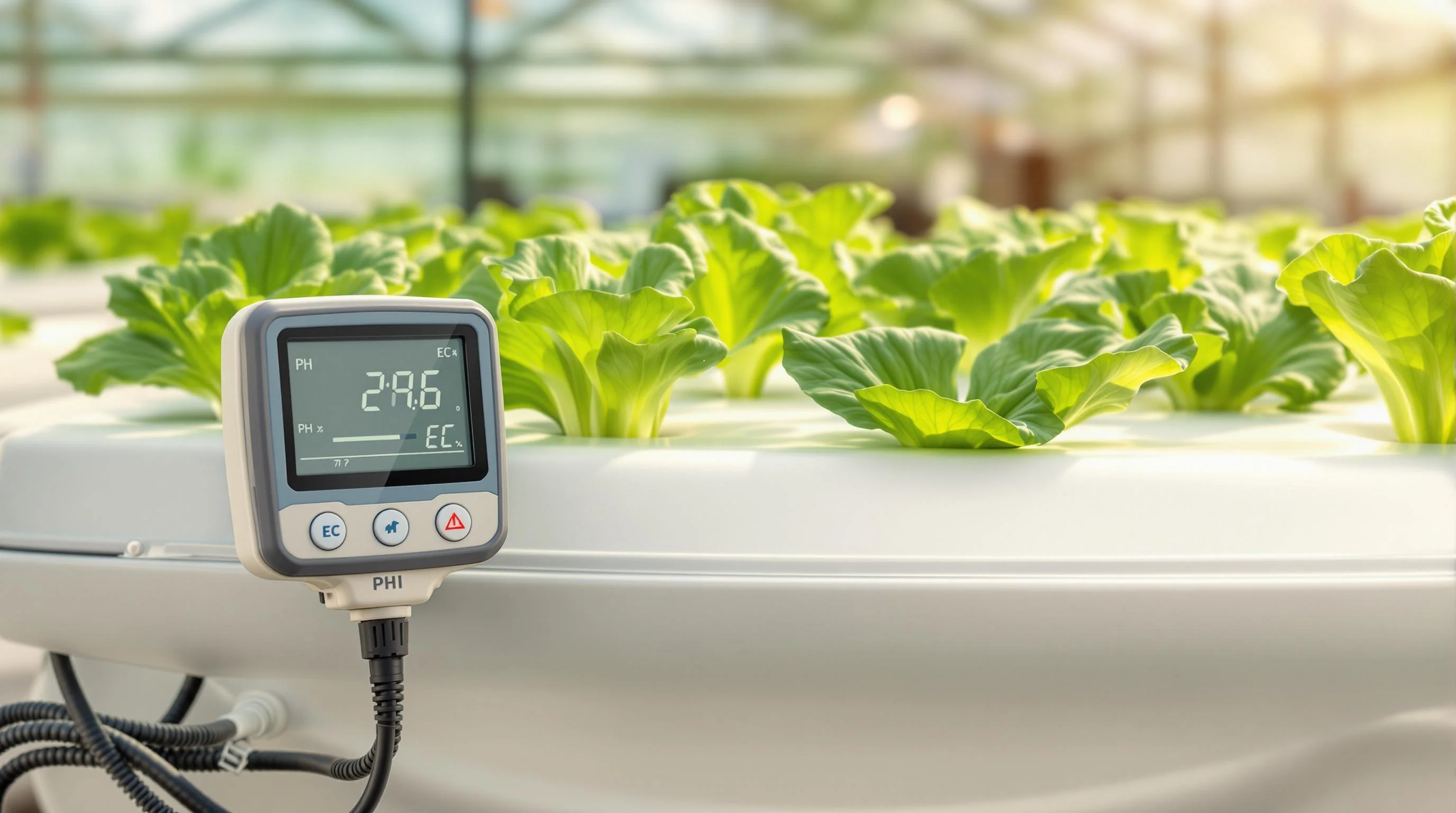
EC: 1.8–2.4 mS/cm
pH: 5.8–6.5
Key nutrients: Nitrogen, calcium, potassium, magnesium
Adequate nitrogen supports continuous leaf production, while sufficient calcium is critical for maintaining leaf strength and preventing marginal necrosis. Regular EC and pH monitoring ensures consistent growth and nutrient uptake.
________________________________________
Pest and disease management
NFT-grown kale generally experiences lower disease pressure than soil-grown crops. However, aphids, caterpillars, and flea beetles may appear under protected cultivation. Preventive strategies include insect netting, routine scouting, biological control agents, and strict sanitation within the growing environment.
________________________________________
Expected yield and harvest
Kale can be harvested 35–50 days after sowing, depending on cultivar and growing conditions. Under NFT systems, yields of 3.0–4.0 kg per square metre per cycle are achievable. Harvesting is typically done by removing mature outer leaves, allowing continued inner leaf development and extended harvest periods.
________________________________________
Post-harvest handling
Harvested kale should be promptly cooled and washed with clean water. Storage at 0–4 °C with high relative humidity preserves leaf freshness, colour, and nutritional quality. Gentle handling reduces leaf bruising and moisture loss.
________________________________________
Checklist before starting
• Clean, low-salinity water source
• NFT-suitable kale varieties
• Calibrated EC and pH meters
• Clean NFT channels and reservoir
• Adequate temperature and ventilation control
________________________________________
References and further reading
• FAO – Protected cultivation and hydroponics manuals
• University extension publications on Brassica crops
• Peer-reviewed research on NFT leafy vegetable production