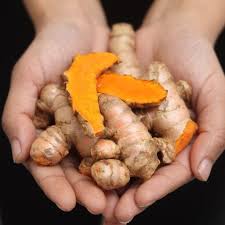
1. Role of Nutrition in High-Curcumin Turmeric Production
Nutrient management is one of the most decisive factors influencing both rhizome development and curcumin accumulation in turmeric. Unlike short-duration crops, turmeric requires sustained and balanced nutrient availability over a long growth cycle, with different physiological stages demanding distinct nutrient profiles.
For Lakadong turmeric, which exhibits high metabolic flux toward secondary metabolite synthesis, nutrient imbalance not only affects yield but also directly alters curcumin expression. Excessive nitrogen, for example, may promote vegetative growth at the expense of rhizome quality, while deficiencies in potassium and micronutrients can suppress curcumin biosynthesis.
________________________________________
2. Stage-Wise Nutrient Demand in Turmeric
Turmeric nutrient requirements can be broadly categorized into three functional phases:
● Establishment and early vegetative phase:
Emphasis on nitrogen and phosphorus to support shoot emergence, root initiation, and early canopy development.
● Active vegetative growth phase:
Balanced supply of nitrogen, potassium, calcium, and magnesium to maximize photosynthetic efficiency and carbohydrate production.
● Rhizome bulking and maturation phase:
Increased potassium and calcium demand to support starch accumulation, rhizome density, and secondary metabolite synthesis, including curcumin.
Polyhouse fertigation systems allow precise adjustment of nutrient composition across these phases, which is difficult to achieve under open-field conditions.
________________________________________
3. Fertigation Strategy under Polyhouse Conditions
Drip-based fertigation is the preferred nutrient delivery method for Lakadong turmeric under protected cultivation. Frequent, low-volume fertigation maintains stable nutrient concentrations in the root zone while preventing leaching and waterlogging.
Key fertigation principles include:
● Split nutrient application aligned with growth stages
● Avoidance of large, infrequent fertiliser doses
● Continuous monitoring of soil moisture and drainage
● Integration of biological inputs to support rhizosphere health
Such precision is particularly important for high-curcumin germplasm, where metabolic efficiency determines final product value.
________________________________________
4. Nutrient Influence on Curcumin Biosynthesis
Curcumin biosynthesis is closely linked to plant carbon metabolism and enzymatic activity, both of which are influenced by mineral nutrition. Adequate potassium enhances carbohydrate translocation to rhizomes, while calcium supports cellular integrity and enzyme stability.
Micronutrients such as iron, manganese, and zinc act as cofactors in enzymatic reactions associated with secondary metabolite pathways. Deficiencies or toxicities can disrupt these pathways, resulting in inconsistent curcumin accumulation.
________________________________________
5. Comparative Performance: Lakadong vs Common Turmeric Types
At this stage, it becomes essential to contextualize Lakadong turmeric’s superiority using comparative performance indicators, rather than narrative claims.
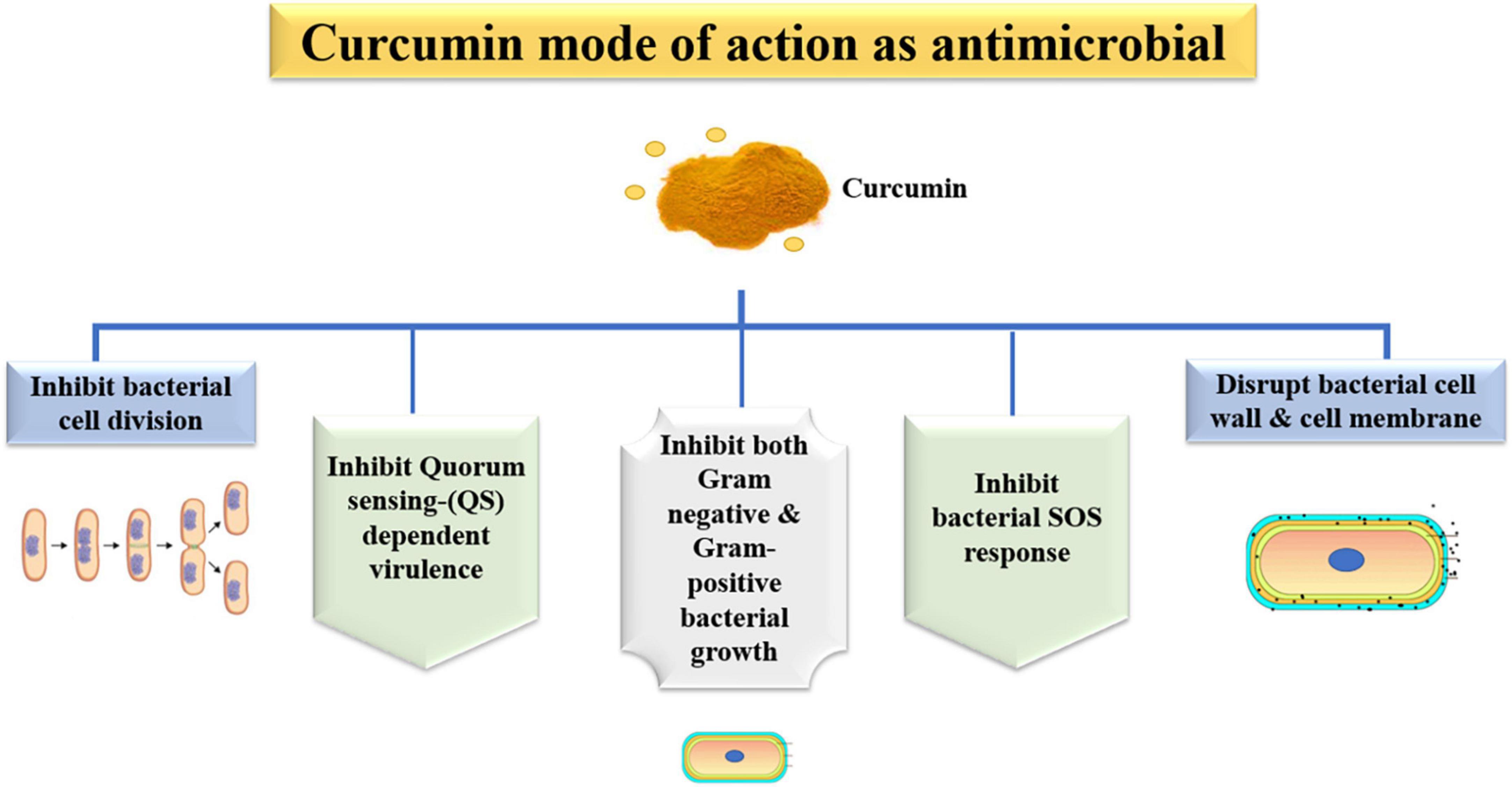
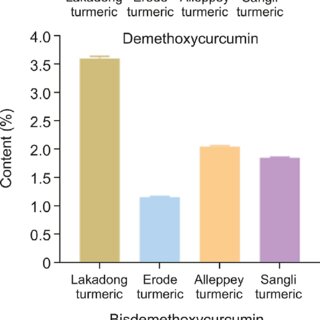
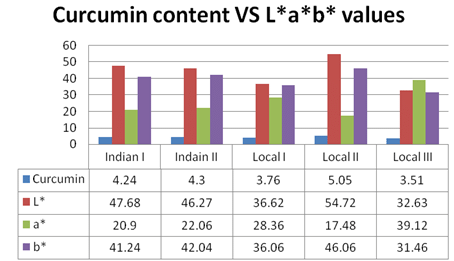
Key comparative observations illustrated in the table above include:
● Significantly higher curcumin concentration in Lakadong turmeric
● Greater biochemical consistency under controlled environments
● Lower tolerance for uncontrolled moisture stress
● Higher suitability for precision nutrient and water management
The comparative framework demonstrates that Lakadong turmeric’s advantage lies not in bulk yield alone, but in biochemical efficiency and quality concentration, making it particularly suited to protected cultivation systems.
________________________________________
6. Implications for Polyhouse-Based Production Models
The comparative evidence reinforces the rationale for adopting polyhouse cultivation for Lakadong turmeric. Precision nutrition and controlled moisture regimes amplify the inherent biochemical strengths of Lakadong germplasm while minimizing environmental variability that leads to quality dilution.
This positions Lakadong turmeric as a quality-centric crop, where controlled nutrient management delivers disproportionately higher value per unit area compared to conventional turmeric types.
________________________________________
7. Lead-in to the Next Section
This section has established the critical link between nutrient management, fertigation precision, and Lakadong turmeric’s comparative biochemical performance. The next part focuses on irrigation management, moisture control, and water productivity, which are equally crucial for long-duration rhizome crops under protected cultivation.
________________________________________
🔗 Continued in PART 8
Irrigation, Moisture Control, and Water Productivity in Lakadong Turmeric Cultivation