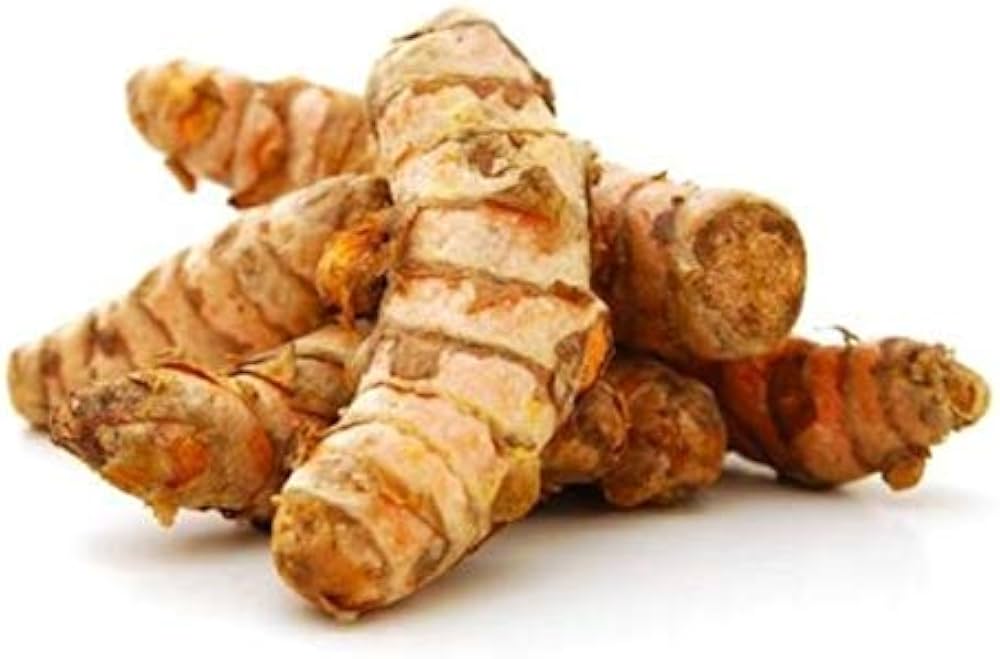
1. Importance of Planting Material Quality in Lakadong Turmeric
In vegetatively propagated crops such as turmeric, the quality of planting material determines the genetic, physiological, and sanitary status of the entire crop. Unlike seed-propagated plants, any defects or infections present in seed rhizomes are directly transmitted to the next generation.
For Lakadong turmeric—where curcumin concentration and uniformity define market value—planting material quality becomes even more critical. Poor-quality rhizomes lead to uneven crop establishment, higher disease incidence, and dilution of biochemical traits.
________________________________________
2. Genetic Integrity and Varietal Purity
Lakadong turmeric is a landrace rather than a formally released hybrid variety. Its premium value depends on maintaining genetic integrity across propagation cycles. Uncontrolled mixing with other turmeric types, or repeated propagation from inferior stock, leads to gradual loss of characteristic high-curcumin expression.
Key practices to maintain genetic purity include:
● Sourcing planting material from verified Lakadong-growing regions
● Avoiding mixed storage of rhizomes from different origins
● Periodic biochemical testing for curcumin content
● Establishing dedicated mother-stock blocks
Protected cultivation systems are particularly suitable for maintaining such controlled propagation protocols.
________________________________________
3. Rhizome Selection Criteria
Seed rhizomes should be selected based on physical health, maturity, and vigour rather than size alone.
Recommended selection parameters:
● Fully mature rhizomes harvested at physiological maturity
● Firm, disease-free rhizomes with intact skin
● Uniform orange internal pigmentation
● Presence of healthy buds or eyes
Both mother rhizomes and primary fingers can be used as planting material, though mother rhizomes generally provide more vigorous early growth.
________________________________________
4. Pre-Planting Treatment and Sanitation
Pre-planting treatment of seed rhizomes is essential to reduce pathogen load and improve sprouting uniformity.
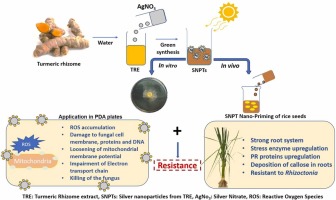
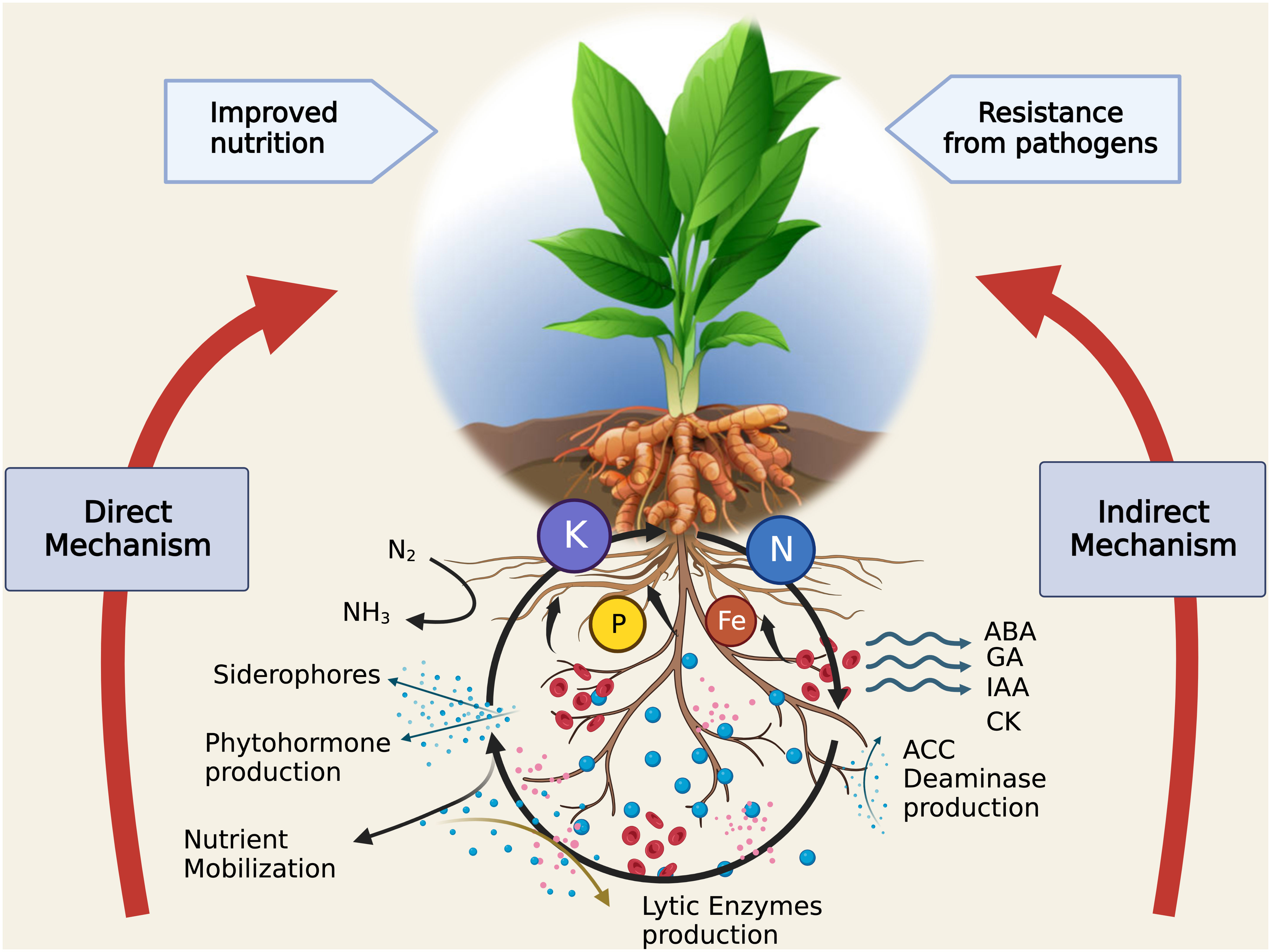
Common practices include:
● Hot water treatment (where feasible)
● Biological treatments using Trichoderma and Pseudomonas species
● Avoidance of excessive chemical fungicide use
● Shade-drying after treatment before planting
These steps significantly reduce the risk of rhizome rot and early-stage infections under polyhouse conditions.
________________________________________
5. Pre-Sprouting and Nursery Techniques
Pre-sprouting of rhizomes prior to planting improves crop uniformity and reduces field establishment time. Rhizomes are placed in well-aerated, moist conditions under shade until sprout emergence.
Benefits of pre-sprouting include:
● Faster crop establishment
● Identification and rejection of non-viable rhizomes
● Uniform plant stand inside the polyhouse
This practice is particularly valuable for high-value crops like Lakadong turmeric, where uniformity is essential.
________________________________________
6. Planting Density and Spacing Considerations
Planting density influences canopy development, rhizome size, and disease pressure. Under polyhouse cultivation, moderate spacing is preferred to ensure adequate airflow and root-zone aeration.
Indicative spacing:
● Row spacing: 30–40 cm
● Plant spacing: 20–25 cm
Excessively dense planting increases humidity and disease risk, while overly wide spacing reduces land-use efficiency.
________________________________________
7. Scope for Advanced Propagation Techniques
While traditional rhizome propagation remains dominant, there is growing interest in tissue culture–based propagation of turmeric for disease-free planting material. For Lakadong turmeric, tissue culture offers potential advantages but also requires careful validation to ensure curcumin expression remains stable.
At present, tissue culture may serve as a supplementary tool for mother-stock development rather than a full replacement for rhizome-based propagation.
________________________________________
8. Lead-in to the Next Section
This section has established the critical role of planting material quality and propagation practices in Lakadong turmeric cultivation. The next part examines nutrient dynamics and fertigation strategies under polyhouse conditions, linking plant nutrition directly to rhizome development and curcumin biosynthesis.
________________________________________
🔗 Continued in PART 7
Nutrient Management and Fertigation Strategies for Lakadong Turmeric under Polyhouse