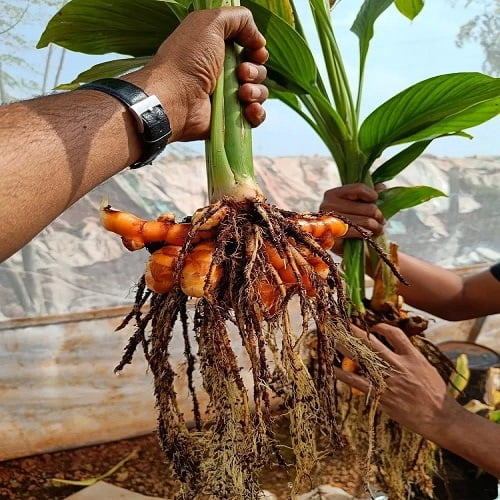
1. Origin and Geographic Significance of Lakadong Turmeric
Lakadong turmeric is an indigenous turmeric ecotype traditionally cultivated in the West Jaintia Hills district of Meghalaya, India. The region is characterised by high rainfall, moderate temperatures, acidic soils, and a unique agro-ecological environment shaped by the Eastern Himalayan landscape. Over generations, farmers in this region have conserved and propagated this turmeric type through vegetative selection, resulting in a landrace with exceptional biochemical characteristics.
Unlike commercially bred turmeric varieties, Lakadong turmeric has evolved under natural selection pressures rather than intensive breeding programmes. This has contributed to its stable expression of high curcumin content and distinct rhizome morphology. The name “Lakadong” itself has become synonymous with premium-grade turmeric in both domestic and international markets.
________________________________________
2. Genetic and Morphological Distinctiveness
Lakadong turmeric belongs to the species Curcuma longa L., yet it differs significantly from common commercial cultivars in terms of rhizome structure, pigmentation, and biochemical composition. The rhizomes are typically smaller but denser, with a deep orange to reddish-orange internal colour, indicating high curcuminoid concentration.
Morphologically, Lakadong plants exhibit:
● Compact clump formation
● Strong pseudostem development
● Moderate leaf area with efficient light utilisation
● Well-defined primary and secondary rhizomes
These traits collectively contribute to efficient biomass partitioning towards rhizome development rather than excessive vegetative growth.
________________________________________
3. Exceptional Curcumin Content: Scientific Evidence
One of the defining features of Lakadong turmeric is its exceptionally high curcumin content, commonly reported in the range of 7–9%, compared to 2–4% in most conventional turmeric varieties grown in India and Southeast Asia. This elevated curcumin concentration has been confirmed through multiple laboratory analyses conducted by academic institutions and government agencies.
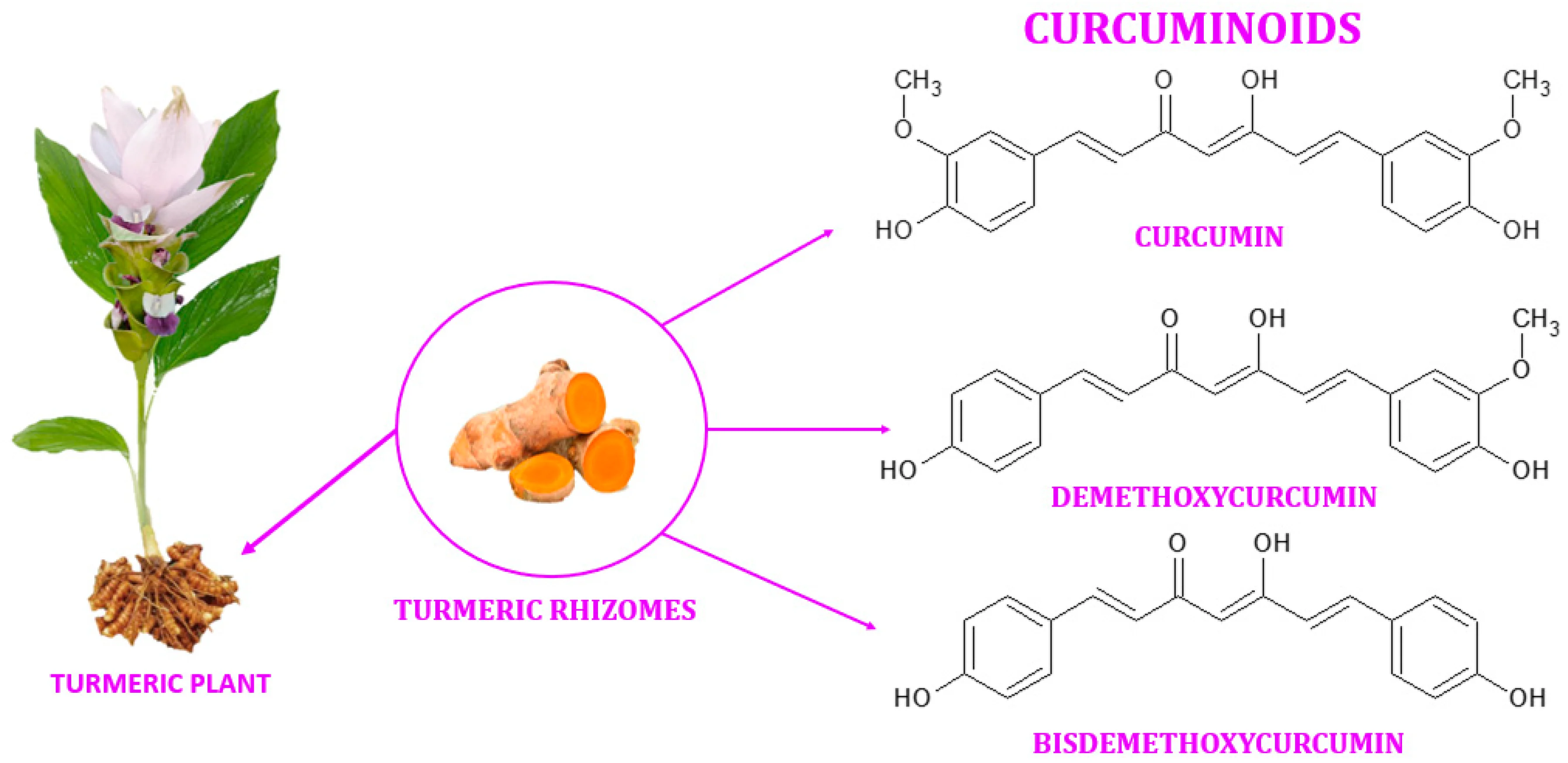
High curcumin content significantly enhances the economic value of Lakadong turmeric, as curcumin yield per unit area becomes substantially higher even when total rhizome yield is moderate. For nutraceutical and pharmaceutical buyers, this translates into lower processing costs and greater extract efficiency.
4. Comparison with Other Commercial Turmeric Types
In comparison with widely cultivated turmeric types such as Alleppey Finger, Salem, Erode, and Rajapuri, Lakadong turmeric stands apart primarily due to its biochemical profile rather than sheer biomass yield.
Key comparative observations include:
● Curcumin concentration: Lakadong significantly higher
● Rhizome yield: Moderate but consistent
● Quality uniformity: High when grown under controlled conditions
● Market positioning: Premium, niche, quality-driven
While conventional varieties are optimised for bulk spice markets, Lakadong turmeric is inherently suited for high-value segments requiring biochemical consistency and traceability.
5. Limitations of Traditional Cultivation for Lakadong Turmeric
Despite its superior qualities, Lakadong turmeric faces several challenges under traditional open-field cultivation. High rainfall and poorly drained soils often lead to rhizome rot and yield losses. Variability in soil fertility and moisture availability further contributes to inconsistency in curcumin expression.
Additionally, increasing market demand has led to unregulated expansion of Lakadong cultivation into non-native regions, often without appropriate agronomic adaptation. This has resulted in quality dilution, inconsistent curcumin levels, and reputational risks for the Lakadong name.
________________________________________
6. Strategic Importance of Controlled Cultivation
Given its premium positioning and biochemical sensitivity, Lakadong turmeric is an ideal candidate for controlled or semi-controlled cultivation systems. Protected cultivation offers the possibility to stabilise environmental variables that directly influence curcumin biosynthesis, including soil moisture, nutrient availability, temperature, and disease pressure.
By shifting Lakadong turmeric production from opportunistic open-field systems to scientifically managed protected environments, it becomes possible to preserve its genetic integrity while meeting stringent quality requirements of high-value markets.
________________________________________
7. Lead-in to the Next Section
This section has established Lakadong turmeric as a unique, high-curcumin germplasm with significant commercial and scientific value. The next part examines the physiology and biochemical pathways of curcumin biosynthesis, laying the scientific foundation for understanding how cultivation environment influences turmeric quality.
________________________________________
🔗 Continued in PART 3
Botany, Growth Physiology, and Curcumin Biosynthesis in Turmeric