1. Introduction
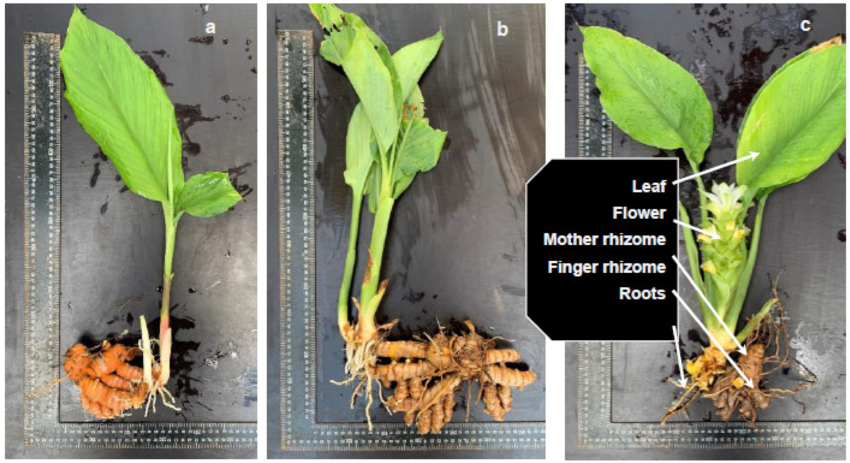
Turmeric (Curcuma longa L.) is one of the most significant spice and medicinal crops in human history, occupying a unique position at the intersection of agriculture, medicine, culture, and global trade. For over 4,000 years, turmeric has been cultivated across South and Southeast Asia, not only as a culinary spice but also as a therapeutic agent in traditional systems of medicine such as Ayurveda, Siddha, Unani, and Traditional Chinese Medicine. In recent decades, turmeric has gained renewed global importance due to scientific validation of its bioactive compounds, particularly curcumin.
Today, turmeric is no longer viewed merely as a subsistence spice crop. It has evolved into a high-value raw material for the nutraceutical, pharmaceutical, cosmetic, food processing, and wellness industries. This transformation has placed unprecedented emphasis on quality, standardization, traceability, and controlled production systems, creating both opportunity and pressure for turmeric-producing regions.
2. Global Production and Trade Landscape
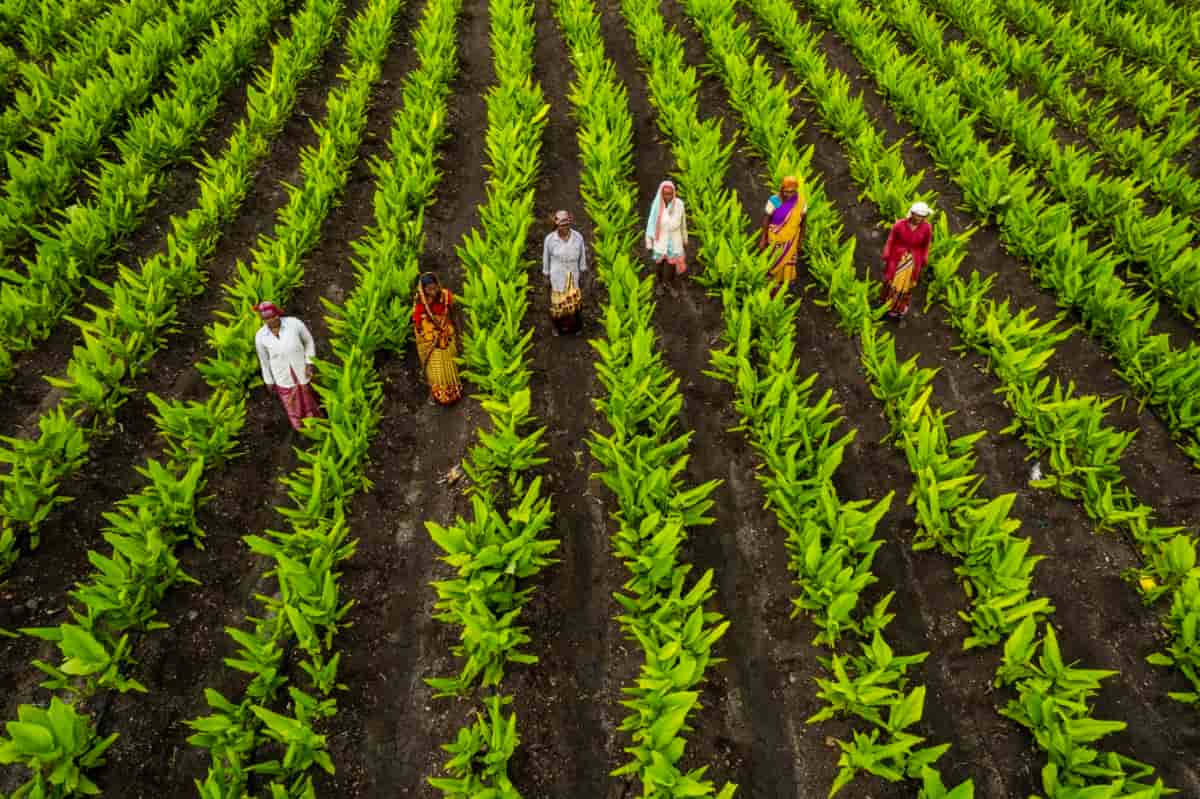
Turmeric is cultivated in more than 40 countries, primarily within tropical and subtropical regions. India dominates global production, contributing approximately 75–80% of total world turmeric output, followed by countries such as China, Myanmar, Bangladesh, Thailand, Indonesia, Vietnam, Peru, and Nigeria.
Despite this dominance, India’s share in value-added turmeric products remains comparatively lower than its share in raw production. A significant portion of Indian turmeric is still sold as dried rhizomes or powder, whereas international markets increasingly demand standardised curcumin content, residue-free production, and pharmaceutical-grade consistency.
Key global demand drivers include:
● Growth of herbal supplements and functional foods
● Increasing consumer preference for natural anti-inflammatory agents
● Expansion of cosmetic and personal care formulations using turmeric extracts
● Post-pandemic focus on immunity-boosting ingredients
This shift from volume-based trade to quality-based trade is redefining how turmeric must be cultivated and processed.
3. Curcumin: The Central Bioactive Compound
Curcumin is the principal polyphenolic compound responsible for turmeric’s colour, medicinal properties, and commercial value. Scientific literature attributes a wide range of biological activities to curcumin, including anti-inflammatory, antioxidant, antimicrobial, anticancer, hepatoprotective, and neuroprotective effects.
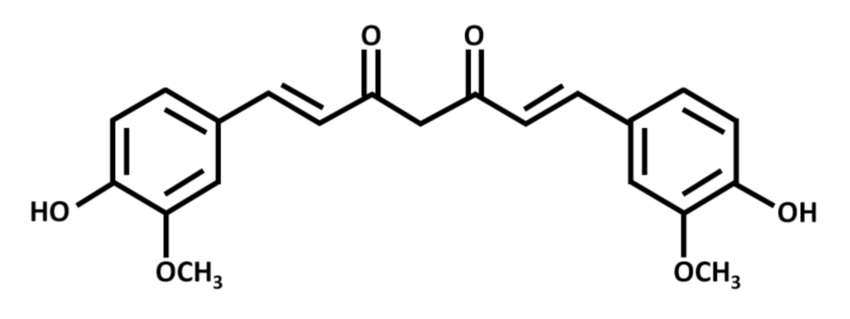
From a commercial perspective, curcumin concentration has become the single most important quality parameter in turmeric trade. Global buyers increasingly specify minimum curcumin thresholds, often ranging from 3% to 6%, depending on end use. Pharmaceutical and nutraceutical applications demand even tighter specifications, along with strict limits on pesticide residues, heavy metals, and microbial contamination.
This has significant implications for cultivation practices. Open-field turmeric farming, while widespread, often results in high variability in curcumin content due to uncontrolled environmental factors such as rainfall, soil heterogeneity, temperature fluctuations, and disease pressure.
4. India’s Strategic Position and Challenges
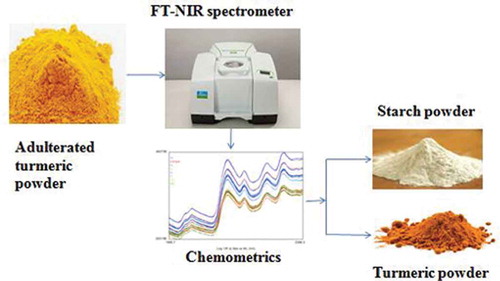
India’s leadership in turmeric production is both a strength and a vulnerability. While the country possesses unparalleled genetic diversity and traditional knowledge, much of its turmeric cultivation remains:
● Rain-fed
● Disease-prone
● Highly variable in quality
● Dependent on seasonal labour and climate stability
Moreover, global markets are moving toward traceable, controlled-environment agriculture, where buyers seek assurance not only of origin but also of process integrity. This transition exposes the limitations of conventional turmeric cultivation systems and highlights the need for scientifically managed, protected cultivation models.
5. The Emerging Need for Controlled Production Systems
As turmeric transitions from a traditional spice to a strategic bioactive crop, production systems must evolve accordingly. Controlled or semi-controlled environments allow:
● Stabilisation of growth conditions
● Reduction of disease incidence
● Improved nutrient and water use efficiency
● Greater uniformity in rhizome development
● Potential enhancement of curcumin biosynthesis
These factors form the scientific basis for exploring protected cultivation approaches, including polyhouse-based systems, for elite turmeric varieties.
Among all turmeric types, Lakadong turmeric—with its exceptionally high curcumin content—stands out as a prime candidate for such advanced cultivation models. However, understanding its uniqueness requires a deeper examination of its genetic, biochemical, and agronomic characteristics.
6. Transition to the Next Section
This first part establishes turmeric’s global relevance, economic importance, and quality-driven future. The next section focuses on Lakadong turmeric as a unique germplasm, examining why it commands global attention and why it deserves specialised cultivation strategies.
________________________________________
🔗 Continued in PART 2
Lakadong Turmeric: A Unique High-Curcumin Germplasm and Its Strategic Importance
(Next page in this research series)