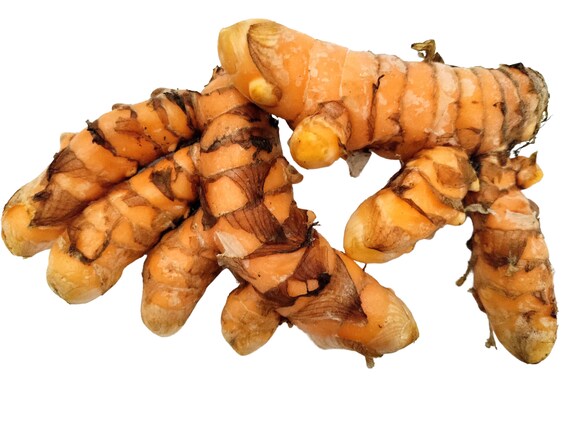
1. Understanding Yield Metrics in Turmeric
Turmeric productivity must be evaluated using multiple yield parameters, not fresh rhizome weight alone. For high-curcumin varieties such as Lakadong, biochemical yield per unit area is more relevant than bulk biomass yield.
Key yield metrics include:
● Fresh rhizome yield (t/ha)
● Dry turmeric recovery (%)
● Curcumin concentration (%)
● Total curcumin output per hectare (kg/ha)
This multi-dimensional evaluation provides a realistic assessment of commercial value.
________________________________________
2. Fresh Rhizome Yield: Lakadong vs Conventional Varieties
Lakadong turmeric generally produces moderate fresh rhizome yields compared to high-biomass commercial varieties. However, this should not be interpreted as inferior performance.
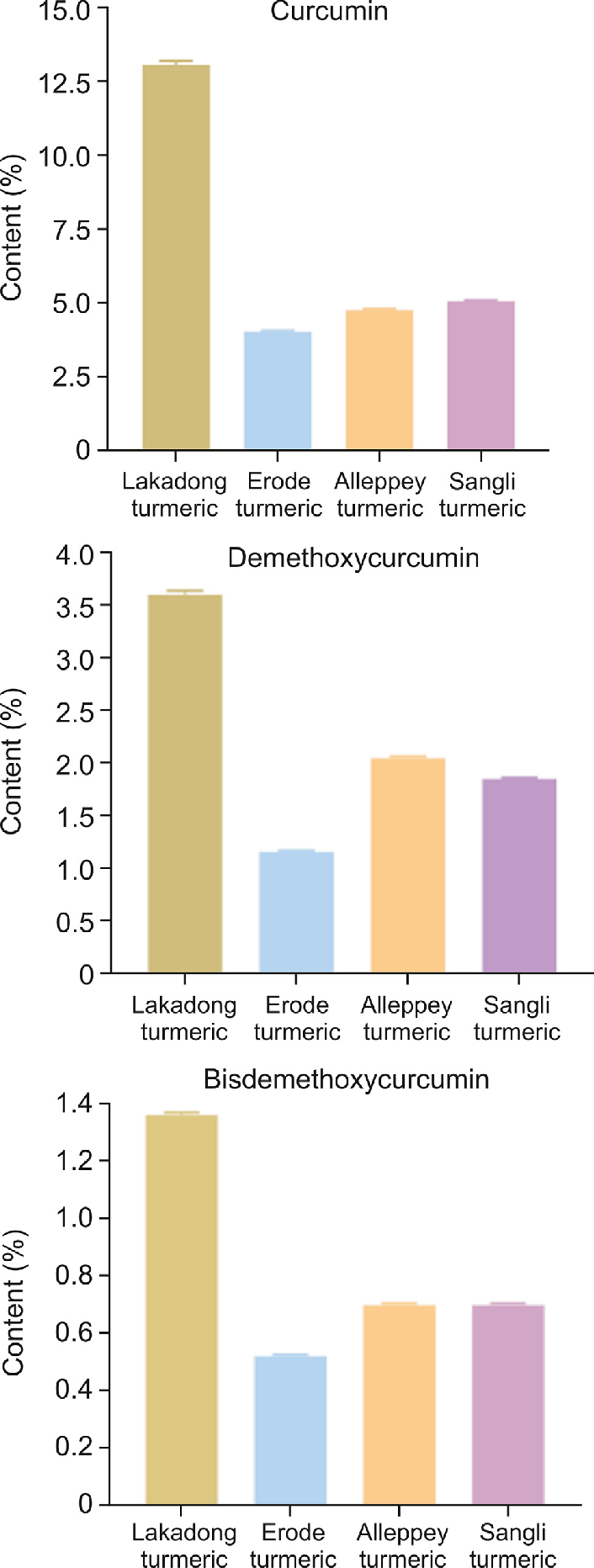
Key interpretation:
● Conventional varieties prioritise bulk yield
● Lakadong prioritises biochemical density
● Yield stability under controlled systems is higher for Lakadong
________________________________________
3. Curcumin Percentage and Total Curcumin Output
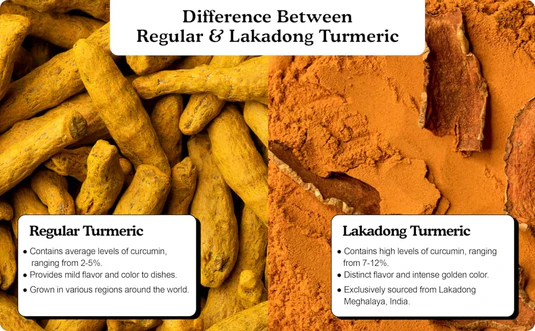
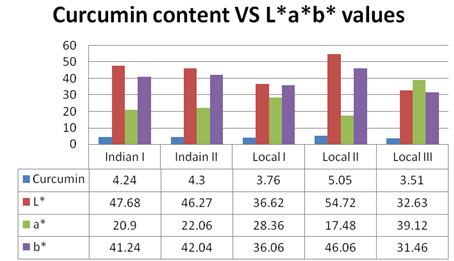
Curcumin percentage is the defining quality parameter for Lakadong turmeric. When curcumin concentration is integrated with yield, Lakadong often surpasses conventional varieties in total curcumin output per hectare.
Critical insight:
Even with lower fresh yield, Lakadong turmeric produces equal or higher curcumin per unit area, making it superior for nutraceutical and pharmaceutical applications.
________________________________________
4. Wet to Dry Conversion in Turmeric
Fresh turmeric rhizomes undergo significant weight reduction during post-harvest processing. Wet-to-dry recovery typically ranges from 18–25%, depending on variety, maturity, and processing method.
Lakadong turmeric often shows:
● Slightly lower dry recovery percentage
● Much higher curcumin concentration in dried product
This reinforces the importance of evaluating quality-adjusted yield rather than weight alone.
________________________________________
5. Boiling (Curing) of Turmeric Rhizomes
Boiling, also known as curing, is a critical post-harvest step that:
● Inactivates enzymes
● Reduces microbial load
● Fixes colour and aroma
● Improves curcumin stability
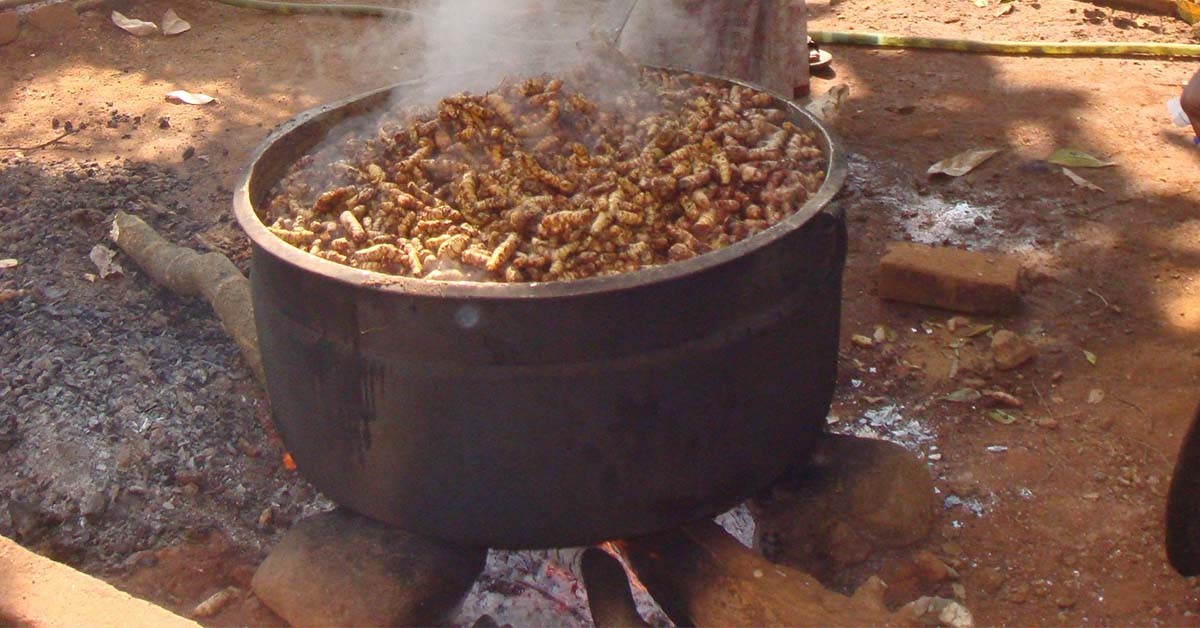
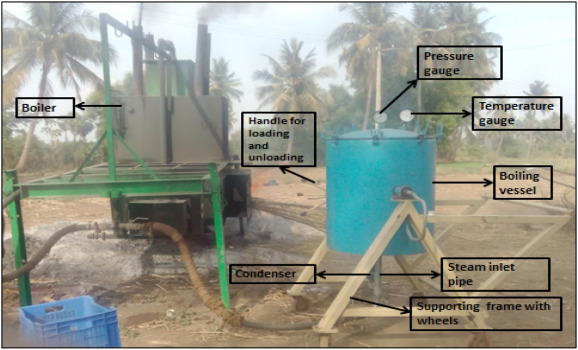
Improper boiling can lead to curcumin loss, dull colour, and poor storage quality.
6. Drying and Curing Techniques
After boiling, turmeric rhizomes are dried to reduce moisture content to safe storage levels.
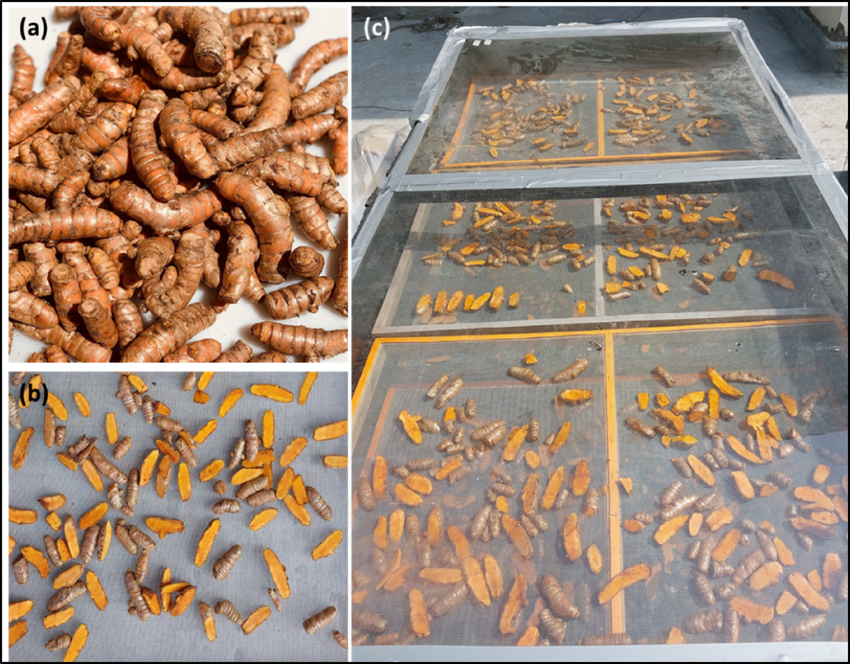
Controlled drying methods are preferred for Lakadong turmeric to preserve curcumin and colour integrity.
7. Impact of Processing on Curcumin Retention
Post-harvest handling significantly influences final curcumin levels. Excessive boiling, prolonged drying, or high-temperature exposure can degrade curcuminoids.
For Lakadong turmeric, gentle and standardised processing protocols are essential to preserve its biochemical advantage.
________________________________________
8. Strategic Implications for Lakadong Turmeric Production
This comparative analysis demonstrates that Lakadong turmeric should be evaluated as a curcumin-producing system, not merely a rhizome-yielding crop. Controlled cultivation combined with careful post-harvest processing maximises value per unit area and aligns with premium market requirements.
________________________________________
9. Lead-in to the Next Section
This section has linked field performance with post-harvest processing outcomes. The next part focuses on quality standards, testing, certification, and market compliance, translating production excellence into market acceptance.
________________________________________
🔗 Continued in PART 11
Quality Standards, Curcumin Testing, and Certification for Lakadong Turmeric