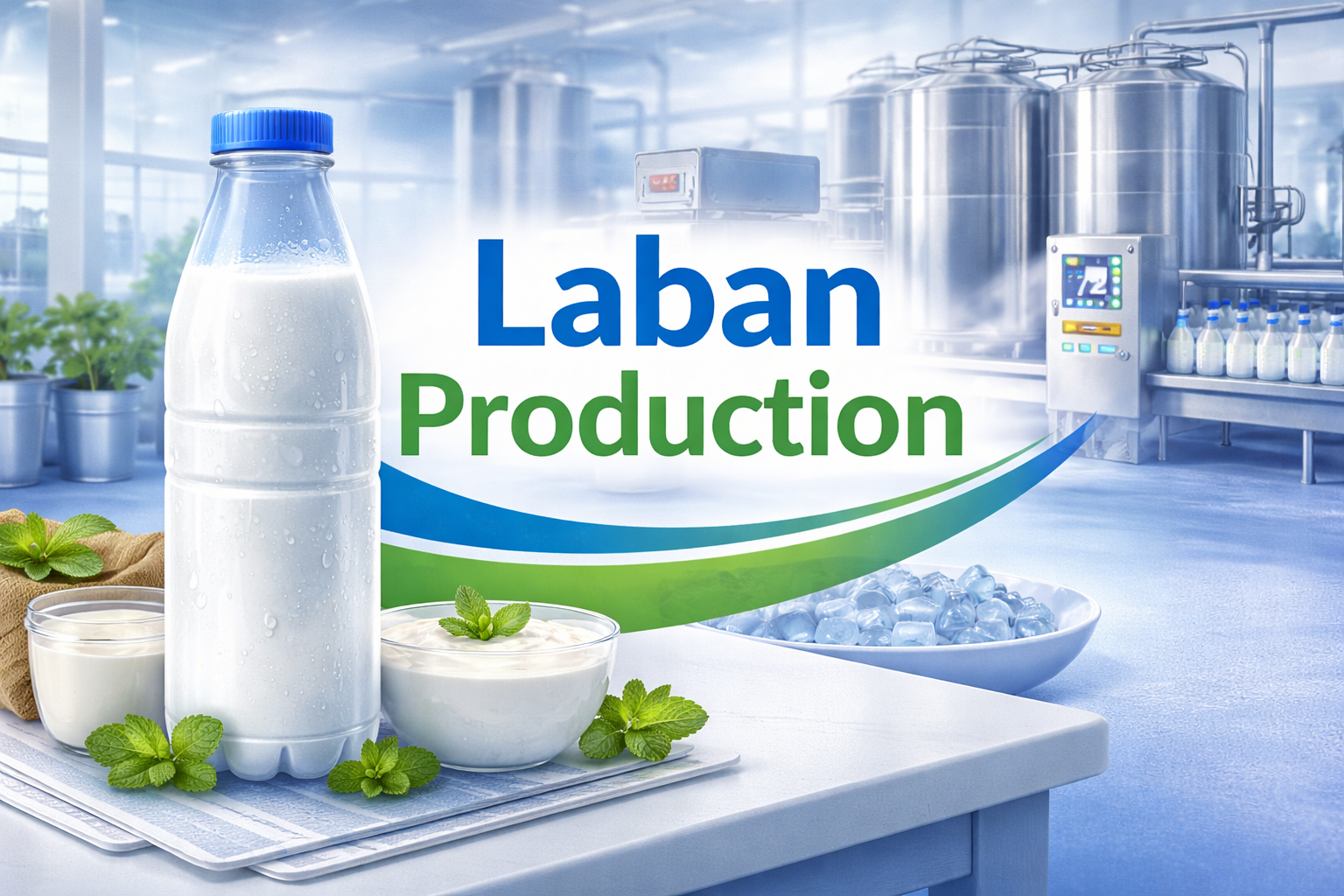
1. What Exactly Is LABAN? (Scientific Definition)
Laban is a mildly fermented milk beverage characterized by low viscosity, moderate acidity, and high refreshment value. Unlike curd (dahi), which is a semi-solid gel, laban is designed to remain drinkable, smooth, and lightly salted.
From a food science perspective, laban occupies a distinct space between fermented milk gels and diluted fermented beverages.
Key defining characteristics
● Fermented whole or standardized milk
● pH typically between 4.5–4.8
● Low viscosity, pourable texture
● Mild lactic acidity
● Optional salt addition
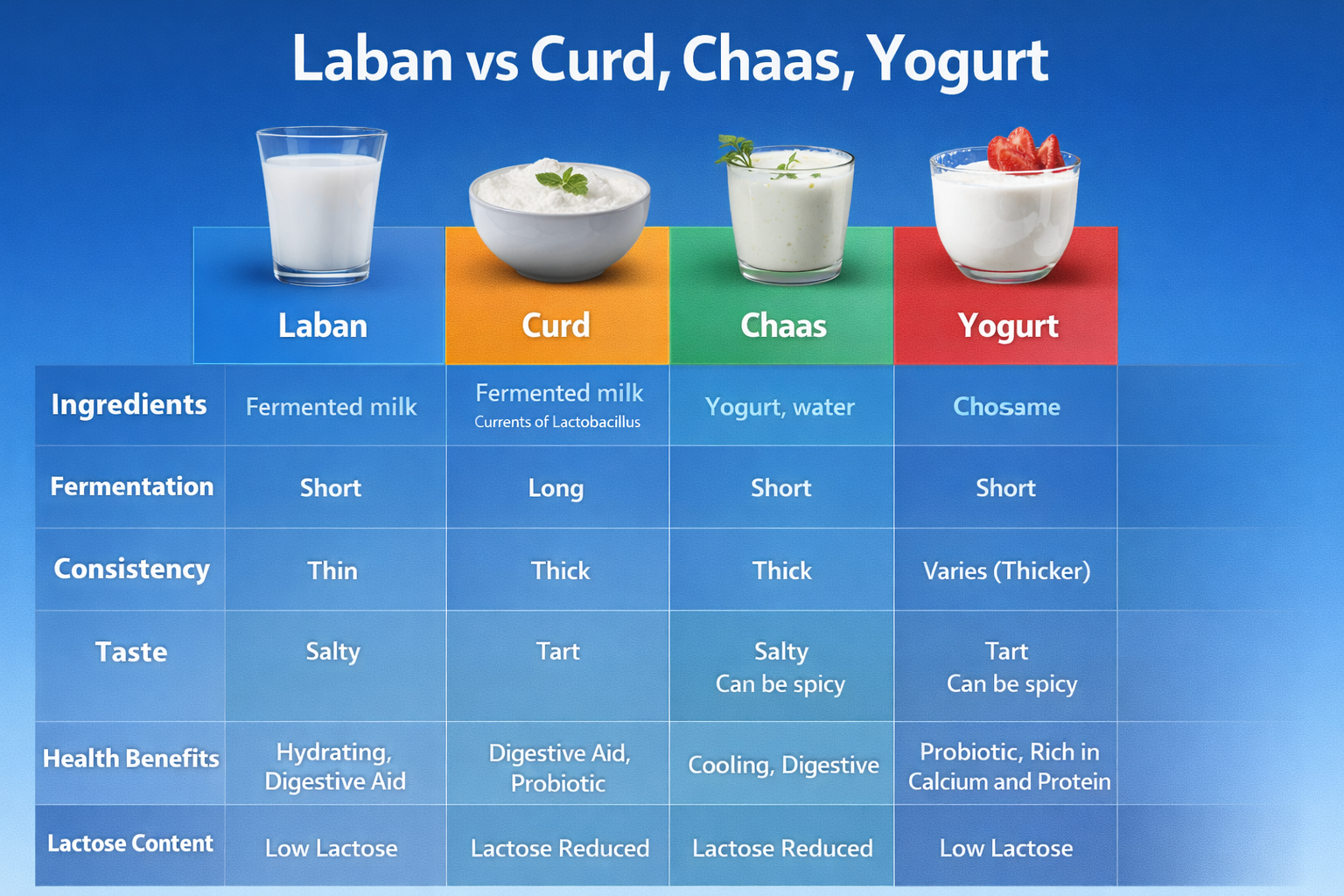
2. How LABAN Differs from Curd, Chaas, and Drinking Yogurt
Understanding what laban is not is essential for correct formulation and market positioning.
Curd (Dahi)
● Firm gel structure
● Higher viscosity
● Spoonable product
Chaas (Buttermilk)
● Byproduct of butter making
● Lower milk solids
● Often spiced, variable consistency
Drinking Yogurt
● Thicker, flavored
● Often sweetened
● Higher solids content
Laban
● Directly fermented milk beverage
● Controlled viscosity
● Lightly salted, refreshing
● Not a byproduct
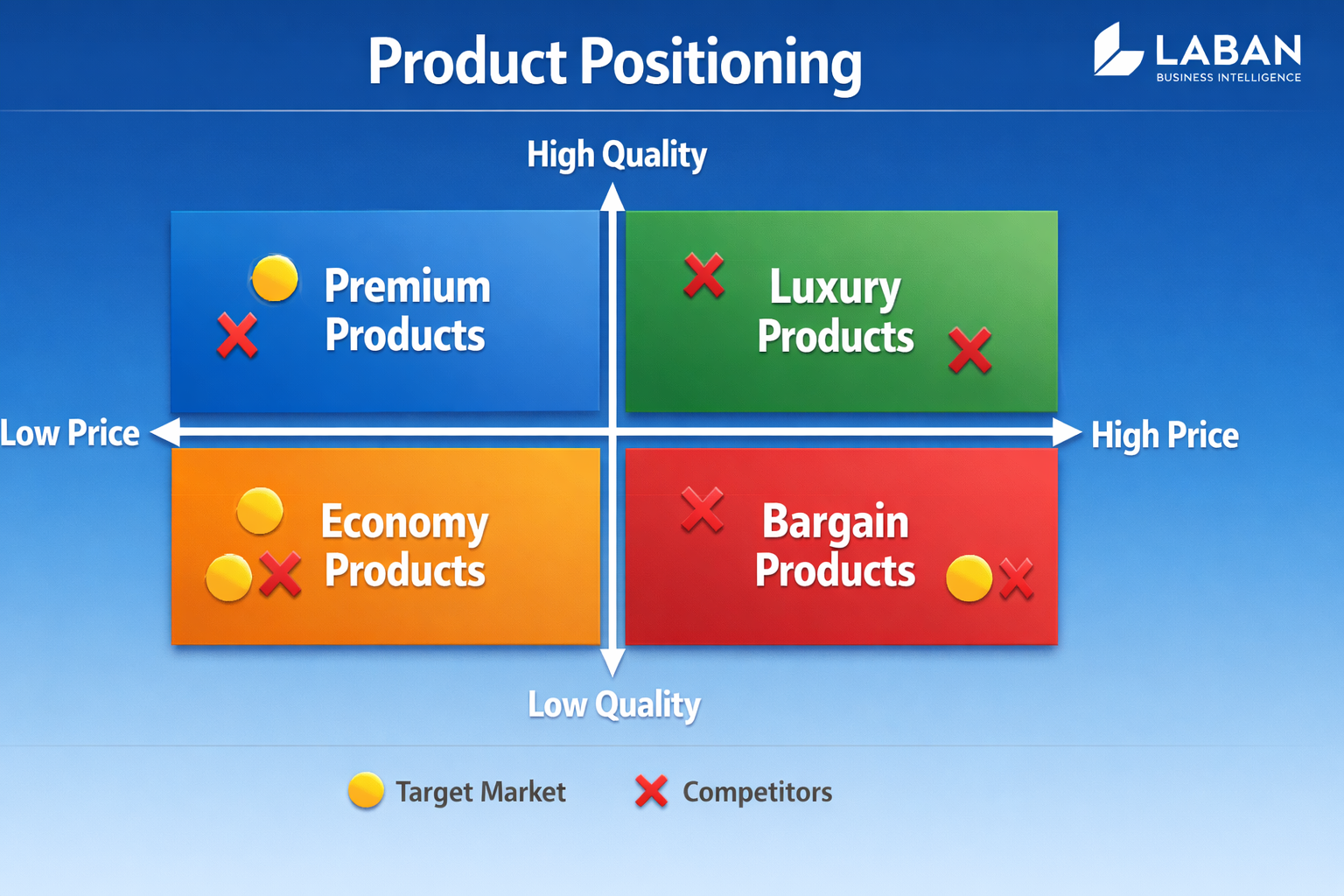
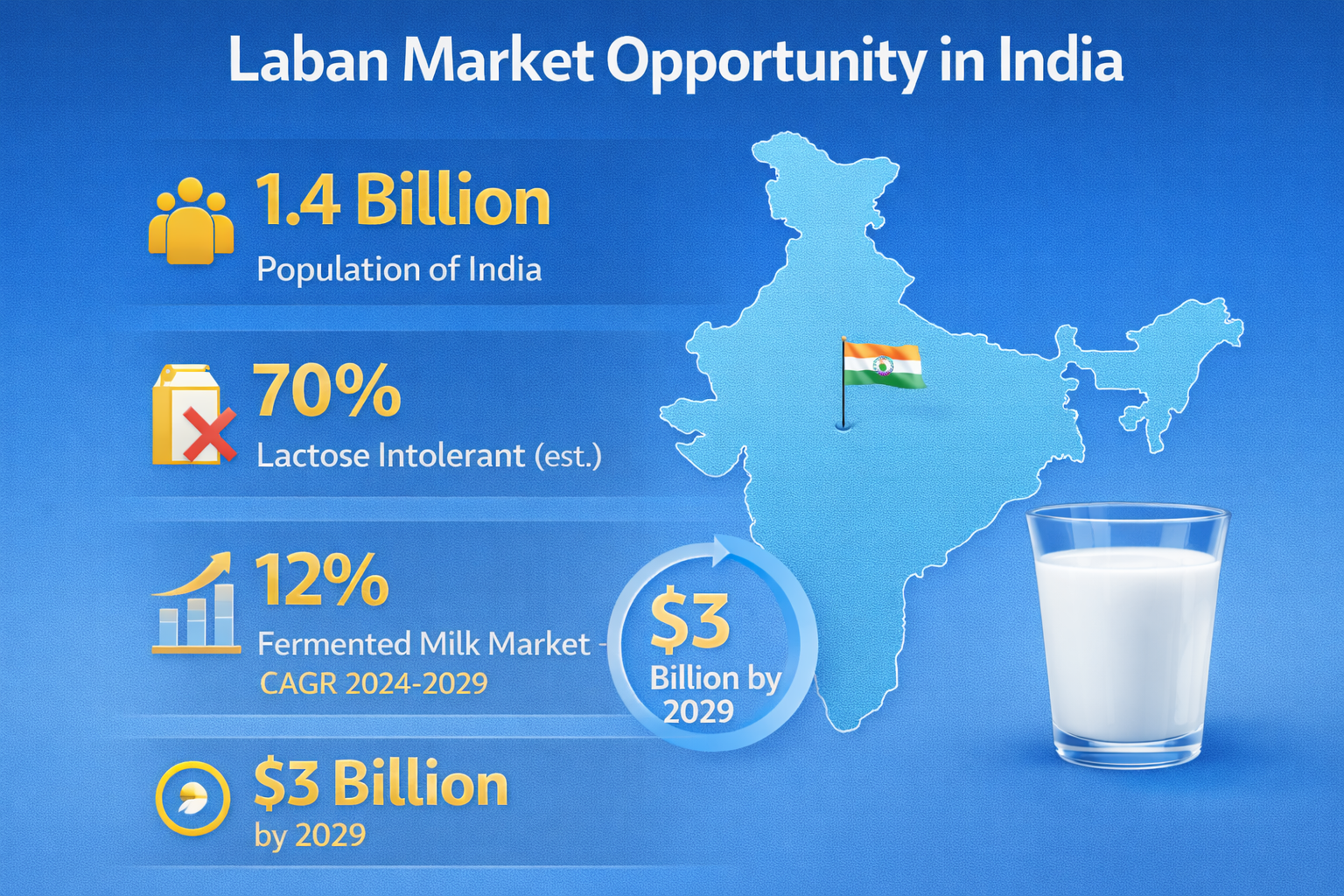
3. Why LABAN Makes Sense for India (Market + Climate Logic)
India’s hot climate, growing urban population, and increasing demand for functional beverages create ideal conditions for laban adoption. Unlike carbonated drinks or sugar-heavy beverages, laban offers hydration with nutrition.
Strategic advantages
● Suitable for hot climates
● Digestible and gut-friendly
● Low sugar profile
● Familiar dairy base
Ideal target segments
● Urban working population
● HoReCa and institutional buyers
● Health-focused consumers
● Export markets (Middle East, GCC)
4. Fermentation Biology Specific to LABAN
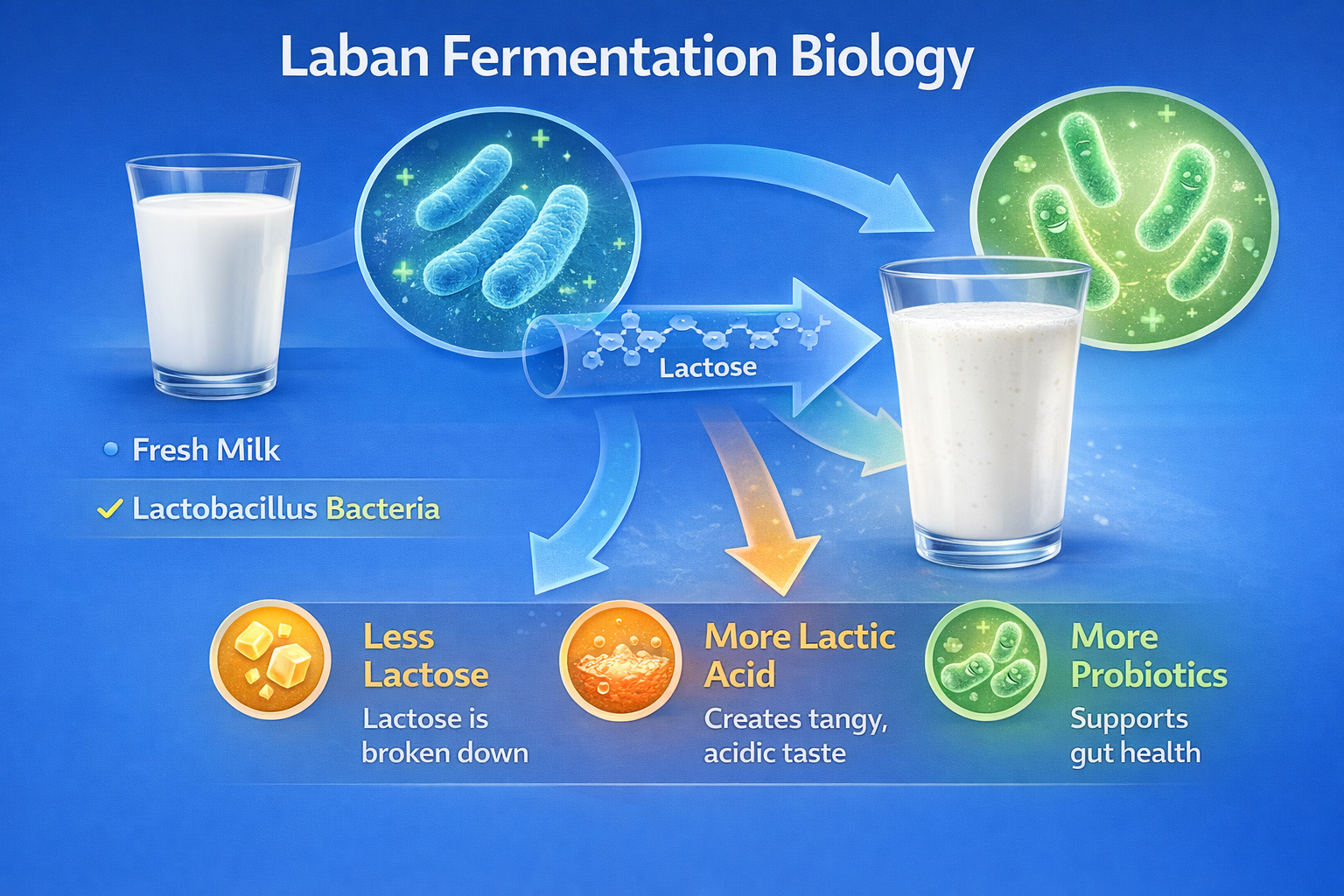
Laban fermentation relies on lactic acid bacteria that produce controlled acidification without excessive thickening. Culture selection is critical to avoid over-acidity or gel formation.
Typical starter cultures
● Streptococcus thermophilus
● Mild Lactobacillus strains
Biological objectives
● Gentle lactose conversion
● Smooth mouthfeel
● Minimal whey separation
● Stable microbial dominance
5. STEP-BY-STEP LABAN MANUFACTURING PROCESS
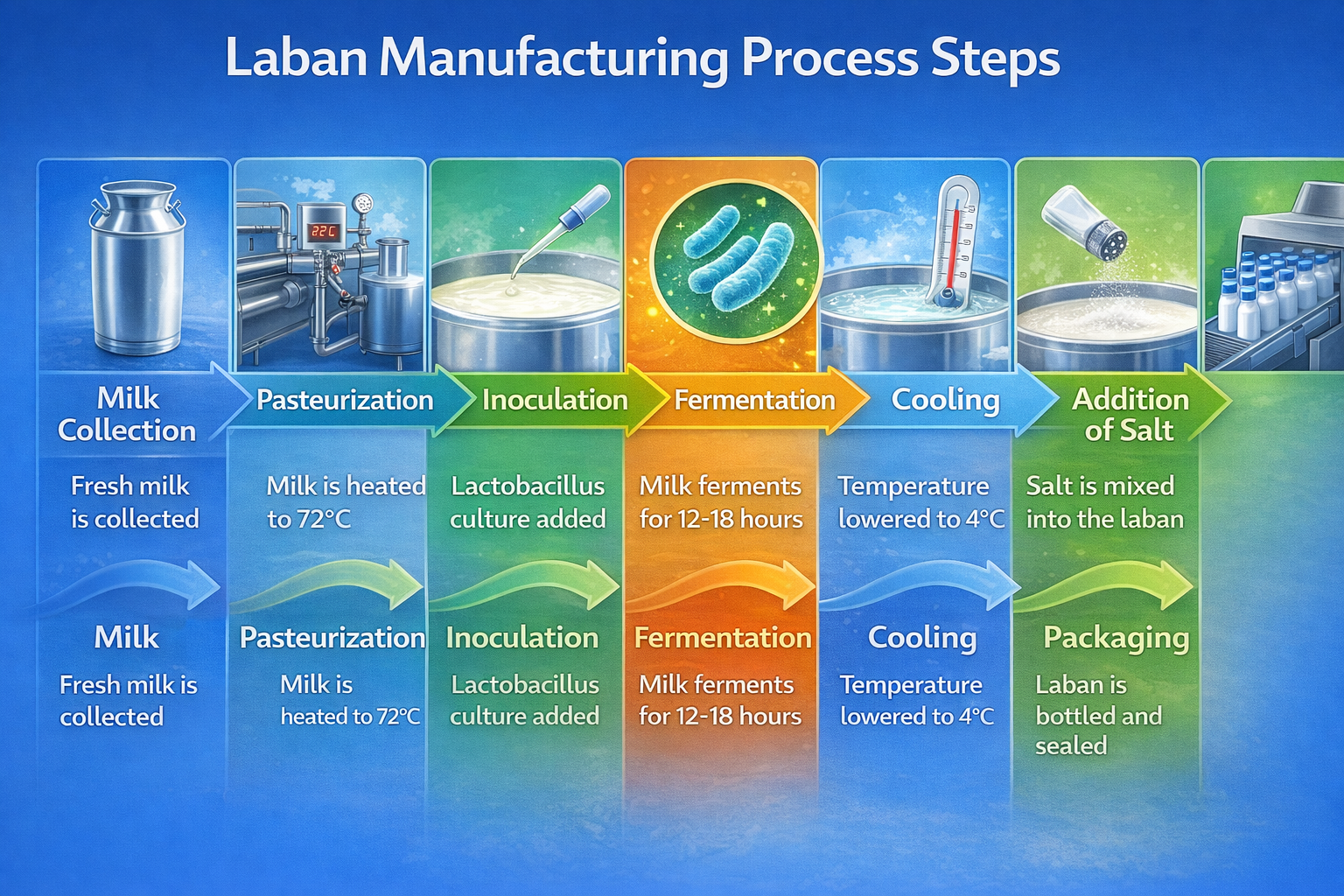
This section defines process discipline, not recipes.
Step 1: Milk Selection & Standardization
● Use fresh, low-bacterial-load milk
● Standardize fat and SNF for consistency
● Avoid high solids that cause thickening
Step 2: Pasteurization
● HTST or LTLT based on scale
● Ensures safety and culture performance
Step 3: Cooling to Inoculation Temperature
● Typically 40–45°C depending on culture
Step 4: Starter Culture Inoculation
● Precise dosing required
● Avoid contamination
Step 5: Controlled Fermentation
● Temperature-controlled tanks
● pH monitored continuously
Step 6: Fermentation Arrest
● Rapid cooling at target acidity
Step 7: Dilution & Salt Addition (If Required)
● Achieve final viscosity and taste
● Homogenization ensures uniformity
Step 8: Final Chilling & Storage
● Stabilizes product before packaging
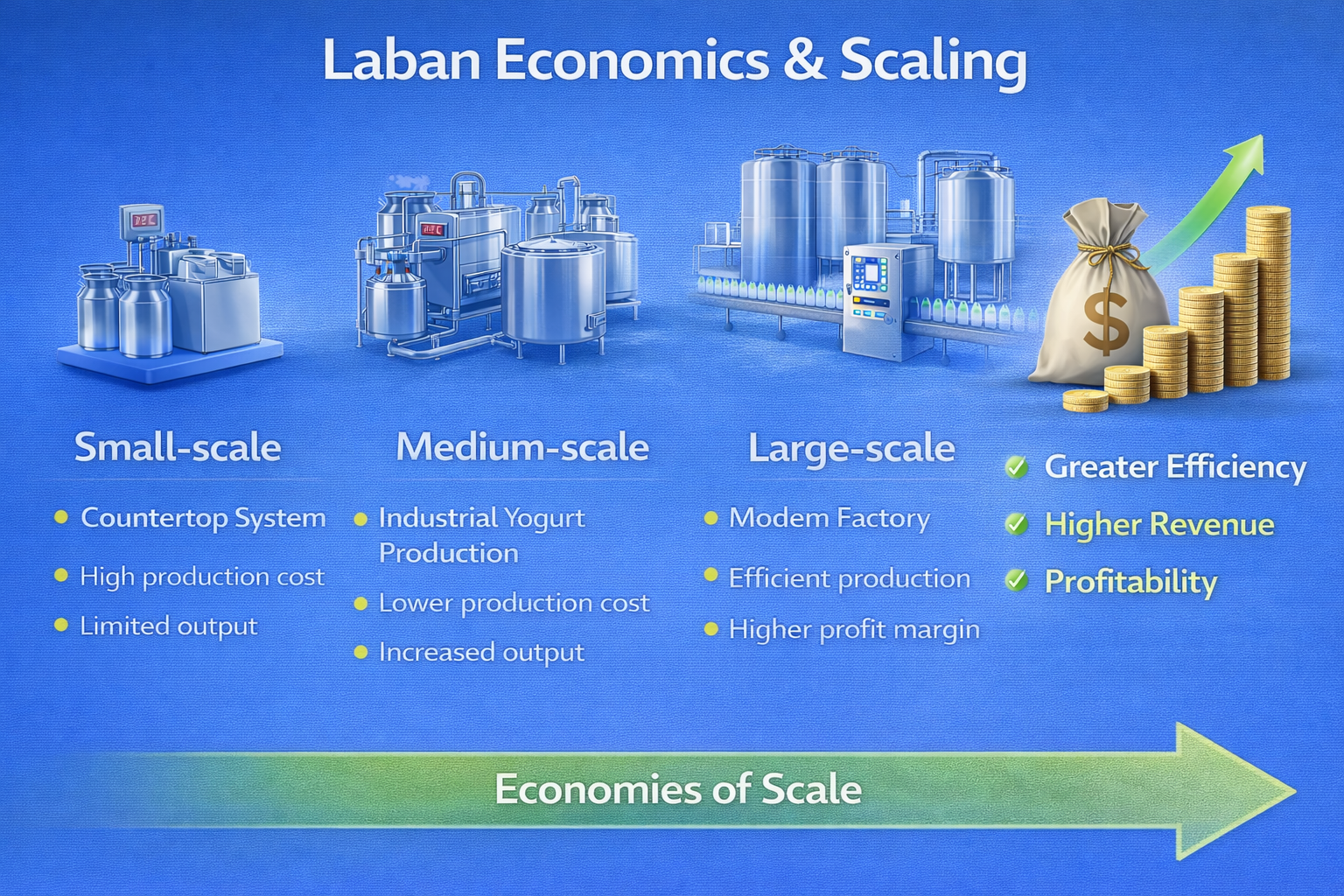
6. Machinery & Equipment Requirements (Scale-Wise)
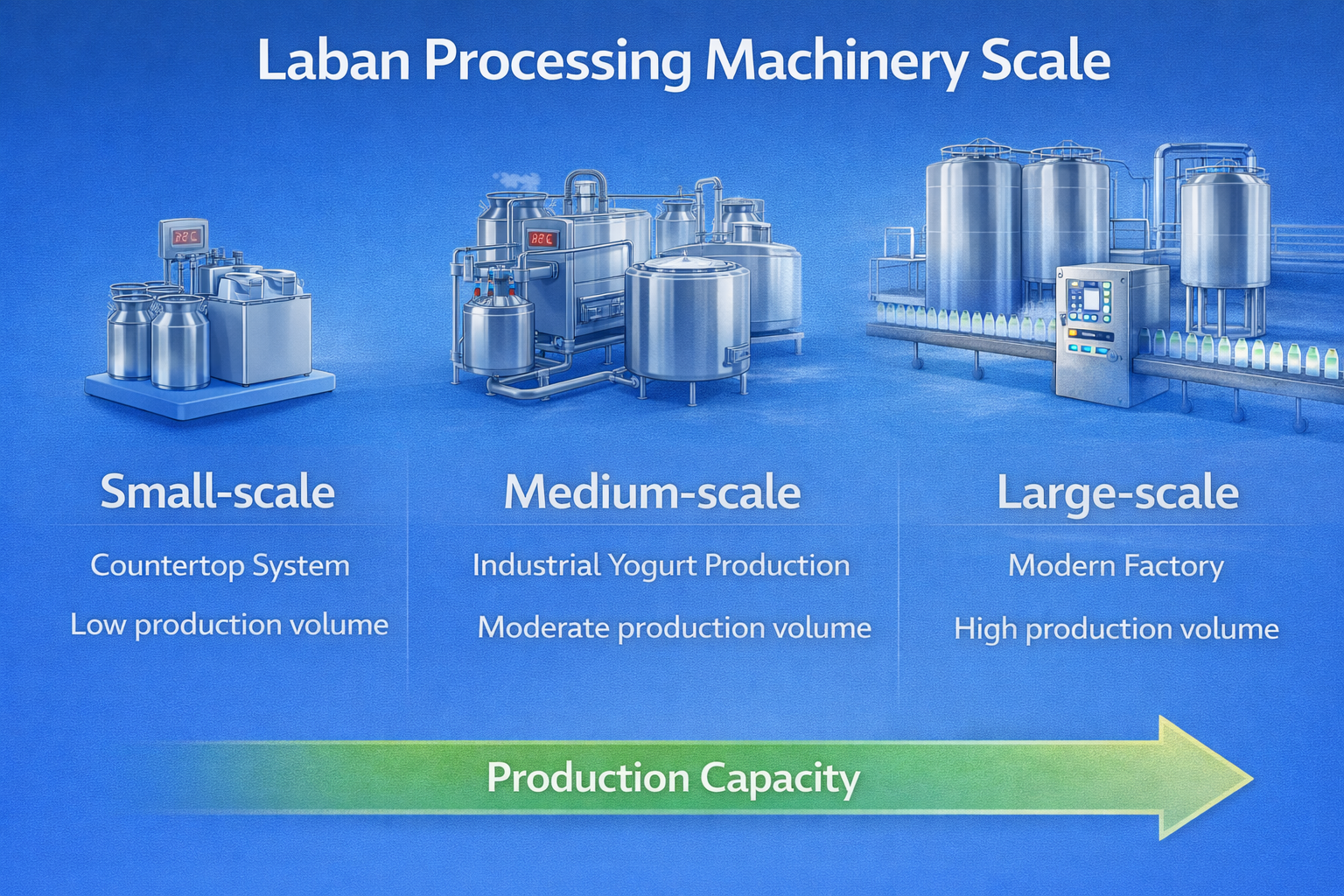
Laban production is machinery-light compared to cheese but requires precision equipment.
Small-scale (pilot / startup)
● Batch pasteurizer
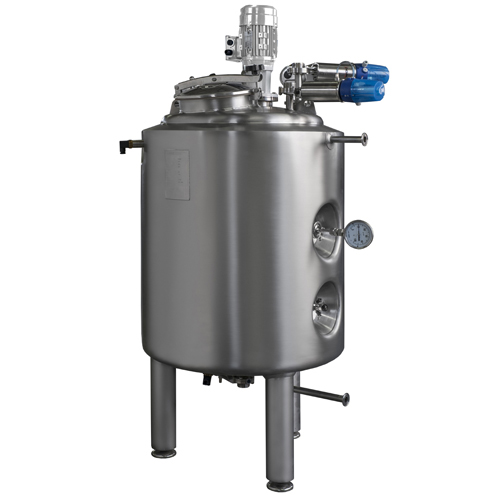
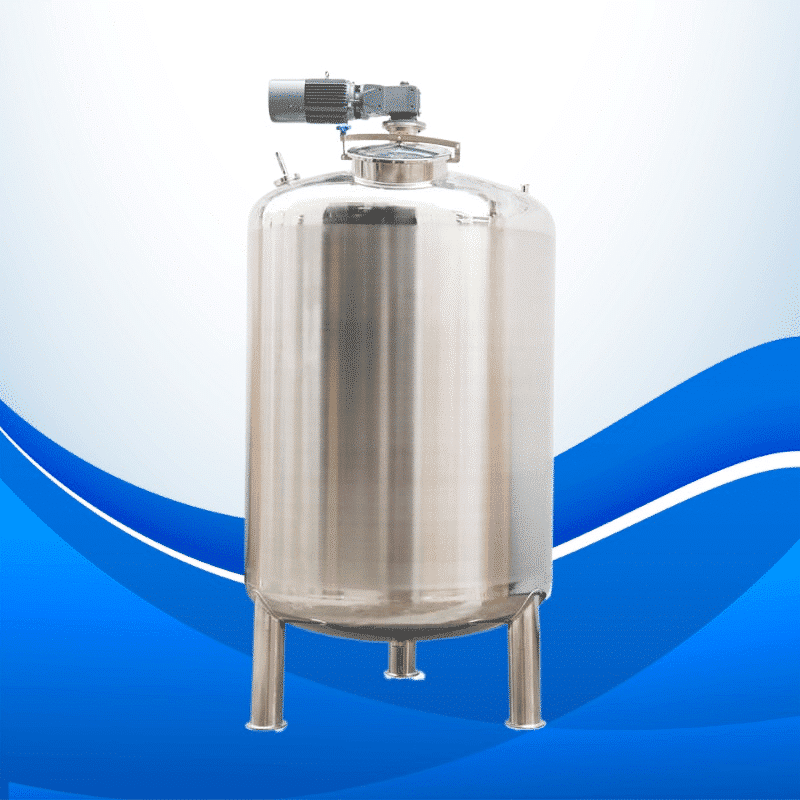
● Fermentation tank
● Mixing tank
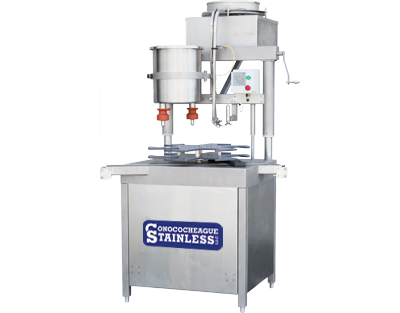
● Manual filling unit
Medium-scale
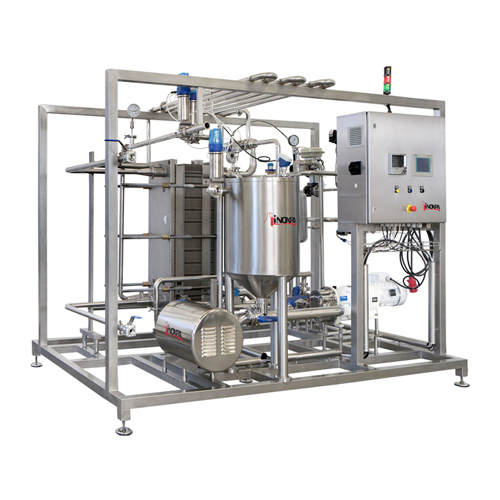
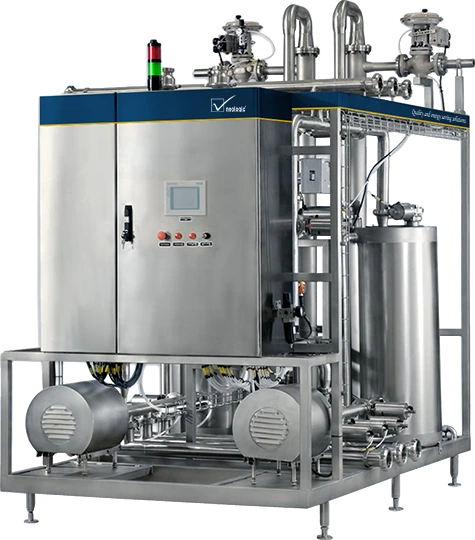
● HTST pasteurizer
● Jacketed fermentation tanks
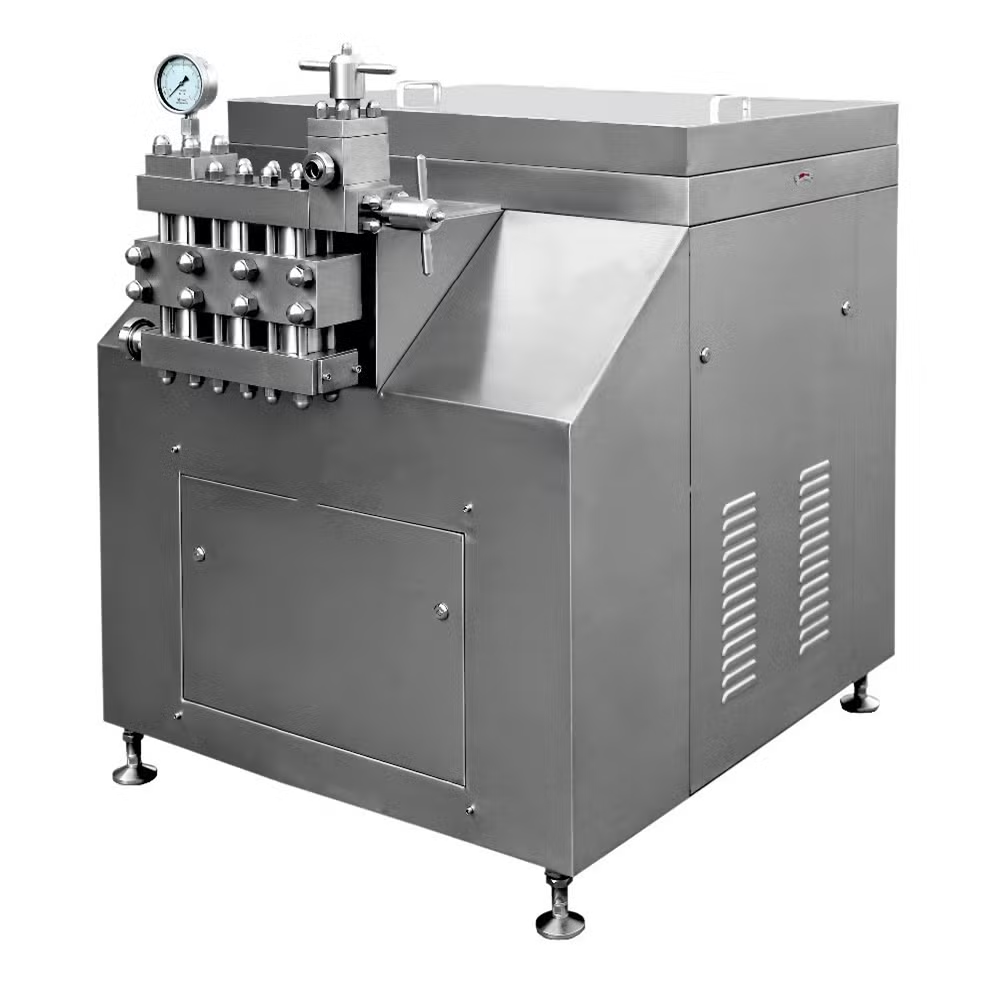
● Homogenizer
● Semi-automatic filling machine
Large-scale
● Continuous HTST/UHT systems
● Automated fermentation vessels
● Inline homogenization
● CIP-integrated filling lines
7. Packaging Systems for LABAN
Packaging must preserve cold-chain integrity and product freshness.
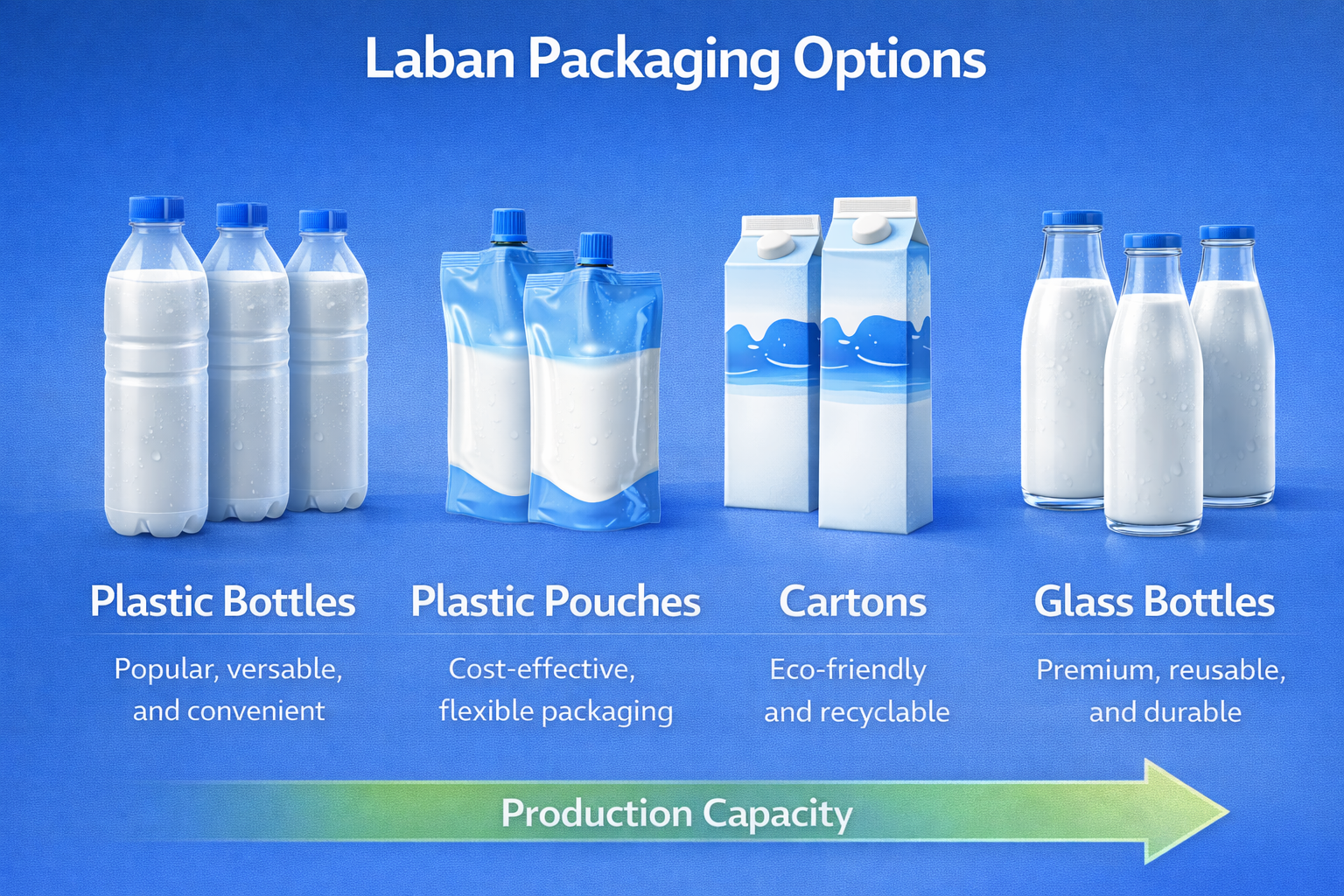
Common formats
● PET bottles
● HDPE bottles
● Laminated pouches (institutional)
Packaging considerations
● Oxygen barrier
● Tamper evidence
● Labeling clarity
8. Shelf Life and Cold-Chain Requirements
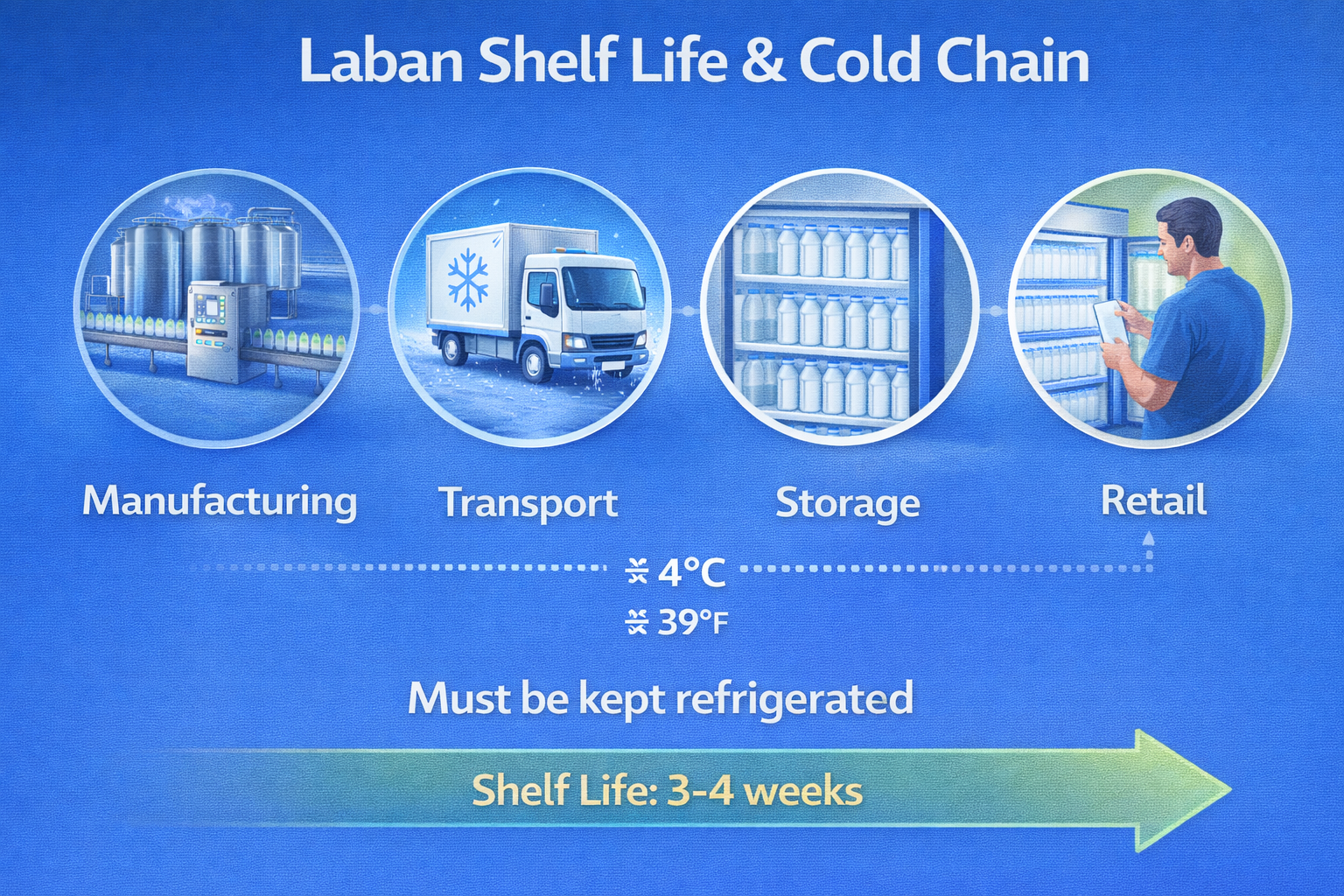
Laban is not shelf-stable. Its value depends on cold-chain discipline.
Typical shelf life
● 7–14 days under refrigeration
Shelf-life determinants
● Final pH
● Storage temperature
● Post-acidification control
9. Regulatory & Compliance Considerations (India)
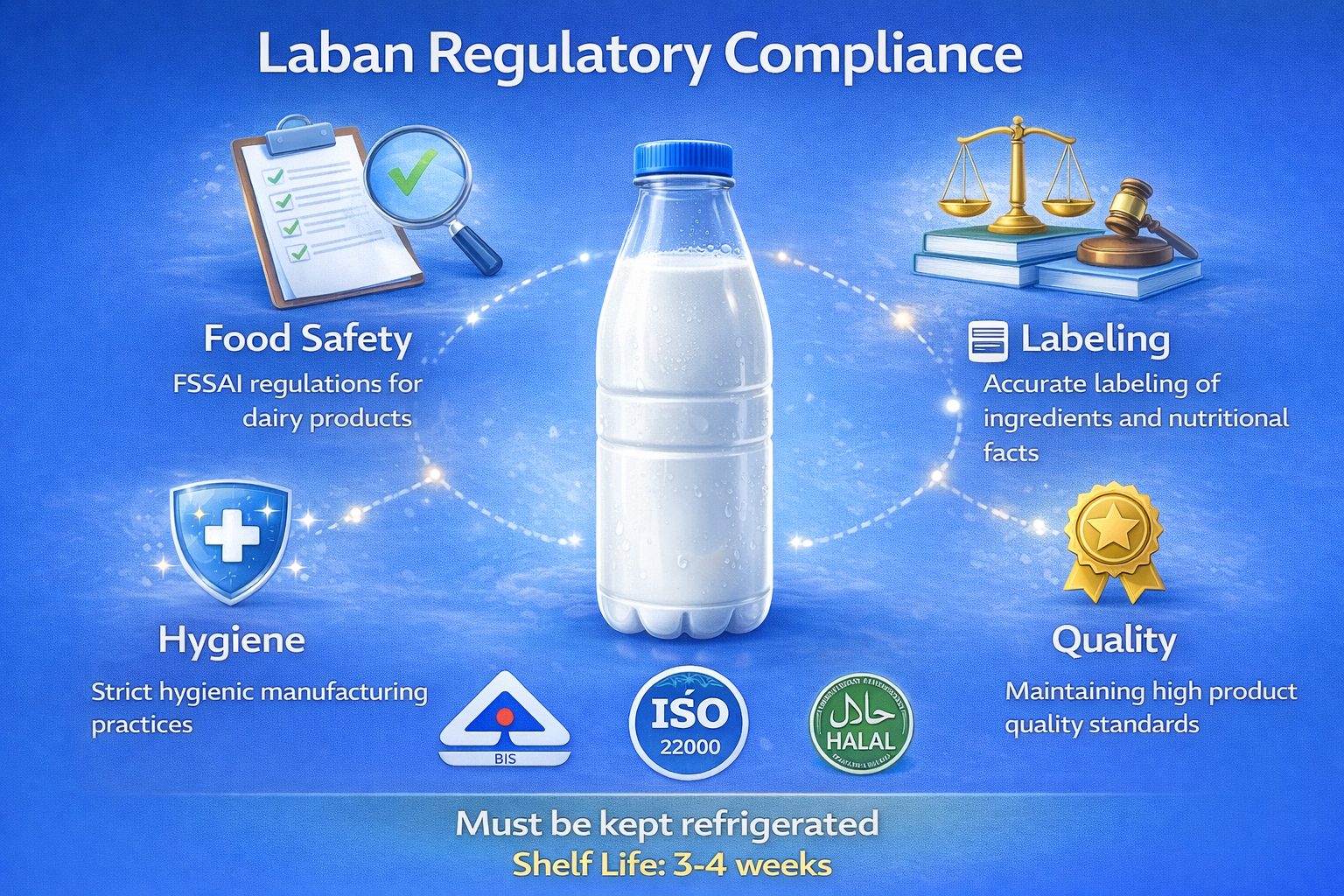
Laban would fall under fermented milk beverages within FSSAI regulations.
Compliance requirements
● Ingredient declaration
● Nutritional labeling
● Shelf-life validation
● Cold storage declaration
Export markets require additional certifications.
10. Economics & Commercial Scaling Strategy
Laban economics depend on milk cost, scale efficiency, packaging, and market positioning.
Economic drivers
● Milk solids utilization
● Culture cost
● Packaging cost
● Distribution radius
Scaling strategy
● Pilot → regional → national
● HoReCa-first entry
● Gradual retail expansion
Economics of LABAN Production – 100 Cow Integrated Dairy Unit (India)
Baseline Assumptions
● Herd size: 100 lactating cows
● Average milk yield: 15 litres/cow/day
● Total milk available: 1,500 litres/day
● Milk allocated to LABAN: 40% (600 litres/day)
● Remaining milk used for fluid milk / other products
● LABAN produced as plain, lightly salted fermented milk beverage
● Cold-chain maintained, no UHT
● Target market: HoReCa + local retail
Input Cost Structure (Per Day)
● Raw milk internal cost (transfer price):
₹32/litre × 600 litres = ₹19,200
● Starter culture cost:
₹0.80–1.20/litre → ~₹600/day
● Salt & minor ingredients:
₹0.30–0.50/litre → ~₹250/day
● Power (pasteurization, chilling, mixing):
₹1,200–1,500/day
● Labour (1 skilled + 1 helper allocated):
₹1,200–1,500/day
● Water, cleaning chemicals, consumables:
₹400–500/day
● Packaging (PET bottle / pouch):
₹4–6/litre → ~₹3,000/day
➡️ Total daily operating cost (excluding depreciation):
₹26,000 – ₹27,500 per day
Production & Yield
● LABAN output volume:
~650–680 litres/day
(due to dilution and process adjustments)
● Effective cost per litre of LABAN (operational):
₹38–42 / litre
Selling Price (Conservative, Realistic)
● HoReCa / Institutional bulk:
₹55–60 / litre
● Retail (branded, local distribution):
₹65–75 / litre
● Blended average realization assumed:
₹60 / litre
Daily Revenue & Margin
● Daily LABAN sales:
₹60 × 650 litres = ₹39,000/day
● Daily operating surplus (before fixed costs):
₹11,500 – ₹13,000/day
Monthly & Annual Economics
● Monthly gross surplus (26 days operation):
₹3.0 – 3.4 lakh/month
● Annual gross surplus (10 months effective):
₹30 – 34 lakh/year
Capital Expenditure (One-Time, Indicative)
● Pasteurizer (small HTST or batch): ₹8–12 lakh
● Fermentation & mixing tanks: ₹4–6 lakh
● Homogenizer (optional but recommended): ₹4–5 lakh
● Filling & sealing machine: ₹6–10 lakh
● Cold storage & chilling integration: ₹5–7 lakh
● Utilities & installation: ₹3–4 lakh
➡️ Total CAPEX range:
₹30 – 40 lakh
Payback Period
● Conservative payback: 18–24 months
● Faster if:
○ Milk is internally produced (lower transfer price)
○ HoReCa volumes stabilize early
○ Packaging optimized
Key Economic Strengths of LABAN
● Higher realization than raw milk
● Lower complexity than cheese or flavoured yogurt
● Fast processing cycle
● Strong fit for hot climates
● Scales well from 100 cows upward
Key Economic Risks (Must Be Managed)
● Cold-chain breaks reduce shelf life fast
● Over-acidification reduces repeat sales
● Poor market education limits early uptake
● Packaging cost creep can erode margins
Strategic Insight
LABAN is not a “high-margin luxury product.
It is a high-throughput, stable-margin dairy beverage that converts milk surplus into predictable cash flow when executed with discipline.
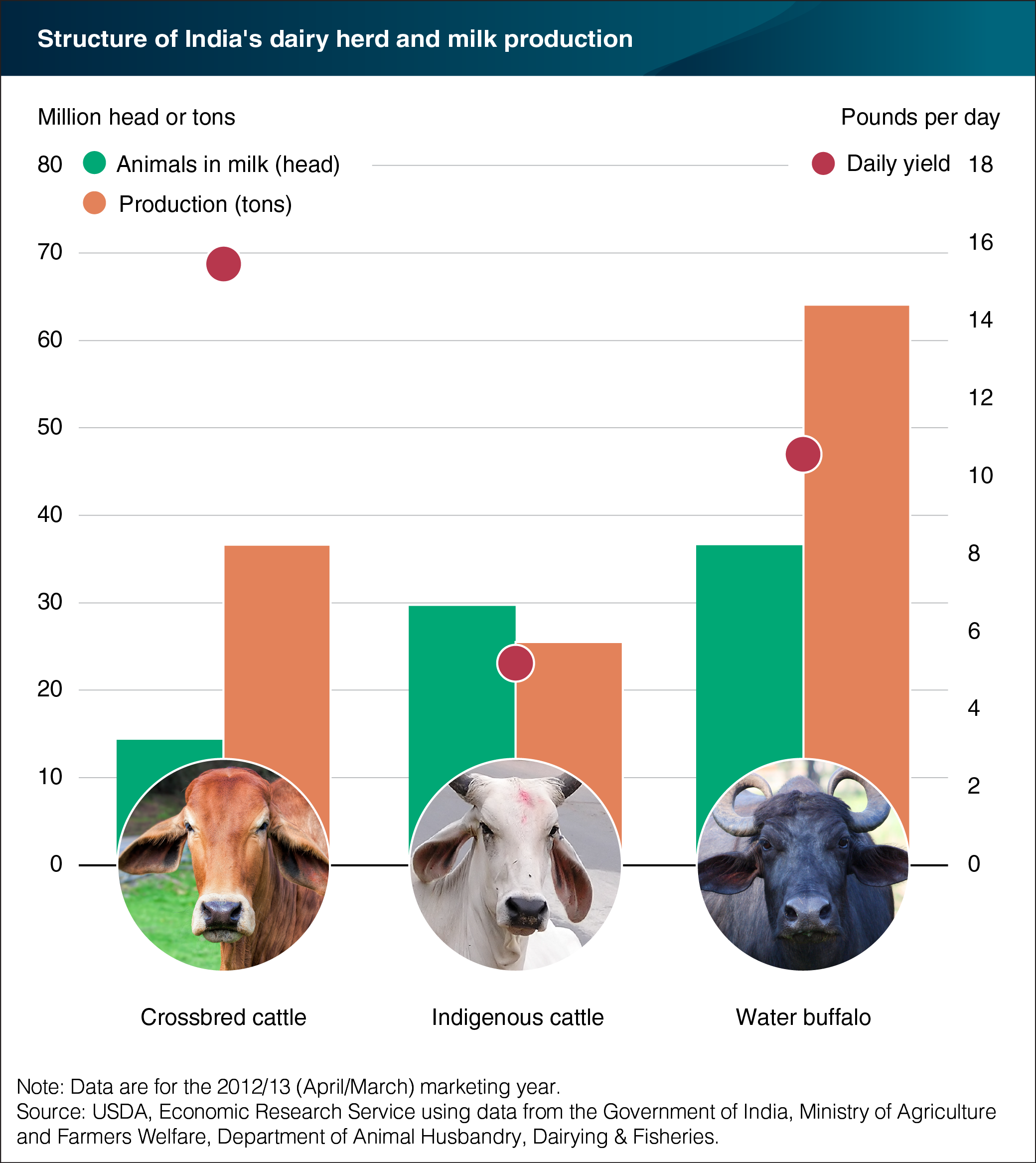
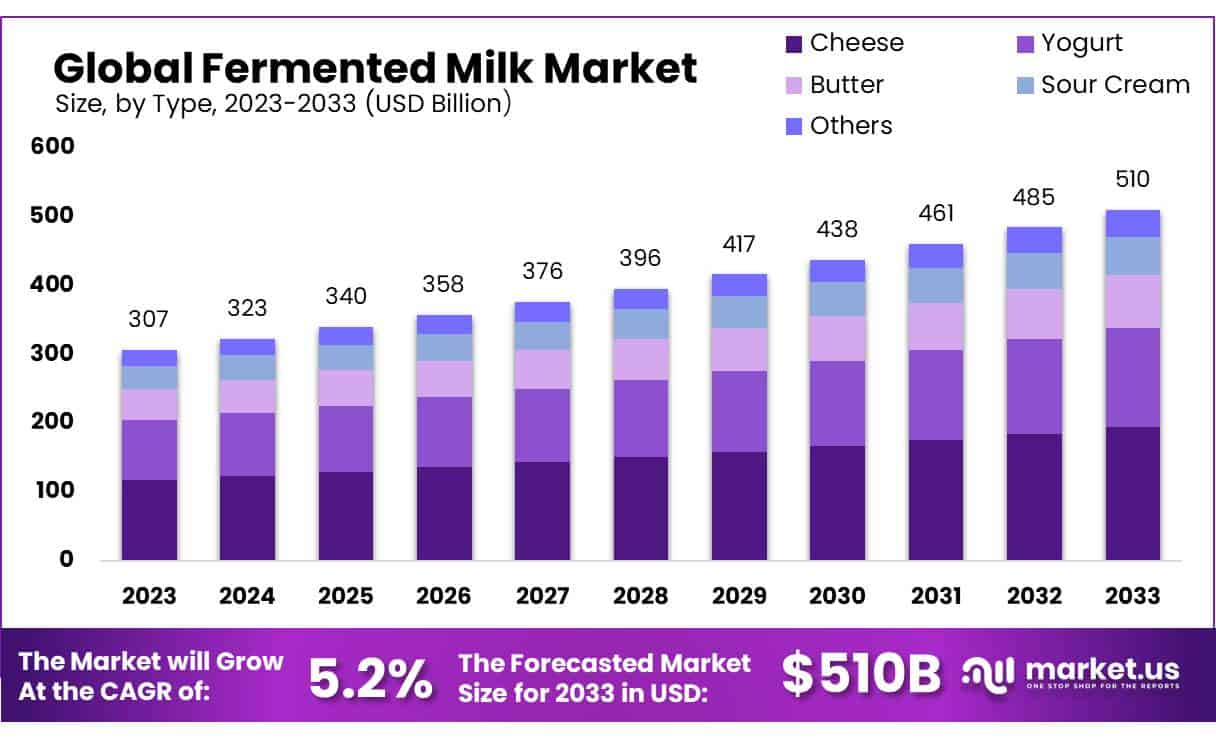
Conclusion: LABAN as a New Dairy Category for India
Laban represents an opportunity to create—not compete in—a new dairy beverage category. Its success depends not on imitation but on process discipline, biological control, and market education. For Indian dairies seeking differentiation without excessive technological complexity, laban offers a scientifically sound and commercially viable pathway into the future of fermented dairy beverages.