Introduction
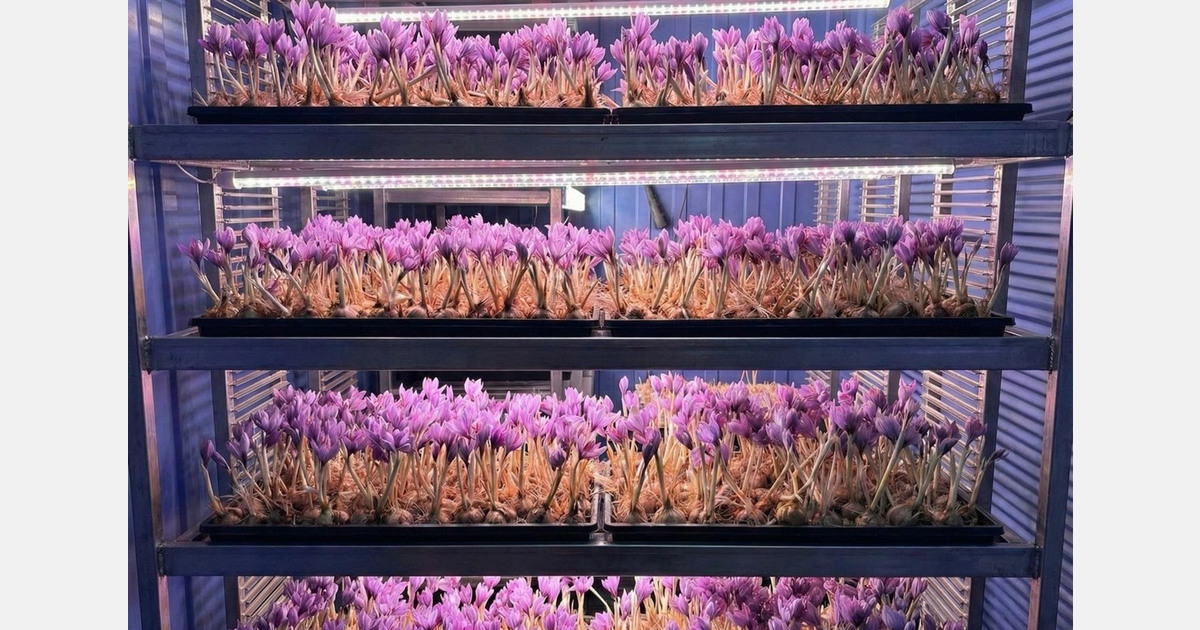
Saffron, derived from the dried stigmas of Crocus sativus, is the most valuable spice crop globally by weight. Traditional cultivation is geographically limited to regions such as Kashmir, Iran, and parts of the Mediterranean due to strict climatic requirements during flowering. Indoor saffron cultivation using controlled-environment agriculture (CEA) overcomes these limitations by precisely regulating temperature, humidity, light, and moisture, enabling consistent production irrespective of external climate variability.
Indoor systems also reduce land dependency, improve biosecurity, and allow staggered or year-round production cycles, making saffron viable for urban, peri-urban, and non-traditional agricultural zones.
Botanical and Biological Information
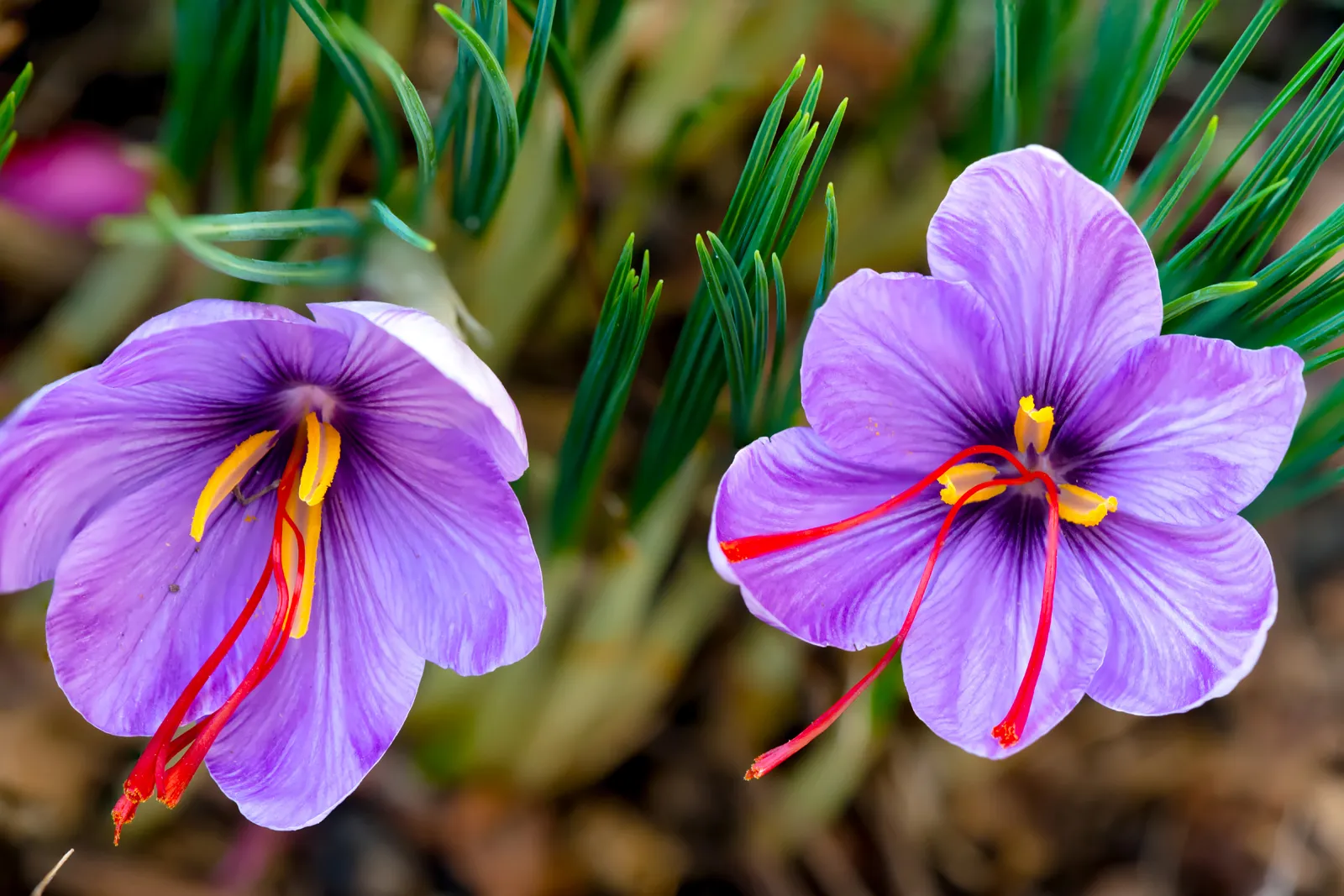
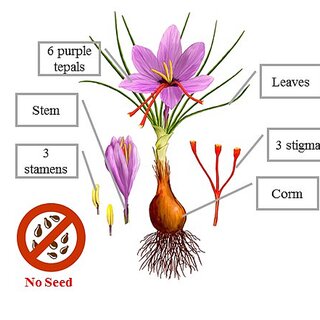
Crocus sativus is a sterile triploid plant propagated exclusively through vegetative corms. Each mature corm produces one to multiple flowers depending on size, physiological age, and environmental conditions.
Key biological characteristics:
● Chromosome status: Triploid (does not produce viable seeds)
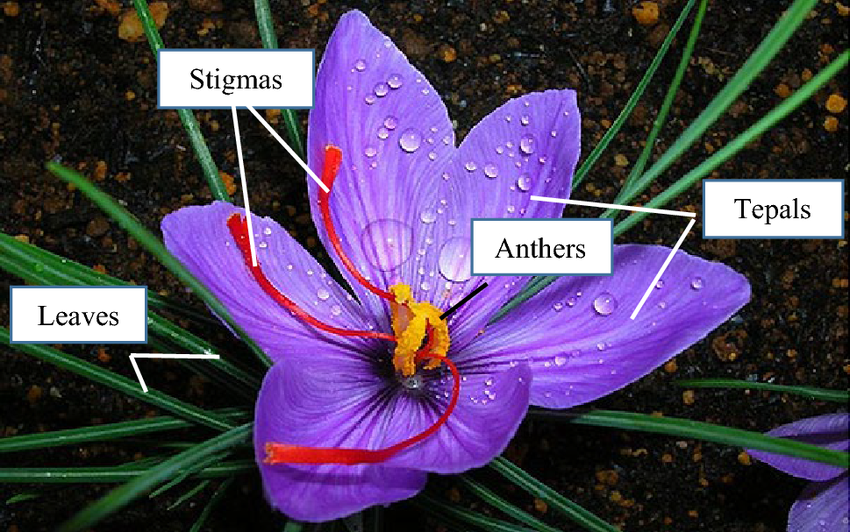
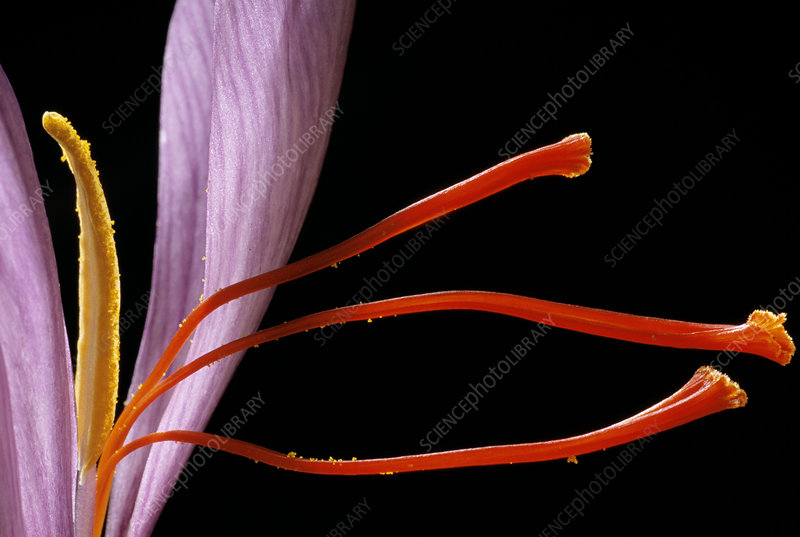
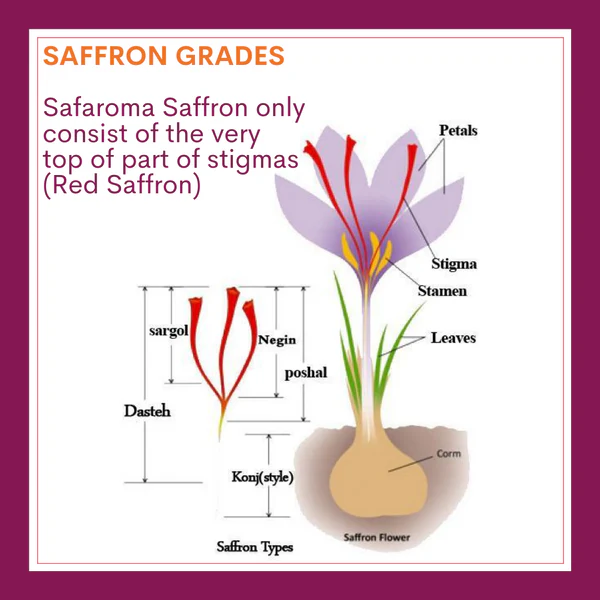
● Economic organ: Stigmas (3 per flower)
● Propagation: Daughter corm multiplication
● Dormancy: Summer dormancy is essential for flower induction
● Flowering window: Short (10–20 days)
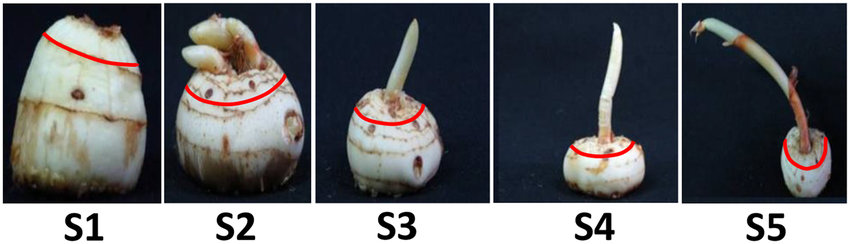
Corm size has a direct correlation with flower initiation. Larger corms (>25–30 mm diameter) typically produce more flowers in the first season, whereas smaller corms prioritize vegetative multiplication.
Climate and environmental requirements (indoor setpoints)
(Specify setpoints for controlled environment systems)
● Dormancy / cold-induction: 4–15 °C for several weeks prior to flowering induction; many protocols mimic summer dormancy (warm, dry) followed by cool, moist induction. FMax
● Flowering temperature: Optimal daytime temperatures ~15–20 °C (59–68 °F) during active growth and flowering; avoid extremes >30 °C and severe frost below −5 °C. Roco Saffron
● Photoperiod: Saffron is sensitive to seasonal cues; short-day signals combined with temperature shifts promote flowering. In indoor setups, simulate autumn photoperiods (shortening daylength) at flowering time.
● Relative humidity: Moderate humidity (40–70%) — avoid excessively high humidity during flowering to reduce fungal disease and stigma rot; ensure good airflow.
● Light intensity & spectrum: Moderate light (PAR suited to bulbous plant growth). Many indoor growers use LED fixtures on racks to provide diffuse light during foliage growth; however high light is not required like leafy greens. Timing and spectrum can be tuned to mimic autumn sun.
● Substrate moisture: Well-drained substrate or aeroponic root environment is essential; corms tolerate dry summer dormancy and need controlled irrigation during active growth only.
Key load-bearing factual claims above are supported by greenhouse and research reports showing indoor saffron viability and recommended setpoints.
Indoor saffron production succeeds when the plant’s natural alpine–Mediterranean climate cues are replicated artificially.
Temperature
● Dormancy simulation: 20–30 °C (dry conditions)
● Cold induction: 4–12 °C for 3–6 weeks
● Flowering: 15–20 °C
● Vegetative phase: 18–22 °C
Relative Humidity
● Optimal range: 40–65%
● High humidity during flowering increases fungal risk and stigma spoilage.
Light
● Saffron is not a high-light crop.
● 8–10 hours of moderate LED light (300–600 lux) is sufficient.
● Light is primarily needed for foliage development, not flowering induction.
Water & Moisture
● Excess moisture causes corm rot.
● Well-drained substrates or aeroponic root exposure is critical.
Indoor Farming Systems for Saffron
Facility design (example for a 100 m² production room)
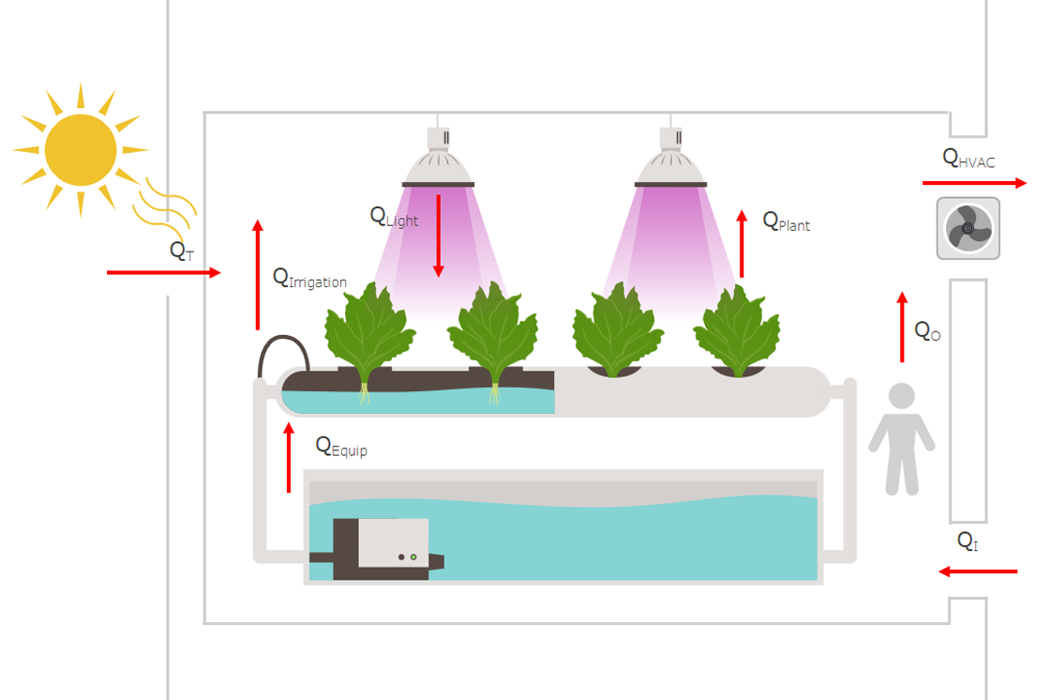
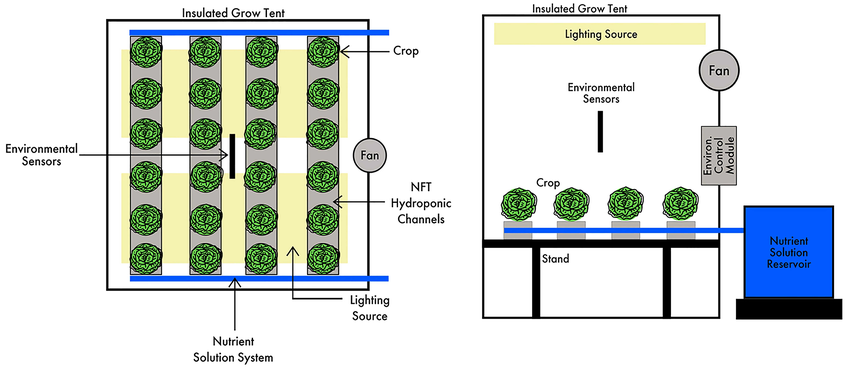
● Envelope: Insulated room, vapor barrier, cleanable surfaces. Temperature control via HVAC with capability to cycle between dormancy warm period and cool flowering period (e.g., programmable setpoints: dormancy 20–25 °C dry; cold-induction 5–12 °C for 4–8 weeks; flowering 15–20 °C).
● Racking / beds: Heavy duty shelving (4–6 tiers) with deep trays (10–15 cm substrate depth) or specially designed aeroponic chambers. Ensure at least 1 m aisle for harvest access. Example: 6 tiers × 100 m² floor footprint = multiply planting area.
● Lighting: LED arrays with dimming and spectrum control; used mainly for foliage development and to maintain daily light integrals (not the limiting factor for flowering).
● Irrigation / fertigation: Drip for substrate trays; misting and nutrient dosing for aeroponics; water filtration (RO optional) and nutrient tank with dosing pumps.
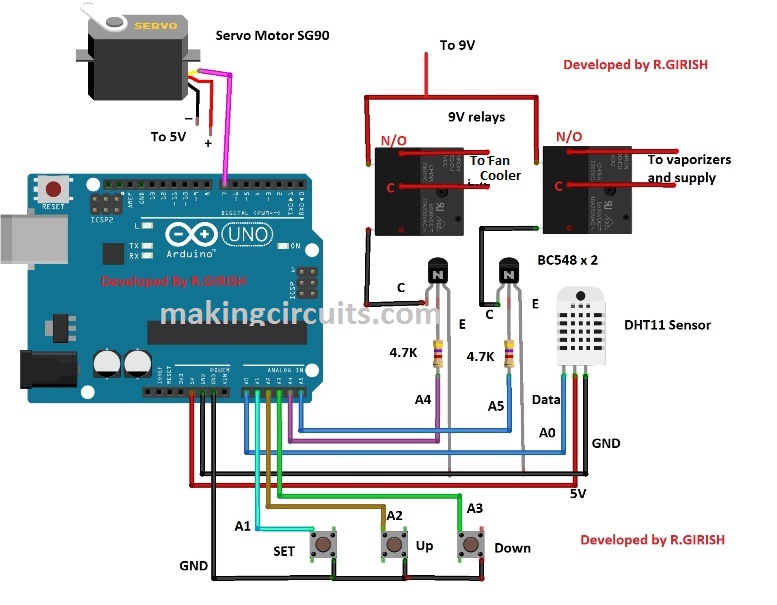
● Humidity control & ventilation: Dehumidifier or fresh-air exchange to maintain RH 40–70% and reduce disease pressure.
● Processing area: Clean room for stigma picking and drying; stainless steel surfaces; hygrometers; desiccant or low-RH drying cabinet; vacuum sealing/packaging.
● Biosecurity: Pest exclusion, footbaths, tool sanitation, sticky traps for thrips, rodent control.
3) Planting geometry & schedule (operational plan)
● Corm sourcing: Use disease-free, certified corms; grade by diameter (>2.5 cm preferred for initial planting where budget allows).
● Planting depth: 8–15 cm depth typical for best yields; in trays use ~8–10 cm to balance root space and shelf height.
● Density examples: Research and practice vary — 40–50 corms/m² (Kashmir traditional) to 100–250 corms/m² in high-density systems. For indoor systems, moderate density (80–150 corms/m²) often balances flower yield and corm reproduction. Adjust based on corm size and system.
● Crop cycle (example annual cadence):
○ Preparation / dormancy storage (May–Aug): Keep corms dry at ~20–25 °C to simulate summer dormancy if you are accelerating cycles.
○ Planting (Aug–Sep): Set corms into trays/medium.
○ Cold induction (Sep–Oct): Lower temperature to 5–12 °C for 3–8 weeks depending on cultivar to trigger flowering.
○ Flowering (Oct–Nov): Raise temperatures to 15–20 °C and maintain moderate moisture; harvest stigmas daily for 10–21 days.
○ Post-harvest / corm management (Dec–Mar): Allow foliage to senesce; reduce watering; lift and grade corms every 2–3 years for multiplication or discard degraded corms. Indoor cycles can be repeated annually or managed for staggered, year-round production using offset batches.
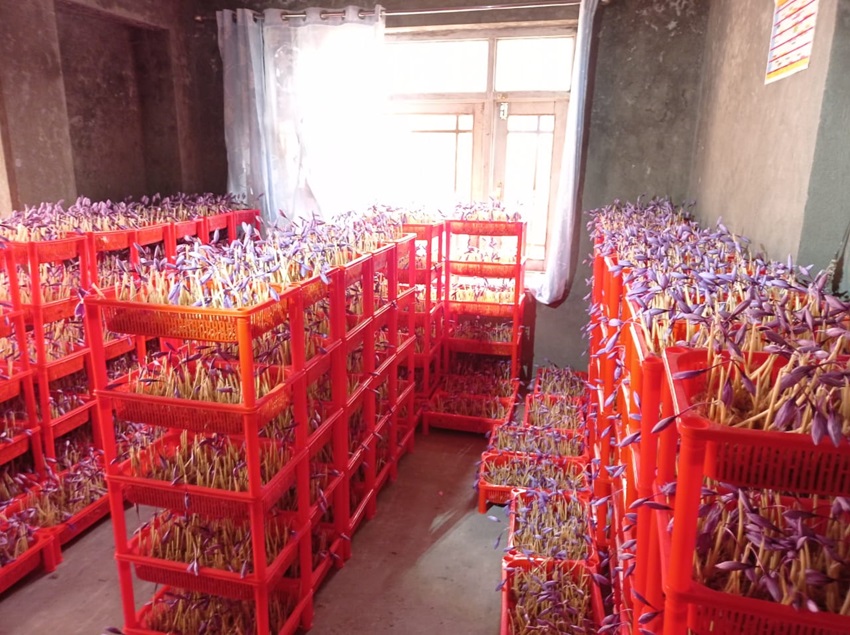
1. Soil / Substrate Tray System
● Cocopeat + sand or sterilized loam
● Tray depth: 10–15 cm
● Low CAPEX, simple management
● Suitable for beginners and pilot projects
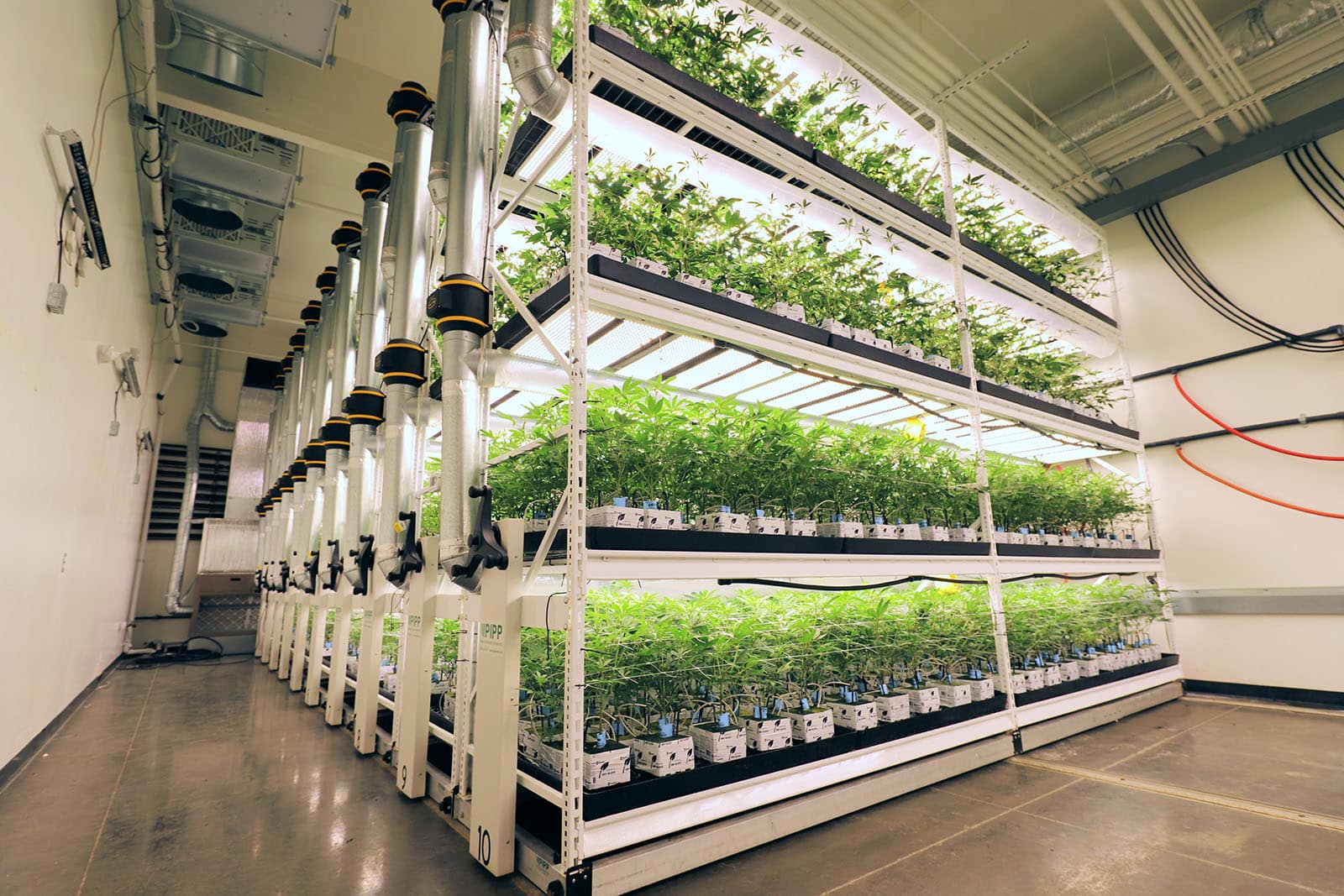
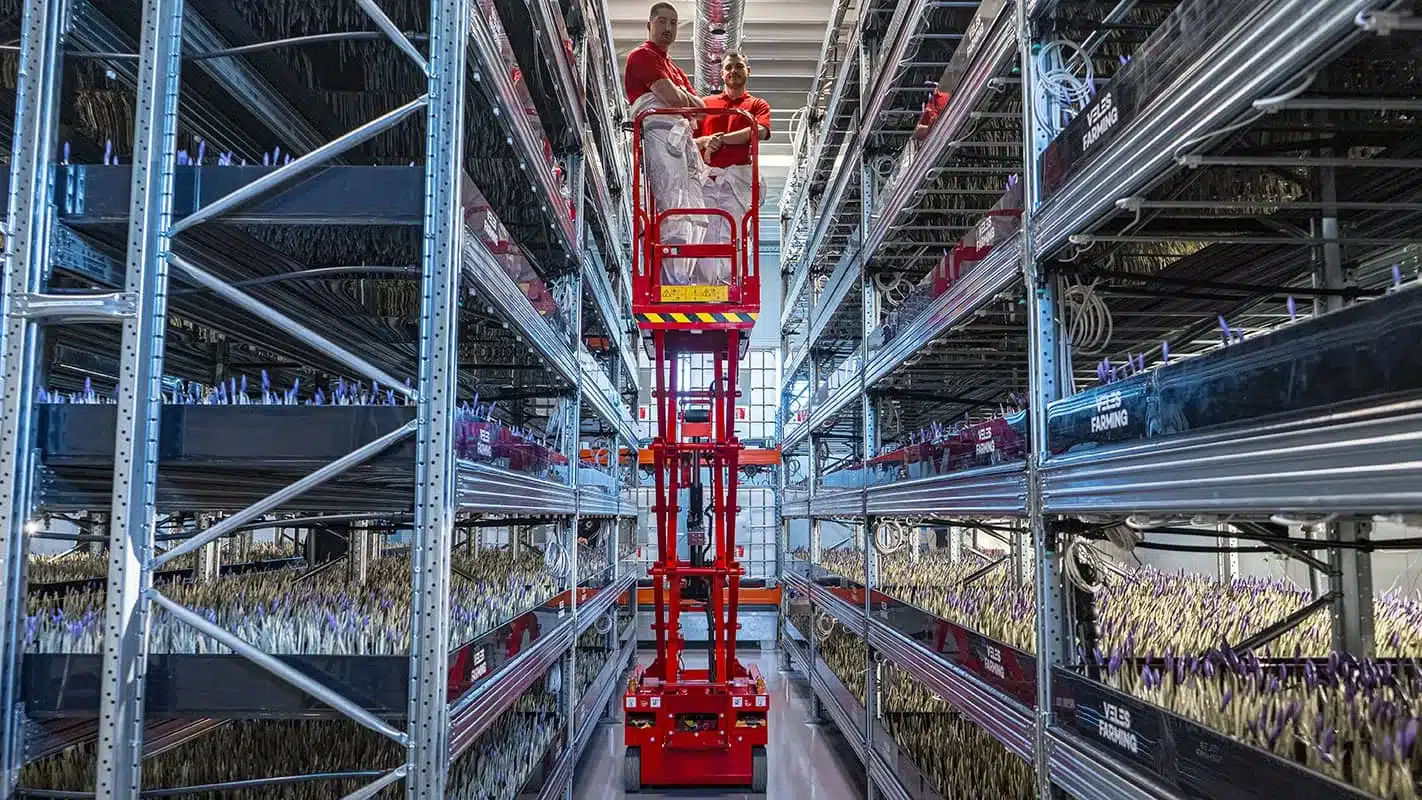
2. Vertical Rack System
● Multi-tier shelving (4–6 levels)
● Maximizes production per square meter
● Requires careful airflow and humidity control
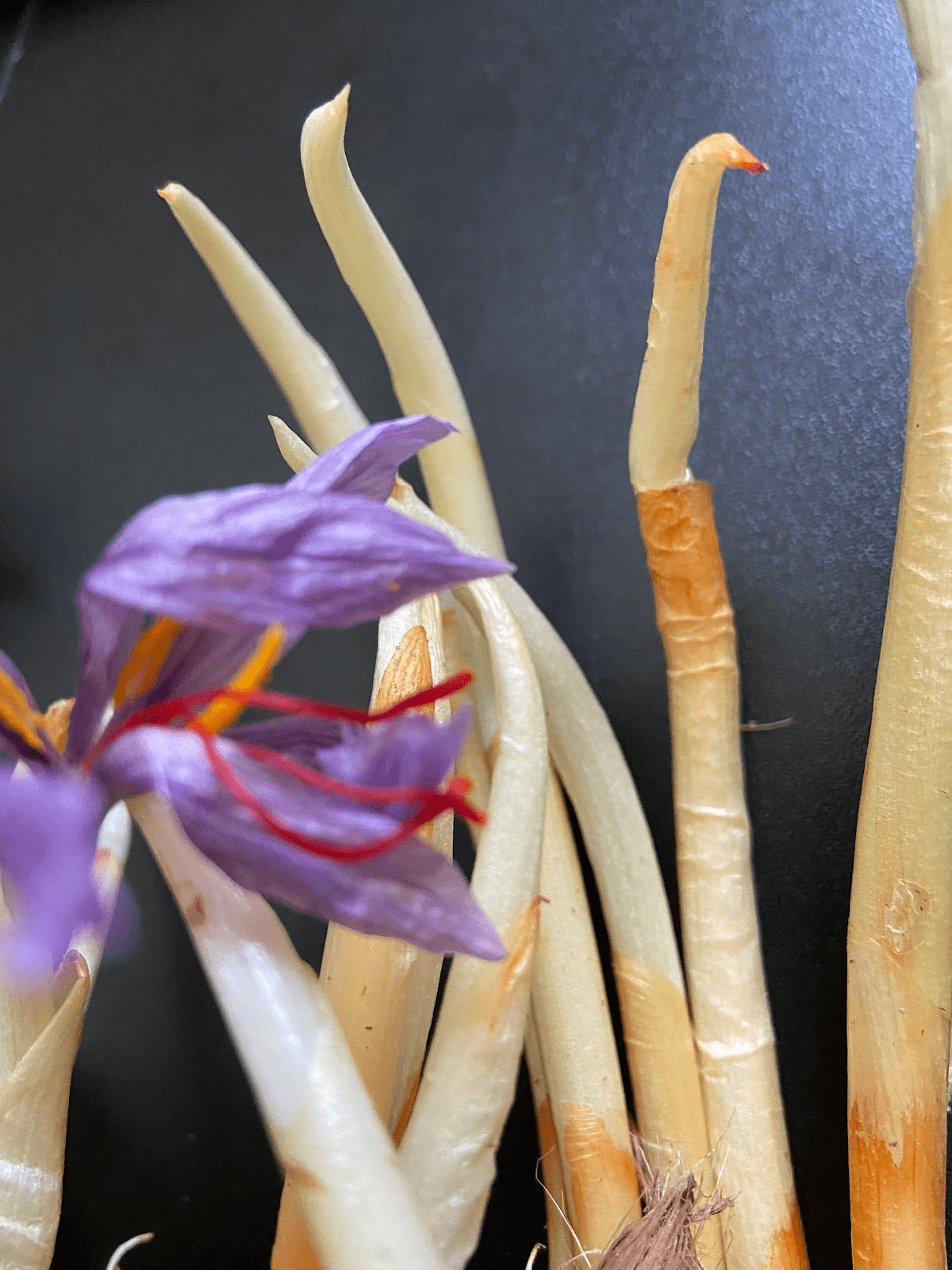
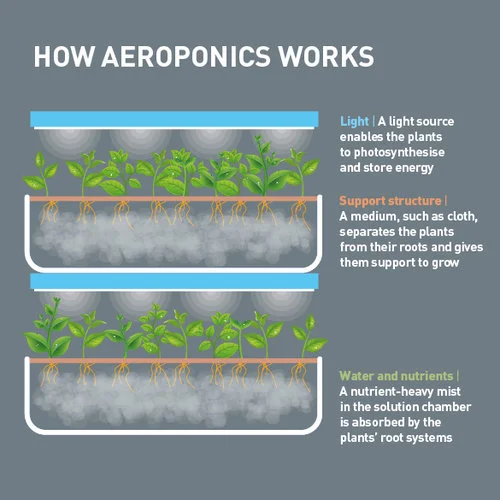
3. Aeroponic / Soilless Root Chambers
● Roots suspended in air, misted intermittently
● High oxygen availability
● Lower disease pressure
● Higher initial setup cost but superior control
Operational Cultivation Plan (Step-by-Step)
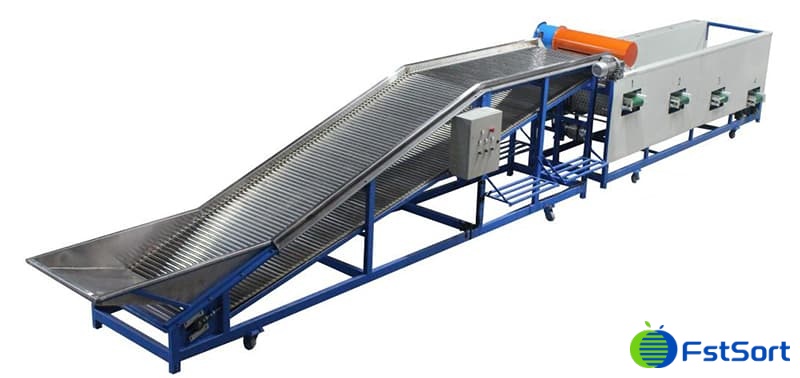
1. Corm Procurement & Preparation
● Source disease-free, graded corms
● Ideal size: ≥25 mm diameter
● Store dry during dormancy period
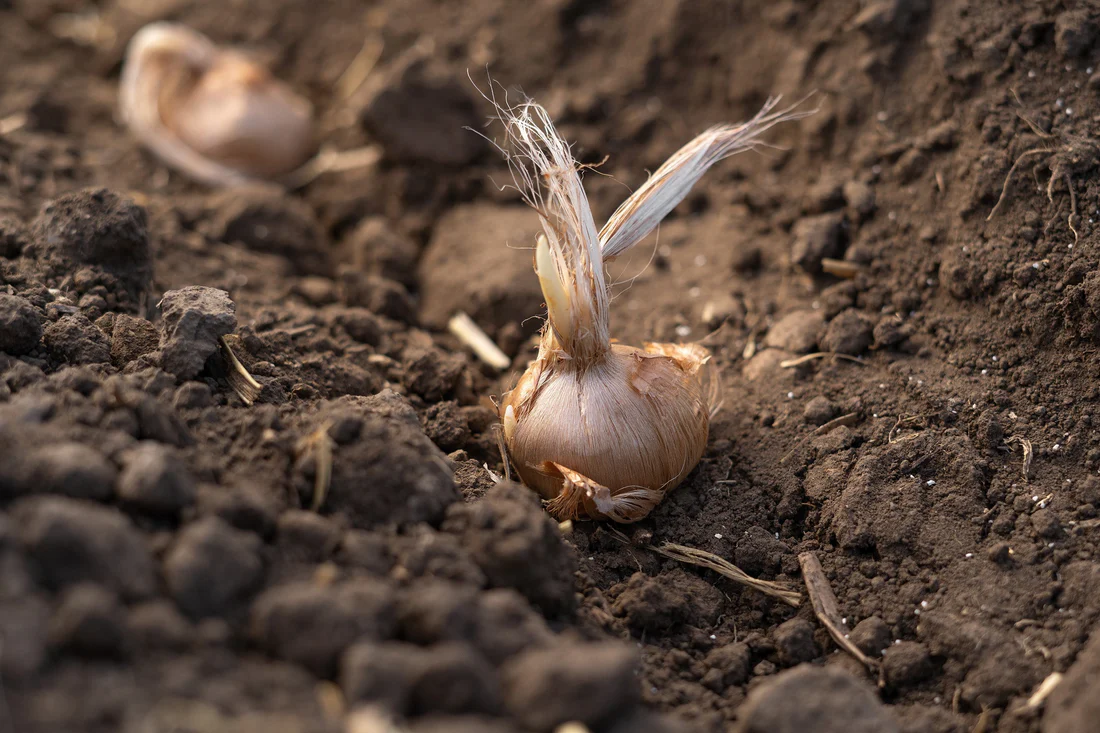
2. Planting
● Depth: 8–12 cm
● Density:
○ Low density: 50 corms/m²
○ Medium density: 100 corms/m² (recommended indoor)
○ High density: 150–200 corms/m² (aeroponics only)
3. Flower Induction
● Initiate cold treatment
● Gradual moisture introduction
● Flower emergence within 10–14 days
4. Harvesting
Harvesting & processing
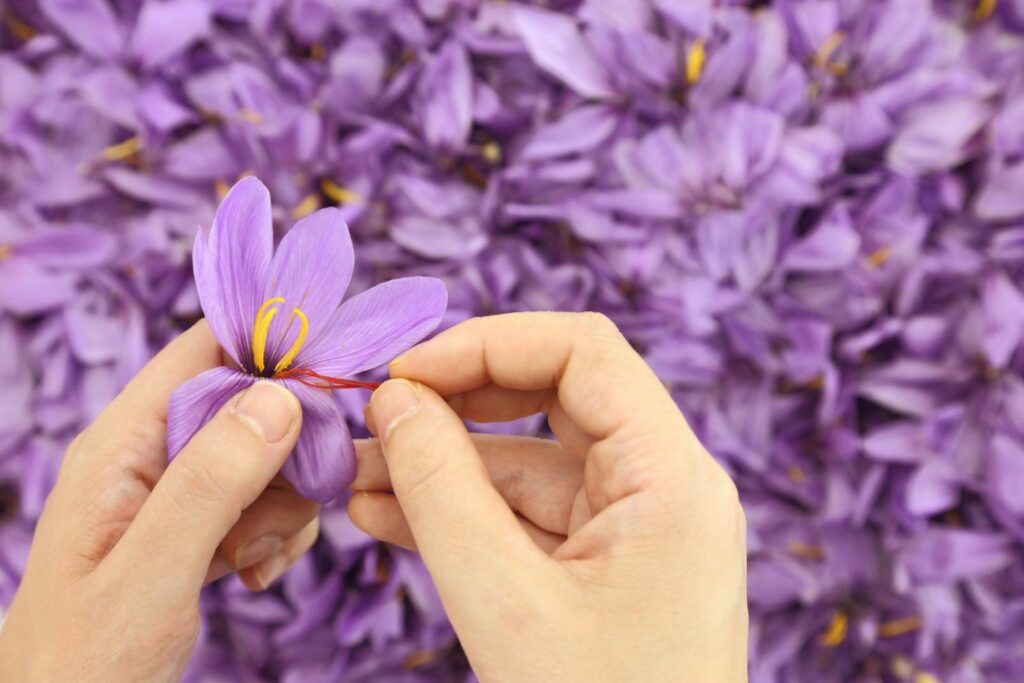
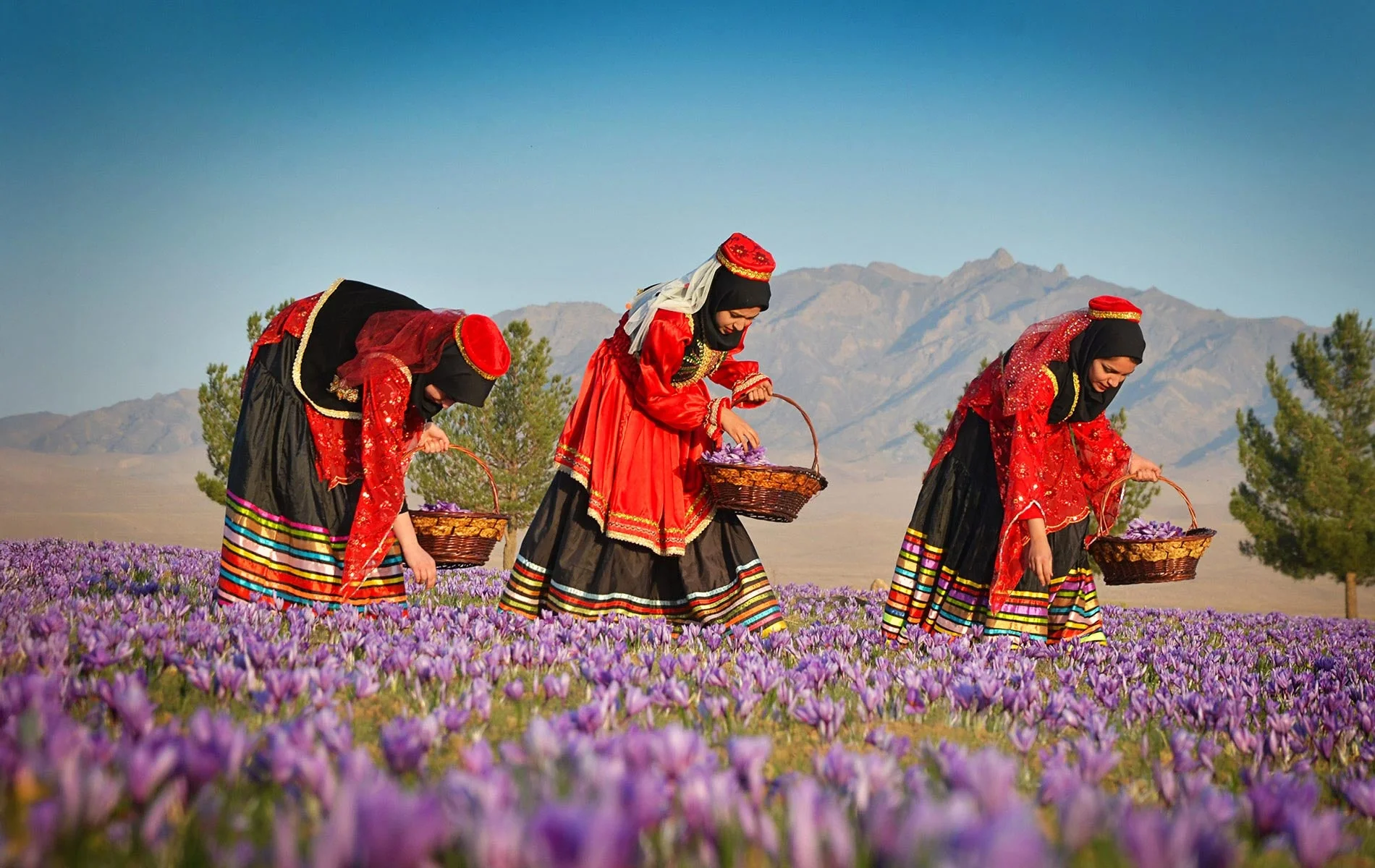
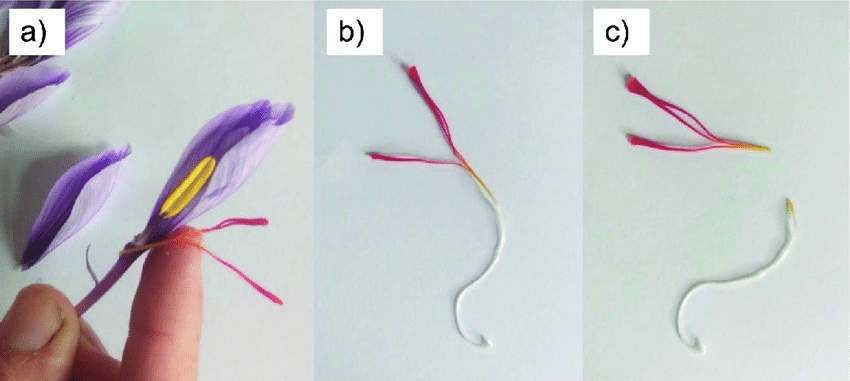
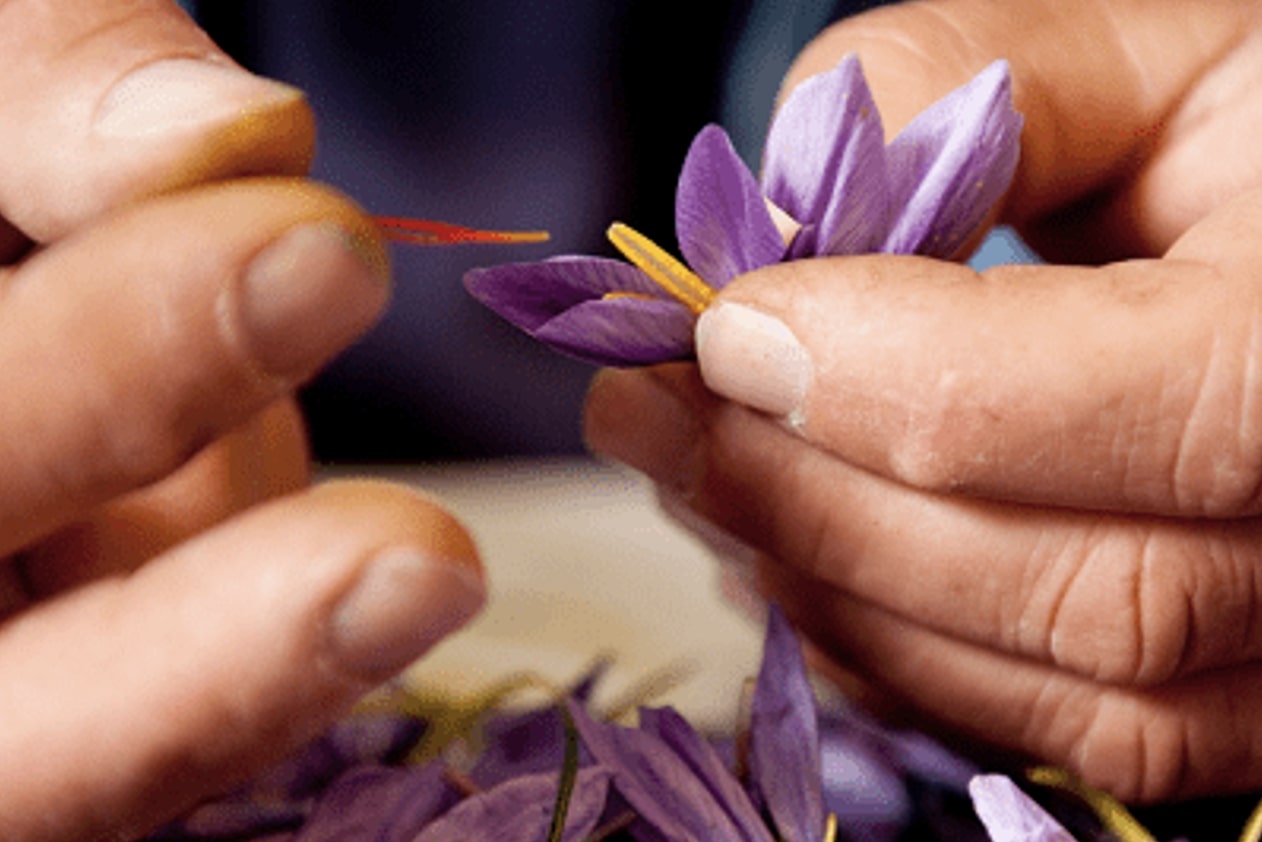
● Harvest stigmas in early morning while flowers are still closed or just opening. Use fine tweezers, collect red stigmas, dry quickly at low temperature (35–45 °C) or using controlled low-RH cabinet, then store in airtight containers away from light and moisture. Packaging and traceability critical for GI/quality claims.
● Daily harvest early morning
● Flowers picked before full bloom
● Manual stigma separation
5. Drying & Storage
● Dry at 35–45 °C for 30–60 minutes
● Store in airtight, light-proof containers
● Moisture <10%
Brief economics (example calculations, conservative basis)
Assumptions (example indoor 100 m² floor area, single-season production):
● Planting density: 100 corms/m² → 10,000 corms total.
● First-year flowering rate: assume 50% of corms flower (varies by corm size & management) → 5,000 flowers.
● Average stigmas per flower: 3 (always) → 15,000 stigmas.
● Dry saffron weight: average 450–500 stigmas ≈ 1 gram (rule of thumb: ~150–200 flowers per gram depending on drying and relationships). For this conservative example, assume 200 flowers ≈ 1 g. So 5,000 flowers → ~25 g dry saffron.
● Market price: highly variable. (Example: premium saffron may fetch ₹300–₹15,000 per gram depending on origin/grade). Use conservative ₹2,500/g for basic commercial grade (user should update to current market).
● Revenue estimate (conservative): 25 g × ₹2,500 = ₹62,500 per 100 m² per season. Better Homes & Gardens+1
Notes & caveats: these numbers are illustrative. Indoor systems that optimize density, corm grade, and controlled aeroponics have reported much higher per-m² yields; pilot reports show indoor yield per corm and per unit corm mass can exceed open field yields when managed intensively. Adjust price and performance inputs to produce a detailed CAPEX/OPEX pro forma.
Major cost categories (summary):
● CAPEX: room/insulation, HVAC, shelving/racks, lighting, irrigation/fertigation pumps, processing/drying cabinets, initial corm purchase (significant), automation and sensors.
● OPEX: electricity (HVAC + lighting), labor (daily harvest & processing is labor-intensive), water/nutrients, packaging, replacement corms, pest control, maintenance.
Sensitivity: saffron price and flowering percentage per corm dominate revenue. Running multiple staggered batches and improving corm multiplication lowers unit corm cost and increases margin.
Example: 100 m² Indoor Facility(A quick glance note)
● Corms: 10,000 units
● Flowering rate (Year 1): 50%
● Flowers: ~5,000
● Dry saffron yield: ~25–30 g
● Conservative selling price: ₹2,500/g
Gross Revenue: ₹62,500 – ₹75,000 / cycle
Note: Mature systems with optimized corm recycling and higher flowering percentages can exceed these values significantly over multiple cycles.
________________________________________
Risks and mitigation
1. High CAPEX and slow ROI
○ Mitigation: phased scaling (start with 10–20 m² pilot), use second-hand racks/LEDs, access government/Agri finance grants, focus premium markets (restaurants, spice traders) to command better price.
2. Disease, pests and post-harvest losses
○ Mitigation: strict biosecurity, controlled RH, sanitation, quarantining new corms, daily inspection and rapid drying/processing.
3. Poor flowering / physiological stress
○ Mitigation: strict environmental protocols (cold induction, moisture timing), testing a small batch to tune the light/temp schedule for your cultivar. Use research guidance for planting depth and density. University of Vermont+1
4. Market price volatility
○ Mitigation: diversify sales channels (value-added products — saffron tea, infused oils, cosmetic grade), secure forward contracts where possible, pursue certification/GI/traceability for premium pricing.
5. Corm supply & genetic/quality issues
○ Mitigation: source certified disease-free corms; establish a mother corm nursery and multiplication plan; store corms properly during dormancy.
Recommendations & research priorities
● Pilot trial: run a 10–50 m² pilot with both tray (substrate) and aeroponic beds in parallel to compare yields and costs.
● Data logging: monitor daily temperature, RH, DLI (daily light integral), substrate moisture, and harvest yields per tray to build a local model.
● Corm management study: test 2–3 corm sizes, three densities (50, 100, 150 corms/m²) and two depths (8 cm vs 12 cm) over 3 seasons to find optimal balance for your cultivar.
Conclusion
Indoor saffron cultivation represents a scientifically viable, scalable, and climate-resilient agricultural enterprise when executed with biological precision and environmental control. While initial investments are higher than field cultivation, the ability to produce consistent, high-quality saffron in non-traditional regions offers strong long-term economic and strategic advantages.
Key references and sources (selected)
1. Nature-based greenhouse/IoT saffron study (greenhouse production factors). nature.com
2. Reports on planting depth and density (Kashmir / production tech bulletins). University of Vermont+1
3. Comparative indoor vs open cultivation studies and pilot projects. Krishikosh+1
4. Recent news coverage and aeroponics pilots in India showing feasibility. The Times of India+1
5. Practical home/grower guides (for corm handling & planting). Sativus.com