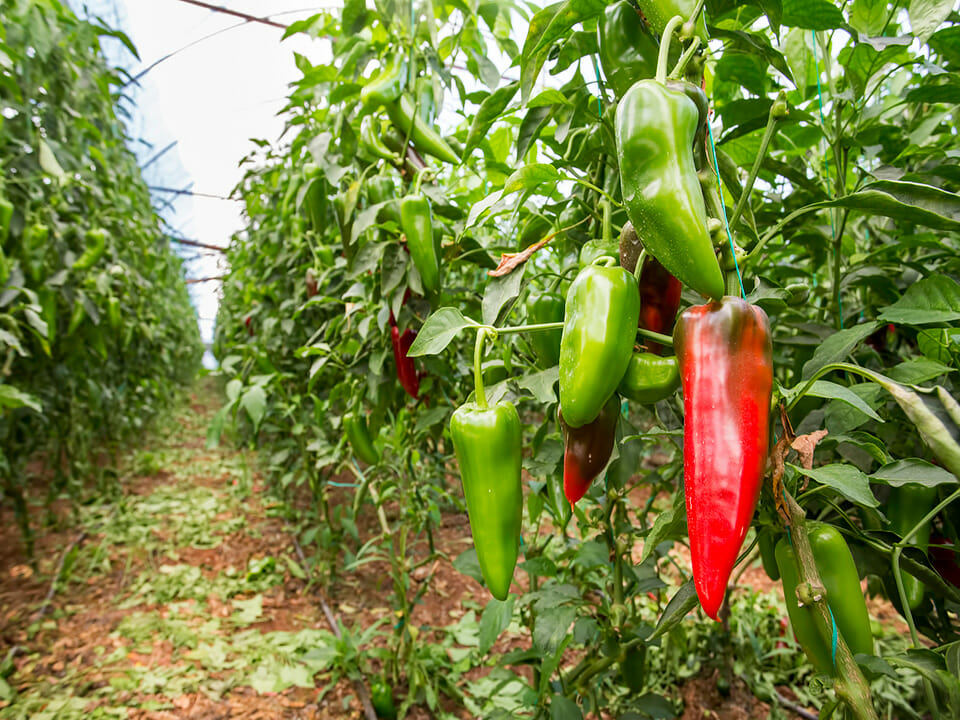
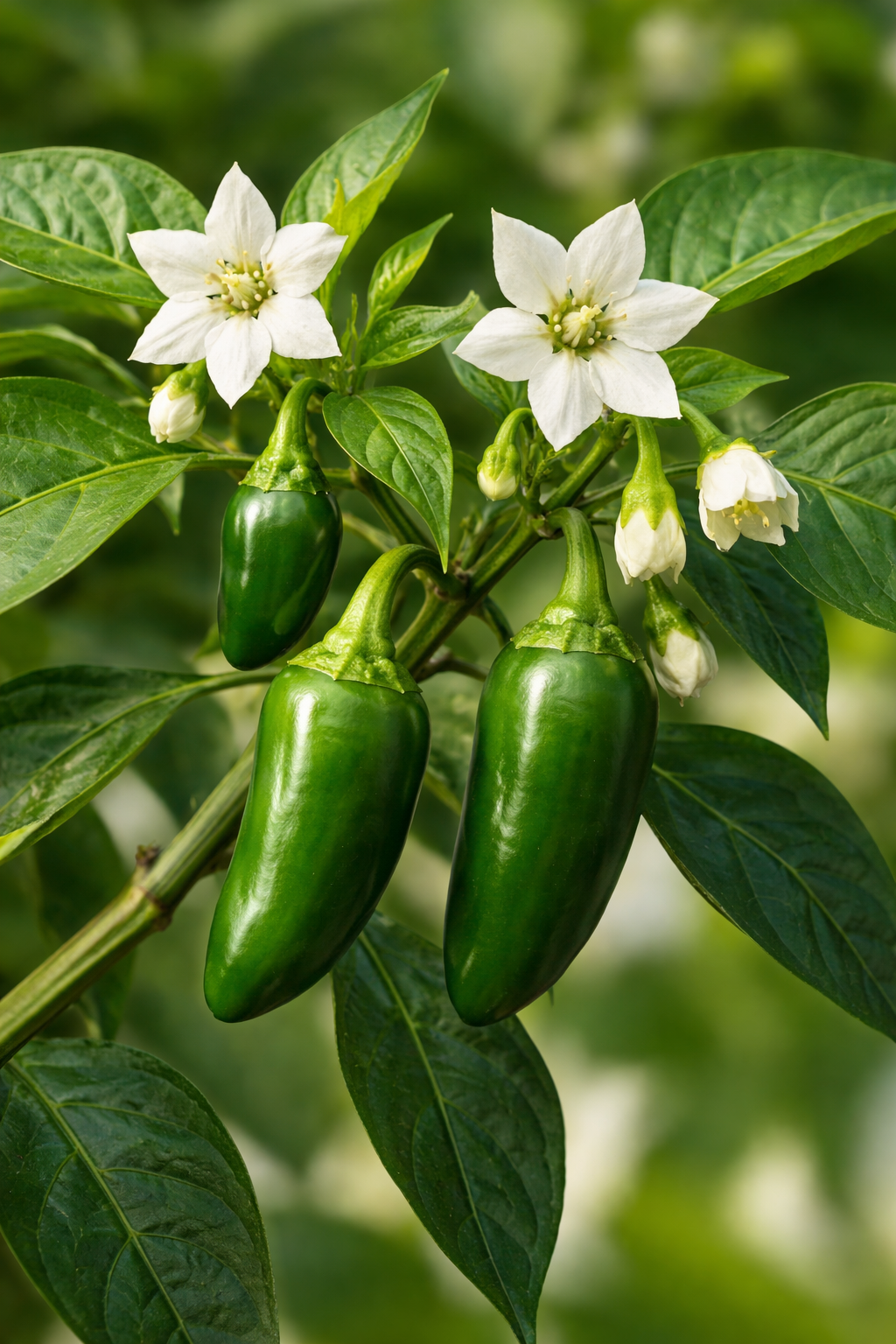
Jalapeño (Capsicum annuum) is a high-demand chilli pepper widely used in fresh, processed, and pickled forms. Cultivating jalapeño in grow bags under protected conditions enables precise control over root zone, nutrition, and climate, resulting in uniform pungency, higher yields, and extended harvest duration. This article presents a research-backed protocol for jalapeño production using grow bags in polyhouse or shade-net systems
Why grow jalapeño in grow bags
Grow bags provide a clean, disease-free root environment and allow efficient water and nutrient use. Protected structures reduce pest pressure, rainfall damage, and temperature stress, making them ideal for high-quality jalapeño production.
Variety selection and nursery management
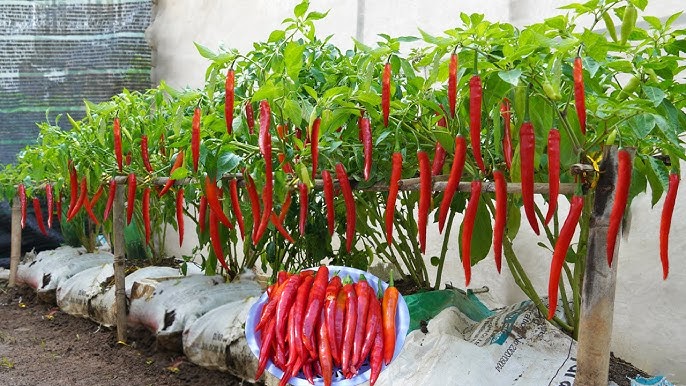
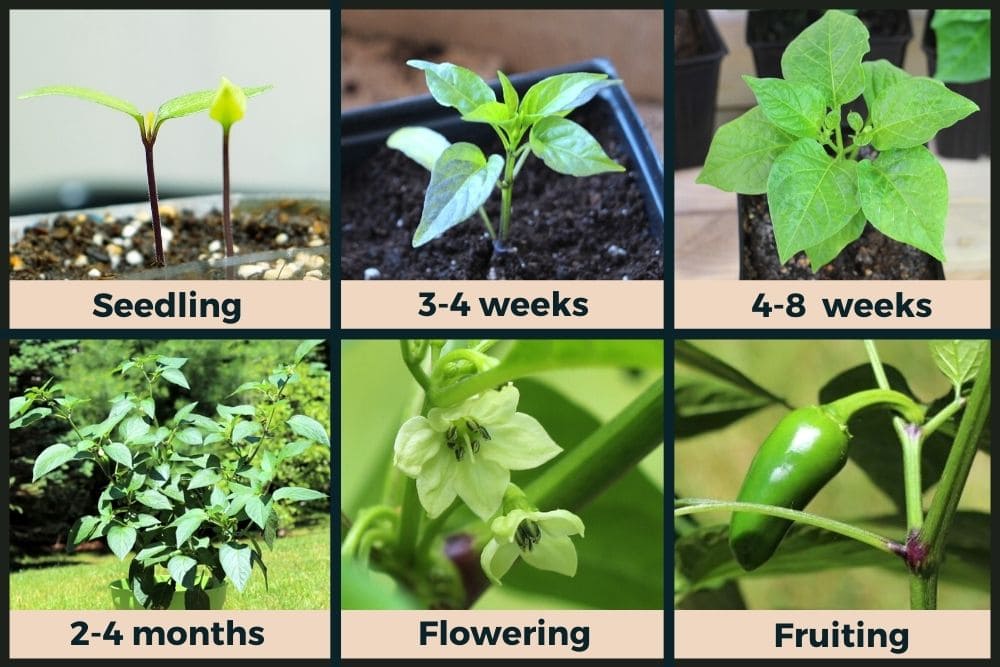
Select jalapeño hybrids with uniform fruit shape, medium to high pungency, and resistance to viral diseases. Use certified seeds and raise seedlings in plug trays filled with sterile coco peat. Transplant seedlings at the 4–5 true leaf stage (25–30 days after sowing).
Grow bag media and layout
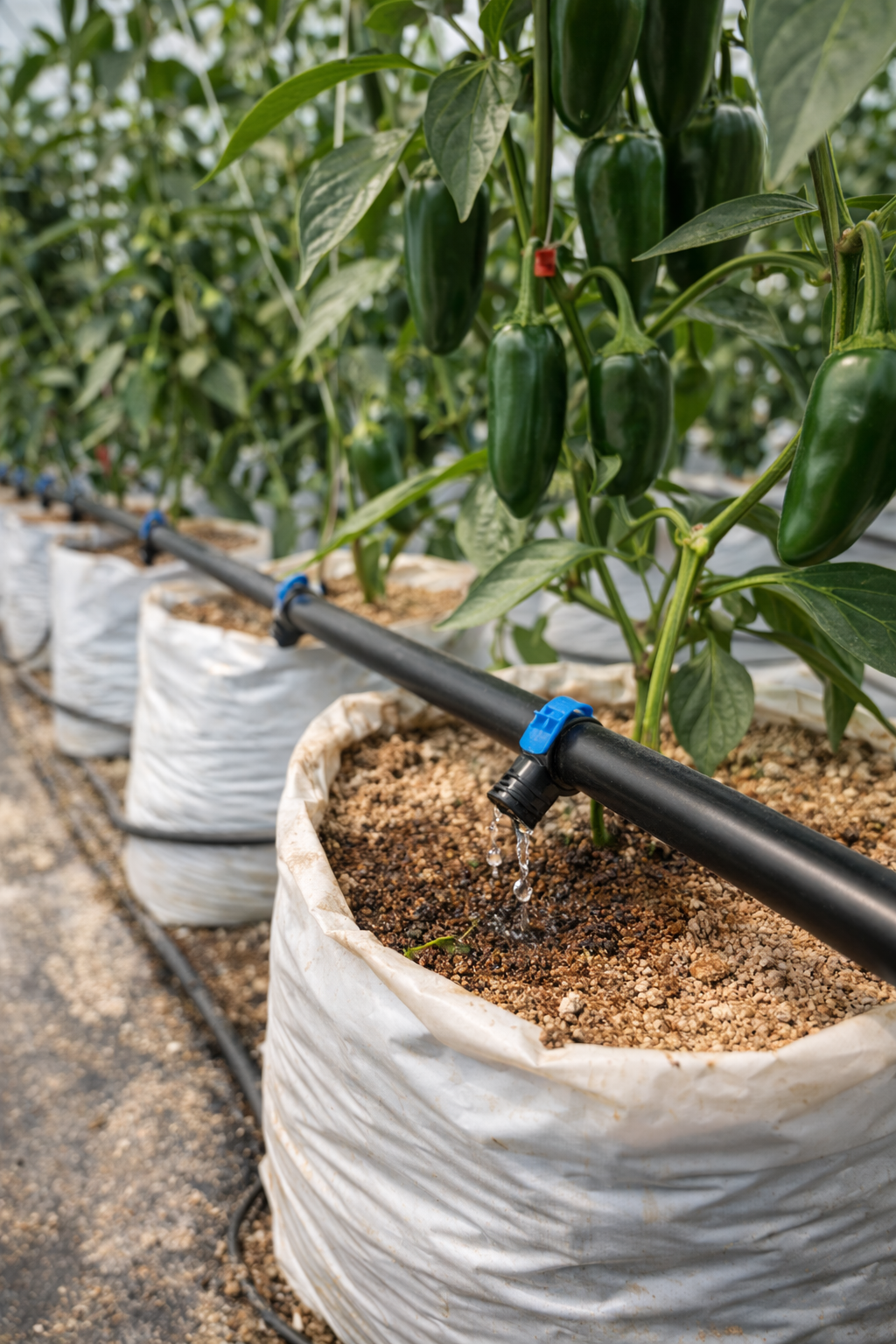
An ideal grow bag media consists of coco peat, perlite, and vermiculite in a 70:20:10 ratio. Each grow bag supports one plant for optimal growth. Arrange grow bags in single or double rows with proper drainage channels to prevent water stagnation.
Plant spacing and training
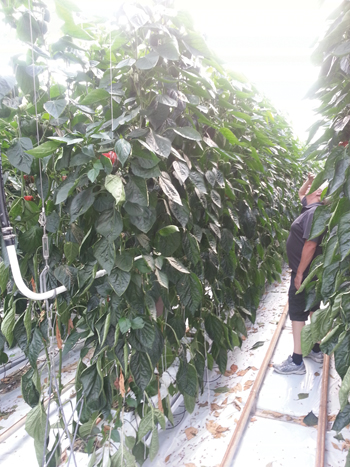
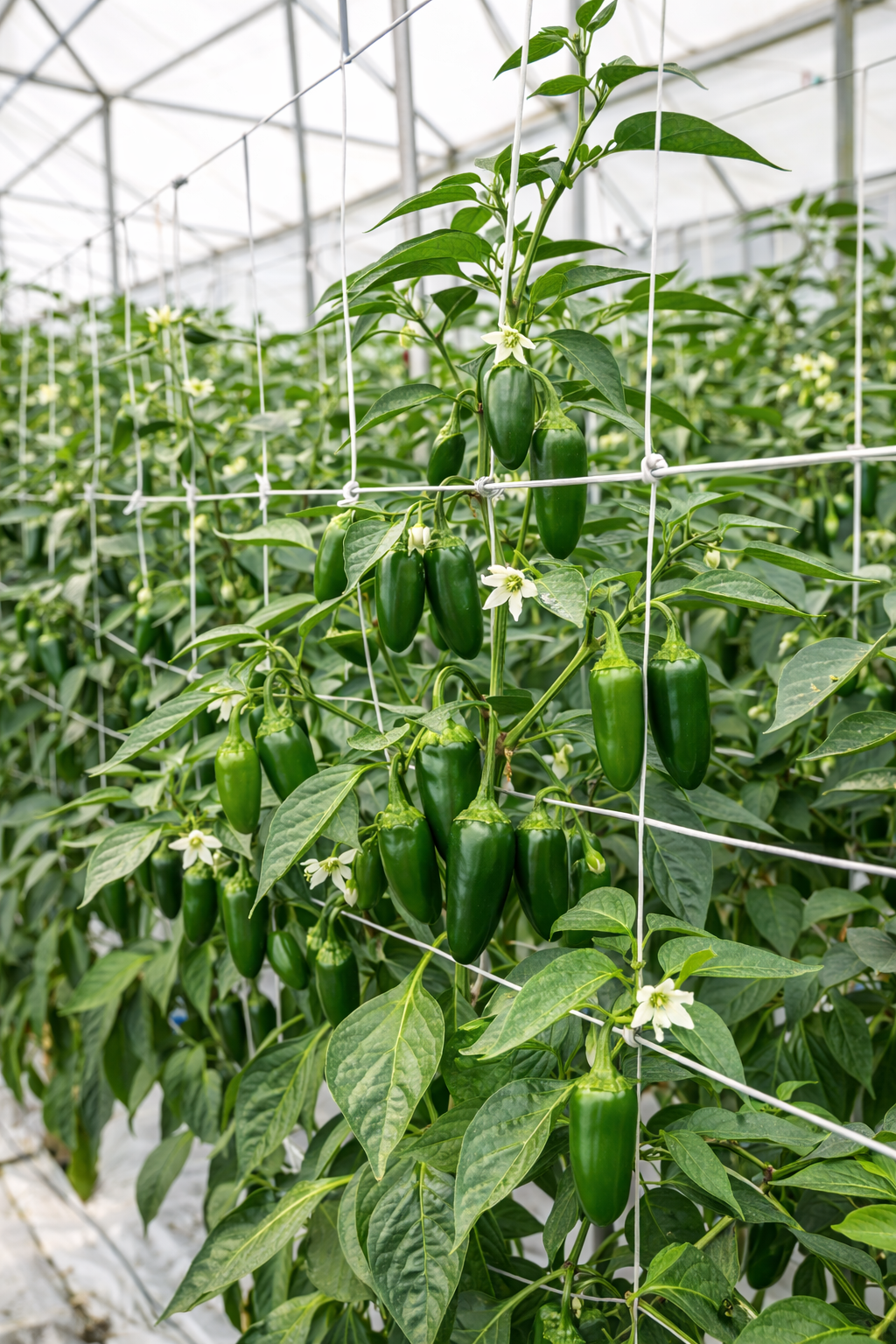
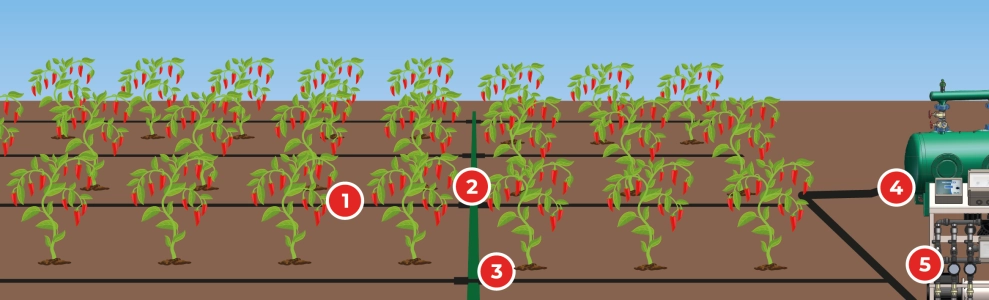
Maintain spacing of 40–45 cm between plants and 90–100 cm between rows. Jalapeño plants are typically trained to 2–3 main stems. Remove side shoots below the first branching to improve airflow and fruit set.
Environmental requirements
Temperature: Optimal day temperature 22–30 °C; night temperature 16–20 °C.
Relative humidity: 60–75% is ideal; excessive humidity increases disease incidence.
Light: Jalapeño requires high light intensity for proper fruit colour and pungency.
Ventilation: Adequate ventilation reduces heat stress and fungal diseases.
Nutrient and fertigation management
Jalapeño is a moderate to heavy feeder. Fertigation must be adjusted according to crop stage.
Recommended nutrient ranges:
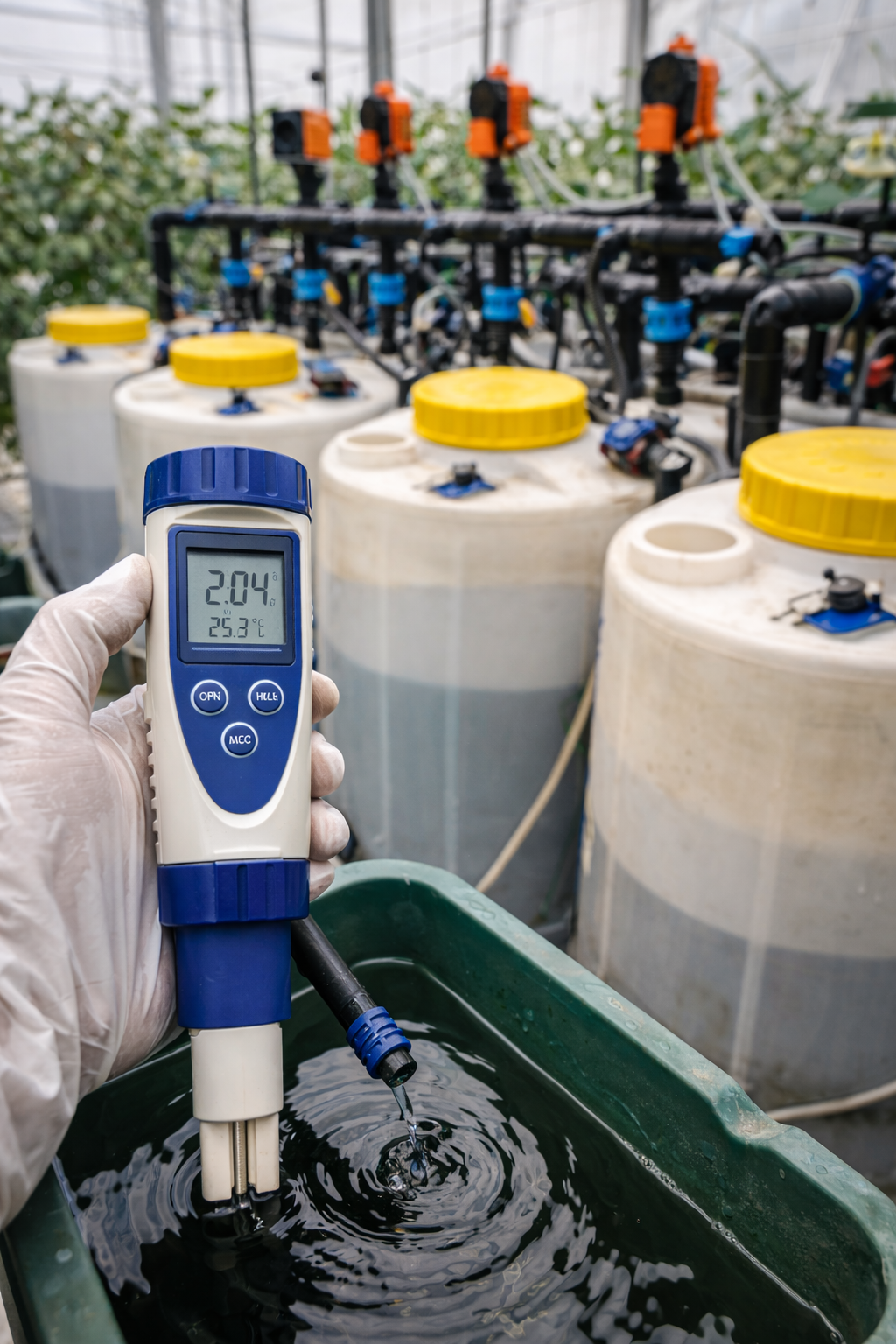
Vegetative stage: EC 1.8–2.2 mS/cm; pH 5.8–6.5
Flowering and fruiting stage: EC 2.5–3.2 mS/cm; pH 5.8–6.5
Key nutrient focus:
Nitrogen for vegetative growth
Potassium for fruit size and pungency
Calcium to prevent blossom end rot
Magnesium for photosynthesis
Fertigation is typically applied daily through drip irrigation in split doses.
Irrigation scheduling
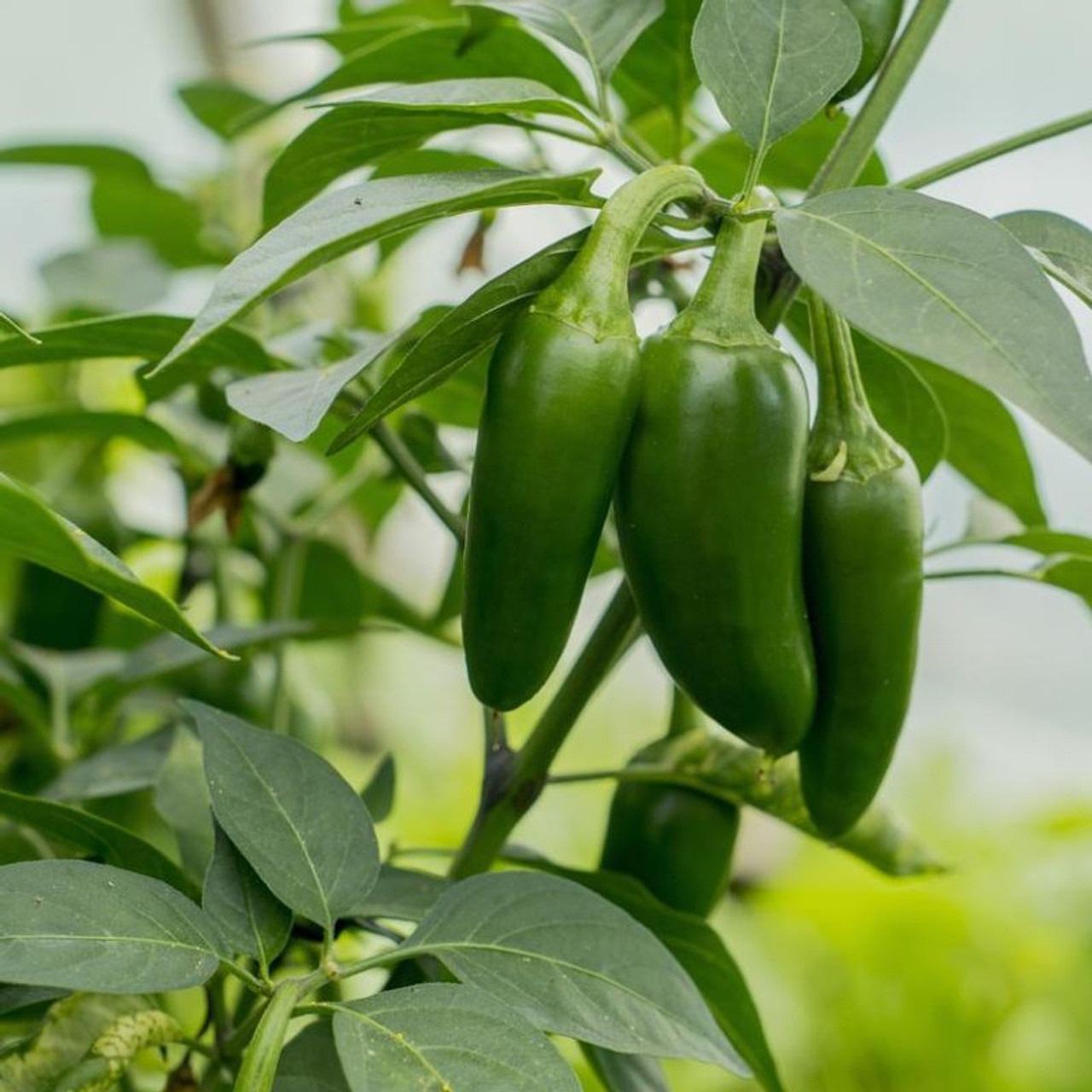
Young plants require light but frequent irrigation. During fruiting, increase irrigation volume while avoiding excess moisture. Proper drainage is essential to prevent root diseases.
Pest and disease management
Major pests include thrips, mites, aphids, and whiteflies. Diseases such as powdery mildew and root rot can occur under poor ventilation.
Integrated pest management includes:
Insect-proof nets
Sticky traps for monitoring
Biological control agents
Need-based chemical sprays as last option
Expected yield and harvest
Jalapeño harvesting begins 60–70 days after transplanting. Under protected grow bag systems, yields of 2.5–4.0 kg per plant can be achieved over a 6–8 month harvest period.
Economics of jalapeño cultivation (indicative, per 1,000 m²)
| Component | Approximate cost (INR) |
|---------|-----------------------|
| Polyhouse / shade-net depreciation | 35,000 |
| Grow bags and media | 45,000 |
| Seedlings / seeds | 12,000 |
| Fertilisers & nutrients | 25,000 |
| Plant protection & IPM | 15,000 |
| Labour (seasonal) | 40,000 |
| **Total cost of cultivation** | **1,72,000** |
| Output | Estimate |
|------|----------|
| Average yield | 3–4 tonnes |
| Average farm gate price | ₹80–120 per kg |
| **Gross return** | ₹2.4 – 4.8 lakh |
| **Net return (approx.)** | ₹0.7 – 3.1 lakh |
Note: Economics vary based on market, season, and management efficiency.
Post-harvest handling
Harvest jalapeño fruits at glossy green stage or partially coloured stage depending on market demand. Store at 7–10 °C with high relative humidity. Avoid washing before storage to reduce decay.
Checklist before starting
Choose suitable protected structure
Use high-quality seeds and sterile nursery media
Install reliable drip fertigation system
Maintain optimal temperature and humidity
Monitor EC and pH regularly
References and further reading
Protected cultivation manuals from agricultural universities
FAO greenhouse chilli production guides
Research literature on capsicum fertigation and protected farming