Introduction
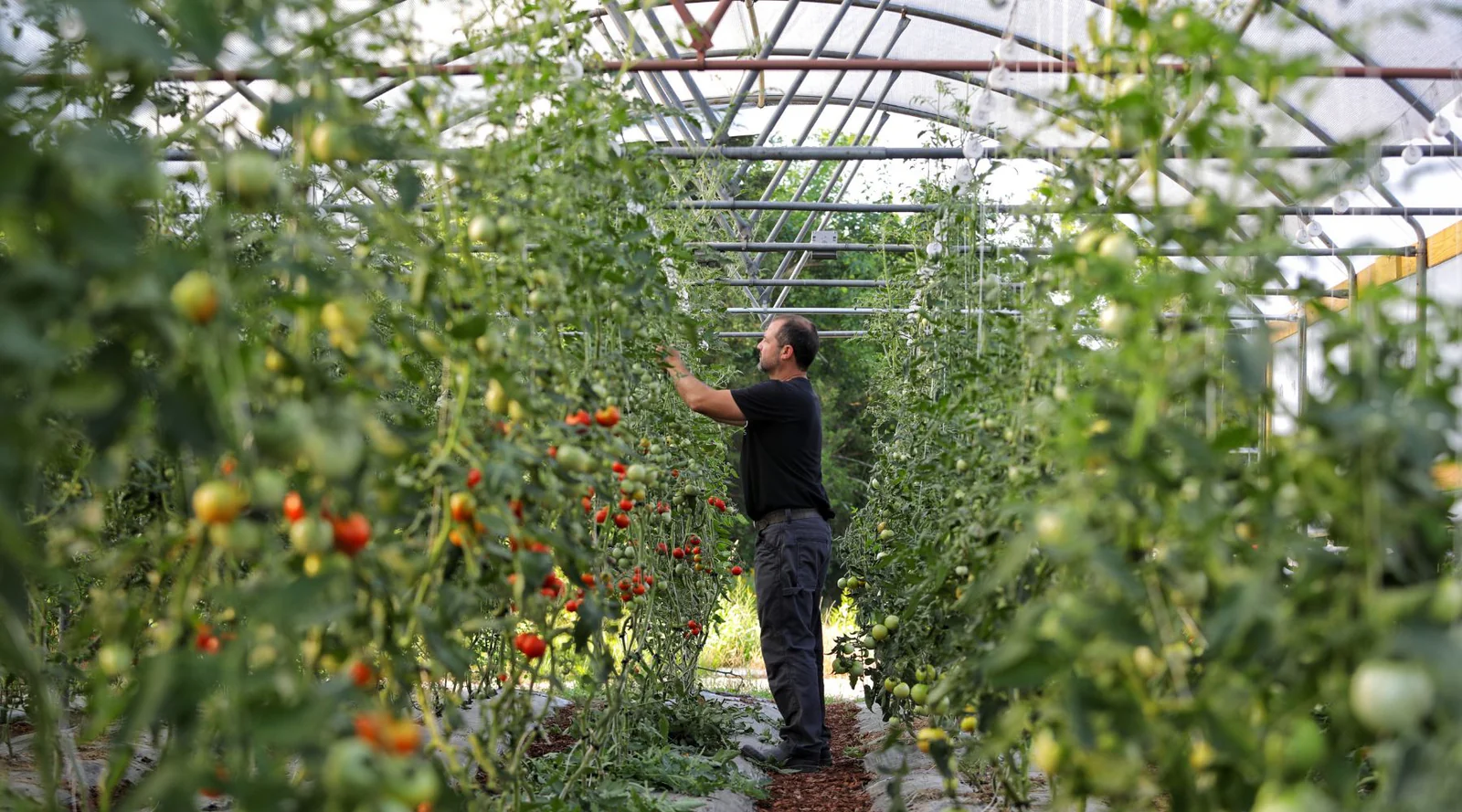
Tomato (Solanum lycopersicum L.) is one of the most important vegetable crops grown under protected cultivation worldwide. Indeterminate tomato hybrids are particularly suited for polyhouse systems because they continue vegetative growth while flowering and fruiting simultaneously. This growth habit allows extended harvest periods, higher cumulative yields, and better utilization of protected structures when managed with precision. Under polyhouse conditions, indeterminate tomatoes respond exceptionally well to grow bag cultivation, which enables precise control of root zone environment, nutrition, and irrigation. When combined with disciplined canopy management and climate regulation, indeterminate tomatoes can remain productive for 8–10 months or longer.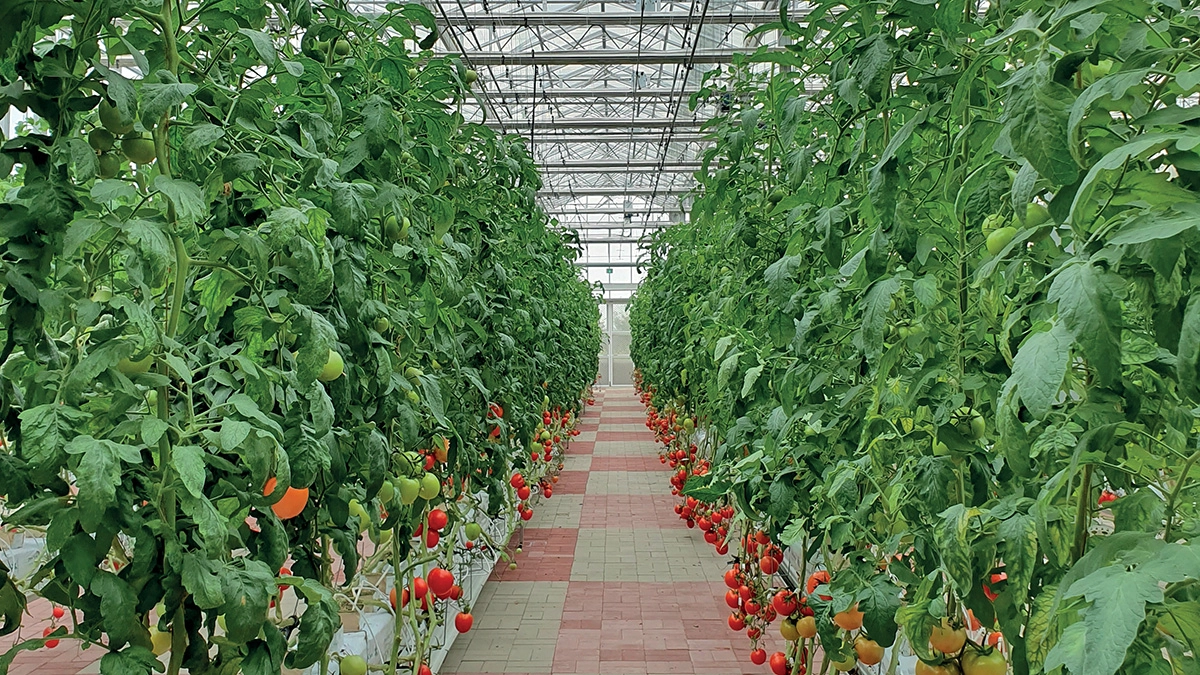 Botanical and scientific background
• Botanical name: Solanum lycopersicum L.
• Family: Solanaceae
• Growth habit: Indeterminate (continuous growth)
• Pollination: Primarily self-pollinated; fruit set improves with vibration and airflow
In indeterminate tomatoes, the apical meristem does not terminate in a flower cluster. Instead, vegetative growth continues indefinitely, producing successive flower trusses along the main stem. This trait enables vertical training and continuous fruiting, which is the foundation of long-duration polyhouse tomato production.
Because vegetative growth and reproductive development occur simultaneously, nutrient balance and pruning discipline are critical to avoid excessive foliage or poor fruit set.
Climate and environmental requirements
• Temperature:
o Optimal day temperature: 22–28 °C
o Optimal night temperature: 16–20 °C
o Temperatures above 32 °C reduce pollen viability and increase flower drop
• Relative humidity:
o Ideal range: 60–75%
o Prolonged humidity above 85% increases fungal disease risk
• Light:
o High light intensity is essential for fruit size, colour development, and sugar accumulation
• Ventilation:
o Adequate air circulation prevents heat stress, reduces humidity buildup, and improves pollination efficiency
Maintaining stable climate conditions is more important than achieving perfect values, as sudden fluctuations negatively affect fruit quality.
Why grow indeterminate tomato in grow bags under polyhouse
Grow bag cultivation isolates tomato roots from soil-borne pathogens such as Fusarium, Pythium, and nematodes. Uniform grow media provides consistent moisture retention and aeration, allowing predictable nutrient uptake.
When combined with polyhouse climate control, grow bags enable:
• Precise fertigation scheduling
• Better root oxygenation
• Uniform plant vigour
• Consistent fruit size and quality
• Easier crop replacement between seasons
This system is especially suited for indeterminate tomatoes, which require stable root zone conditions over long crop durations.
Variety selection and nursery management
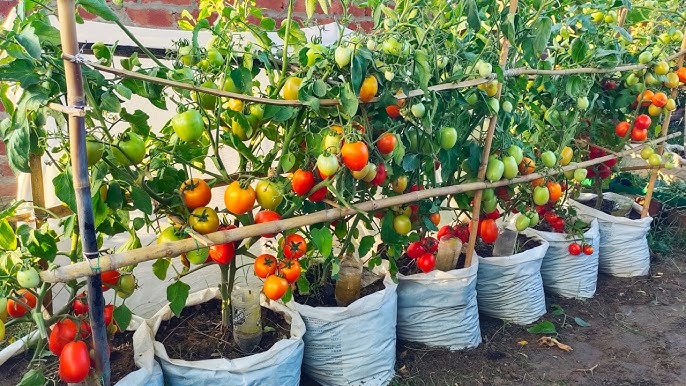
Select indeterminate tomato hybrids bred specifically for protected cultivation. Ideal hybrids should exhibit:
• Strong vigour with balanced internode length
• Resistance to TYLCV, Fusarium wilt, and nematodes
• Uniform fruit size and shape
• Good shelf life and transport tolerance
Seedlings are raised in plug trays using sterile coco peat or soilless nursery media.
Transplanting is done at the 4–5 true leaf stage, typically 25–30 days after sowing. Healthy, uniform seedlings ensure synchronized canopy development and simplify later crop management.
Grow bag media composition and layout
An ideal grow bag medium consists of:
• Coco peat: 70%
• Perlite: 20%
• Vermiculite: 10%
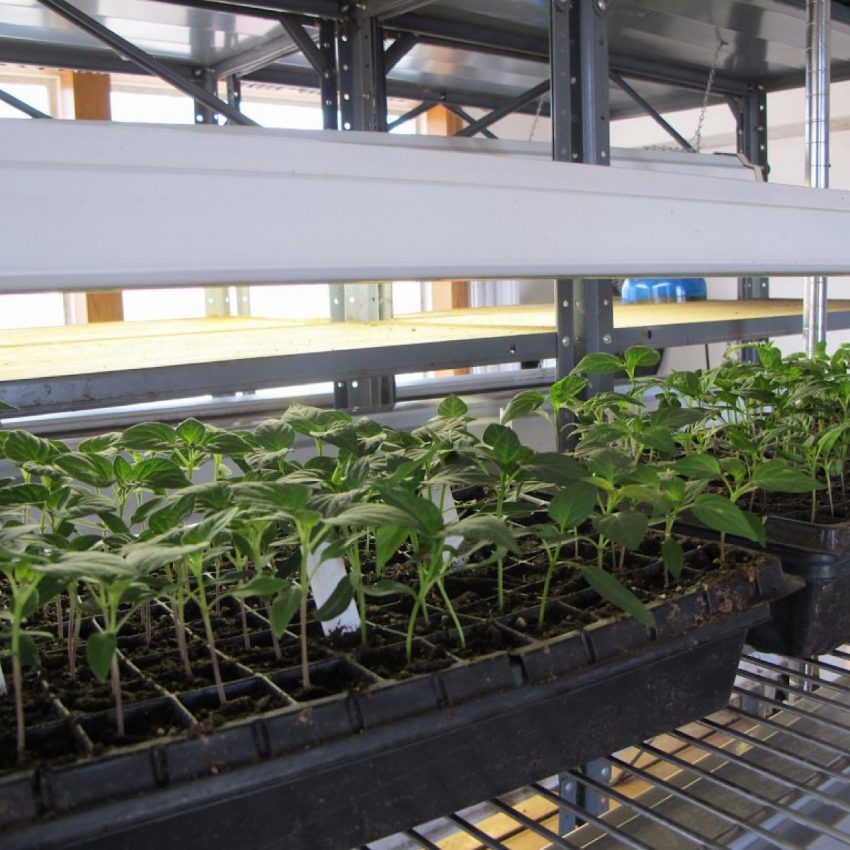
This combination balances water retention, drainage, and nutrient buffering. Each grow bag supports one plant to avoid root competition. Grow bags are arranged in paired or double rows with adequate spacing to facilitate airflow, pruning operations, and harvesting.
Proper drainage holes are essential to prevent salt accumulation and root stress during long crop cycles.
Plant spacing, training, and pruning
Maintain spacing of:
• 40–50 cm between plants
• 90–120 cm between rows
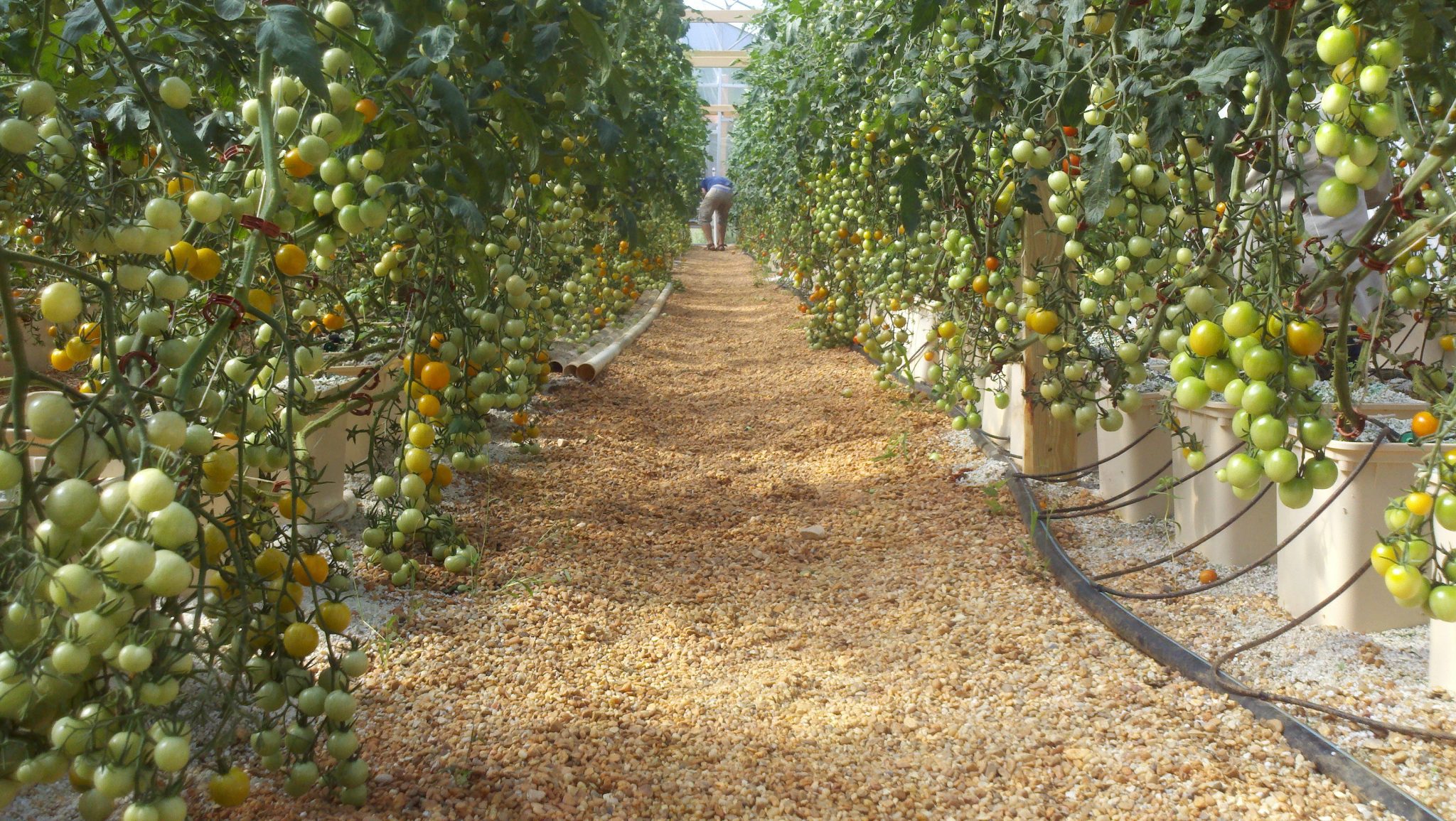
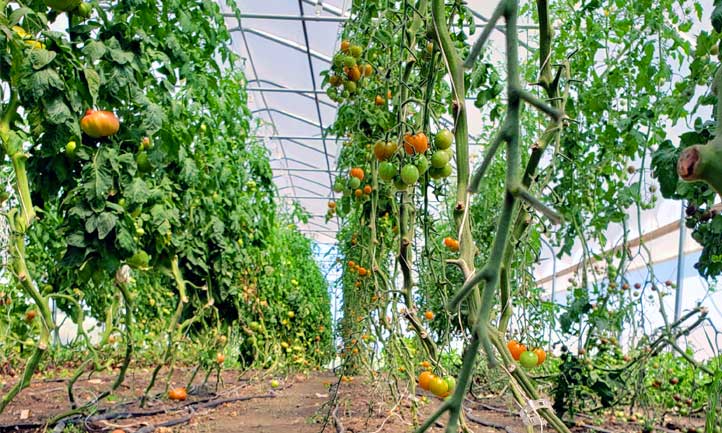
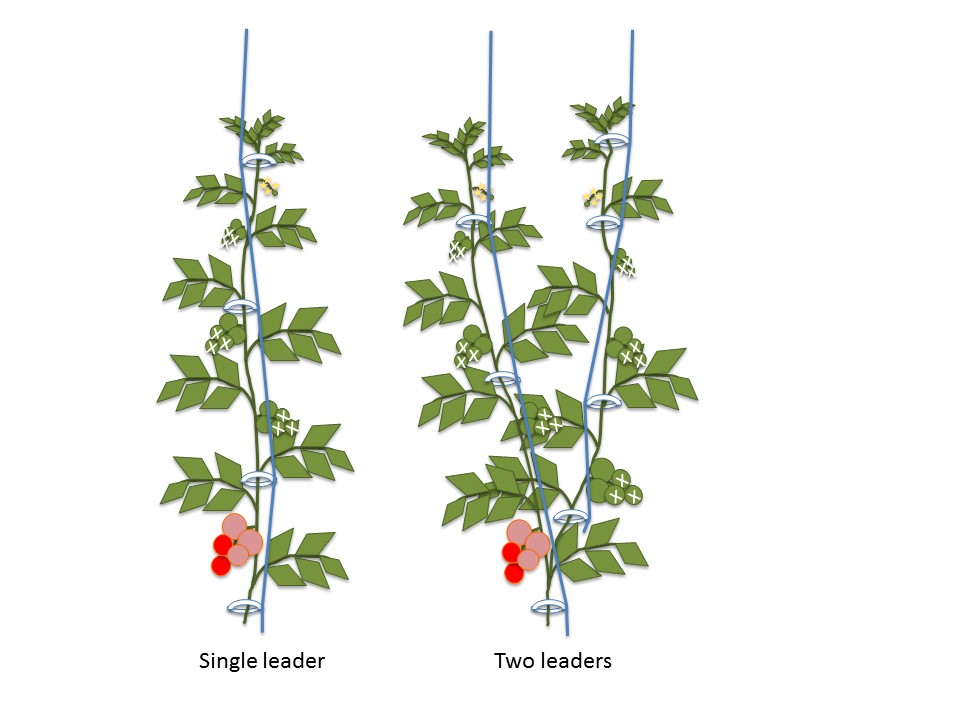
Plants are trained vertically using overhead trellis wires and nylon strings. Single-stem training is most common, though double-stem systems may be adopted with wider spacing and stronger hybrids.
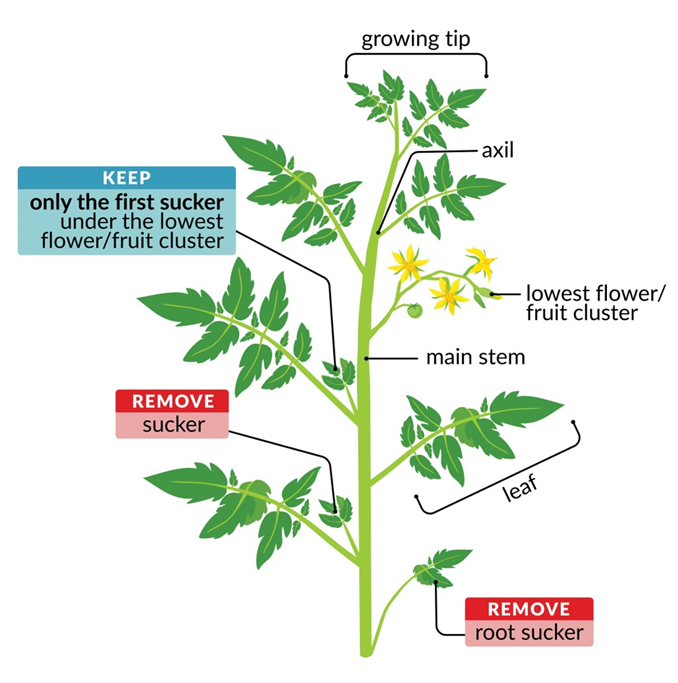
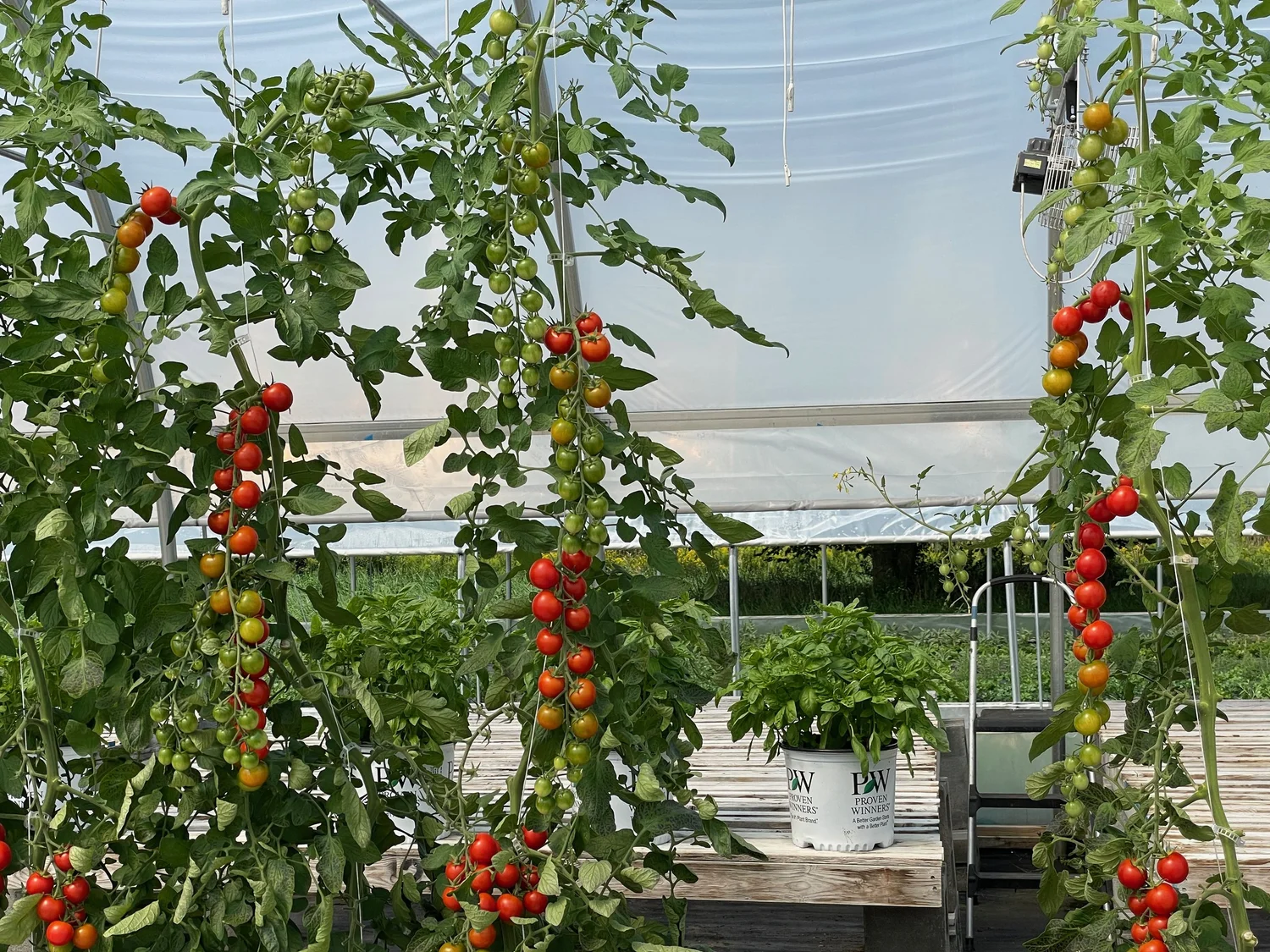
Side shoots (suckers) are removed weekly to direct energy toward fruit development. Old leaves below harvested trusses are pruned gradually to improve airflow and reduce disease pressure. Proper training and pruning directly influence yield consistency and fruit quality.
Nutrient and fertigation management
Indeterminate tomatoes are heavy feeders with stage-specific nutrient requirements.
Recommended ranges:
• Vegetative stage:
o EC: 1.8–2.2 mS/cm
o pH: 5.8–6.5
• Flowering and fruiting stage:
o EC: 2.5–3.5 mS/cm
o pH: 5.8–6.5
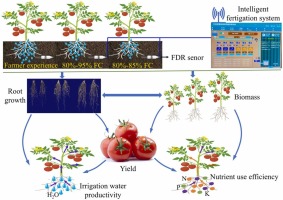
Nitrogen supports vegetative growth, potassium enhances fruit size and flavour, and calcium is critical for preventing blossom end rot. Fertigation is applied daily in split doses via drip irrigation, with adjustments based on drain EC and crop load.
Irrigation scheduling
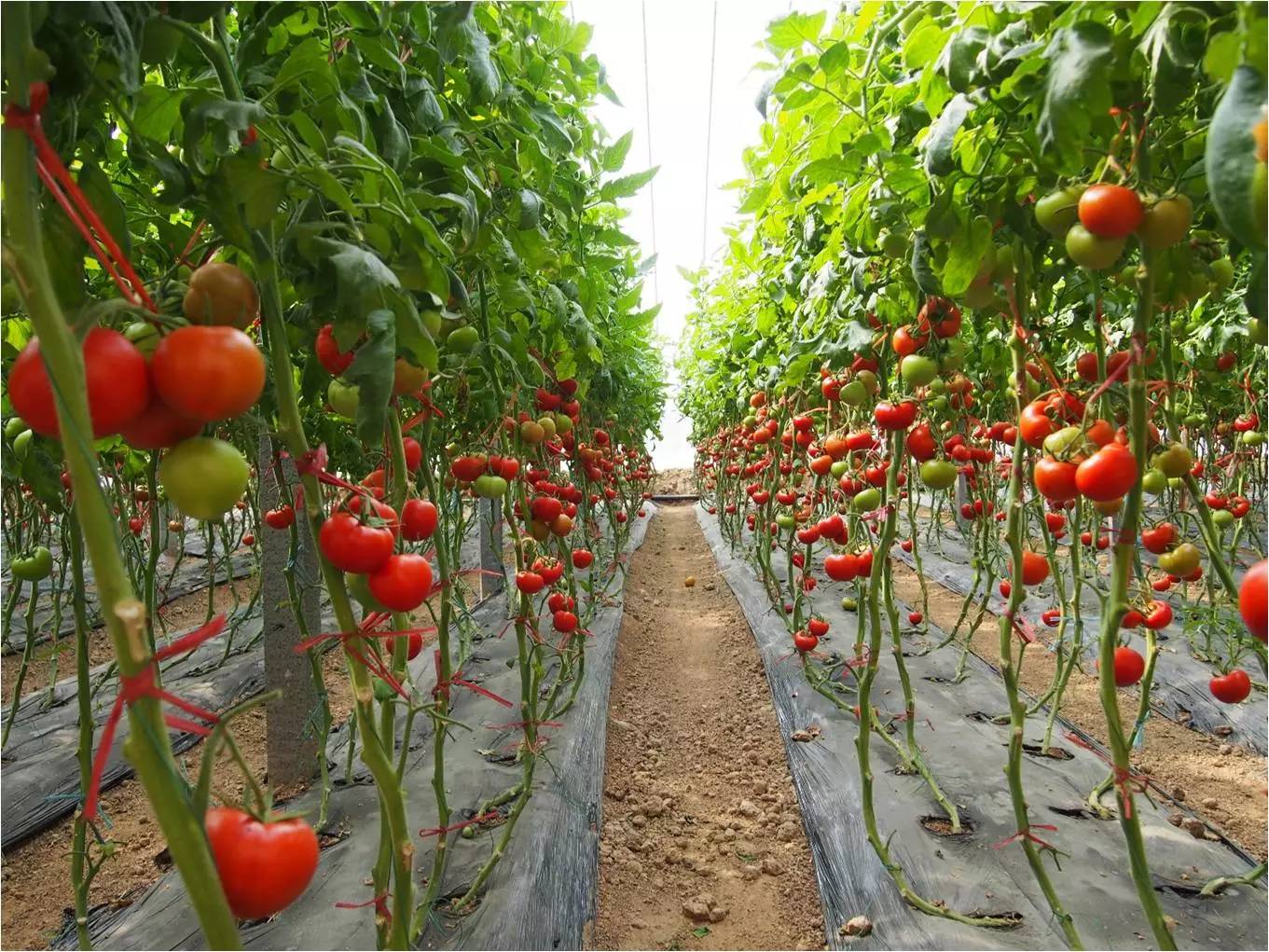
Frequent, low-volume irrigation maintains consistent root zone moisture and prevents stress. Sudden water fluctuations can lead to fruit cracking, blossom end rot, and uneven fruit sizing.
Irrigation scheduling should be adjusted based on plant age, weather conditions, and drainage observations rather than fixed time intervals.
Pest and disease management
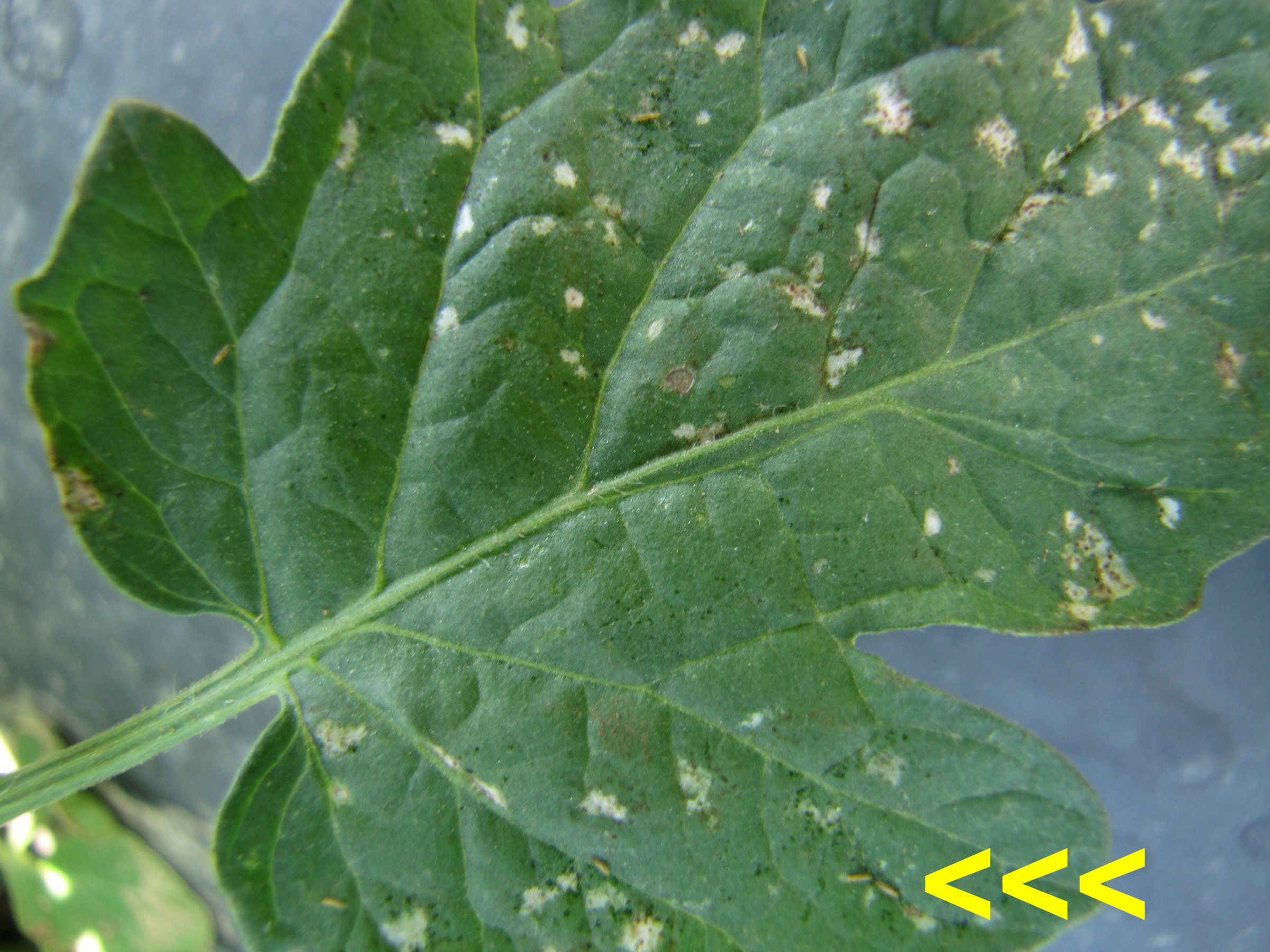
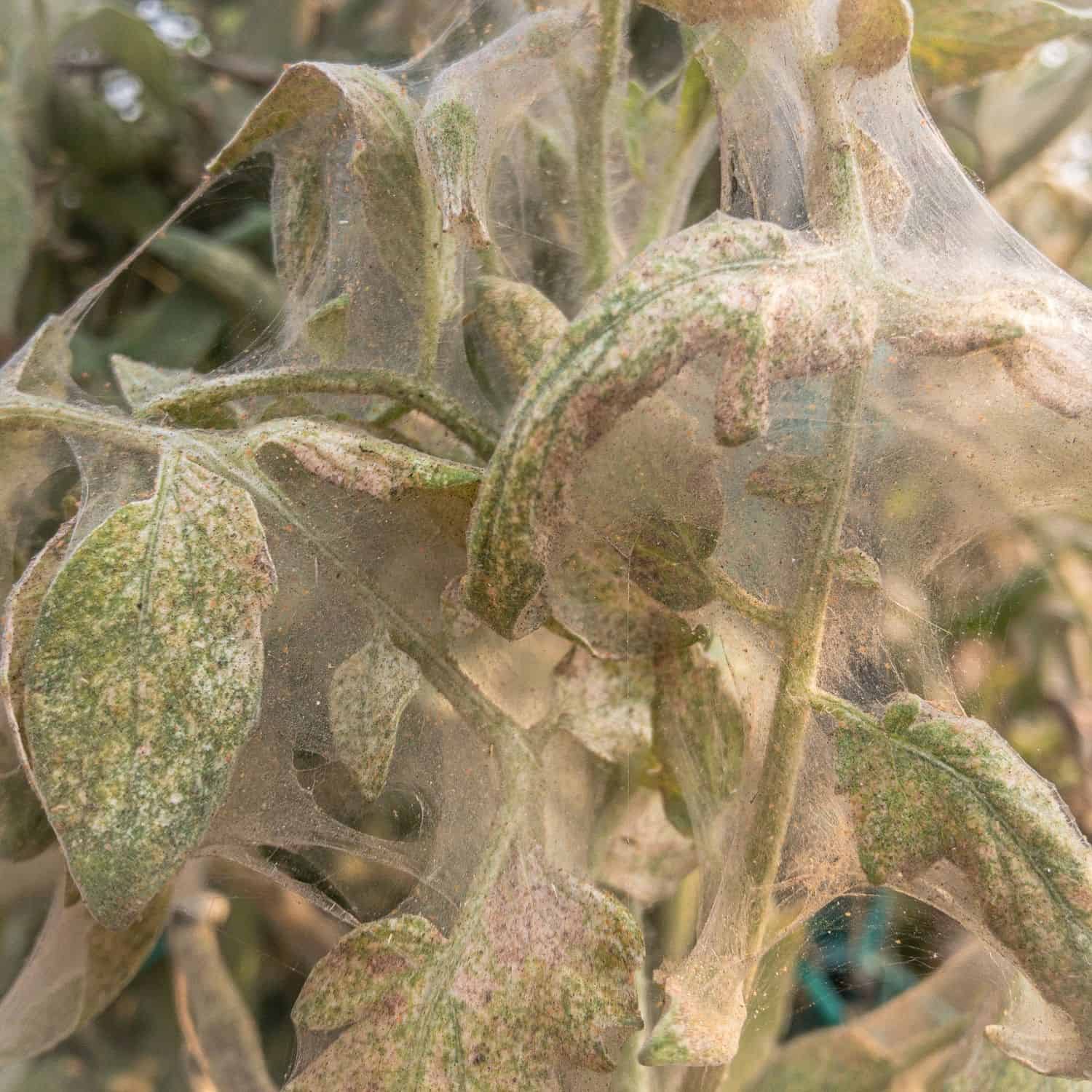
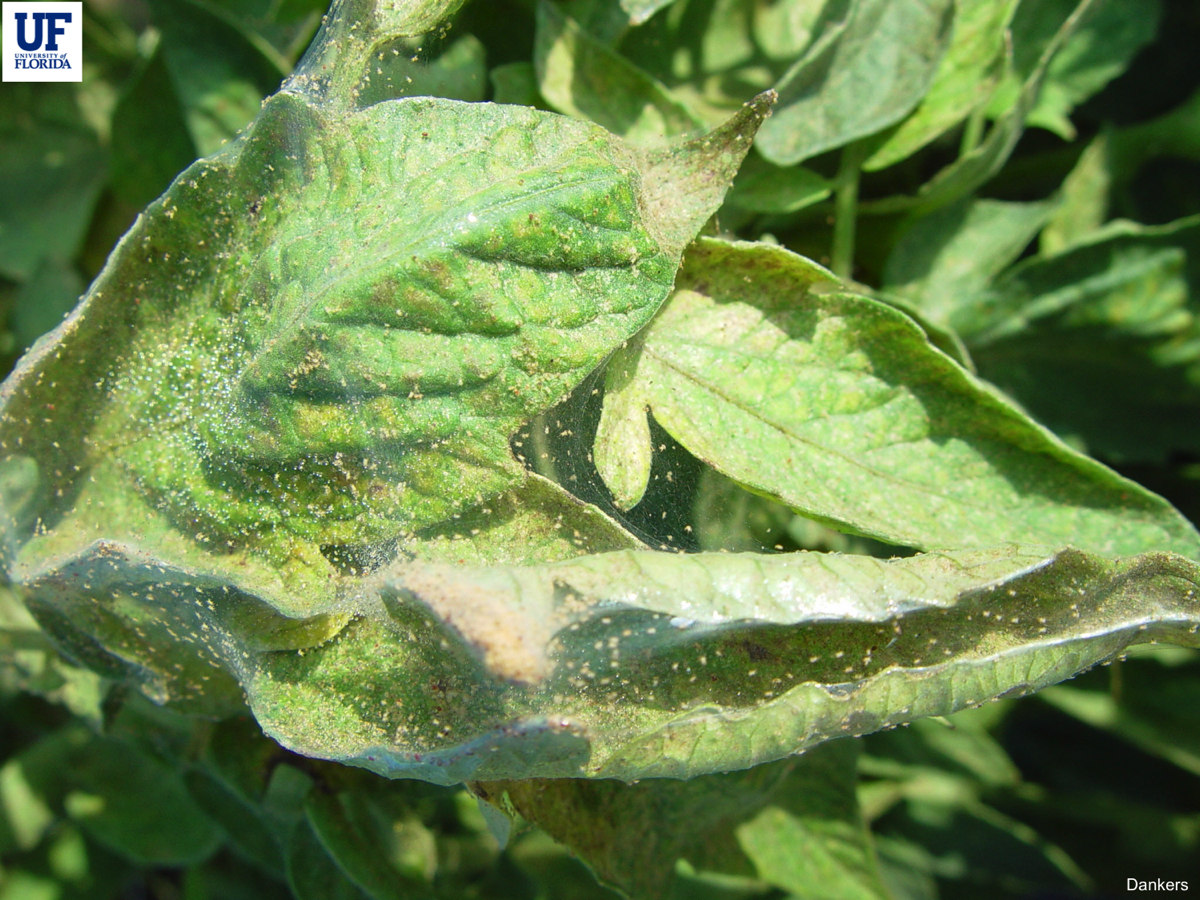
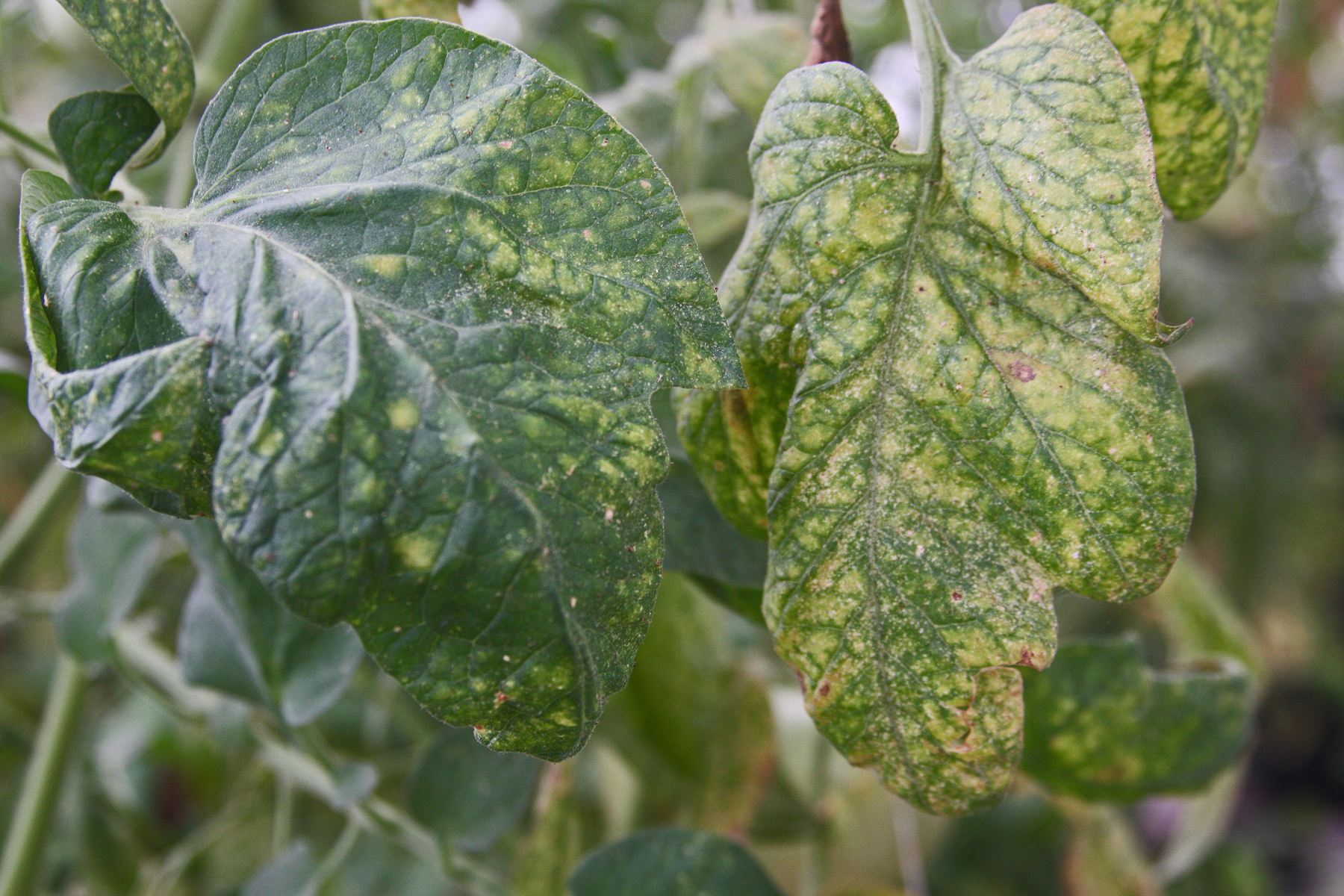
Common pests include whiteflies, thrips, mites, and leaf miners. Diseases such as powdery mildew, botrytis, and leaf mould may develop under high humidity and poor ventilation.
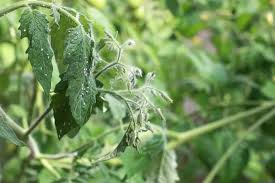
Integrated pest management includes:
• Insect-proof nets on vents
• Regular scouting and sticky traps
• Use of biological control agents
• Need-based application of selective pesticides
Preventive climate management is more effective than reactive chemical control.
Expected yield and harvest
Harvesting begins approximately 60–75 days after transplanting. Fruits are harvested at breaker or vine-ripe stage depending on market requirements.
Under well-managed polyhouse conditions, indeterminate tomatoes can produce 20–30 kg per square metre over extended crop cycles of 8–10 months, making them one of the most profitable protected cultivation crops when managed professionally.
Post-harvest handling
Harvest fruits carefully to avoid bruising. Store at 12–15 °C and avoid temperatures below 10 °C to prevent chilling injury. Proper grading and packaging enhance shelf life and market value.
References and further reading
FAO greenhouse tomato production guidelines
Indian Council of Agricultural Research (ICAR) – tomato cultivation manuals
Wageningen University research on greenhouse tomato systems
University extension publications on indeterminate tomato management
Checklist before starting
Select indeterminate hybrids suitable for polyhouse
Install strong trellis and support systems
Prepare uniform grow bag media
Ensure reliable fertigation and climate control
Monitor EC, pH, temperature, and humidity daily