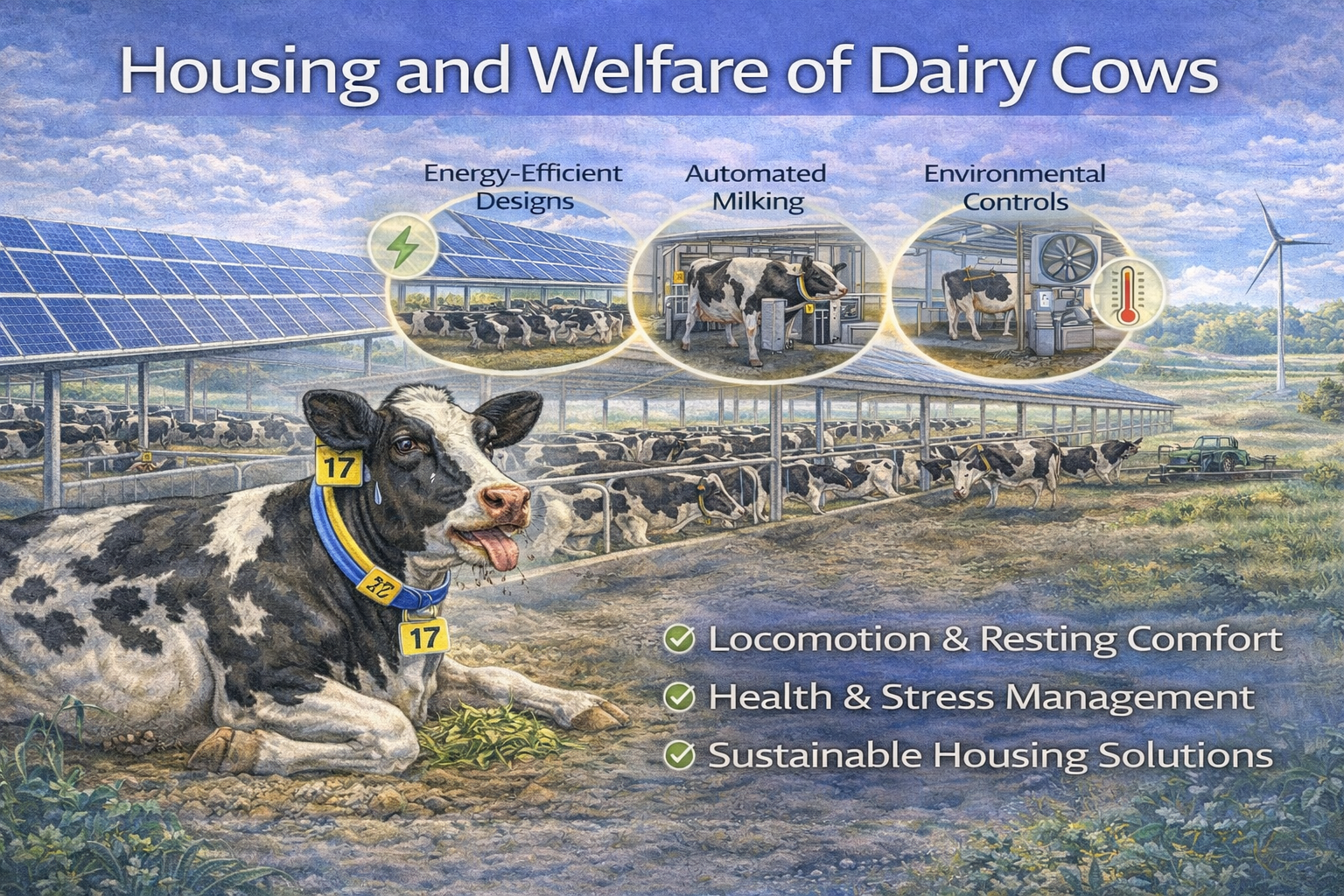
1. Housing as a Biological Productivity Modifier
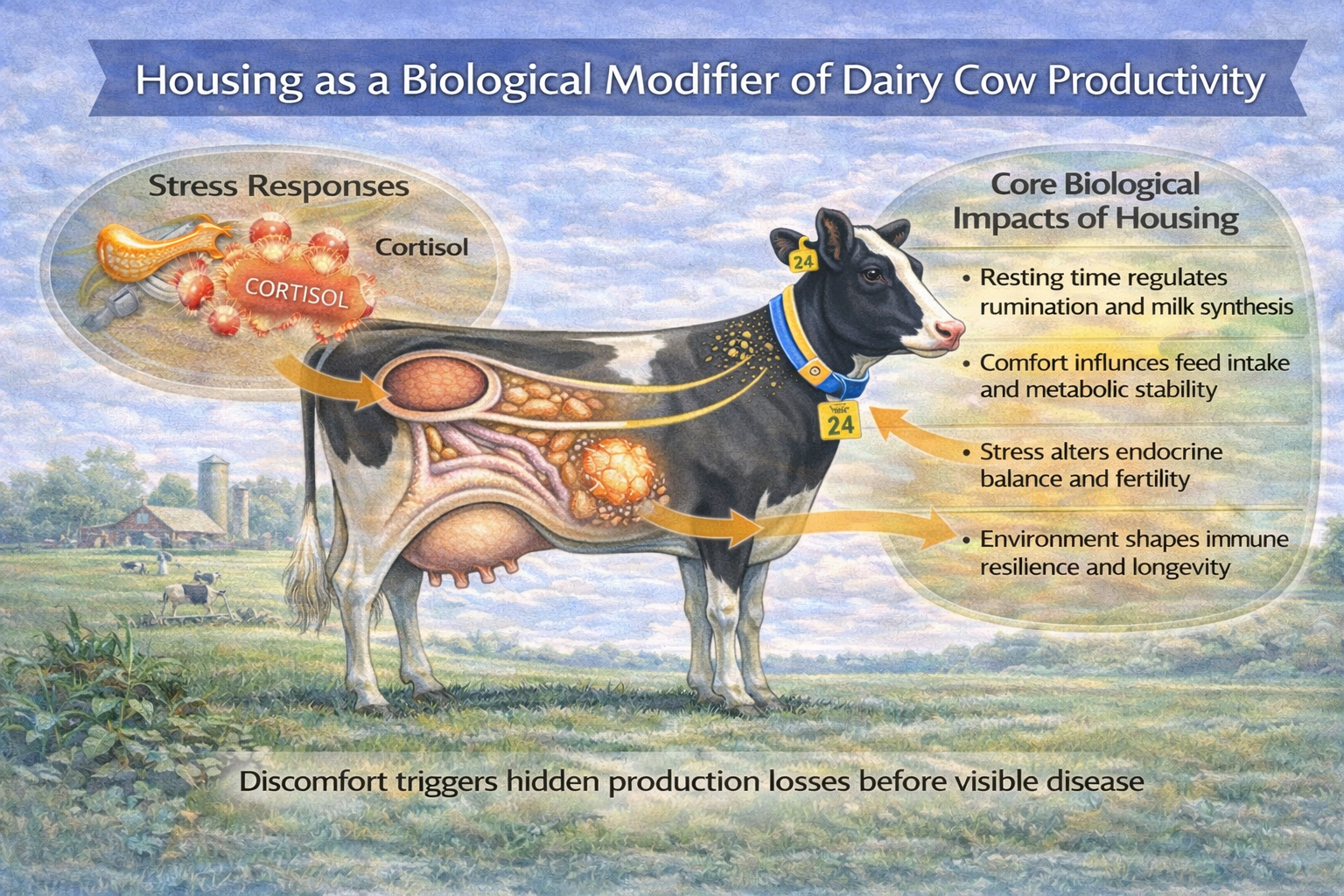
Housing is not a static physical structure; it is a dynamic biological modifier that directly shapes cow behavior, physiology, and productivity. Cows express milk potential only when their environment allows adequate resting time, unrestricted feeding, effective thermoregulation, and low stress. Poor housing silently suppresses performance even when genetics, nutrition, and health programs are optimal.
From a biological perspective, discomfort activates stress pathways that elevate cortisol, reduce immune function, depress feed intake, and disrupt reproductive hormones. These responses precede visible disease and represent hidden production losses.
Core biological impacts of housing
● Resting time regulates rumination and milk synthesis
● Comfort influences feed intake and metabolic stability
● Stress alters endocrine balance and fertility
● Environment shapes immune resilience and longevity
2. Cow Comfort Science: Time Budgets and Behavior
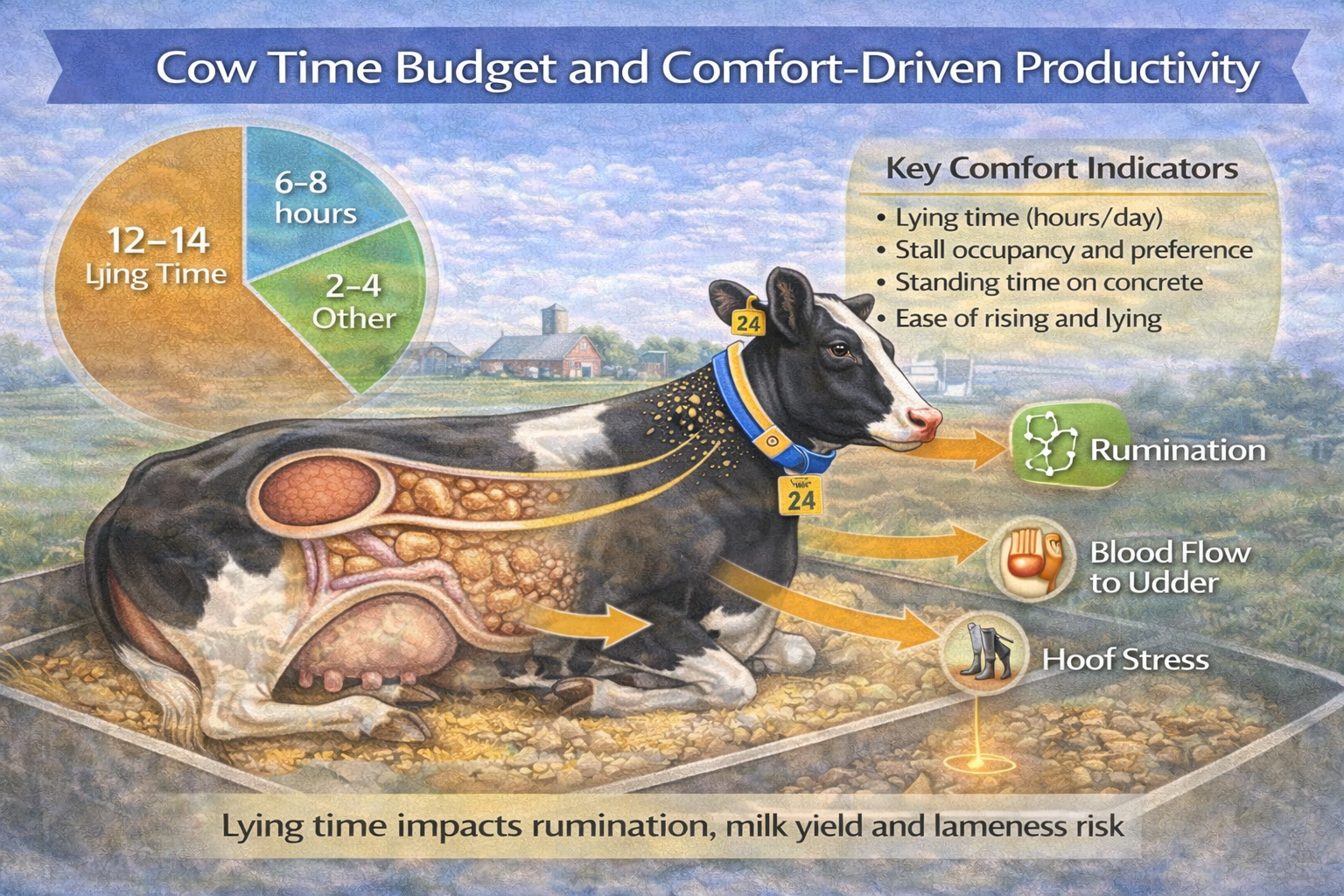
Cows are behaviorally programmed animals with predictable daily time budgets. High-producing dairy cows require 12–14 hours of lying time per day to maximize rumination, blood flow to the udder, and milk synthesis. Housing systems that restrict lying time directly reduce milk yield and increase lameness.
Comfort is therefore measured not by appearance, but by behavioral outcomes. Cows vote with their feet—if stalls are uncomfortable, cows stand longer, increasing hoof stress and metabolic fatigue.
Key comfort indicators
● Lying time (hours/day)
● Stall occupancy and preference
● Standing time on concrete
● Ease of rising and lying
3. Housing Systems: Tie-Stall, Free-Stall, and Open Housing
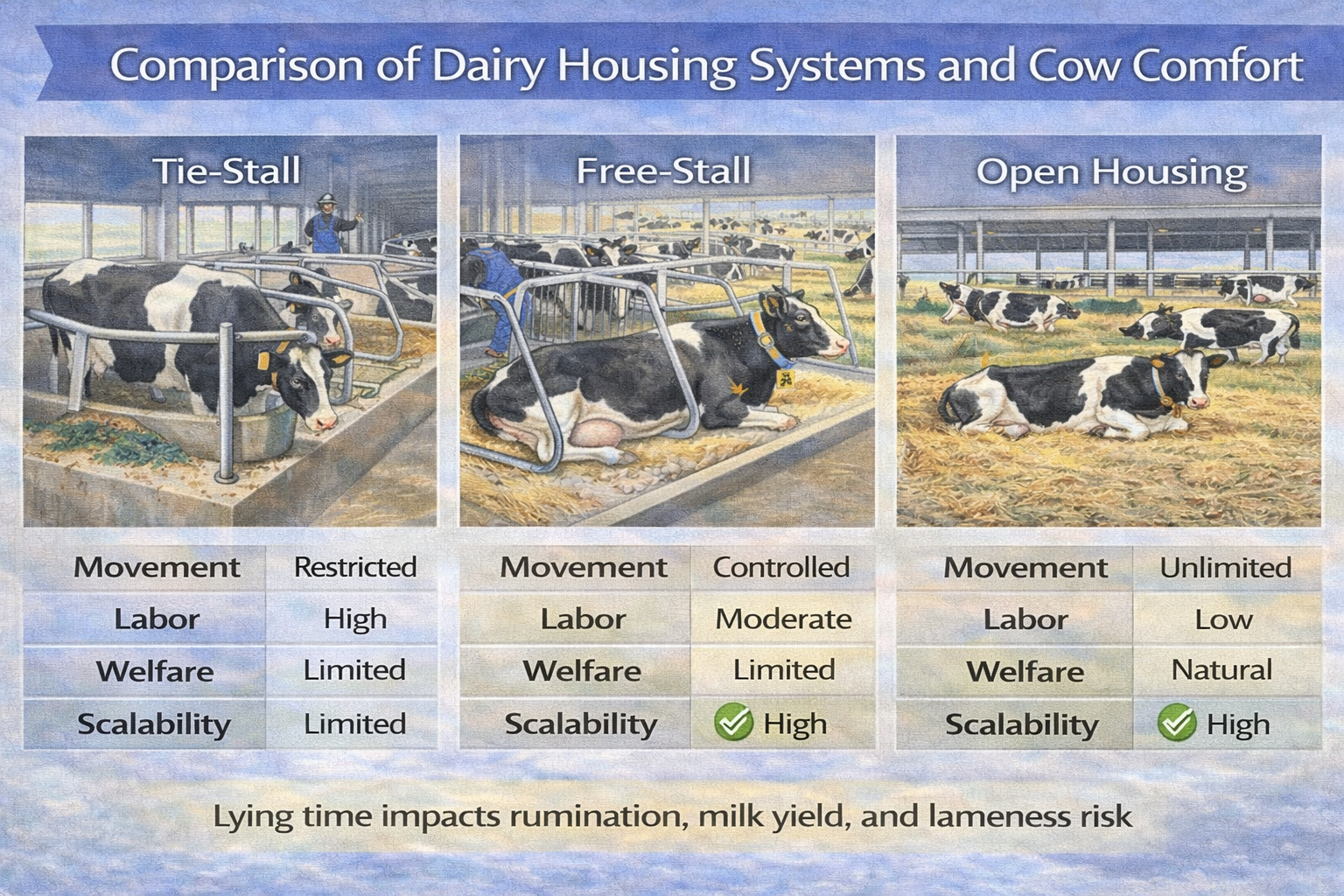
Dairy housing systems vary widely across regions and scales. Each system influences cow behavior, labor efficiency, disease risk, and scalability. While traditional systems prioritize space efficiency, modern systems prioritize biological freedom and airflow.
Free-stall and open housing systems dominate progressive dairies due to superior welfare outcomes and scalability. However, design precision—not system choice alone—determines success.
Comparison of housing systems
● Tie-stall: labor-intensive, limited movement
● Free-stall: controlled resting, high efficiency
● Open housing: climate-adaptive, low capital intensity
4. Flooring Systems and Locomotion Health
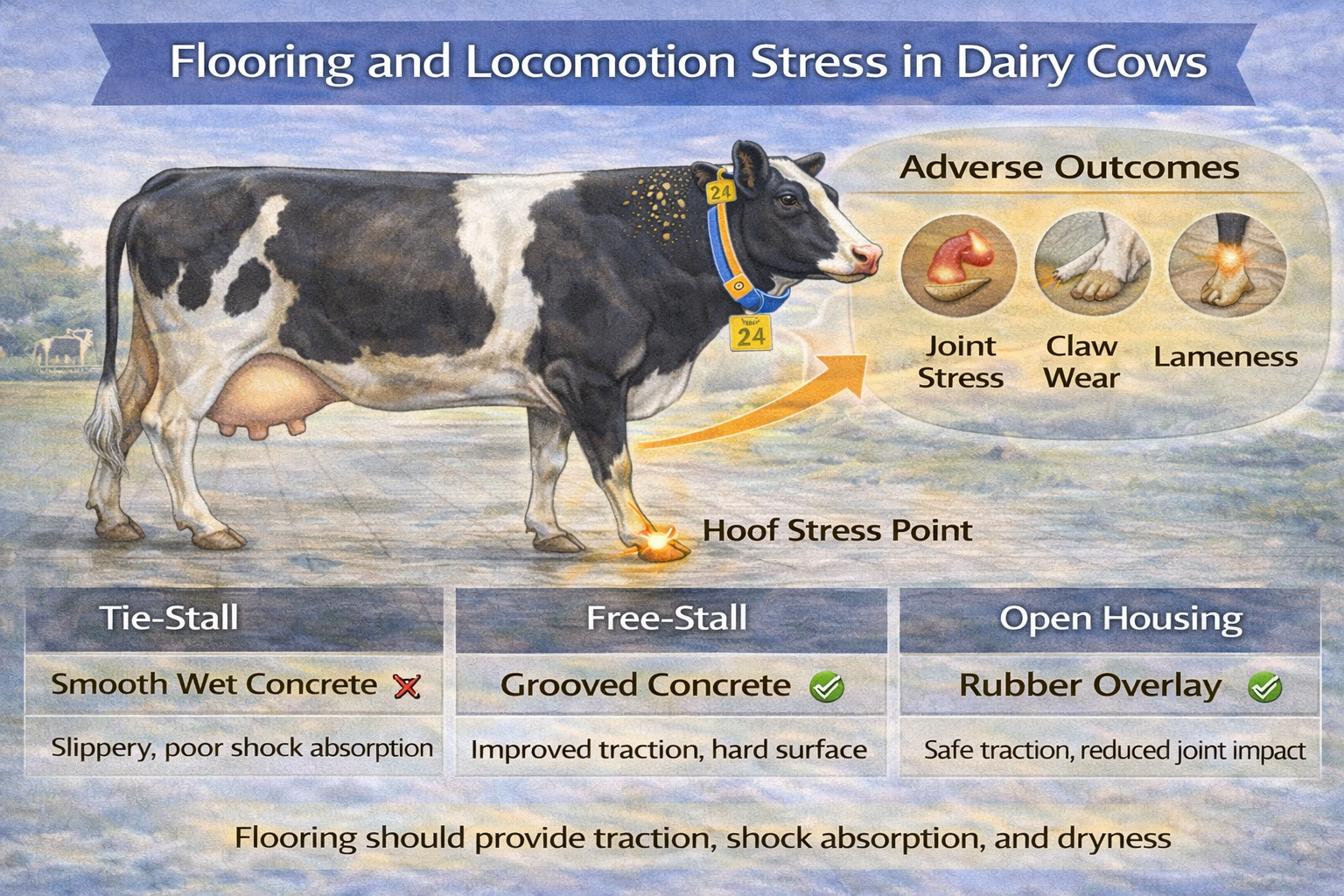
Flooring is a critical yet often neglected component of dairy housing. Cows spend a significant portion of their lives standing or walking on flooring surfaces. Poor flooring increases claw wear, joint stress, and the incidence of lameness—one of the most costly and welfare-compromising conditions in dairy farming.
From a biomechanical standpoint, flooring must provide traction, shock absorption, and dryness simultaneously. Concrete alone satisfies none of these requirements without modification.
Flooring design considerations
● Slip resistance and surface texture
● Shock absorption to reduce joint stress
● Drainage to maintain dryness
● Compatibility with manure management
5. Bedding Systems: Rest, Hygiene, and Udder Health
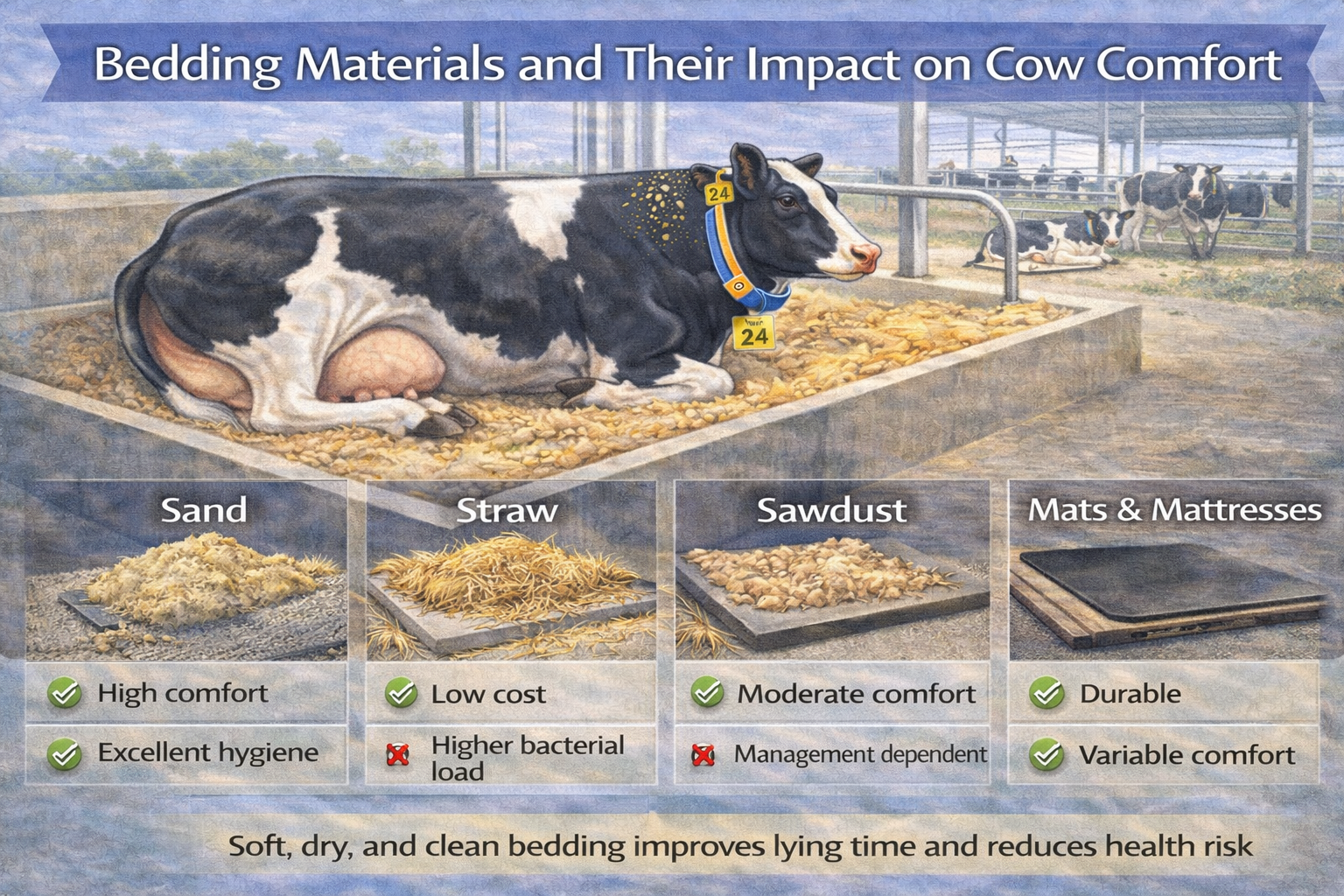
Bedding provides the interface between cow and housing. It directly affects lying comfort, teat cleanliness, mastitis risk, and thermal insulation. Soft, dry, and clean bedding encourages longer lying times and reduces injury.
Different bedding materials vary widely in cost, hygiene, and labor requirement. The optimal choice balances biological benefit with operational practicality.
Common bedding options
● Sand: excellent comfort and hygiene
● Straw: low cost, higher bacterial load
● Sawdust: moderate comfort, management-dependent
● Mats and mattresses: durability with variable comfort
6. Ventilation and Air Quality Management
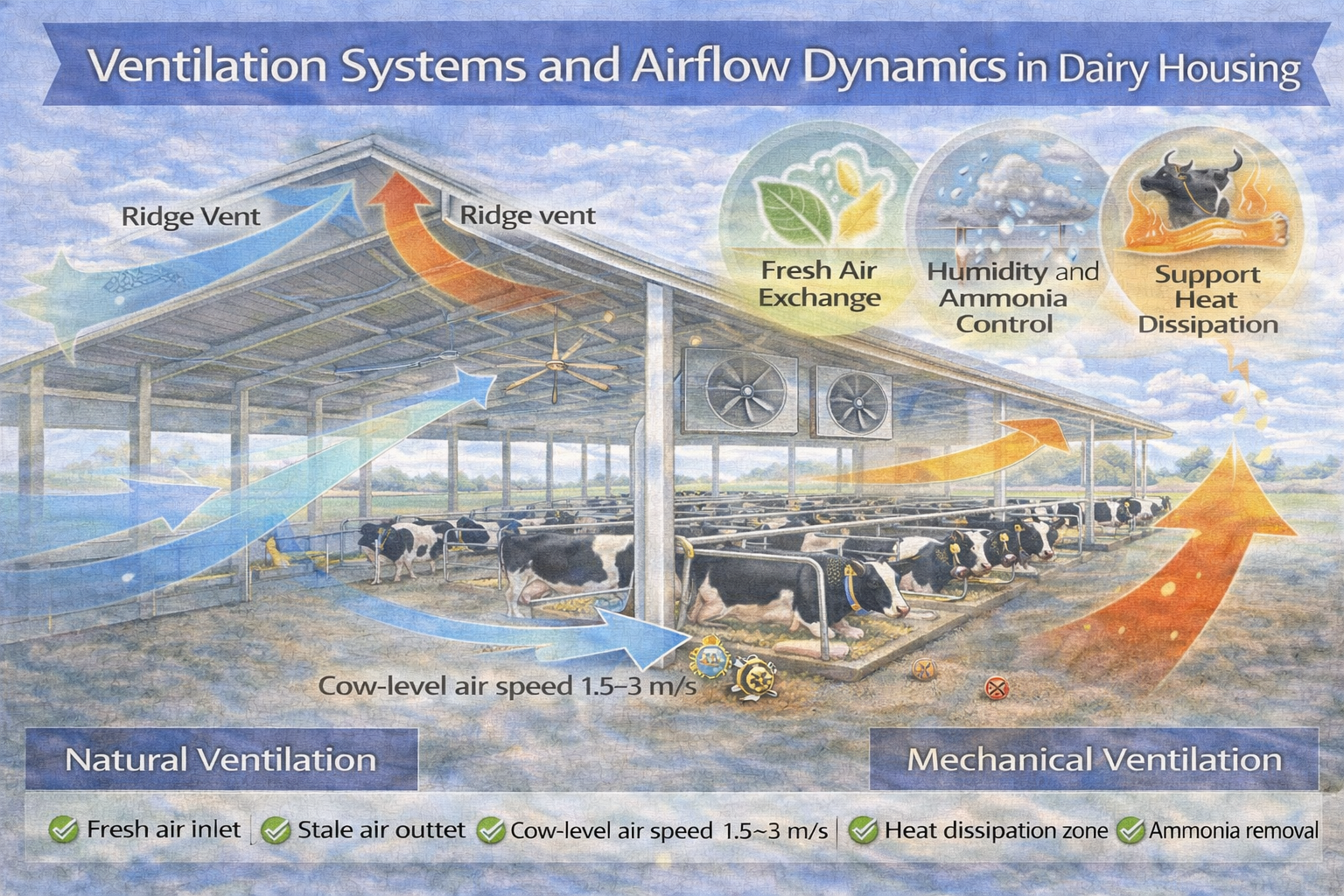
Air is the most overlooked nutrient in dairy housing. Poor ventilation increases humidity, ammonia concentration, and pathogen load, directly compromising respiratory health and immune function. Adequate airflow removes heat, moisture, and airborne contaminants.
Ventilation design must be adapted to climate, stocking density, and housing type. Natural ventilation works well when engineered correctly; mechanical systems are essential in high-density or enclosed facilities.
Ventilation objectives
● Maintain fresh air exchange
● Control humidity and ammonia
● Support heat dissipation
● Reduce airborne pathogen pressure
7. Heat Stress and Thermal Comfort Engineering
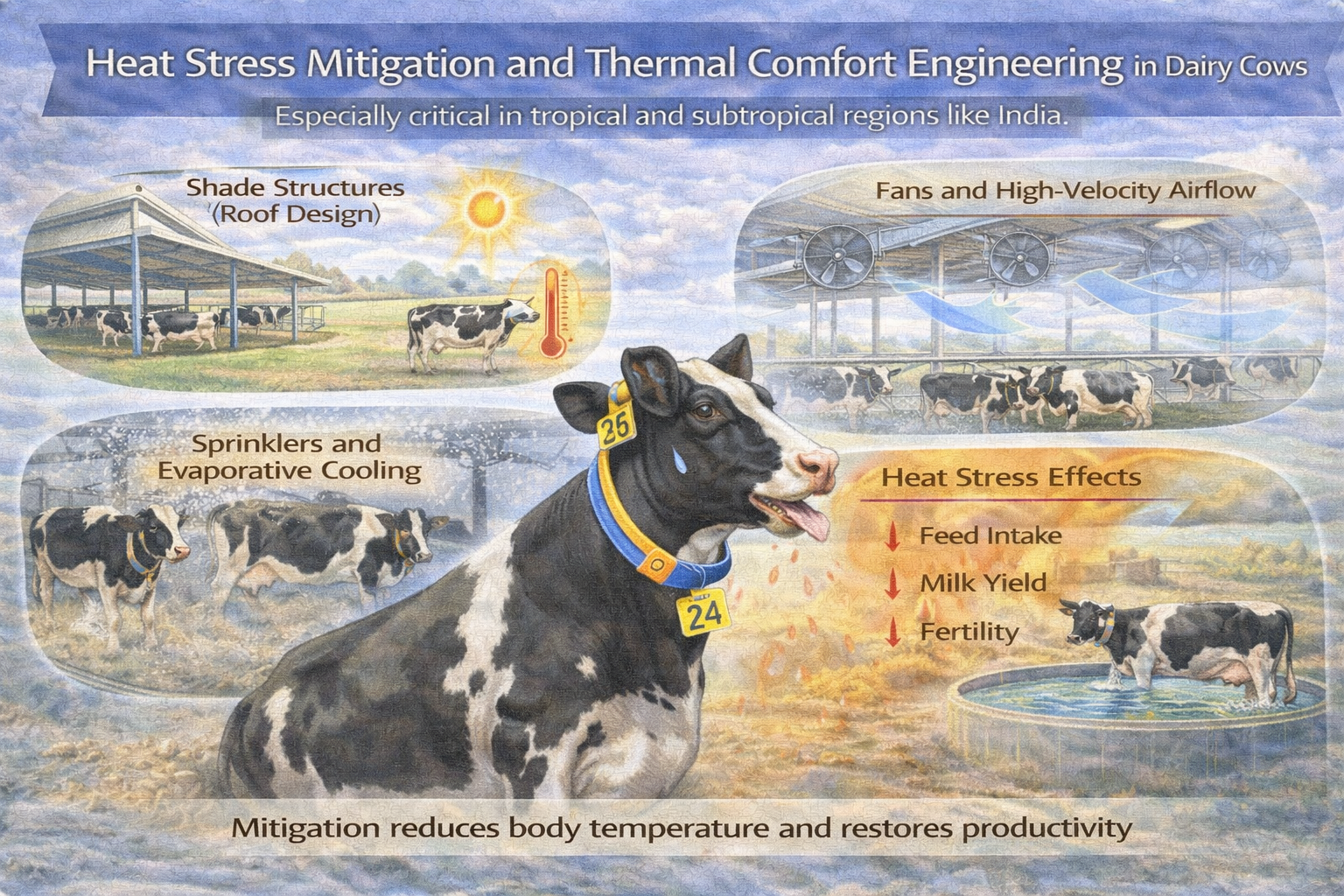
Heat stress is one of the most significant environmental constraints on dairy productivity, especially in tropical and subtropical regions like India. When ambient temperature and humidity exceed the cow’s thermoneutral zone, feed intake declines, milk synthesis slows, and fertility collapses.
Thermal comfort engineering integrates shade, airflow, evaporative cooling, and water availability to protect cows from heat load.
Heat stress mitigation tools
● Shade structures and roof design
● Fans and high-velocity airflow
● Sprinklers and evaporative cooling
● Unlimited access to clean water
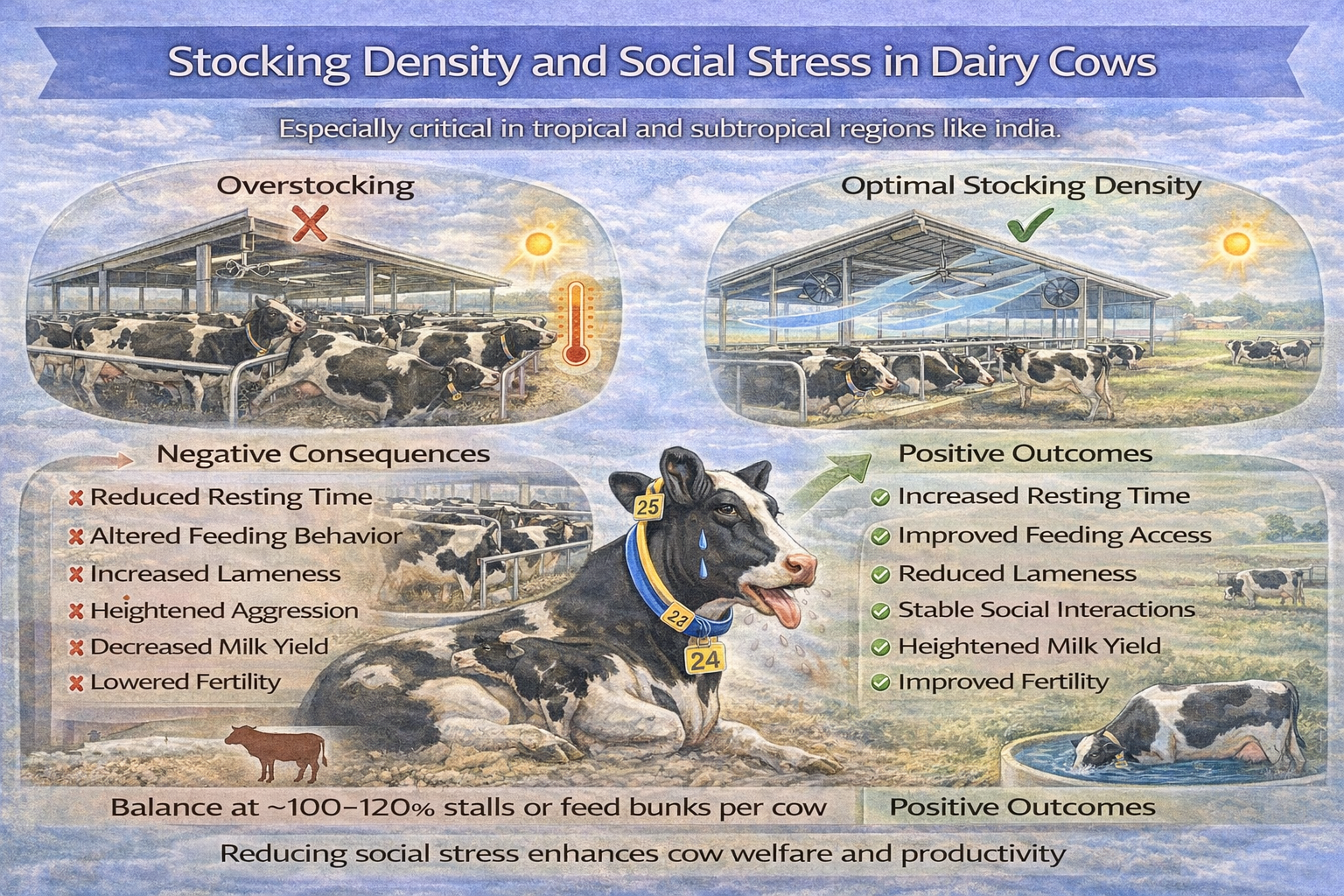
8. Stocking Density and Social Stress
Cows are social animals with hierarchical behavior. Overstocking disrupts access to feed, water, and resting space, increasing aggression and reducing lying time. Social stress elevates cortisol levels and suppresses immunity and reproduction.
Optimal stocking density allows subordinate cows to express normal behavior without chronic stress.
Stocking density principles
● One stall per cow minimum
● Adequate feed bunk space
● Sufficient water trough access
● Reduced competition in transition groups
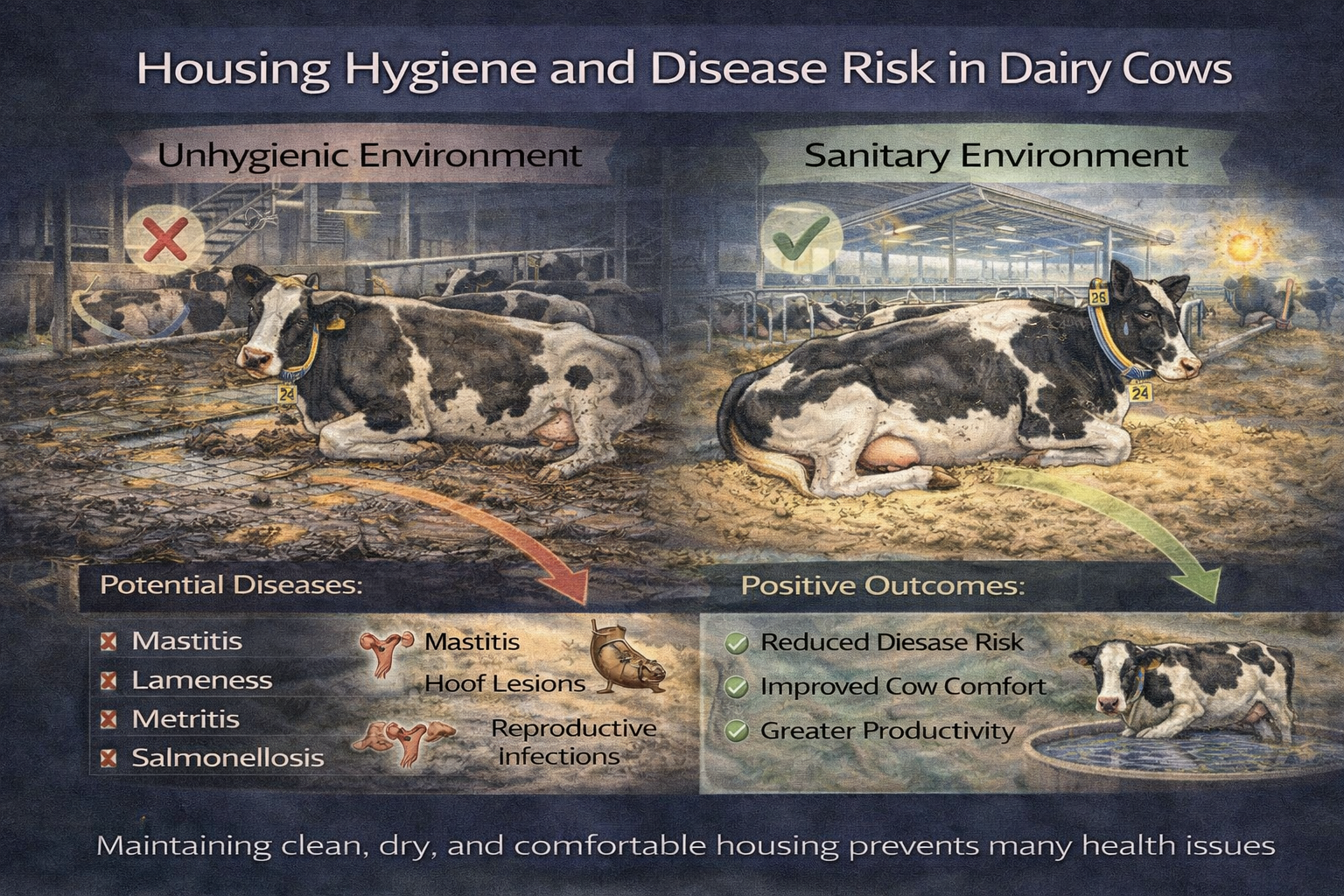
9. Housing Hygiene and Disease Pressure
Housing cleanliness directly influences disease risk, particularly mastitis, lameness, and calf diarrhea. Wet, dirty environments increase pathogen survival and exposure. Hygiene must therefore be designed into housing, not corrected by medication.
Effective manure removal, drainage, and routine cleaning are foundational to disease prevention.
Hygiene control factors
● Manure removal frequency
● Drainage and slope design
● Bedding replacement schedules
● Separation of sick animals
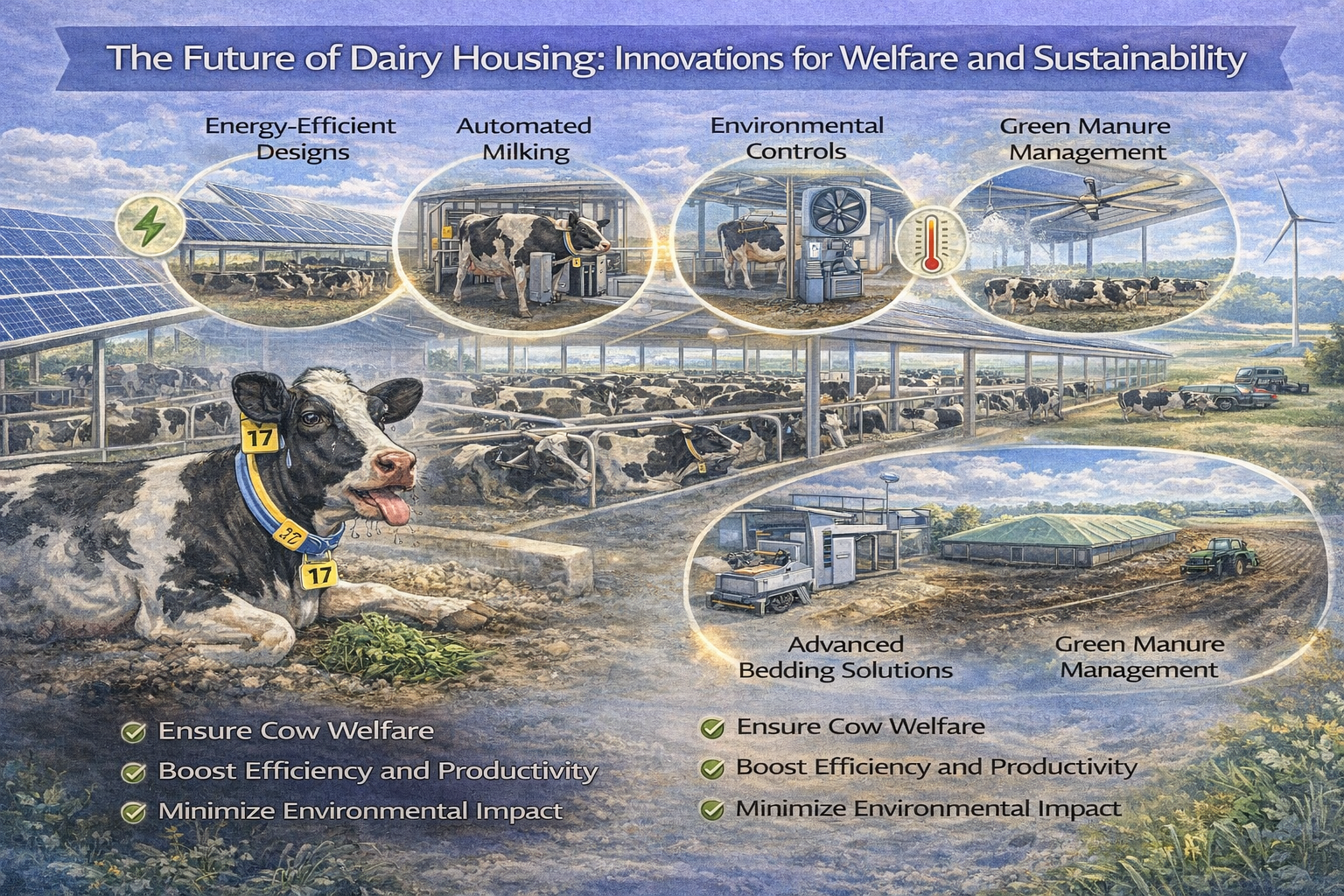
10. Welfare, Sustainability, and Future Housing Systems
Animal welfare is no longer optional—it is increasingly linked to market access, consumer trust, and regulatory frameworks. Welfare-positive housing systems consistently outperform restrictive systems in productivity, longevity, and public acceptance.
Future dairy housing integrates welfare science, environmental sustainability, and automation to create resilient production systems.
Future housing trends
● Welfare-based design metrics
● Climate-resilient structures
● Automation for manure and monitoring
● Integration with biogas and energy systems
Conclusion: Comfort Is Not Luxury—It Is Infrastructure
Cow comfort is not an expense; it is biological infrastructure. Housing systems that respect bovine behavior, physiology, and thermal limits consistently produce more milk, healthier cows, and longer productive lifespans. Dairy farms that engineer comfort into their environment convert welfare into profitability and sustainability.