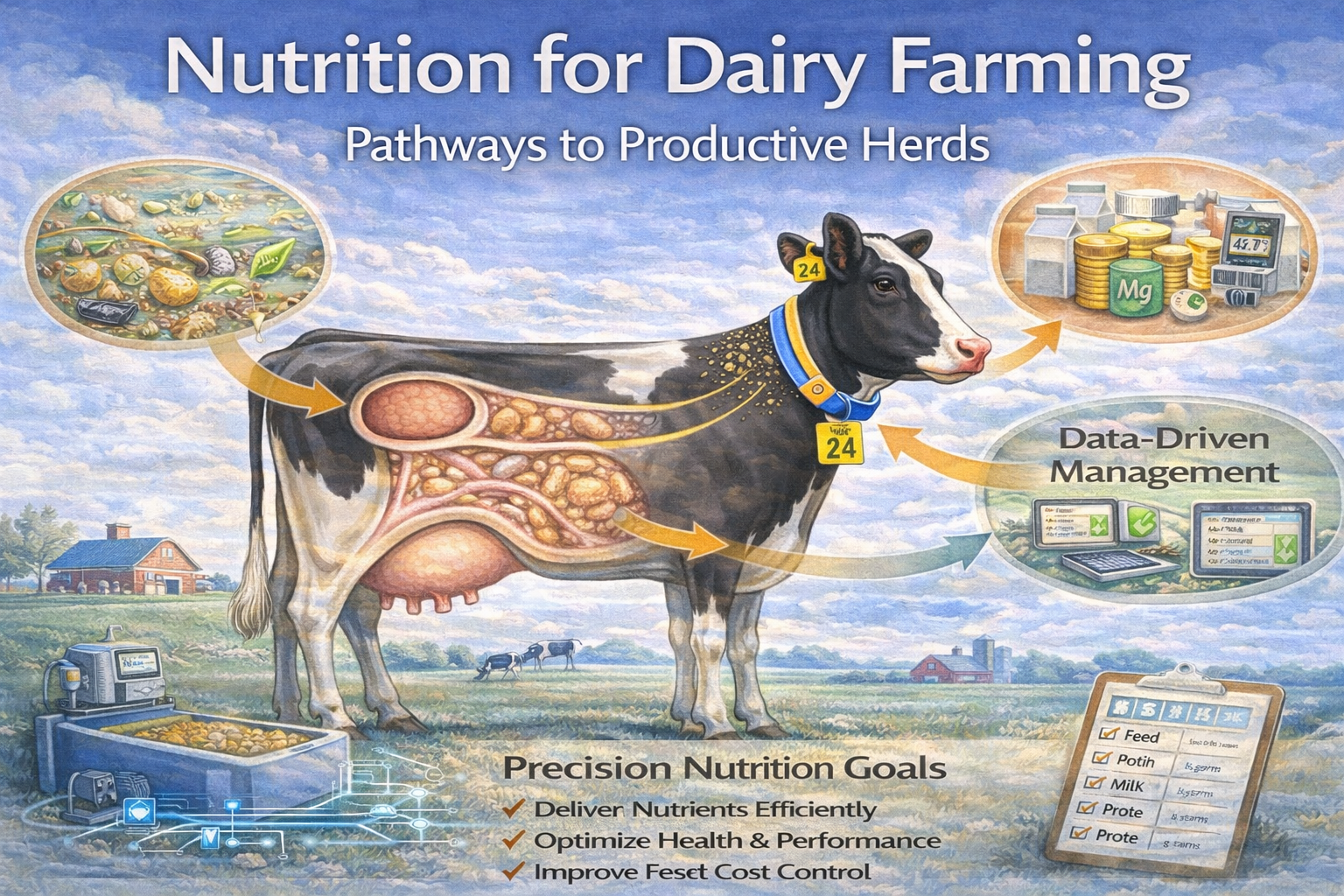
1. Nutrition as a Biological Control System
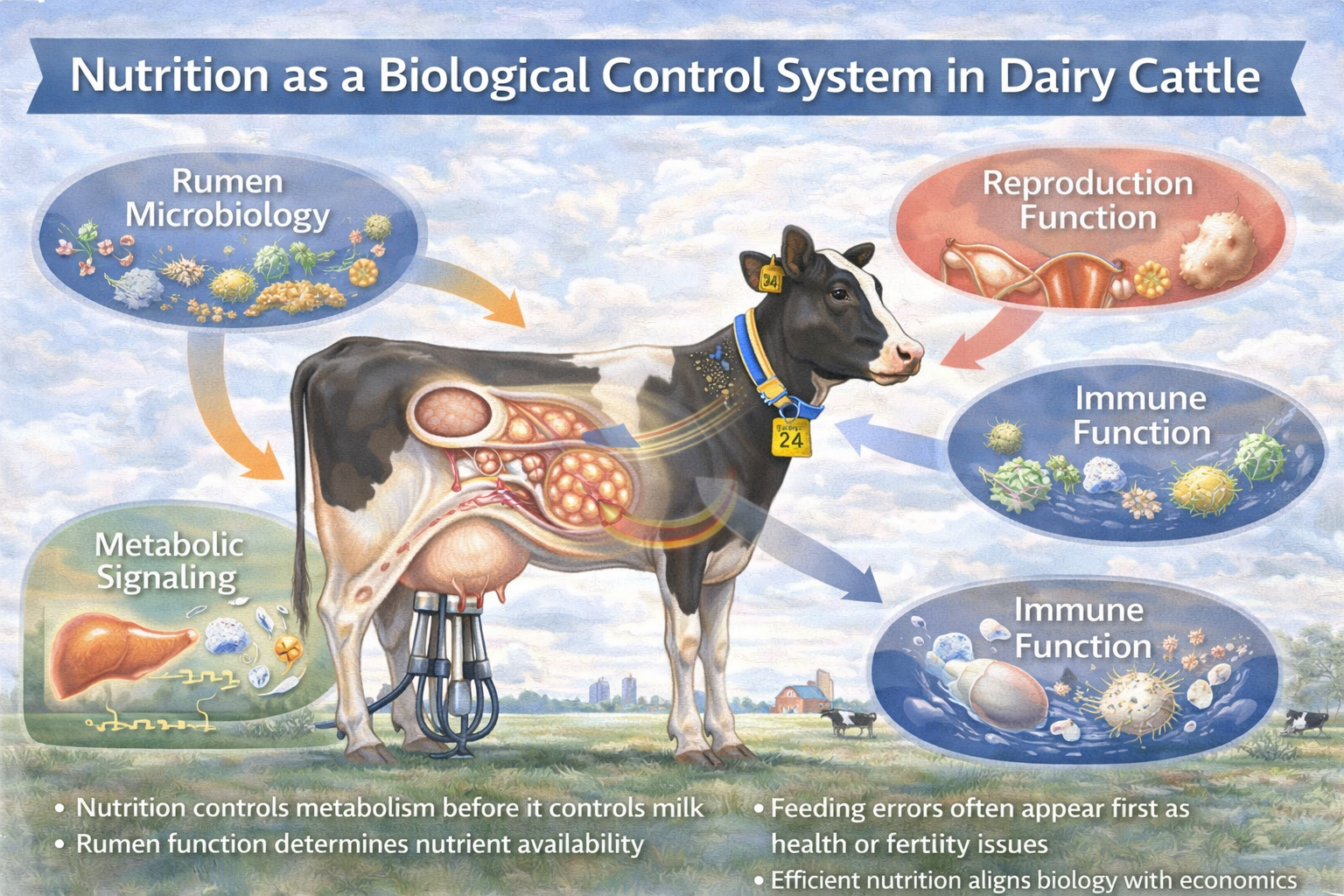
In dairy cattle, nutrition is not merely a source of calories but a biological control system that governs rumen fermentation, metabolic signaling, immune competence, reproductive function, and milk synthesis. Feed intake and nutrient utilization determine whether genetic potential is expressed or biologically constrained.
Unlike monogastric animals, dairy cows depend on a symbiotic rumen microbial ecosystem. What the cow absorbs is not what she eats, but what microbes convert into usable substrates. Therefore, nutrition failures are often microbial failures, not ingredient failures.
Key principles
● Nutrition controls metabolism before it controls milk
● Rumen function determines nutrient availability
● Feeding errors often appear first as health or fertility issues
● Efficient nutrition aligns biology with economics
2. Rumen Microbiology and Fermentation Dynamics
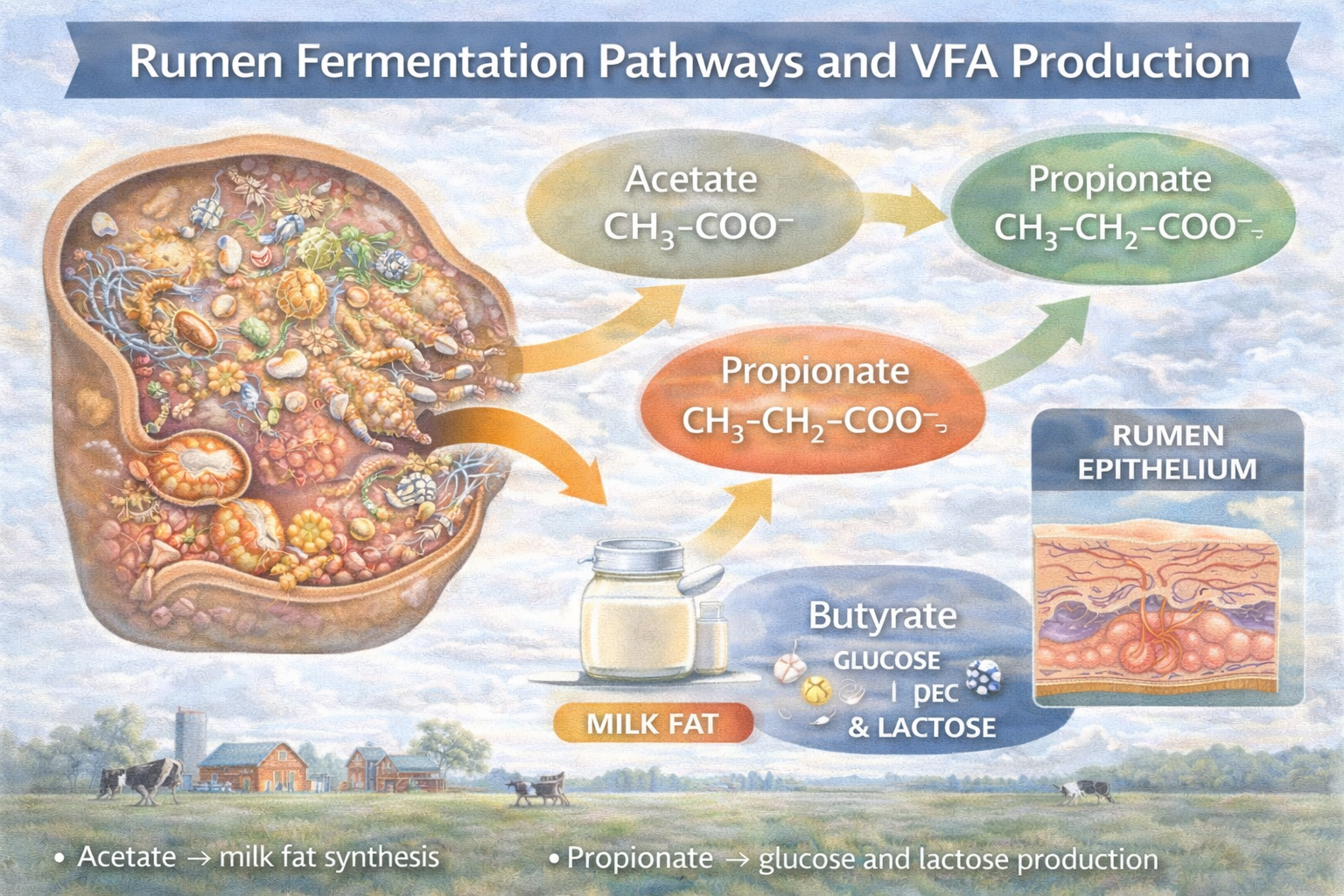
The rumen is a living anaerobic fermentation chamber populated by bacteria, protozoa, fungi, and archaea. These microbes convert fibrous plant material into volatile fatty acids (VFAs), microbial protein, and gases. The balance among acetate, propionate, and butyrate directly determines milk fat, milk volume, and metabolic stability.
Disruption of rumen pH, passage rate, or microbial populations leads to subclinical acidosis, reduced fiber digestion, milk fat depression, and long-term production loss.
Rumen fermentation fundamentals
● Acetate → milk fat synthesis
● Propionate → glucose and lactose production
● Butyrate → rumen epithelial health
● Stable pH (6.0–6.4) → optimal microbial efficiency
3. Dry Matter Intake Regulation
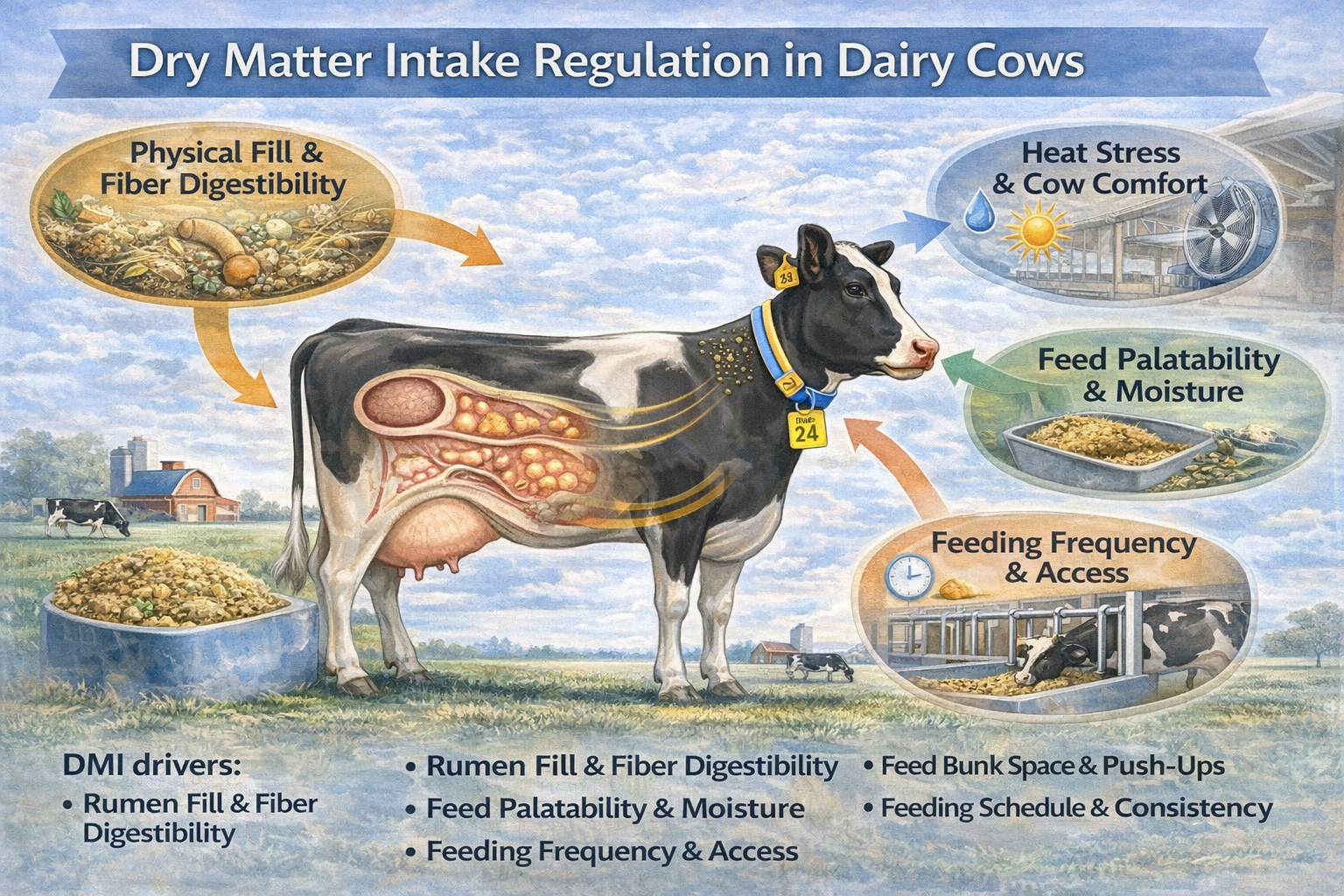
Dry matter intake (DMI) is the primary limiting factor for milk production. No ration, regardless of formulation quality, can compensate for inadequate intake. DMI is regulated by physical fill, metabolic feedback, hormonal signaling, and environmental stress.
Early lactation cows are particularly vulnerable because intake lags behind energy demand, creating negative energy balance and metabolic stress.
Drivers of DMI
● Rumen fill and fiber digestibility
● Feed palatability and moisture
● Feeding frequency and access
● Heat stress and cow comfort
4. Energy Nutrition and Metabolic Partitioning
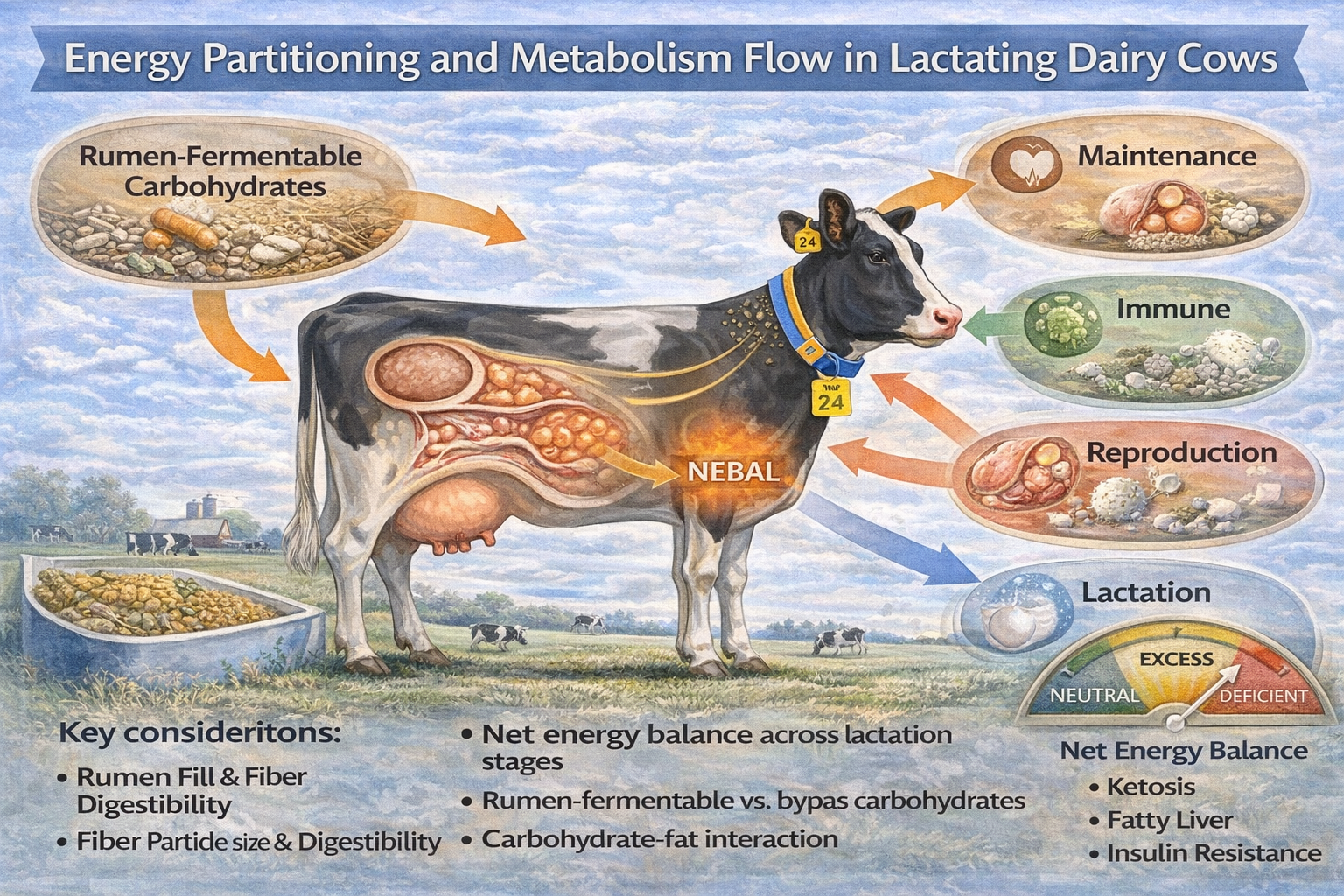
Energy is the most expensive and biologically critical component of dairy rations. However, energy nutrition is not simply about increasing density. Excessive energy increases metabolic disease risk, while insufficient energy suppresses milk yield and fertility.
Energy must be synchronized with rumen fermentation and metabolic capacity to avoid ketosis, fatty liver, and insulin resistance.
Energy system considerations
● Net energy balance across lactation stages
● Rumen-fermentable vs bypass carbohydrates
● Fat supplementation limits and risks
● Interaction with hormonal regulation
5. Protein Nutrition: Quantity vs Quality
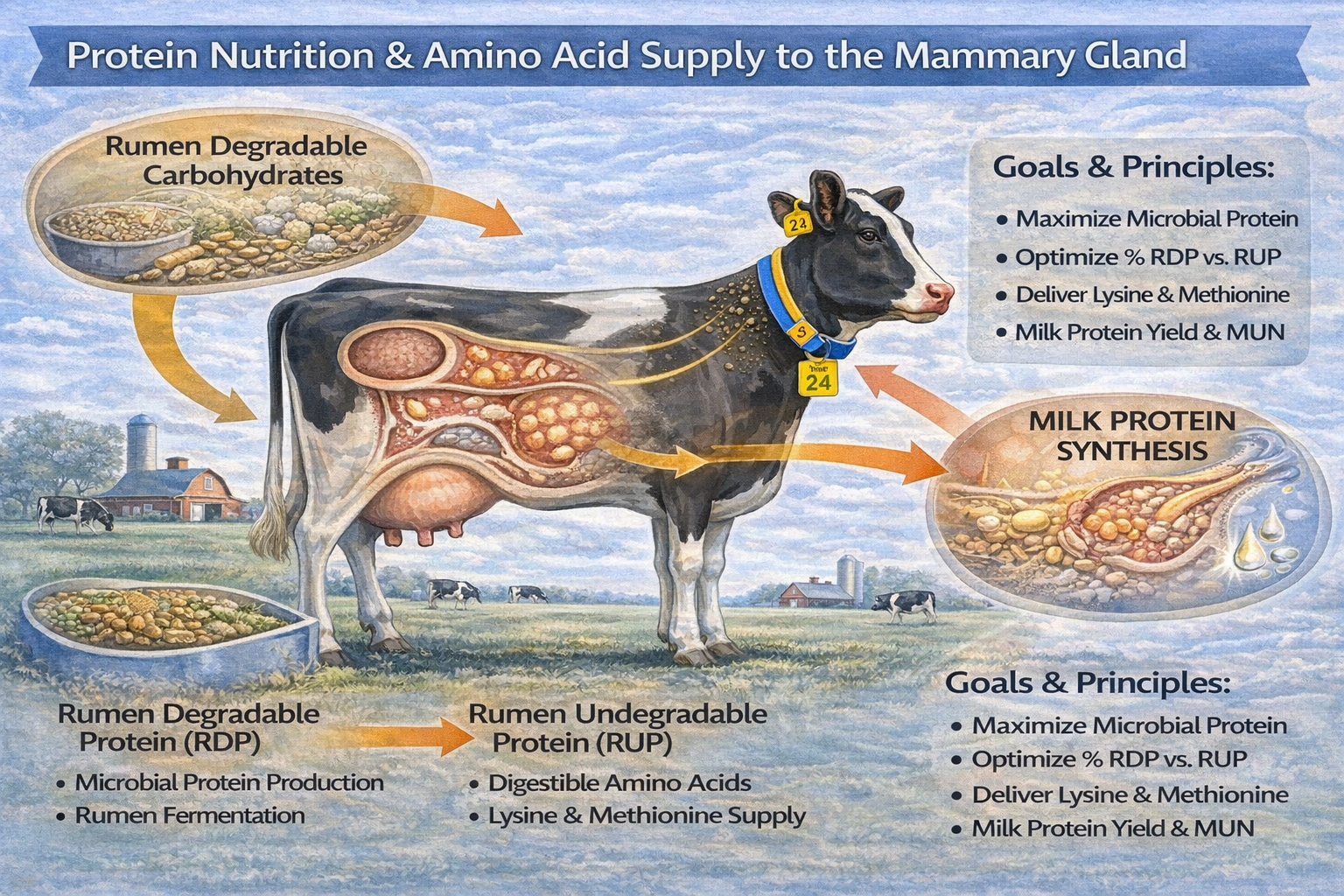
Protein nutrition in dairy cows is defined more by amino acid balance than crude protein percentage. Excess protein increases feed cost and nitrogen excretion, while deficiency limits milk protein synthesis and immune function.
The goal is to maximize microbial protein synthesis while supplying limiting amino acids to the mammary gland.
Protein system essentials
● Rumen degradable protein (RDP) for microbes
● Rumen undegradable protein (RUP) for absorption
● Limiting amino acids: lysine and methionine
● Milk protein yield as the true indicator
6. Fiber, Physically Effective NDF, and Rumen Health
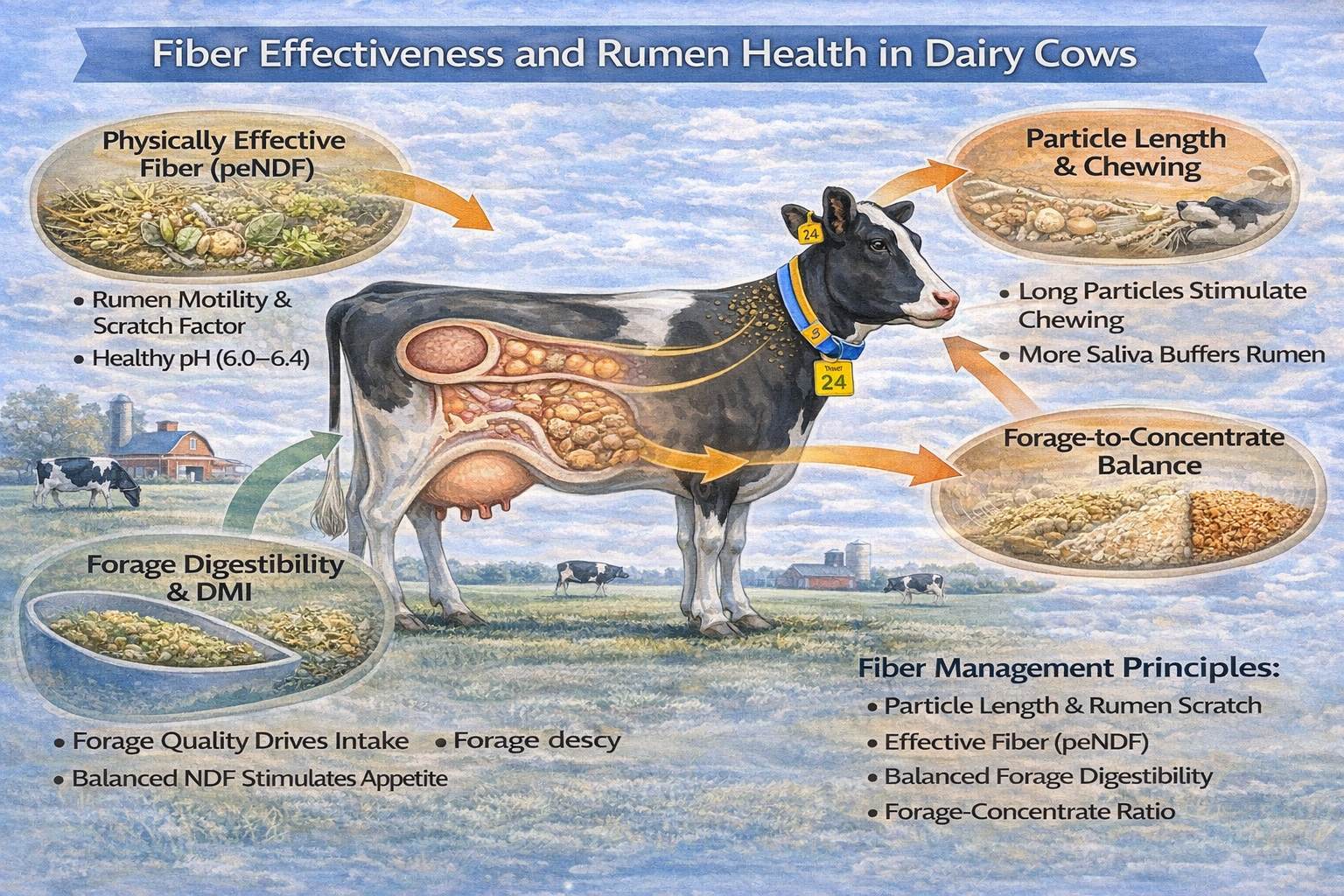
Fiber is not a filler—it is a functional regulator of rumen motility, saliva production, and pH stability. Physically effective neutral detergent fiber (peNDF) ensures adequate chewing and buffering.
Insufficient effective fiber leads to acidosis, milk fat depression, and chronic health issues.
Fiber management principles
● Particle length matters as much as fiber content
● Forage digestibility drives intake
● peNDF stabilizes rumen pH
● Forage-to-concentrate balance protects milk fat
7. Mineral and Vitamin Systems
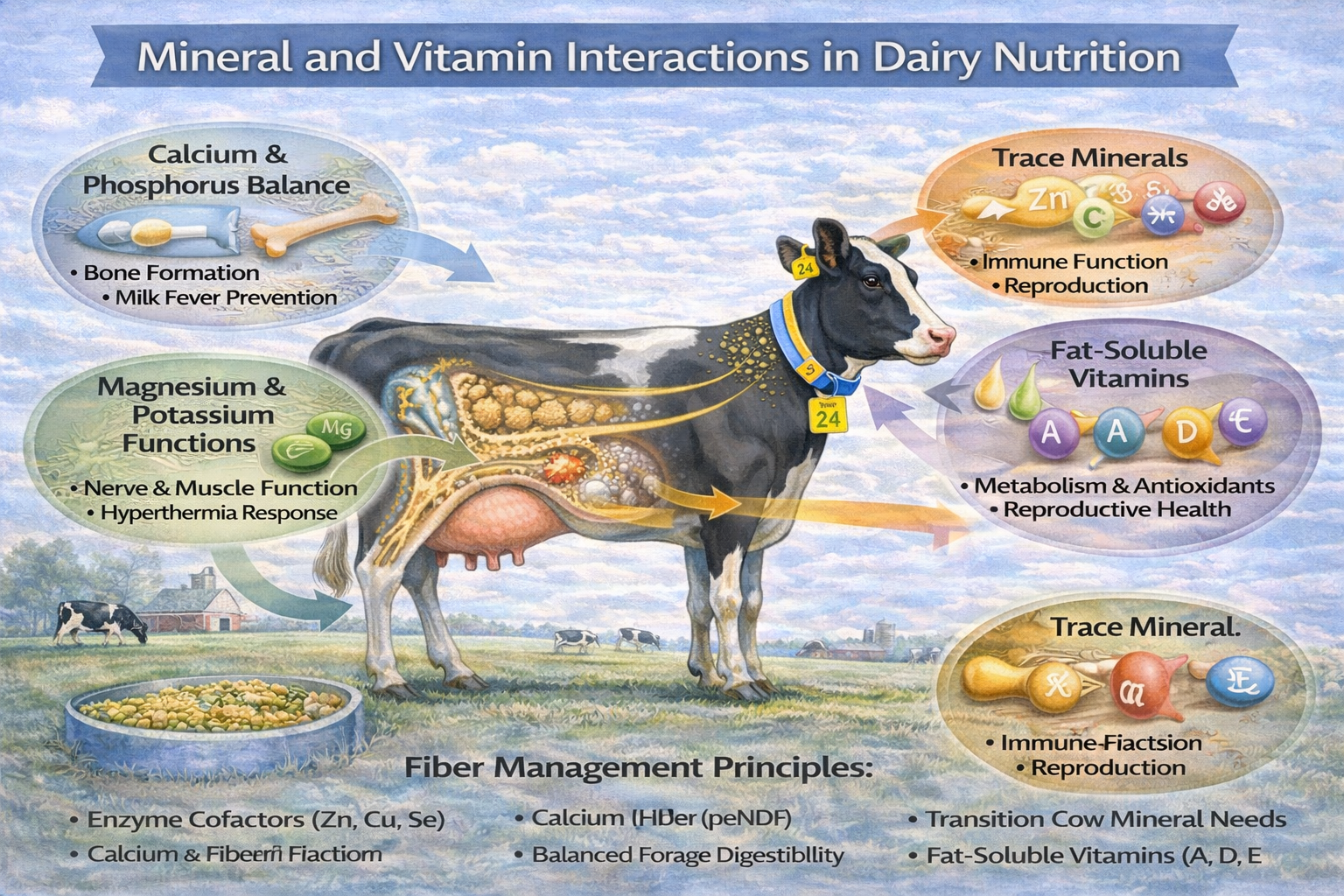
Minerals and vitamins regulate enzymatic reactions, skeletal integrity, immune competence, and reproductive success. Deficiencies often manifest subtly as poor fertility, weak immunity, or metabolic instability rather than overt disease.
Transition cows are especially sensitive to mineral imbalances.
Critical mineral systems
● Calcium and phosphorus balance
● Magnesium and potassium interaction
● Trace minerals (Zn, Cu, Se)
● Fat-soluble vitamins (A, D, E)
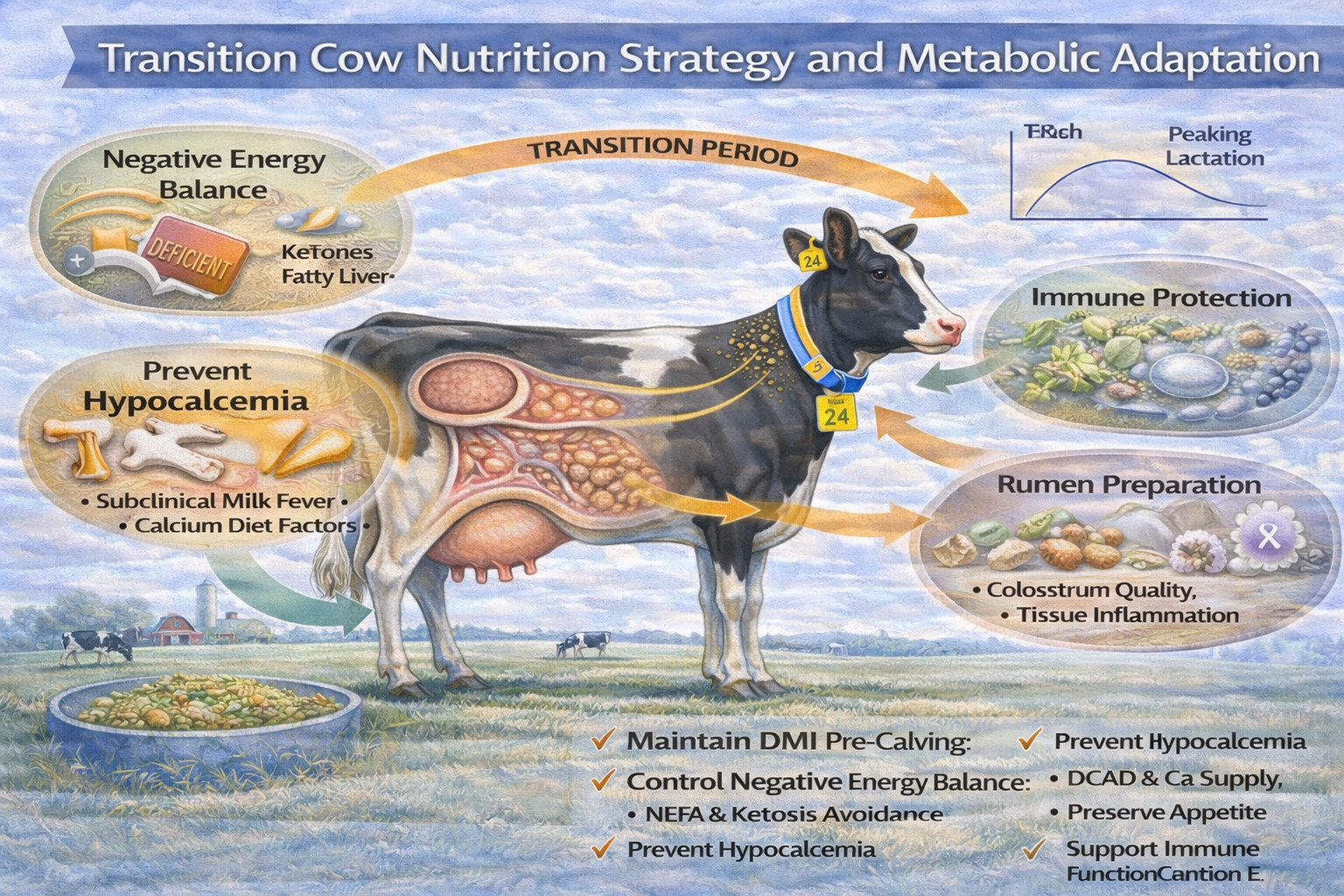
8. Transition Cow Feeding Systems
The transition period represents the greatest nutritional challenge in dairy production. Rations must prepare the rumen, liver, and endocrine system for the metabolic shock of lactation
.
Poor transition nutrition is the root cause of most early-lactation diseases.
Transition feeding objectives
● Maintain DMI pre-calving
● Control negative energy balance
● Prevent hypocalcemia
● Support immune function
9. Feed Efficiency and Nutritional Economics
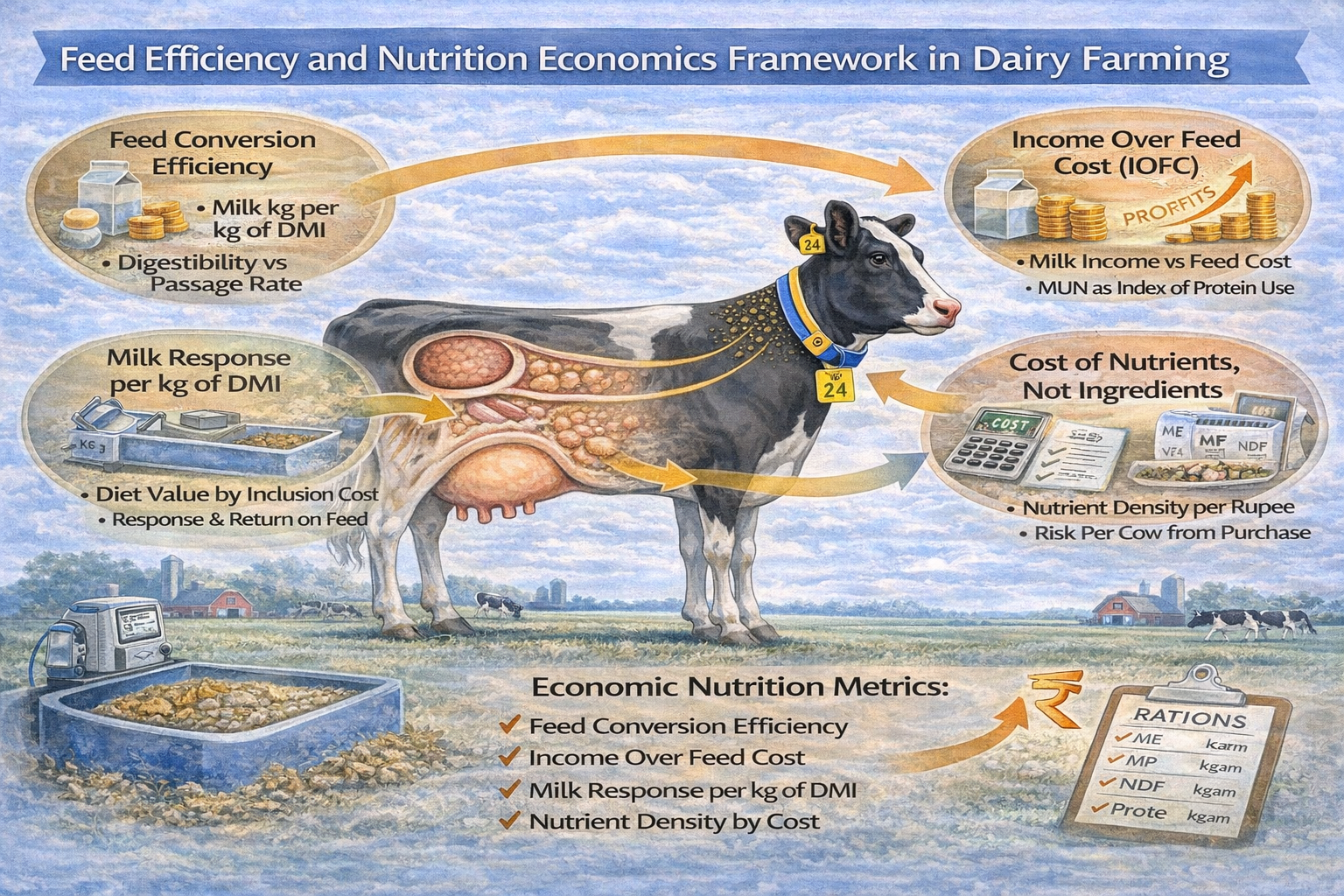
Feed represents 55–70% of total milk production cost. Therefore, the goal of nutrition is not maximum milk per cow, but maximum milk per unit of feed cost.
Feed efficiency links biological performance with financial sustainability.
Economic nutrition metrics
● Feed conversion efficiency
● Income over feed cost (IOFC)
● Milk response per kg of DMI
● Cost of nutrients, not ingredients
10. Precision Nutrition and the Future of Feeding Systems
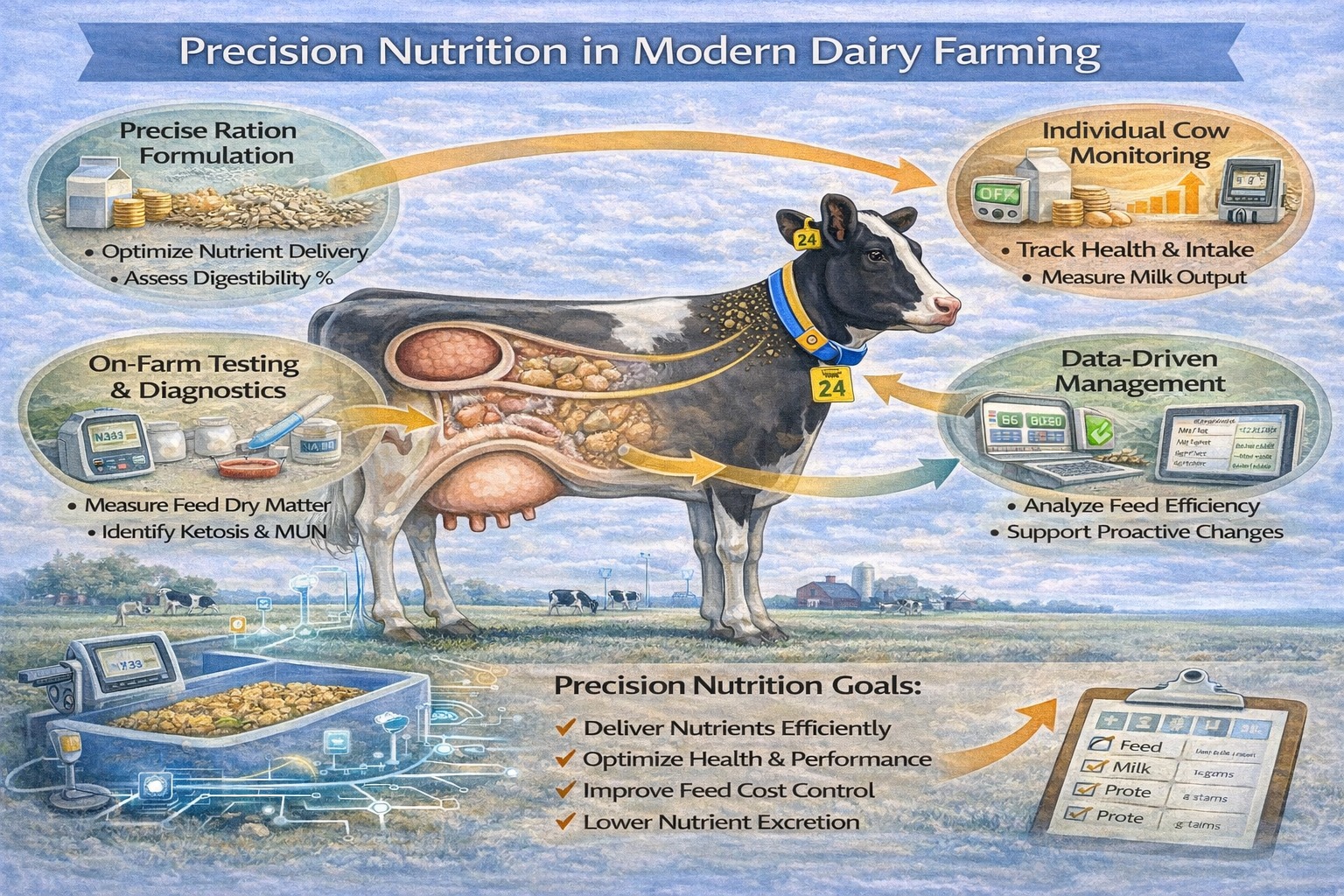
Precision dairy nutrition integrates sensors, milk analytics, and real-time data to adjust rations dynamically. This approach reduces waste, prevents metabolic stress, and improves predictability.
The future of feeding is individualized, responsive, and data-driven.
Precision nutrition tools
● Milk component monitoring
● Intake and rumination sensors
● Automated feed delivery
● AI-driven ration adjustment
Conclusion: Nutrition as an Investment Strategy
Nutrition is not a cost to be minimized but an investment to be optimized. Dairy farms that align rumen biology, metabolic demand, and economic logic through disciplined nutrition systems achieve sustainable productivity, healthier cows, and predictable profitability.