 What Are Hydroponic Grow Bags?
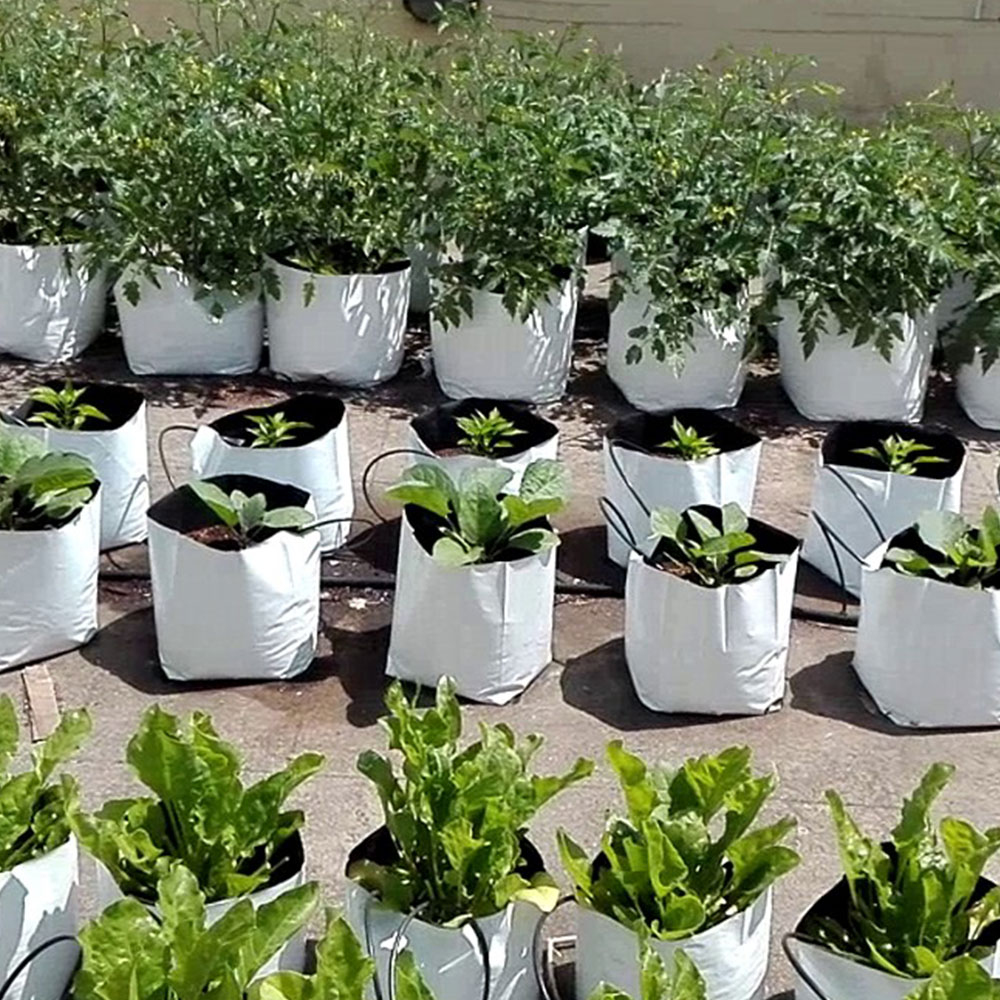
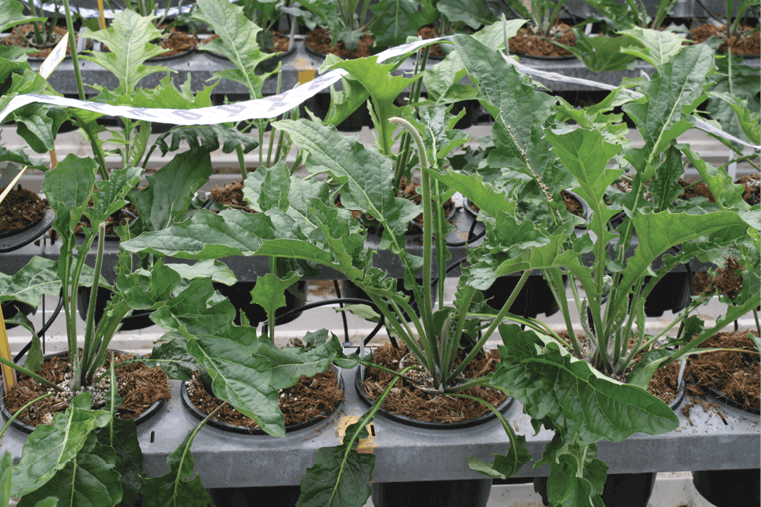
Hydroponic grow bags are durable polyethylene bags filled with inert growing media such as cocopeat, perlite, vermiculite, or their blends. Unlike soil, these substrates provide excellent aeration while allowing precise nutrient delivery through a controlled irrigation system.
Key Characteristics
Sterile, disease-free root zone
High oxygen availability
Excellent water retention with rapid drainage
Lightweight and easy to replace between crop cycles
What Are Hydroponic Grow Bags?
Hydroponic grow bags are durable polyethylene bags filled with inert growing media such as cocopeat, perlite, vermiculite, or their blends. Unlike soil, these substrates provide excellent aeration while allowing precise nutrient delivery through a controlled irrigation system.
Key Characteristics
Sterile, disease-free root zone
High oxygen availability
Excellent water retention with rapid drainage
Lightweight and easy to replace between crop cycles
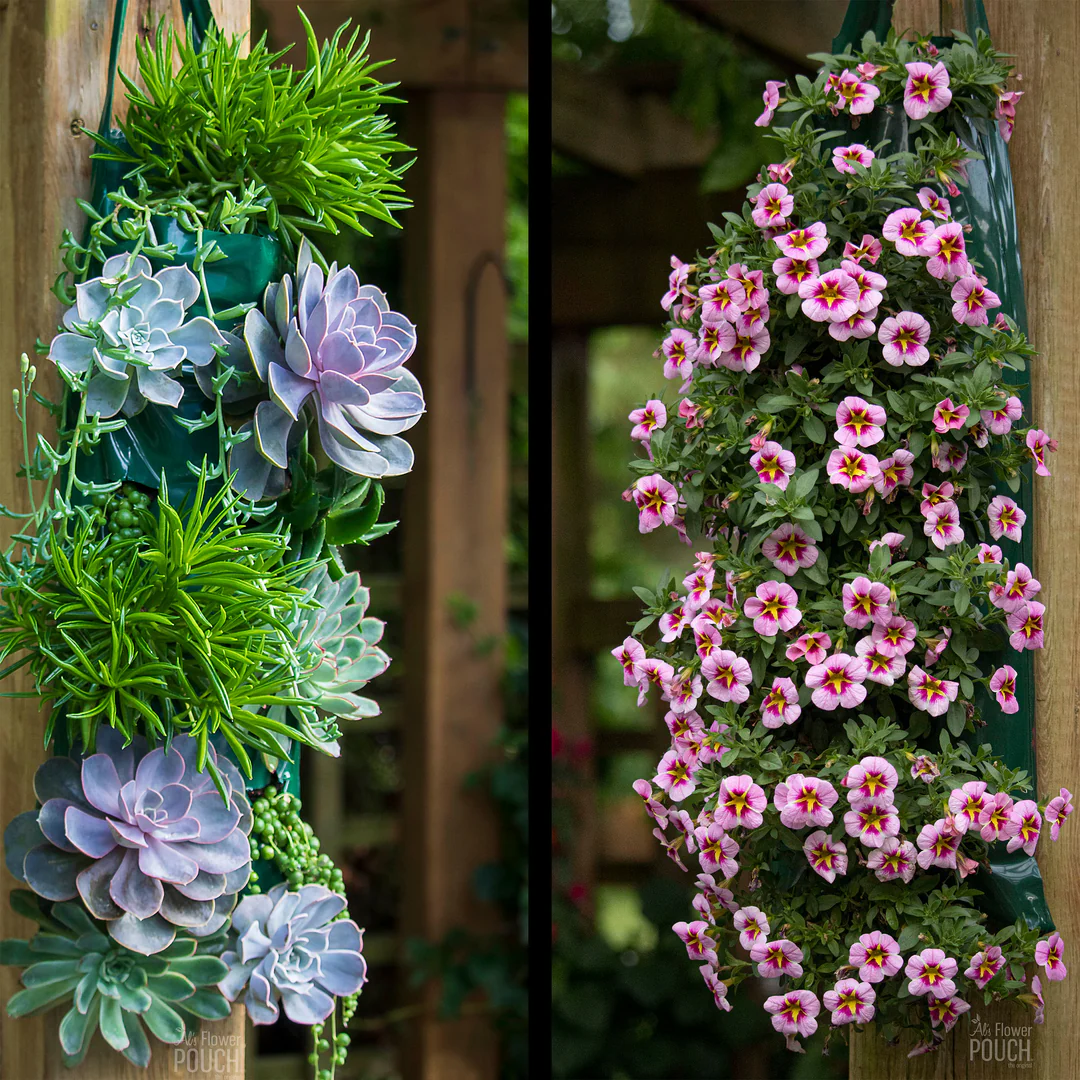
 Suitable Flower Crops for Grow Bag Hydroponics
Not all flowers respond equally to hydroponic systems. The following species perform exceptionally well in grow bags:
Gerbera
Petunia
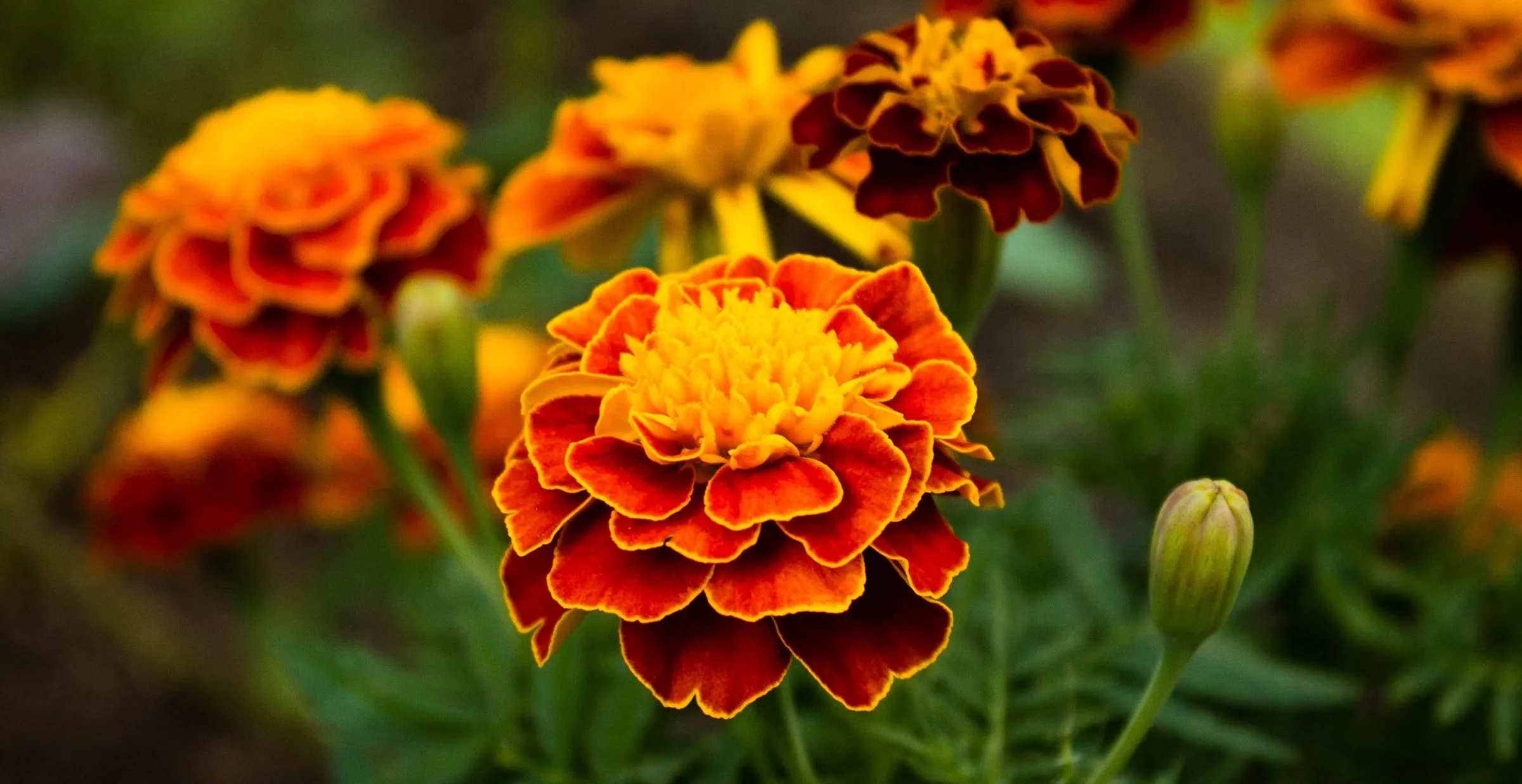
Marigold
Chrysanthemum
Zinnia
Carnation
Begonia
Pansy
These flowers benefit from consistent nutrient supply and uniform moisture levels, resulting in stronger stems, brighter colors, and extended vase life.
Suitable Flower Crops for Grow Bag Hydroponics
Not all flowers respond equally to hydroponic systems. The following species perform exceptionally well in grow bags:
Gerbera
Petunia
Marigold
Chrysanthemum
Zinnia
Carnation
Begonia
Pansy
These flowers benefit from consistent nutrient supply and uniform moisture levels, resulting in stronger stems, brighter colors, and extended vase life.
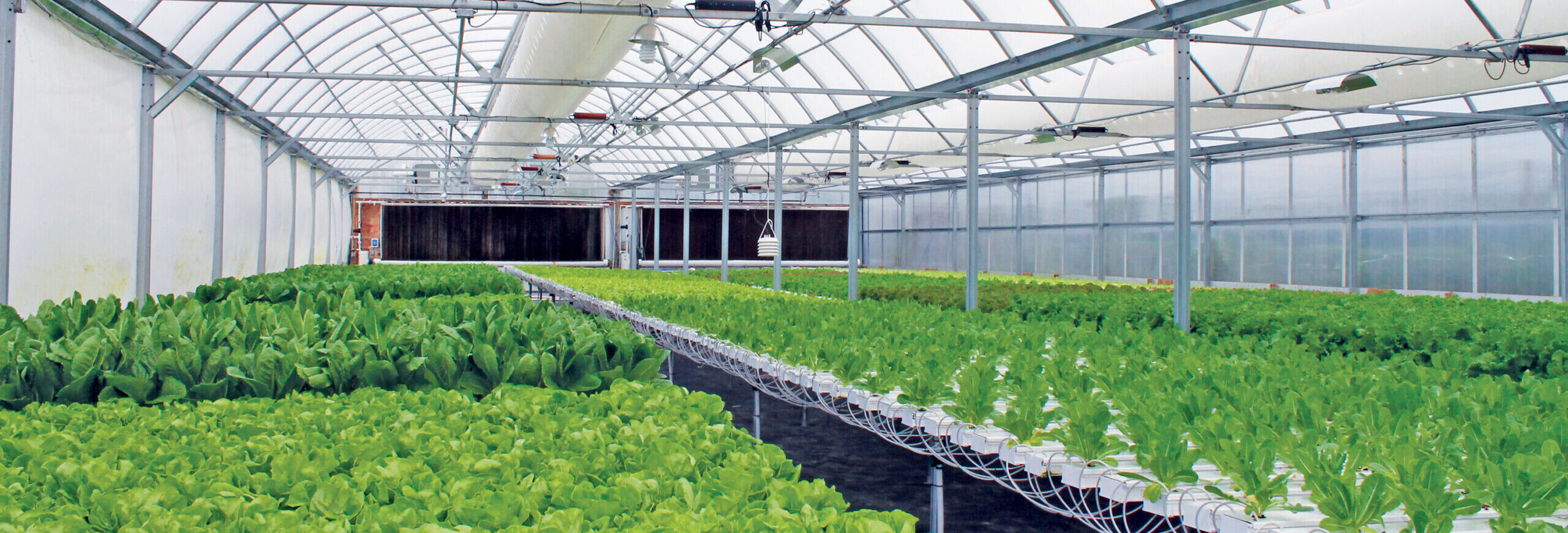
 System Design and Setup
Grow Bag Placement
Raised beds or troughs are recommended to improve drainage
Typical spacing: 25–40 cm between plants (crop dependent)
Ensure uniform sunlight exposure across rows
System Design and Setup
Grow Bag Placement
Raised beds or troughs are recommended to improve drainage
Typical spacing: 25–40 cm between plants (crop dependent)
Ensure uniform sunlight exposure across rows
 Irrigation System
Drip irrigation with pressure-compensated emitters
2–4 drippers per grow bag depending on size
Automated timers preferred for precision
Nutrient Delivery
A standard hydroponic nutrient solution contains:
Nitrogen (N)
Phosphorus (P)
Potassium (K)
Calcium (Ca)
Magnesium (Mg)
Micronutrients (Fe, Mn, Zn, Cu, B, Mo)
Target EC: 1.5–2.5 mS/cm
Target pH: 5.8–6.5
Environmental Control Parameters
Factor Optimal Range
Temperature 18–28°C
Relative Humidity 60–75%
Light 12–16 hours/day
CO₂ Ambient to enriched (800–1,000 ppm)
Maintaining these parameters ensures continuous flowering and minimizes physiological stress.
Flowering and Yield Advantages
Hydroponic grow bag systems offer:
Faster flowering cycles
Uniform bloom size
Higher flower count per plant
Reduced pest and disease incidence
Up to 70–80% water savings compared to soil cultivation
Commercial growers often report 20–40% higher marketable yield.
Maintenance and Crop Hygiene
Flush grow bags periodically to prevent salt buildup
Monitor EC and pH daily
Remove senescent flowers to promote new blooms
Replace grow media every 1–2 crop cycles for best results
Sustainability and Commercial Viability
Hydroponic flower production aligns strongly with sustainable agriculture goals:
Lower water footprint
Reduced chemical pesticide usage
Minimal land degradation
Suitable for urban and peri-urban farming
For export-oriented flower production, hydroponics ensures consistent quality and compliance with international standards.
Irrigation System
Drip irrigation with pressure-compensated emitters
2–4 drippers per grow bag depending on size
Automated timers preferred for precision
Nutrient Delivery
A standard hydroponic nutrient solution contains:
Nitrogen (N)
Phosphorus (P)
Potassium (K)
Calcium (Ca)
Magnesium (Mg)
Micronutrients (Fe, Mn, Zn, Cu, B, Mo)
Target EC: 1.5–2.5 mS/cm
Target pH: 5.8–6.5
Environmental Control Parameters
Factor Optimal Range
Temperature 18–28°C
Relative Humidity 60–75%
Light 12–16 hours/day
CO₂ Ambient to enriched (800–1,000 ppm)
Maintaining these parameters ensures continuous flowering and minimizes physiological stress.
Flowering and Yield Advantages
Hydroponic grow bag systems offer:
Faster flowering cycles
Uniform bloom size
Higher flower count per plant
Reduced pest and disease incidence
Up to 70–80% water savings compared to soil cultivation
Commercial growers often report 20–40% higher marketable yield.
Maintenance and Crop Hygiene
Flush grow bags periodically to prevent salt buildup
Monitor EC and pH daily
Remove senescent flowers to promote new blooms
Replace grow media every 1–2 crop cycles for best results
Sustainability and Commercial Viability
Hydroponic flower production aligns strongly with sustainable agriculture goals:
Lower water footprint
Reduced chemical pesticide usage
Minimal land degradation
Suitable for urban and peri-urban farming
For export-oriented flower production, hydroponics ensures consistent quality and compliance with international standards.
 Conclusion
Growing flowers using hydroponics in grow bags is a proven, efficient, and scalable method that delivers superior flower quality with optimized resource use. With proper system design, nutrient management, and environmental control, growers can achieve reliable and profitable ornamental flower production year-round.
Conclusion
Growing flowers using hydroponics in grow bags is a proven, efficient, and scalable method that delivers superior flower quality with optimized resource use. With proper system design, nutrient management, and environmental control, growers can achieve reliable and profitable ornamental flower production year-round.