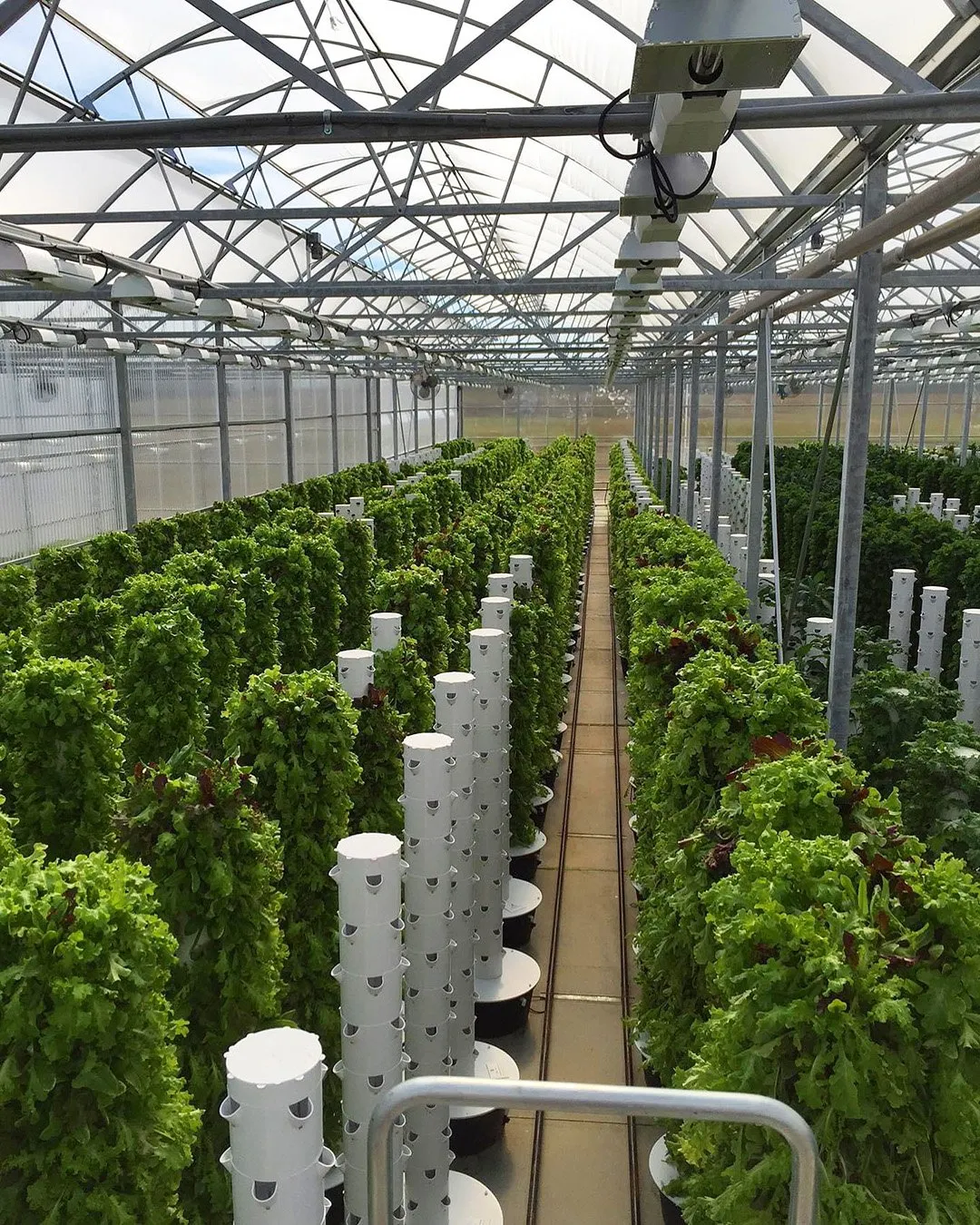
Aeroponics is one of the most advanced forms of soilless cultivation, where plants grow with their roots suspended in the air while receiving nutrients through a fine mist. This method offers exceptional oxygenation, faster growth, and precise nutrient control—making it ideal for urban farming, high-value crops, and commercial-scale controlled farming.
1️⃣ Understanding Aeroponics: The Core Concept
Aeroponics eliminates soil and uses a misting environment that keeps roots moist and nourished.
Advantages:
Maximum oxygen availability
Precise nutrient dosing
Faster plant metabolism
Reduced disease risk
Image: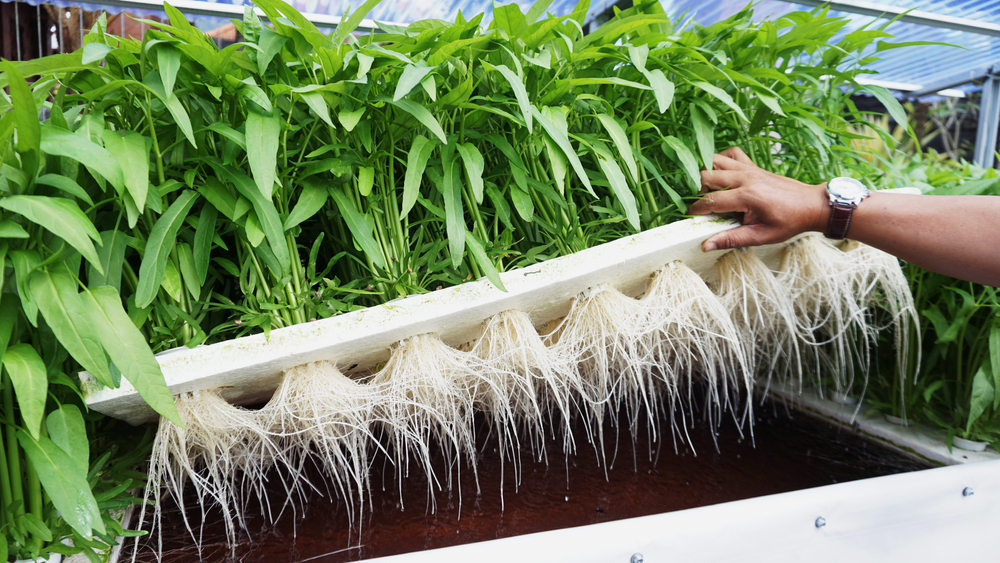
2️⃣ The Role of Misting Nozzles
Aeroponic systems rely on high-pressure nozzles that convert nutrient-rich water into ultra-fine droplets.
Key Points:
Droplet size usually 5–50 microns
Promotes rapid nutrient absorption
Keeps roots from drying out
Image: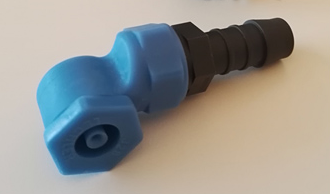
3️⃣ Vertical Aeroponics for Space Efficiency
Vertical tower systems allow hundreds of plants to grow in a limited area.
Benefits:
10× more plants per sq. ft
Ideal for leafy greens, herbs
Low maintenance once automated
Image: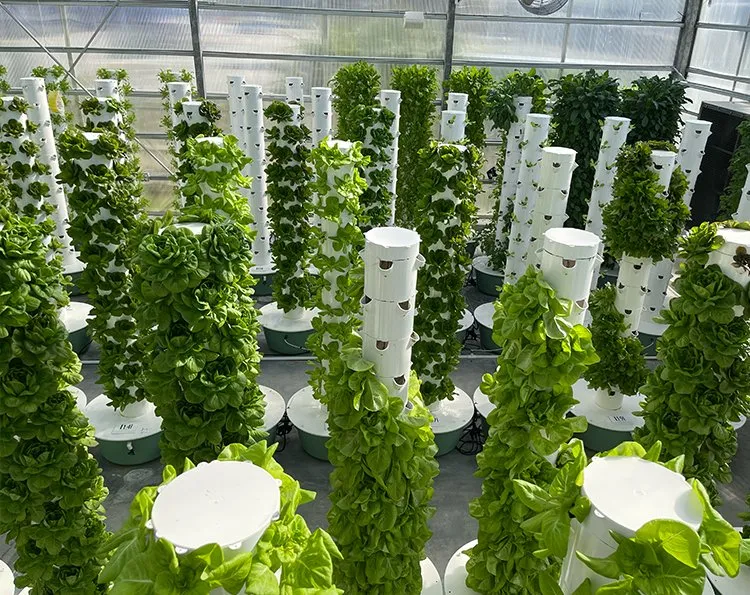
4️⃣ Aeroponics Inside Controlled Greenhouses
Greenhouse aeroponics helps maintain stable humidity, temperature, and CO₂ levels.
Greenhouse advantages:
Weather independence
Consistent year-round production
Higher yield predictability
Image: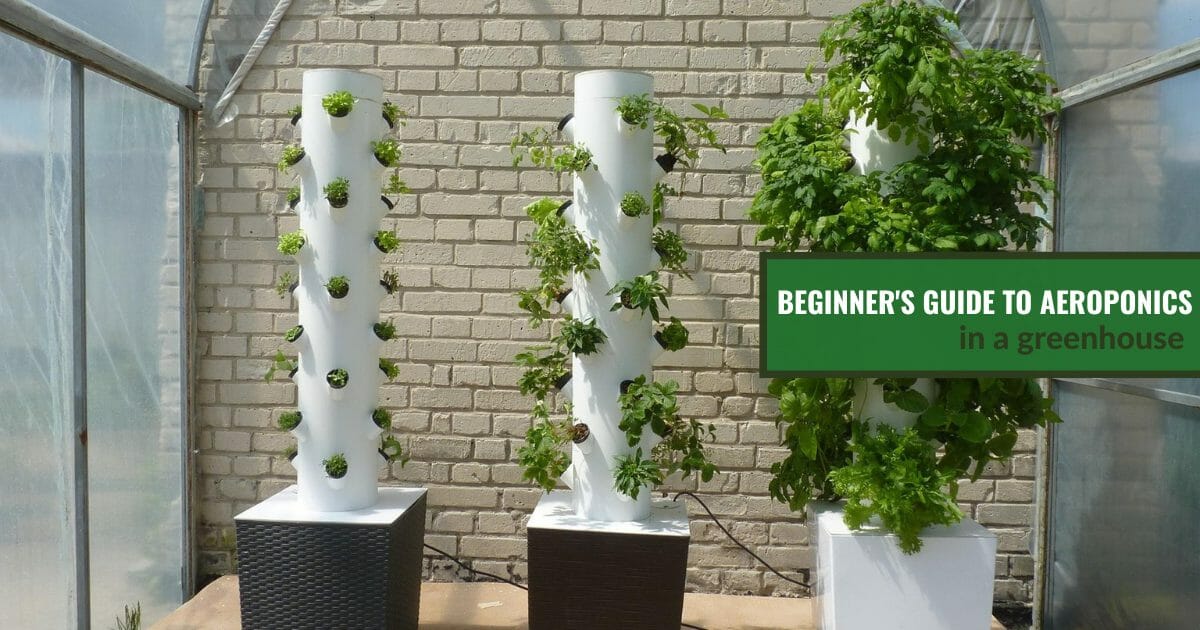
5️⃣ Nutrient Formulation & Root Health
Since plants depend entirely on misted nutrients, precision is crucial.
Nutrient management:
Balanced NPK ratios based on crop
Continuous monitoring of pH (5.5–6.5)
EC levels adjusted for growth stage
Image: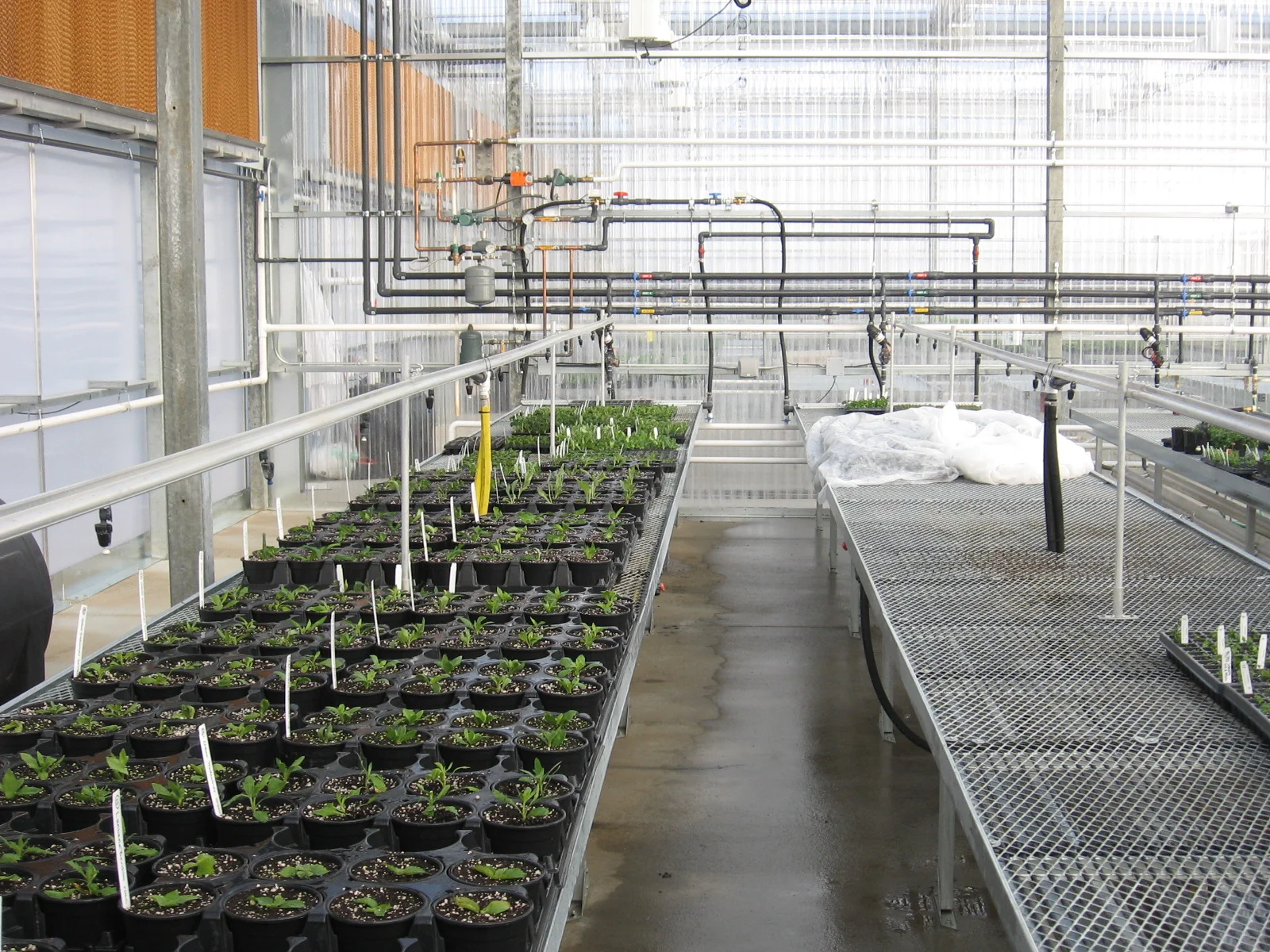
6️⃣ Automation & Control Systems
Modern aeroponics integrates automated pumps, timers, pressure systems, and monitoring dashboards.
Automation benefits:
Reduces human error
Ensures consistent misting intervals
Improves long-term stability
Image: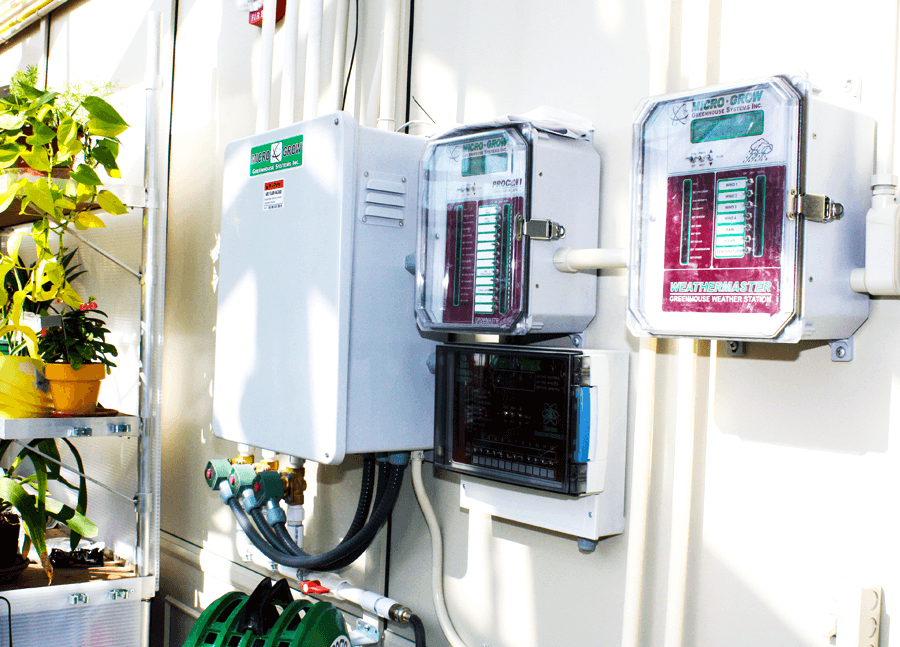
Conclusion
Aeroponics represents the next leap in agricultural innovation. With efficient water use, rapid growth cycles, and controlled environments, it is poised to revolutionize high-value crop farming in urban and rural settings alike.