Coriander (Coriandrum sativum), commonly known as cilantro, is a fast-growing aromatic leafy herb widely used in culinary and processing industries. Due to its shallow root system, short crop duration, and sensitivity to soil-borne diseases, coriander is highly suitable for NFT (Nutrient Film Technique) hydroponic cultivation. NFT-based production enables precise nutrient delivery, rapid crop cycles, and year-round production of clean, high-quality leaves under protected conditions.
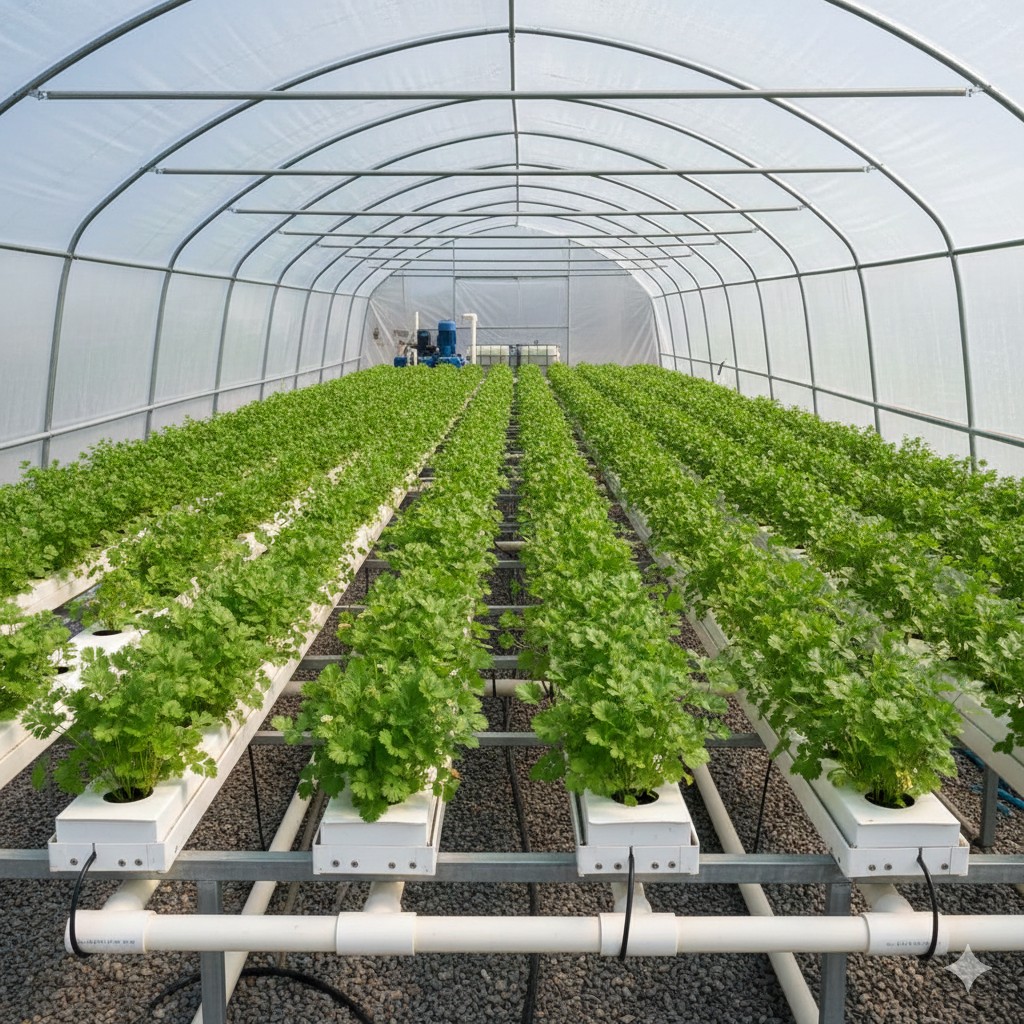
Why grow coriander under NFT system
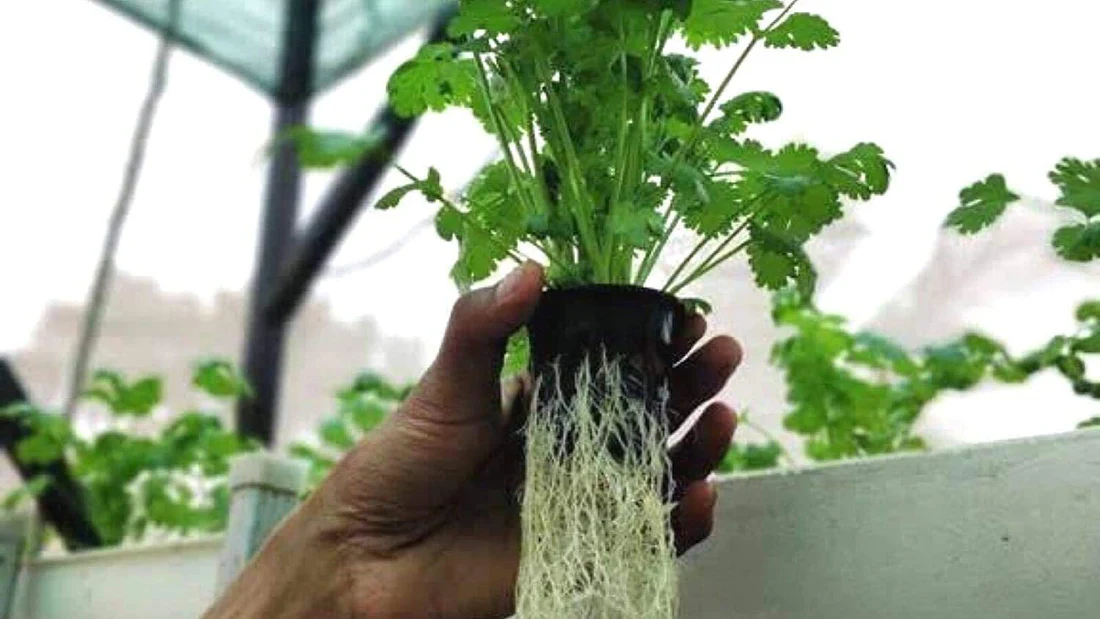
NFT systems provide continuous nutrient and oxygen availability, resulting in rapid leaf growth and uniform aroma. Compared to soil cultivation, NFT allows accurate control of EC and pH, reduces root diseases, and supports staggered planting for continuous harvest. Coriander’s compact canopy and shallow fibrous roots make it ideal for NFT channels.
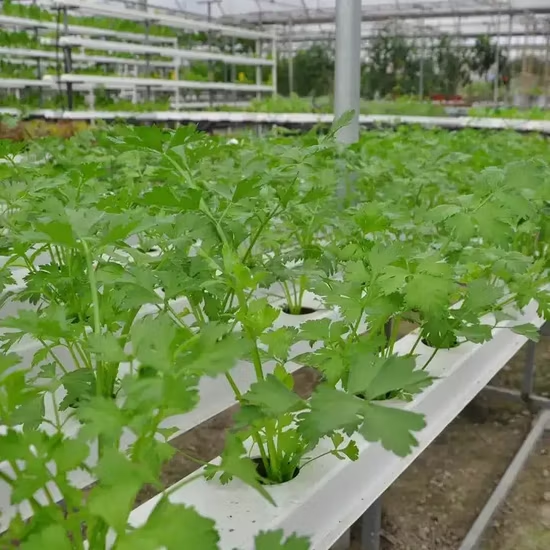
Variety selection and nursery management
Select coriander varieties with slow bolting, fine leaf texture, and strong aroma. Use certified seeds with high germination percentage. Seeds are lightly split before sowing to improve germination. Sow seeds in plug trays (200–288 cells) filled with sterile coco peat or rockwool. Germination occurs within 5–8 days at 18–24 °C. Transplant seedlings at the 2–3 true leaf stage, typically 12–15 days after sowing.
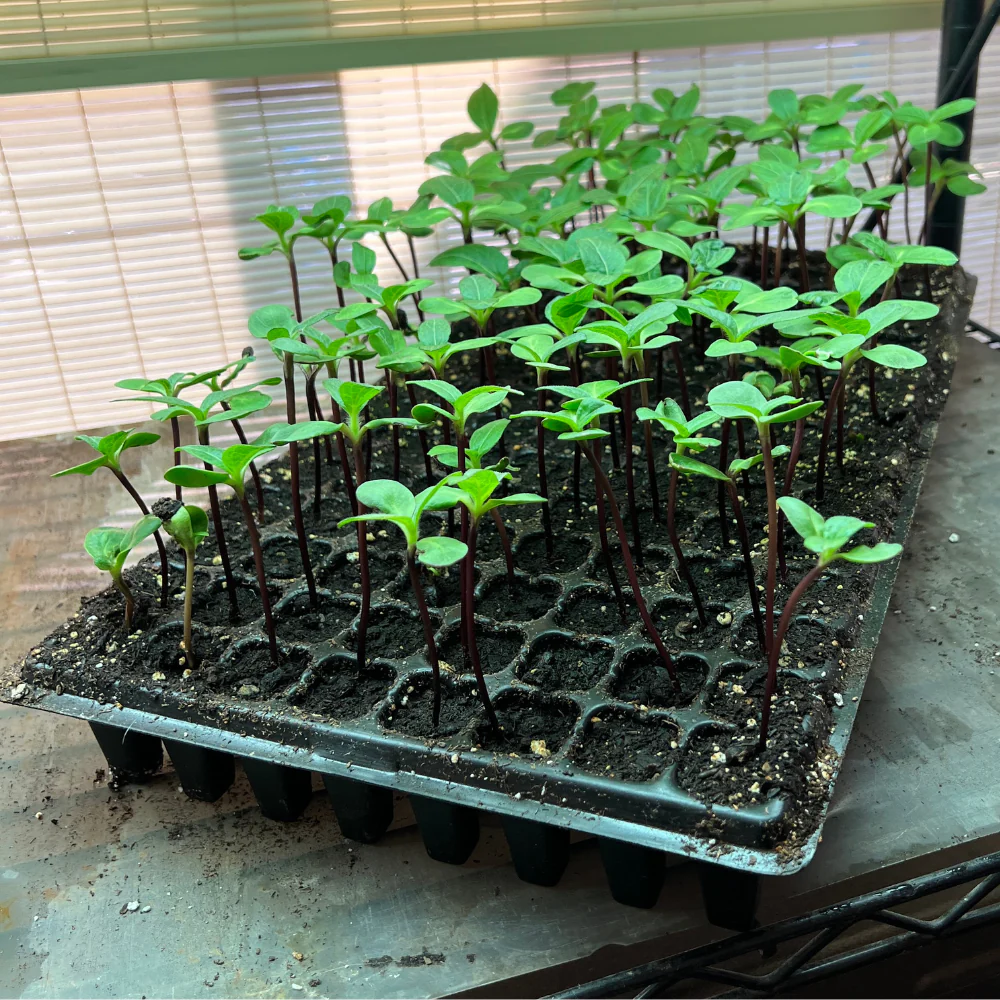
Botanical characteristics and growth habit
Botanical name: Coriandrum sativum
Family: Apiaceae
Growth habit: Upright, finely dissected foliage
Root system: Shallow, fibrous
Life cycle: Annual
Harvested part: Leaves
Pollination: Not required (vegetative harvest)
Coriander is harvested before bolting; high temperature and long photoperiod accelerate flowering and reduce leaf quality.
NFT system design and layout
NFT channels of 75–100 mm width are recommended with a slope of 1:40 to 1:60 for smooth nutrient flow. Nutrient solution should circulate continuously at a flow rate of 0.5–1.0 L/min per channel. Channels must be cleaned and disinfected between crop cycles to prevent algae formation and root diseases.
Climate and environmental requirements
Temperature:
Day: 18–25 °C
Night: 12–18 °C
Relative humidity: 55–70%
Light requirement: 10–14 hours photoperiod; 120–200 µmol·m⁻²·s⁻¹ PPFD
Ventilation: Gentle airflow to prevent humidity buildup
Coriander performs best under cooler conditions; heat stress causes early bolting.
Nutrient and irrigation management
Coriander is a light to moderate feeder and requires stable nutrient levels.
Recommended nutrient ranges:
EC: 1.0–1.6 mS/cm
pH: 5.8–6.3
Key nutrients include nitrogen for leaf biomass, potassium for aroma, calcium for leaf strength, and magnesium for chlorophyll synthesis. EC and pH should be monitored daily.
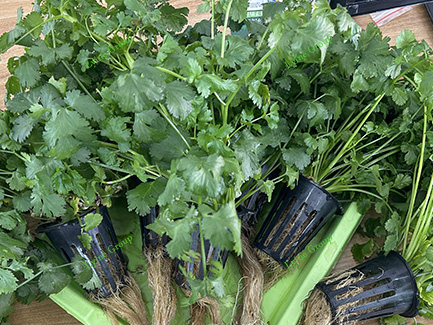
Expected yield and harvest
Harvesting begins 25–35 days after transplanting. Leaves are cut 3–5 cm above the crown. Under protected NFT systems, yields of 1.8–3.0 kg per m² per cycle are achievable. Multiple staggered plantings enable continuous supply.