Introduction to Anthurium glasshouse cultivation
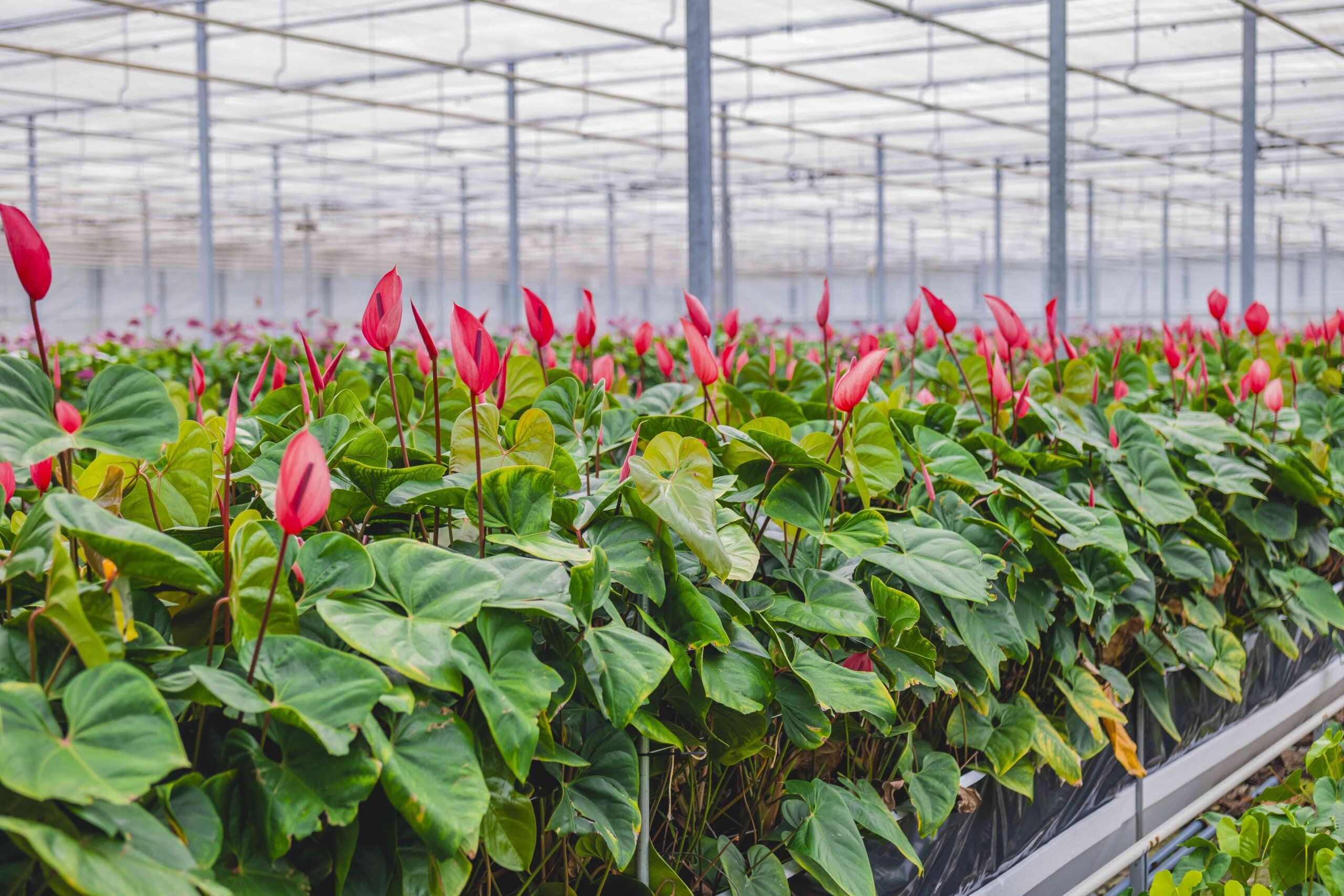
Anthurium (Anthurium andraeanum) is a premium tropical ornamental plant cultivated primarily for its colourful spathes and long-lasting cut flowers. Due to its strict requirements for temperature, humidity, light, and air quality, Anthurium is best grown under glass greenhouse conditions that allow precise environmental control. Glasshouse cultivation enables uniform flower quality, extended harvest periods, and reliable year-round production for high-value markets.
Why grow Anthurium under glass greenhouse
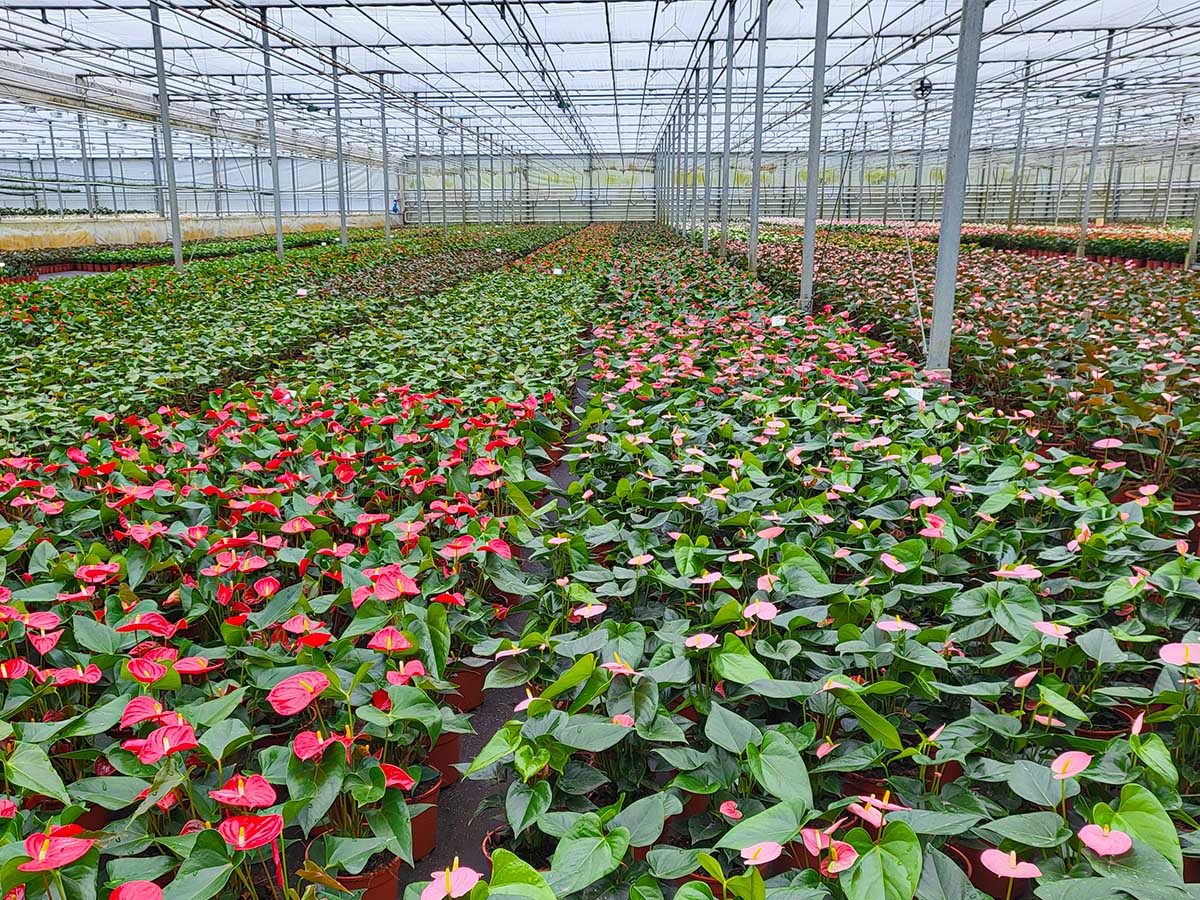
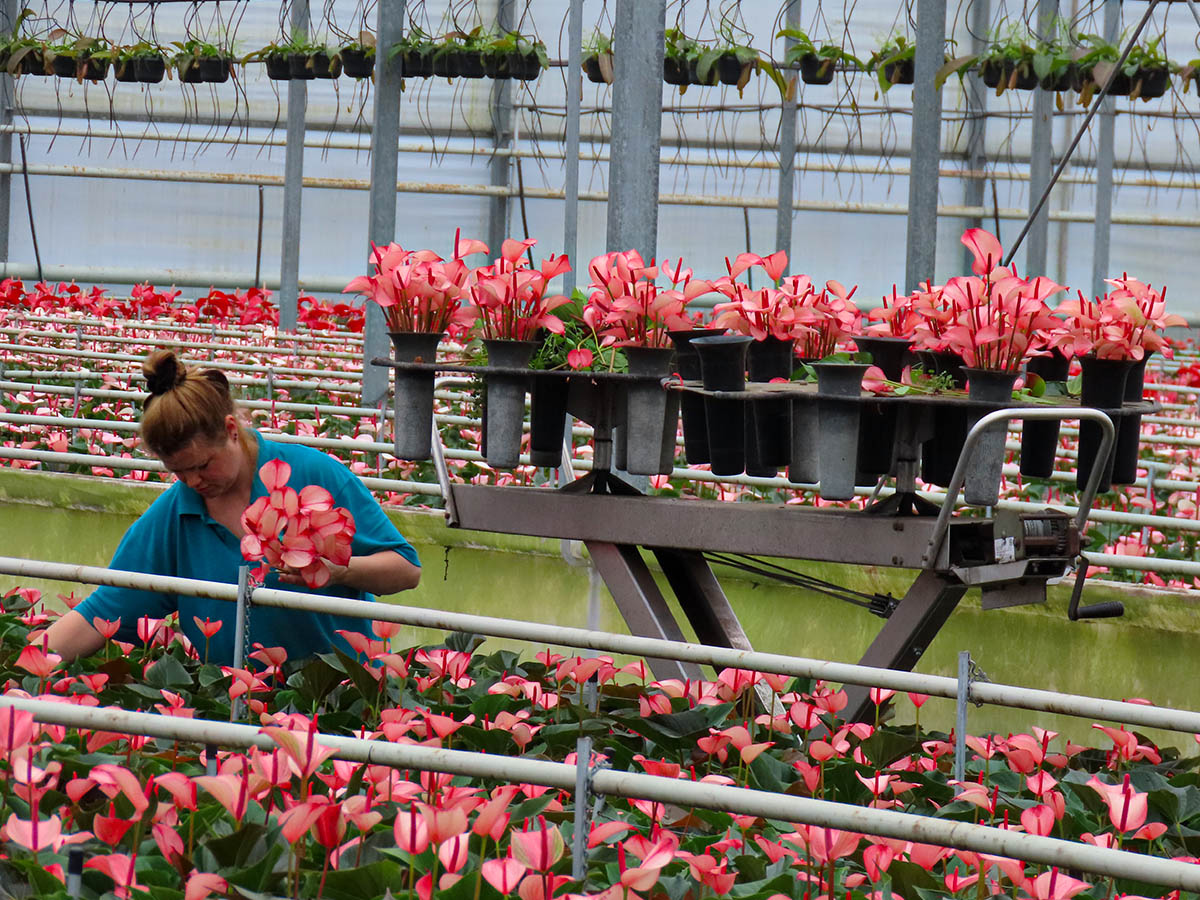
Glass greenhouses provide stable temperature, high humidity control, diffused light, and protection from external climatic fluctuations. Anthurium is highly sensitive to temperature stress, excess radiation, and low humidity, making open or semi-protected structures unsuitable for consistent production.
Advantages of glass greenhouse cultivation:
• Precise temperature and humidity regulation
• Diffused natural light with shading control
• Year-round flower production
• Superior flower size, colour, and stem quality
Botanical characteristics and growth habit
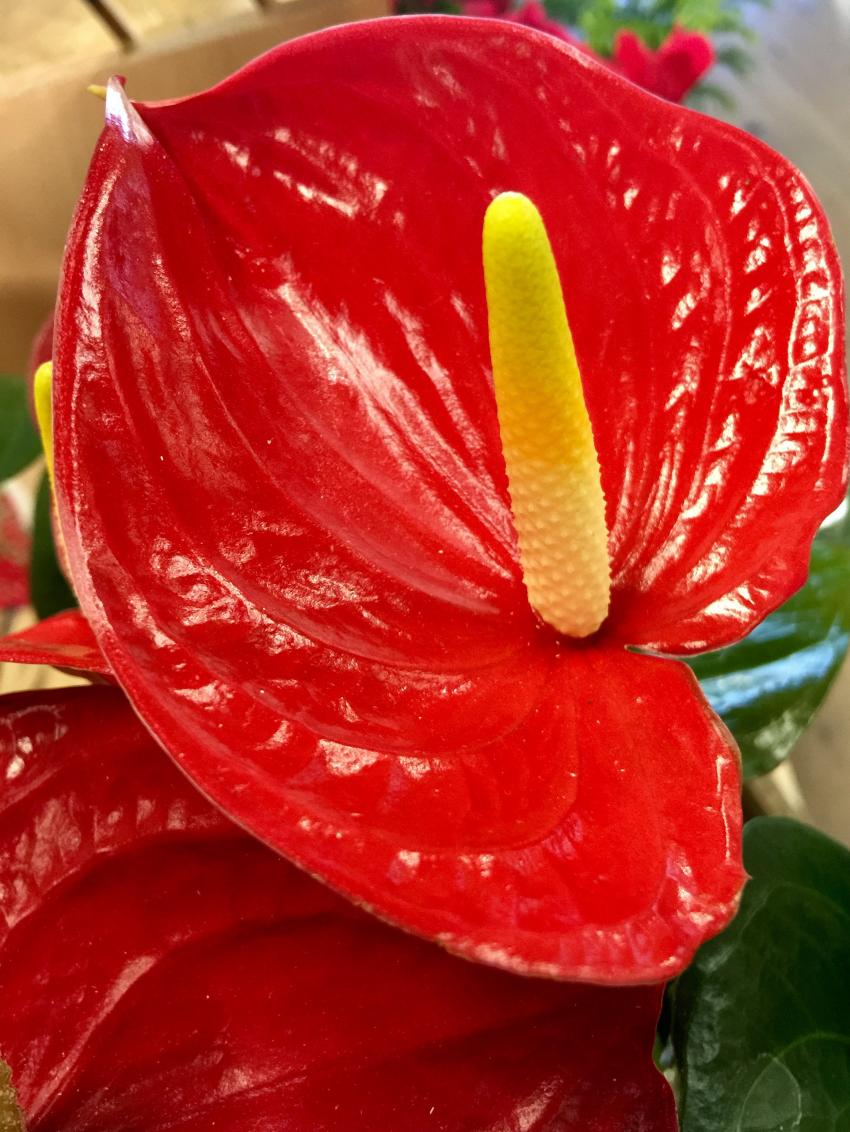
Botanical name: Anthurium andraeanum
Family: Araceae
Growth habit: Perennial herbaceous plant
Root system: Adventitious, shallow, aerial roots common
Life cycle: Perennial
Harvested part: Spathe with spadix (cut flower)
Pollination: Primarily insect-pollinated
Anthurium plants form a compact crown with thick, glossy leaves and erect flower stalks. Each plant produces flowers continuously under optimal environmental and nutritional conditions.
Glass greenhouse design and planting system
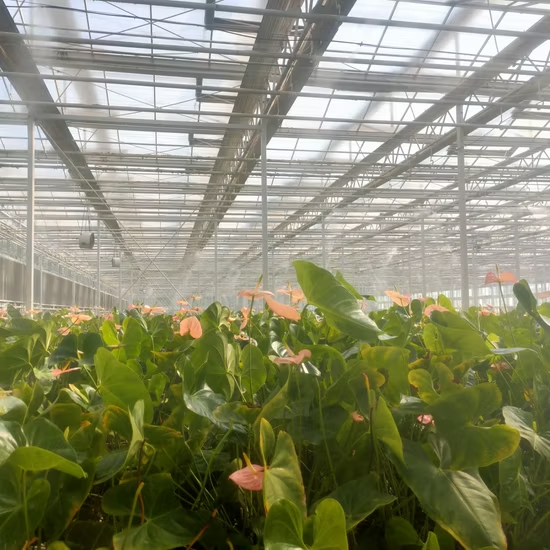
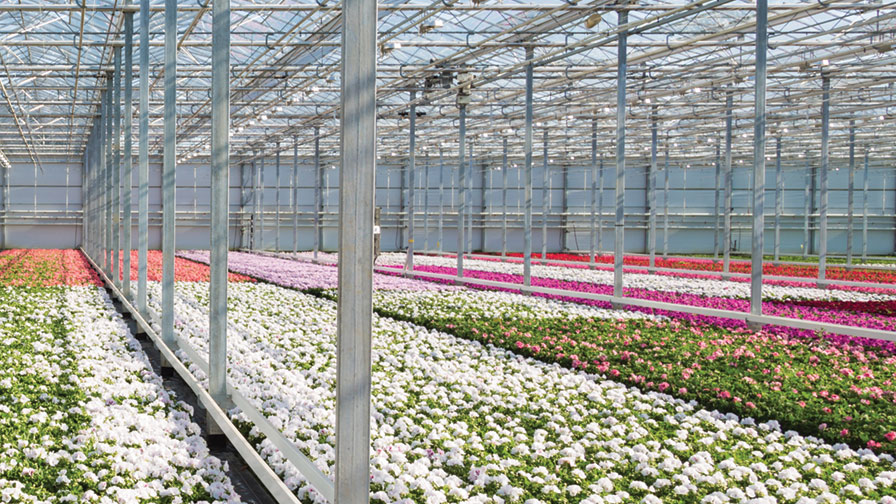
Glass greenhouses used for Anthurium cultivation are typically equipped with automated ventilation, fogging systems, heating, and retractable shade screens. Plants are grown on raised beds or troughs using well-aerated media such as cocopeat, pine bark, or a cocopeat–perlite mix.
Recommended planting density:
• 6–8 plants per square metre
• Raised beds with excellent drainage
Climate and environmental requirements
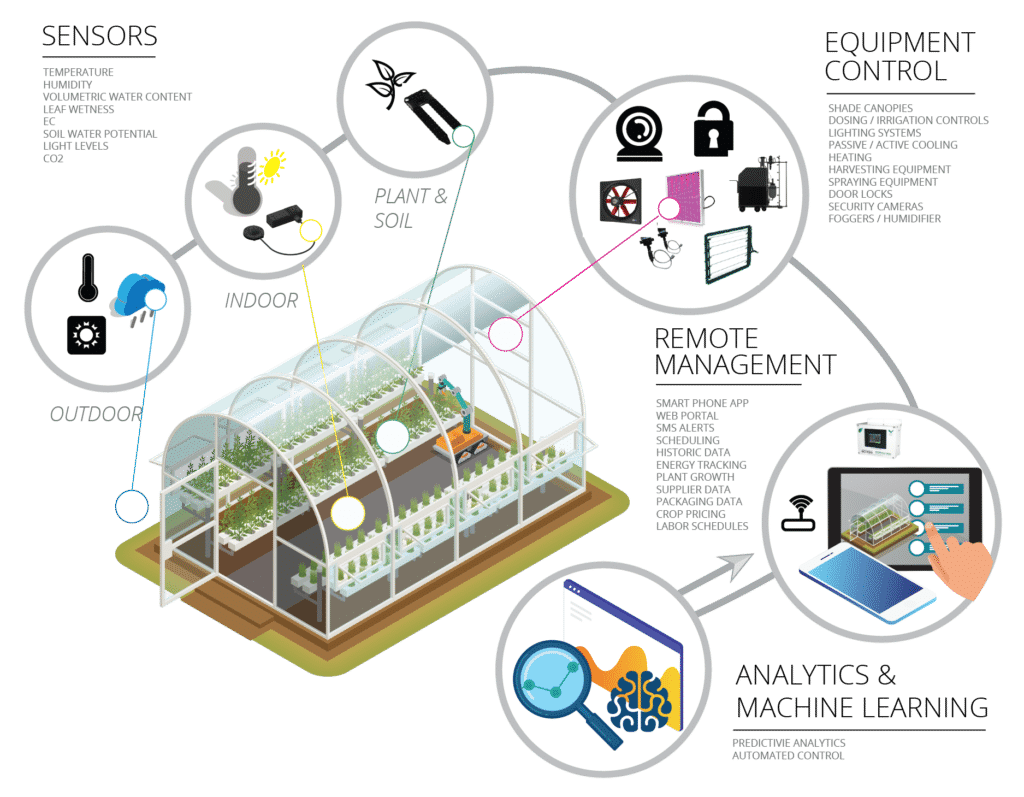
Temperature:
• Day: 22–28 °C
• Night: 18–20 °C
Relative Humidity: 70–85%
Light: Diffused, 12–14 hours photoperiod
Ventilation: Gentle airflow without drafts
Excessive light causes leaf scorch and spathe fading, while low humidity leads to flower deformities. Glasshouse automation ensures stable microclimate conditions essential for premium flower production.
Nutrient and irrigation management
EC: 1.2–1.8 mS/cm
pH: 5.5–6.5
Key nutrients: Nitrogen, potassium, calcium, magnesium, micronutrients
Drip fertigation with frequent, low-volume irrigation is preferred to maintain consistent root-zone moisture and nutrient availability. Calcium and potassium play a critical role in spathe strength and colour intensity.
Pest and disease management
Common pests include thrips, aphids, and mites, while diseases such as bacterial blight and root rot may occur under poor ventilation or excessive moisture. Integrated pest management (IPM), strict sanitation, and controlled humidity are essential for disease prevention in glass greenhouses.
________________________________________
Harvesting standards and yield potential
Anthurium flowers are harvested when the spathe is fully expanded and the spadix is partially mature. Under well-managed glass greenhouse conditions, yields of 6–10 marketable stems per plant per year are achievable. Proper harvesting techniques ensure long vase life and export-grade quality.
________________________________________
Post-harvest handling
Harvested flowers should be immediately placed in clean water and graded based on spathe size, colour, and stem length. Storage at 16–18 °C with high humidity preserves freshness and extends vase life during transport and marketing.
________________________________________
Checklist before starting Anthurium glasshouse cultivation
• High-quality tissue-cultured planting material
• Fully automated glass greenhouse infrastructure
• Reliable power and water supply
• Skilled technical management
• Access to premium domestic or export markets
________________________________________
References and further reading
• FAO – Greenhouse floriculture manuals
• Dutch floriculture production guides
• Peer-reviewed research on Anthurium cultivation