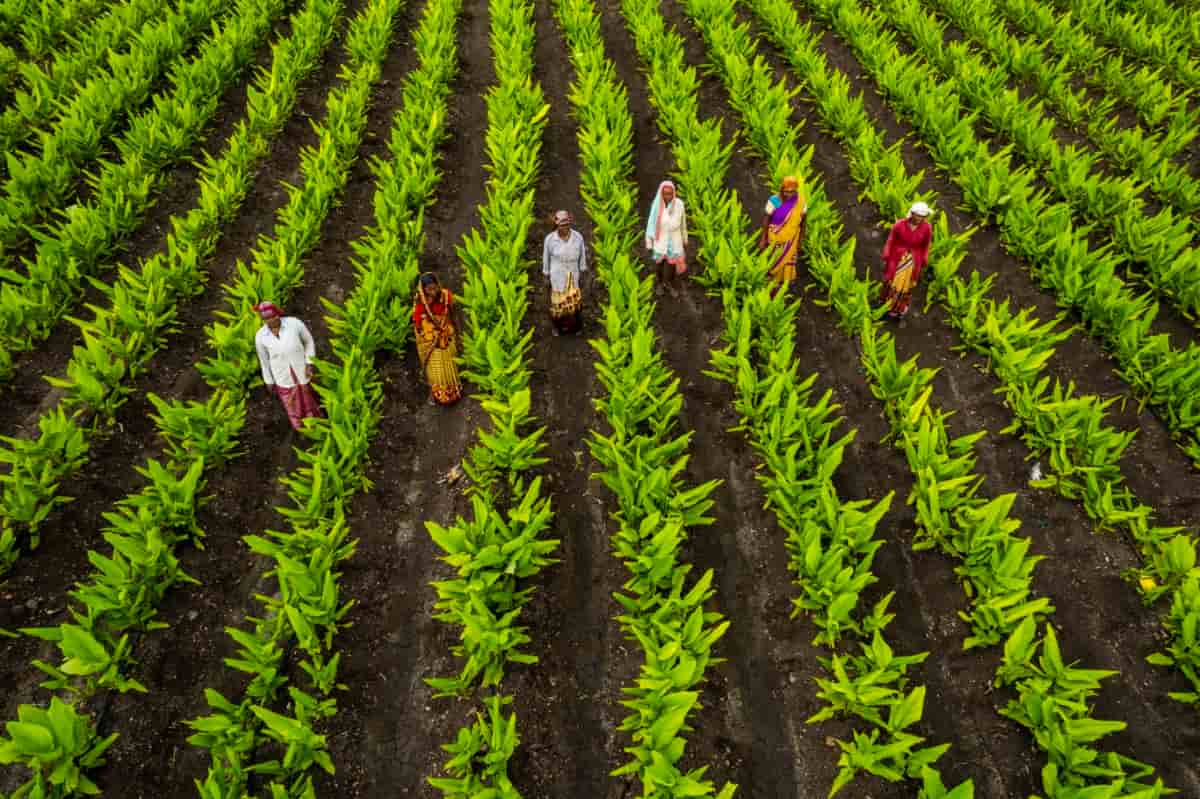
1. Need for a Structured Implementation Framework
High-curcumin Lakadong turmeric cannot be deployed successfully through ad hoc expansion or conventional farming logic. Its biochemical sensitivity, premium positioning, and quality requirements necessitate a structured, systems-based implementation approach.
An effective framework integrates:
● Infrastructure design
● Biological inputs and crop management
● Quality assurance protocols
● Economic planning and risk mitigation
This integrated approach ensures that scientific potential translates into consistent commercial outcomes.
________________________________________
2. Phase I: Pilot-Scale Deployment
The first stage of implementation focuses on pilot-scale polyhouse units, typically covering limited area but operating under full production protocols.
Objectives of Phase I include:
● Validation of agronomic practices under local conditions
● Calibration of irrigation and fertigation schedules
● Establishment of quality baselines for curcumin and yield
● Development of standard operating procedures (SOPs)
Pilot-scale deployment minimises capital exposure while generating high-quality operational data.
________________________________________
3. Phase II: Controlled Scale-Up
Once pilot performance stabilises, production can be expanded through replication rather than redesign.
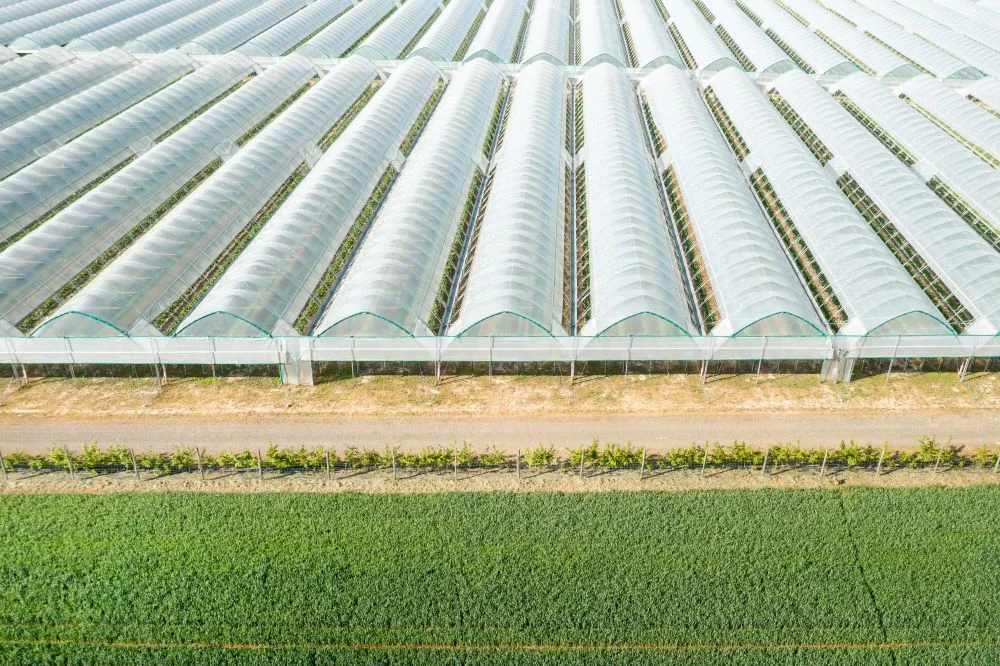
Key principles of controlled scale-up include:
● Replicating validated polyhouse modules
● Maintaining uniform planting material sources
● Centralised monitoring of quality parameters
● Incremental capacity addition aligned with market demand
This modular strategy preserves quality consistency while enabling predictable growth.
________________________________________
4. Phase III: Integration with Post-Harvest and Quality Systems
As production scale increases, integration with post-harvest handling and quality assurance systems becomes critical.
This phase involves:
● Dedicated processing and drying infrastructure
● Batch-level traceability systems
● Regular laboratory testing and documentation
● Alignment with certification requirements
Early integration avoids downstream bottlenecks and quality dilution.
________________________________________
5. Risk Management and Operational Controls
Implementation frameworks must explicitly address production risks, including:
● Disease outbreaks
● Input quality variability
● Labour constraints
● Market volatility
Polyhouse cultivation inherently reduces climatic risk, while phased deployment limits financial exposure. Risk management protocols should be embedded into SOPs rather than treated as corrective measures.
________________________________________
6. Referenced Implementation Model: A Planned Commercial Approach
Within this framework, enterprises such as Seechur Agro represent a planned implementation model seeking to integrate protected cultivation, quality-driven production, and long-term scalability. Rather than claiming completed outcomes, such models emphasise process discipline, scientific grounding, and incremental validation.
This approach aligns with investor expectations for transparency, governance, and responsible scale-up.
________________________________________
7. Workforce and Knowledge Systems
Successful deployment requires trained personnel capable of managing controlled environments and quality protocols. Knowledge systems—including documentation, monitoring tools, and decision-support frameworks—are essential for maintaining consistency across expanding operations.
________________________________________
8. Strategic Alignment with Market Development
Implementation should proceed in parallel with market development. Establishing buyer relationships, quality specifications, and certification pathways early ensures that production expansion is demand-led rather than speculative.
________________________________________
9. Lead-in to the Next Section
This section has translated theory and economics into a practical deployment framework. The next part focuses on research gaps, innovation opportunities, and future directions, positioning Lakadong turmeric cultivation within a long-term scientific and strategic context.
________________________________________
🔗 Continued in PART 14
Research Gaps, Innovation Pathways, and the Future of Lakadong Turmeric Cultivation